Start With the Written Scope, Not the Rendering
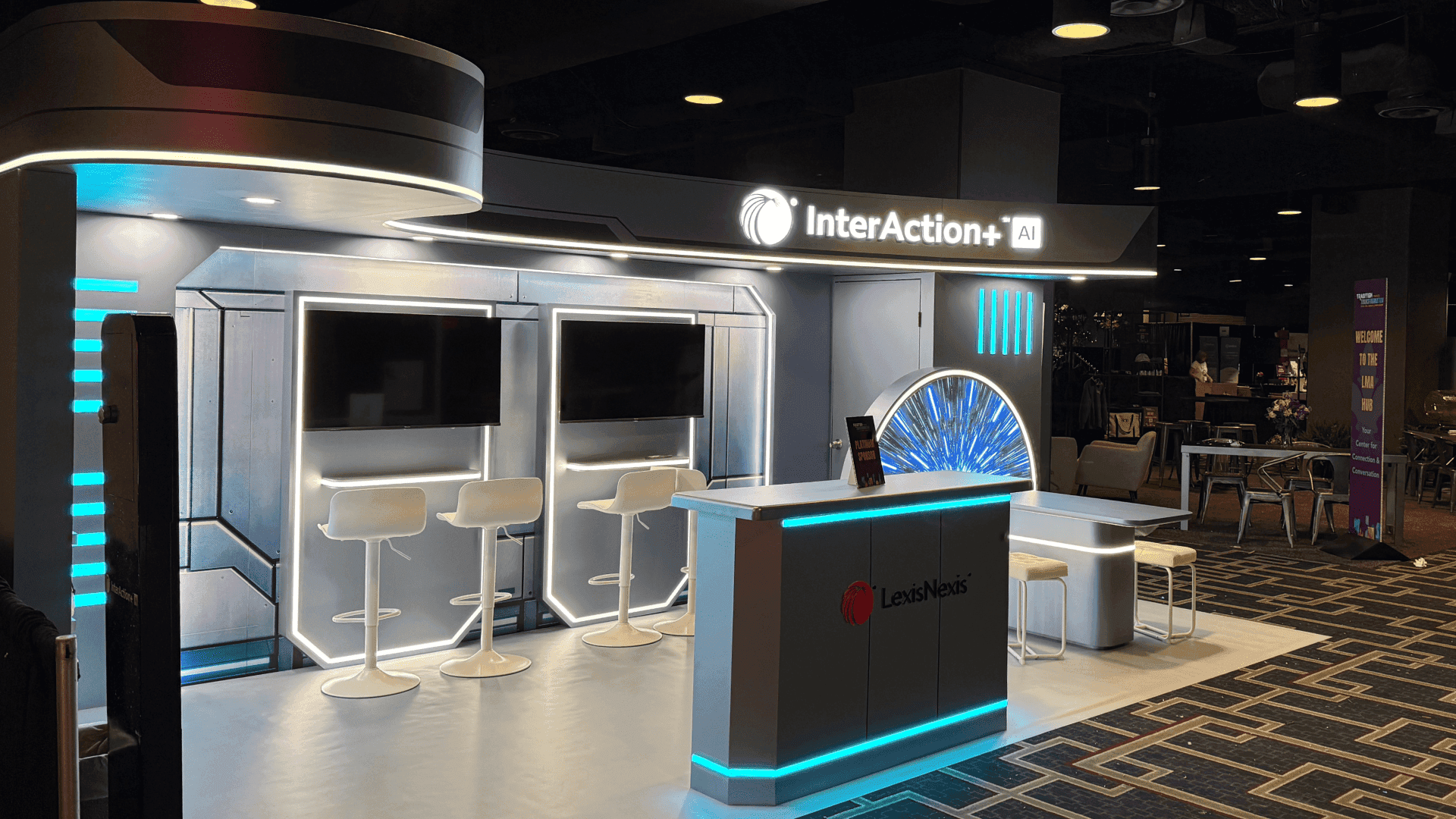
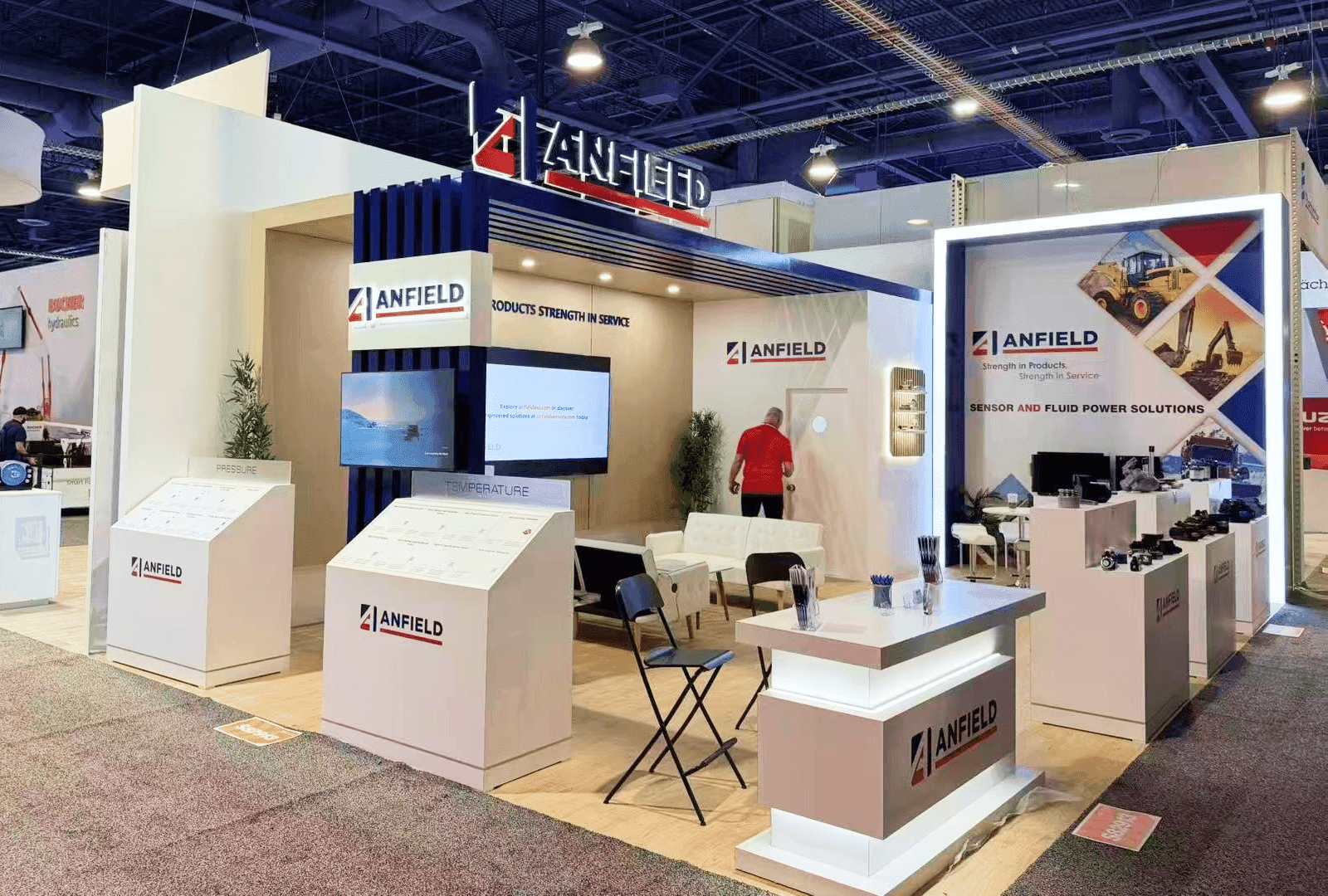
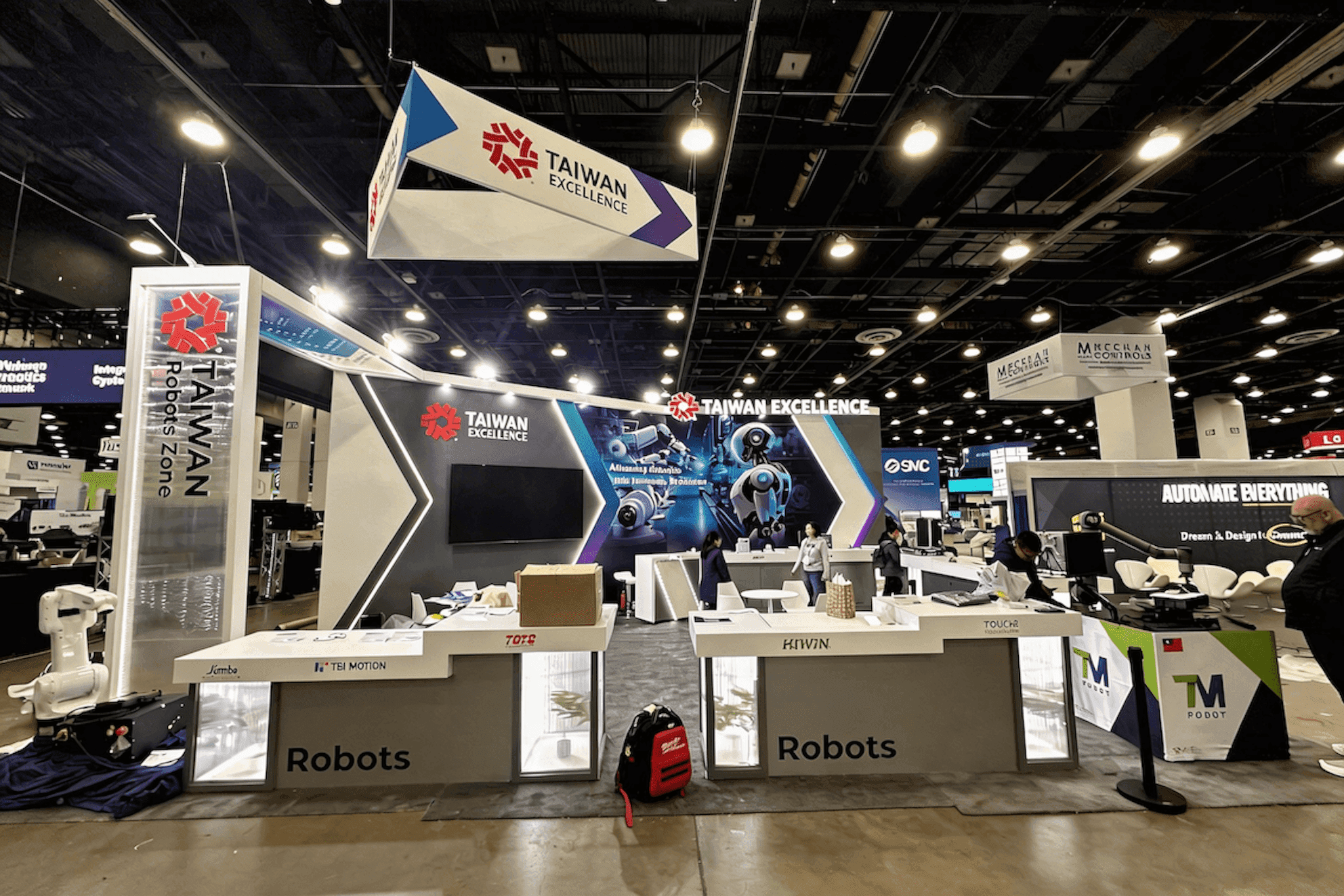
A rendering shows how the exhibit is intended to look, while the written scope defines what the exhibit partner is actually responsible for providing, producing, installing, or coordinating. Those two documents should agree, but they are not interchangeable. If the visual design itself still needs review, the design mockup should first make the intended layout, products, graphics, screens, visitor flow, and support spaces clear so the written scope can be checked against an approved design intent.
A monitor shown in the rendering is a useful example. Before approval, the proposal should make clear:
Is the monitor hardware included?
Is the mount included?
Who provides the cabling?
Who installs and tests the screen?
Has electrical service been identified?
Who provides the media player, laptop, or demo device?
Who is responsible for the content?
The same test applies to counters, storage, product mounts, graphics, shelving, flooring, lighting, and other major elements shown in the design.
A practical approval question is:
If the booth arrived exactly as described in the written scope, would the team have everything required to install and operate what is shown in the rendering?
If the answer depends on undocumented items or unresolved responsibilities, the proposal is not ready for approval. Visual intent is not the same as contracted scope.
The written scope is easier to finalize when booth size, functional layout, demo requirements, graphics, storage, and utilities have already been defined. For a 20x20 project, those decisions should be settled during the 20x20 rental booth planning process before the proposal becomes the final reference for production and show-site coordination.
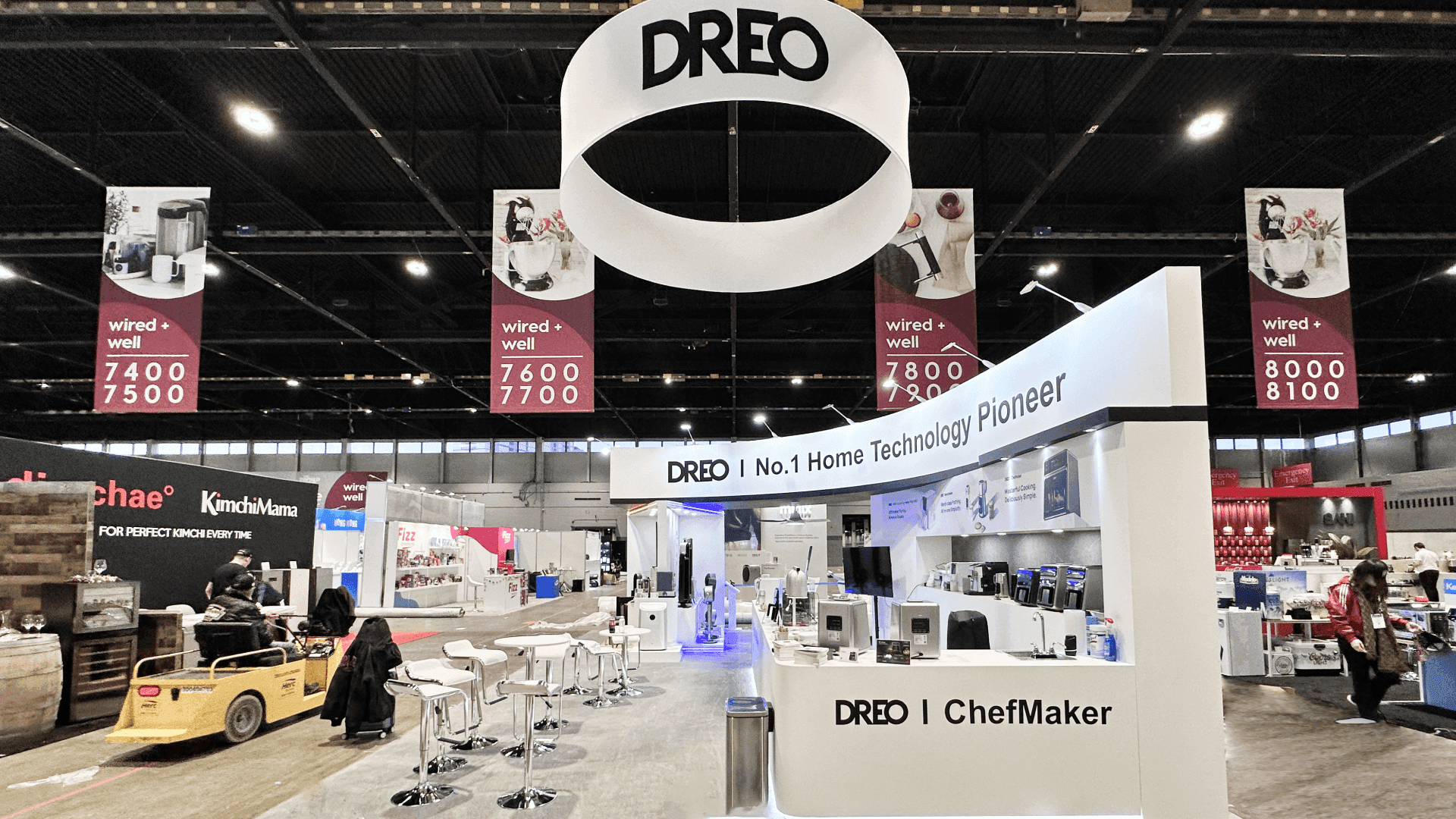
A booth rental proposal should make the written scope clear enough to show what is included, what still needs another order, and where each responsibility sits.
What Should a Booth Rental Proposal Clearly Define?
A useful proposal does not need to be the longest document. It needs to make the scope boundaries clear.
For each major part of the exhibit, the written proposal should show what is being provided, what work is included, and where another vendor, order, or show service is still required.
Proposal Area | Proposal Should Clearly State | Common Gap |
|---|---|---|
Structure | Components, dimensions, finishes, configuration, counters, and storage | Elements appear in the rendering but are not listed in the written scope |
Graphics | Quantity, material, dimensions, production, file responsibility, and installation | Graphics are shown, but production or installation responsibility is unclear |
Screens / AV | Hardware, mounts, cabling, setup, testing, and device responsibility | Screen is shown, but monitor, mounting, content device, or setup is undefined |
Flooring | Flooring type, finish, coverage, edge treatment, and installation | Flooring is shown, but product or installation details are incomplete |
Demo / Product Display | Counters, mounts, product access, support, clearance, and utility requirements | Product is shown without its physical or technical requirements being scoped |
Freight | Shipment origin, inbound responsibility, delivery path, and coordination scope | “Freight coordinated” is mistaken for transportation being included |
Drayage / Material Handling | Whether the charge is included in the proposal price, coordinated separately, or ordered / billed through the official material-handling provider | Freight is defined, but show-site material handling is not |
Installation & Dismantle (I&D) | Which exhibit assembly and dismantle tasks are included, plus any graphics, AV, or product-related labor that is specifically included or separate | “Installation included” appears without defining the actual labor boundary |
Show-Controlled Services | Responsibility for electrical, internet, rigging, plumbing, cleaning, or other required official services as applicable | Booth requires the service, but ordering, payment, or provider responsibility is undefined |
Outbound / Storage | Packing, labeling, outbound handoff, return freight, and storage | Dismantle is defined, but post-show logistics are not |
Installation & Dismantle (I&D) refers here to the labor scope for setting up and taking down the exhibit. The phrase alone is not enough; the proposal should state which installation tasks actually belong to that labor scope.
The purpose of the table is not to force every proposal into the same format. It is to make missing responsibility visible before approval.
Compare Scope Before Comparing Price
Two booth rental proposals should not be compared by total price until their scopes are aligned.
A $24,000 proposal is not necessarily less expensive than a $28,000 proposal if the first leaves I&D outside the quoted price while the second includes it. The same applies when one proposal explicitly lists monitors, graphics production, mounting, and installation while another only shows those items in the rendering.
Normalize the major scope items first, then compare the totals.
Compare scope to scope first, price to price second.
How Should You Read Proposal Labels Like “Included,” “Coordinated,” and “TBD”?
Proposal wording can make a scope look clearer than it actually is.
These labels are also not always mutually exclusive. A service may be coordinated by the exhibit partner, approved or ordered by the exhibitor, and ultimately provided by a show-appointed contractor.
A show-appointed provider is an official contractor designated by the organizer or venue to provide a specific show service.
Proposal Wording | What It Usually Means | What to Confirm Before Approval |
|---|---|---|
Included | The item is intended to be part of the current proposal scope | Is it included in both the written scope and the quoted price? |
Coordinated | The exhibit partner helps arrange or manage the process | Who places the order, and who pays the outside provider? |
By Exhibitor | The exhibitor must supply, approve, order, or manage the item | What exactly must be provided, and by what deadline? |
Show-Appointed Provider | The service must come from an official show or venue contractor | Who places the order, who approves it, and who receives the invoice? |
Allowance / Estimate | A provisional amount is included for planning, but the final cost may change | What is the allowance based on, and how are differences handled? |
Not Included / Excluded | The item sits outside the current proposal | Is the item still required for a show-ready booth, and who owns it? |
By Others | Responsibility is outside the current proposal, but the responsible party may not be obvious | Who exactly are “others”—the exhibitor, GSC, venue, AV vendor, or another contractor? |
TBD | Scope, specification, responsibility, or price is unresolved | What must be finalized before production or show-service deadlines? |
As Shown | An item may be represented visually without a complete written definition | Is the item also documented in the written scope with quantity and responsibility? |
Two phrases deserve particular attention:
“We coordinate electrical” does not mean electrical is included in the booth price.
And:
“Freight coordination included” does not automatically mean freight charges or drayage are included.
The wording should tell the team not only who is involved, but who orders, who provides, who pays, and what still needs to happen.
Once the booth scope is clear, there is still a second budget question: what costs sit outside this proposal altogether? Booth-space fees, show-controlled services, staffing, travel, marketing, and other exhibitor-side expenses may never appear in the rental quote. The trade show exhibiting cost breakdown maps those separate costs into the full event budget.

Proposal wording matters: “included,” “coordinated,” and “by show-appointed provider” can represent different scope, billing and ordering responsibilities.
Which Proposal Gaps Most Often Lead to Added Cost?
Added cost often appears where an ordinary booth element was never fully closed in the written scope. A monitor is shown, freight is mentioned, or installation is marked “included”—but the hardware, labor, show service, or post-show responsibility behind it is still undefined.
Screen Shown, but AV and Power Are Not Defined
A monitor in the rendering does not automatically mean the full AV setup is included.
The proposal should identify responsibility for:
Monitor hardware
Mounting
Cabling
Media player, laptop, or demo device
Installation
Testing
Electrical service
A screen can be part of the visual concept while several services needed to operate it remain outside the rental scope.
Freight Is Defined, but Show-Site Material Handling Is Not
Freight and drayage / material handling cover different parts of the logistics process.
Drayage / material handling is the show-site handling of freight after it enters the event’s receiving system. A proposal should therefore make clear who arranges the shipment, whether transportation charges are included, and what happens once the freight reaches show receiving.
If the proposal stops at “freight coordination” and never explains that next step, check the trade show drayage and material handling guide before treating logistics as fully scoped.
Installation Included” Does Not Define Every Labor Scope
A proposal may include structure installation without including every service required to make the booth operational.
Separate responsibility may still exist for:
Electrical labor
AV installation or testing
Rigging
Internet setup
Equipment positioning
Official show-contractor labor
The phrase “installation included” is useful only when the proposal states what is actually being installed and which labor scopes remain outside the agreement.
Once the labor boundary is clear in the proposal, the next question is how those responsibilities come together on the show floor. Rental booth installation planning in Las Vegas covers the setup sequence, graphics, power and AV coordination, final checks, and dismantle considerations that follow the approved scope.
Dismantle Is Included, but Outbound Responsibility Is Undefined
Taking the booth apart does not finish the post-show logistics process.
The proposal should also identify responsibility for:
Packing
Labeling
Outbound handoff
Return freight
Storage
Product or equipment shipment
Without those details, the booth can be dismantled while the next logistics step remains unresolved.
Scope Changes After Approval
Scope gaps become harder—and often more expensive—to resolve after production begins.
Adding a product, relocating a monitor, changing graphic dimensions, adding storage, or expanding a demo can trigger revised production, AV, electrical, freight, or labor requirements.
A well-defined original scope makes it easier to distinguish a legitimate change order from something that should have been clarified before approval.
What Should Las Vegas Exhibitors Confirm Before Final Approval?
Las Vegas booth proposals should be checked against the current event and venue requirements, not assumptions from a previous project.
LVCC, Venetian Expo, Mandalay Bay, Caesars Forum, and other Las Vegas venues can use different appointed providers, ordering procedures, and move-in requirements. Material handling, electrical, internet, rigging, labor, and other show-site services can also change from one event to another—even at the same venue.
Before approval, confirm that the proposal reflects the current exhibitor manual and clearly identifies which services sit within the exhibit scope, which are coordinated separately, and which must be ordered through show-appointed providers.
Do not rely on:
Last year’s service arrangement
Procedures from another Las Vegas show
Requirements from a different venue
General assumptions about how Las Vegas shows operate
If the booth is headed to LVCC, cross-check the proposal against the freight, utility, installation, and show-floor requirements covered in the Las Vegas Convention Center planning guide before final approval.
Final Approval Checklist
Before approving the booth rental proposal, confirm:
Does every major item shown in the rendering appear in the written scope?
Are structural components, dimensions, finishes, and quantities clearly defined?
Is responsibility for graphic production and installation clear?
Are monitors, mounts, AV, cabling, testing, and power responsibilities assigned?
Are show-controlled services identified separately from the booth scope?
Is freight clearly identified as included, coordinated, or handled outside the exhibit scope?
Is drayage / material-handling responsibility defined?
Does “installation included” specify the actual labor scope?
Are dismantle, packing, outbound freight, and storage responsibilities assigned?
Has the proposal been checked against the current show manual and venue requirements?
A proposal is ready for approval when the team can answer three questions without guessing:
What is being provided?
What still sits outside the scope?
Who owns every remaining responsibility?
For first-time exhibitors, proposal approval is only one step in the larger planning sequence. The first-time trade show exhibitor checklist shows what comes next across show services, freight, pre-show readiness, move-in, and move-out.
FAQ
What should be included in a trade show booth rental proposal?
A proposal should clearly define the booth structure, graphics, display elements, production scope, installation responsibilities, freight and material-handling responsibilities, and show-controlled services that are included, coordinated, exhibitor-managed, or billed separately.
Does everything shown in the booth rendering have to be listed in the proposal?
Major elements shown in the rendering should also be accounted for in the written scope. The rendering shows design intent; the proposal should state what is actually being supplied, produced, installed, or provided by another party.
What does “coordinated” mean in a booth rental proposal?
“Coordinated” usually means the exhibit partner helps arrange or manage the service. It does not automatically mean the outside service or charge is included in the booth price.
Does “installation included” cover electrical, AV, and rigging?
Not necessarily. Booth assembly may be included while electrical, AV, rigging, internet, equipment positioning, or official contractor labor remain separate. The written scope should define exactly which installation tasks are covered.
How should exhibitors compare two booth rental proposals?
Compare the scopes before comparing the totals. Confirm that both proposals account for the same structure, graphics, AV, I&D, freight responsibilities, show-controlled services, and post-show work. A lower price is only meaningful when the underlying scopes are comparable.