ASCO Diagnostics and Precision Oncology Booth Planning

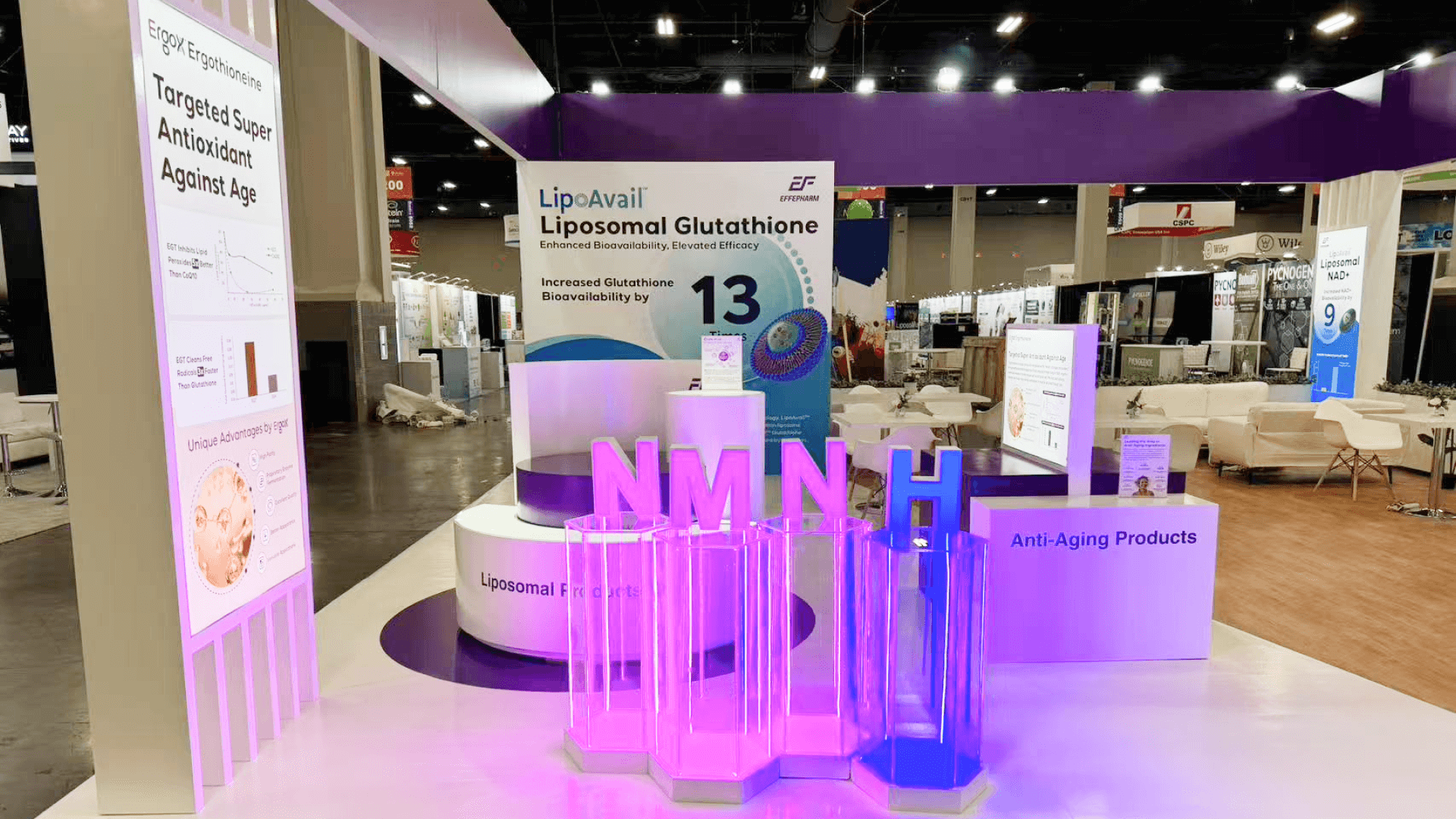
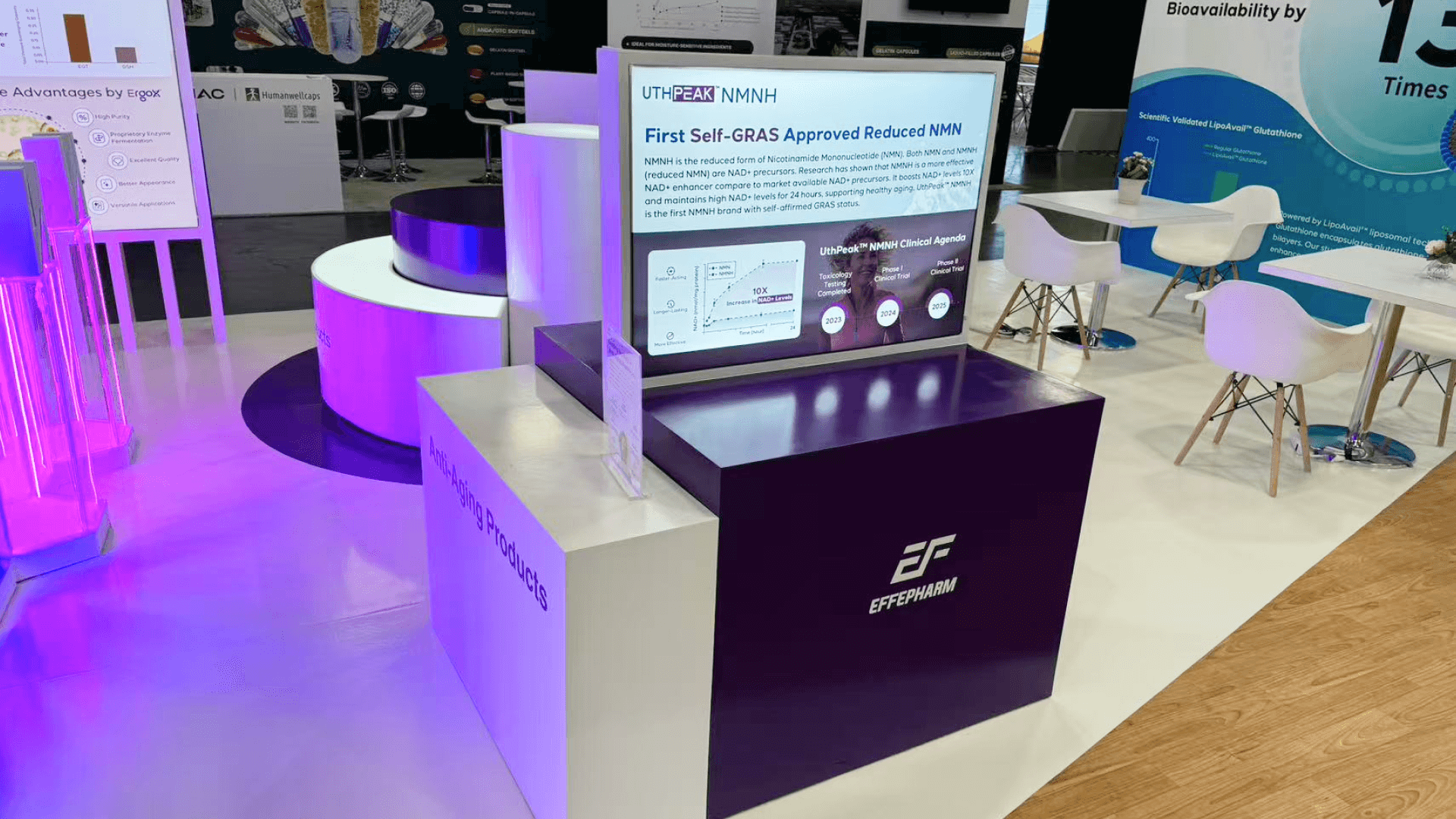

How should diagnostics and precision oncology exhibitors plan an ASCO booth?
Start with one use case, not the full product catalogue. Visitors need to see what enters the process, what the assay, platform, or software does, what result comes out, and where professional interpretation begins. Static graphics can carry the stable logic; the live demo should prove the part that only makes sense when it is seen in action.
Diagnostics and precision oncology exhibitors need to explain more than a product category. Their booths must show how a sample, image, dataset, assay, or software platform moves through analysis and produces a result for qualified review. This page focuses on diagnostic, genomic, biomarker, analytical, and decision-support workflows rather than treatment-focused pharmaceutical portfolios.
The main challenge is keeping the workflow, supporting evidence, live demonstration, and clinical interpretation connected without treating them as the same stage. A focused use case, one demonstration point, and a compact technical discussion area may fit within a 20x20 booth layout, provided screens and visitors do not interrupt the workflow.
This diagnostics-specific scenario sits within the broader ASCO Annual Meeting booth environment. Projects involving devices, several screens, or multiple technical paths usually require earlier coordination between the content sequence and the physical booth layout.
Why Exhibitors Choose Circle Exhibit
Clear scope, transparent quote review, nationwide booth support, and efficient setup planning for qualified rental and custom exhibit projects.
48hr
Setup Window
10+
Years Since 2014
U.S.
Trade Show Support
Real
Booth Project Proof
The right footprint depends on how many workflows, devices, live demonstrations, technical discussions, and staff groups need to operate at the same time.
A 10x20 trade show booth suits one assay, biomarker, diagnostic service, or analytical use case. One connected workflow is more effective here than several compressed product stories.
A 20x30 trade show booth helps when one team is demonstrating software or equipment while another discusses assay performance, integration, clinical utility, or partnerships.
A 20x20 trade show booth can hold one primary workflow, one screen or device demonstration, a compact discussion area, and controlled storage without losing open access.
A 30x40 trade show booth can separate several platforms, device stations, scientific teams, commercial teams, and private discussions. A clear portfolio map is still necessary.
Diagnostics and precision oncology exhibitors need to keep analytical results, supporting evidence, and clinical interpretation connected without presenting them as the same information layer. The ASCO clinical data display guide explains how stable workflow messages, detailed charts, screen content, and professional discussions can work together within the booth.
The booth should make the diagnostic sequence visible while preserving the distinction between technical process, analytical result, supporting evidence, and clinical interpretation.
The sample, image, dataset, or user action should enter a visible process. Preparation, analysis, and output should not be scattered across unrelated content blocks.
Analytical results, performance data, clinical evidence, limitations, and professional interpretation belong to different levels of the story.
Screen sightlines, device access, staff position, power, network drops, counter openings, cables, ventilation, and fallback content need to be tested together.
Questions about performance, implementation, integration, research use, regulatory status, or partnerships need a place where visitors and staff are not blocking the demonstration.
This page covers diagnostics, genomics, biomarkers, pathology AI, molecular testing, and analytical decision-support exhibitors within ASCO. It is not an official pavilion or separate event.
The 2027 ASCO Annual Meeting runs June 4–8 at McCormick Place in Chicago, with exhibit dates scheduled for June 5–7.
The booth must connect the sample, image, dataset, assay, or software input with analysis, results, supporting evidence, and qualified clinical interpretation.
Not Sure Which Booth Size You Need?
Not every exhibitor knows whether a 10x20, 20x20, 20x30, or larger booth is the right fit. Circle Exhibit can help review your event goals, product display needs, demo areas, meeting space, storage, budget scope, and setup timeline before you choose a booth size.
A Result Is Not Yet an Interpretation
A Demo Needs a Job
1
Start with One Real Use Case
2
3
4
Rental Booth for One Screen-Led Workflow
A Chicago trade show booth rental can handle one diagnostic use case, custom graphics, a screen or compact device demo, open technical conversations, and standard storage.
Custom Build for Integrated Devices
When devices require exact counter openings, ventilation, secure mounting, concealed cables, multiple demo stations, or a private technical room, coordinated Chicago booth production and installation becomes more useful. The equipment—not the desire for a different look—should drive that decision.
Reusable Framework for Changing Platforms
A reusable structure with replaceable assay graphics, movable counters, configurable screens, and adaptable device positions can accommodate changes in the diagnostic portfolio between medical meetings.
List every device, workstation, screen, cloud platform, and network location. Do not assume general show-floor connectivity will carry a mission-critical demonstration.
Keep a staged dataset, local recording, screenshots, or offline explanation available when the live system depends on external servers, logins, or cloud access.
Readers, instruments, monitors, counter openings, power, ventilation, network drops, storage, and cable routes need final positions before production begins.
Test logins, accounts, devices, batteries, screens, approved content, sample materials, literature, cleaning supplies, and backup hardware before visitors arrive.
Rental Booths for Screen-Led Diagnostics Workflows
A rental booth can support one diagnostic use case with custom workflow graphics, a software or compact device demonstration, technical discussions, and controlled storage. It is most suitable when the project does not require exact equipment openings, concealed technical integration, or several simultaneous demo stations.
What should an ASCO diagnostics booth explain first?
It should first identify the diagnostic problem, the input entering the process, and the result the solution produces.
How should a sample-to-result workflow be displayed?
Is a 20x20 booth suitable for diagnostics exhibitors?
What belongs on graphics and what belongs in a live demo?
What backup is needed for a software demo?
READY TO PLAN YOUR NEXT BOOTH?
Let’s Build a Booth That Fits Your Event
Share your event name, booth size, city, timeline, product display needs, and design references. Circle Exhibit will review your project direction and help you choose a rental-friendly or custom exhibit path.
3000+
Booth Projects Supported
50+
U.S. Event Cities
Transparent
Quote Review