ASCO Annual Meeting Booth Planning for Oncology Exhibitors
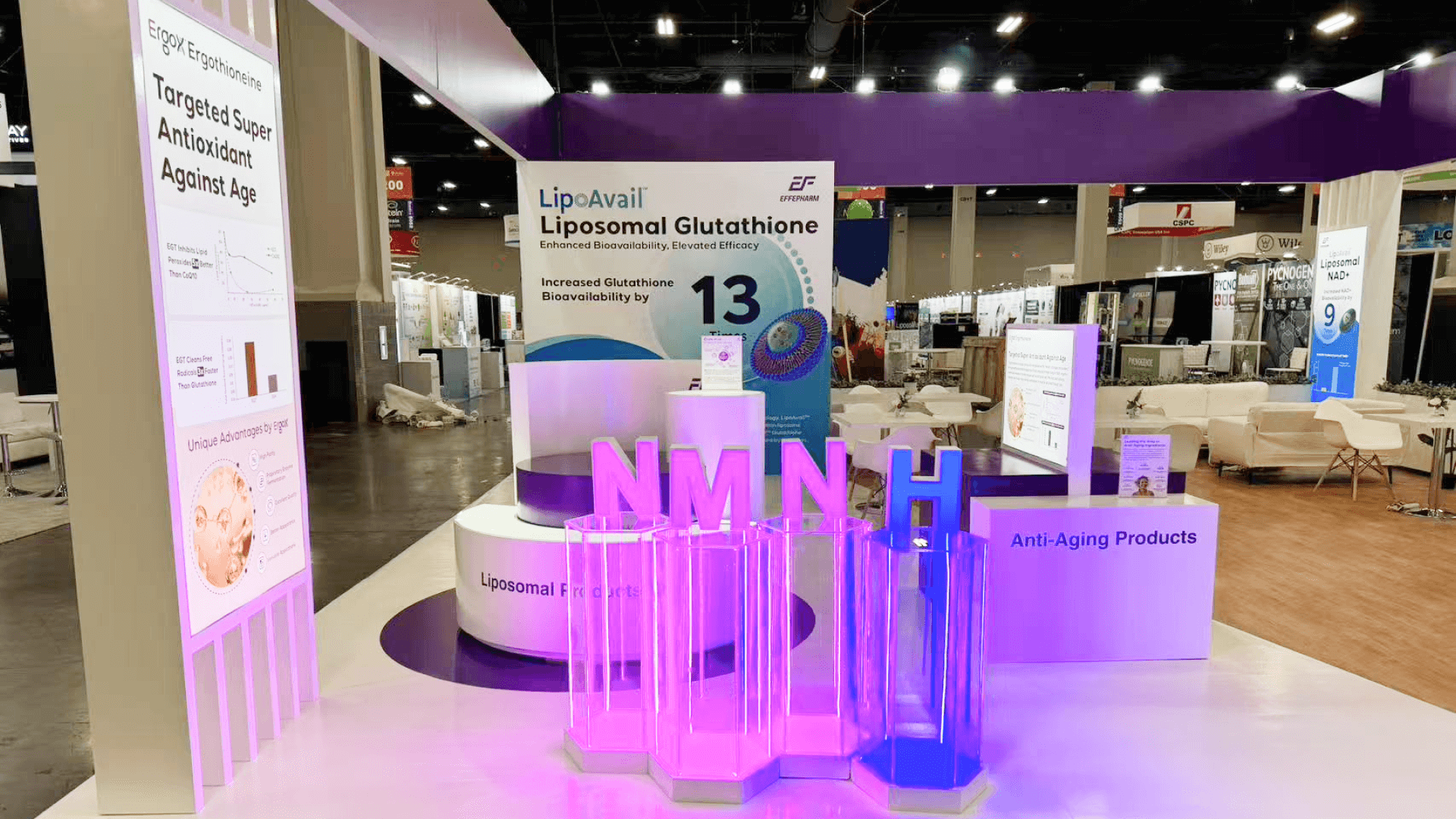
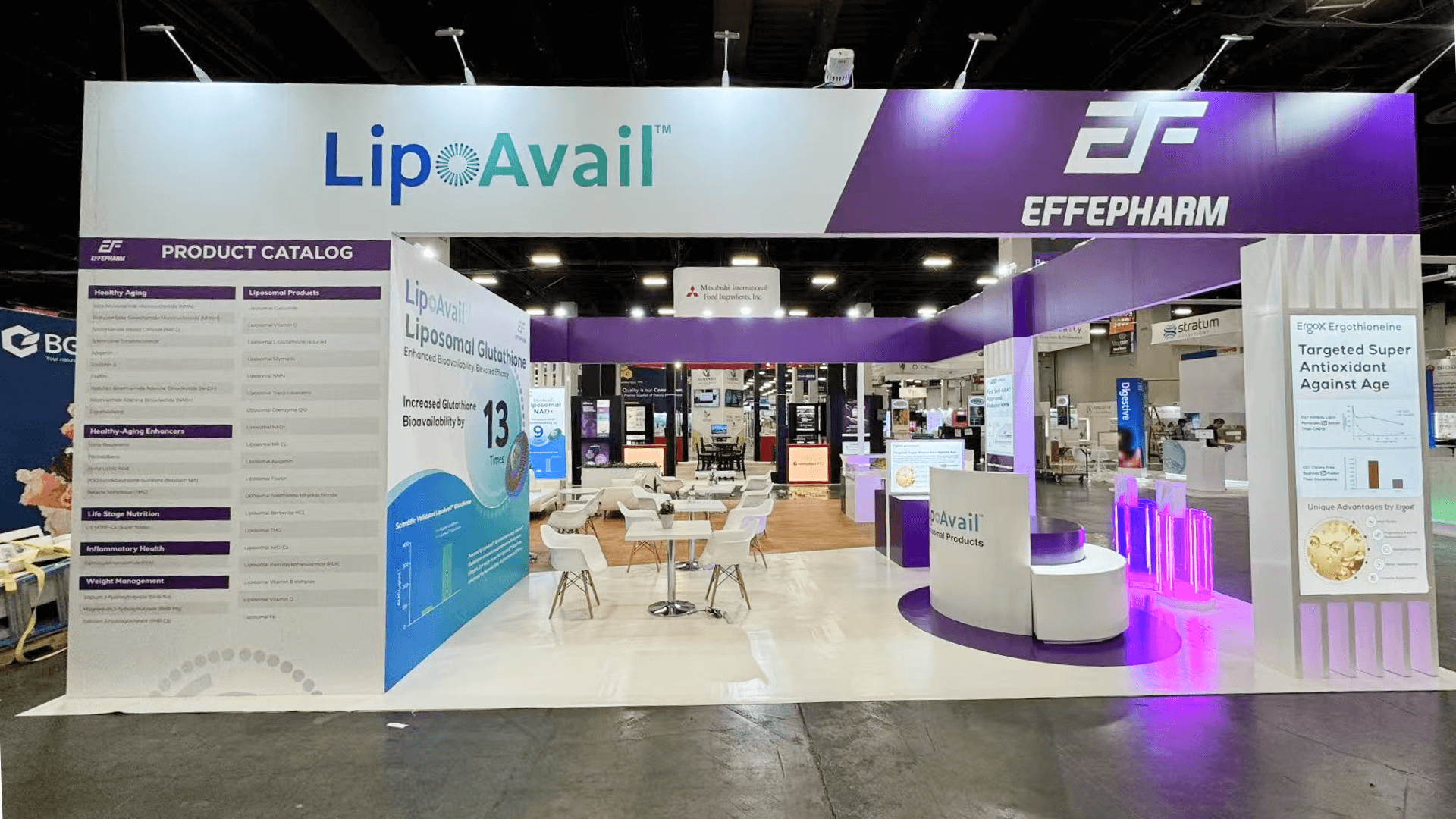

How should exhibitors plan an ASCO Annual Meeting booth?
An ASCO booth needs one clear reason for a professional visitor to stop. From there, visitors should be able to choose how far to go: a quick explanation, a closer look at evidence, a live demonstration, or a private conversation. More screens, products, and meeting furniture will not improve the exhibit if the first message remains unclear.
ASCO exhibitors may present oncology treatments, diagnostics, research services, healthcare technology, patient programs, or broader portfolios. The first decision is what a professional visitor should understand before choosing to stop.
The booth should support different levels of engagement without trying to reproduce every meeting or industry program inside the exhibit. Open explanations, guided demonstrations, medical discussions, and scheduled meetings need distinct roles. For a focused evidence story, demonstration point, and short discussion area, a 20x20 booth layout may provide enough separation without making the exhibit feel divided.
Diagnostics, genomics, biomarker, and precision oncology companies often need a more detailed path between analysis, results, and clinical interpretation. That scenario is covered in ASCO diagnostics and precision oncology booth planning. Freight, production, labor, and installation decisions should also remain consistent with the wider Chicago booth planning process.
Why Exhibitors Choose Circle Exhibit
Clear scope, transparent quote review, nationwide booth support, and efficient setup planning for qualified rental and custom exhibit projects.
48hr
Setup Window
10+
Years Since 2014
U.S.
Trade Show Support
Real
Booth Project Proof
Booth size should follow the busiest operating moment of the exhibit. The question is not how much space the company can reserve, but how many activities need to work without interrupting one another.
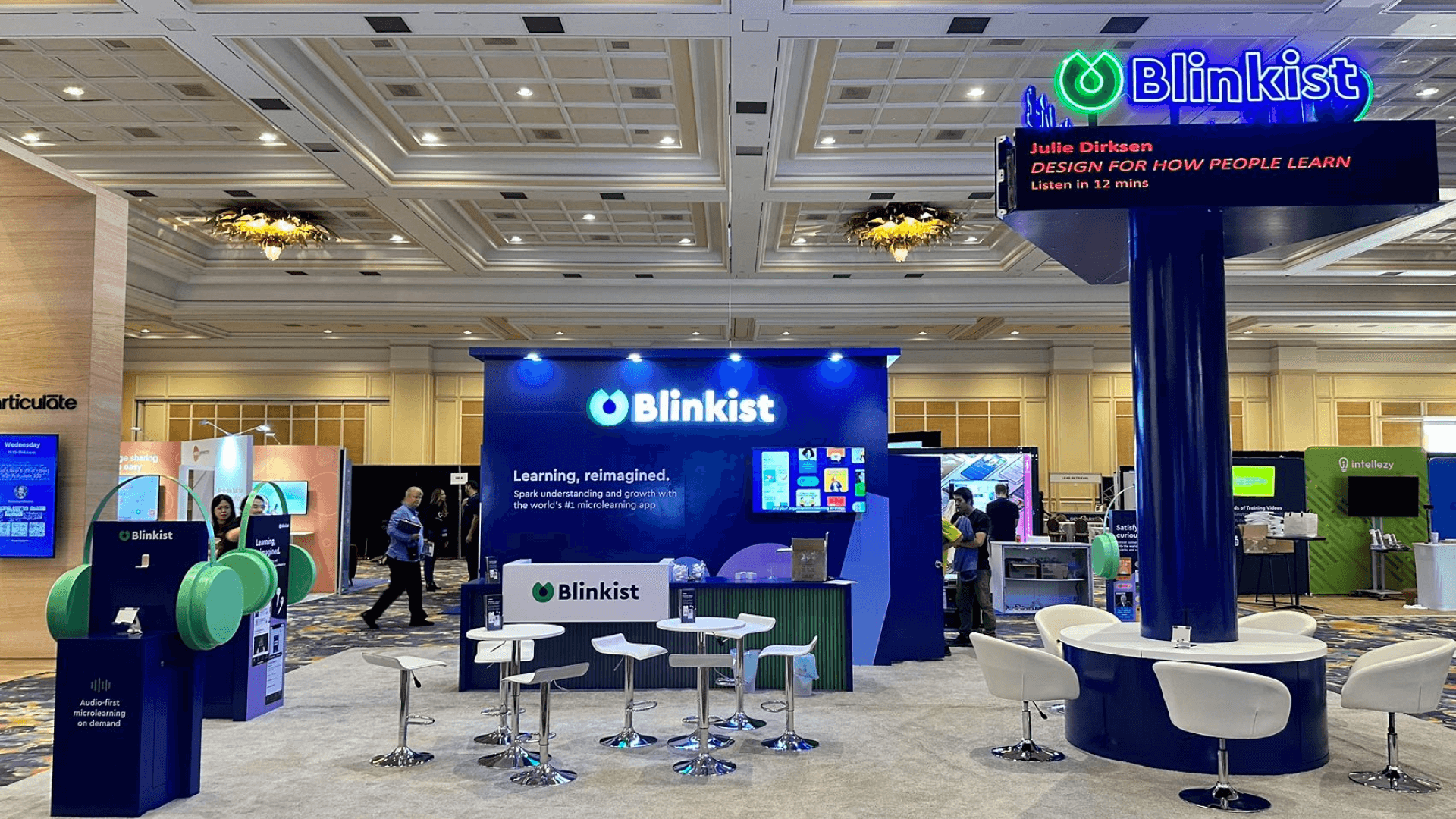
A 10x20 trade show booth works when one team can tell one clear story. It leaves room for a strong backwall, one screen or counter, concealed supplies, and short professional conversations—but little tolerance for competing messages.
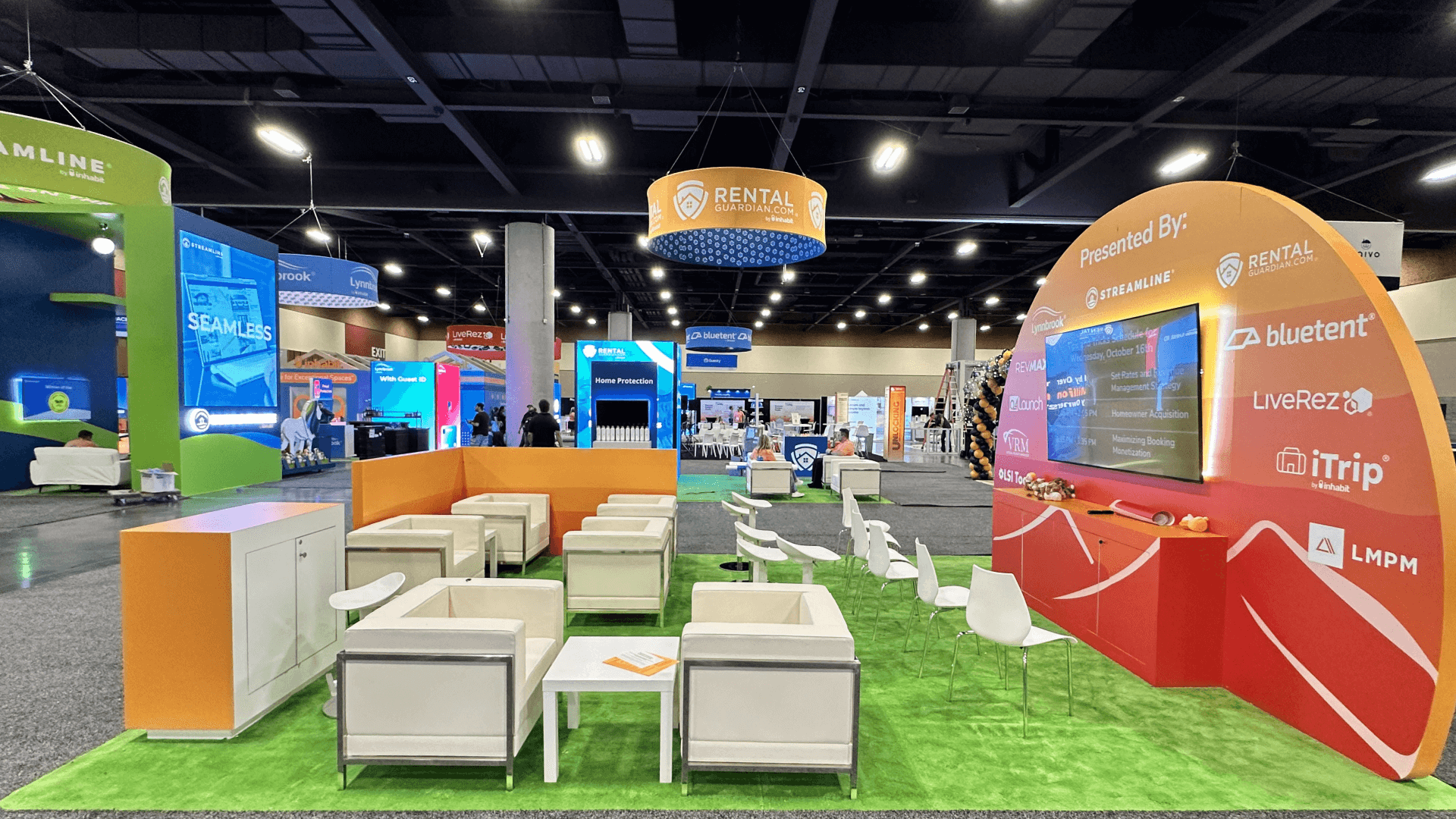
A 20x30 trade show booth often becomes the turning point when two activities must happen at once—for example, a screen-led explanation and a seated medical or partnership discussion.
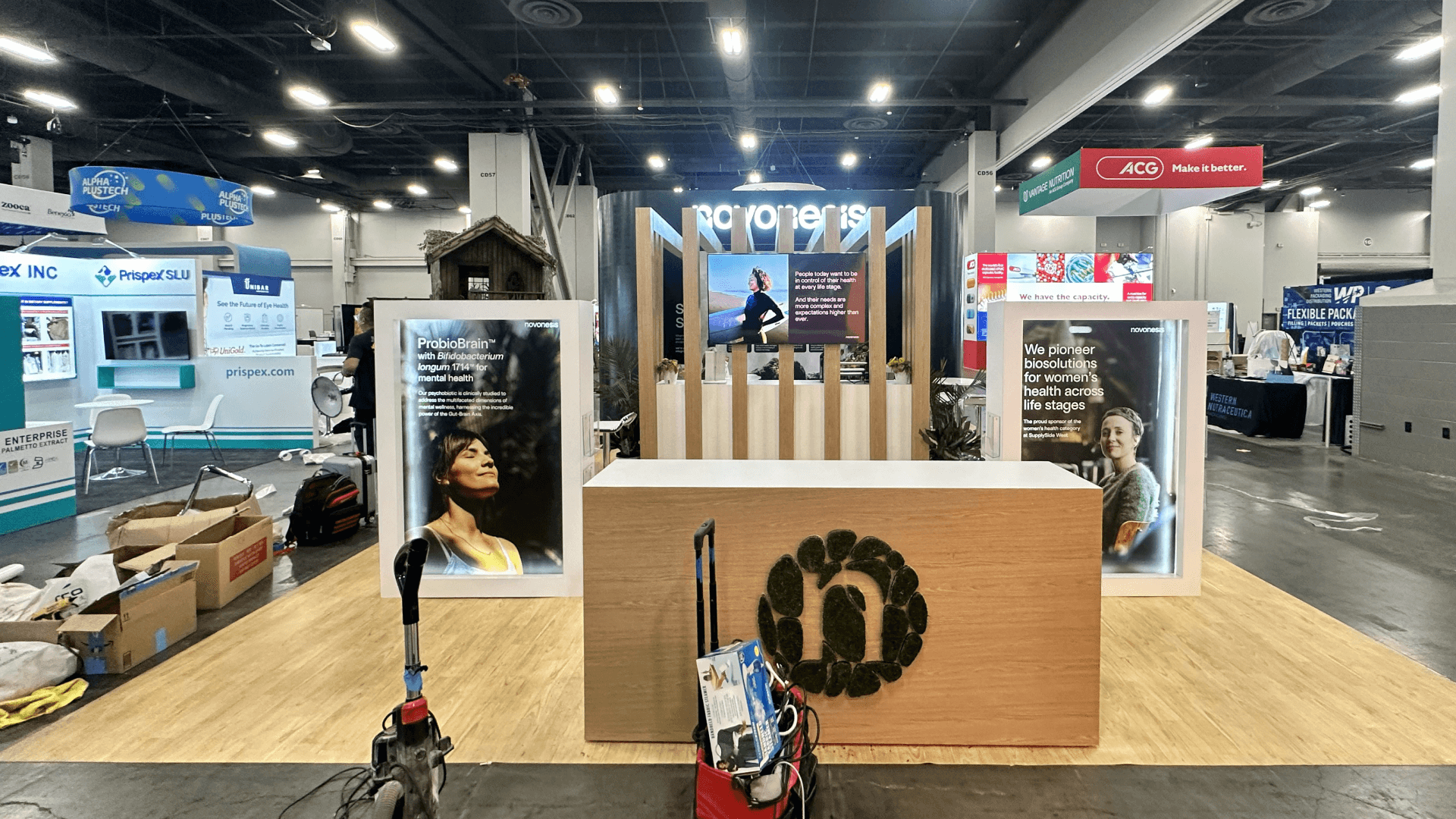
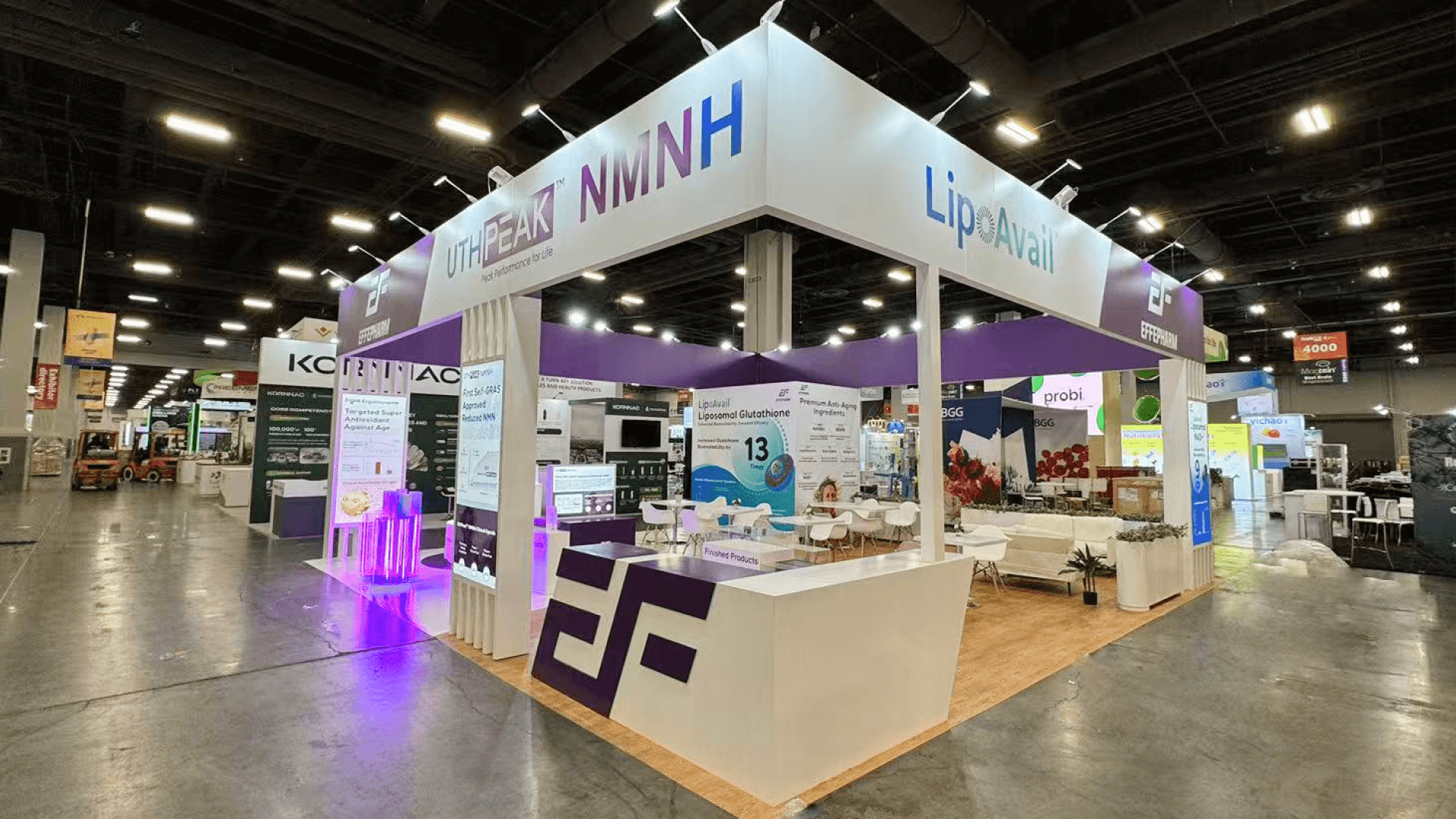
A 20x20 trade show booth gives one evidence story and one demonstration enough separation to remain understandable. Reception and discussion space still need to stay outside the demo audience’s path.
A 30x40 trade show booth can accommodate several teams, product stories, meetings, hospitality, and larger media. The extra area only helps when every zone has a clear job.
ASCO exhibits often need to balance one aisle-facing clinical conclusion with deeper evidence for medical and scientific discussion. How to present clinical data clearly in an ASCO booth explains how graphics, screens, printed materials, and staff conversations can carry different levels of detail without turning the exhibit into an enlarged scientific poster.
The exhibit should help oncology professionals recognize relevance quickly, review evidence at the right depth, and reach the appropriate person without navigating the exhibitor’s internal structure.
Visitors should recognize the oncology problem, treatment category, research capability, diagnostic area, or service before they are asked to interpret charts or study references.
The booth needs a visible conclusion, a second layer for supporting evidence, and a deeper path for charts, references, limitations, and professional discussion.
The visitor should not have to repeat the same explanation to reception, an MSL, a product specialist, and a business-development representative. Staff roles and handoffs need to be visible in the operating plan.
Literature, catering items, staff belongings, technical equipment, and replacement materials need enough storage that they do not gradually take over counters and meeting areas.
ASCO exhibitors present oncology treatments, diagnostics, research services, healthcare technology, patient programs, and related professional solutions.
The 2027 ASCO Annual Meeting runs June 4–8 at McCormick Place in Chicago, with exhibit dates scheduled for June 5–7.
More than 35,000 healthcare professionals are expected, with over 450 organizations exhibiting oncology treatments, products, and services.
Not Sure Which Booth Size You Need?
Not every exhibitor knows whether a 10x20, 20x20, 20x30, or larger booth is the right fit. Circle Exhibit can help review your event goals, product display needs, demo areas, meeting space, storage, budget scope, and setup timeline before you choose a booth size.
The Booth Is Not the Whole ASCO Program
Evidence Needs a Reading Order
1
Settle the First Sentence
2
3
4
Rental Structure for a Focused ASCO Exhibit
A Chicago trade show booth rental is often the better answer when the booth has one primary story, a small number of screens, open conversations, standard storage, and no unusual structural integration.
Custom Build for a Multi-Team Program
Custom construction becomes justified when several products, professional teams, private meetings, large media surfaces, rigging, or tightly controlled circulation must work together. A larger budget alone is not a reason to custom-build.
Reusable Structure for a Medical-Meeting Program
For exhibitors moving between ASCO and other medical meetings, a reusable framework can retain the main architecture while changing graphics, demo counters, screens, and meeting arrangements for each event.
Floor plans, service deadlines, contractor forms, freight instructions, and show rules can change by year. Final production decisions should follow the current exhibitor materials.
Internet and electrical drops need to match the real positions of screens, counters, computers, and equipment. Preliminary utility plans often create avoidable cable runs and labor changes.
Flooring, structure, graphics, utilities, screens, furniture, and exhibit materials do not arrive at the same moment. The team should know which work must finish before the next trade begins.
Before opening, stand in the aisle and check the first message, screen content, meeting access, staff positions, and storage. Internal completion does not always mean the exhibit reads clearly from outside.
Flexible Rental Booths for Focused ASCO Exhibits
A rental booth can work well when the ASCO exhibit is built around one clear oncology story, custom graphics, a screen or demonstration point, compact professional discussions, and standard storage. The structure can also be updated for future medical meetings without rebuilding the entire booth.
What should an ASCO booth communicate first?
It should first identify the oncology problem, treatment, product, diagnostic category, research capability, or service being presented.
What booth size is suitable for ASCO?
Should all clinical evidence appear on graphics?
Should ASCO meetings happen inside the booth?
What should be confirmed before production begins?
READY TO PLAN YOUR NEXT BOOTH?
Let’s Build a Booth That Fits Your Event
Share your event name, booth size, city, timeline, product display needs, and design references. Circle Exhibit will review your project direction and help you choose a rental-friendly or custom exhibit path.
3000+
Booth Projects Supported
50+
U.S. Event Cities
Transparent
Quote Review
The design, freight plan, labor sequence, utilities, and installation schedule need to work as one McCormick Place operating plan.
This footprint suits one central clinical story, one demonstration, compact discussions, and controlled storage.
The added depth helps separate demonstrations, screens, meetings, and staff movement when several activities run at once.
Headlines, supporting evidence, changing datasets, and detailed discussion materials each need a different visual role.
Crates, utility orders, contractor documents, freight timing, and installation dependencies should be resolved before move-in.