Oracle AI World Industry Scenario Booth Planning


How should industry-solution exhibitors plan a booth at Oracle AI World?
Start with one industry problem buyers recognize, then show the few steps needed to reach a useful result. AI, data, applications, and infrastructure should appear as parts of the same workflow rather than separate product demonstrations. Booth space, screens, staff, and follow-up conversations should make that sequence easier to understand.
An industry solution is often harder to show than a single software product. A healthcare, utilities, public-sector, or capital-project solution may combine several Oracle technologies with the exhibitor’s own software, implementation work, or industry expertise. If each piece is presented separately, buyers have to work out for themselves how the solution fits together.
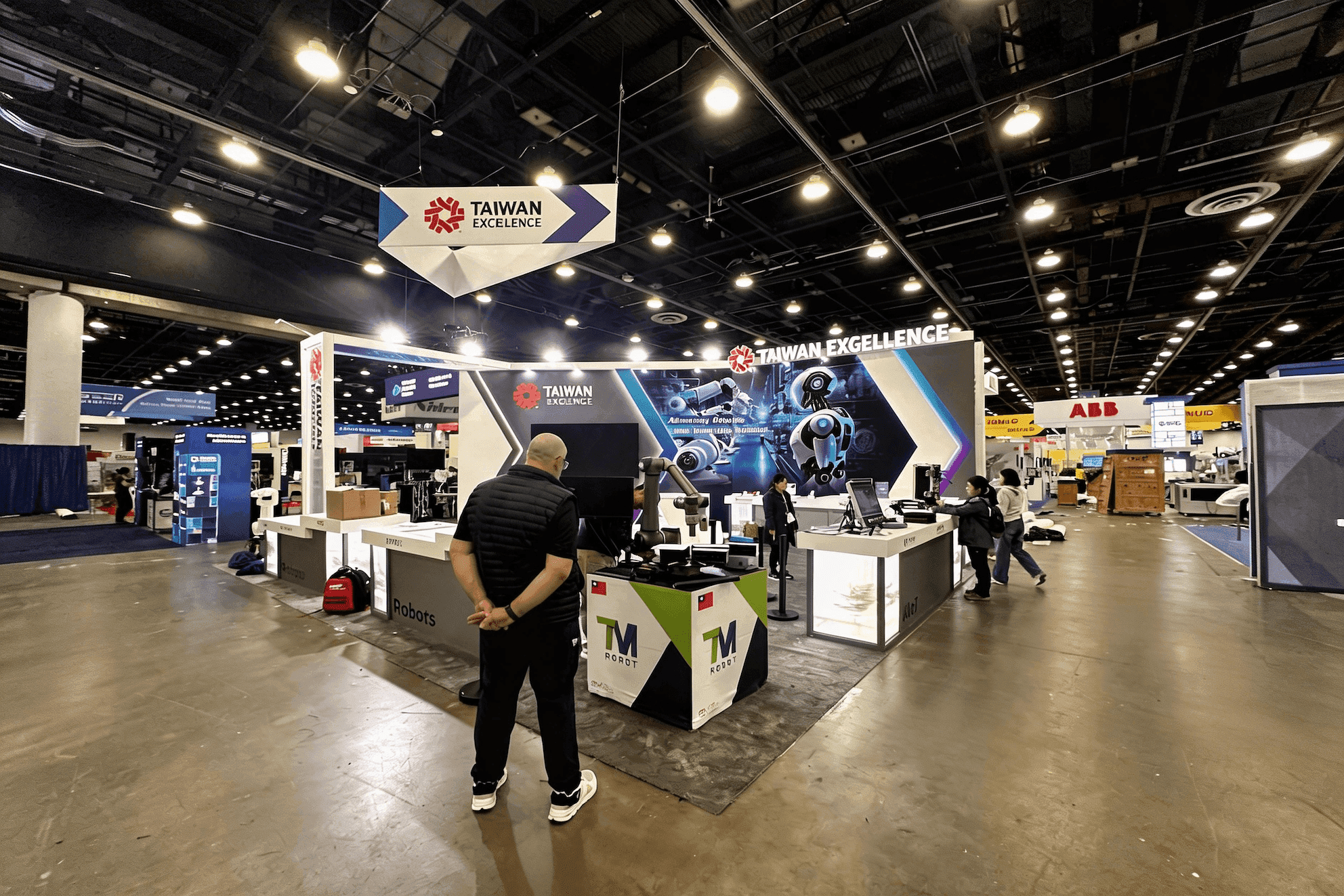
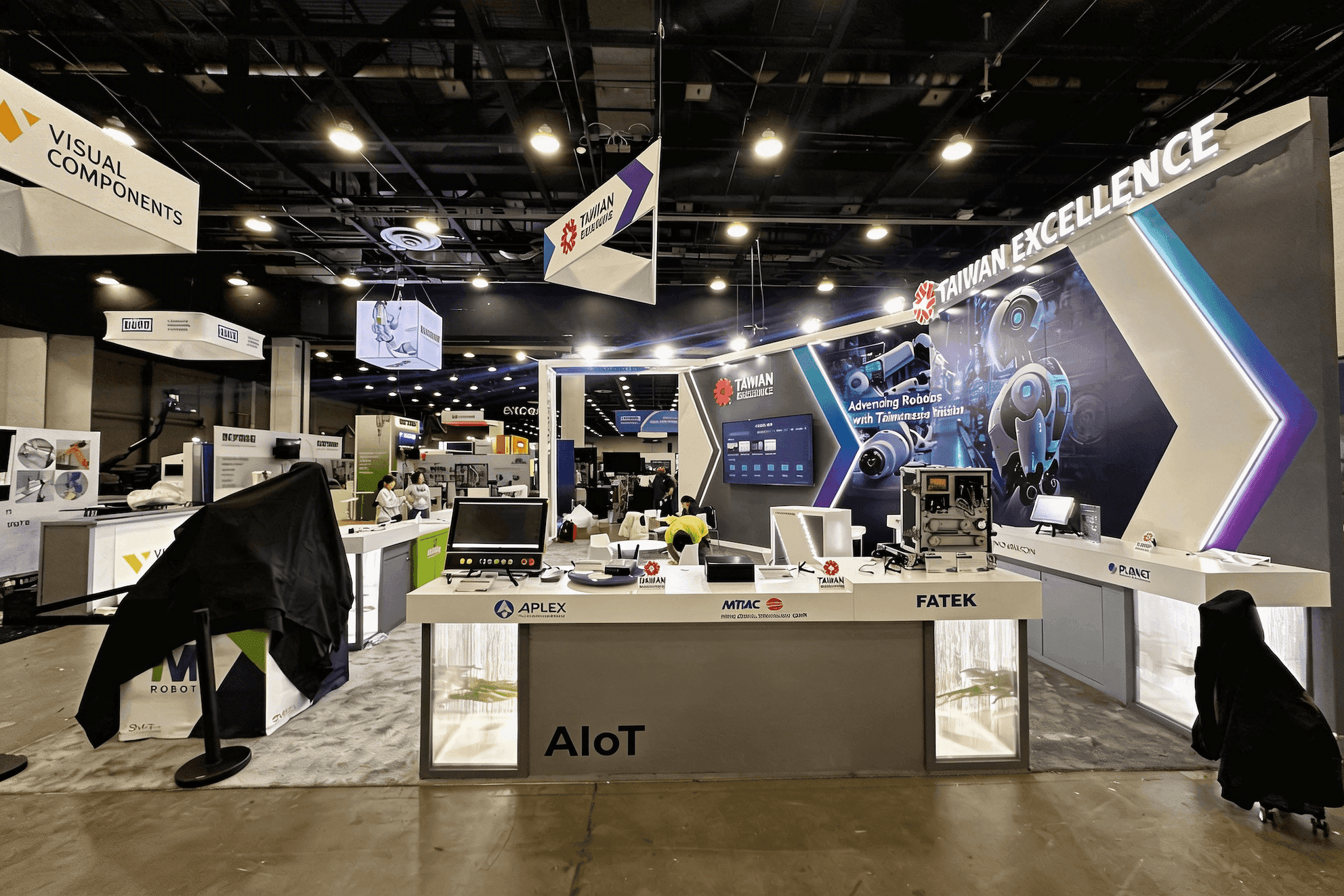
Oracle’s Industry Demonstration Hub uses connected scenarios to show AI, trusted data, applications, and infrastructure working together in industry settings. For exhibitors, the same challenge applies on the show floor: start with one recognizable industry problem, then use each screen, demo, or specialist to explain the next part of the same workflow.
Questions about overall demo space, meeting needs, sponsor activity, and the wider event experience belong to Oracle AI World booth planning. This page stays focused on the connected industry scenario. Once the workflow is clear, design and engineering can turn it into practical decisions about screen positions, staff space, storage, and how visitors move through the booth.
Why Exhibitors Choose Circle Exhibit
Clear scope, transparent quote review, nationwide booth support, and efficient setup planning for qualified rental and custom exhibit projects.
48hr
Setup Window
10+
Years Since 2014
U.S.
Trade Show Support
Real
Booth Project Proof
Size should follow the number of workflow stages that need to stay visible or active at the same time—not the number of products involved in the solution.
A 10x20 booth works best when the visitor can follow one short path: problem, proof, conversation. One main screen is usually easier to manage than several competing stations.
A 20x30 booth starts to make sense when two or three parts of the scenario need their own screens or specialists and visitors still need to see how those stages connect.
A 20x20 booth gives the main demo more breathing room and can add another proof point or follow-up conversation without turning the booth into separate departments.
A 30x40 booth can handle several live interactions, but additional space should not become one zone for every product group. Each area still needs a clear purpose inside the same industry story.
A connected industry scenario is easier to follow when the buyer can stay with one recognizable problem as the technology changes underneath it. But that structure becomes harder to justify when different Oracle capabilities begin attracting different buyers, requiring different proof, or leading to different specialists and next steps.
That is the point where the planning question changes from how to keep the scenario connected to whether those Oracle product paths should remain under one customer outcome or become separate visitor journeys. Making that decision first helps keep the scenario page focused on the workflow itself rather than turning it into a product-zone comparison.
The booth does not need to expose every technical layer at once. Each stage should answer the next question the buyer is likely to have.
The first message should sound like an industry situation, not an internal product category. The visitor needs a reason to enter before needing architecture detail.
Oracle’s Industry Demonstration Hub connects AI, trusted data, applications, and infrastructure within industry scenarios. When several Oracle technologies support one customer workflow, the booth should make that relationship easy to follow.
Use live interaction when the visitor needs to see something happen. Do not make every part of the workflow a live demo simply because the software can be shown.
The booth should make it obvious when the general scenario has been understood and the conversation can move into data, infrastructure, applications, implementation, or another specialist topic.
For exhibitors whose solution combines AI, data, applications, infrastructure, or partner services in one customer workflow.
Oracle AI World runs October 25–28, 2026 at The Venetian Convention & Expo Center.
Oracle highlights connected scenarios across healthcare, utilities, education, public safety, capital projects, and other industry settings.
Not Sure Which Booth Size You Need?
Not every exhibitor knows whether a 10x20, 20x20, 20x30, or larger booth is the right fit. Circle Exhibit can help review your event goals, product display needs, demo areas, meeting space, storage, budget scope, and setup timeline before you choose a booth size.
The Demo Needs a Clear Starting Point
Too Many Stations Can Break One Story Apart
1
Choose the Problem Before the Products
2
3
4
Rental Works When Screens and Graphics Carry the Story
If the visitor can understand the scenario through screens, workflow graphics, staff interaction, counters, and storage, a customizable Las Vegas trade show booth rental may already provide enough structure.
Custom Helps When Movement Through the Booth Is Part of the Story
If visitors need to move through distinct but connected stages, several technologies must be integrated into the architecture, or the physical environment itself explains part of the scenario, a custom structure can make those relationships easier to read.
Reuse Matters When the Same Industry Story Travels
If the same workflow will appear at several technology events, a reusable core can keep stable screen, demo, and storage functions while graphics and selected elements change.
Internet, electrical, rigging, and lighting can affect screen, equipment, and demo locations. Check these before the floor plan is finalized.
A screen can work while the scenario still fails. Test the full path from the first message through screens, accounts, devices, and staff handoffs.
Store chargers, replacement devices, cables, adapters, and backup materials where staff can reach them without crossing the buyer path.
Before opening, return screens, demo accounts, devices, and content to the state the first visitor should see.
Rental Booths for Connected Industry Scenario Demos
When the industry story is carried by workflow graphics, screens, and specialist handoffs rather than custom architecture, a rental system can support the scenario with configurable walls, demo positions, counters, and storage that can be adjusted for future shows.
What should an Oracle AI World industry-solution booth demonstrate?
Show one recognizable industry problem and the few connected steps that explain how the solution changes the workflow or result. Not every technology involved needs a full demonstration.
Should every Oracle product have its own booth zone?
What booth size works for a connected industry scenario?
How many screens should the booth use?
What should be tested before the show opens?
READY TO PLAN YOUR NEXT BOOTH?
Let’s Build a Booth That Fits Your Event
Share your event name, booth size, city, timeline, product display needs, and design references. Circle Exhibit will review your project direction and help you choose a rental-friendly or custom exhibit path.
3000+
Booth Projects Supported
50+
U.S. Event Cities
Transparent
Quote Review
If the question shifts from the industry workflow to overall sponsor planning, meeting functions, or the wider event journey, return to Oracle AI World booth planning.
If the workflow is clear but screens, people, storage, and conversation areas still compete for space, design and engineering is the next step.
If the industry problem, workflow, and technical detail are all competing on the same wall or screen, graphics and brand presentation can help separate the layers.
If screens, devices, booth components, and technical dependencies need to arrive and become operational in a specific sequence, logistics and pre-show coordination becomes relevant.
When screens, Internet, power, rigging, lighting, or other venue-controlled services begin changing the scenario layout, use the Venetian Expo planning guide.