NBAA-BACE Booth Planning for Business Aviation Exhibitors
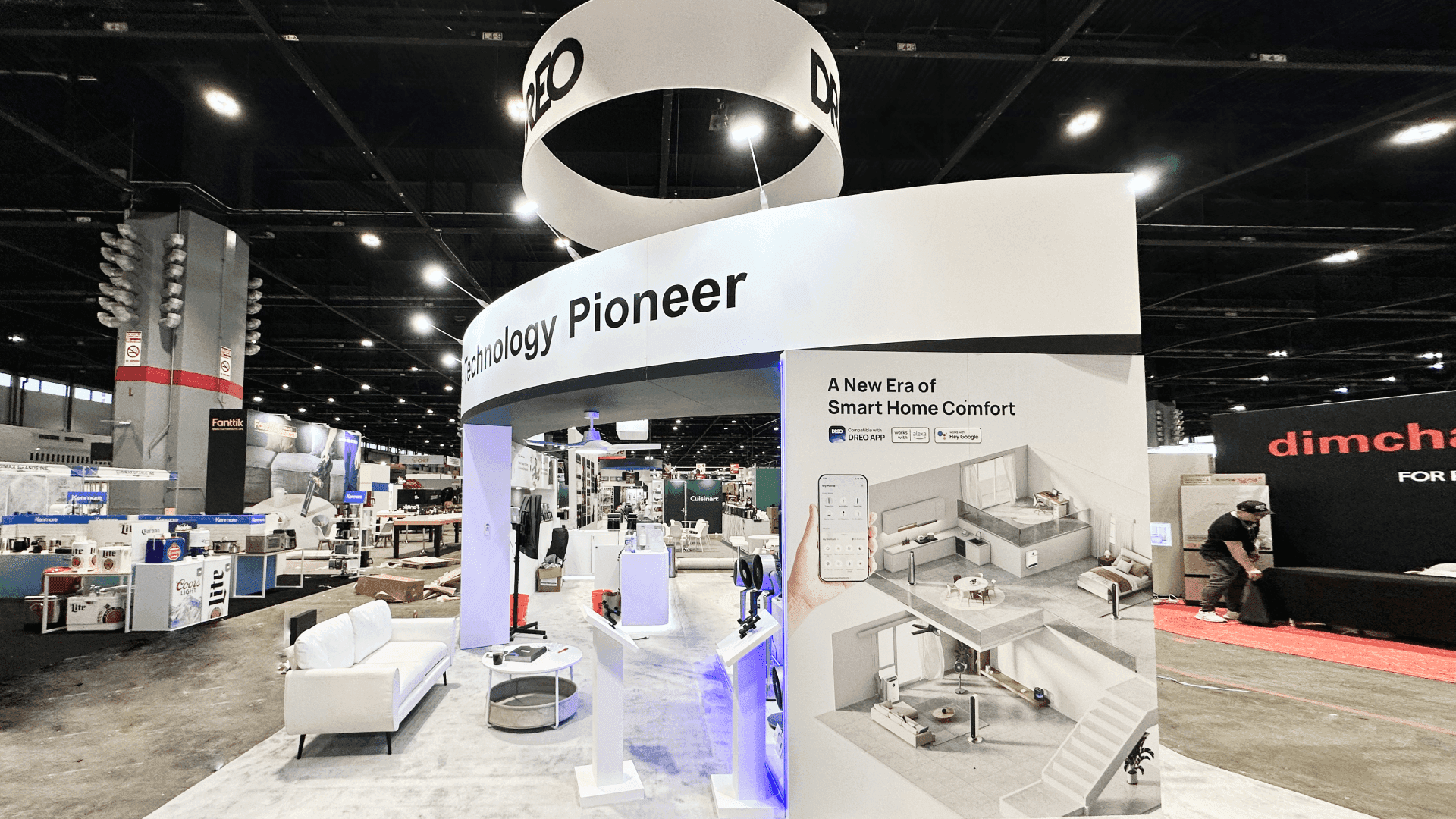

How should exhibitors plan a booth for NBAA-BACE?
A strong NBAA-BACE booth starts with the buyer task rather than the structure. Exhibitors should decide whether visitors need to inspect an aircraft, understand a technical system, compare equipment, watch a demonstration, or move into a longer sales or operational discussion. That decision should drive the exhibit format, footprint, meeting capacity, utilities, and show-site plan.
NBAA-BACE exhibitors may be presenting complete aircraft, avionics, components, technology, or aviation services, so booth planning should start with what buyers need to inspect, understand, demonstrate, or discuss.
Conventional products and systems usually fit a standard or island exhibit. When a real aircraft becomes part of the indoor show-floor experience, the footprint needs a different planning approach; that scenario is covered in NBAA-BACE indoor aircraft display planning.
The main indoor exhibition takes place in the West Hall at the Las Vegas Convention Center. For larger technical and island exhibits, Las Vegas trade show booth design and build often starts before production, because structure, AV, graphics, meeting areas, and product clearances need to be resolved together.
Why Exhibitors Choose Circle Exhibit
Clear scope, transparent quote review, nationwide booth support, and efficient setup planning for qualified rental and custom exhibit projects.
48hr
Setup Window
10+
Years Since 2014
U.S.
Trade Show Support
Real
Booth Project Proof
NBAA-BACE booth size should follow the display task. A focused technical presentation, multiple demos, longer meetings, and a real aircraft all require different spatial planning.
A 10x20 can work for one focused avionics, software, component, or service story with a compact demo, light storage, and standing conversations. The key is how much of the 10x20 footprint remains open once those functions are added.
A 20x30 or larger footprint makes more sense when several systems need separate presentation areas, multiple demos may run at once, or meetings need distance from active traffic.
A 20x20 island gives demos and buyer conversations more separation while keeping several approaches open. In a 20x20 booth layout, seating, storage, and demo space need to stay balanced.
A real aircraft changes the footprint logic completely. Aircraft dimensions, circulation, inspection points, and access should drive the space plan, which is covered in NBAA-BACE indoor aircraft display planning.
At NBAA-BACE, footprint and floor position often need to be judged together. As available inventory narrows, an exhibitor may need to keep the planned footprint, reshape it, reduce it, or accept another location. NBAA-BACE exhibit placement and booth size planning focuses on that commitment decision.
Once an indoor booth is substantially confirmed, the question shifts from choosing space to executing it. NBAA-BACE booth approval, EAC, and move-in at LVCC follows the dependencies between approval, contractor status, services, freight, installation, and opening readiness.
Buyers should be able to identify the aircraft, system, equipment category, or service before speaking with staff.
Buyers should be able to identify the aircraft, system, equipment category, or service from the aisle before staff begins a deeper explanation.
Specifications, screens, and product details should answer deeper questions without crowding the aisle message. Graphics and brand presentation can help keep both levels clear.
When interest becomes serious, buyers should be able to move into a technical, sales, or meeting discussion without returning to reception.
Cables, chargers, spare hardware, literature, and reset materials should stay close to staff while remaining outside the main buyer-facing area.
NBAA-BACE supports conventional indoor exhibits, indoor aircraft displays, Aircraft Connection, and several compact or meeting-led exhibit formats. Each serves a different exhibitor task.
NBAA-BACE runs Oct. 20-22, 2026, with indoor exhibits in the West Hall at the Las Vegas Convention Center.
Visitors include aircraft operators, flight departments, pilots, maintenance teams, executives, engineers, and other business aviation professionals evaluating products, aircraft, systems, and partners.
Not Sure Which Booth Size You Need?
Not every exhibitor knows whether a 10x20, 20x20, 20x30, or larger booth is the right fit. Circle Exhibit can help review your event goals, product display needs, demo areas, meeting space, storage, budget scope, and setup timeline before you choose a booth size.
Exhibit Format Can Be Chosen for the Wrong Reason
Buyer Interest Can Stall During Staff Handoff
1
Define the First Buyer Action
2
3
4
Rental Structure for Focused Avionics and Service Exhibits
Rental systems are a practical fit when the exhibit relies on branded walls, screens, counters, storage, and meeting furniture around a focused technical story. Exhibitors with this type of scope can keep the structure reusable while adapting graphics and AV through Las Vegas trade show booth rental.
Custom Fabrication for Integrated Technical Environments
Custom fabrication becomes more relevant when equipment, architecture, private meeting spaces, overhead identity, or special engineering have to work as one system. Those requirements belong more naturally with booth fabrication and prebuild support than with a standard rental configuration.
Hybrid Structures for Multi-Show Programs
A hybrid approach can preserve reusable walls, AV positions, furniture, and storage while adding custom pieces where the aviation product or NBAA-specific layout needs more control.
Island and custom-built indoor exhibits may require booth drawings and additional engineering information depending on the structure. Approval requirements should be checked while the booth can still be modified.
Electrical, internet, rigging, and AV needs should be based on confirmed screen locations, equipment loads, demo stations, and overhead elements rather than estimated late in production.
Products, equipment, booth structure, and graphics do not arrive independently in practice. Freight and crew timing need to align with the targeted move-in window and the order in which the exhibit can actually be assembled.
Before opening, test the path as a visitor would experience it: aisle message, product recognition, demo, technical conversation, meeting handoff, lead capture, and exit.
Use LVCC exhibit planning for venue context, booth fabrication and prebuild support for execution, and design and engineering for technical layout and structure planning.
Need a Flexible NBAA-BACE Booth Rental?
A rental-based exhibit can work when an NBAA-BACE exhibitor needs branded walls, screens, counters, meeting furniture, storage, and a repeatable technical presentation without a one-show custom structure. The best fit depends on product complexity, equipment integration, meeting needs, and how much structural customization is required.
Does every NBAA-BACE exhibitor need a large booth?
No. A focused avionics, software, component, or service story can work in a smaller footprint when the visitor task is simple. Larger space becomes useful when several demos, meeting types, equipment zones, or major physical products need to operate at the same time.
When is an island booth more useful than an inline booth?
Should a real aircraft be planned like a normal booth display?
What is the difference between Indoor Aircraft Display and Aircraft Connection?
When should LVCC execution planning begin?
READY TO PLAN YOUR NEXT BOOTH?
Let’s Build a Booth That Fits Your Event
Share your event name, booth size, city, timeline, product display needs, and design references. Circle Exhibit will review your project direction and help you choose a rental-friendly or custom exhibit path.
3000+
Booth Projects Supported
50+
U.S. Event Cities
Transparent
Quote Review
Use the LVCC venue page for broader West Hall and convention-center planning context around freight, utilities, installation, and large exhibit execution.
For custom structures, EAC coordination, fabrication, installation sequencing, and local show-site execution at NBAA-BACE.
For exhibitors using modular or reusable rental structures for avionics, systems, service, meeting, and technical demo exhibits.
For booths that need product clearances, screen integration, structure engineering, equipment positioning, storage, and meeting zones resolved before fabrication.
For exhibitors deciding how a 20x20 island can balance technical demonstration, aisle visibility, storage, and buyer conversation space.