Solution Evaluation & Demo Booth Planning for Gartner IOCS


How should Gartner IOCS exhibitors plan a solution demo booth?
A Gartner IOCS demo booth should be built around the questions buyers need answered. Show the evidence that helps them judge relevance and capability, leave enough room for useful viewing and questions, and provide a clear handoff when the discussion becomes too detailed for the demo station.
A Gartner IOCS demo should help buyers answer a specific question, not simply watch features move across a screen. Before the booth layout is finalized, exhibitors should decide what visitors need to verify—whether that is a workflow, integration, operational capability, deployment approach, or another piece of evidence that helps them decide whether to continue the conversation.
Space becomes more important when several evaluations need to happen at once. A focused setup may work within a 20x20 booth, with enough room for one main demo path and short specialist discussions. When multiple demonstrations need to run in parallel, a 20x30 footprint can provide better sightlines and more separation from deeper technical conversations.
If the team is still deciding how much of the overall exhibit should be devoted to demos versus meetings, screens, storage, and other functions, Gartner IOCS booth planning provides the broader planning context. Gartner IOCS 2026 takes place at The Venetian Resort Las Vegas, so Internet, power, AV, equipment access, and other current show-site requirements should be confirmed before the demo layout moves into production.
Why Exhibitors Choose Circle Exhibit
Clear scope, transparent quote review, nationwide booth support, and efficient setup planning for qualified rental and custom exhibit projects.
48hr
Setup Window
10+
Years Since 2014
U.S.
Trade Show Support
Real
Booth Project Proof
The useful capacity of a demo booth depends on how many evaluations can run well, not how many screens physically fit. Viewing room, demo staff, specialist support, storage, and reset time determine when a larger footprint becomes necessary.
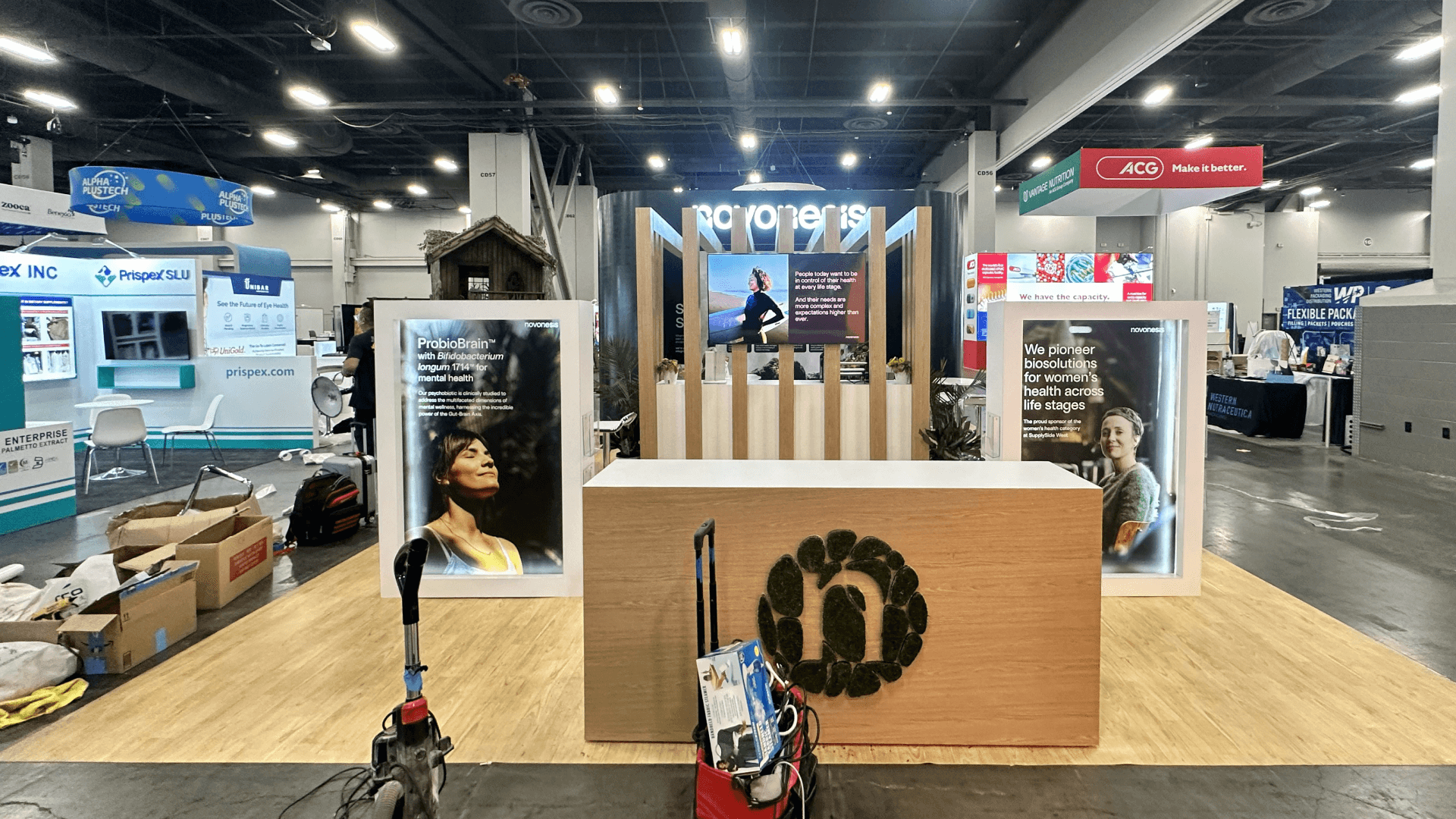
When one workflow or screen does most of the explaining, a 10x20 can keep the demonstration focused and leave room for short buyer questions. Trying to run several competing demos usually makes this footprint harder to understand.
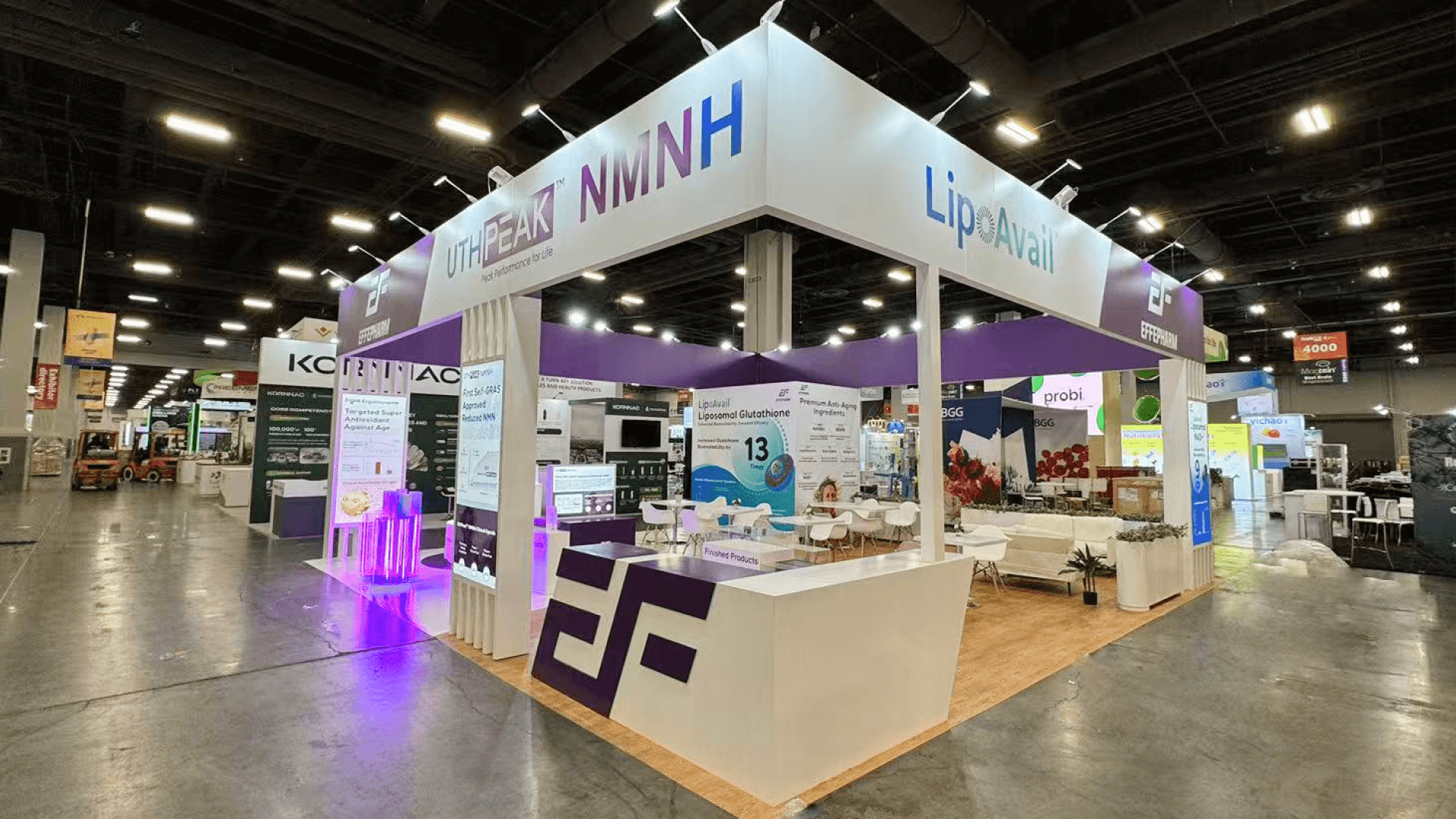
When two or more demonstrations need to run at the same time, viewer positions, screens, staff, and deeper questions all increase the space pressure. A 20x30 booth can create clearer sightlines and more separation between active evaluations.
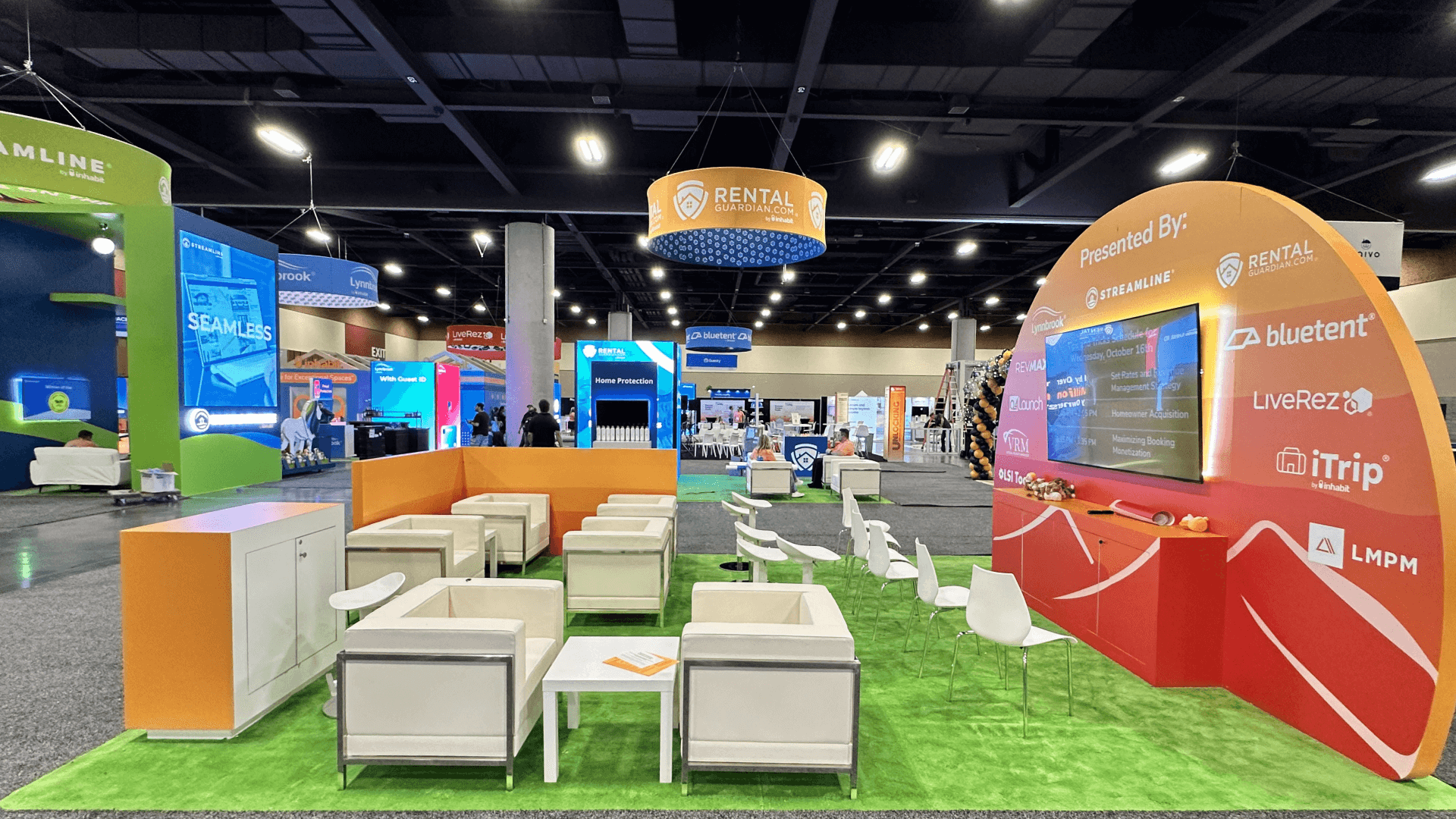
When a demonstration regularly leads to technical questions, a 20x20 booth gives the team more room to separate the main viewing position from a short specialist conversation and accessible storage.
Multiple solution paths, larger AV surfaces, or several specialist teams may justify a larger island footprint. Use the extra space to create distinct evaluation paths rather than simply adding more screens.
A strong evaluation area should give buyers enough evidence to judge the solution without keeping every question at the demo. Once the discussion shifts from how the product works to how it would fit the buyer's environment, the demo-to-technical-conversation handoff becomes part of the evaluation plan, helping keep product proof focused while giving architecture, integration, deployment, or implementation questions a clear next step.
Screens, graphics, workflows, and staff should work together to answer buyer questions. The goal is not to display every capability but to make the most important evidence easy to understand.
Give buyers enough context to know whether the demonstration applies to their infrastructure, cloud, operations, security, or automation problem.
Use the primary screen, device, or workflow to demonstrate the capability that is hardest to understand through static graphics alone.
Organize the demonstration so buyers can understand what the workflow does differently without forcing them through a long sequence of features.
Create a clear handoff from the demonstration to a specialist conversation when the buyer moves into architecture, integration, deployment, or commercial detail.
This planning scenario fits exhibitors whose most important booth task is showing buyers a workflow, capability, integration, or other evidence they cannot understand from graphics alone.
The conference runs December 8–10, 2026 at The Venetian Resort Las Vegas.
The demonstration should help visitors judge whether the solution is relevant and whether a deeper technical discussion is worth their time.
Not Sure Which Booth Size You Need?
Not every exhibitor knows whether a 10x20, 20x20, 20x30, or larger booth is the right fit. Circle Exhibit can help review your event goals, product display needs, demo areas, meeting space, storage, budget scope, and setup timeline before you choose a booth size.
More Screens Create More Activity, Not More Evaluation
Viewers Block the Next Demo
1
List the Questions the Demo Must Answer
2
3
4
When the Demo Can Stay Modular
A Las Vegas trade show booth rental can work well when monitors, laptops, demo counters, and storage can be installed as separate reusable elements. This keeps the structure flexible while leaving the product demonstration easy to update between shows.
When the Technology Becomes Part of the Booth
Custom fabrication makes more sense when screens, devices, cable access, equipment mounts, lighting, or specialized counters need to be integrated directly into the structure. Custom booth fabrication and show-site execution becomes more relevant as the demo system and the exhibit itself become harder to separate.
Customize Only the Parts the Demo Depends On
A mixed approach can keep walls and major structure reusable while customizing the demo counters, AV integration, equipment access, or other technical components that affect how reliably the product can be shown.
Check current Internet, electrical, and AV requirements before counters, screens, devices, and cable routes are finalized.
Position screens, counters, equipment, and viewers so one demonstration does not block the aisle or interfere with the next station.
Chargers, adapters, replacement devices, cables, and fallback content should be easy for staff to reach without cluttering the visitor area.
Check accounts, screens, devices, connectivity, the demo sequence, specialist handoff, and reset process together rather than testing each item separately.
Demo-Ready Gartner IOCS Booth Rental
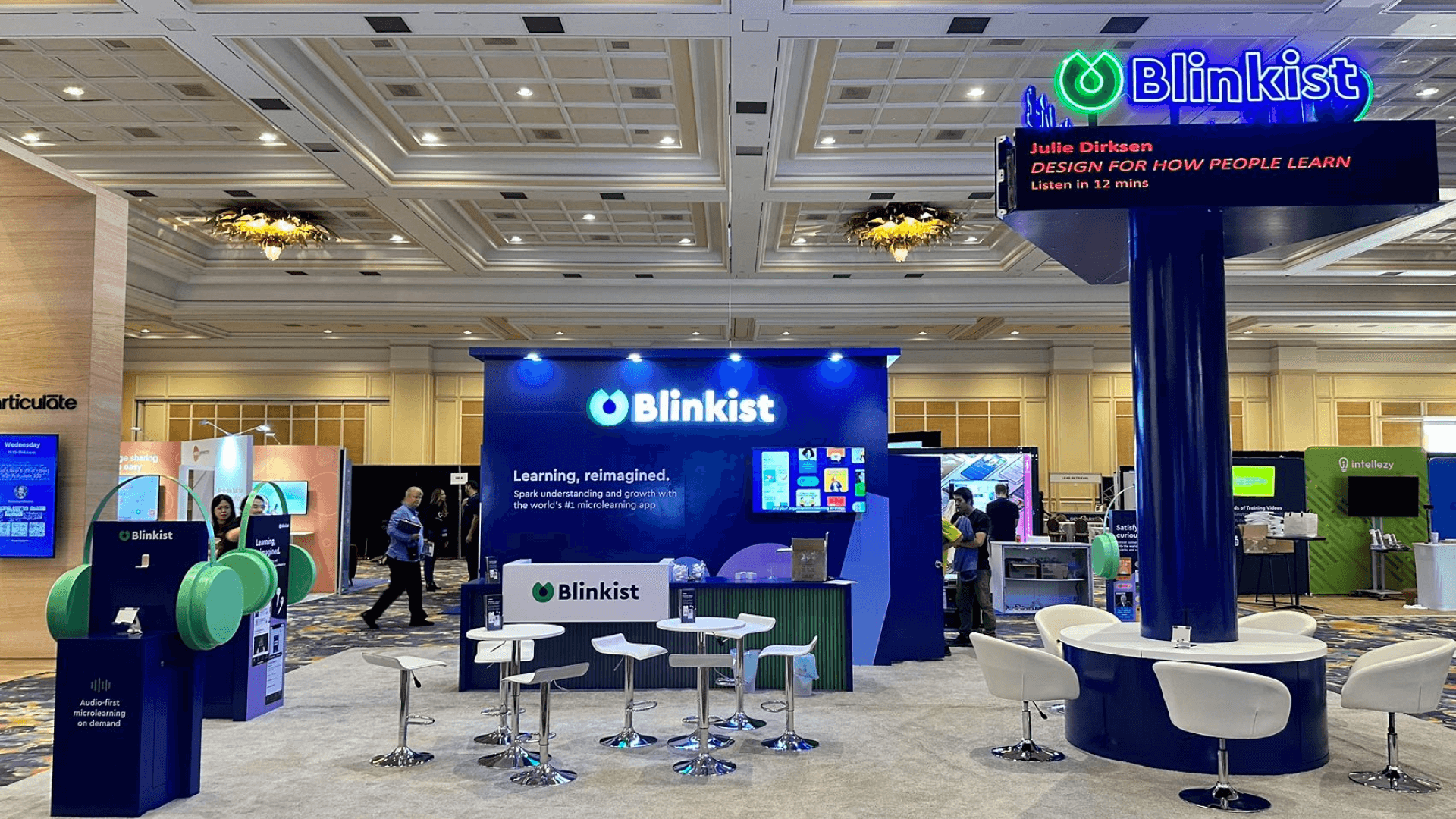
A rental demo booth can support screens, counters, storage, and specialist handoff while keeping the technology setup modular and reusable.
How many demo stations should a Gartner IOCS booth have?
Base the number on how many useful demonstrations the team can actually support. Viewing space, demo staff, specialist availability, and reset time matter as much as floor area.
Should Gartner IOCS demos be live or screen-based?
How much room should buyers have around a demo?
When should a demo move into a deeper conversation?
What backup does a demo-heavy booth need?
READY TO PLAN YOUR NEXT BOOTH?
Let’s Build a Booth That Fits Your Event
Share your event name, booth size, city, timeline, product display needs, and design references. Circle Exhibit will review your project direction and help you choose a rental-friendly or custom exhibit path.
3000+
Booth Projects Supported
50+
U.S. Event Cities
Transparent
Quote Review
For teams still deciding how much of the overall booth should be devoted to demonstrations, meetings, and other visitor activities.
For teams that need more separation between parallel demos, specialist discussions, storage, screens, and staff movement.
Use graphics planning when the booth needs to connect buyer problems, use cases, product evidence, and demonstration messaging without crowding the display.
For demo environments that require integrated screens, custom counters, device support, fabrication, or show-site coordination.