Know What the Demo Is Supposed to Prove
A Gartner IOCS demo should answer a small number of buyer questions clearly enough to support the next decision. By the end of the interaction, the buyer should know whether the solution is relevant to the problem, whether the workflow makes sense, whether the required capability is actually there, and whether the product deserves further evaluation. Reaching that point matters more than reaching the end of a feature list; once the buyer has enough evidence to ask a new technical or commercial question, the demonstration has done its job.
The proof buyers need should also shape the environment in which that evaluation happens. Solution evaluation booth planning addresses how product evidence, buyer questions, and technical handoffs can work together inside the Gartner IOCS exhibit.
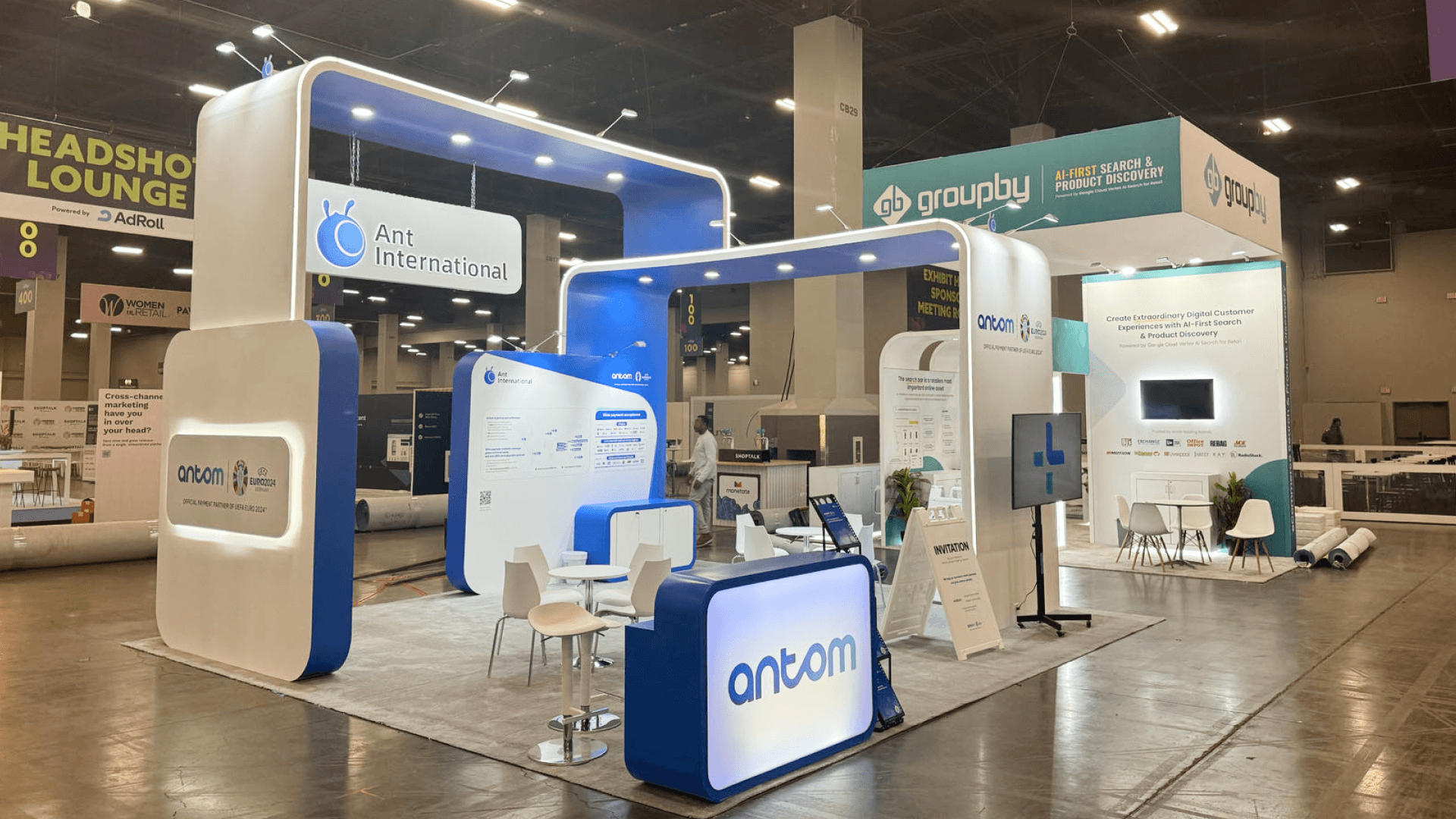
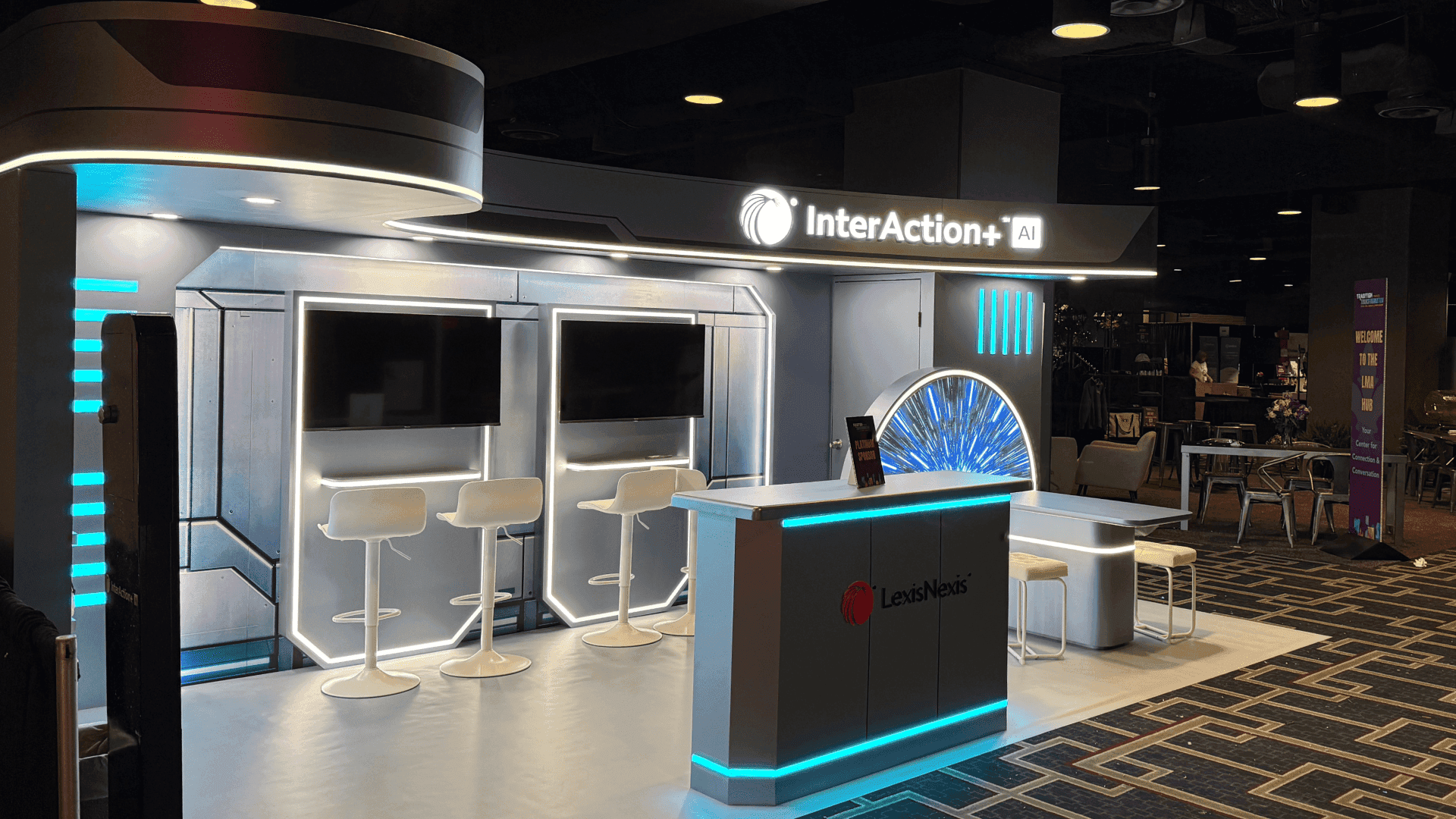
A demo-focused Gartner IOCS booth should give buyers enough product evidence before technical fit questions move to a specialist.
Stay at the Demo While the Buyer Still Needs Product Evidence
Keep the buyer at the demo while the unresolved question can still be answered by showing how the product works. Questions such as “What does this feature do?”, “Can you show this capability?”, or “What happens after this step?” still belong there because the buyer is asking for product evidence. Moving too quickly to a specialist can push the discussion into architecture or deployment before the core workflow and product relevance are clear.
A useful boundary test is simple: can the answer still be demonstrated? If a buyer asks, “Can I see how this alert is triggered?”, showing it is usually more useful than immediately bringing in another person. Once the question changes from how the product behaves to how it would work in the buyer's environment, the interaction is ready to move beyond the demo.
Move to a Specialist When the Question Changes
The clearest signal is a change in the buyer's question. “Show me how it works” can usually be answered with product evidence, while “Will this work in our environment?” often cannot. Questions about architecture, integration, deployment, infrastructure requirements, security, operational fit, or other technical constraints have moved beyond the visible workflow and into technical fit.
The boundary is not absolute. “Does it connect to X?” may still belong at the demo if the integration can be shown quickly and credibly, while “How would this work across our production architecture?” calls for a different level of expertise. At that point, another screen or feature is unlikely to answer the real question; the buyer needs someone who can assess fit beyond what the product interface alone can show.

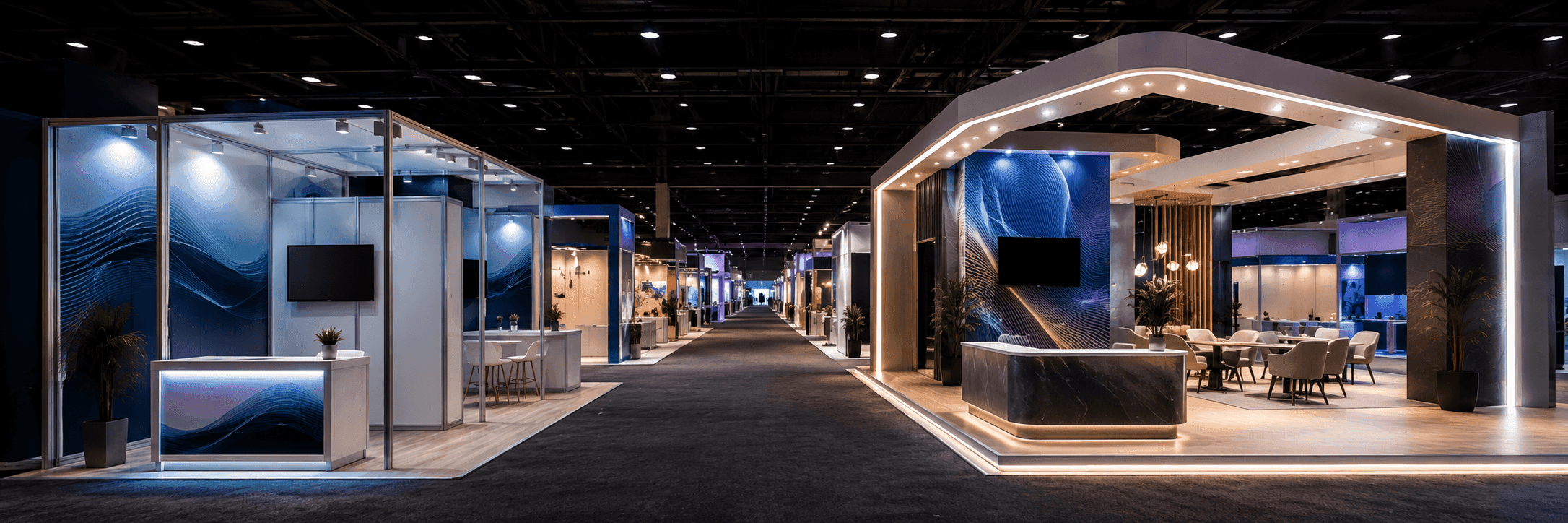
A larger Gartner IOCS exhibit can separate product evaluation from longer technical or commercial conversations without interrupting the next demo.
Move to a Meeting When the Discussion Needs More Time or Privacy
A technical question does not automatically require a meeting. Many architecture, integration, or deployment questions can still be handled by the right specialist near the demo. “How is this deployed?” may only need a short explanation, while “What would deployment across our environment require, and who needs to be involved?” opens a broader discussion around implementation scope, internal stakeholders, procurement, roadmap, or commercial considerations. The shift makes sense when the conversation needs more time, privacy, stakeholder involvement, or context than a show-floor exchange can comfortably support.
The practical distinction is whether the buyer still needs a technical answer or has started working through what adoption could involve. If longer specialist discussions become a regular part of the exhibit experience, meeting booth planning can help determine how those conversations should fit into the Gartner IOCS booth without interfering with ongoing product evaluation.
Demo Handoff Trigger Table
Buyer Question | Likely Next Step | Why |
|---|---|---|
How does the workflow work? | Stay at Demo | The buyer still needs product evidence. |
Can you show this capability? | Stay at Demo | The answer can still be demonstrated directly. |
How does this integrate? | Move to Specialist | The question is shifting from product behavior to technical fit. |
Will this fit our architecture? | Move to Specialist | The answer depends on the buyer's actual environment and constraints. |
What would implementation require? | Specialist or Meeting | Scope, complexity, and stakeholder involvement determine the next step. |
What does the commercial scope look like? | Move to Meeting | The discussion has moved beyond product behavior into a broader buying conversation. |
Can we discuss this with several stakeholders? | Move to Meeting | The conversation is likely to need more time and coordination. |
These are boundary cues rather than rigid routing rules. The same topic can stay with a specialist for a short clarification or move into a meeting once scope, multiple stakeholders, or commercial decisions become part of the discussion.
Carry the Buyer's Question Into the Next Conversation
A useful handoff does not need a formal script. It only needs enough context for the next person to continue from the point the buyer has already reached:
why the buyer stopped;
what has already been shown;
what remains unanswered;
who is best positioned to take the next question.
Without that context, the buyer has to repeat background information or sit through evidence that has already been covered. A technical specialist should know what prompted the question, while an implementation or commercial discussion should begin with the unresolved issue rather than another company introduction. Common failures are simple: “Talk to my colleague” breaks down when the colleague receives no context, restarting with the company story wastes progress already made, and keeping a long architecture discussion beside the demo can block the next visitor after the product interface is no longer needed.
Once those handoff rules are clear, Gartner IOCS booth planning can place demos, specialist conversations, meetings, and supporting functions within the broader exhibit plan.
FAQ
How do you know when a Gartner IOCS demo has done enough?
A demo has done enough when the buyer understands the relevant capability and the next question no longer requires more product demonstration. If the discussion has moved from “How does this work?” to “How would this fit our environment?”, the interaction is ready to move beyond the demo.
Should technical questions stay at the demo station?
Some should. A short clarification about a feature or workflow may still belong at the demo, but questions about architecture, integration, deployment, security, or operational fit often need a technical specialist. The handoff should happen when showing more of the product is no longer the most useful answer.
What information should follow the buyer into the next conversation?
The next person should know why the buyer stopped, what has already been shown, what remains unanswered, and who is best positioned to continue the discussion. That context keeps the conversation moving instead of making the buyer start over.