Commodity Classic Booth Planning Around Farmers’ Questions


How should exhibitors plan a booth for Commodity Classic?
Commodity Classic booth planning starts with a short list of products and the questions farmers need answered about their use. Pair each product with the relevant specification, application example or demonstration. Allow space to inspect it and continue the discussion, then check the assigned booth conditions before committing to fixtures or production.
The first decision for a Commodity Classic exhibitor is which products farmers need to examine together. Keep a component’s relevant connection or control visible, and place crop inputs beside labeled application examples. For a digital tool, show one farm task in a short screen sequence.
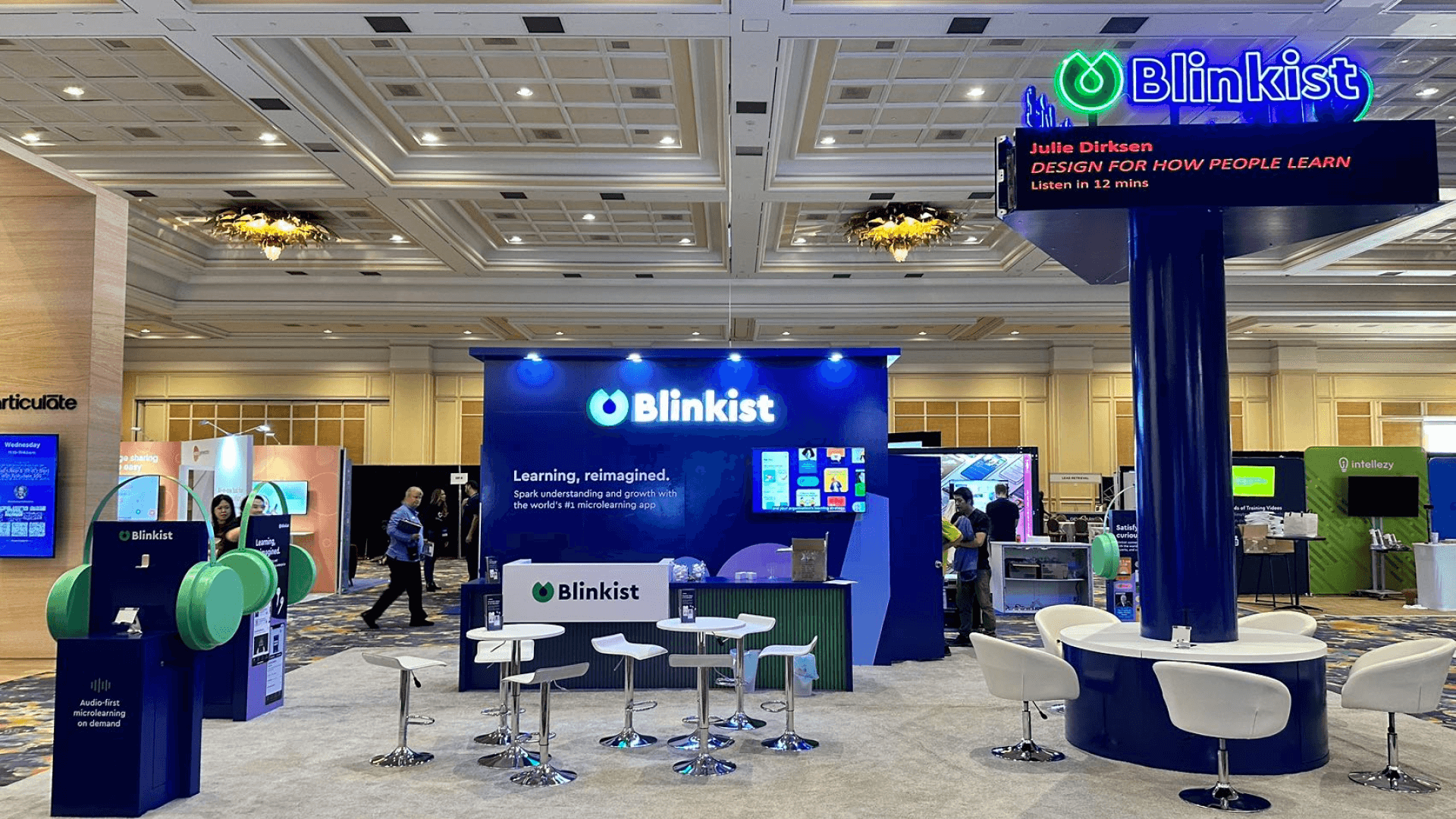
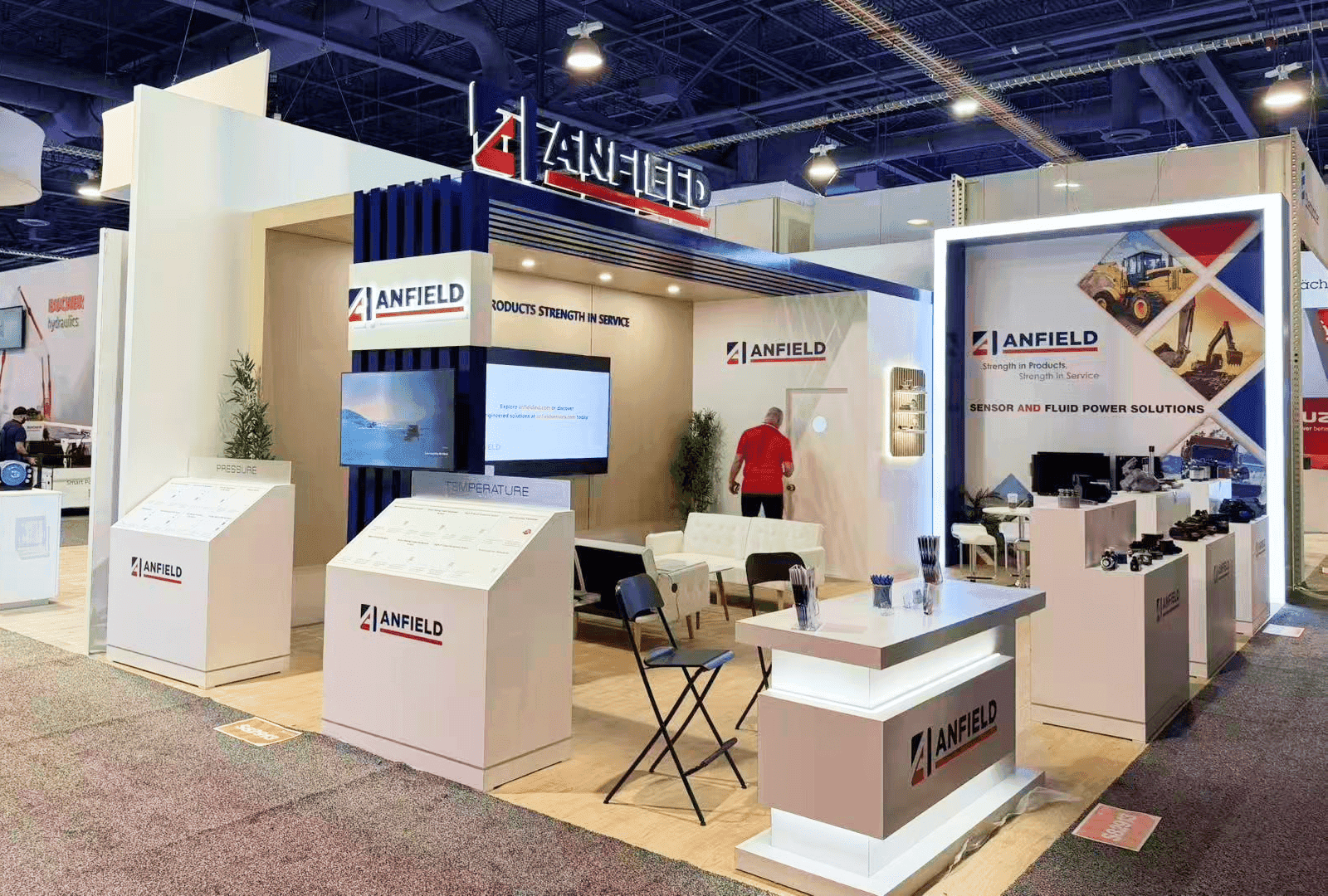
Use a 10x20 booth layout to assess a focused product range with application references and one place for questions. For a compact unit that needs viewing access and a separate discussion point, compare 20x20 booth layouts. If product access leaves too little room for conversation, remove repeated product examples or compare a larger footprint.
For the show at the Ernest N. Morial Convention Center in New Orleans, prepare a brief with the priority products, dimensions, supporting materials and space requirements. Circle Exhibit’s trade show booth design and build services can turn those inputs into a layout and defined exhibit scope, with show services and delivery responsibilities agreed before production.
Why Exhibitors Choose Circle Exhibit
Clear scope, transparent quote review, nationwide booth support, and efficient setup planning for qualified rental and custom exhibit projects.
48hr
Setup Window
10+
Years Since 2014
U.S.
Trade Show Support
Real
Booth Project Proof
Test the products, viewing access and essential discussion space within the assigned footprint. Add further displays or furniture only when they preserve those functions.
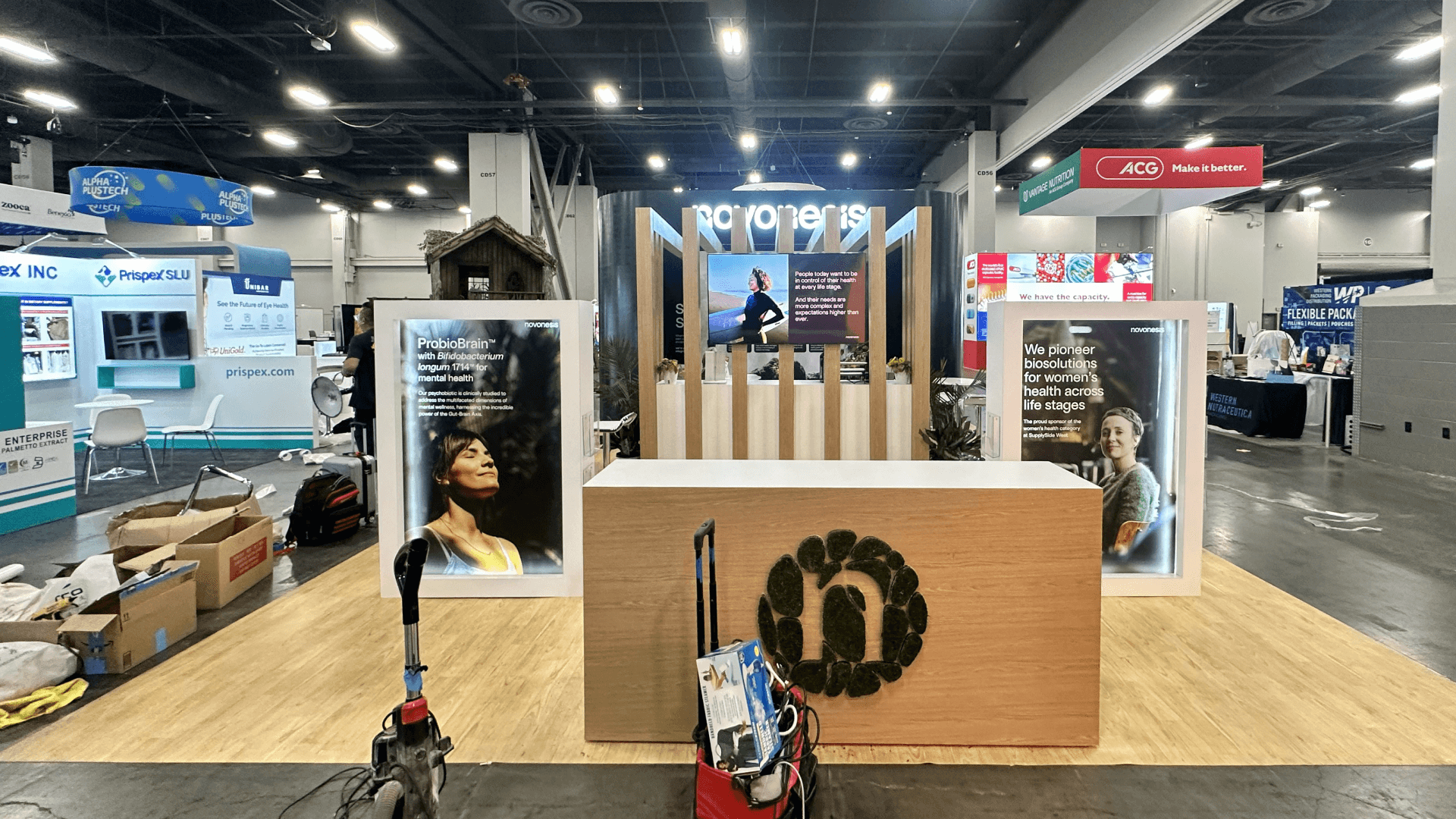
A 10x10 booth layout may work for one small product group or a short screen presentation. Reduce the display or compare a larger footprint if discussion blocks product access.
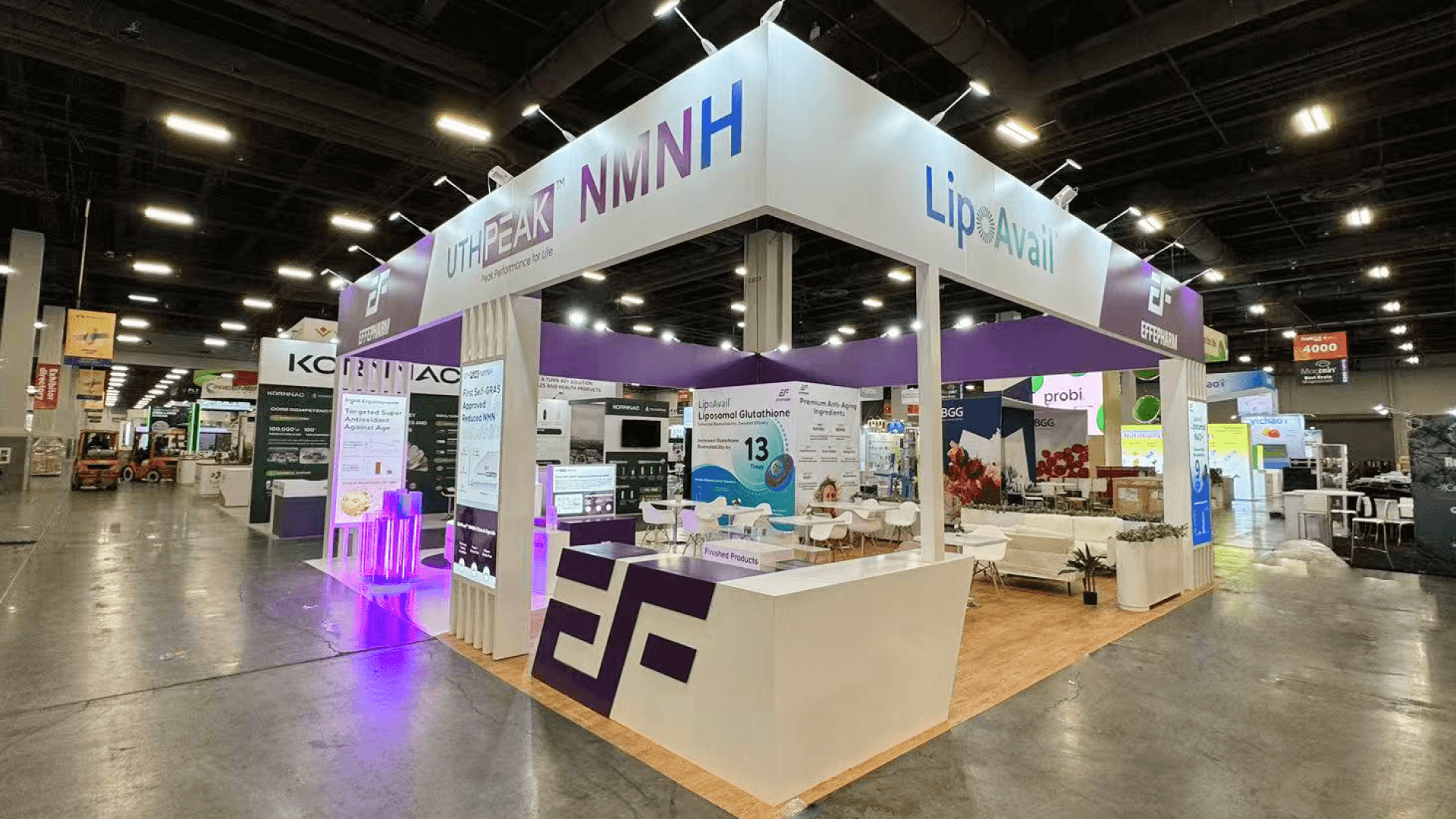
Use 20x20 booth planning for a compact unit with access to its key features and nearby discussion space. Confirm product dimensions, staff access and assigned open sides before selecting fixtures.
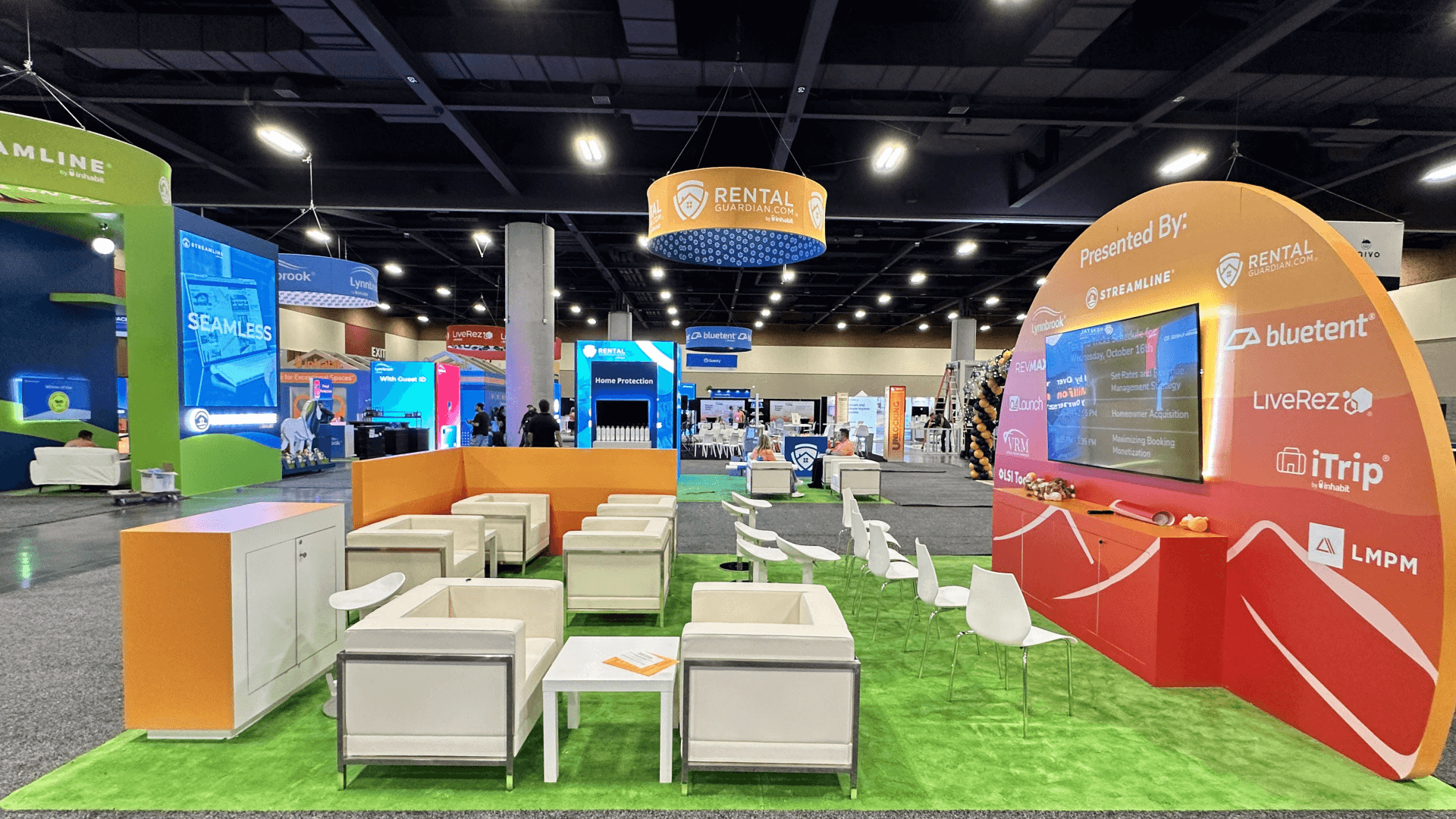
The longer display run can separate related components or crop input examples while keeping the application references beside them. Reduce the lineup if counters leave no usable place for questions.
If a 20x30 footprint cannot accommodate the equipment, viewing access and discussion after nonessential fixtures are removed, compare 30x40 booth planning. Larger machinery may require more space.
Equipment display planning explains when product position must be settled before surrounding structures, utilities and access routes. It is a broader guide for exhibitors bringing machinery or larger products.
Reading the exhibitor manual shows how to turn booth rules, service requirements and arrival instructions into assigned project actions. Use the current Commodity Classic documents for this show’s requirements.
Choose the display method according to what the farmer needs to examine or understand. Keep the supporting material close to the product it explains.
Set the product so visitors can see the component, connection or control being discussed. A labeled assembly image can explain where a displayed part belongs when the complete machine is absent.
With a field result or application image, include the relevant crop, use conditions and source details. Keep specifications available for questions outside that example.
For precision technology or farm software, show one action and the information returned. Keep a labeled recording available when a live sequence relies on equipment or network access.
Place the discussion point close enough to reference the product while keeping the main viewing route available. Its furniture and staff positions should be included in the layout.
Commodity Classic brings education and a trade show together for farmers reviewing agricultural products, equipment, technology and services.
Commodity Classic 2027 takes place at the Ernest N. Morial Convention Center in New Orleans, Louisiana.
The organizer highlights detailed conversations between farmers and exhibiting companies about agricultural products, technologies and ideas.
Not Sure Which Booth Size You Need?
Not every exhibitor knows whether a 10x20, 20x20, 20x30, or larger booth is the right fit. Circle Exhibit can help review your event goals, product display needs, demo areas, meeting space, storage, budget scope, and setup timeline before you choose a booth size.
Equipment Hides the Feature Being Discussed
Results Are Separated From Their Conditions
1
Set the Product List
2
3
4
Rental With Standard Components
A rental structure may work when standard walls, counters and display positions accommodate the products, graphics and discussion area. Review trade show booth rental options once those requirements are defined.
Rental With Dedicated Fixtures
When only a product mount or display shelf needs to change, check whether it can be added to the rental structure. Confirm its support and installation requirements before including it in scope.
Custom Exhibit Structure
Consider a custom structure when the product position, required access or exhibit layout cannot be accommodated by the available rental components. Use booth design and engineering to review that approach before production.
Check the assigned booth type and the current display requirements for Ernest N. Morial Convention Center before approving drawings. Note which restrictions affect the planned walls, signs or product access.
Large equipment has an assigned move-in process. Confirm its arrival and placement arrangements separately from the shipment and installation of exhibit components.
Match power and network orders to the actual screen, equipment and demonstration requirements. Check the service locations before the exhibit’s connection and cable routes are finalized.
Set booth coverage around confirmed education sessions and check the demonstration materials before opening. Visitors who missed a session should still be able to understand the display.
Plan a Commodity Classic Booth Rental
Share your booked footprint, product dimensions, display needs and meeting requirements when discussing a rental booth. Confirm the structure, any dedicated fixtures, graphics and show services included in the proposed scope.
Should products be grouped by category or farm application?
Start with the question that makes the product relevant to the farmer. Group related products by application when that makes differences easier to explain, with specifications available beside each item.
Can crop inputs be presented without a live application demonstration?
What should be settled before requesting a booth layout?
What should a Commodity Classic rental quote list separately?
Does a Mini What’s New presentation replace booth coverage?
READY TO PLAN YOUR NEXT BOOTH?
Let’s Build a Booth That Fits Your Event
Share your event name, booth size, city, timeline, product display needs, and design references. Circle Exhibit will review your project direction and help you choose a rental-friendly or custom exhibit path.
3000+
Booth Projects Supported
50+
U.S. Event Cities
Transparent
Quote Review
Turn the product list, viewing positions and discussion needs into a layout, with dedicated fixtures and service access considered before production.
Keep specifications, use conditions and supporting diagrams connected to the products farmers are reviewing.
Review exhibit freight, packaging, receiving instructions and the handoff between delivery and installation. Machinery may require separate arrangements.
Coordinate product placement, exhibit assembly and service access around the confirmed show instructions and agreed project responsibilities.
Check whether a compact equipment display, product information and a discussion point can fit before adding counters or selecting a structure.