AVB Expo Furniture Display Booth Planning for Retail Product Exhibitors

How should exhibitors plan an AVB Expo furniture display booth?
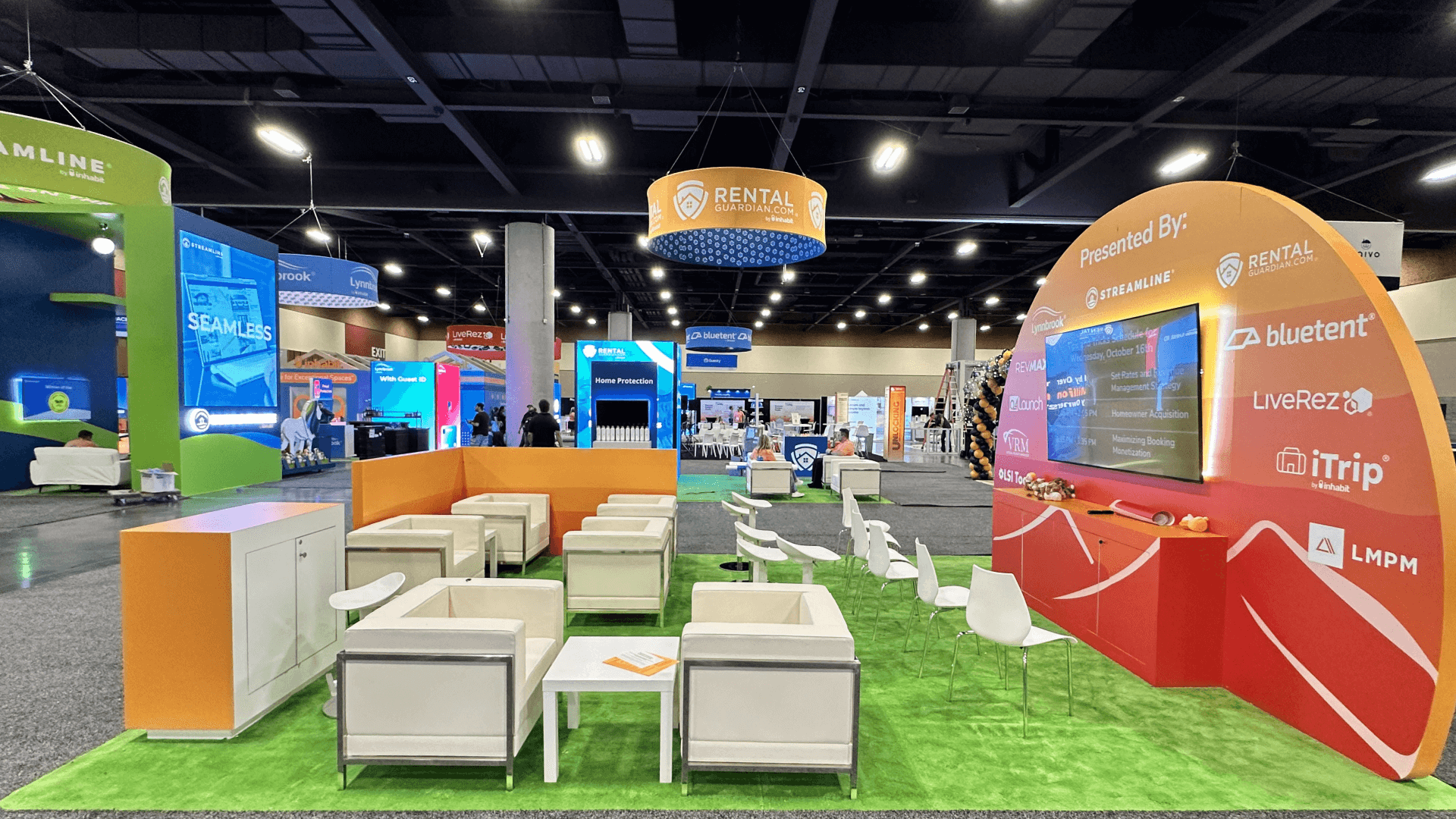
An AVB Expo furniture display booth should be planned around showroom-style layout, room scene presentation, furniture spacing, walk-through flow, fabric and finish samples, branded graphics, lighting, storage, and buyer conversation areas. The booth should help retail buyers understand the furniture style, category, finish options, and merchandising value without making the space feel crowded.
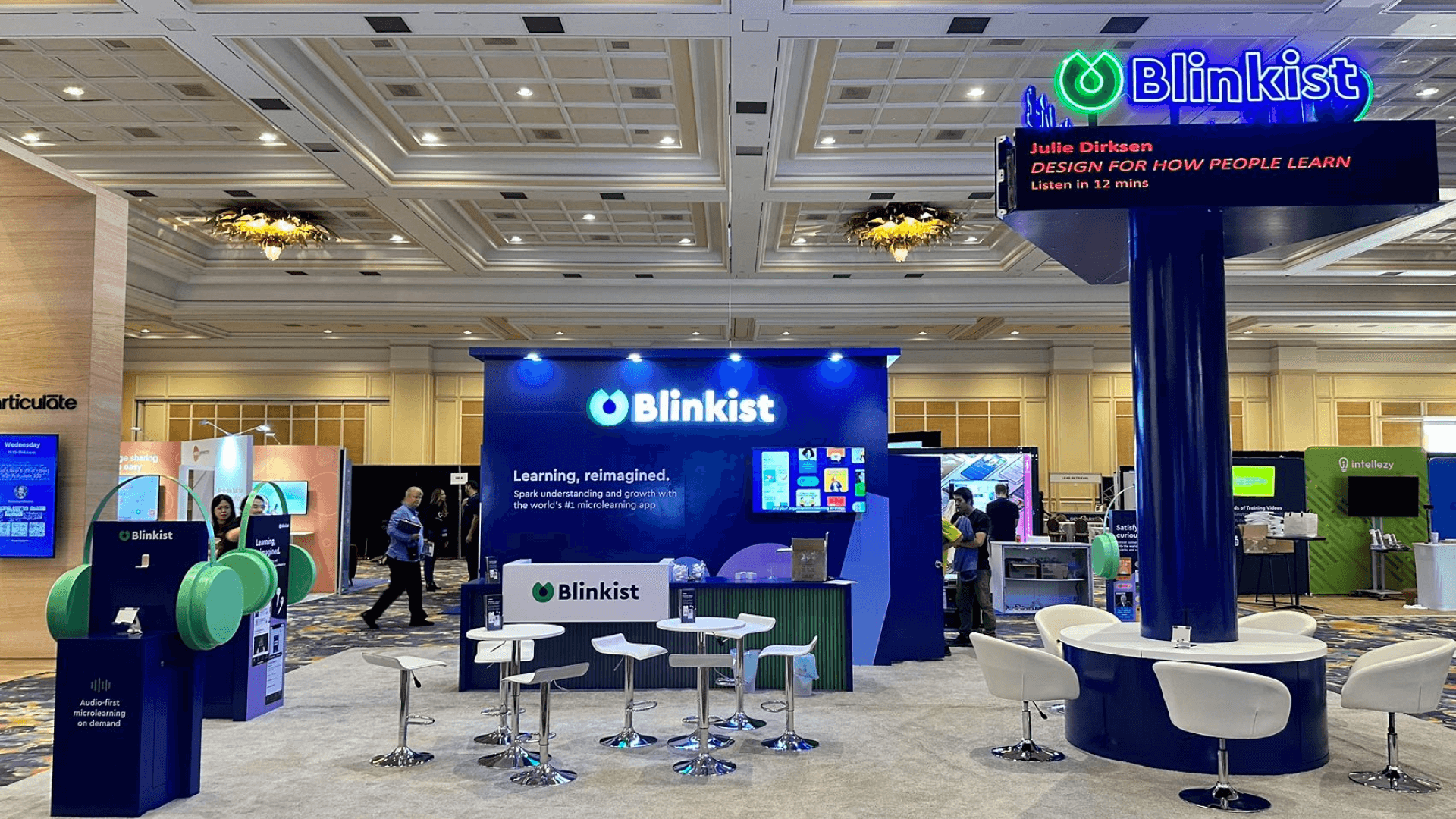
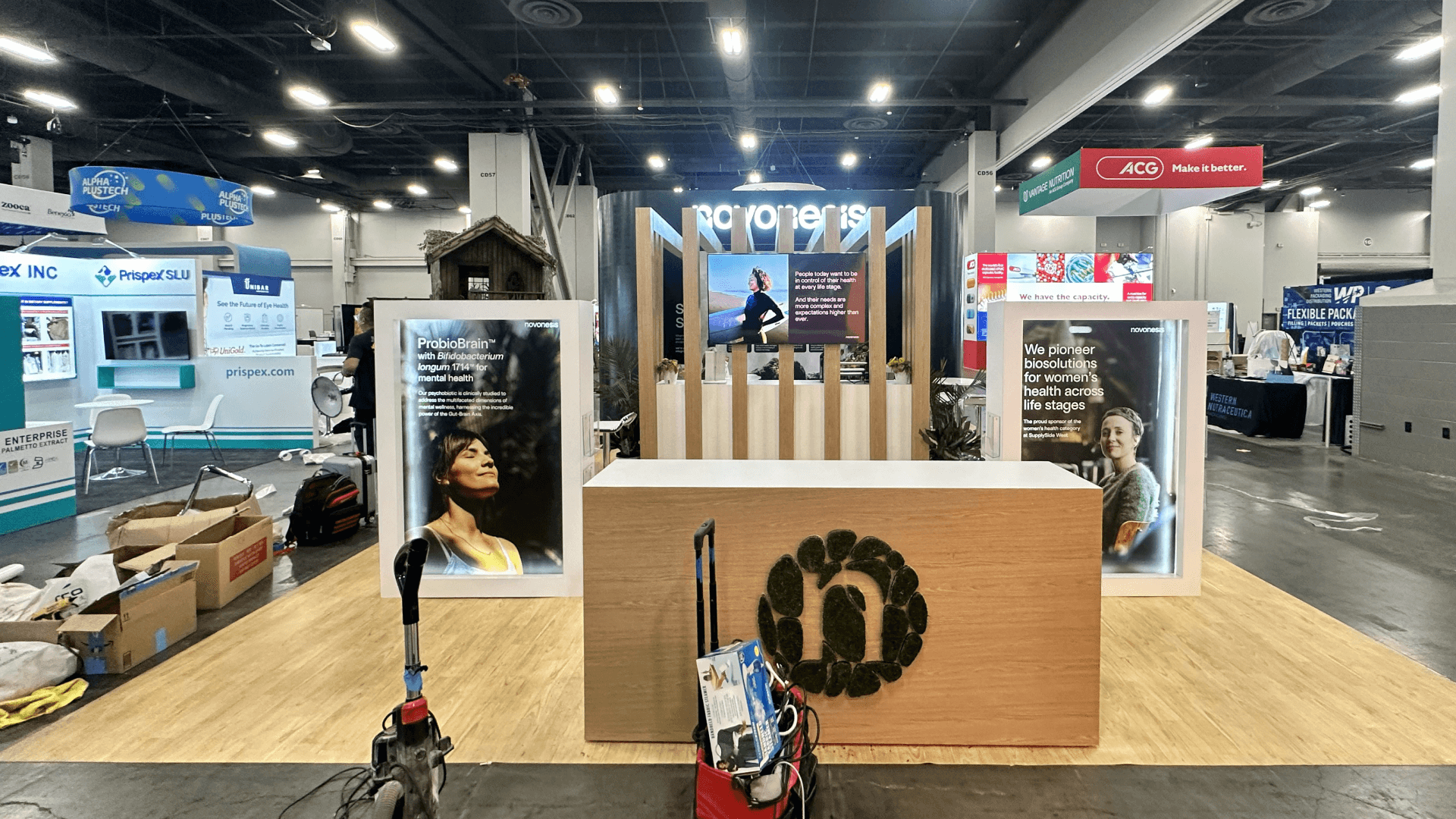
AVB Expo furniture display booths should feel closer to a compact showroom than a standard product display. Exhibitors may need to present sofas, seating groups, tables, bedroom sets, accent furniture, fabric options, finish samples, or home furnishing collections. The booth should help retail buyers understand how the furniture looks, how it can be merchandised, and how the product line fits a store environment.
A strong furniture booth starts with room scene planning. Furniture should not be placed only by footprint. Seating angles, walk-through flow, viewing distance, sample displays, lighting, graphic placement, storage, and conversation areas all affect how buyers experience the booth. If the layout feels blocked or crowded, buyers may not spend enough time comparing materials, finishes, product groupings, or retail value.
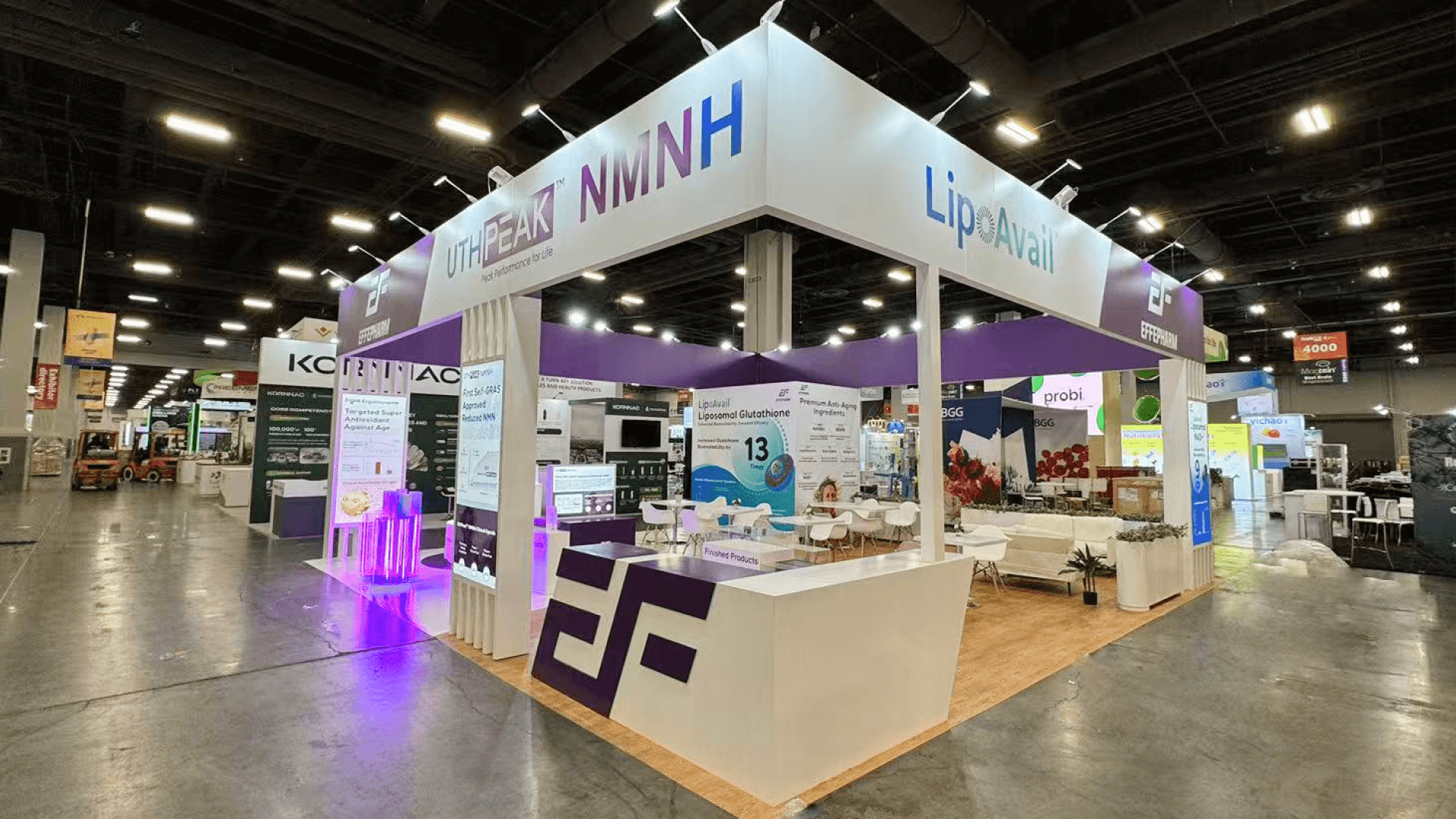
For exhibitors preparing an AVB furniture display booth in Las Vegas, Las Vegas trade show booth builder support can help connect showroom-style booth design, fabrication, graphics, logistics, and installation into one clear execution plan. A 30x40 booth planning approach can give furniture exhibitors more room for room scenes, sample displays, buyer conversations, and storage, while graphics and brand presentation support helps align showroom visuals, product labels, material samples, and branded booth surfaces.
Why Exhibitors Choose Circle Exhibit
Clear scope, transparent quote review, nationwide booth support, and efficient setup planning for qualified rental and custom exhibit projects.
48hr
Setup Window
10+
Years Since 2014
U.S.
Trade Show Support
Real
Booth Project Proof
AVB furniture exhibitors usually choose booth size based on the number of room scenes, seating groups, product samples, fabric or finish displays, meeting areas, storage needs, and visitor flow requirements. A 20x20 booth can work for one focused room scene, while 20x30 gives more room for seating, sample display, and buyer conversation; for exhibitors showing multiple furniture groups, bedroom sets, dining displays, or a more complete showroom-style presentation, 30x40 and larger island booths can create better separation between product viewing, walk-through flow, and retail buyer discussions.
A 20x20 booth can support one focused furniture room scene, a seating display, branded graphics, sample materials, and a short buyer conversation point. It works best when the product story is narrow and the layout stays open.
A 30x40 booth can support multiple furniture scenes, fabric and finish samples, meeting space, storage, lighting, and clearer walk-through flow. It is a strong option for exhibitors that need a more complete retail showroom-style layout.
A 20x30 booth gives furniture exhibitors more room for a seating group, sample display, branded graphics, storage, staff movement, and buyer conversations. This size can support a stronger showroom feel without becoming too large.
A large island booth can support several furniture zones, larger branded surfaces, multiple room scenes, dealer meeting areas, hidden storage, and more controlled visitor movement. This format is useful when furniture exhibitors need to show a broader collection.
Use these AVB furniture booth planning resources to compare showroom-style layouts, room scene planning, booth size decisions, graphics, and Las Vegas show-site execution before finalizing a display. Start with the main AVB Expo booth planning page, compare 30x40 booth planning for larger showroom-style layouts, review graphics and brand presentation support for product labels and material visuals, and connect the full furniture display plan with Las Vegas trade show booth builder support.
AVB furniture display booths should be planned around how buyers see the furniture group, enter the booth, walk through the room scene, compare materials, review finish options, and move into a retail conversation. Many exhibitors need showroom-style layouts, seating displays, room scene spacing, fabric and finish samples, branded graphics, product labels, lighting, storage, staff positions, and buyer conversation areas. The booth should create a clear showroom experience without copying the appliance page’s product-wall and freight-heavy logic or the mattress page’s comfort demo focus.
Furniture should be arranged as a clear room scene instead of a loose product cluster. Seating angles, table placement, viewing distance, aisle visibility, and buyer access should be reviewed before final layout approval.
The booth should let buyers move through the furniture display naturally. Walk-through flow should support browsing, product comparison, staff explanation, and conversation without forcing visitors into tight or blocked areas.
Fabric swatches, finish boards, color options, material references, and product labels should be placed where buyers can review them during the conversation. Sample displays should support the furniture story instead of cluttering the booth.
Furniture buyers often need time to discuss product fit, merchandising value, finish options, delivery programs, or retail placement. Conversation areas should feel comfortable without taking over the main room scene.
AVB Expo is the parent event for this furniture display booth planning page, with a focus on retail furniture exhibitors preparing showroom-style layouts, room scenes, seating displays, fabric samples, buyer conversation areas, and Las Vegas booth setup.
This page focuses on AVB Expo furniture display booth planning, including room scene layout, walk-through flow, sofa and seating display, table and bedroom furniture presentation, fabric and finish samples, branded graphics, lighting, storage, and buyer conversations.
20x20, 20x30, and 30x40 booths are common planning sizes for AVB furniture exhibitors. A 30x40 booth is often a strong fit when the display needs multiple room scenes, sample displays, meeting space, storage, and clearer walk-through flow.
Not Sure Which Booth Size You Need?
Not every exhibitor knows whether a 10x20, 20x20, 20x30, or larger booth is the right fit. Circle Exhibit can help review your event goals, product display needs, demo areas, meeting space, storage, budget scope, and setup timeline before you choose a booth size.
Managing Walk-Through Flow
Balancing Product Display and Conversations
1
Define the Main Room Scene
2
3
4
Rental Booth for Focused Furniture Displays
A rental booth in Las Vegas can support branded graphics, seating displays, product labels, sample areas, lighting, storage, and a professional booth structure. It works best when the furniture display is focused and does not require several custom-built room scenes.
Custom Build for Showroom Control
A Las Vegas trade show booth builder may be a better fit when the booth requires multiple room scenes, custom platforms, integrated lighting, larger showroom-style layouts, private buyer conversations, or stronger control over visitor flow.
Hybrid Structure for Furniture Flexibility
Some AVB exhibitors use a hybrid approach with rental structure, custom room scene elements, branded graphics, sample displays, counters, and show-specific setup planning. This can balance cost, flexibility, and showroom presentation quality.
AVB furniture booths at The Venetian | The Palazzo should be planned like compact showrooms. Room scenes, seating angles, sample displays, graphics, lighting, storage, and visitor flow should be aligned before setup begins.
Furniture should be placed so buyers can see the display from the aisle, enter the booth naturally, compare materials, speak with staff, and move into a conversation area without blocking the room scene.
A Las Vegas trade show booth rental can work for focused furniture displays with branded graphics, sample displays, counters, and a professional structure. A custom build may be better when exhibitors need multiple room scenes, custom platforms, integrated lighting, or larger showroom-style environments.
Before the booth is accepted, exhibitors should check furniture angles, room scene visibility, sample placement, lighting, graphics, storage access, staff movement, and buyer conversation flow from the aisle. Furniture displays should feel open and intentional.
For broader AVB furniture booth planning, exhibitors can review AVB Expo booth planning, compare 30x40 booth planning for showroom-style layouts, use graphics and brand presentation support for fabric samples and product labels, and connect the full display plan with Las Vegas trade show booth builder support.
Need an AVB booth rental for furniture displays?
A rental booth can support AVB furniture displays with branded graphics, seating areas, sample displays, counters, lighting, storage, product labels, and show-site installation support. It can be a practical option for exhibitors who need a professional furniture presentation without building a fully custom showroom.
What is an AVB Expo furniture display booth?
An AVB Expo furniture display booth is a trade show booth planned around showing furniture products such as sofas, seating groups, tables, bedroom sets, accent furniture, fabric samples, finish options, or home furnishing collections to retail buyers and dealer decision-makers.
What booth size works best for furniture displays at AVB Expo?
How should furniture be placed inside a trade show booth?
Should an AVB furniture booth be rental or custom built?
What should exhibitors prepare before approving a furniture booth design?
READY TO PLAN YOUR NEXT BOOTH?
Let’s Build a Booth That Fits Your Event
Share your event name, booth size, city, timeline, product display needs, and design references. Circle Exhibit will review your project direction and help you choose a rental-friendly or custom exhibit path.
3000+
Booth Projects Supported
50+
U.S. Event Cities
Transparent
Quote Review
Review the main AVB Expo booth planning page for retail product display strategy, product category planning, The Venetian setup, and Las Vegas execution context.
Use the 30x40 booth planning page to evaluate showroom-style layouts, room scenes, meeting space, storage, and walk-through flow.
Plan furniture product labels, material visuals, fabric and finish sample messaging, branded booth surfaces, and showroom-style graphics before final production.
Plan furniture product placement, booth setup sequence, lighting checks, final display review, and dismantle responsibilities before show-site handoff.
Connect AVB furniture display booth planning with design, fabrication, graphics, logistics, installation, and Las Vegas show-site execution.