A4M LongevityFest Booth Planning for Demos, Meetings, and Product Discovery


How should exhibitors plan a booth for A4M LongevityFest?
Start with how practitioners need to interact with the product: see it, understand it, watch it work, try it, or discuss it in more detail. That decision should determine the booth size, demo capacity, meeting space, screens, storage, staffing, and show-site services that follow.
Before choosing a booth size, start with what visitors actually need to do with the product. Some A4M exhibitors mainly need to make a product category easy to understand, while others need room for a live demonstration, a longer practitioner discussion, or several activities happening at the same time. That interaction should shape the exhibit before the footprint is finalized.
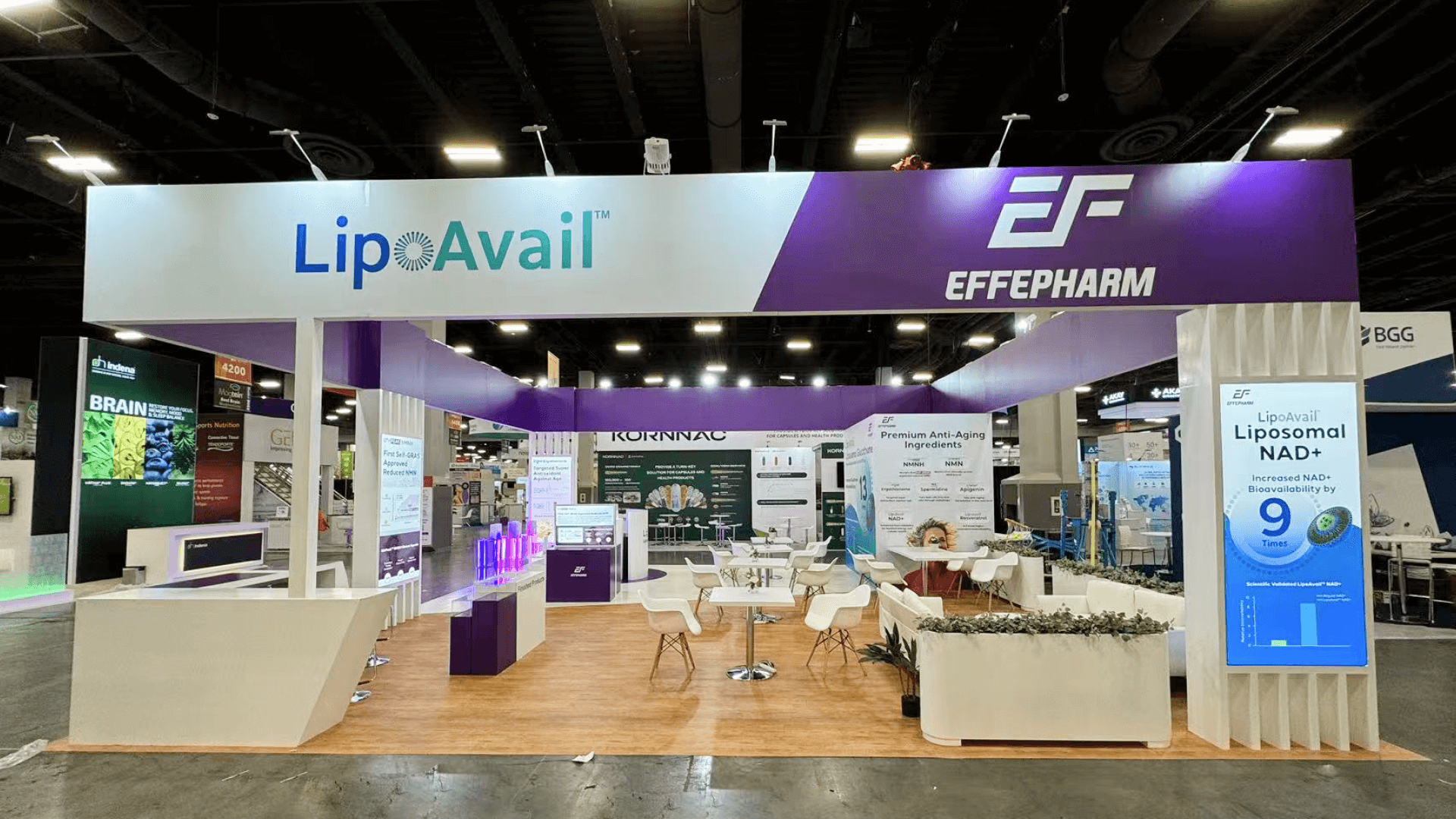
A 10x10 or 10x20 can work when the booth has one clear product story and a limited number of visitor interactions. A 20x20 or 20x30 becomes more useful when demos, conversations, staff, and support functions need more room to operate independently. For diagnostics and device exhibitors, A4M diagnostics and device demo booth planning becomes especially relevant when the product needs to be demonstrated rather than simply displayed.
Once the visitor journey and footprint are clear, the design has to translate into something that can actually be built and operated on the show floor. Exhibitors working with Las Vegas trade show booth builders can coordinate structure, graphics, logistics, and installation around that plan, while the setup and access conditions at Venetian Expo should be checked before production is finalized.
Why Exhibitors Choose Circle Exhibit
Clear scope, transparent quote review, nationwide booth support, and efficient setup planning for qualified rental and custom exhibit projects.
48hr
Setup Window
10+
Years Since 2014
U.S.
Trade Show Support
Real
Booth Project Proof
The right footprint depends on how many things need to happen in the booth at the same time. Product explanation, live demos, practitioner conversations, staff movement, and storage should be considered together before the layout is finalized.
A 10x10 works best for one clear product story and one main interaction, such as a short explanation or compact demo. 10x10 booth planning helps keep the message, product, and staff interaction simple.
A 20x20 supports several visitor activities with more open access, including demos, conversations, graphics, and support space. 20x20 booth planning helps turn the larger footprint into clear functional zones.
A 10x20 gives exhibitors room to separate two important functions, such as product display and a live demo or practitioner conversation. 10x20 booth planning helps keep both activities working without crowding the space.
A 20x30 works well when multiple demos, meetings, product areas, and support functions need their own space. 20x30 booth planning helps separate those activities without disrupting visitor flow.
The booth should help practitioners understand the product quickly and move into the right next interaction without making every visitor follow the same path.
Visitors should be able to tell what type of product or solution is being shown before they stop for a detailed explanation.
Use the physical product, screens, and supporting graphics together so practitioners can understand both the product and the context for a deeper question.
An interested practitioner should be able to move away from the main display or demo without blocking the next person who wants to engage.
A first-time visitor may need a basic explanation, while someone else may already be ready for a demo or deeper discussion. The booth should support both without forcing the same sequence on everyone.
A4M’s Exponential Hall brings diagnostics, devices, compounding pharmacy, clinical technology, live demos, and new product launches into one practitioner-focused exhibit environment.
LongevityFest runs December 10–13 in Las Vegas, with the core expo experience scheduled December 11–13 at The Venetian Expo and Convention Center.
The booth should help practitioners quickly understand what the product is, why it may be relevant to their work, and whether a demo or deeper conversation is worth their time.
Not Sure Which Booth Size You Need?
Not every exhibitor knows whether a 10x20, 20x20, 20x30, or larger booth is the right fit. Circle Exhibit can help review your event goals, product display needs, demo areas, meeting space, storage, budget scope, and setup timeline before you choose a booth size.
Giving Every Product the Same Priority
Trying to Fit Every Booth Function In
1
Decide the Main Job of the Booth
2
3
4
Rental for a Flexible A4M Exhibit
A configurable rental works well when the booth mainly needs branded walls, counters, screens, storage, meeting furniture, and focused demos. For that type of program, a Las Vegas trade show booth rental can provide the needed structure without adding unnecessary custom fabrication.
Custom Work for Specialized Integration
Custom work becomes more relevant when equipment, built-in displays, unusual structural features, or concealed utilities need to be integrated directly into the exhibit. It gives the layout more control when standard components would create compromises.
Choose Based on What the Booth Must Support
Start with the booth’s operating needs rather than the build type. If the structure mainly frames the experience, rental may be enough; if it must support or integrate specialized equipment and displays, custom work becomes more useful.
Current A4M exhibitor information gives 20x20-and-larger island booths earlier setup access than the general exhibitor move-in period. Match freight and labor sequencing to the confirmed booth type.
Current inline display rules keep taller elements toward the rear of the space. Position screens, equipment, signage, and counters so the front of the booth stays open and readable.
Flooring, structure, graphics, utilities, screens, equipment, and product placement should follow a planned sequence. That reduces last-minute moves after other parts of the booth are already finished.
Check product placement, screen content, demos, storage access, staff positions, lead capture, meeting space, and the visitor path before the hall opens.
Choose the next planning path based on the exhibit task: use A4M diagnostics and device demo planning for live-demo workflows, Product Theater booth follow-up planning for post-presentation visitors, 20x20 booth planning when several functions need to operate together, and logistics and pre-show coordination when the main issue is move-in and show-site readiness.
Need a Flexible A4M LongevityFest Booth Rental?
A configurable rental can work when an A4M exhibit needs branded walls, counters, screens, storage, meeting furniture, and focused demos without highly specialized structural integration.
What should an A4M LongevityFest booth include?
Start with one clear product story, then add only the demos, screens, conversation space, lead capture, and storage needed to support the visit.
What booth sizes are available for A4M LongevityFest exhibitors?
Does every A4M exhibitor need a live demo area?
When should an A4M exhibitor consider a 20x20 island booth?
What should be confirmed before an A4M booth goes into production?
READY TO PLAN YOUR NEXT BOOTH?
Let’s Build a Booth That Fits Your Event
Share your event name, booth size, city, timeline, product display needs, and design references. Circle Exhibit will review your project direction and help you choose a rental-friendly or custom exhibit path.
3000+
Booth Projects Supported
50+
U.S. Event Cities
Transparent
Quote Review
Use this page when visitors have already seen an A4M Product Theater presentation and the booth needs to move them into a demo, discussion, meeting, or follow-up.
Useful when the exhibit needs several visitor interactions, more open access, and clearer separation between demos and conversations.
Use a larger footprint when several product, demo, meeting, and support functions can no longer share the same operating area comfortably.
Use graphics planning when visitors need faster product recognition, clearer use-context explanation, or stronger screen and signage coordination.
Use pre-show coordination when the layout depends on equipment arrival, utilities, installation order, and final show-site readiness.