Installation Conditions Vary by Event and Venue in Las Vegas
No single set of installation rules applies to every Las Vegas trade show. Move-in schedules, labor arrangements, material handling, contractor requirements, rigging procedures, and service deadlines can change from one event to another—even when two shows use the same venue.
The current exhibitor manual and service schedule should be the starting point. A booth at the Las Vegas Convention Center, for example, should be scheduled around the requirements of that specific show rather than assumptions carried over from a previous event.
In practice, the sequence is:
Event requirements → venue conditions → service dependencies → installation schedule
This keeps the plan tied to the conditions that actually govern the show floor.
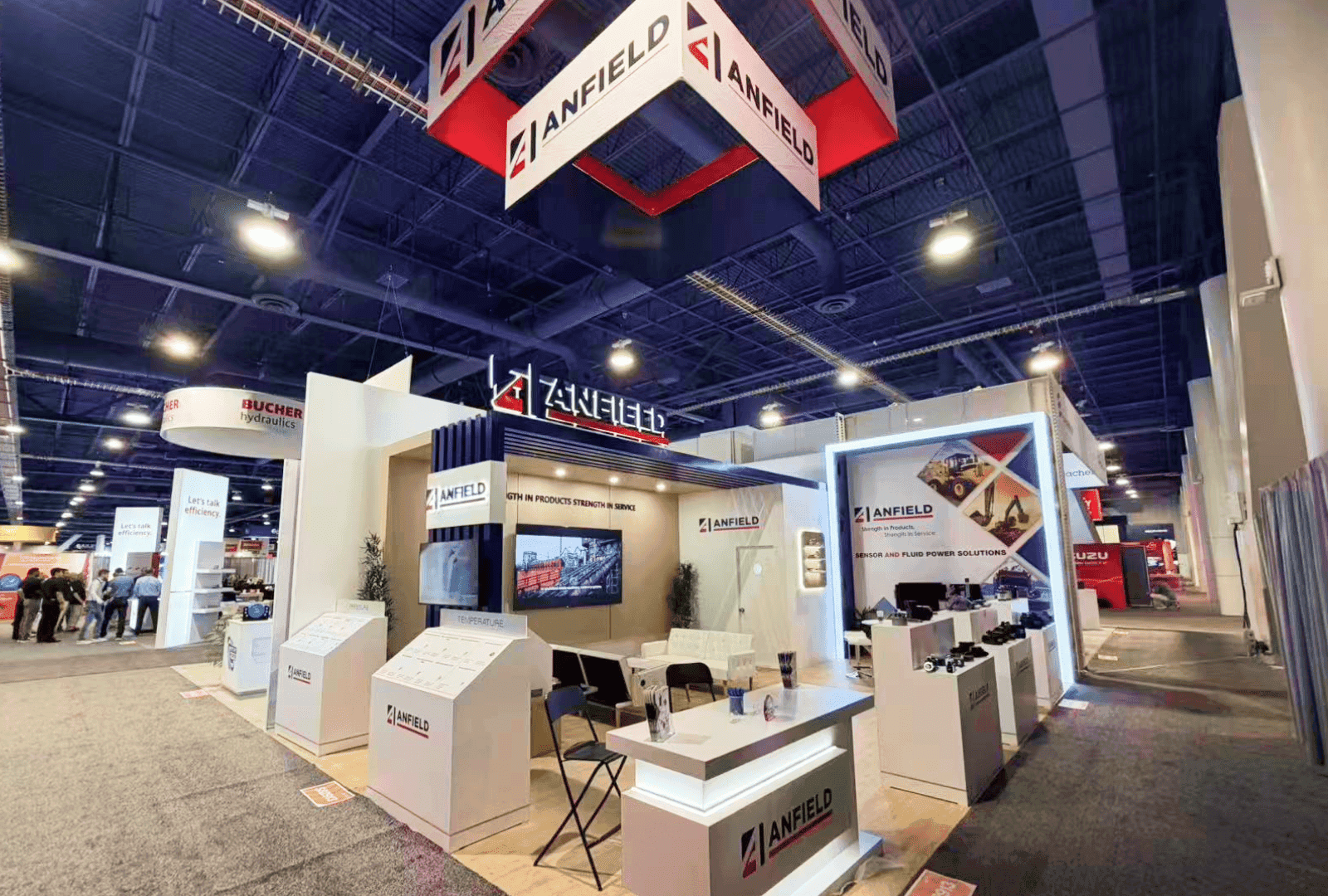
Booth installation in Las Vegas depends on more than assembly time. Move-in access, labor responsibilities, and freight handoff can all determine when the crew is able to begin work.
Move-In Windows Set the Installation Schedule
A move-in date does not always mean every exhibitor can begin work at the same time.
Shows may use target schedules, assigned delivery windows, hall-access periods, or service deadlines. Parts of an exhibit may also have to wait for flooring, electrical work, overhead rigging, or other scheduled services.
So instead of asking only how many hours the booth takes to assemble, confirm when the exhibit space, materials, labor, and required services will all be available.
A booth that needs eight hours of physical assembly may still require a longer show-site window if those dependencies do not line up.
Labor and Contractor Rules Define Who Can Do What
Responsibilities can differ by event and by type of work.
A project may involve the exhibitor’s own team, an EAC (exhibitor-appointed contractor), the official show contractor, and specialty providers responsible for electrical, rigging, material handling, or other services.
The exhibitor manual should make clear who handles what before crews are scheduled. Confirm who is responsible for each task, who is permitted to perform it, and when that work must happen in relation to the rest of the booth.
Those answers affect the schedule even when the booth design itself remains unchanged.
Freight Handoff Determines When Materials Reach the Booth Space
Freight arriving at the show destination does not necessarily mean the crew can begin work.
In trade show operations, material handling—often called drayage—is the show-site movement of exhibit freight between the receiving area and the booth space.
Transportation may already be complete while the structure, graphics, equipment, or hardware are still moving through the event’s receiving process. For the crew, the key moment is when those materials are actually available at the booth.
With multiple shipments or tight delivery windows, logistics and pre-show coordination should be planned alongside installation so freight reaches the exhibit space when the crew is ready to work.
Electrical, Rigging, and AV Can Delay Final Installation
Some booth elements depend on services outside the crew’s direct control.
Screens, LED displays, lightboxes, powered demo stations, hanging signs, and overhead branding may depend on electrical, AV, or rigging work before the booth can be completed.
A show-appointed service provider is a contractor designated by the event to handle a specific show service rather than work managed entirely by the booth-building crew.
That can leave an otherwise nearly finished booth waiting on one scheduled service. Overhead work may need to happen before equipment is positioned below it, while powered components may need to remain accessible until electrical service is finished.
The schedule should identify these handoffs early enough to avoid unnecessary waiting or reopening completed booth sections.
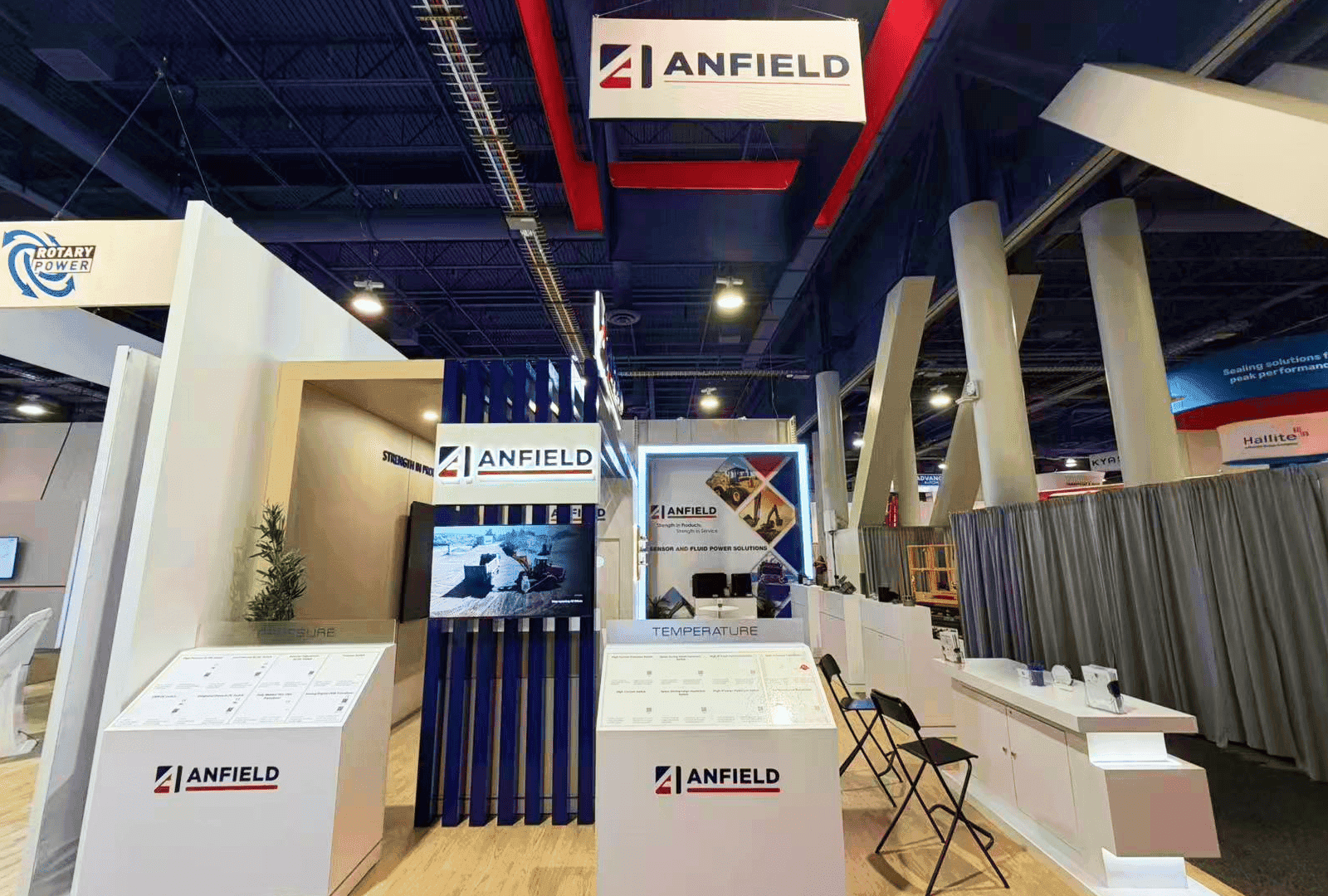
Rigging, electrical, AV, and move-out schedules can create show-site dependencies that need to be coordinated before the booth installation timeline is finalized.
Move-Out Has Its Own Timing and Freight Constraints
Show close does not mean every outbound task can begin immediately.
Dismantling may depend on hall access, empty-container return, outbound material handling, carrier timing, and show-specific freight deadlines. These conditions affect how long crews remain on site and when packed materials need to be ready for handoff.
Move-out therefore needs its own schedule rather than being treated as an automatic extension of show close. Crew access, outbound handoff, and carrier deadlines should be confirmed before dismantling begins.
Las Vegas Booth Installation Constraints Checklist
Before finalizing the installation schedule, confirm the conditions that can affect access, responsibility, and timing:
Constraint | What to Confirm |
|---|---|
Event / Venue Requirements | Which show-specific schedules, approvals, contractor arrangements, and service requirements apply? |
Move-In Window | When can crews access the exhibit space, and when may booth work begin? |
Labor / Contractor Rules | Which work is handled by the exhibitor, EAC, official contractor, or specialty provider? |
Freight Handoff | When will the booth materials actually become available at the exhibit space? |
Electrical / Rigging / AV | Which services must be completed before the booth can be finished? |
Move-Out Window | When can dismantling begin, and when must outbound freight be ready for handoff? |
Once these external conditions are confirmed, the team can move into the actual rental booth installation and dismantle process with a schedule that reflects the show-site constraints.
Final Takeaway
Las Vegas booth installation is easier to control when event requirements, access windows, labor responsibilities, freight handoff, and service dependencies are confirmed before the crew arrives. Only then should the team lock the physical setup sequence.
Even with those external conditions settled, the build can still slow if field execution bottlenecks create sequence conflicts, restrict access, crowd the active work zone, or leave the next task waiting on an unfinished prerequisite.
FAQ
Do Las Vegas exhibitors need specific labor or contractors for booth installation?
Requirements vary by event, venue, and type of work. Exhibitors should review the current exhibitor manual to confirm which tasks can be handled by their own team, an EAC, the official contractor, or a specialty provider.
How does material handling affect booth installation?
Material handling affects when booth components actually reach the exhibit space. Even after transportation is complete, the installation team may still need to wait until the event’s freight-handling process delivers the required materials to the booth.
Are booth installation requirements the same at every Las Vegas venue?
No. Requirements can vary by event, venue, official service provider, and exhibitor manual. Even shows held at the same venue may use different move-in schedules, contractor arrangements, or service procedures.
When can booth dismantling begin after a Las Vegas trade show?
Dismantling can begin when the event allows access after show close. Empty-container return, outbound material handling, carrier timing, and freight deadlines can also affect when the booth can be taken down and released for outbound shipping.