Licensing Expo Sports Licensing Booth Planning


How should a sports licensing booth work at Licensing Expo?
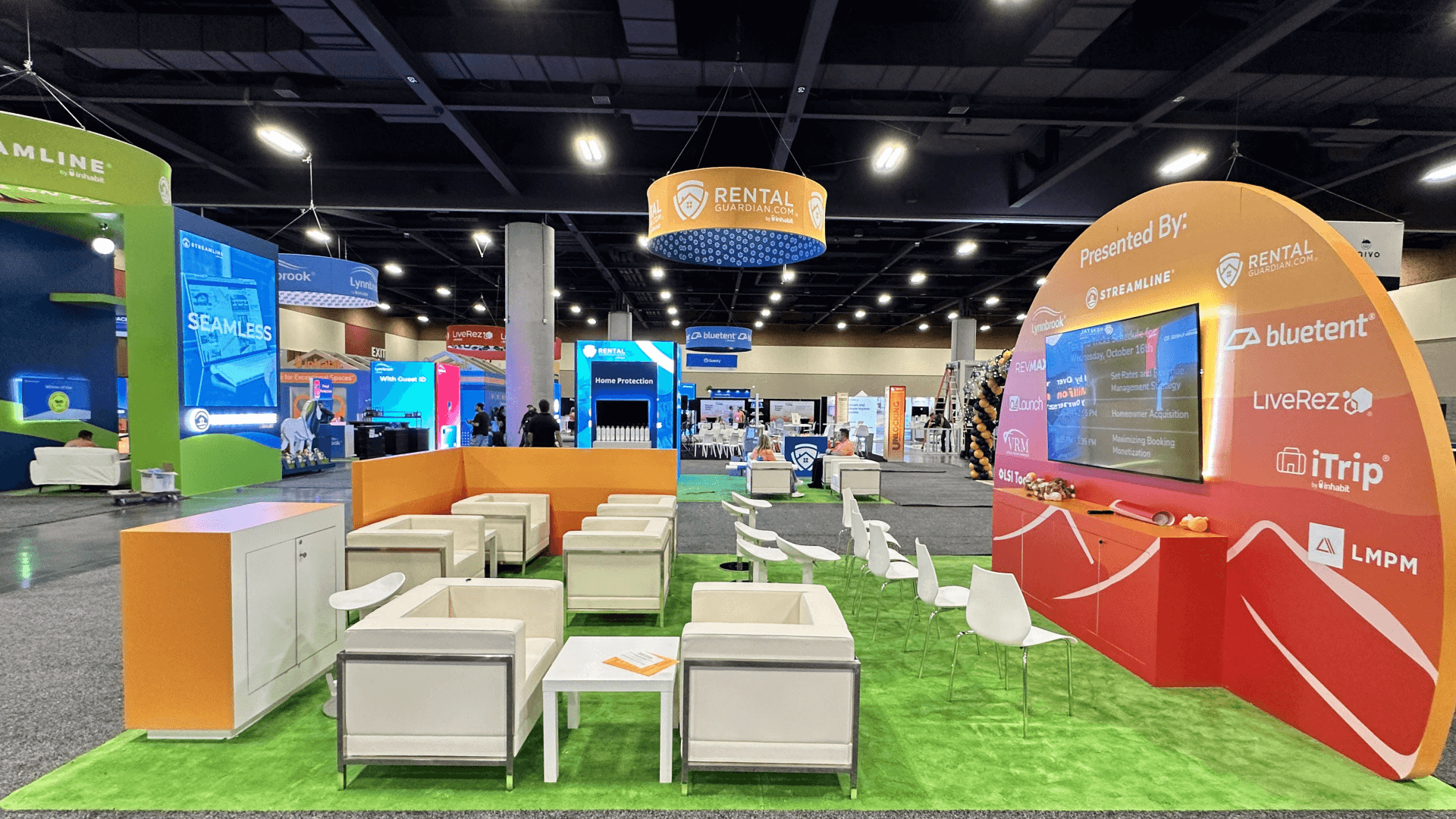
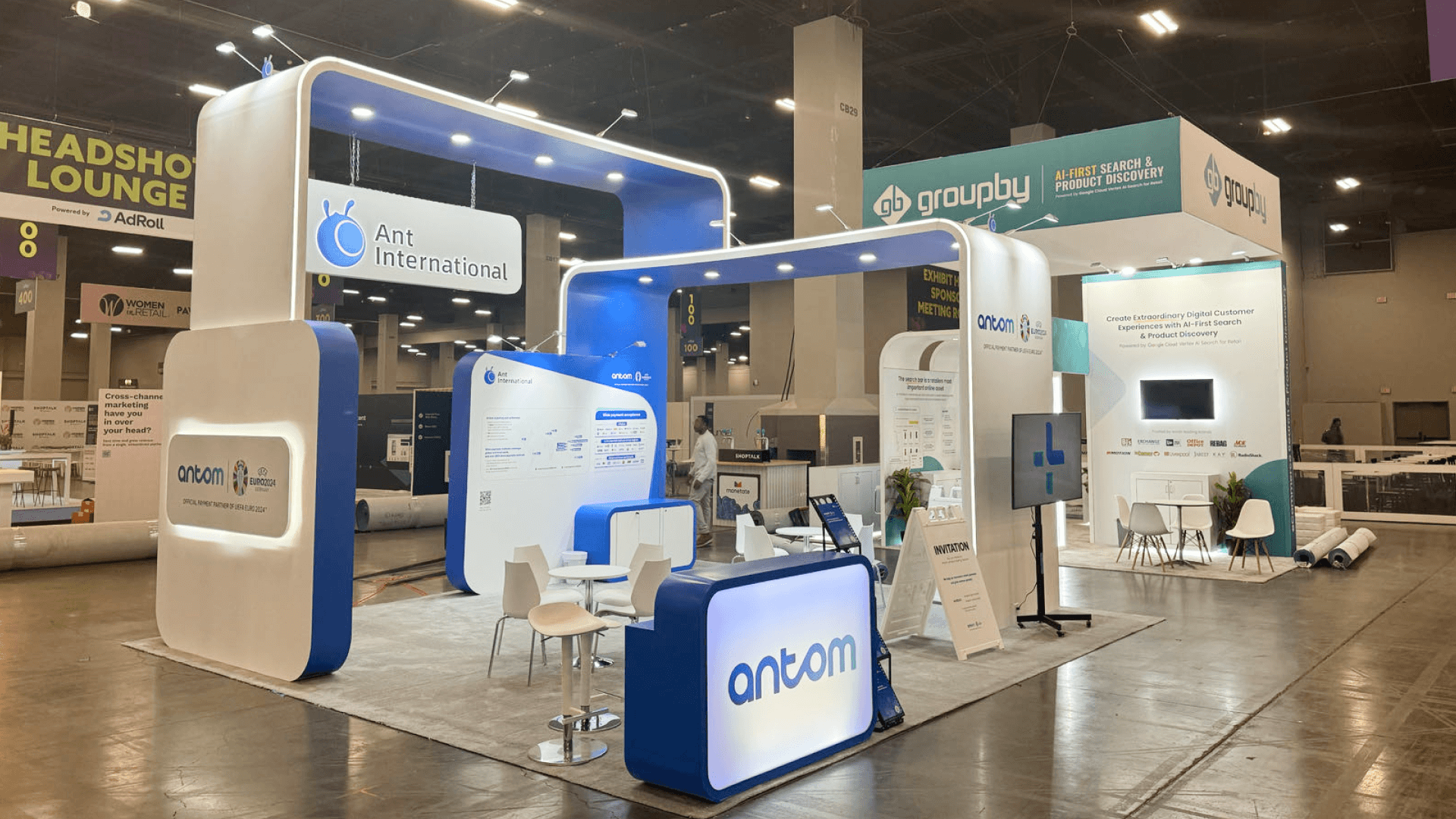
Licensing Expo sports licensing booth planning begins with a simple distinction: a familiar property is not yet a clear commercial opportunity. Use graphics and selected merchandise to establish relevance, then provide a direct route to the right representative. A compact booth can work well; add space only when media, visitor participation, large props, or concurrent meetings require separation.
A team, league, event, or athlete may be recognizable before the commercial opportunity is clear. The exhibit should show buyers what the property can support, which products or collaborations are relevant, and who can continue the licensing discussion.
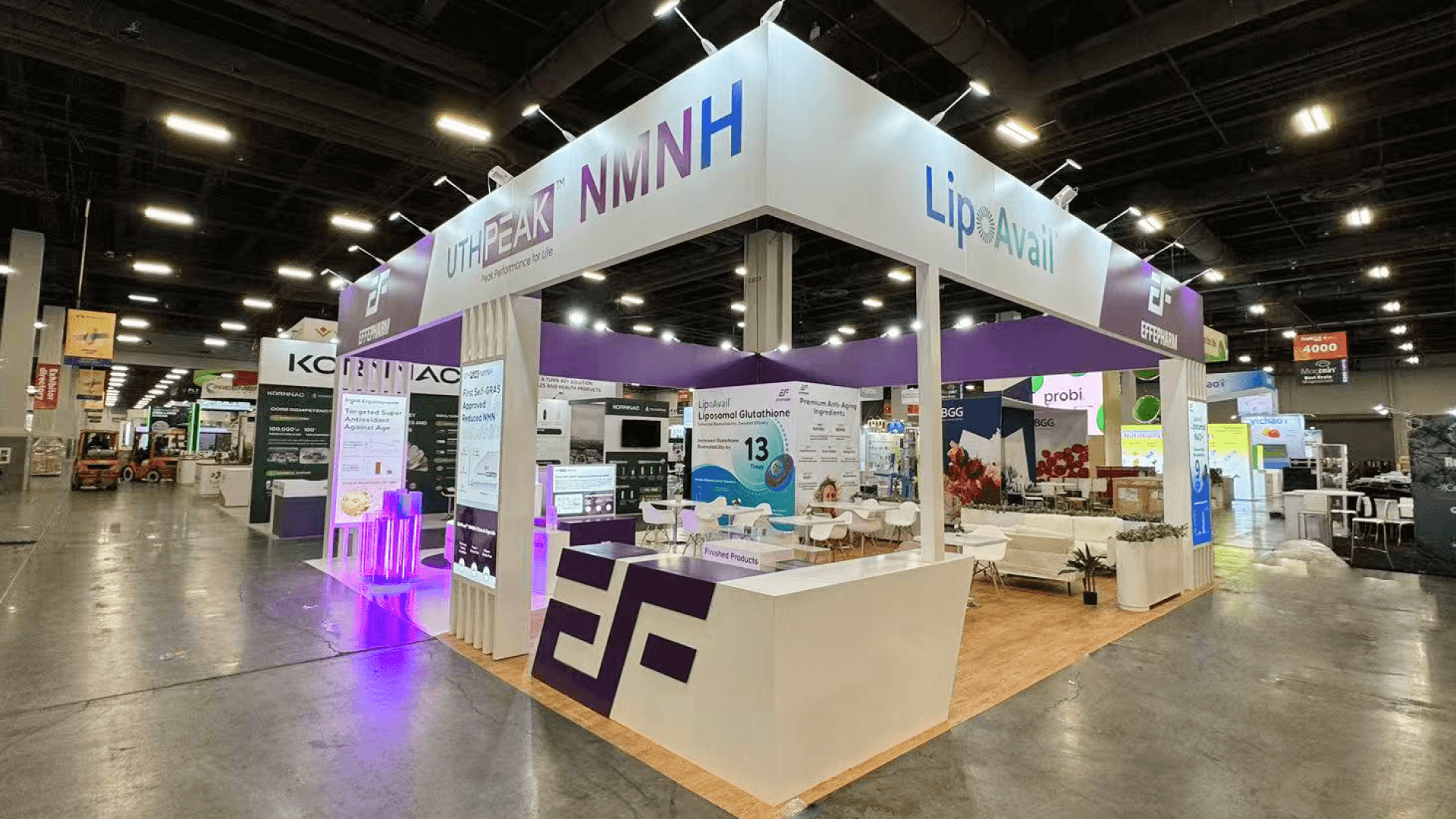
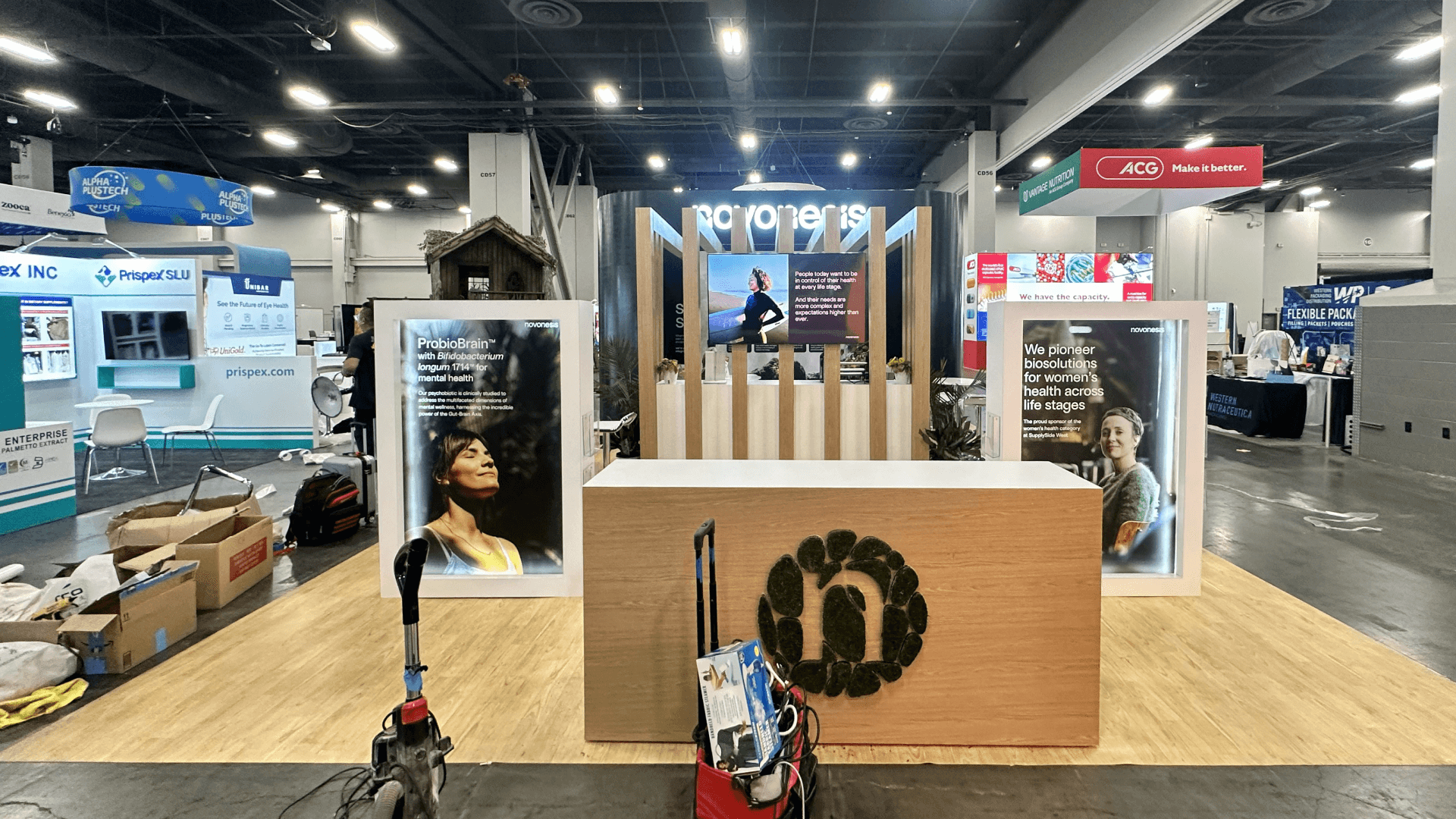
For a property-led presentation, a 10x20 or 20x20 can combine strong graphics, selected merchandise, and a focused conversation point. A 20x30 creates room to separate a compact visitor activity from meetings. Larger footprints are justified only when props, media, participation, or simultaneous conversations create a real operating need.
The wider Licensing Expo booth planning page covers the overall event path. At Mandalay Bay Convention Center, the sports-specific plan must also account for product staging, AV, installation, and visitor movement.
Why Exhibitors Choose Circle Exhibit
Clear scope, transparent quote review, nationwide booth support, and efficient setup planning for qualified rental and custom exhibit projects.
48hr
Setup Window
10+
Years Since 2014
U.S.
Trade Show Support
Real
Booth Project Proof
The property’s fame does not determine the footprint. Merchandise, screens, props, visitor dwell, staff handoffs, storage, and meetings do.
Strong graphics and selected merchandise can establish one property and open a useful buyer conversation without adding an activation.
Use the extra depth when an activity creates dwell and scheduled buyers still need an unobstructed route to staff.
The wider plan gives products, screen content, storage, and buyer seating enough room to work without sharing one sightline.
Move larger only when major props, several properties, more than one activity, or parallel meetings need independent operating areas.
A clear plan for organizing multiple IPs establishes which properties need prominent visibility, supporting treatment, shared displays, or meeting-only materials. Connecting each property with its buyers, proof assets, and representative gives the layout a practical starting point.
Once those roles are clear, booth graphics and branding can translate the portfolio hierarchy into aisle messages, supporting visuals, screen content, and product labels without giving every property equal visual weight.
Recognition attracts attention, but the display must still explain what can be licensed, where the property fits, and who should handle the conversation.
Make the team, league, event, federation, or athlete identity clear before adding campaign and product detail.
Present products as evidence of licensing potential rather than as an isolated retail wall.
Use motion and screen content to strengthen the property story without overpowering signage or nearby meetings.
Give staff a practical way to move a relevant visitor from interest or participation into a qualified discussion.
Teams, leagues, federations, sporting events, and athletes can each create a different licensing and partnership conversation.
Manufacturers, licensees, retailers, agents, and collaboration partners may evaluate the same property from different product perspectives.
Opportunities can extend across apparel, accessories, collectibles, promotions, media, consumer products, and brand collaborations.
Not Sure Which Booth Size You Need?
Not every exhibitor knows whether a 10x20, 20x20, 20x30, or larger booth is the right fit. Circle Exhibit can help review your event goals, product display needs, demo areas, meeting space, storage, budget scope, and setup timeline before you choose a booth size.
Merchandise Without a Business Story
Engagement Blocks the Entry
1
Prioritize the Sports Properties
2
3
4
Graphic-Led Rental
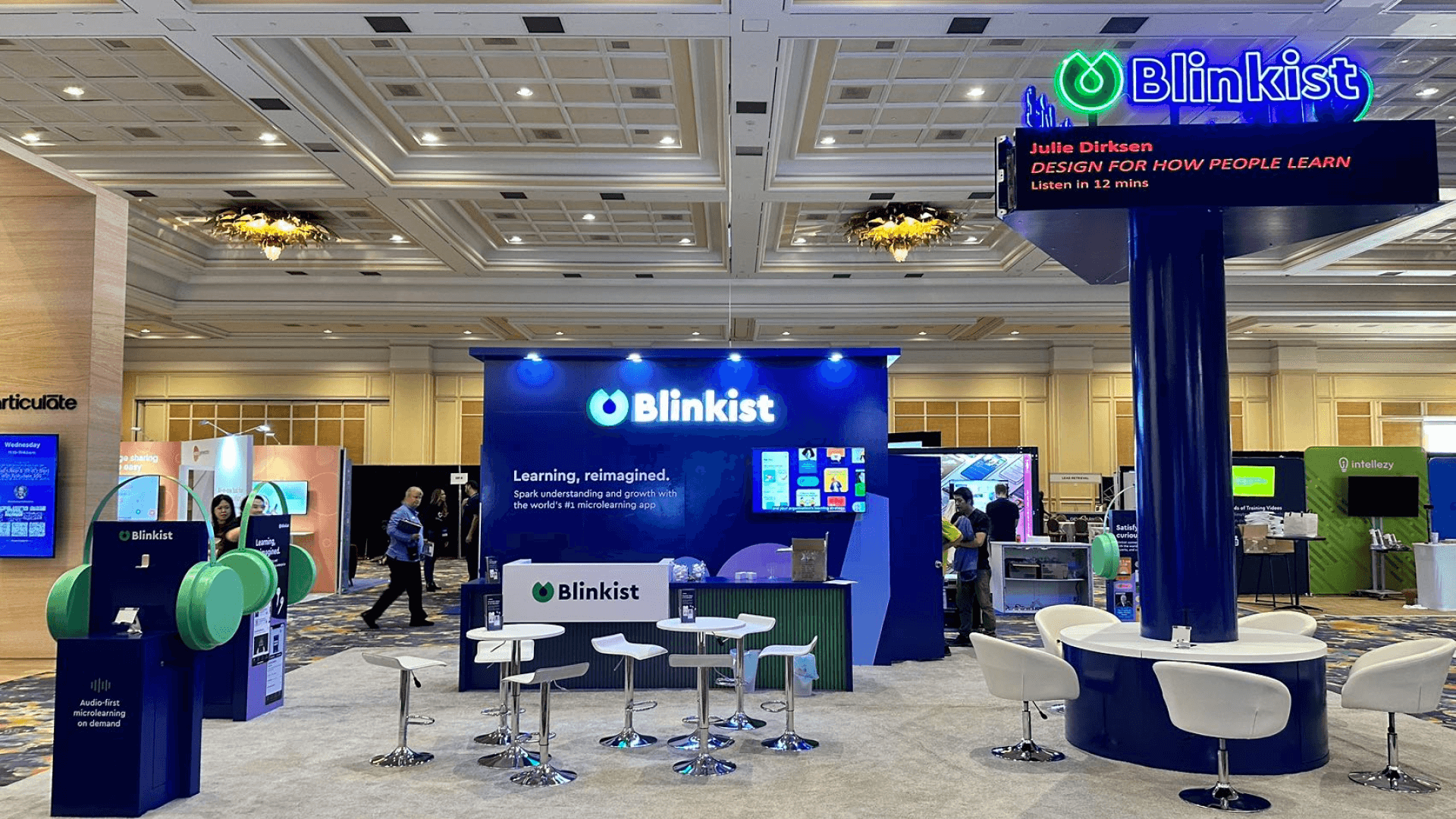
A rental system can combine recognizable property assets, selected merchandise, a screen, storage, and buyer seating. This is often enough when the program does not depend on a large physical activation; see Las Vegas rental options.
Hybrid Display
Add branded product fixtures, feature lighting, or a modest visitor activity where the reusable structure needs more sports character or a clearer merchandise story. The standard framework still handles the basic layout, storage, and meeting functions.
Purpose-Built Custom Exhibit
Consider custom development when large props, unusual forms, controlled participation, or several operating areas are central to the experience rather than supporting details. The additional build should solve a physical requirement, not simply make the property look larger.
Check current requirements for any AV, powered display, suspended sign, large prop, or interactive equipment included in the plan.
Decide how display items will be delivered, installed, secured, replenished, and removed.
Contain waiting, photography, and participation inside the intended footprint instead of allowing activity to block access.
Test how staff will move a relevant visitor from engagement to the representative handling that property.
Use design and engineering to translate merchandise, media, dwell time, and meetings into one layout. Compare 20x20 and 20x30 rental concepts only after the engagement footprint and buyer route are clear.
Need a Rental Booth for a Sports Licensing Program?
A rental structure can carry property graphics, selected merchandise, media, storage, and a focused buyer area. Add custom elements only where they improve the sports story or contain a useful visitor activity; brand recognition alone does not require a large custom booth.
Does a sports licensing booth need an activation?
No. Add an activity only when it helps buyers understand the property or partnership opportunity. Strong graphics and selected products may be more useful.
How should licensed sports merchandise be displayed?
How can visitor engagement avoid blocking meetings?
Can a 10x20 or 20x20 work for a sports property?
When should engagement and meetings be separated?
READY TO PLAN YOUR NEXT BOOTH?
Let’s Build a Booth That Fits Your Event
Share your event name, booth size, city, timeline, product display needs, and design references. Circle Exhibit will review your project direction and help you choose a rental-friendly or custom exhibit path.
3000+
Booth Projects Supported
50+
U.S. Event Cities
Transparent
Quote Review
Turn product, media, activity, storage, and meeting requirements into a practical layout.
Compare compact concepts for property graphics, merchandise, screens, and buyer conversations.
Review layouts with more separation between engagement, product display, storage, and meetings.
Assess whether a configurable rental can support the sports-property plan without unnecessary custom structure.
Review 20x30 concepts that can separate merchandise, media, visitor engagement, storage, and scheduled conversations. Use them as planning references rather than event-specific case studies.