ISA Sign Expo Wrap Application Demo Booth Planning

How should exhibitors plan a wrap application demo booth at ISA Sign Expo?
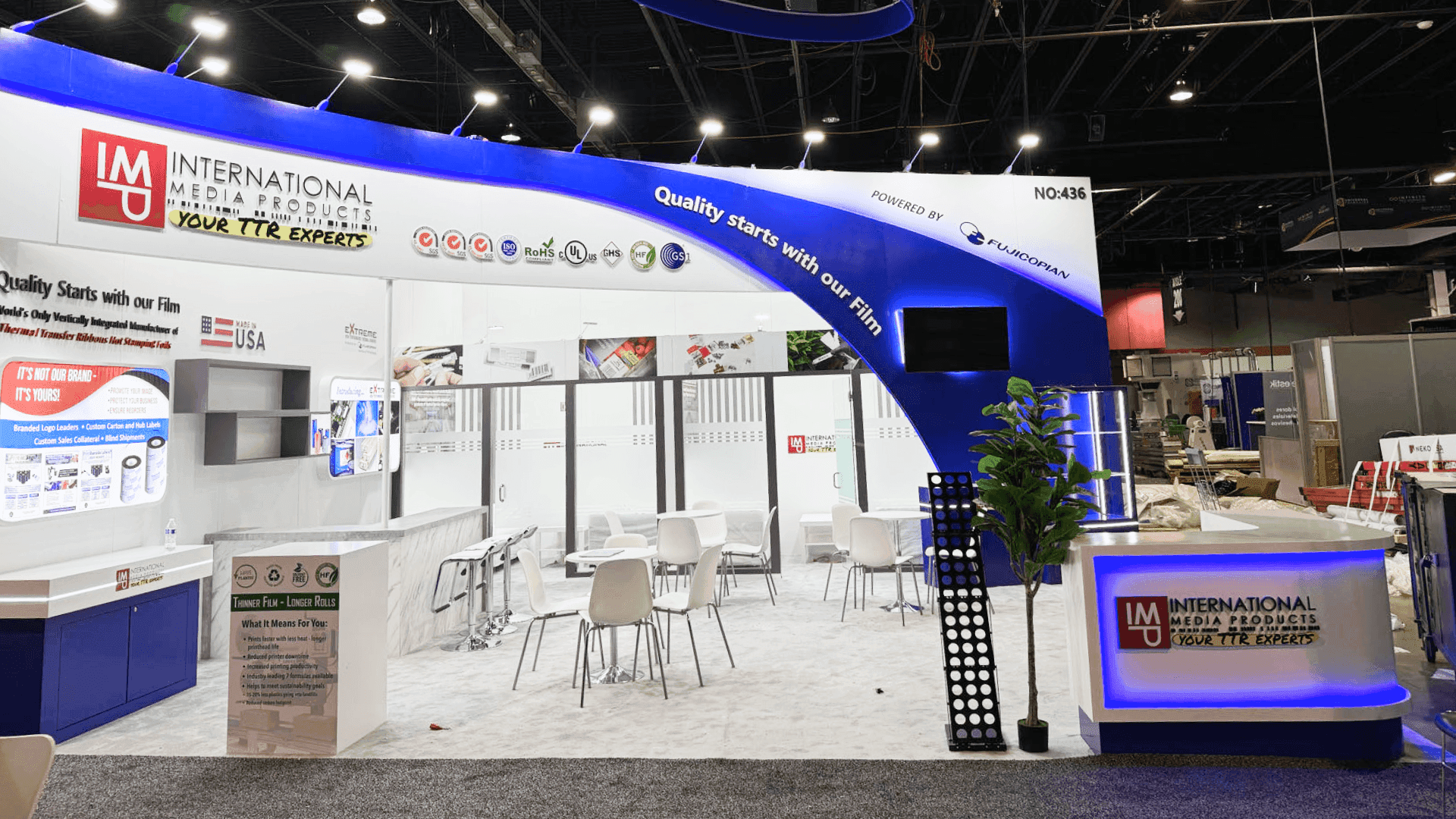
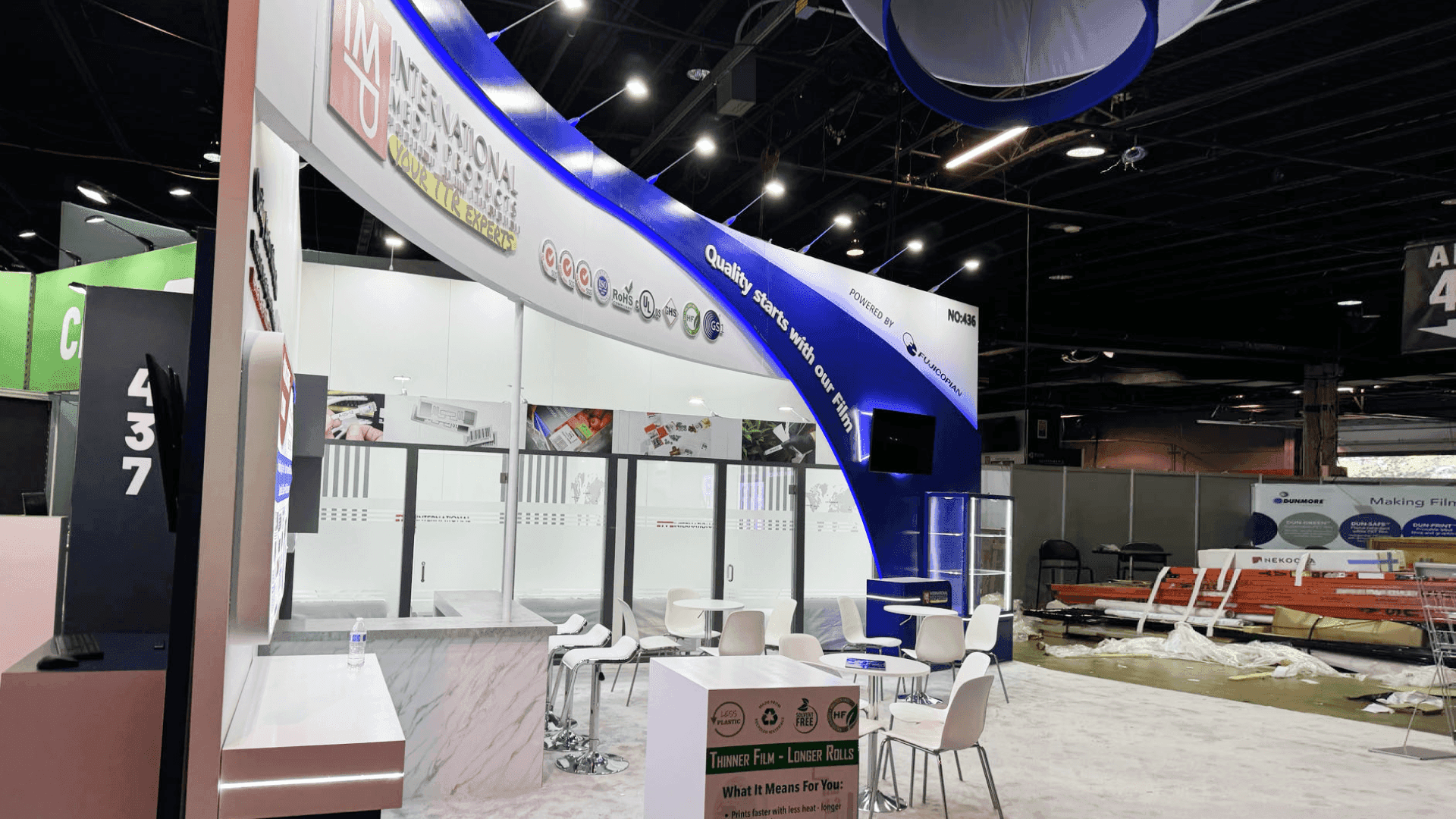
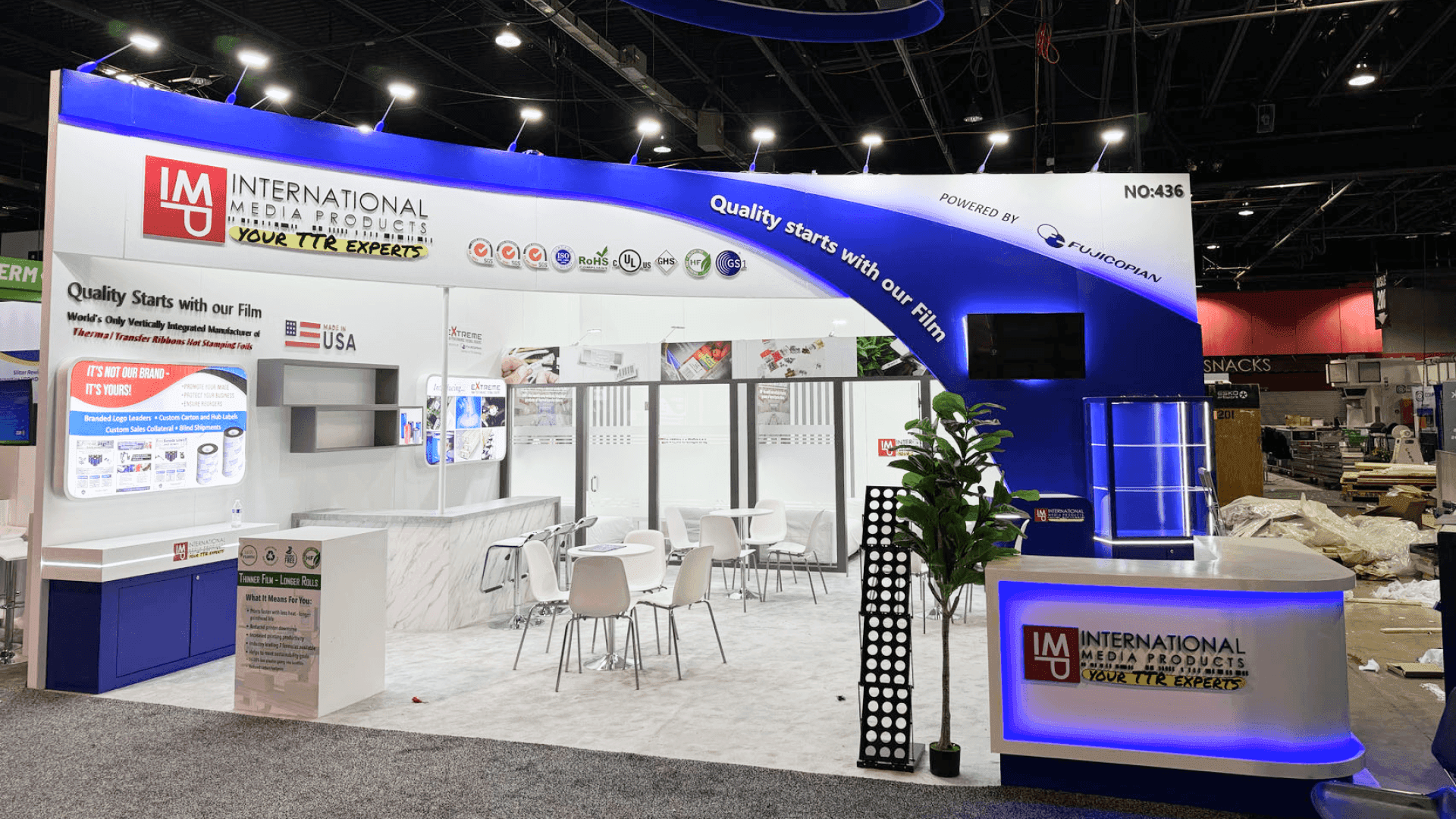
A wrap application booth must let buyers observe the process without crowding the installer. The working surface, viewing position, and finished-film inspection point serve different purposes. A compact 10×20 booth may accommodate one demonstration; 20×20 offers more room for comparison and discussion. Rehearse the full activity, including material replacement and surface preparation, before finalizing the layout.
An installer is applying film to a curved surface. For a professional buyer, the revealing moment may come halfway through the application, before the material is smoothed into place. If the surface is poorly positioned or the installer blocks the view, a polished finish alone may not prove what the buyer came to evaluate.
A 10×20 booth may accommodate one compact application station with a defined viewing position. A 20×20 layout offers more flexibility when buyers need to inspect finished film while the installer prepares another session. Either configuration depends on the fixture, its support, and the applicable conditions at Mandalay Bay Convention Center. The layout must work for the installer, not just look good from the aisle.
ISA's The Wrap Experience provides a broader setting for wrap demonstrations and industry learning. A supplier's own booth has a more specific purpose: showing how its film or tool performs and giving buyers a chance to assess the result. If live application is only one part of a larger product presentation, the overall ISA Sign Expo booth plan should determine how much space it receives.
Why Exhibitors Choose Circle Exhibit
Clear scope, transparent quote review, nationwide booth support, and efficient setup planning for qualified rental and custom exhibit projects.
48hr
Setup Window
10+
Years Since 2014
U.S.
Trade Show Support
Real
Booth Project Proof
The object being wrapped is only part of the space requirement. The installer needs room to work, visitors need a clear view, and buyers need somewhere to inspect the result afterward.
A 10×10 booth is viable only when a small working surface, operator movements, and practical viewing positions fit together. Static film samples cannot replace live application. If the key action is hidden or access is restricted, simplify the activity or reconsider the footprint.
A 20×20 layout may provide a nearby inspection point, freeing the working surface for another session. The added space matters when both activities can continue independently. 20×20 booth planning helps assess the relationship between counter placement, access, and circulation.
A 10×20 booth may accommodate a focused application with visitors watching from an open side. The installer must retain enough room to work without repeatedly moving the audience. 10×20 booth planning provides further guidance on the limitations of an inline layout.
A 20×30 configuration may support separate surfaces or operators. Each station needs working clearance, a viewing area, and access to supplies. A second activity adds value only when it can run without interrupting the first or delaying its reset.
A live wrap demonstration can show how film handles curves, tools, and installer movements, but it cannot establish environmental properties such as PVC-free composition. When suppliers make those claims, sustainable sign material evidence explains how to match each statement to the correct film component and supporting documentation.
Live application requires distinct places for the installer, the audience, and finished-material inspection. Each function should support the next without competing for the same working area.
Choose an object whose shape reveals the intended material behavior. Its mounting, orientation, and working height should serve the actual application, not merely create an attractive display fixture.
Visitors should see the important steps from a stable position. Keep the installer’s access clear of spectators and furniture, particularly when the film must be repositioned.
Provide a counter or sample area for examining finished details and comparing films. Certain differences become clearer up close than they do from the demonstration audience.
Give frequently used tools fixed locations. Keep spare film, preparation supplies, and used materials accessible to staff without turning the viewing area into storage.
ISA’s The Wrap Experience brings together wrap-focused products and interactive activities. Individual suppliers can also demonstrate how their own films or tools perform in specific applications.
ISA Sign Expo runs March 31–April 2, 2027, at Mandalay Bay Convention Center in Las Vegas. Pre-conference activities begin March 30.
Wrap professionals may assess film handling, conformity around contours, finished appearance, and tool compatibility. These observations can lead to questions about product selection, applications, or sourcing.
Not Sure Which Booth Size You Need?
Not every exhibitor knows whether a 10x20, 20x20, 20x30, or larger booth is the right fit. Circle Exhibit can help review your event goals, product display needs, demo areas, meeting space, storage, budget scope, and setup timeline before you choose a booth size.
The Installer Cannot Complete the Movement
Buyers Miss the Critical Step
1
Select the Material Behavior to Demonstrate
2
3
4
An Independently Supported Demo Fixture
A separate working surface can provide the stability and access the installer requires. Assess its support without assuming that standard walls or counters can perform an unverified structural function.
Custom Construction for Specific Applications
An unusual contour, working height, or mounting method may require a purpose-built fixture. Base its design on the rehearsed application and confirmed engineering requirements.
Rental for the Surrounding Presentation
Once the fixture is defined, Las Vegas trade show booth rental may provide adaptable walls, sample displays, counters, and storage. These components support the presentation without replacing the working surface.
Confirm the object’s dimensions, mounting method, and stability requirements. Review unusual fixtures or vehicle components against applicable show conditions before production.
Identify the films, tools, preparation materials, and powered devices involved. Verify relevant conditions for their use before committing to the demonstration.
Coordinate the working surface with nearby graphics, lighting, walls, and storage. Install it early enough to test movement before surrounding components restrict access.
After setup, inspect sightlines, lighting, fixture stability, and supply positions. Compare them with the rehearsal and correct any differences before the first live session.
Rental Booths Around a Working Wrap Demo
Keep the application fixture independently supported. Rental walls, sample counters, and storage can frame the demonstration while preserving installer access and clear buyer sightlines.
Is a complete vehicle necessary for a wrap demonstration?
Not always. A representative panel or vehicle component may show the intended application more clearly while using less space. Let the product claim determine the object.
How is a supplier demo different from The Wrap Experience?
What if the installer needs access to both sides?
When does a 20×20 booth become useful?
What should be confirmed before the fixture is installed?
READY TO PLAN YOUR NEXT BOOTH?
Let’s Build a Booth That Fits Your Event
Share your event name, booth size, city, timeline, product display needs, and design references. Circle Exhibit will review your project direction and help you choose a rental-friendly or custom exhibit path.
3000+
Booth Projects Supported
50+
U.S. Event Cities
Transparent
Quote Review
Examine inline access and furniture placement after choosing one compact working surface.
Develop a layout with separate application and finished-film inspection areas.
Assess fixture mounting, stability, working access, and structural compatibility.
Plan product identification and sample comparisons without obstructing the live application.
Explore modular presentation components around a separately planned working fixture.