ISA Sign Expo Booth Planning for Sign, Print & Graphics Exhibitors

How should exhibitors plan a booth for ISA Sign Expo?
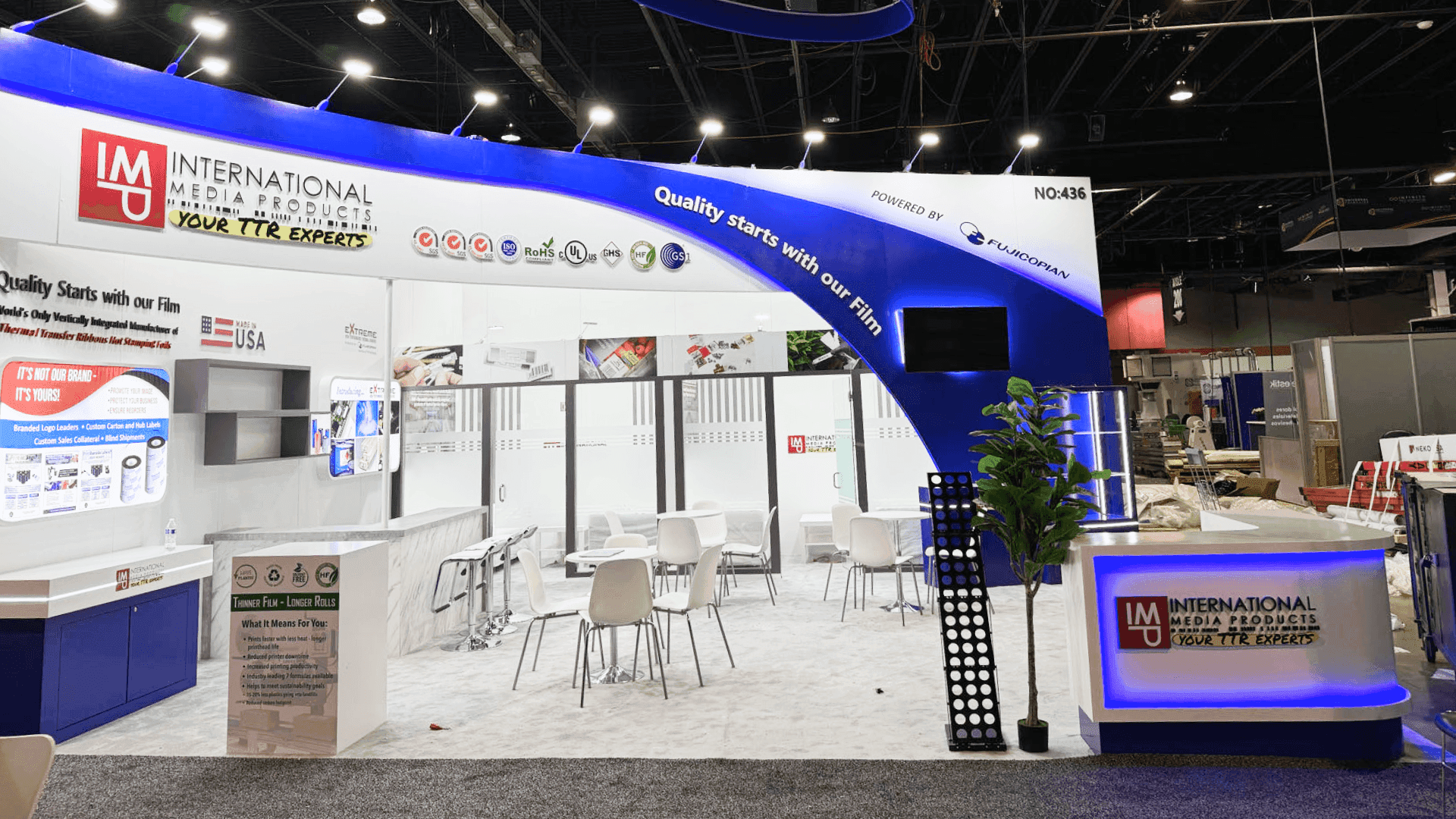
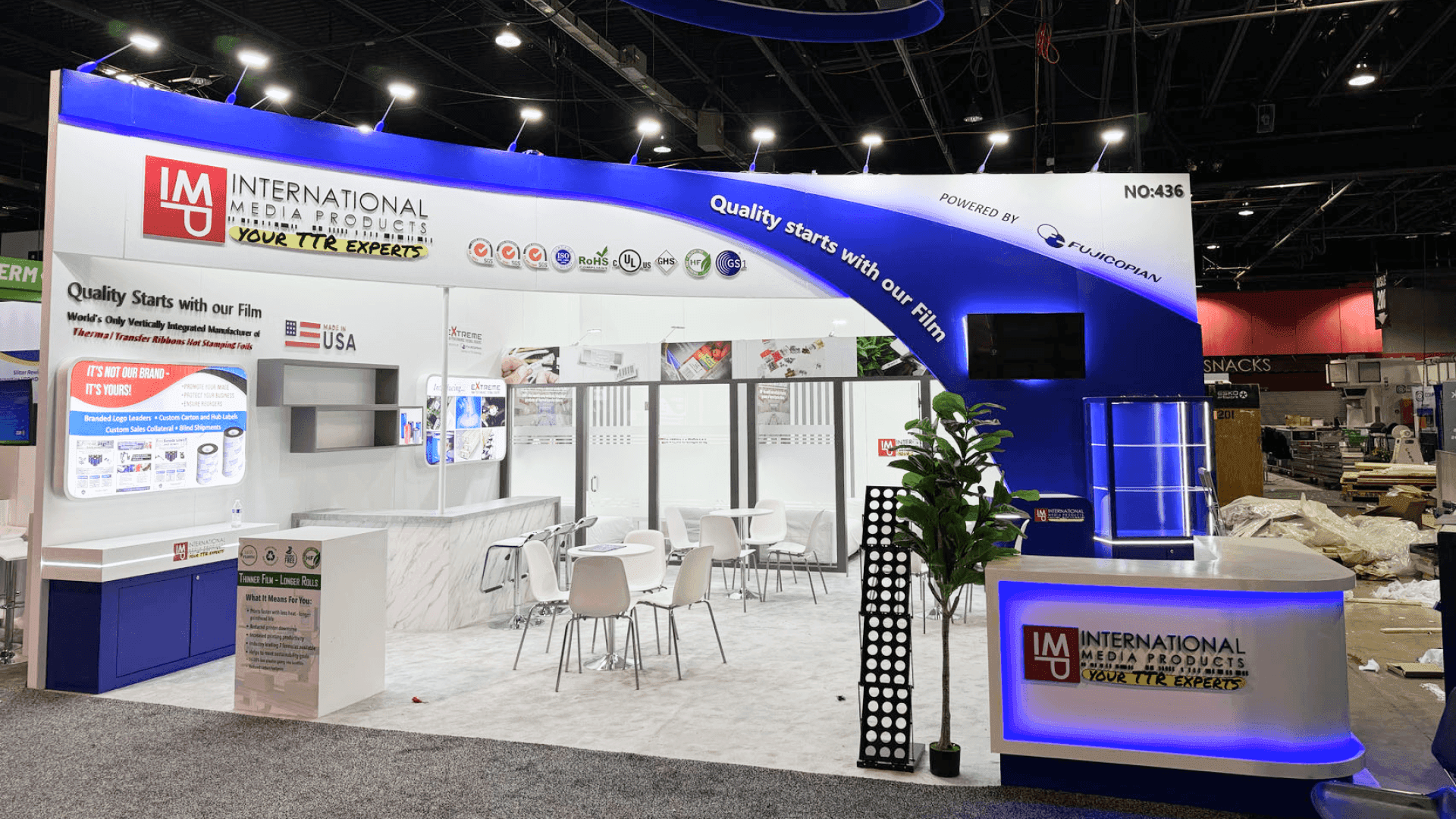
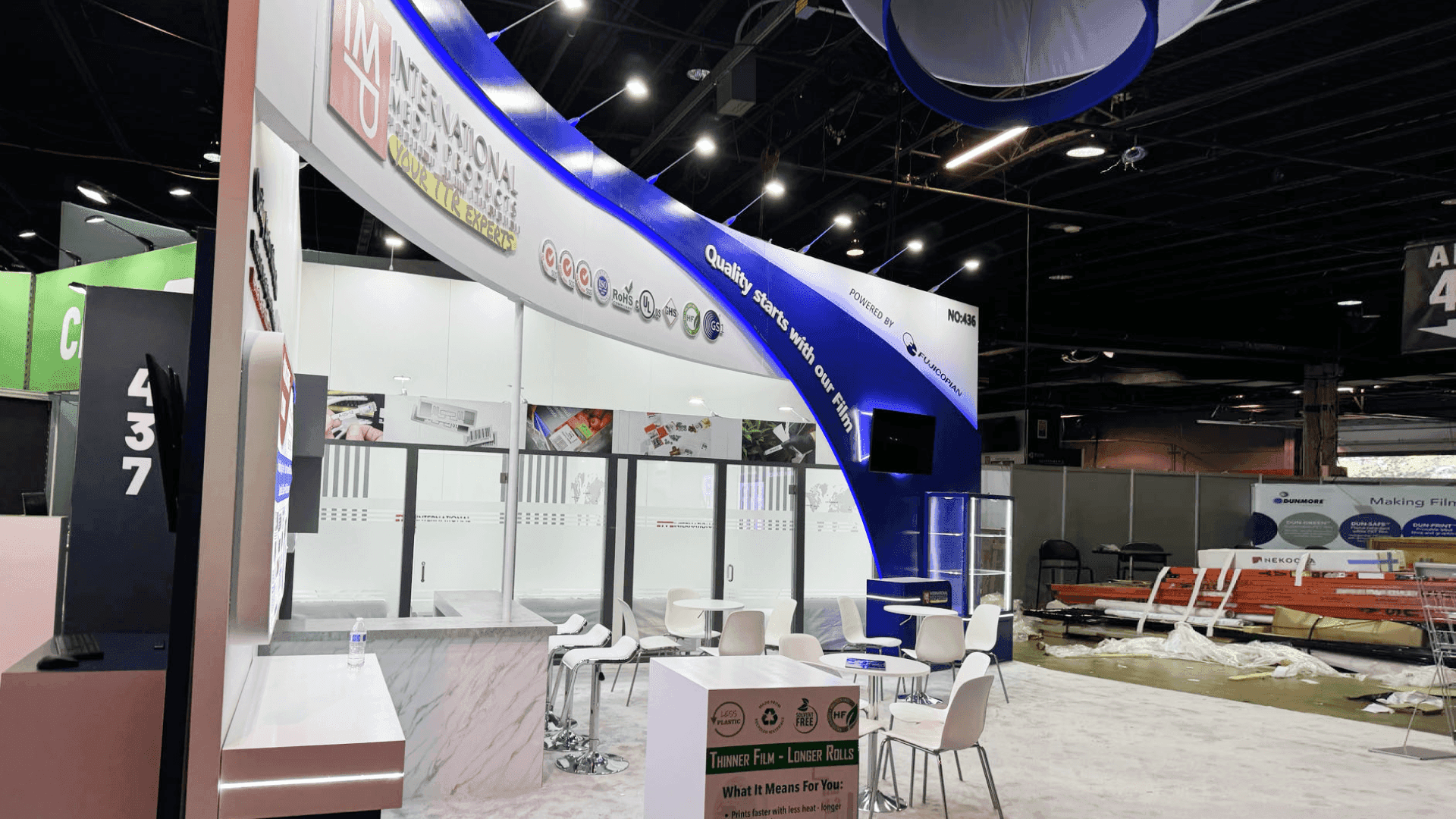
Start with what buyers need to evaluate. Finished signs and substrates may work best as physical samples, while wrap films and production equipment may require live demonstrations. A 10×20 booth can suit a focused presentation; 20×20 or 20×30 becomes relevant when demonstrations, inspection, and meetings need separate space. Define those functions before choosing the footprint or construction approach.
A finished-sign manufacturer and a printing-equipment supplier may reserve the same 20×20 space at ISA Sign Expo but need very different booths. One can demonstrate workmanship through finished signs and substrate samples. The other may need visitors to see how a machine produces a usable graphic. A focused product presentation might fit a 10×20 booth. Live production changes the space calculation.
The first decision is what a qualified buyer must see. Does the visitor need to compare finished products, watch a material being applied, or evaluate a production process? A film sample cannot always reveal how the material behaves around a contour. A wrap application demonstration can show that behavior, provided the installer has room to work and visitors can see the critical steps. Other exhibitors may benefit more from organized samples and uninterrupted conversations than from another live station.
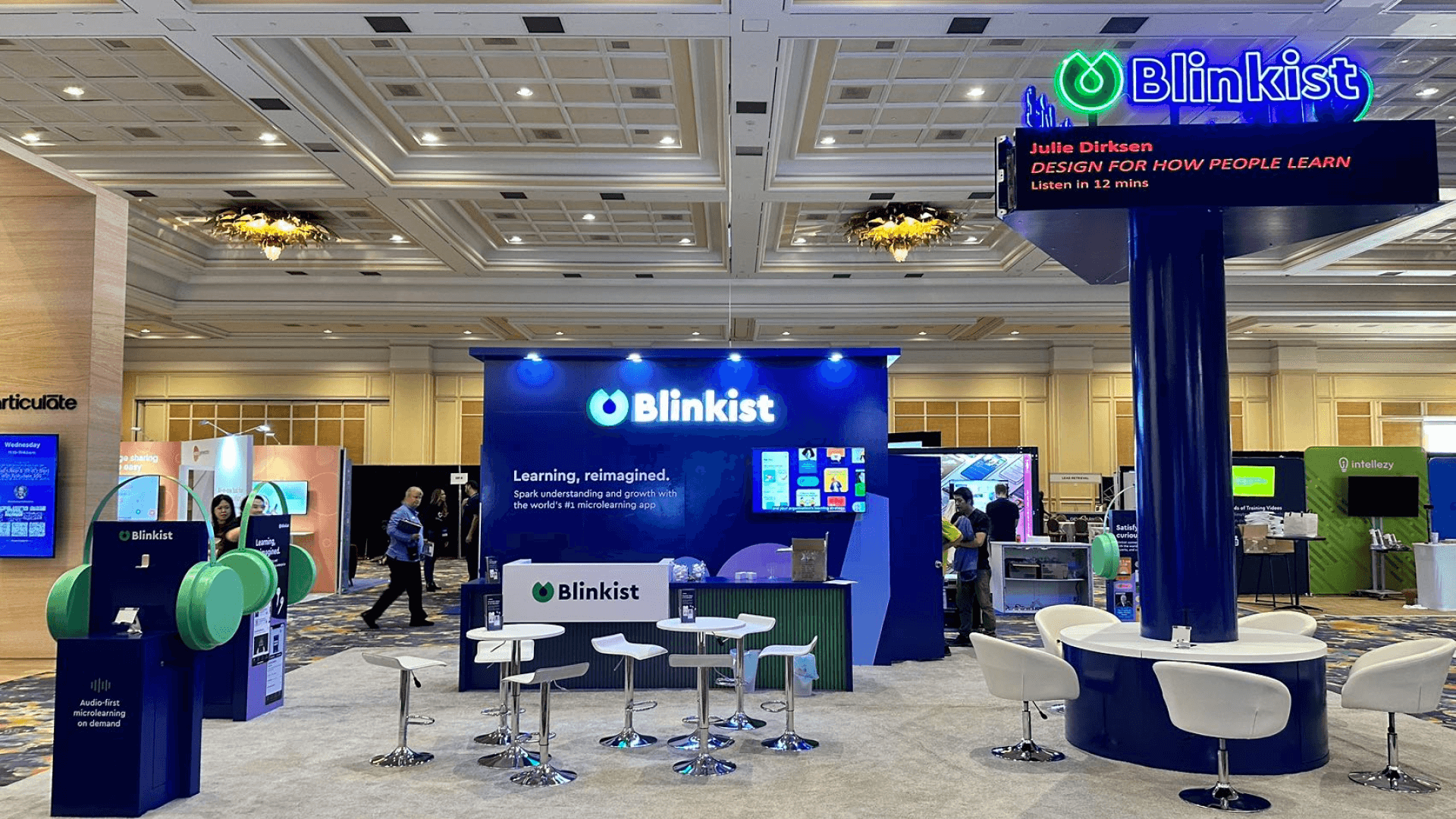
A 20×30 booth becomes worth considering when demonstrations, product inspection, and meetings must operate independently. The layout must also fit the assigned space and current requirements at Mandalay Bay Convention Center. Exhibitors working with Las Vegas trade show booth builders can use these buyer tasks and spatial requirements to guide decisions about structure, fabrication, and installation.
Why Exhibitors Choose Circle Exhibit
Clear scope, transparent quote review, nationwide booth support, and efficient setup planning for qualified rental and custom exhibit projects.
48hr
Setup Window
10+
Years Since 2014
U.S.
Trade Show Support
Real
Booth Project Proof
The booth must accommodate the product evaluation and the conversation that follows. Its size should reflect the activity, not simply the number of products brought to the show.
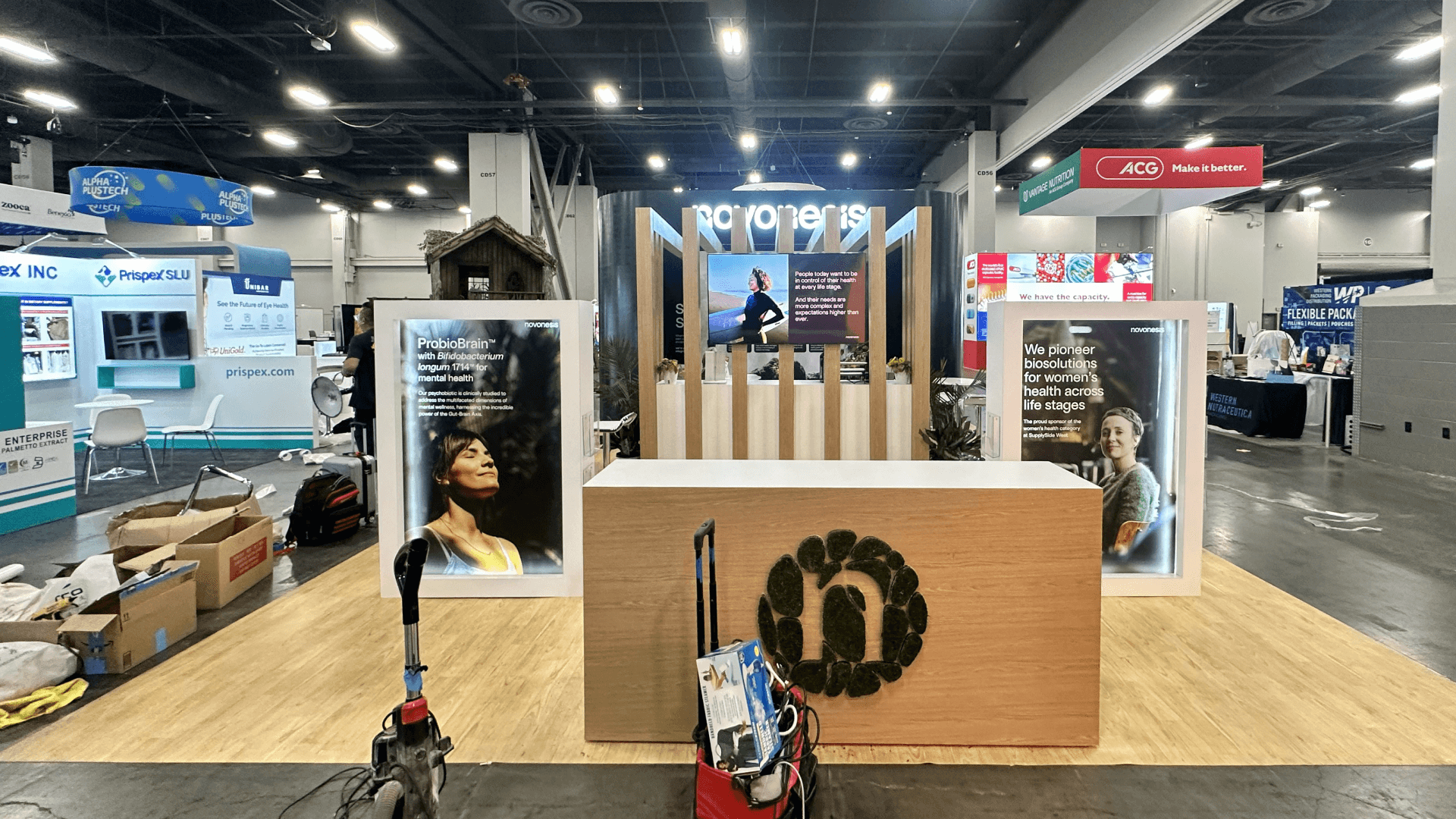
A 10×10 or 10×20 booth may suit selected sign samples, substrates, and compact displays. The layout becomes restrictive when several visitors gather at one counter. 10×20 booth planning* helps assess whether an inline configuration leaves adequate viewing and staff space.
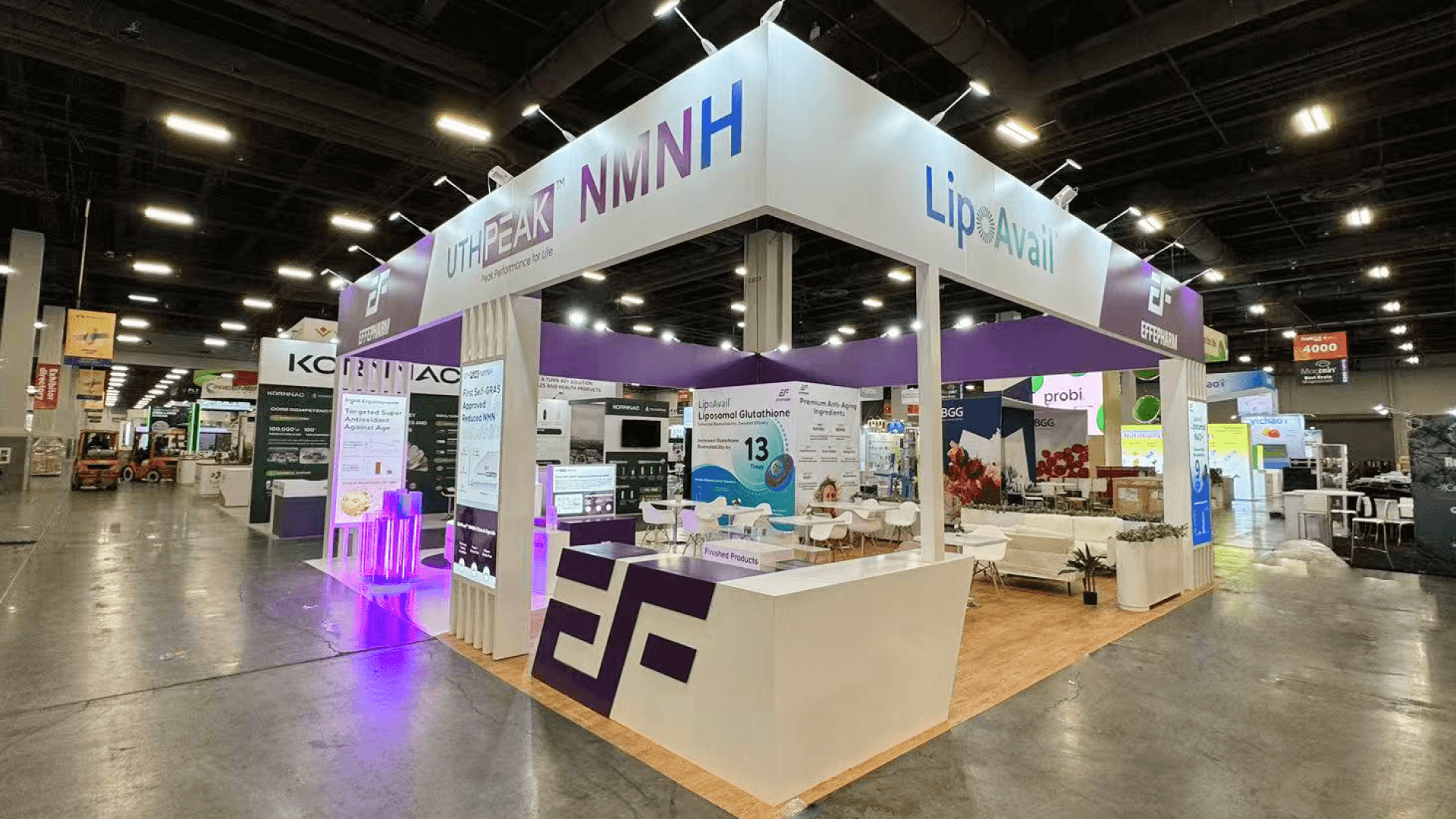
A 20×20 or 20×30 booth may be useful when buyers examine a product before discussing specifications or commercial terms. 20×20 booth planning provides a starting point for balancing product displays, circulation, storage, and meeting capacity.
A 10×20 or 20×20 footprint may accommodate a focused live activity, depending on the equipment or working surface. Visitors must be able to watch without blocking operators or the entrance. Additional floor space only helps if it resolves a genuine conflict.
A 20×30 or larger booth may be justified when machinery or several simultaneous activities determine the layout. Working clearances, material movement, visitor positions, and staff needs establish the minimum usable area. Choose the footprint only after those requirements are understood.
A finished display does not always tell buyers how a product works. For digital signage suppliers, AI signage demo verification explains how to distinguish AI-assisted features from ordinary playback and identify what still requires technical testing.
Material suppliers face a different challenge. Sustainable sign material evidence covers how to connect environmental claims with specific films, substrates, and supporting documents so buyers can evaluate more than the finished sample.
Once the display approach is chosen, the booth should make the product recognizable, its value clear, and the next buyer conversation easy to begin.
A fabricated channel letter, printed panel, wrap application, or digital display can quickly identify the supplier’s category. Choose examples that reflect the products buyers produce, install, or purchase.
Organize substrates, finished graphics, or fabricated components by material, finish, or application. Keep identifying details close to each sample so buyers can compare products without lengthy explanations.
Position samples for close examination and working displays where the relevant action stays visible. Secondary graphics and products should support the main presentation rather than obscure it.
An installer requesting samples and an equipment buyer considering a purchase need different follow-up. Provide suitable technical information, staff support, and conversation space for each.
ISA Sign Expo covers sign fabrication, printing, wrapping, materials, digital signage, and software. Each category brings different products to the floor and requires a distinct way to demonstrate value.
The exhibition takes place at Mandalay Bay Convention Center. Pre-conference activities begin March 30. Booth plans must reflect the assigned space and current exhibitor requirements.
Sign shops, production teams, and installers come to examine products, compare materials, assess equipment, and discuss practical applications. Their evaluation tasks shape the booth’s presentation and meeting needs.
Not Sure Which Booth Size You Need?
Not every exhibitor knows whether a 10x20, 20x20, 20x30, or larger booth is the right fit. Circle Exhibit can help review your event goals, product display needs, demo areas, meeting space, storage, budget scope, and setup timeline before you choose a booth size.
Does This Product Need a Live Demo?
Several Products, No Clear Priority
1
Define the Buyer’s Decision
2
3
4
Rental for Product-Led Presentations
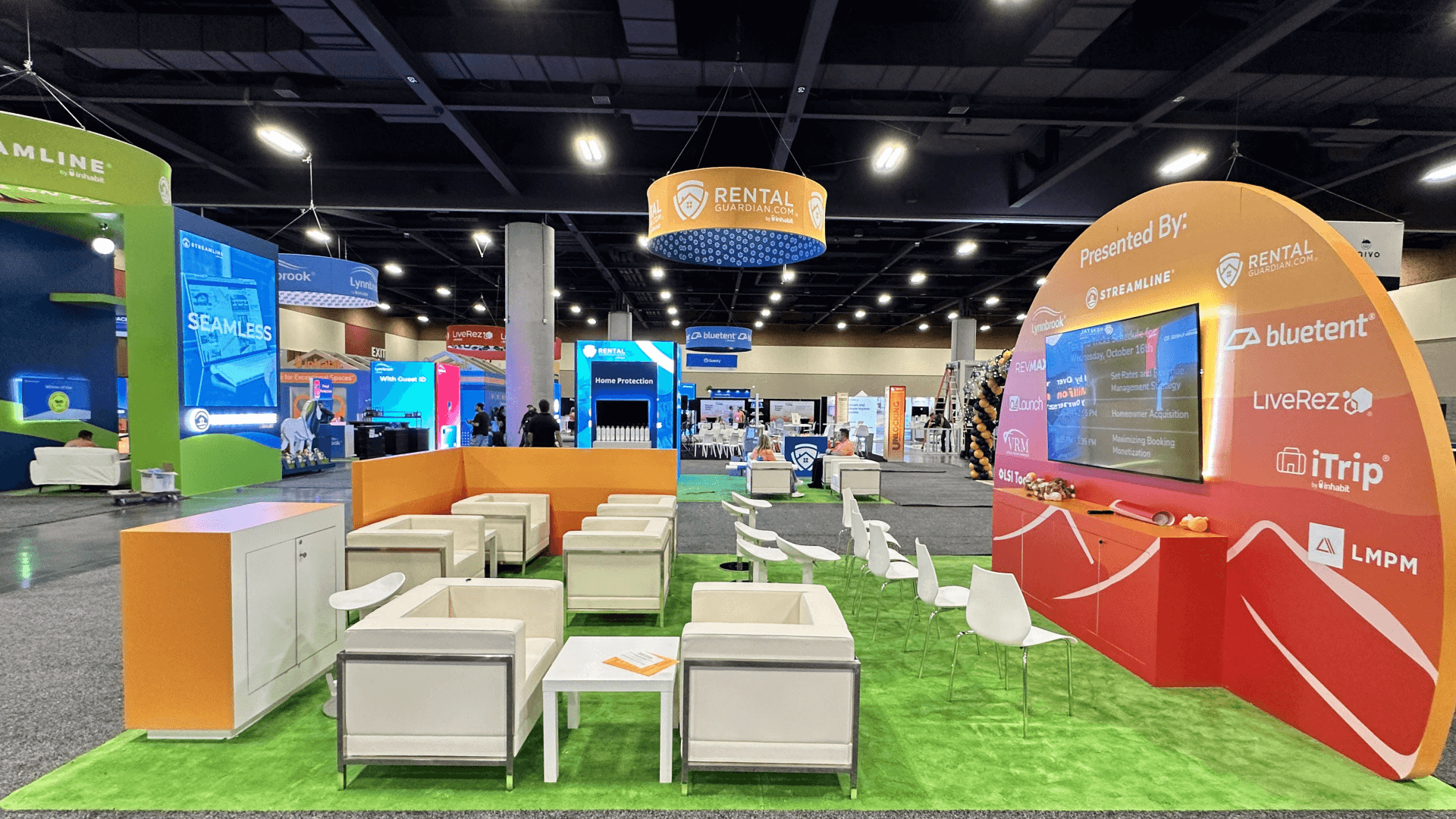
Sample walls, screens, counters, and meeting areas may work with an adaptable structure. When these elements form most of the exhibit, Las Vegas trade show booth rental offers a practical planning route.
Custom Where the Product Defines the Structure
Oversized signs, integrated equipment, or unusual fixtures may require purpose-built components. Confirm engineering and access requirements before choosing custom fabrication for the wider booth.
Customize Only What Cannot Be Standardized
A reusable structure may surround one specialized display or working area. This keeps the remaining exhibit adaptable while addressing the component that genuinely needs custom construction.
Verify the confirmed dimensions, open sides, and applicable display conditions against the 2027 floor assignment. Resolve conflicts before finalizing the exhibit layout.
Sample walls, digital systems, and operating equipment may require different utilities or handling. Base service orders on the approved presentation rather than a generic checklist.
Determine which structures, graphics, fixtures, and products must be installed first. Keep necessary access available until specialized equipment and displays have been positioned and checked.
Before opening, examine product visibility, working displays, sample access, and staff positions. Correct anything that prevents visitors from completing the intended evaluation.
Rental Booths for ISA Product Displays
A rental booth can support sign samples, screens, and buyer meetings without custom-building every element. Choose a layout based on what visitors need to evaluate and how much space each activity requires.
What if an exhibitor has several product lines?
Lead with the product or application most relevant to the intended buyer. Use secondary displays to reinforce that offer rather than giving everything equal priority.
Does every ISA booth need a live demonstration?
Can a 20×20 booth support both a demo and a meeting?
Can a rental booth accommodate specialized displays?
What should be confirmed before fabrication?
READY TO PLAN YOUR NEXT BOOTH?
Let’s Build a Booth That Fits Your Event
Share your event name, booth size, city, timeline, product display needs, and design references. Circle Exhibit will review your project direction and help you choose a rental-friendly or custom exhibit path.
3000+
Booth Projects Supported
50+
U.S. Event Cities
Transparent
Quote Review
For suppliers connecting printing, cutting, or finishing operations to sign-ready results that buyers can inspect.
Explore the footprint once product evaluation and buyer conversations require distinct areas.
Consider adaptable structures after display, storage, and meeting requirements have been defined.
Resolve specialized fixture and structural requirements before production begins.
Arrange freight, handling, and installation after confirming the exhibit scope.