ISA Sign Expo Sign Production Equipment Demo Booth Planning
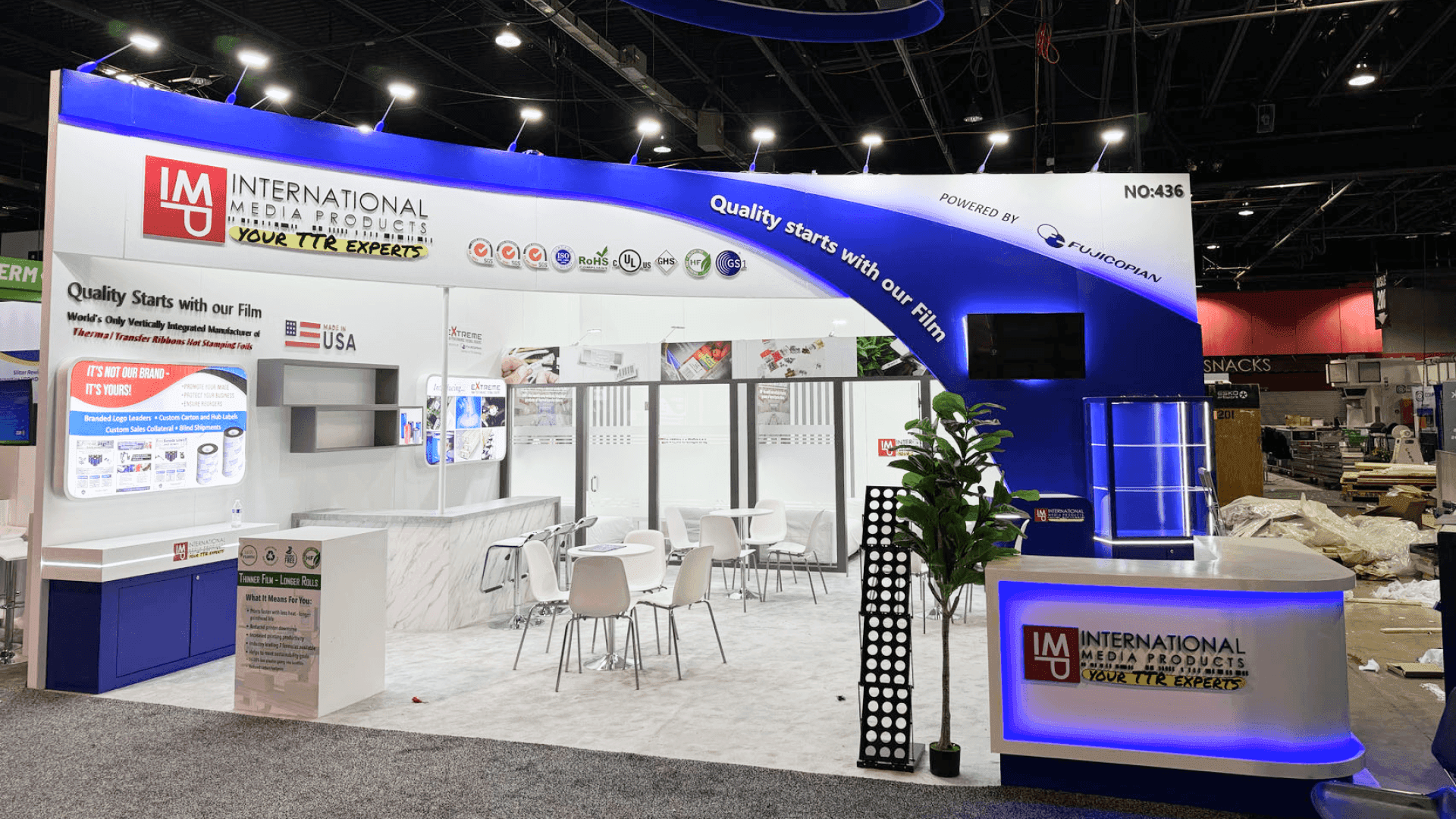
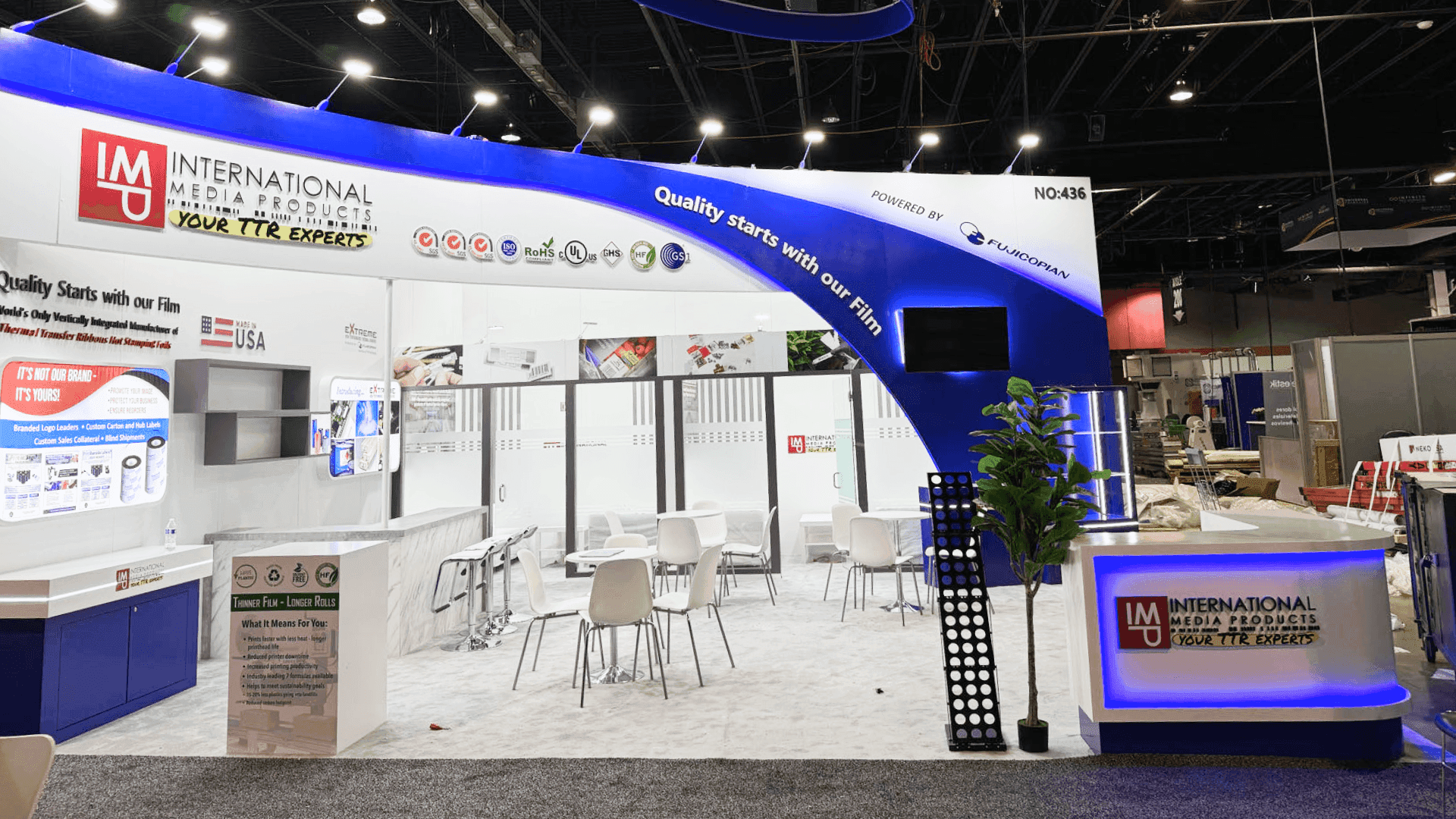
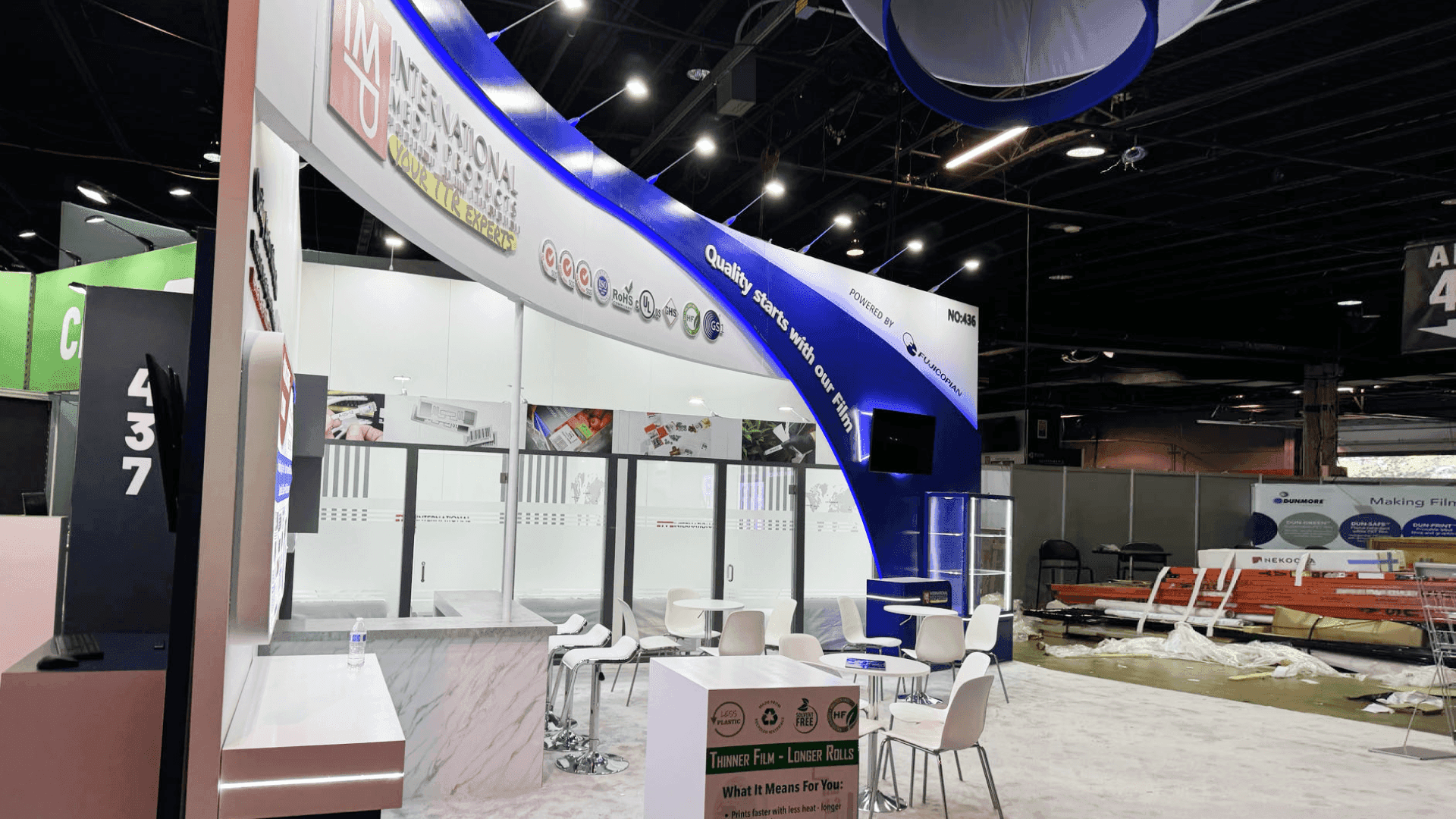

How should exhibitors plan a sign production equipment demo booth at ISA Sign Expo?
Begin with the sign product buyers need to evaluate, then identify the machine operation responsible for its key result. A printed rigid panel and a contour-cut graphic may require different demonstrations. Keep live output distinguishable from prepared samples, with room for machine operation, material handling, and buyer inspection. Confirm equipment specifications and show-site conditions before finalizing the footprint.
A sign shop buyer examines a printed rigid panel and a contour-cut graphic. Both are finished products, but they raise different questions. The panel invites a closer look at print quality and substrate compatibility. The cut graphic raises questions about cutting accuracy and workflow suitability. A running machine adds value only when buyers can connect the operation they observe to the finished product.
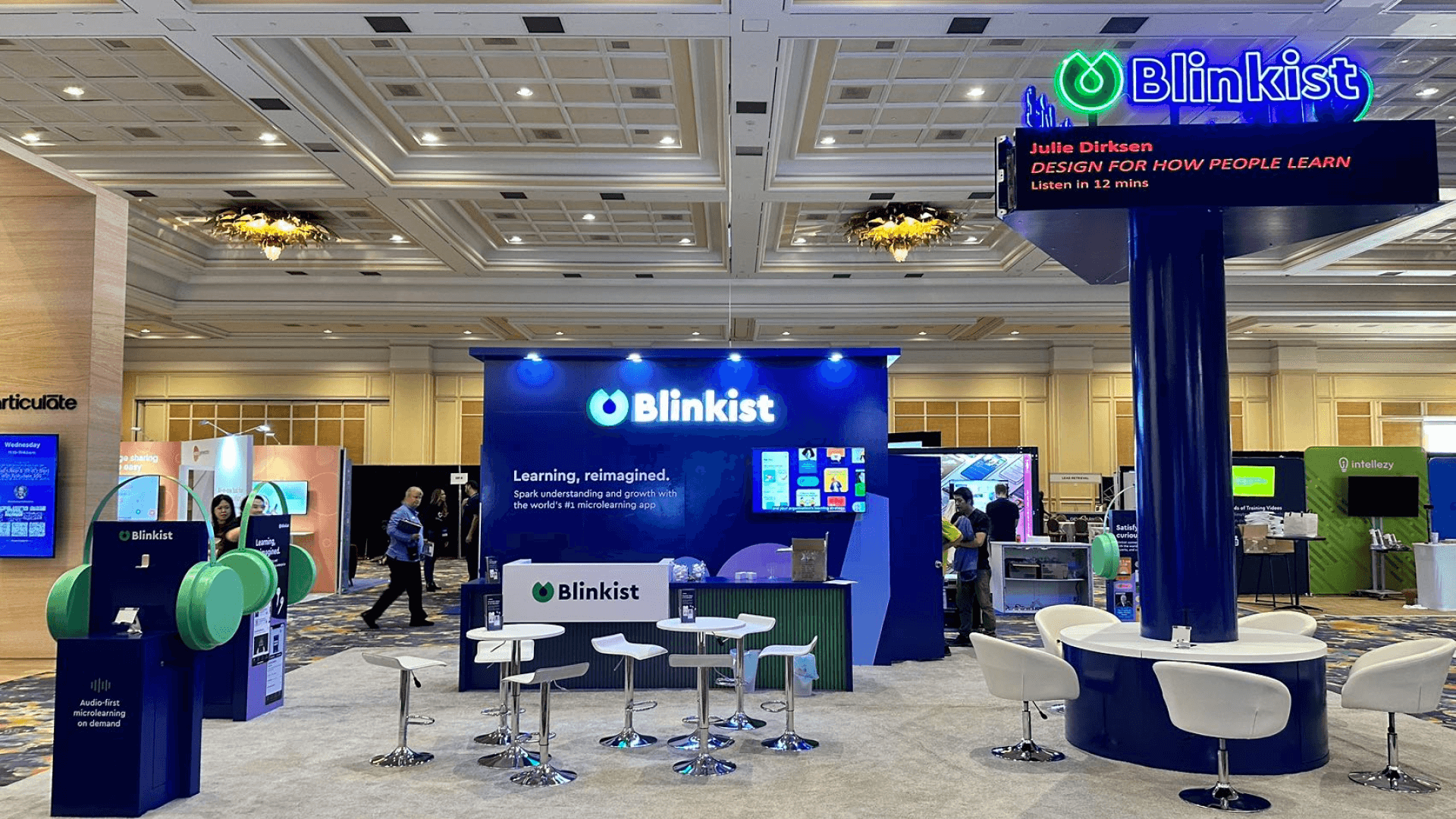
That connection shapes the booth layout. Start with the intended sign application, identify the production step worth demonstrating, and provide a place to inspect the output. A 20×20 booth may accommodate a compact, self-contained process. A 20×30 footprint becomes relevant when machine operation and sample inspection need separate space. Neither size should be finalized before confirming equipment clearances, material handling, and applicable requirements at Mandalay Bay Convention Center.
Some suppliers also exhibit substrates, workflow software, or multiple machines. The broader ISA Sign Expo booth plan determines which products take priority across the exhibit. This page focuses on a narrower task: showing how a specific production step creates a sign-ready result that matters to the buyer's business.
Why Exhibitors Choose Circle Exhibit
Clear scope, transparent quote review, nationwide booth support, and efficient setup planning for qualified rental and custom exhibit projects.
48hr
Setup Window
10+
Years Since 2014
U.S.
Trade Show Support
Real
Booth Project Proof
A machine’s dimensions alone do not establish the footprint. The substrate, operating step, output handling, and buyer inspection determine how much usable space the demonstration requires.
A 10×20 booth may work when compact equipment can produce the selected sign sample within its operating clearances. Material movement and visitor viewing must also fit. If the live process cannot run safely, a static machine display cannot serve as equivalent proof.
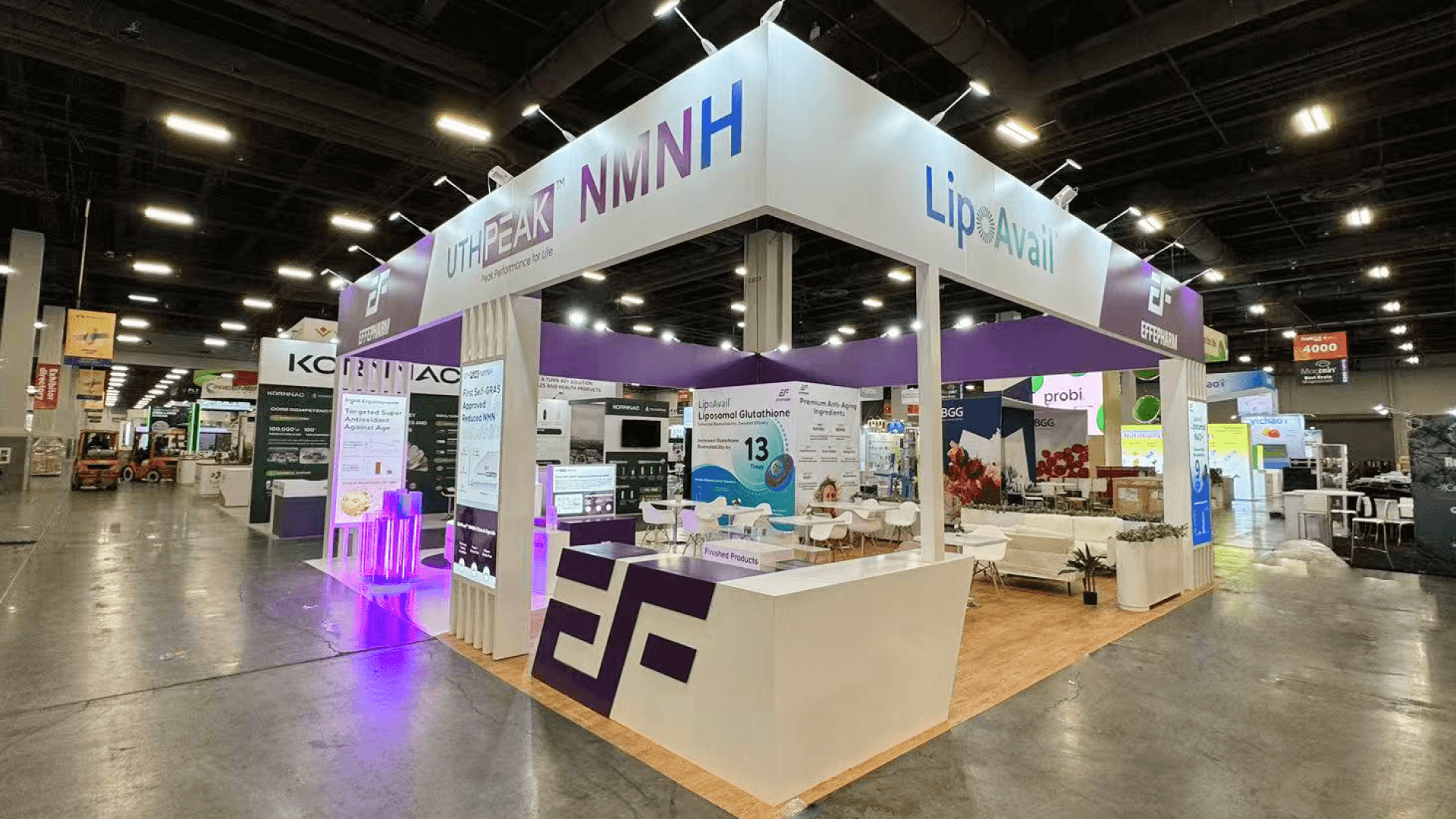
A 20×30 layout becomes useful when printed panels, cut graphics, or other finished samples need a separate inspection area. The additional space should protect the active material path while allowing buyers to examine the completed product without interrupting the next run.
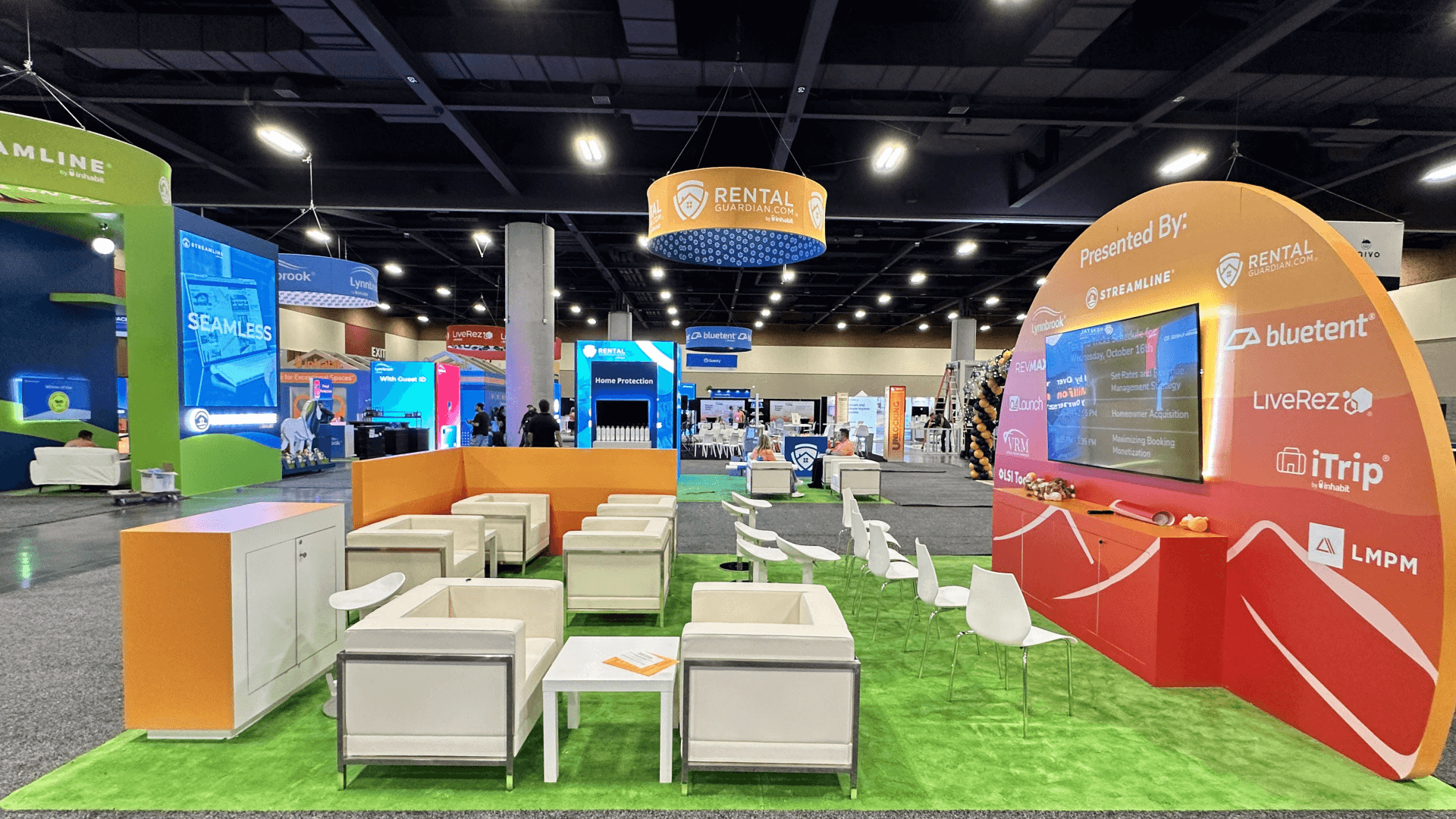
A 20×20 footprint may suit a contained printing or cutting demonstration, provided buyers can observe the relevant step and examine a compact result. The machine and substrate determine feasibility. 20×20 booth planning offers general spatial guidance, not equipment-specific approval.
A 30×40 or larger exhibit may be justified when printing, cutting, or finishing stages must run together to prove a sign-making process. Each machine and material transfer needs sufficient space. Multiple stages only help when they clarify the finished application.
A printing or cutting demonstration can show how equipment produces a usable graphic, but the finished output alone cannot verify the substrate's environmental claims. Exhibitors presenting both production capabilities and material attributes can use sign material evidence to connect samples with the correct product documentation.
Buyers should understand what the machine did, which material was used, and what the sample proves. Live output and prepared examples can support the same evaluation when their relationship is clear.
Identify each featured panel, graphic, or cut component by substrate, production method, and intended use. Choose examples related to the work buyers perform or plan to offer.
Show the machine step responsible for the relevant result. Keep other equipment functions secondary unless they help explain the selected sign-production application.
Distinguish samples produced during the demonstration from those made beforehand. Prepared examples may represent other applications but must not imply that an unshown process occurred live.
Provide a place to examine print details, cut edges, or finished components outside the active material path. Technical questions should not obstruct output collection or the next run.
ISA Sign Expo includes printing, cutting, fabrication, and related production technologies for sign businesses. Working demonstrations can show how equipment contributes to a finished application.
The exhibition takes place March 31–April 2, 2027, at Mandalay Bay Convention Center. Pre-conference activities begin March 30. Equipment plans must follow current show requirements.
Sign producers may inspect substrates, printed finishes, cut results, and workflow compatibility. These details help buyers judge whether equipment suits their existing operations or planned services.
Not Sure Which Booth Size You Need?
Not every exhibitor knows whether a 10x20, 20x20, 20x30, or larger booth is the right fit. Circle Exhibit can help review your event goals, product display needs, demo areas, meeting space, storage, budget scope, and setup timeline before you choose a booth size.
The Sample Cannot Be Traced to the Machine
The Substrate Changes the Production Task
1
Select a Sign Application Worth Proving
2
3
4
Rental Around Independently Supported Machinery
When equipment is independently supported and its working area remains clear, Las Vegas trade show booth rental may provide surrounding walls, samples, counters, and meeting space. Rental structures must not be assumed to carry machine loads.
Custom Construction for Equipment Integration
Specialized construction may be necessary when equipment placement, material handling, service access, or structural needs exceed standard exhibit components. Confirm those requirements before fabrication.
A Machine Zone with Modular Displays
A dedicated operating area may work alongside modular walls, graphics, and sample displays. This separation preserves exhibit flexibility without compromising machine access or the selected production sequence.
Check packed dimensions, weight, handling arrangements, and access to the assigned booth. Position equipment before surrounding structures restrict necessary movement.
Collect electrical and other operating specifications from the manufacturer. Match them to available show services rather than assuming all printing or cutting systems use identical connections.
Coordinate machine placement with flooring, walls, graphics, and utility connections. Maintain the required access through setup, testing, and final equipment positioning.
After installation, run the selected substrate through the planned process. Inspect the result and ensure the buyer-facing explanation matches what the machine has demonstrated.
Rental Booths for Sign Production Equipment
When machinery is independently supported, rental components can provide graphics, sample displays, and meeting space. Confirm operating clearances and material paths before choosing the surrounding booth structure.
Can prepared samples accompany a live equipment demo?
Yes. Prepared examples can illustrate other substrates or applications, but visitors must be able to distinguish them from output produced during the live demonstration.
Does the booth need a complete print-to-finish line?
Why does substrate choice affect booth size?
What if the machine cannot run during the show?
What must be confirmed before installation?
READY TO PLAN YOUR NEXT BOOTH?
Let’s Build a Booth That Fits Your Event
Share your event name, booth size, city, timeline, product display needs, and design references. Circle Exhibit will review your project direction and help you choose a rental-friendly or custom exhibit path.
3000+
Booth Projects Supported
50+
U.S. Event Cities
Transparent
Quote Review
Translate verified machine specifications and display needs into a buildable exhibit plan.
Plan equipment delivery and handling around the confirmed machine and installation sequence.
Examine space requirements once production and finished-output inspection need separate areas.
Coordinate equipment positioning, service access, testing, and outbound preparation.
Explore modular presentation elements after defining the independent machine operating zone.