IMTS Metal Removal and CNC Machine Booth Planning


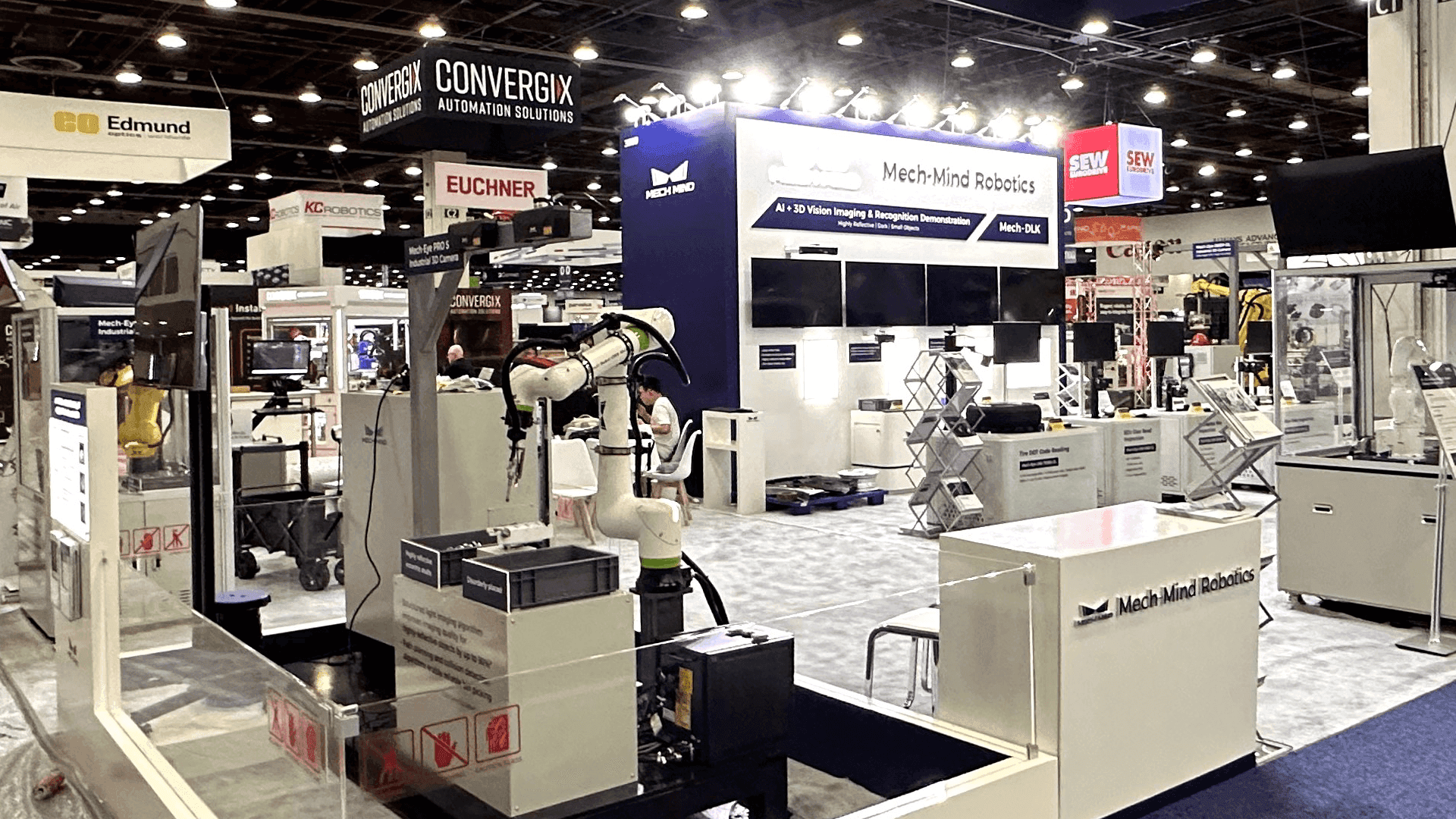

What should exhibitors plan for an IMTS Metal Removal booth?
IMTS Metal Removal exhibitors should plan booth layouts around CNC machine displays, machining centers, turning centers, milling or EDM equipment, sample part review, technical screens, equipment footprint, buyer meeting space, freight timing, storage, and McCormick Place setup. The booth should help buyers understand machine capability and production fit quickly.
An IMTS Metal Removal booth should make machine capability clear from the aisle. Buyers may be comparing CNC machines, machining centers, turning centers, milling equipment, EDM systems, cutting performance, automation options, or sample output. The booth needs to show what the machine does, what production need it fits, and why the buyer should stop for a closer review.
For CNC and machine tool exhibitors, the layout usually needs equipment display space, safe viewing angles, sample part review, technical screens, product graphics, storage, and staff conversation areas. The machine should be the anchor, but the samples, screens, labels, and staff flow need to support the same capability story.
This page focuses on IMTS Metal Removal booth planning, CNC machine display layout, machining center booths, turning center displays, milling equipment presentation, EDM equipment booths, sample part review, buyer meetings, and McCormick Place setup. For broader show planning, review IMTS booth planning. Exhibitors comparing automation-led demo needs can also review IMTS Automation and Robotics Booth Planning.
Why Exhibitors Choose Circle Exhibit
Clear scope, transparent quote review, nationwide booth support, and efficient setup planning for qualified rental and custom exhibit projects.
48hr
Setup Window
10+
Years Since 2014
U.S.
Trade Show Support
Real
Booth Project Proof
Start with the machine footprint before choosing booth size. Think about equipment dimensions, viewing space, sample part review, screen placement, staff count, storage, freight access, and how buyers will move around the machine display.
A 20x20 booth can work for a focused CNC product display, compact machine presentation, sample part review counter, technical screen, product graphics, storage, and short buyer conversations.
CNC machines and metal cutting equipment need enough room for safe viewing, product access, sample review, cable routing, and staff explanation without blocking the aisle.
A 30x40 booth gives exhibitors more room for machining centers, turning centers, milling equipment, EDM systems, visitor circulation, meeting counters, storage, and staff-led walkthroughs.
Machine tool booths often involve heavy equipment, crates, demo parts, monitors, samples, tools, and storage. These details should be planned before move-in so the booth is ready when the show opens.
Use this IMTS Metal Removal guide when planning a CNC machine display, machining center booth, turning center presentation, EDM equipment layout, sample review counter, or buyer meeting area. Start with Planning Equipment Demo Booths for IMTS: Automation, CNC, and Laser Systems, which covers equipment footprint, demo clearance, buyer viewing flow, technical screens, sample review, storage, power access, cable routing, and show-site setup.
The booth should help buyers read machine capability quickly. IMTS Metal Removal visitors may compare several CNC or machining suppliers in one day, so the layout needs to make equipment, sample parts, technical proof, and staff conversations easy to follow.
CNC machines, machining centers, turning centers, milling equipment, and EDM systems should be positioned so buyers can see the machine clearly, understand the application, and step into a technical conversation.
Metal removal buyers often want to review sample parts, surface finish, tolerance examples, cut quality, cycle output, or production results. A review counter keeps those conversations organized.
If the machine needs workflow diagrams, performance data, control screens, application examples, or automation options, the booth should include screens and graphics that explain the value before staff go into details.
CNC and machine tool booths need storage for catalogs, samples, tools, backup parts, staff materials, product cases, and demo accessories. Final checks should confirm graphics, screens, counters, storage access, and machine display readiness.
IMTS includes a Metal Removal Sector focused on metal cutting equipment, machining centers, turning centers, milling, drilling, boring, EDM, CNC lathes, machining cells, and related production technologies.
IMTS 2026 will take place September 14–19, 2026 at McCormick Place in Chicago, where CNC and metal removal exhibitors need to plan machine displays, sample review areas, buyer flow, freight timing, and final setup checks.
Exhibitors should plan booth layouts that support machine displays, sample part review, technical screens, buyer meetings, staff explanations, storage, freight handling, and final setup checks.
Not Sure Which Booth Size You Need?
Not every exhibitor knows whether a 10x20, 20x20, 20x30, or larger booth is the right fit. Circle Exhibit can help review your event goals, product display needs, demo areas, meeting space, storage, budget scope, and setup timeline before you choose a booth size.
Planning Around Equipment Footprint
Keeping Sample Parts Connected to the Machine
1
Confirm Machine Dimensions and Display Role
2
3
4
When Rental Can Work
A rental booth can work when the exhibitor needs branded graphics, counters, technical screens, sample displays, meeting space, light storage, and a clean layout around a compact machine or product presentation.
When Custom Build Support Helps
Custom build support is useful when the booth needs larger equipment areas, reinforced display surfaces, built-in counters, screen walls, controlled storage, branded structures, private meeting space, or a guided technical presentation path.
How to Decide
Choose based on what buyers need to see first. A compact CNC display may work in a smaller booth, while machining centers, turning centers, EDM equipment, sample review areas, and multiple buyer conversations usually need a larger footprint.
Plan equipment delivery, booth access, setup timing, storage, and final checks early. CNC machine and machining center displays usually need more coordination than a standard product booth.
Leave enough room for buyers to stop, view the machine, review sample parts, compare details, and speak with staff without blocking the aisle or crowding the equipment display.
Use sample parts, labels, screens, and graphics to explain machine capability, material application, surface finish, tolerance, workflow, and production value before the discussion becomes too technical.
Check crates, tools, product cases, backup parts, demo accessories, catalogs, and staff materials before move-in so the booth is easier to set up and maintain.
Use this page as the IMTS Metal Removal booth planning path for CNC machine displays, machining centers, turning centers, milling equipment, EDM systems, sample part review, and technical buyer conversations.
Need an IMTS CNC Machine Booth Rental Plan?
Plan CNC machine displays, sample review areas, technical screens, buyer flow, storage, freight timing, and show-site setup around one clear rental booth structure.
What should exhibitors plan for an IMTS Metal Removal booth?
Exhibitors should plan CNC machine placement, equipment footprint, viewing space, sample part review, technical screens, product graphics, storage, freight timing, staff conversation areas, and final setup checks before the show.
What booth size works well for CNC machine exhibitors at IMTS?
How should sample parts be displayed in a CNC machine booth?
What does the IMTS Metal Removal Sector include?
How should exhibitors plan heavy equipment setup for IMTS?
READY TO PLAN YOUR NEXT BOOTH?
Let’s Build a Booth That Fits Your Event
Share your event name, booth size, city, timeline, product display needs, and design references. Circle Exhibit will review your project direction and help you choose a rental-friendly or custom exhibit path.
3000+
Booth Projects Supported
50+
U.S. Event Cities
Transparent
Quote Review
For exhibitors planning a focused CNC machine display, compact equipment presentation, sample review counter, technical screen, product graphics, and light storage.
For exhibitors that need more room for machining centers, turning centers, milling equipment, EDM systems, visitor circulation, meeting counters, and storage.
For machine placement, equipment footprint planning, screen walls, booth structure, storage, technical layout, and production planning before the show.
For exhibitors that need freight timing, machine preparation, sample materials, storage planning, move-in coordination, and final show-site readiness.
For exhibitors that need booth structure checks, graphics fit, equipment placement review, demo counter checks, storage planning, and pre-show inspection before shipping.