DTECH Booth Planning for Utility Technology Exhibitors


How should exhibitors plan a DTECH booth for utility buyers?
Start with the grid application or utility task your DTECH booth needs to explain. Choose the equipment, software demo or project material that answers the buyer's first question, and allow room to review it and talk. Select the footprint around those activities, then confirm the package, service orders and installation requirements before production.
Plan a DTECH booth around the utility task your visitors need to evaluate. Equipment may need inspection space, software demonstrations need a screen the group can see, and engineering or service discussions may need drawings and a table. Use those activities to decide which display and conversation areas the booth needs.
A 10x20 footprint may work for one compact display or screen demo when short conversations can share the same area. Review 20x20 booth planning when product viewing and a separate discussion must happen together. Several stations, larger equipment or concurrent meetings may require 20x30 or more, depending on the assigned booth type and working clearances.
For DTECH 2027 at Georgia World Congress Center in Atlanta, share the product list, demonstration plan and meeting requirements with Circle Exhibit's trade show exhibit design and build team. Those details establish which fixtures, graphics and delivery work belong in the proposal.
Why Exhibitors Choose Circle Exhibit
Clear scope, transparent quote review, nationwide booth support, and efficient setup planning for qualified rental and custom exhibit projects.
48hr
Setup Window
10+
Years Since 2014
U.S.
Trade Show Support
Real
Booth Project Proof
Select the footprint after allowing for the product, the people using it and any conversation happening alongside it. These examples depend on the assigned booth type and the actual dimensions of the display.
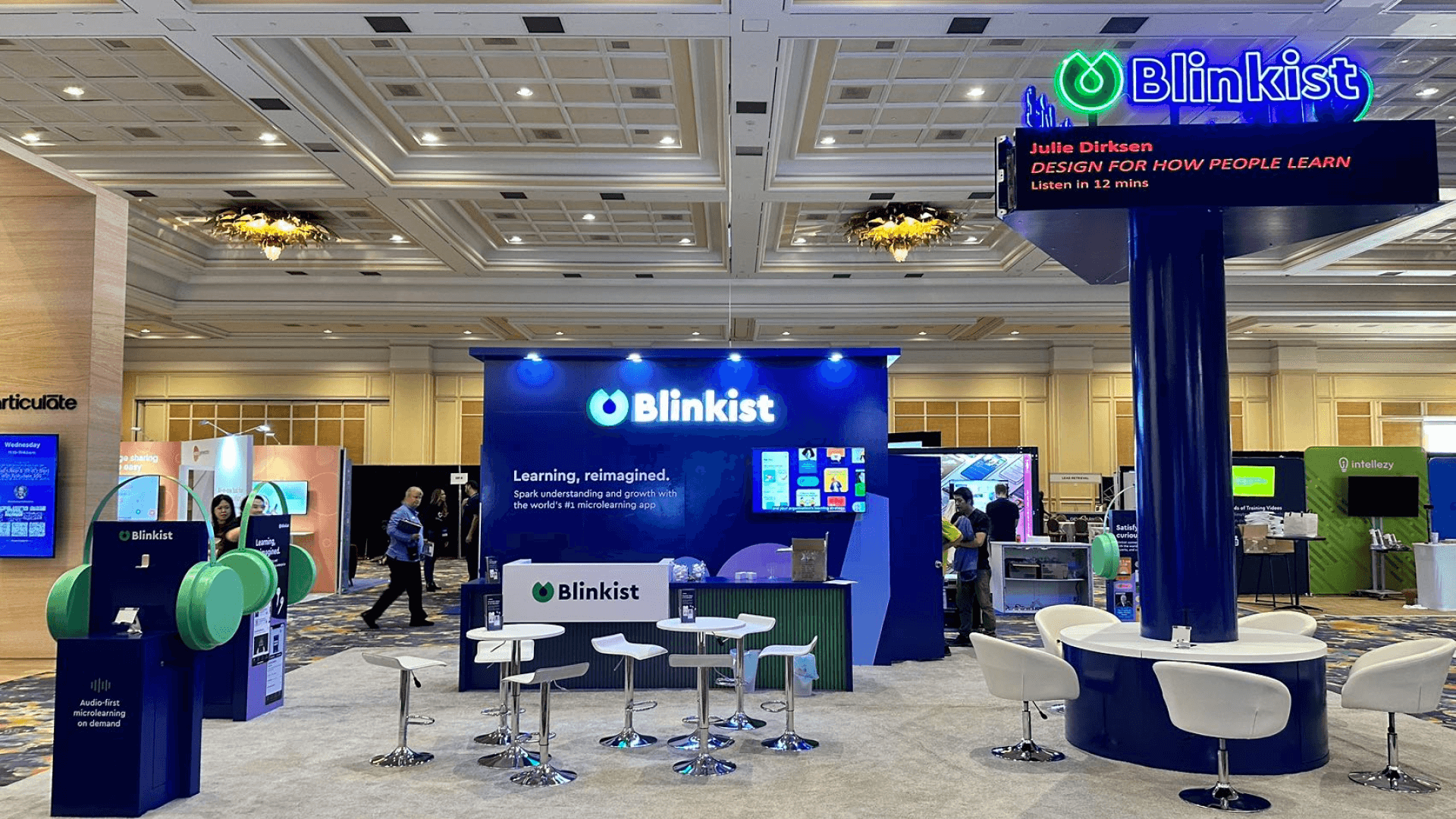
A 10x20 booth may suit one compact product or screen demo when brief conversations can use the same area. Check display depth and operator access before adding seating.
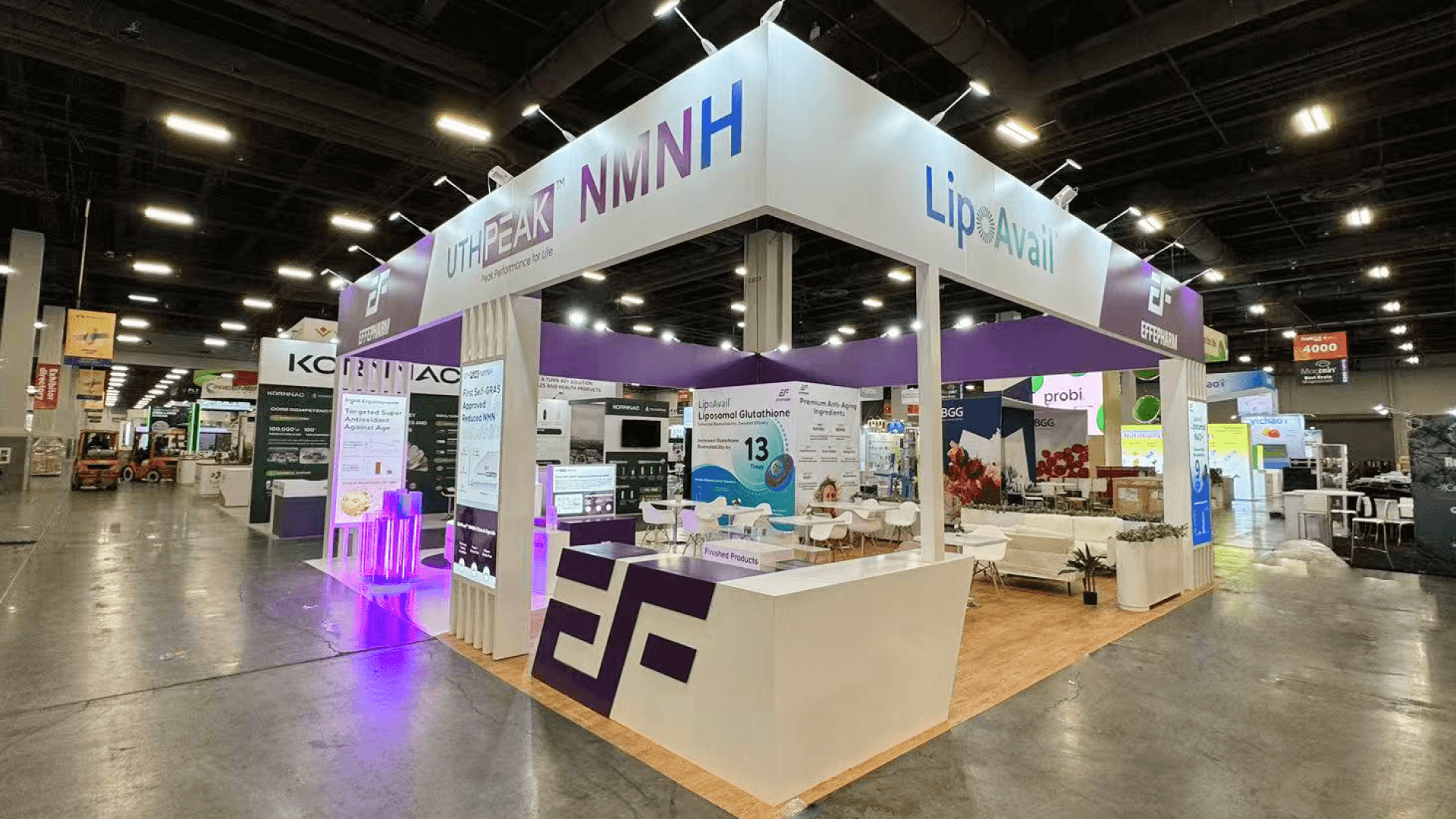
A 20x30 booth may suit two display or demo tasks alongside a discussion area. Leave working space for viewers and operators, reducing the display if one station blocks the other.
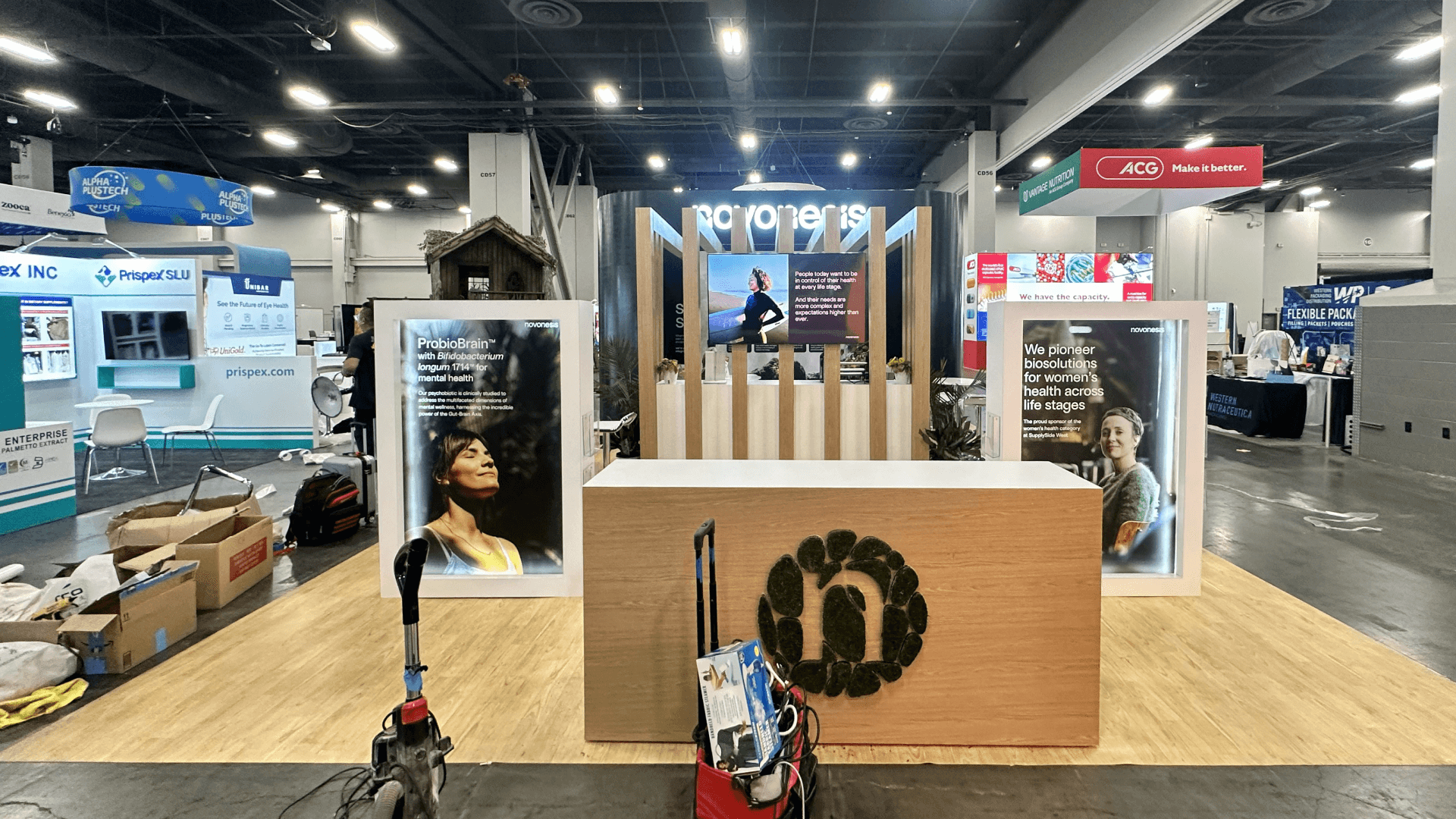
Consider a 20x20 booth when buyers need to inspect a product while staff continue a separate discussion. Check the assigned booth type and the route past equipment, viewers and seats.
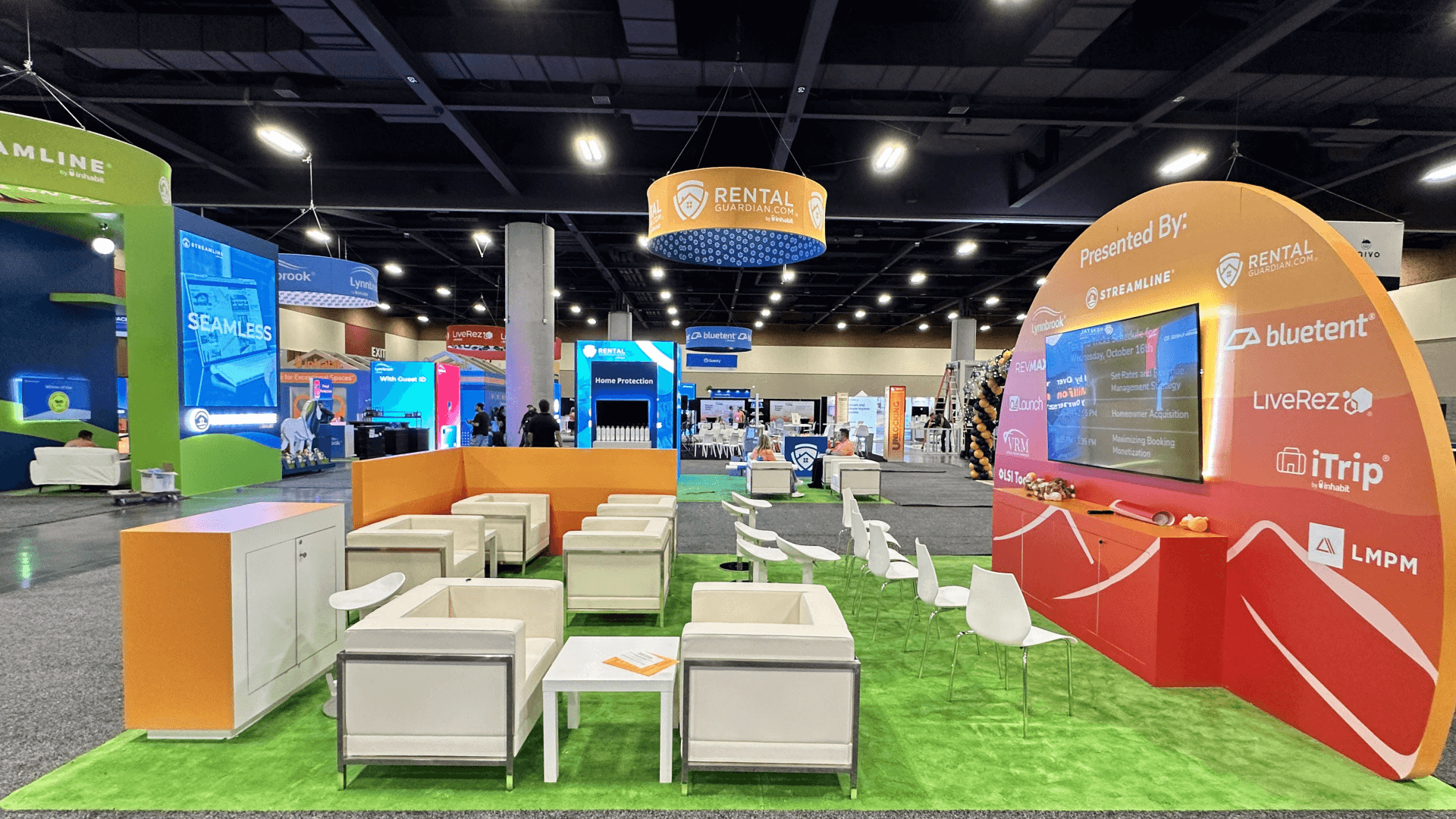
Review a 30x40 booth when several product areas, demos and meetings need to run at the same time. Allow each its own working space and check the equipment delivery route.
Match the display to the buyer's task, then provide the supporting information and room to continue the discussion. Hardware, software and service offers can need different viewing and conversation arrangements.
Use an application diagram, operating example or project reference to show the utility task. State which part of the system or project your product or service covers.
Let visitors inspect a component, follow a software task or review a project example. Choose the format that helps them evaluate the application and ask the next technical question.
Place specifications, drawings, interface explanations or documented results beside the claim they support. Identify live, recorded and simulated content, and keep technical claims within what the material can demonstrate.
Leave a clear place to greet new visitors while a specialist continues a detailed conversation. Keep drawings, notes, spare devices and staff items accessible without using the product inspection surface as storage.
DTECH brings utility equipment, software, communications and services together around the modernization and operation of transmission and distribution networks.
Georgia World Congress Center hosts the event in Atlanta. Exhibit hall dates are March 2–4, 2027.
Utility engineering, operations, IT/OT and project teams bring different questions about products, system relationships and the next steps in technical evaluation.
Not Sure Which Booth Size You Need?
Not every exhibitor knows whether a 10x20, 20x20, 20x30, or larger booth is the right fit. Circle Exhibit can help review your event goals, product display needs, demo areas, meeting space, storage, budget scope, and setup timeline before you choose a booth size.
The Screen Shows Data Without Context
Different Questions at the Same Counter
1
Define the Utility Task and Visitor
2
3
4
Rental for Screens and Compact Displays
A rental structure can support screens, compact products and meetings when its layout and load capacity fit the brief. Compare trade show booth rental options against the required fixtures, graphics and services.
Purpose-Built Supports for Equipment
A product with specific support loads, access needs or mounting points may need a purpose-built fixture. Resolve these through design and engineering before deciding how much of the surrounding structure must also be custom.
A Rental Structure With Selected Custom Elements
Retain usable rental components where they fit the brief, adding product-specific counters, supports or graphics as needed. Confirm ownership, packing and rental-return responsibilities before treating any part as a reusable asset.
Use the assigned GWCC building, hall and booth number when checking DTECH receiving instructions. Confirm the event's delivery point and schedule before booking freight or installation labor.
GWCC lists Edlen for electrical services and CCLD Networks for internet and telephone. Verify the applicable DTECH ordering process and mark connection locations on the equipment and screen plan.
Agree when equipment will arrive, how it will be handled and which route it needs through the booth. Keep that route open until positioning is complete.
Run the presentation with its ordered power and network connections after equipment and screens are in place. Assign someone to check opening readiness and retrieve approved backup material if a device or connection fails.
Compare Rental Layouts for DTECH
Use your product list, demonstration plan and meeting priorities to assess rental layouts. Check display depth, staff access and discussion space, then identify any extra fixtures, graphics or services required for DTECH.
How can a service provider exhibit without a physical product?
Show one utility application or project stage and a verified example of your role. Keep drawings or project records available, with a specialist who can answer questions about scope and delivery.
Does every DTECH demo need a live connection?
How should we separate booth costs from show-service charges?
Should an Initiate participant plan the same build as a standard exhibitor?
Which product details affect the booth brief?
READY TO PLAN YOUR NEXT BOOTH?
Let’s Build a Booth That Fits Your Event
Share your event name, booth size, city, timeline, product display needs, and design references. Circle Exhibit will review your project direction and help you choose a rental-friendly or custom exhibit path.
3000+
Booth Projects Supported
50+
U.S. Event Cities
Transparent
Quote Review
Discuss the rental structure, product fixtures, graphics and agreed delivery work for your DTECH assignment in Atlanta.
Resolve product dimensions, loads, mounting points, screens and working clearances before approving fabrication.
Place application labels, product names and supporting information where visitors need them during the explanation.
Plan how packed products and booth materials will arrive, be received and reach the installation team.
Plan structure assembly, equipment positioning, connections and final checks, then confirm the removal and packing sequence.