ADLM Clinical Lab Expo Booth Planning in Chicago



How should exhibitors plan an ADLM Clinical Lab Expo booth?
Start with what laboratory buyers need to understand and evaluate during a short visit. The booth should make it easy to recognize the solution, inspect a product or follow a workflow, ask technical questions, and continue the conversation without crowding demos, screens, storage, and meeting functions into the same space.
For teams planning custom trade show exhibits in Chicago, ADLM booth planning should begin with what laboratory buyers need to understand during the visit. That may mean inspecting an instrument, understanding an assay or workflow, comparing diagnostic technologies, or moving from an initial product explanation into a more detailed technical conversation.
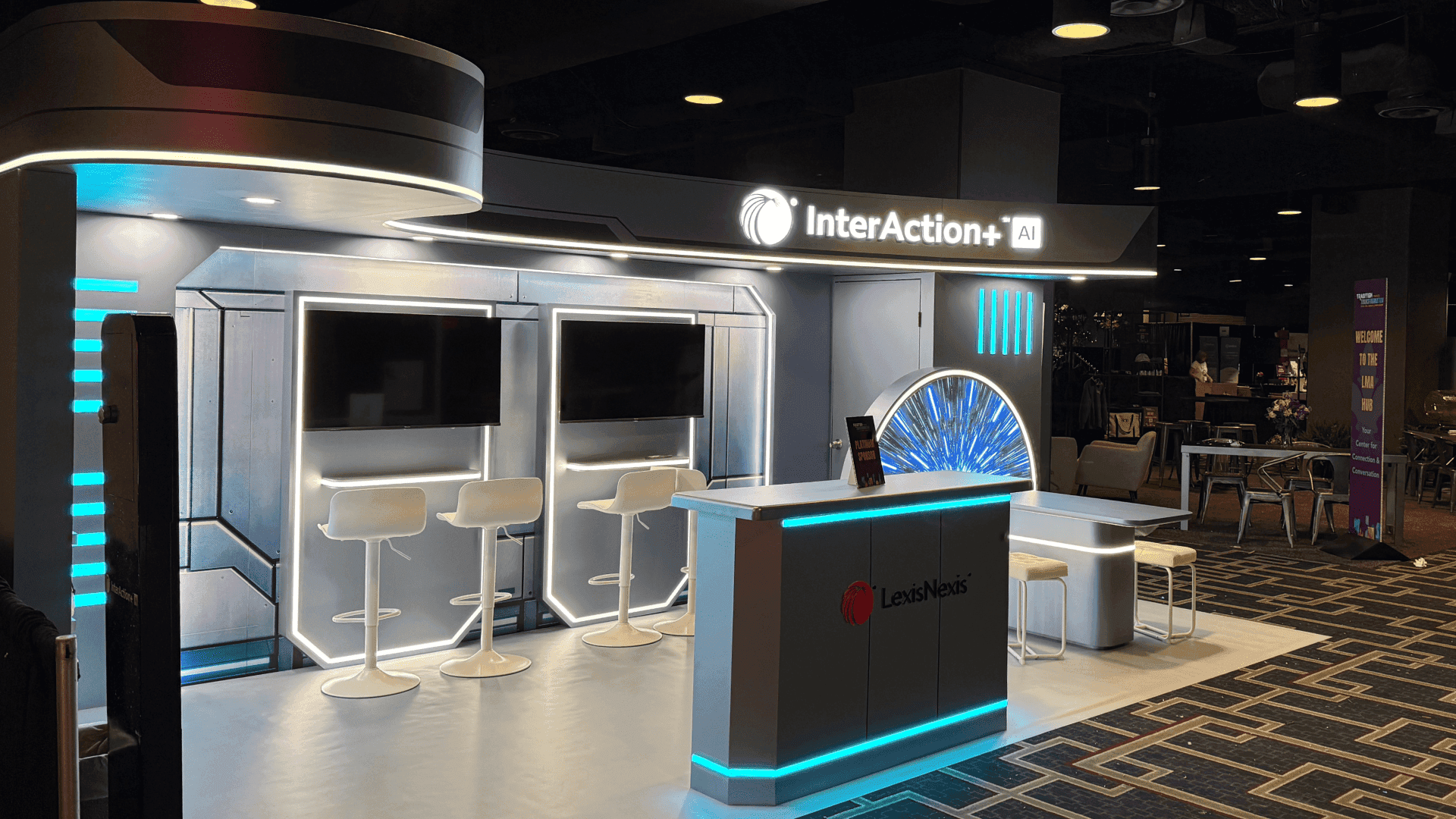
A 20x20 trade show booth, can provide enough room to balance a working analyzer with visitor viewing, technical discussion, storage, and demo support. When physical equipment becomes the center of the booth experience, ADLM diagnostic instrument demo booth planning, focuses more closely on equipment clearance, operator position, visibility, reset needs, and the handoff after the demonstration.
For exhibitors working at McCormick Place, Chicago booth fabrication and show-site support, becomes more relevant once fabrication, EAC coordination, equipment integration, installation, and venue-level technology requirements begin affecting the final layout.
Why Exhibitors Choose Circle Exhibit
Clear scope, transparent quote review, nationwide booth support, and efficient setup planning for qualified rental and custom exhibit projects.
48hr
Setup Window
10+
Years Since 2014
U.S.
Trade Show Support
Real
Booth Project Proof
The right footprint depends on what buyers need to evaluate. A focused product story takes less space than an operating instrument, multi-product program, or connected workflow.
A 10x20 booth suits a focused assay, compact device, software-led solution, or limited portfolio with one main message, a demo point, light storage, and short conversations.
A 20x30 booth fits several product or workflow zones while preserving space for screens, demonstrations, storage, circulation, and longer technical discussions.
A 20x20 booth gives product display, demonstration, storage, and specialist discussion enough separation without pushing every activity into the aisle-facing zone.
A larger island suits programs built around multiple technologies, workflow zones, private discussions, substantial storage, and access from several aisles.
ADLM exhibitors may need to decide which technical content belongs in the 20-minute Lecture Series, which evidence is better demonstrated in the booth, and which questions should move to a specialist. The ADLM technical evidence guide provides a practical framework for separating scientific context, product proof, workflow evidence, and buyer-specific technical depth.
The display should help buyers identify the solution quickly, understand how it works, and decide whether they need a demonstration or deeper technical discussion.
Aisle-level messaging should quickly tell visitors whether the booth is about instruments, assays, automation, software, or another laboratory solution.
Visitors should be able to tell where to inspect a product, watch a demonstration, review workflow information, or continue into a specialist discussion.
Graphics and screens should separate the first product message from specifications, workflow detail, performance information, and specialist-level explanation.
The layout should let a product demonstration lead into questions and follow-up discussion without keeping every conversation directly in front of the display.
The Clinical Lab Expo brings diagnostic instruments, IVD products, assays, automation, software, and laboratory services together on one show floor.
The 2027 Clinical Lab Expo runs July 27–29 at McCormick Place in Chicago.
ADLM lists more than 700 exhibitors across 200+ product categories for the Clinical Lab Expo.
Not Sure Which Booth Size You Need?
Not every exhibitor knows whether a 10x20, 20x20, 20x30, or larger booth is the right fit. Circle Exhibit can help review your event goals, product display needs, demo areas, meeting space, storage, budget scope, and setup timeline before you choose a booth size.
Technical Detail Can Hide the First Message
A Demo Needs Somewhere to Lead
1
Define What the Buyer Needs to Evaluate
2
3
4
Reusable Structure for a Defined Exhibit Program
A Chicago trade show booth rental can support branded walls, screens, counters, storage, product display, and meetings when the technology remains independent of the structure.
Purpose-Built Architecture for Integrated Displays
Custom fabrication makes more sense when large equipment, unusual access, custom housings, integrated demonstration architecture, or a highly specific visitor path defines the booth.
A Reusable Core Around Exhibitor-Owned Technology
A hybrid program can place owned instruments, devices, or screens inside reusable structure while reserving custom fabrication for the elements that genuinely require it.
Confirm ADLM-specific move-in, freight, and show procedures with the organizer or general service contractor, then coordinate venue-level services separately.
Technology planning is easier when computers, connected screens, and networked equipment appear on a detailed booth plan before service installation begins.
Fabrication, equipment arrival, graphics, technology service, and installation should follow one sequence so late decisions do not disrupt the visitor-facing layout.
Confirm product placement, screens, connections, demo readiness, storage access, and the path from first contact to specialist conversation as one complete setup.
Flexible Chicago Booth Rentals for ADLM Exhibitors
A rental booth works well when the exhibit needs branded structure, screens, counters, storage, and meeting space around diagnostic products or exhibitor-owned technology. Modular components can be adjusted around the product program without requiring the entire booth to be built from scratch.
What should an ADLM Clinical Lab Expo booth prioritize?
Start with what buyers need to understand or evaluate, then give space to the product, demonstration, technical conversation, and support functions required for that task.
What booth size works for an ADLM exhibitor?
When does an ADLM booth need live demo space?
Should technical conversations happen in the demo area?
What should be confirmed before an ADLM booth goes into production?
READY TO PLAN YOUR NEXT BOOTH?
Let’s Build a Booth That Fits Your Event
Share your event name, booth size, city, timeline, product display needs, and design references. Circle Exhibit will review your project direction and help you choose a rental-friendly or custom exhibit path.
3000+
Booth Projects Supported
50+
U.S. Event Cities
Transparent
Quote Review
For exhibitors presenting several instruments, robotics, software, and connected process stages, this page focuses on turning the laboratory workflow into a clear visitor sequence.
A 20x20 guide helps teams test how much demo, conversation, screen, and storage capacity remains once the main product requirements are defined.
Larger product programs and multi-zone workflows can use 20x30 planning to evaluate separation, circulation, storage, and technical discussion space.
Chicago execution matters once fabrication, EAC coordination, installation, equipment integration, and McCormick Place setup begin shaping the booth plan.
Pre-show coordination helps align equipment, graphics, freight timing, storage, and installation dependencies before the booth reaches Chicago.