ACT Expo Booth Planning for Commercial Vehicle and Fleet Technology Exhibitors
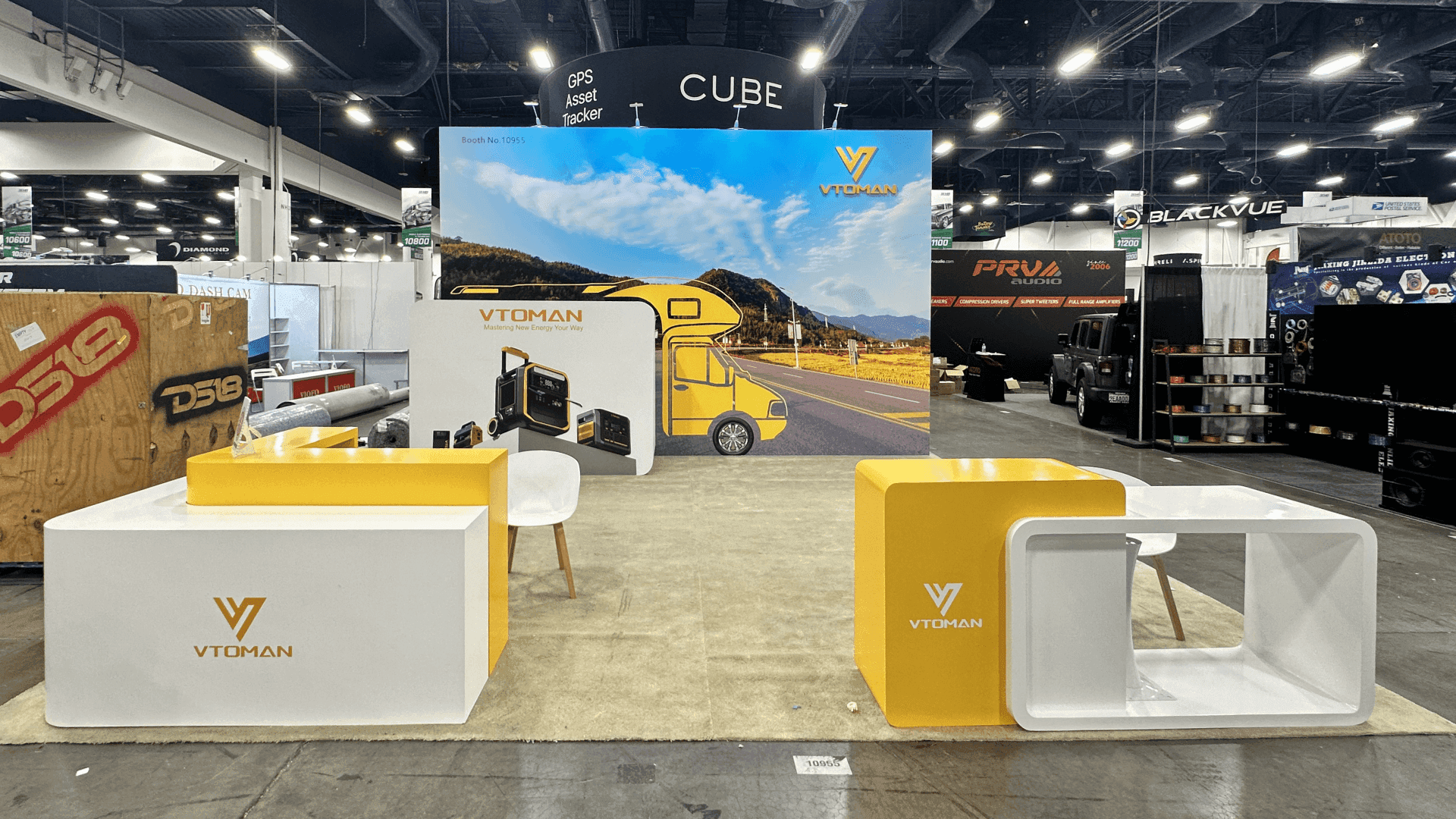


How should exhibitors plan a booth for ACT Expo?
Start with the decision a fleet buyer needs to make, then build a clear path from category recognition to proof and discussion. The footprint must accommodate the actual exhibit assets—vehicles, charging or fueling hardware, large components, software demonstrations, and meeting space—without allowing one activity to block another.
ACT Expo brings together fleet operators and companies offering commercial vehicles, charging and fueling infrastructure, components, software, and deployment services. With more than 400 exhibitors on the show floor, an exhibit needs to do more than attract attention. It should make the fleet problem clear and give buyers something useful to inspect, compare, or discuss.
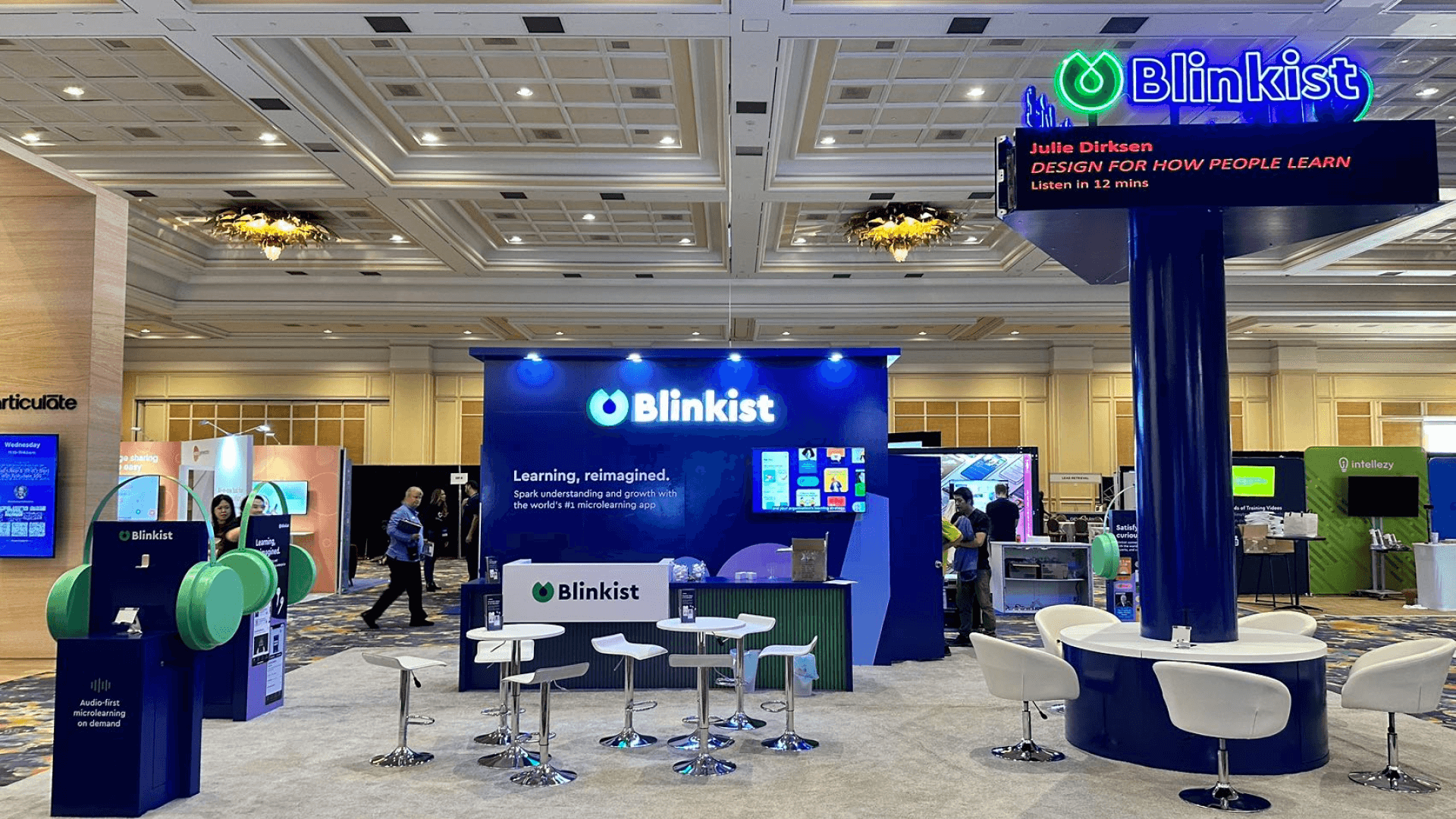
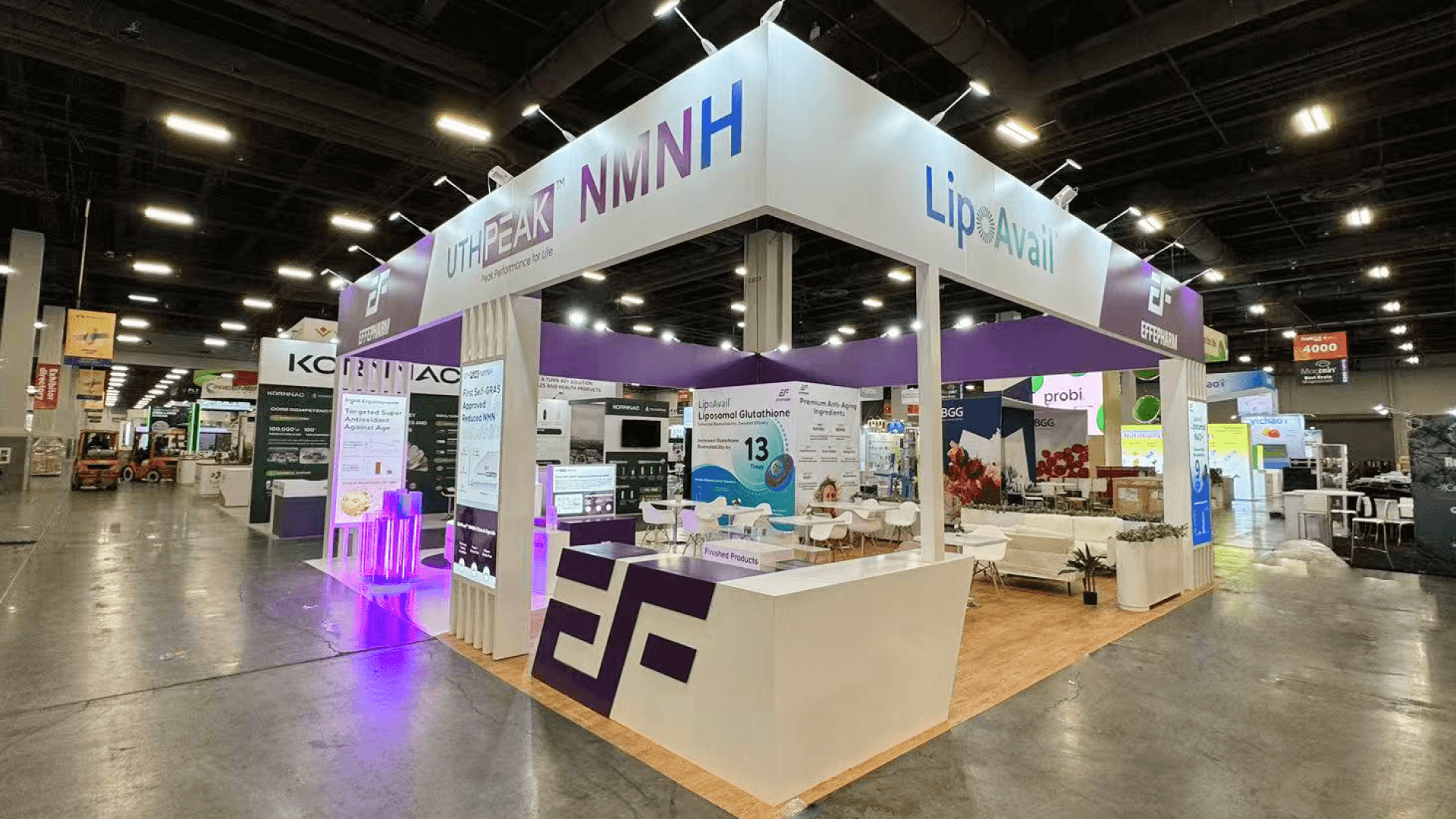
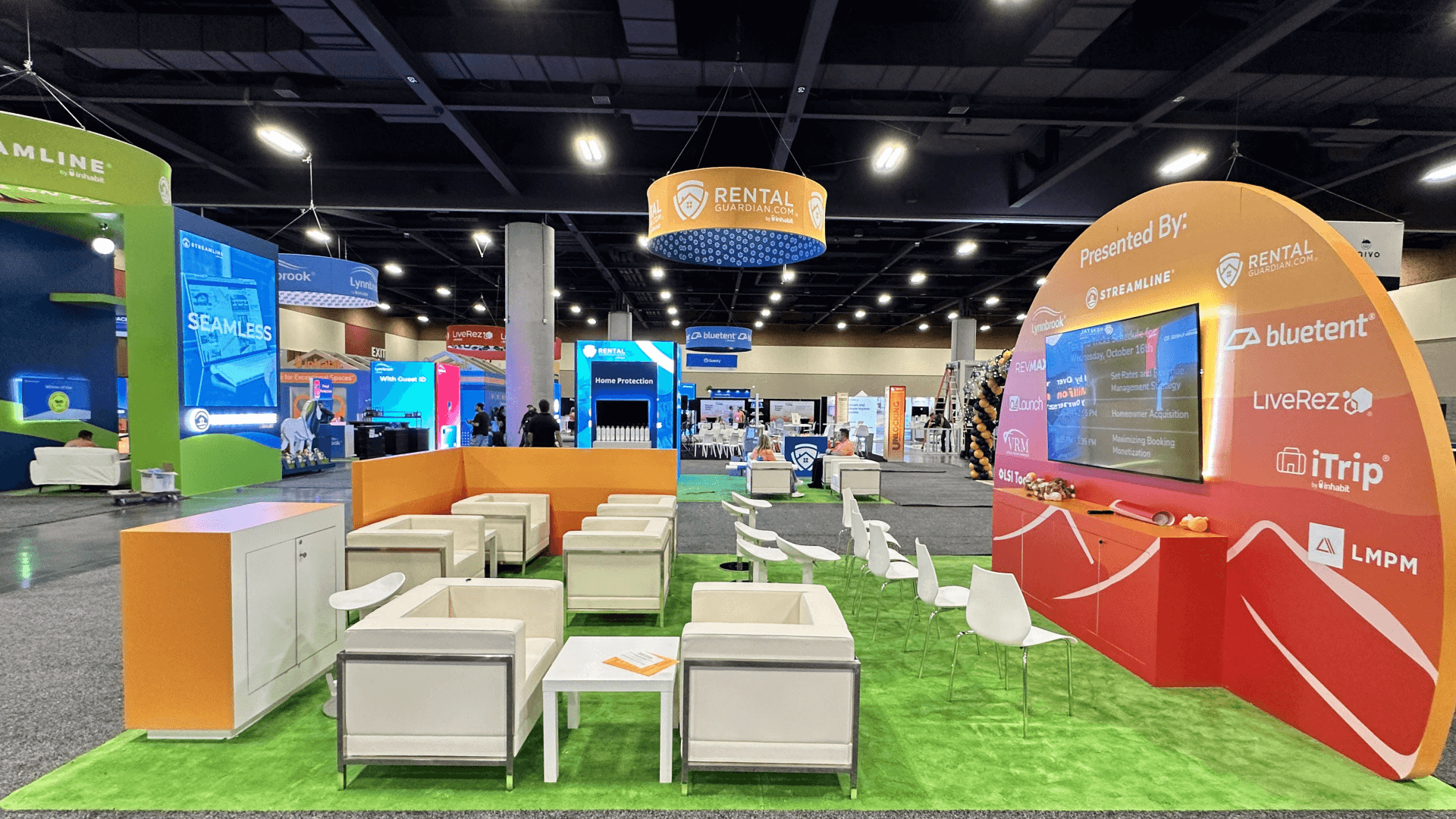
Choose booth size according to what buyers need to evaluate. A 10x20 suits software, services, or a compact component supported by one clear proof point. A 20x20 can accommodate one main hardware display, a short demonstration, and a defined conversation area. A 20x30 provides better separation between product review, demonstrations, and meetings. A 30x40 or larger footprint is more practical for vehicles, large equipment, or several comparison points. If a truck, van, chassis, or large component is the main exhibit, ACT Expo commercial vehicle booth planning covers the asset envelope, inspection access, equipment clearance, and freight sequence in greater detail.
Because ACT Expo is held at the Las Vegas Convention Center, the final concept should be checked against the current floor plan, exhibitor manual, freight schedule, utility requirements, and move-in sequence before fabrication begins. Exhibitors that need local production and show-site support can work with Circle Exhibit’s Las Vegas trade show booth builders to coordinate fabrication, delivery, installation, and dismantle.
Why Exhibitors Choose Circle Exhibit
Clear scope, transparent quote review, nationwide booth support, and efficient setup planning for qualified rental and custom exhibit projects.
48hr
Setup Window
10+
Years Since 2014
U.S.
Trade Show Support
Real
Booth Project Proof
Select the smallest footprint that supports the assets, proof, circulation, storage, and meetings required for the buyer journey.
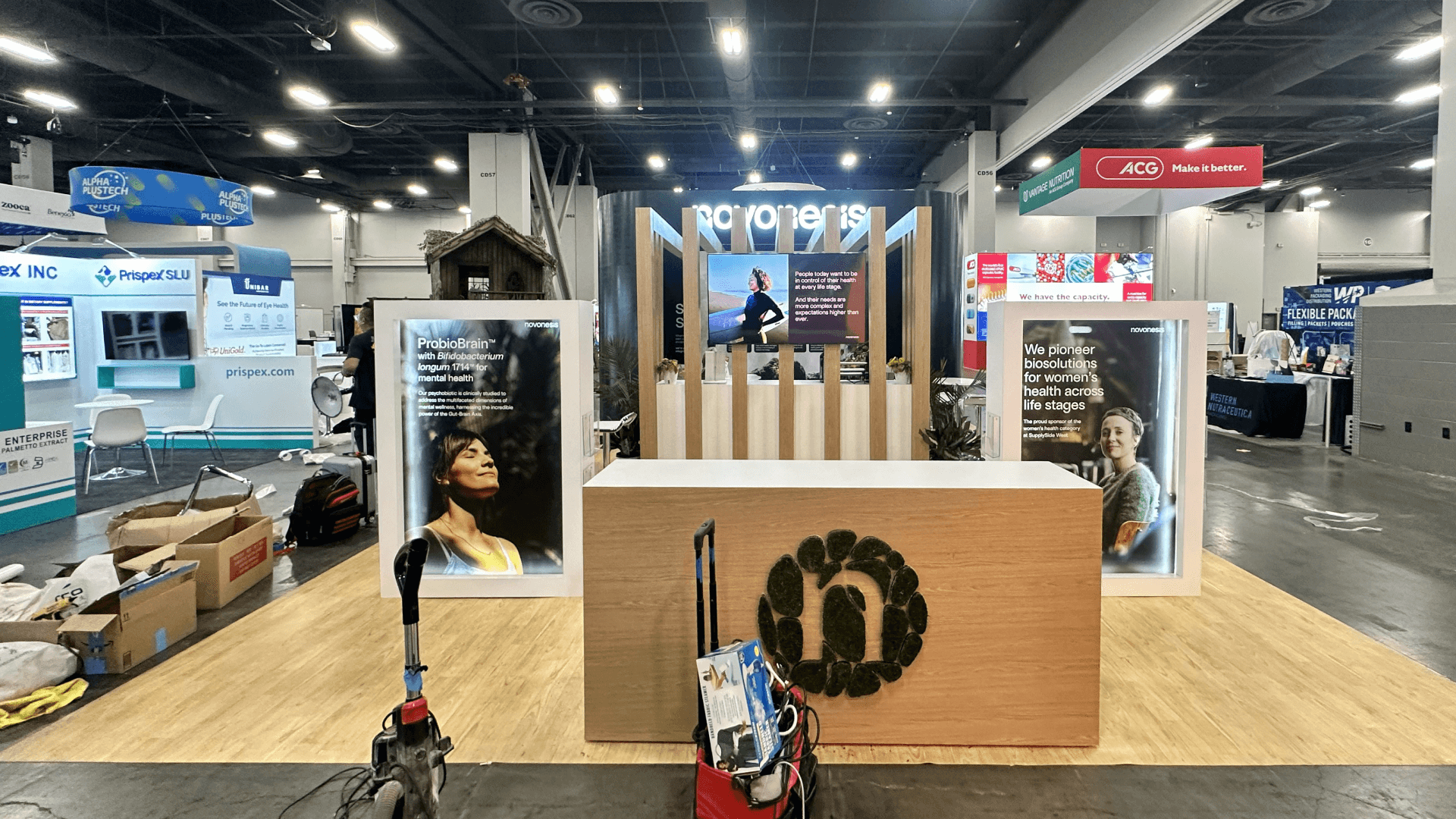
A 10x20 works for software, services, or a compact component built around one clear proof point and a small conversation zone. Review 10x20 booth planning for inline layout considerations.
A 20x30 separates product review, live explanation, and scheduled conversations, creating a more deliberate buyer path. Use 20x30 booth planning to organize the added depth.
A 20x20 fits one main hardware story, a short demonstration, and a meeting area without forcing every activity into the aisle. See 20x20 booth planning for island and corner layout options.
A 30x40 or larger footprint supports vehicles, large equipment, multiple proof stations, and private meetings while preserving circulation around major assets. Review 30x40 booth planning for large-format layouts.
ACT Expo exhibitors may need to coordinate vehicles, large components, charging or fueling equipment, software, demonstrations, and meeting space within the same exhibit. The trade show booth size guide helps determine whether product review, demonstrations, meetings, and staff access can operate at the same time instead of choosing a footprint from dimensions alone.
Once the space requirement is clearer, the LVCC booth planning guide addresses venue conditions that can affect equipment movement, utilities, and installation sequence. Exhibitors combining physical infrastructure, depot context, and fleet software can also use ACT Expo infrastructure demo planning to organize those elements around one operating situation before the layout is finalized.
The display should explain the offer quickly, then provide deeper evidence for buyers who stay to evaluate it.
State who the solution is for, what part of fleet operations it changes, and why the buyer should stop.
Let an aisle visitor grasp the claim quickly, then provide deeper evidence for buyers who step inside.
Move qualified visitors from open-floor discovery into a staffed technical or commercial conversation without interrupting traffic.
Reserve hidden space for literature, chargers, personal items, cleaning supplies, replacement graphics, and the daily reset.
The show brings together commercial vehicles, infrastructure, components, fleet software, and transportation services in one dense buying environment.
The conference runs May 17–20, while the Expo Hall is scheduled for May 18–19.
Freight, utilities, floor position, and move-in timing can all affect the finished exhibit layout.
Not Sure Which Booth Size You Need?
Not every exhibitor knows whether a 10x20, 20x20, 20x30, or larger booth is the right fit. Circle Exhibit can help review your event goals, product display needs, demo areas, meeting space, storage, budget scope, and setup timeline before you choose a booth size.
Choosing Proof over Product Volume
Helping Buyers Compare Operational Fit
1
Name the Fleet Decision
2
3
4
Rental Exhibit
Use a rental structure when the program needs polished architecture, current graphics, a focused display, and meeting space without a highly specialized build. Review Las Vegas trade show booth rental options.
Custom Exhibit
Custom construction becomes more useful when vehicles, large equipment, integrated demonstrations, or controlled access need to shape the architecture itself.
Hybrid Program
A hybrid approach combines reusable branded structure with show-specific graphics, hardware, vehicle placement, and demonstration elements.
Review the current ACT Expo manual, floor plan, service deadlines, and approved vendor requirements before final production.
Use aisle exposure, neighboring exhibits, entrances, and major asset placement to determine the final visitor approach.
Electrical, network, rigging, and material-handling orders should follow the approved equipment and floor plans.
After installation, walk the recognition, proof, demonstration, meeting, and lead-handoff sequence as a visitor would.
ACT Expo Booth Rental for Fleet Technology Exhibitors
A rental exhibit can support an ACT Expo program built around focused hardware, software demonstrations, current graphics, storage, and buyer meetings. The layout should still be selected around the assets, equipment clearances, utility needs, and evaluation path rather than treated as a standard rental package.
What should an ACT Expo booth help a fleet buyer decide?
It should help the buyer judge whether the solution fits the fleet, what evidence supports it, and whether a technical or commercial next step is justified.
How should an exhibitor choose booth size for ACT Expo?
Does every solution need to be displayed physically?
Is a rental or custom booth better for ACT Expo?
What must be confirmed before production begins?
READY TO PLAN YOUR NEXT BOOTH?
Let’s Build a Booth That Fits Your Event
Share your event name, booth size, city, timeline, product display needs, and design references. Circle Exhibit will review your project direction and help you choose a rental-friendly or custom exhibit path.
3000+
Booth Projects Supported
50+
U.S. Event Cities
Transparent
Quote Review
Plan representative hardware, system flow, software proof, utilities, equipment clearance, and deployment discussions.
Review other Las Vegas events where vehicle presentation, large components, and automotive buyer evaluation shape the exhibit plan.
Coordinate freight, service deadlines, asset staging, utility orders, and installation dependencies before move-in.
Resolve structural, equipment, access, and integration requirements before the exhibit enters production.
Build a clear information hierarchy for category recognition, technical proof, and buyer conversations.