GKN Hydrogen brought a 20x20 booth to ACT Expo in 2024 with a focused clean-transportation story: hydrogen storage, mobile refueling, and fleet energy infrastructure needed to be explained clearly inside a compact booth footprint. At an event where visitors compare battery-electric platforms, hydrogen systems, renewable fuels, and fleet technologies, the booth had to make GKN Hydrogen’s value easy to understand from the aisle before a deeper technical conversation began.
The booth needed to support a different kind of engagement than a consumer product display. Hydrogen infrastructure conversations often involve system safety, storage method, deployment use cases, refueling workflow, and commercial fleet adoption. That meant the 20x20 space had to stay organized, technical, and conversation-ready, with enough room for staff to walk visitors through the application logic without creating a crowded or confusing booth experience.
The goal was to create a clean infrastructure-focused environment: clear messaging from the aisle, controlled demo and discussion space inside, and a booth layout that helped visitors move from first interest into practical hydrogen deployment conversations.
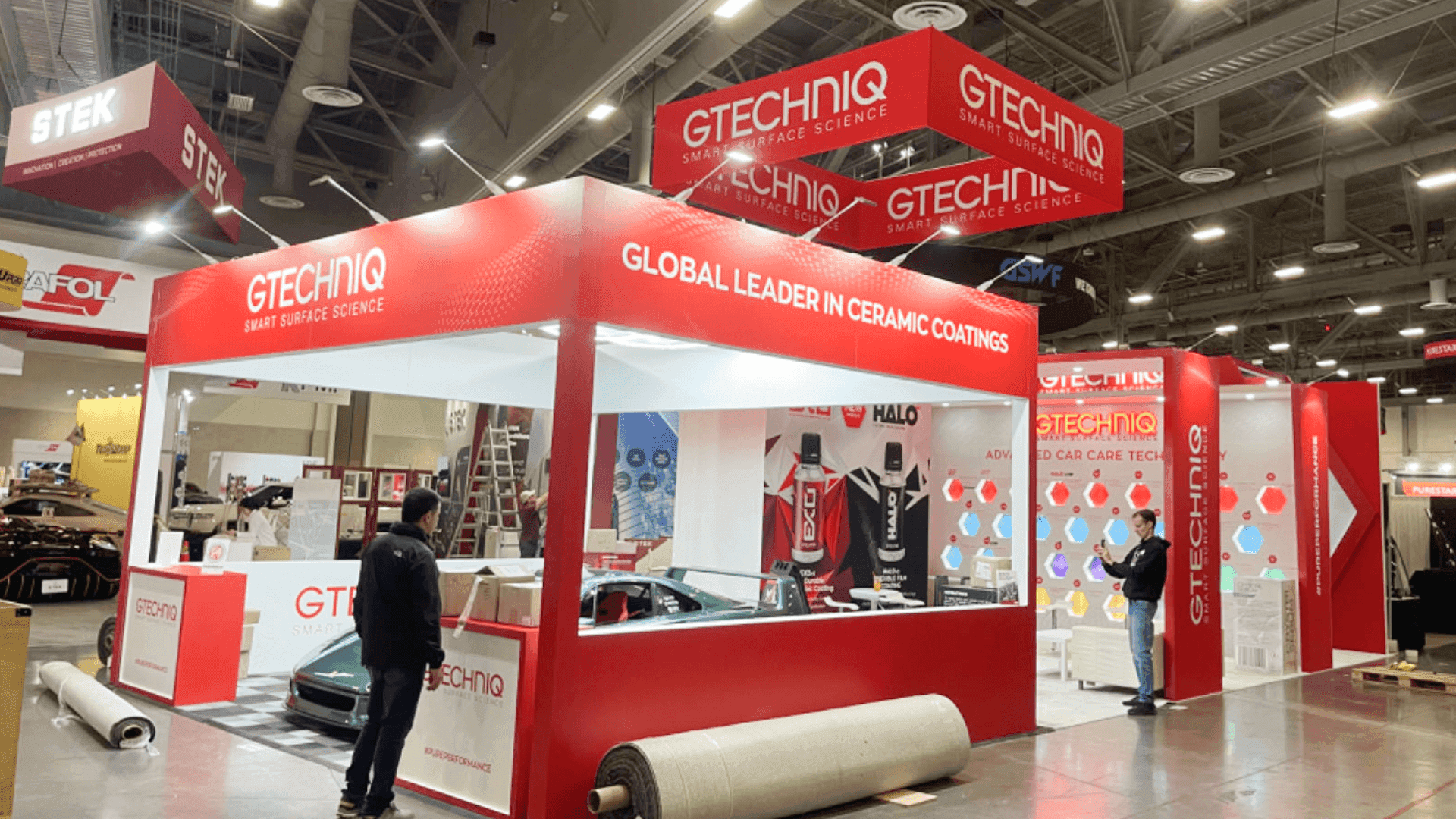
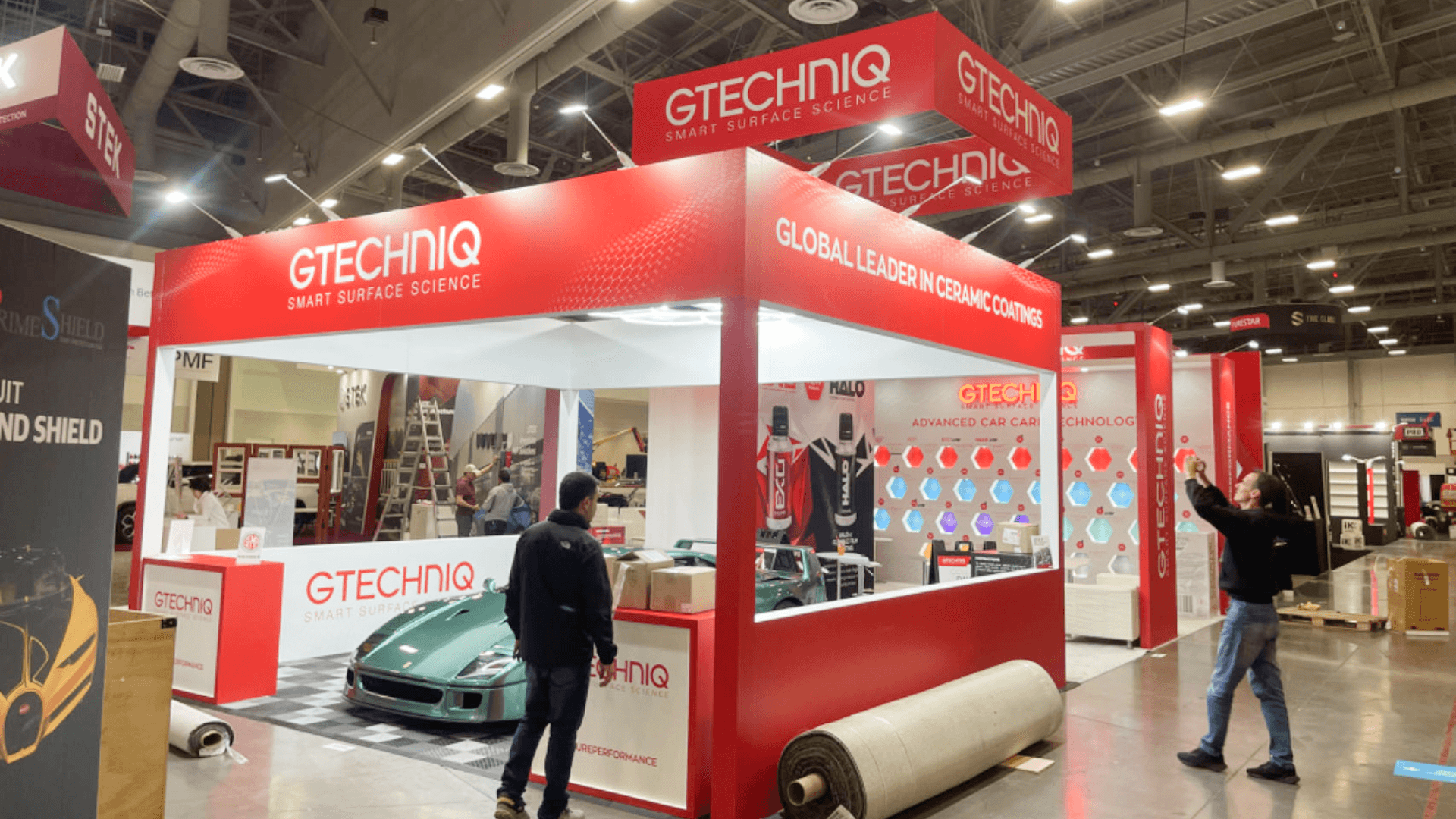
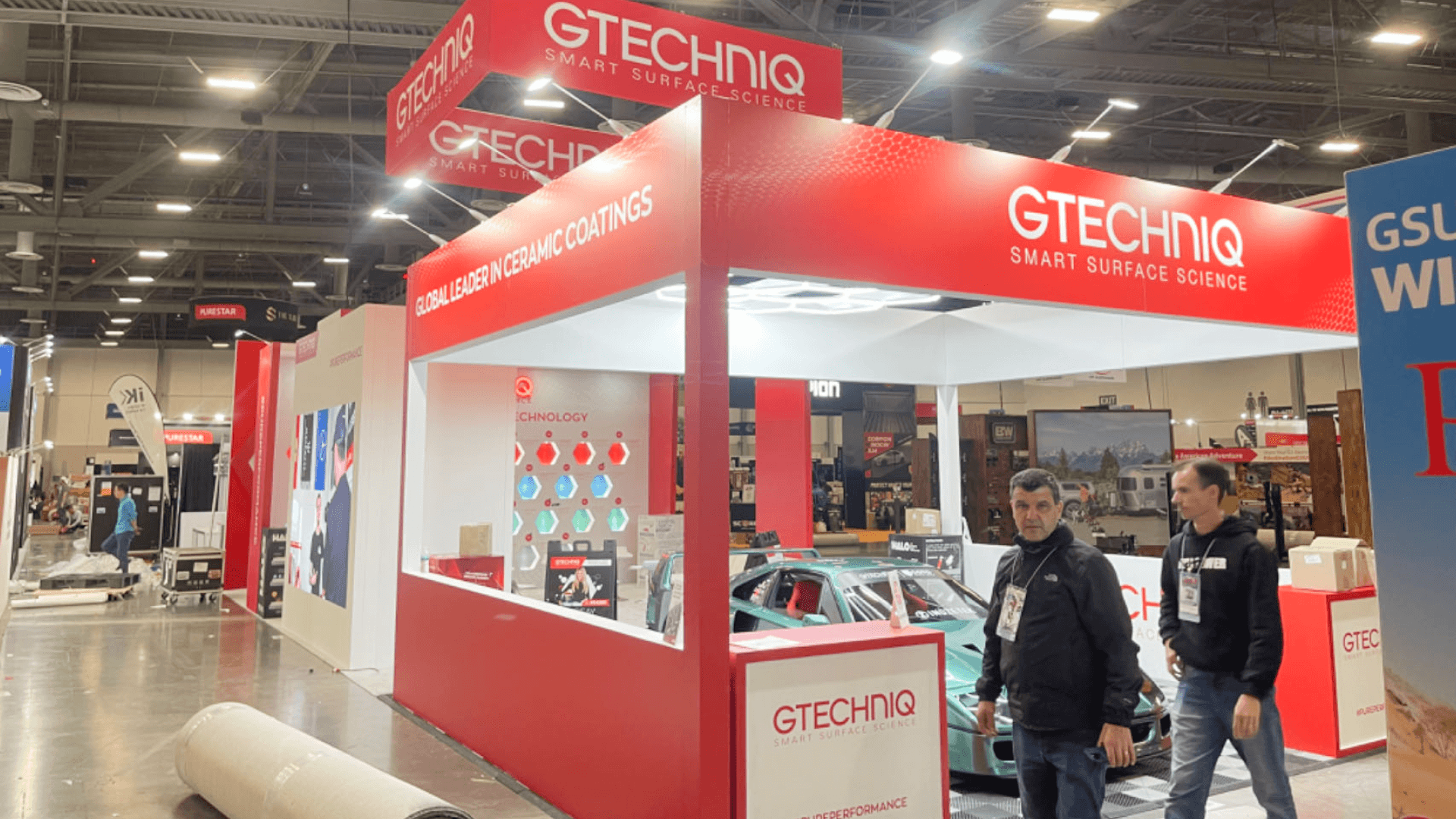
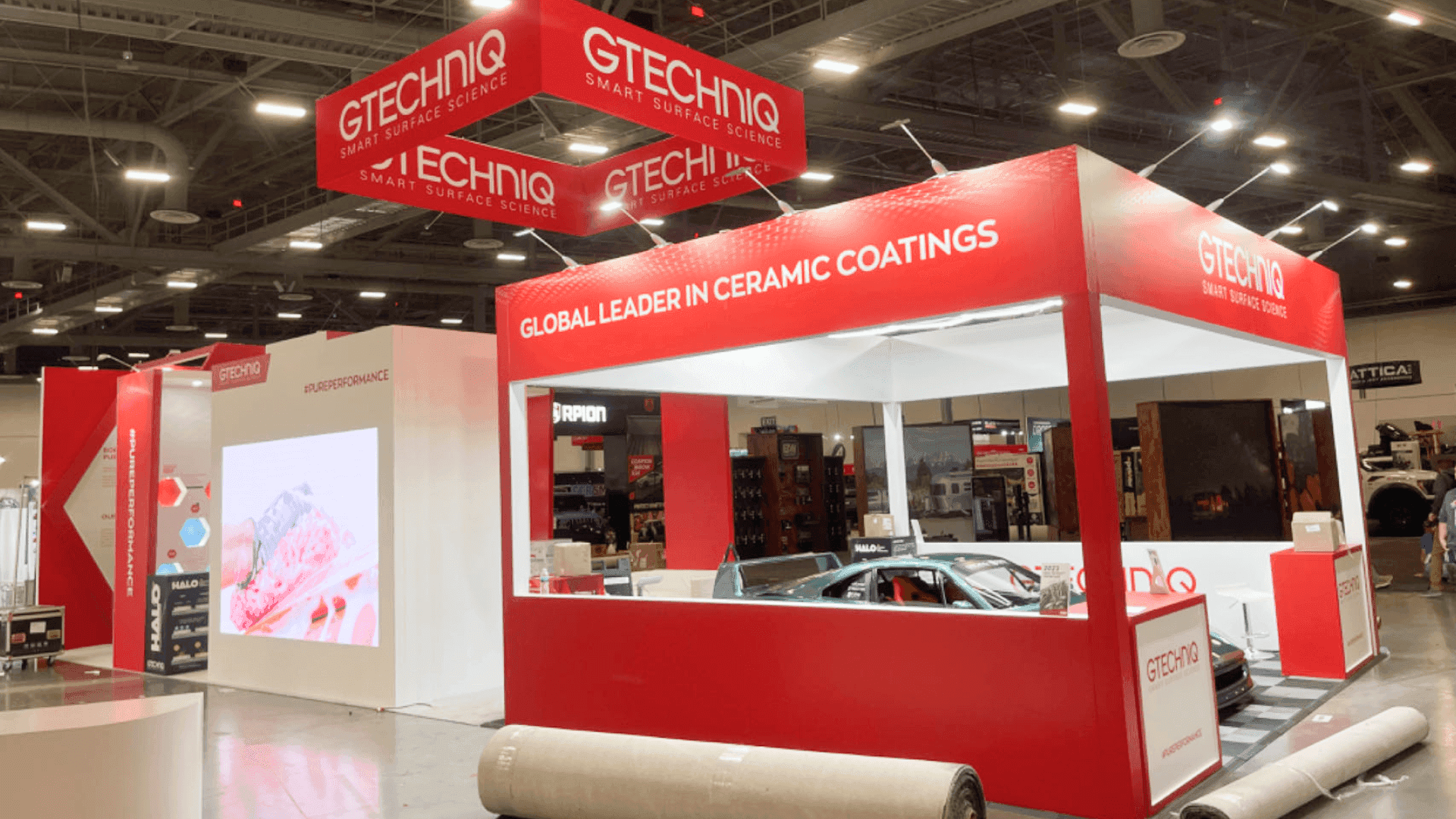
💼
Client:
📅
Year/Exhibition:
📍
Location:
📐
Size:
🏢
Industry:
🏢
Venue Context:
Challenge
The main challenge was technical clarity. GKN Hydrogen’s booth was not about showing a single simple product. It needed to help visitors understand hydrogen storage, mobile refueling, and fleet infrastructure in a way that felt practical rather than abstract. On the ACT Expo floor, attendees are already comparing multiple clean transportation pathways, so the booth had to communicate quickly without oversimplifying the technology.
The second challenge was conversation control. Hydrogen infrastructure buyers often need longer discussions around safety, deployment conditions, storage behavior, refueling use cases, and fleet operations. A 20x20 booth can support those conversations, but only if the layout keeps technical content readable and leaves enough space for staff-led explanation. For this case, design and engineering mattered because the booth had to turn a complex infrastructure story into a clear physical environment.
The third challenge was show-floor sequencing. Technical displays, screens, counters, printed panels, and meeting areas had to be installed in an order that kept the booth clean and ready before ACT Expo traffic began. If the messaging surfaces or demo points were crowded, the booth would lose the calm, credible feel needed for hydrogen infrastructure discussions.
Design vs. On-site Execution
The concept centered on clarity. A hydrogen infrastructure booth needs to help visitors understand the system before they ask detailed questions. That means the booth layout should create a simple sequence: first-read brand recognition, technical message intake, staff conversation, and follow-up discussion. Instead of filling the space with too many display points, the booth needed to keep each zone purposeful.
For a 20x20 trade show booth, the layout has to do more with less. The footprint can support a technical counter, a message wall, a small meeting area, and open circulation, but it cannot carry too many competing objects. The stronger approach is to keep the aisle view clean, give technical content a clear surface, and preserve enough open space for visitors to pause without blocking the booth.
On site, the execution depended on placement discipline. Technical panels had to be readable, demo or screen areas needed power and data access, and furniture had to support real conversations without cluttering the open footprint. The result was planned as a booth that could handle serious clean-transportation discussions while still staying accessible on a busy Las Vegas show floor.
Aisle-Facing Message Zone
The aisle-facing zone needed to introduce GKN Hydrogen’s clean infrastructure story quickly, giving ACT Expo visitors a clear reason to stop before entering a deeper technical conversation.
Technical Explanation Wall
A structured message wall supported the hydrogen storage and mobile refueling narrative, helping staff explain system use cases without relying only on verbal discussion.
Fleet Conversation Area
The interior discussion area gave the team space to speak with fleet, infrastructure, and energy visitors about real deployment conditions and operational requirements.
Demo and Follow-Up Counter
A compact counter area supported literature, digital follow-up, and technical handoff, keeping the booth organized during active visitor traffic.
On-site Highlights
This booth depended on execution discipline more than decorative complexity. For a hydrogen infrastructure exhibitor at ACT Expo, the key was to keep the booth readable, technically credible, and easy to use under live show-floor traffic. The installation plan needed to protect messaging surfaces, power access, counter placement, and open visitor flow so the booth could support real conversations around hydrogen storage, refueling, and fleet adoption.
Hydrogen Infrastructure Demo Flow for a 20×20 Island
Technical Messaging Surface Alignment
Power and Data Routing for Demo Support
Drayage Staging and Booth Component Access
Union Labor Install Sequencing
Traffic Flow Sightlines for Fleet Discussions
Outcome
The booth helped translate a technical hydrogen storage and refueling story into a more approachable show-floor experience for ACT Expo visitors.
The 20x20 layout supported both quick aisle engagement and longer infrastructure discussions without making the booth feel crowded.
By separating message surfaces, discussion space, and follow-up areas, the booth made the technical story easier to explain during live traffic.
The controlled installation sequence helped the booth open in a more polished and usable condition, with technical content, power access, and visitor flow ready for the show.
What makes a hydrogen booth effective is not how much technical information it can hold. It is how clearly the booth helps visitors understand the first layer of the story. At ACT Expo, many attendees are comparing different clean transportation pathways, so a booth has to move quickly from “what this company does” to “why this solution matters for fleet or infrastructure planning.”
For GKN Hydrogen, that meant keeping the booth focused on message clarity, technical conversation, and controlled visitor flow. The practical lesson is that hydrogen storage and refueling displays need strong booth planning, not just more content. Technical panels, counter placement, staff zones, power access, and open lanes all affect whether the booth feels credible during real show traffic. For clean transportation exhibitors preparing for a Las Vegas event, an experienced Las Vegas trade show booth builder helps turn a technical concept into a booth that is easier to install, easier to understand, and easier to use.
Quick Q&A
Q: Why does a hydrogen infrastructure booth need a clear first-read message?
A: ACT Expo visitors compare many clean transportation solutions at once. A clear first-read message helps them understand the booth before entering a deeper technical conversation.
Q: What makes a 20x20 footprint challenging for hydrogen technology?
A: The space has to support technical messaging, visitor discussion, and staff follow-up without overloading the booth with too many display surfaces.
Q: Why is open circulation important in this type of booth?
A: Hydrogen infrastructure conversations often take longer than simple product browsing. Open circulation gives visitors room to pause, listen, and ask questions without blocking the aisle.
Q: What execution detail matters most for a technical booth?
A: Power, data, display placement, and message alignment all matter because technical credibility can be weakened by cluttered installation or unclear presentation.
Q: Why is ACT Expo a relevant setting for this booth?
A: ACT Expo brings together clean transportation, hydrogen, renewable fuels, fleet, and infrastructure audiences, making it a strong fit for hydrogen storage and refueling conversations.