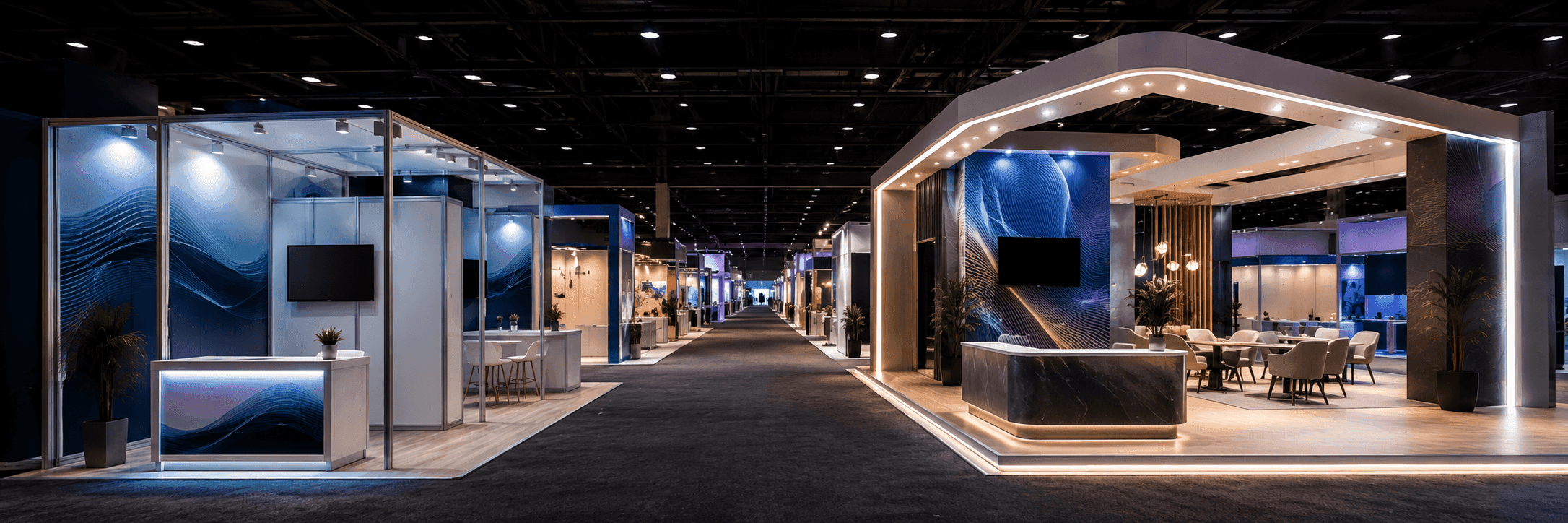
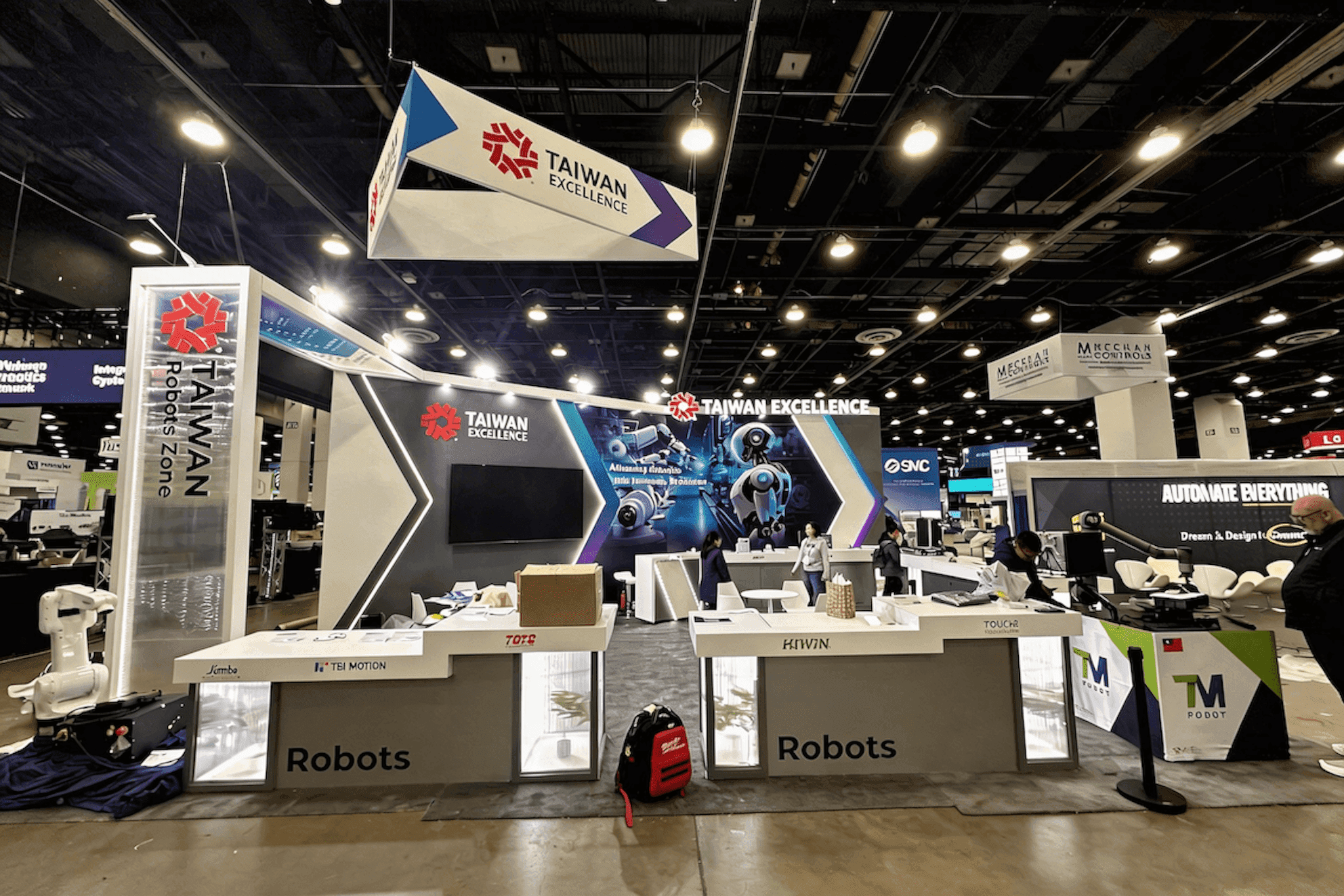
Exhibiting at specialized trade shows in Las Vegas with adapted booth strategy for niche industry audiences

Exhibiting at Specialized Trade Shows in Las Vegas: Why Strategy Must Adapt

Exhibiting at Specialized Trade Shows in Las Vegas: Why Strategy Must Adapt

Feb 16, 2026

Feb 16, 2026

Circle Exhibit Team

Industry professionals

Exhibition industry professional dedicated to delivering the latest insights and curated recommendations to you.

Exhibition industry professional dedicated to delivering the latest insights and curated recommendations to you.

Exhibiting at Specialized Trade Shows in Las Vegas: Why Strategy Must Adapt

Las Vegas is often associated with massive expos and high-visibility industry events. But beyond the headline shows lies a different layer of the exhibition ecosystem—specialized trade shows built around focused industries and highly targeted audiences.

For exhibitors, these environments operate under different performance rules. Strategy must adapt accordingly.

1) Audience Intent Is Sharper and Less Exploratory

Visitors at specialized trade shows are rarely browsing casually. They typically arrive with:

  • A defined purchasing objective

  • A narrowed vendor list

  • A strong understanding of product categories

In this setting, broad brand storytelling often gives way to clarity and specificity. Booths that attempt to “speak to everyone” can appear unfocused. Precision becomes more powerful than scale.

2) Visual Volume Is Lower—Message Density Is Higher

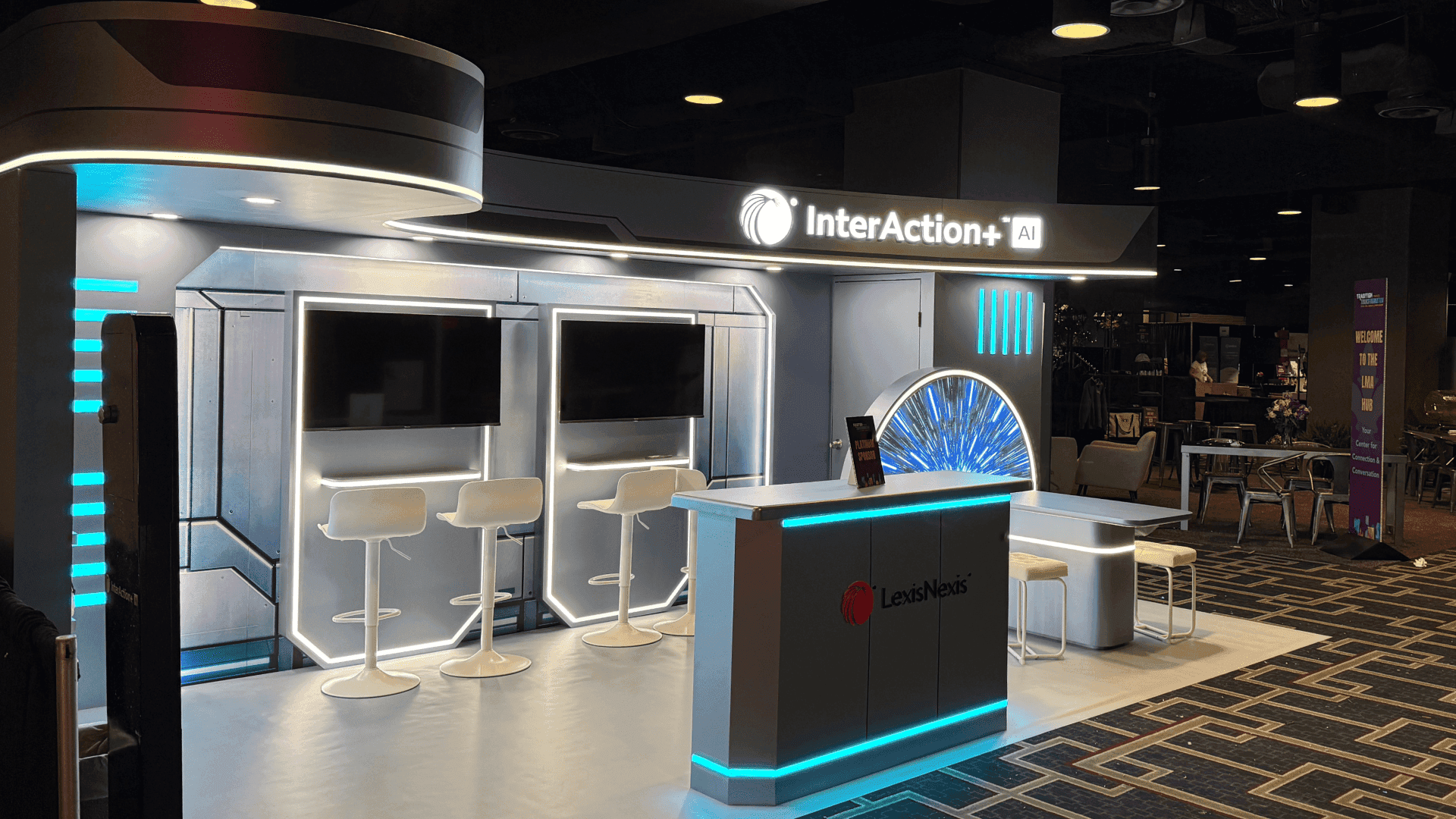
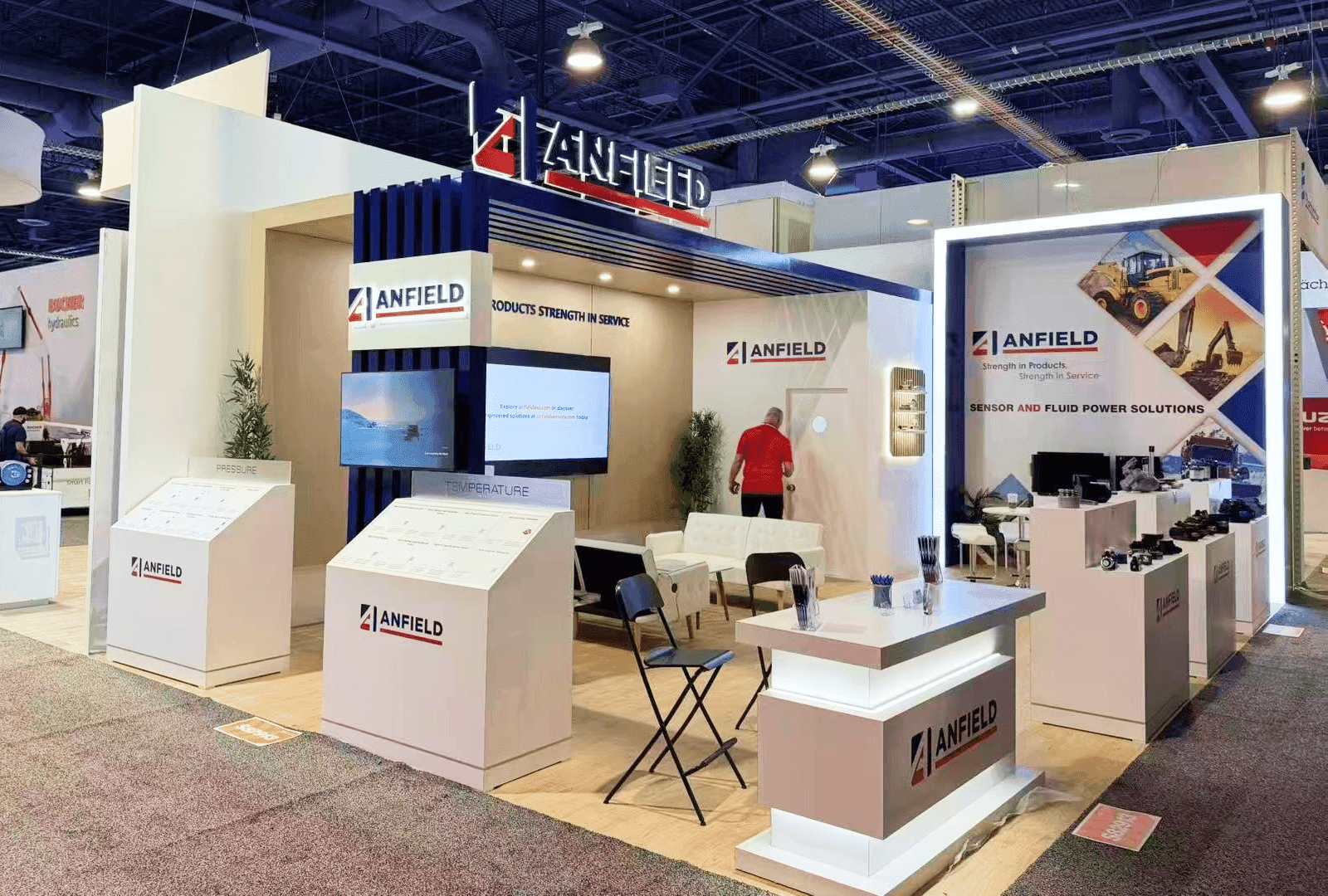
Unlike major expos where spectacle drives traffic, specialized shows often feature more restrained booth environments. Fewer distractions mean visitors evaluate content more critically.

Effective booths in these contexts:

  • Lead with one primary value proposition

  • Avoid visual clutter

  • Make demonstrations easy to understand within seconds

When the surrounding noise is lower, clarity becomes the competitive edge.

3) Conversations Matter More Than Foot Traffic

Performance metrics shift at specialized trade shows.

Instead of counting walk-bys, exhibitors often measure:

  • Depth of conversation

  • Qualification quality

  • Strategic partner discussions

  • Follow-up probability

Booth layouts should reflect that priority. Quiet discussion zones, clear entry points, and direct messaging often outperform dramatic structures.

4) Operational Discipline Is Immediately Visible

Because specialized trade shows are often smaller in scale, execution details stand out.

If freight is late, graphics misaligned, or installation incomplete, there is less environmental noise to hide behind. Visitors notice.

Operational readiness becomes part of the brand signal.

This reinforces a broader principle: exhibit performance depends not only on design, but on coordinated execution—where layout, messaging, logistics, and staffing align as a system.

5) Budget Strategy Changes in Niche Environments

Specialized trade shows typically reward:

  • Reusable booth frameworks

  • Modular display systems

  • Adaptable messaging panels

  • Flexible demonstration setups

Rather than maximizing visual impact, exhibitors benefit from optimizing efficiency and repeatability—especially when attending multiple industry-specific events in a year.

Conclusion: Adaptation Is the Competitive Advantage

Specialized trade shows in Las Vegas are not scaled-down versions of major expos. They are focused ecosystems with different behavioral dynamics and performance criteria.

Exhibitors who adapt strategy—prioritizing clarity, operational readiness, and high-quality engagement—gain disproportionate advantage in these targeted environments.
Part of Circle Exhibit Insights

Exhibiting at Specialized Trade Shows in Las Vegas: Why Strategy Must Adapt

Las Vegas is often associated with massive expos and high-visibility industry events. But beyond the headline shows lies a different layer of the exhibition ecosystem—specialized trade shows built around focused industries and highly targeted audiences.

For exhibitors, these environments operate under different performance rules. Strategy must adapt accordingly.

1) Audience Intent Is Sharper and Less Exploratory

Visitors at specialized trade shows are rarely browsing casually. They typically arrive with:

  • A defined purchasing objective

  • A narrowed vendor list

  • A strong understanding of product categories

In this setting, broad brand storytelling often gives way to clarity and specificity. Booths that attempt to “speak to everyone” can appear unfocused. Precision becomes more powerful than scale.

2) Visual Volume Is Lower—Message Density Is Higher

Unlike major expos where spectacle drives traffic, specialized shows often feature more restrained booth environments. Fewer distractions mean visitors evaluate content more critically.

Effective booths in these contexts:

  • Lead with one primary value proposition

  • Avoid visual clutter

  • Make demonstrations easy to understand within seconds

When the surrounding noise is lower, clarity becomes the competitive edge.

3) Conversations Matter More Than Foot Traffic

Performance metrics shift at specialized trade shows.

Instead of counting walk-bys, exhibitors often measure:

  • Depth of conversation

  • Qualification quality

  • Strategic partner discussions

  • Follow-up probability

Booth layouts should reflect that priority. Quiet discussion zones, clear entry points, and direct messaging often outperform dramatic structures.

4) Operational Discipline Is Immediately Visible

Because specialized trade shows are often smaller in scale, execution details stand out.

If freight is late, graphics misaligned, or installation incomplete, there is less environmental noise to hide behind. Visitors notice.

Operational readiness becomes part of the brand signal.

This reinforces a broader principle: exhibit performance depends not only on design, but on coordinated execution—where layout, messaging, logistics, and staffing align as a system.

5) Budget Strategy Changes in Niche Environments

Specialized trade shows typically reward:

  • Reusable booth frameworks

  • Modular display systems

  • Adaptable messaging panels

  • Flexible demonstration setups

Rather than maximizing visual impact, exhibitors benefit from optimizing efficiency and repeatability—especially when attending multiple industry-specific events in a year.

Conclusion: Adaptation Is the Competitive Advantage

Specialized trade shows in Las Vegas are not scaled-down versions of major expos. They are focused ecosystems with different behavioral dynamics and performance criteria.

Exhibitors who adapt strategy—prioritizing clarity, operational readiness, and high-quality engagement—gain disproportionate advantage in these targeted environments.
Part of Circle Exhibit Insights

Message

Leave your message and we will get back to you ASAP

Send a Message

We’ll Be in Touch!

Message

Leave your message and we will get back to you ASAP

If you’re ready to shape the future with us, your journey could start here.

If you’re ready to shape the future with us, your journey could start here.

If you’re ready to shape the future with us, your journey could start here.

Address:

4935 Steptoe Street #300

Las Vegas, NV 89122