IMEX America Booth Planning


How should exhibitors plan a booth for IMEX America?
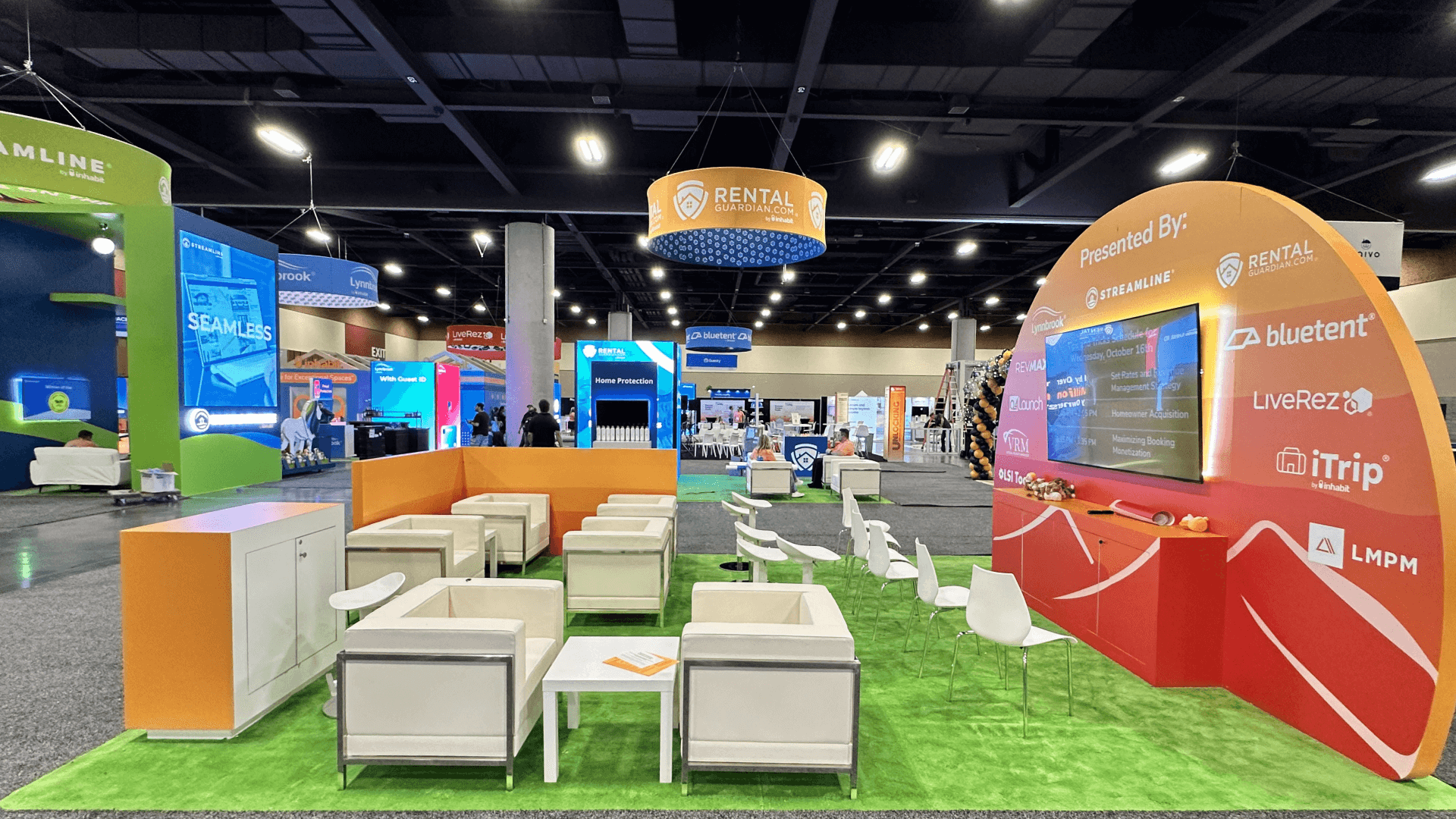
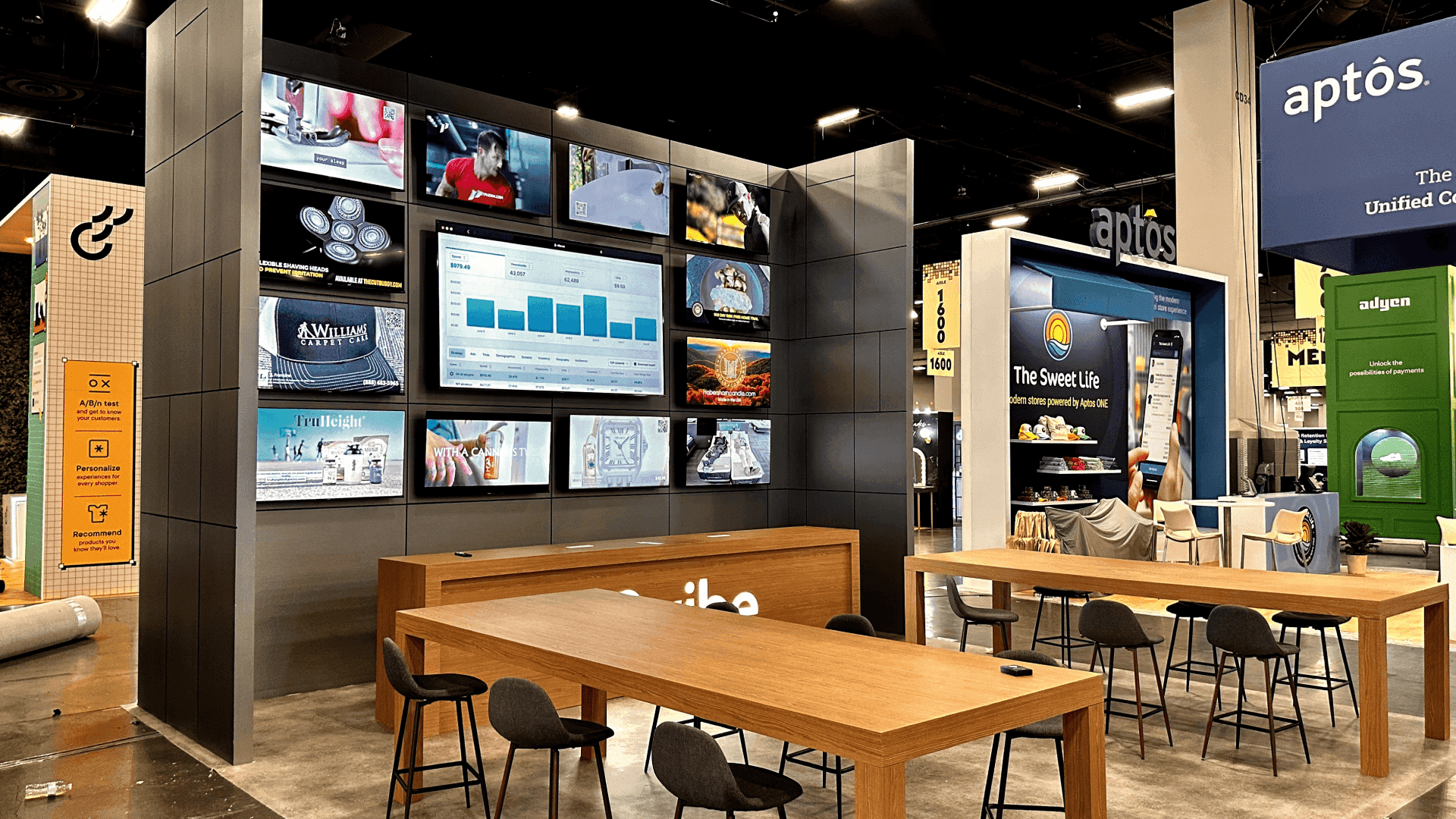
An IMEX America booth should be planned around buyer conversations rather than product display alone. Start with meeting capacity, then organize reception, semi-private seating, destination or venue storytelling, screens, storage, and lead capture around that flow. Booth size and show-site preparation should support how many conversations need to happen at the same time.
IMEX America brings destinations, hotels, venues, DMCs, event technology providers, and other business-events suppliers together with buyers looking for places, partners, services, and tools for future events. A destination or convention bureau may need to represent several venues and partners, while a hotel group may focus on property portfolios and scheduled buyer conversations. Event technology providers may rely more heavily on screens or short demonstrations. The booth plan should therefore begin with what buyers need to understand or discuss rather than with one standard IMEX layout.
Buyer-led appointments make meeting flow especially important. Reception, seating, privacy, storage, and presentation tools should support scheduled conversations without crowding the booth. Smaller meeting footprints create a different set of trade-offs; IMEX America 10x10 meeting booth planning looks more closely at seating, secondary conversations, storage, and hospitality inside a compact footprint.
At Mandalay Bay Convention Center, freight, utilities, installation, catering, internet, and AV requirements also need to be resolved before production is finalized.
Why Exhibitors Choose Circle Exhibit
Clear scope, transparent quote review, nationwide booth support, and efficient setup planning for qualified rental and custom exhibit projects.
48hr
Setup Window
10+
Years Since 2014
U.S.
Trade Show Support
Real
Booth Project Proof
There is no single best booth size for IMEX America. Start with simultaneous meetings and the number of brands or partners that need representation, then add reception, presentation, storage, and hospitality around those requirements.
A 10x10 booth is most workable when one primary conversation area, compact reception or storage, and a simple visual presentation can share the footprint without blocking circulation.
A 20x20 booth can create clearer separation between reception, several buyer conversations, presentation space, and staff circulation when appointments overlap.
A 10x20 booth gives exhibitors more room to separate a seated appointment from standing conversations, presentation tools, or practical storage.
A 20x30 booth is better suited to multiple partner identities, several meeting zones, shared presentation space, hospitality, and more substantial storage.
An IMEX booth has to work through the full exhibitor cycle, not just look right on the floor plan. Scheduled buyer meetings bring their own operating questions around overlapping appointments, walk-ins, staff handoffs, and follow-up; those issues are covered in more depth through hosted-buyer meeting planning.
The booth package and execution path matter as well. Choosing between Shell Scheme and Space Only affects how much control the exhibitor has over counters, storage, screens, partner presentation, and the finished booth scope. Once that plan is settled, approvals, freight routing, move-in, installation order, and final testing become part of the same IMEX exhibitor execution sequence.
The booth should move a buyer from recognition to conversation to follow-up, but the way that happens differs by exhibitor. Destination and venue exhibitors may need partner or property storytelling, while technology suppliers may need screen-led explanation or a short demonstration alongside the meeting space.
A scheduled buyer should be able to recognize the exhibitor, check in, and understand where the conversation begins without interrupting another meeting.
Use imagery, venue portfolios, floor plans, partner identities, or screens according to what the buyer needs to compare rather than filling the booth with unrelated display elements.
Furniture direction, spacing, and sightline control should make conversations feel focused while keeping the booth visually open.
Lead scanning, notes, collateral, gifts, and staff supplies need defined positions so one appointment can end and the next can begin cleanly.
IMEX brings destinations, hotels, venues, DMCs, event technology providers, and other business-events suppliers together with meeting and event buyers.
IMEX America 2026 takes place at Mandalay Bay, following Smart Monday on October 12.
The exhibitor experience is built around buyer-led appointments, lead capture, pre-show connections, and scheduled business conversations.
Not Sure Which Booth Size You Need?
Not every exhibitor knows whether a 10x20, 20x20, 20x30, or larger booth is the right fit. Circle Exhibit can help review your event goals, product display needs, demo areas, meeting space, storage, budget scope, and setup timeline before you choose a booth size.
Scheduled and Walk-Up Visitors Need Different Paths
Semi-Private Meetings Without Closing the Booth
1
Start With the Meeting Requirement
2
3
4
Shell Scheme for a Focused Meeting Setup
A shell scheme can work when the supplied structure and basic furniture are enough for a compact meeting-focused booth and only focused branding or presentation upgrades are needed.
Space Only + Rental for More Flexibility
A rental approach can work when exhibitors need branded walls, meeting furniture, counters, storage, and screens without building every component as a one-show custom structure. Las Vegas trade show booth rental is a natural next step for this type of setup.
Custom or Hybrid for Partner Environments
When several partners, meeting zones, hospitality functions, or a stronger architectural identity need to work together, custom trade show exhibits in Las Vegas can provide a more developed design-and-build path while keeping future reuse in the planning discussion.
Confirm the current EAC registration and booth-design approval requirements before fabrication and production are finalized.
Plan freight and installation around the official warehouse, targeted move-in, and direct-delivery schedule rather than assuming a general setup window.
Coordinate general contracting, venue utilities, internet, catering, and AV with the official providers before the booth arrives at Mandalay Bay.
Sequence crates, structures, graphics, furniture, and remaining materials so the booth can meet the show’s clean-floor and opening-readiness requirements.
Need a Meeting-Focused Booth for IMEX America?
A rental-based exhibit can work well for IMEX America when the layout needs branded meeting space, reception, screens, storage, and partner or destination presentation without building every element from scratch. The booth should be configured around buyer conversations first, then adjusted for the assigned footprint and Mandalay Bay requirements.
What should an IMEX America booth include?
Start with meeting capacity and reception, then add brand presentation, screens, practical storage, lead capture, and hospitality only where they support buyer conversations.
What booth size works best for IMEX America?
How do buyer-led meetings affect booth layout?
Should exhibitors choose Shell Scheme or Space Only?
What show-site details should IMEX exhibitors confirm early?
READY TO PLAN YOUR NEXT BOOTH?
Let’s Build a Booth That Fits Your Event
Share your event name, booth size, city, timeline, product display needs, and design references. Circle Exhibit will review your project direction and help you choose a rental-friendly or custom exhibit path.
3000+
Booth Projects Supported
50+
U.S. Event Cities
Transparent
Quote Review
Use the venue guide for Mandalay Bay-specific booth size, meeting flow, freight, utilities, logistics, and installation planning.
Use this page when fabrication, EAC coordination, installation sequencing, or Las Vegas show-site execution needs to be planned around a more developed booth structure.
Compare rental-based structures for branded meeting areas, counters, storage, screens, and reusable booth configurations.
Use this service page for freight planning, material preparation, official orders, shipment timing, and pre-show coordination.
Use this service page when destination imagery, venue messaging, partner identities, branded walls, and aisle-facing information hierarchy need to work as one presentation system.