FABTECH Job Shop and Contract Manufacturing Booth Planning



How should job shops plan a booth for FABTECH?
A FABTECH job shop booth should show what the company can manufacture and whether it fits the buyer’s project. Finished parts, materials, processes, tolerances, quality proof, capacity, and industry experience should lead into a focused discussion about drawings, quantities, timelines, inspection needs, and RFQ follow-up.
FABTECH job shops and contract manufacturers sell production capability rather than a single machine. Buyers need to understand which materials and processes the supplier handles, the tolerances and production volumes it supports, and whether its quality systems and available capacity fit the project.
The booth should lead from a clear capability message into finished-part review, supplier qualification, drawing discussion, and RFQ intake. The FABTECH 2026 booth planning guide covers the wider event strategy, while this page focuses on manufacturing evidence, quality proof, sensitive technical conversations, and buyer follow-up for job shops and contract manufacturers.
Parts, capability graphics, meeting space, secure storage, and LVCC setup need to work as one plan. Las Vegas manufacturing exhibit design and build support can coordinate those physical requirements, while the 20x20 booth size planning guide helps determine whether sample groups, supplier discussions, RFQ intake, and storage can share the footprint comfortably.
Why Exhibitors Choose Circle Exhibit
Clear scope, transparent quote review, nationwide booth support, and efficient setup planning for qualified rental and custom exhibit projects.
48hr
Setup Window
10+
Years Since 2014
U.S.
Trade Show Support
Real
Booth Project Proof
Choose the footprint from the number and size of finished parts, qualification evidence, buyer discussions, drawing reviews, storage, and meeting privacy.
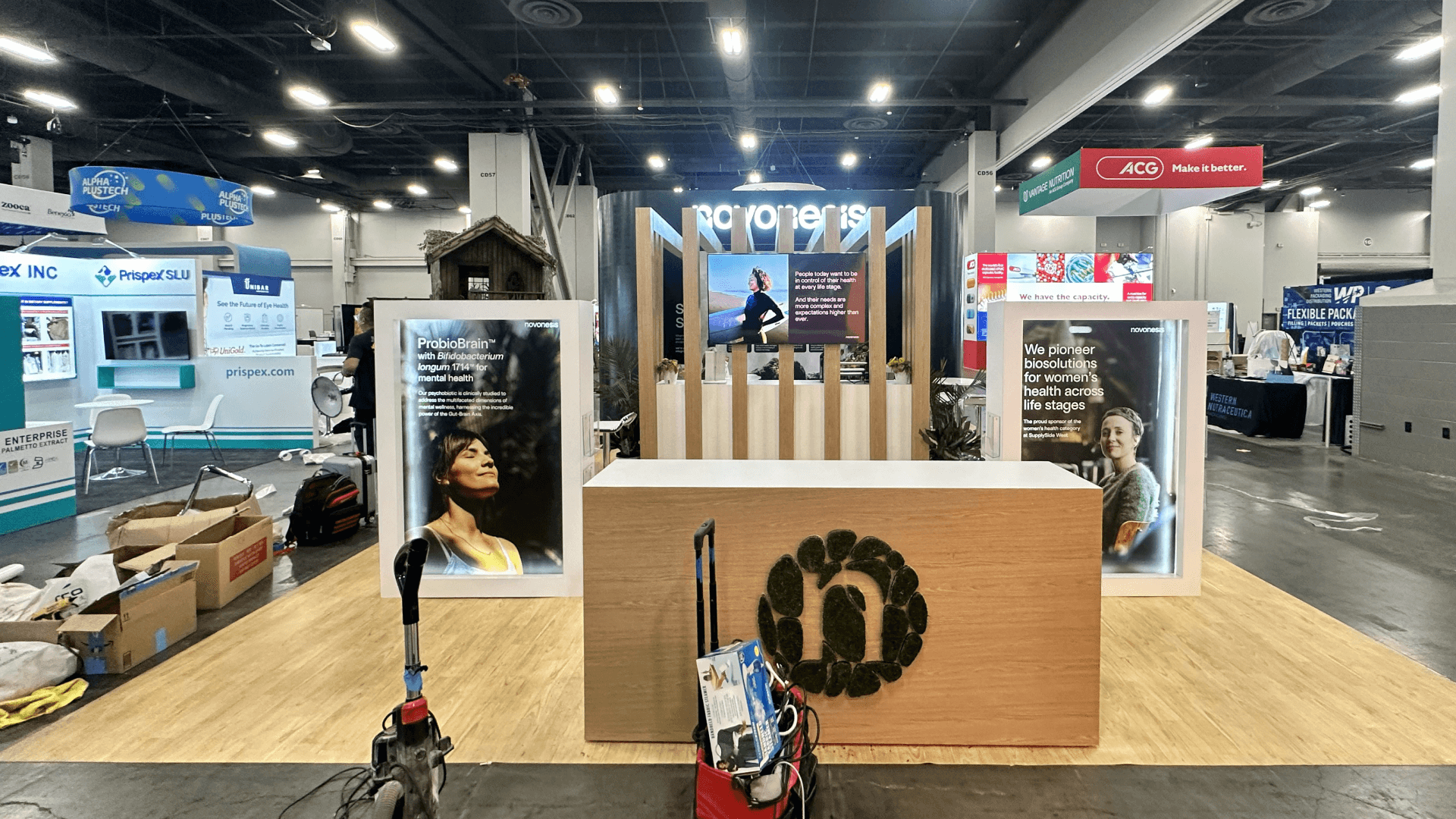
A 10x10 booth works for one main capability, a selected group of parts, concise graphics, reception, and short buyer conversations.
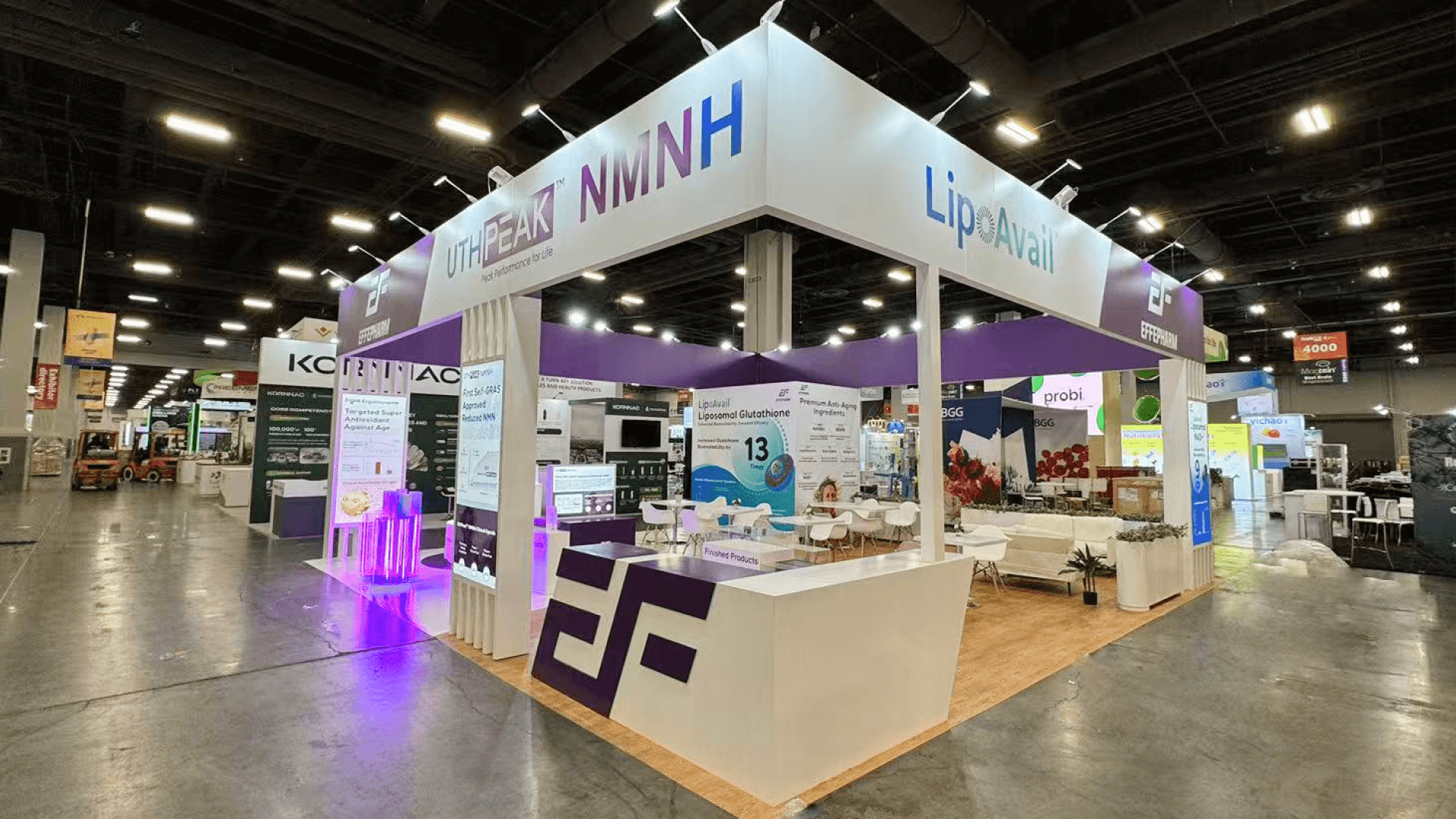
A 20x20 booth can support several sample groups, quality proof, application graphics, reception, supplier discussions, and enclosed storage.
A 10x20 booth adds room for grouped parts, capability graphics, one screen, short RFQ discussions, and protected storage.
A 20x30 booth provides more room for larger parts, inspection content, private drawing review, several buyer conversations, and expanded storage.
A job shop may present contract manufacturing services alongside automation, machinery, software, or inspection technology. The FABTECH Pavilion selection guide helps determine whether Job Shop should remain the primary category or another Pavilion better matches the offer buyers will evaluate.
The booth should show what the company can produce, where it fits, and what information is needed for the next RFQ step.
Lead with the materials, processes, part types, tolerances, volumes, and markets that define the manufacturing fit.
Label samples with enough material, process, application, and result information to support a useful conversation.
Use certifications, inspection methods, process controls, available capacity, production ranges, and relevant industry experience to show whether the shop fits the buyer’s requirements.
Provide a defined place to review drawings, discuss quantities and tolerances, protect sensitive information, and record the next RFQ step.
FABTECH includes a dedicated area for job shops, fabricators, and contract manufacturers presenting production capabilities and finished parts.
The event runs October 21–23, 2026, at the Las Vegas Convention Center, connecting manufacturing suppliers with buyers across the industry.
Visitors include plant managers, engineers, sourcing teams, quality leaders, production teams, and buyers evaluating contract manufacturing partners.
Not Sure Which Booth Size You Need?
Not every exhibitor knows whether a 10x20, 20x20, 20x30, or larger booth is the right fit. Circle Exhibit can help review your event goals, product display needs, demo areas, meeting space, storage, budget scope, and setup timeline before you choose a booth size.
Giving Parts Context
Serving Different Markets
1
Choose the Lead Capability
2
3
4
Rental for a Focused Capability
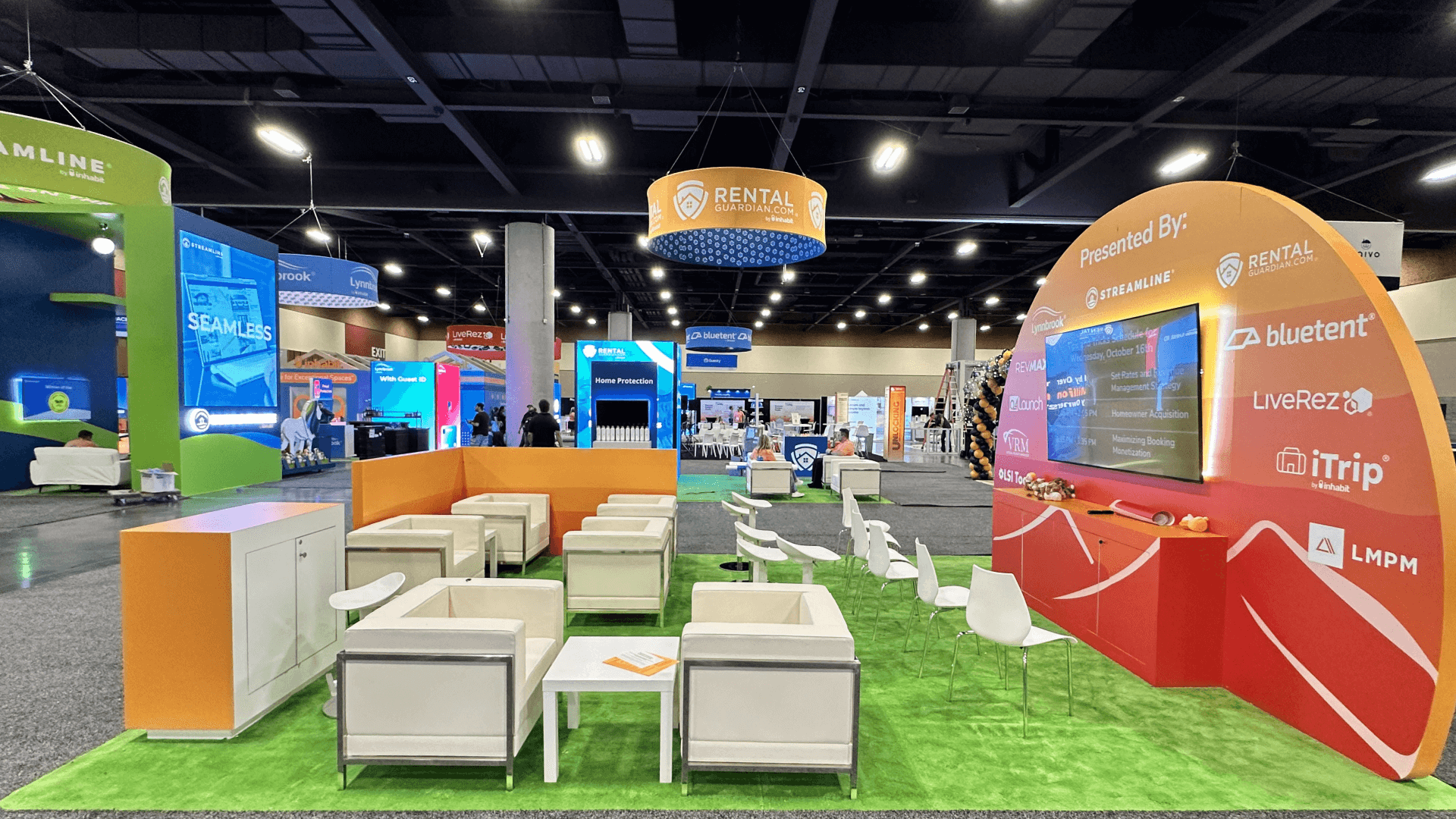
A Las Vegas rental booth can support selected parts, graphics, one screen, reception, buyer conversations, and storage.
Custom Build for a Broader Story
Custom fixtures fit heavy or irregular parts, several application zones, private drawing review, or a reusable branded system.
Hybrid for Parts and Meetings
Combine rental walls, counters, screens, meetings, and storage with custom sample mounts and quality displays.
Pack precision samples, display fixtures, inspection items, and sensitive documents separately.
Arrange parts, capability graphics, quality proof, and meetings in the order buyers will use them.
Check part weights, mounting, labels, lighting, screens, furniture, and storage before production.
Test the path from capability recognition and part review to drawing discussion, data capture, and RFQ follow-up.
Planning a Rental Booth for a FABTECH Job Shop?
A Las Vegas rental booth can support finished-part displays, capability graphics, supplier discussions, RFQ intake, and protected storage. Confirm the sample quantity, fixture requirements, meeting privacy, and reuse plan before selecting the structure.
What should a FABTECH job shop booth include?
Include selected parts, capability messaging, material and process information, quality proof, meeting space, RFQ intake, and storage.
What booth size works for a job shop?
How should finished parts be displayed?
Does a job shop need private meeting space?
What information should be collected for an RFQ?
READY TO PLAN YOUR NEXT BOOTH?
Let’s Build a Booth That Fits Your Event
Share your event name, booth size, city, timeline, product display needs, and design references. Circle Exhibit will review your project direction and help you choose a rental-friendly or custom exhibit path.
3000+
Booth Projects Supported
50+
U.S. Event Cities
Transparent
Quote Review
Plan parts, capability messaging, quality information, meetings, storage, graphics, and LVCC setup as one buyer journey.
Compare modular structures for samples, reception, screens, buyer conversations, graphics, and storage.
Develop clearer capability graphics, process explanations, part labels, quality proof, and application messages.
Evaluate space for sample groups, capability graphics, reception, RFQ discussions, screens, and storage.
Plan larger parts, private drawing review, several buyer conversations, quality content, and expanded storage.