ABCA Expo Theater Presenter Booth Planning

How should the ABCA Expo Theater and the exhibitor booth work together?
Use the Expo Theater for broad education, group presentation, and an initial demonstration. The booth should then give interested coaches something more specific to do—inspect the product, try it, see deeper results, compare options, ask a specialist, or continue the conversation. The second experience should move forward instead of repeating the first.
An ABCA Expo Theater presenter is planning for two different parts of the attendee experience. The Theater can introduce the product, technology, or broader idea to a group, while the booth should give interested coaches something more specific to examine, try, or discuss afterward.
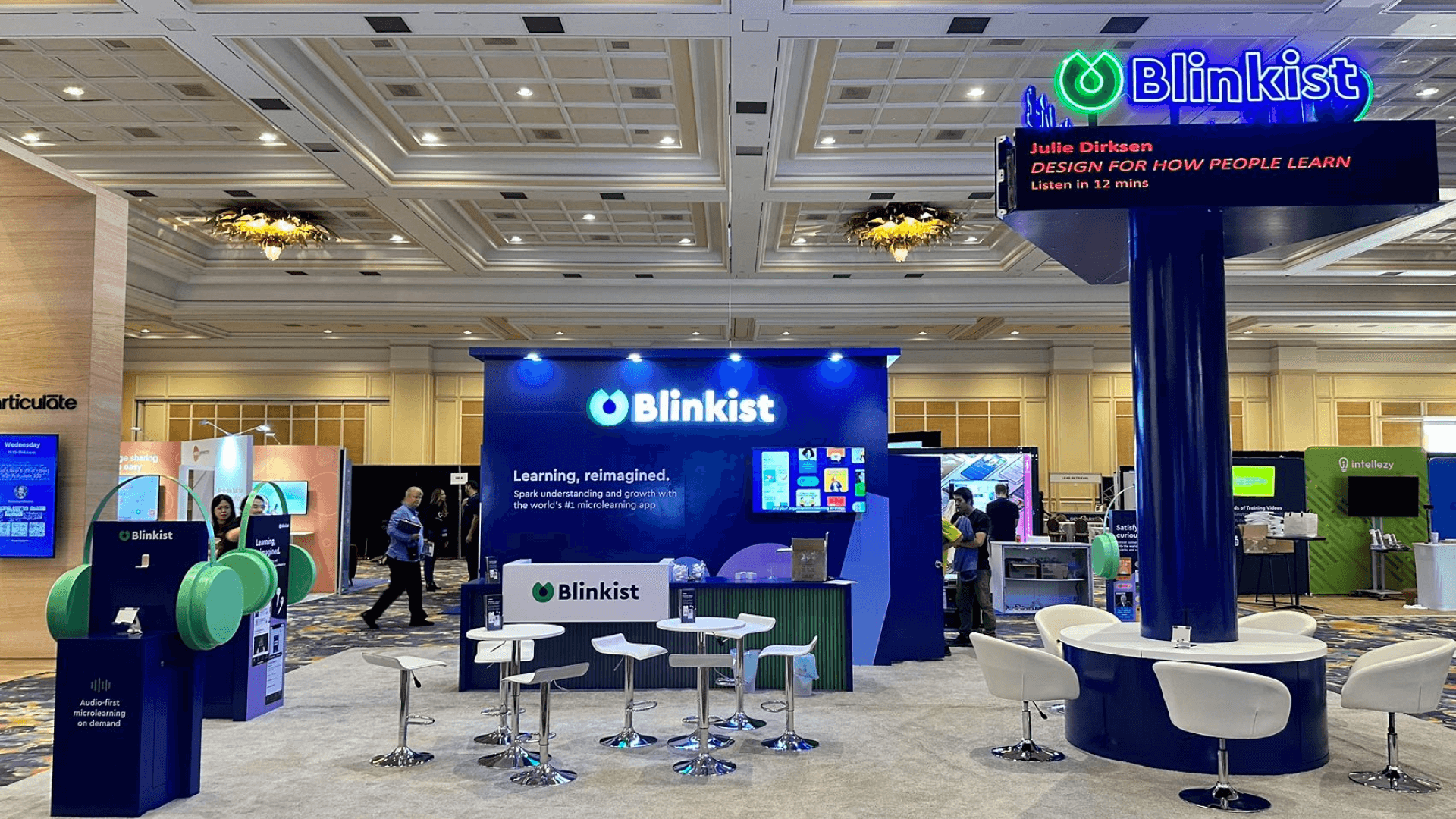
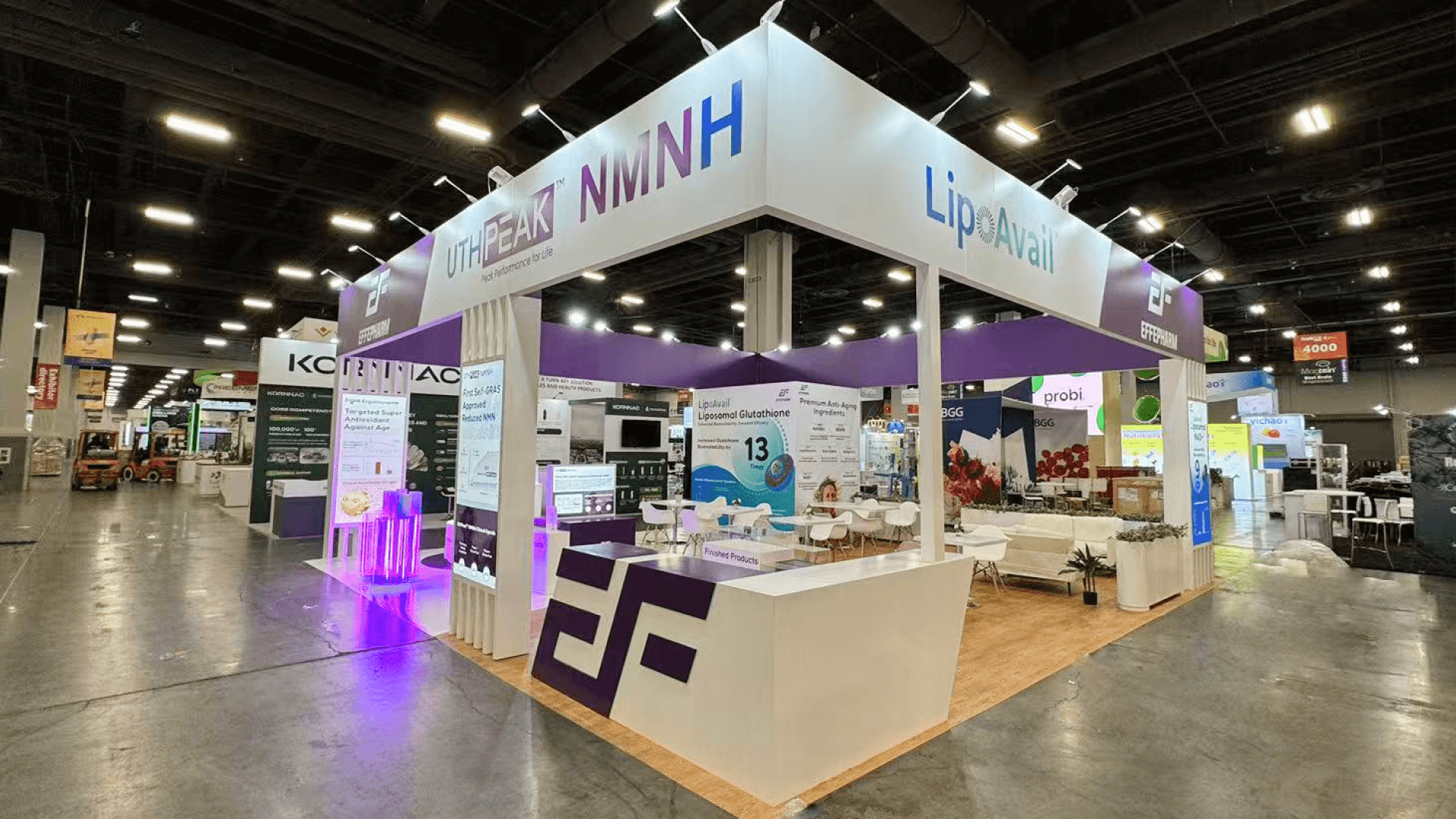
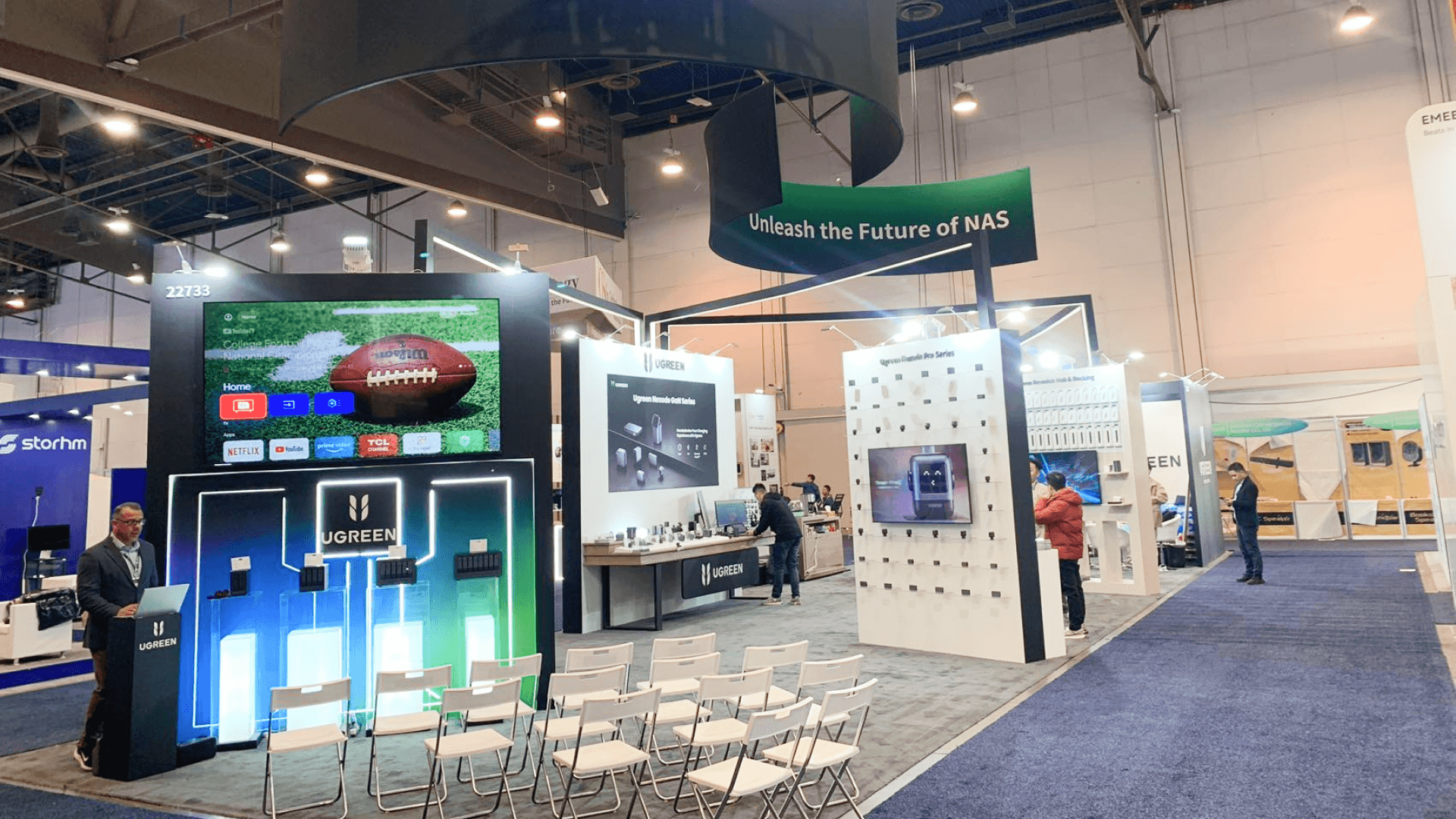
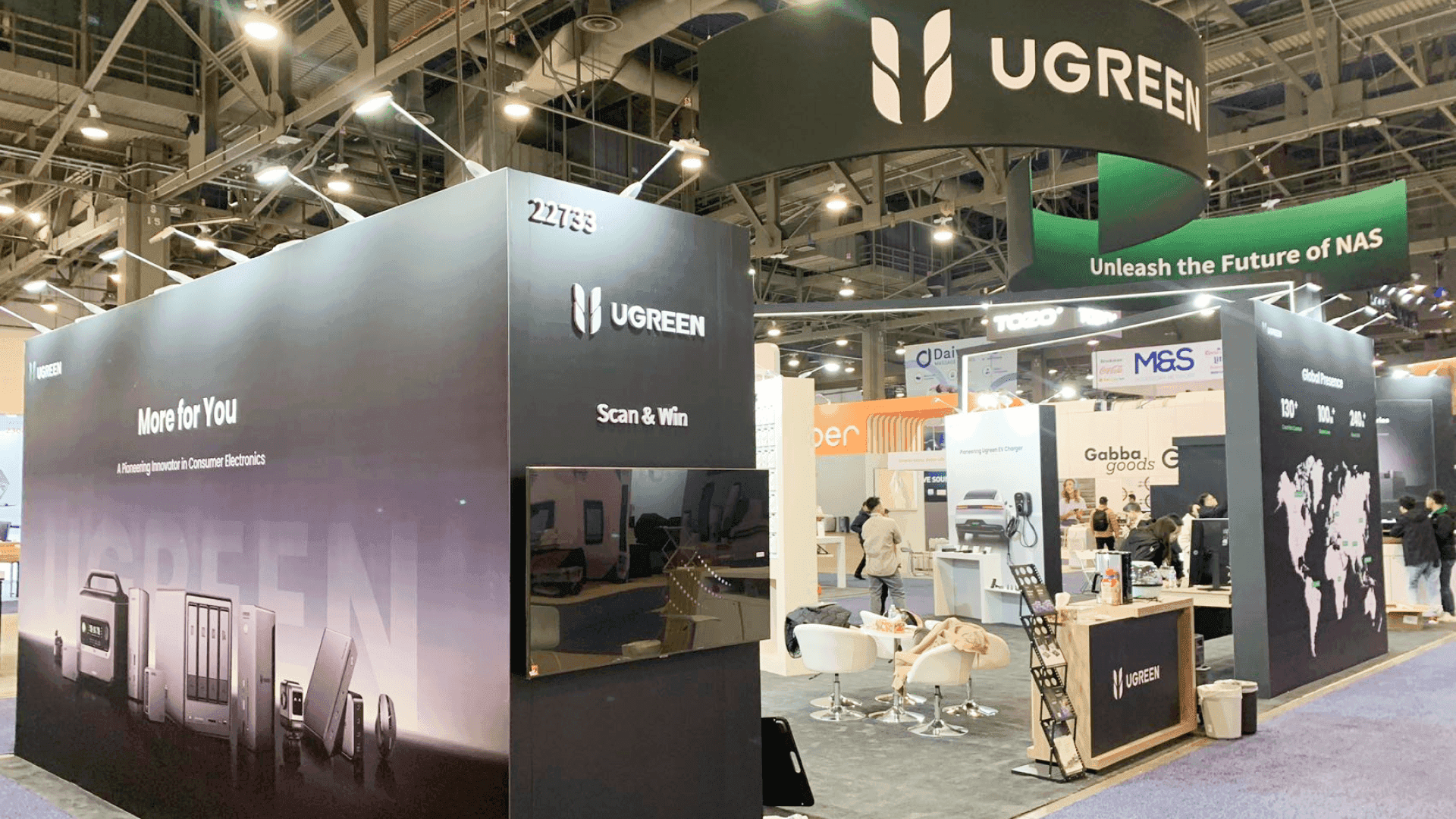
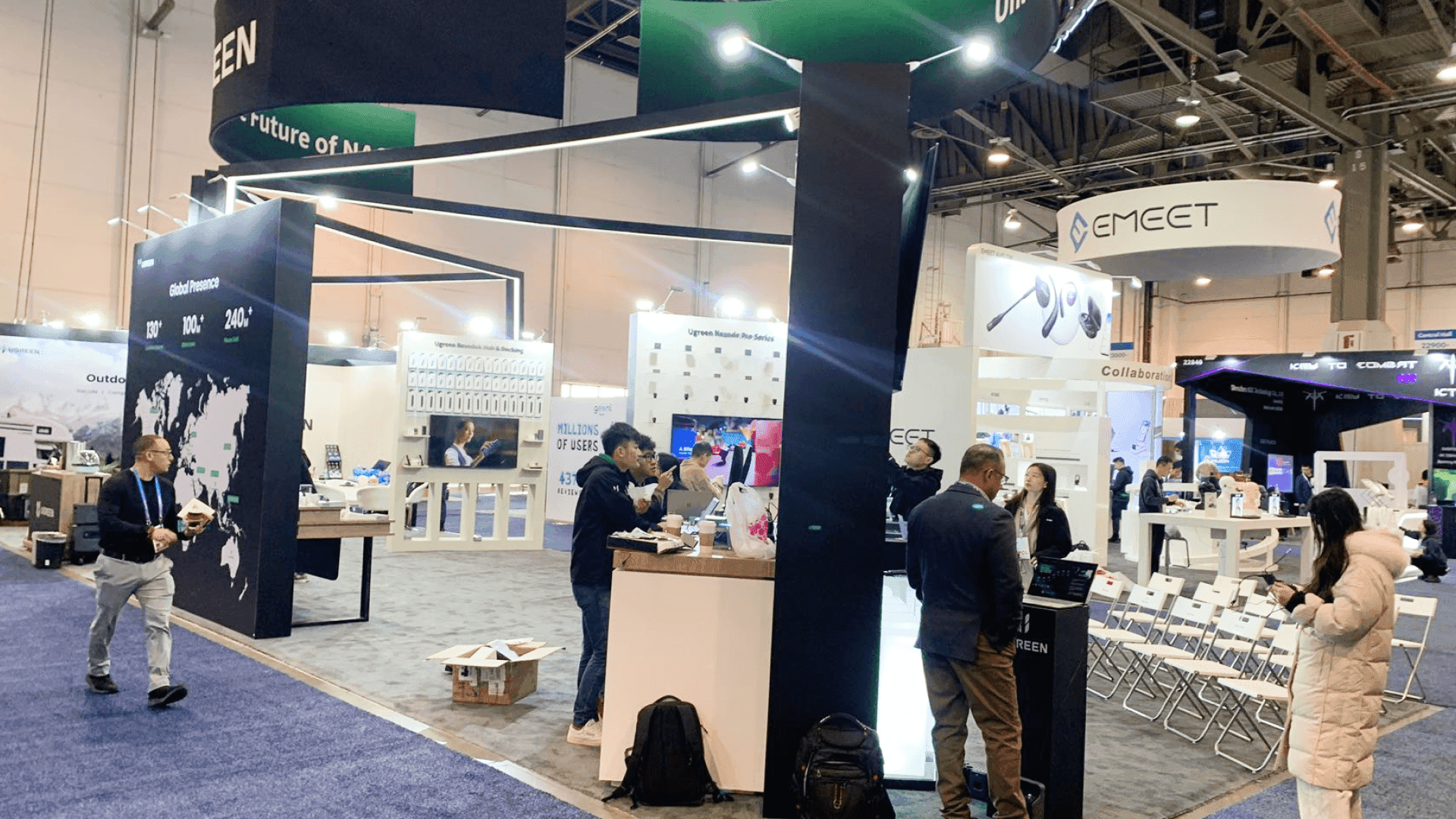
Because the Theater already handles the group presentation, the booth can use more of its footprint for product evaluation and follow-up. A focused setup may fit in a 10x20, while a 20x20 booth layout gives hands-on interaction, specialist questions, and one-to-one conversations more room without recreating the Theater inside the booth. Those choices still need to fit the broader ABCA Convention booth plan, including product display, storage, visitor flow, and other event-level priorities.
At McCormick Place, the booth and Theater session also need to work around the same show schedule. Staffing, shared products or media, specialist availability, and the period immediately after the presentation should be coordinated before show opening.
Why Exhibitors Choose Circle Exhibit
Clear scope, transparent quote review, nationwide booth support, and efficient setup planning for qualified rental and custom exhibit projects.
48hr
Setup Window
10+
Years Since 2014
U.S.
Trade Show Support
Real
Booth Project Proof
Expo Theater participation does not automatically require a larger booth. Size the footprint around the individual product work, specialist questions, and conversations that remain after group presentation happens elsewhere.
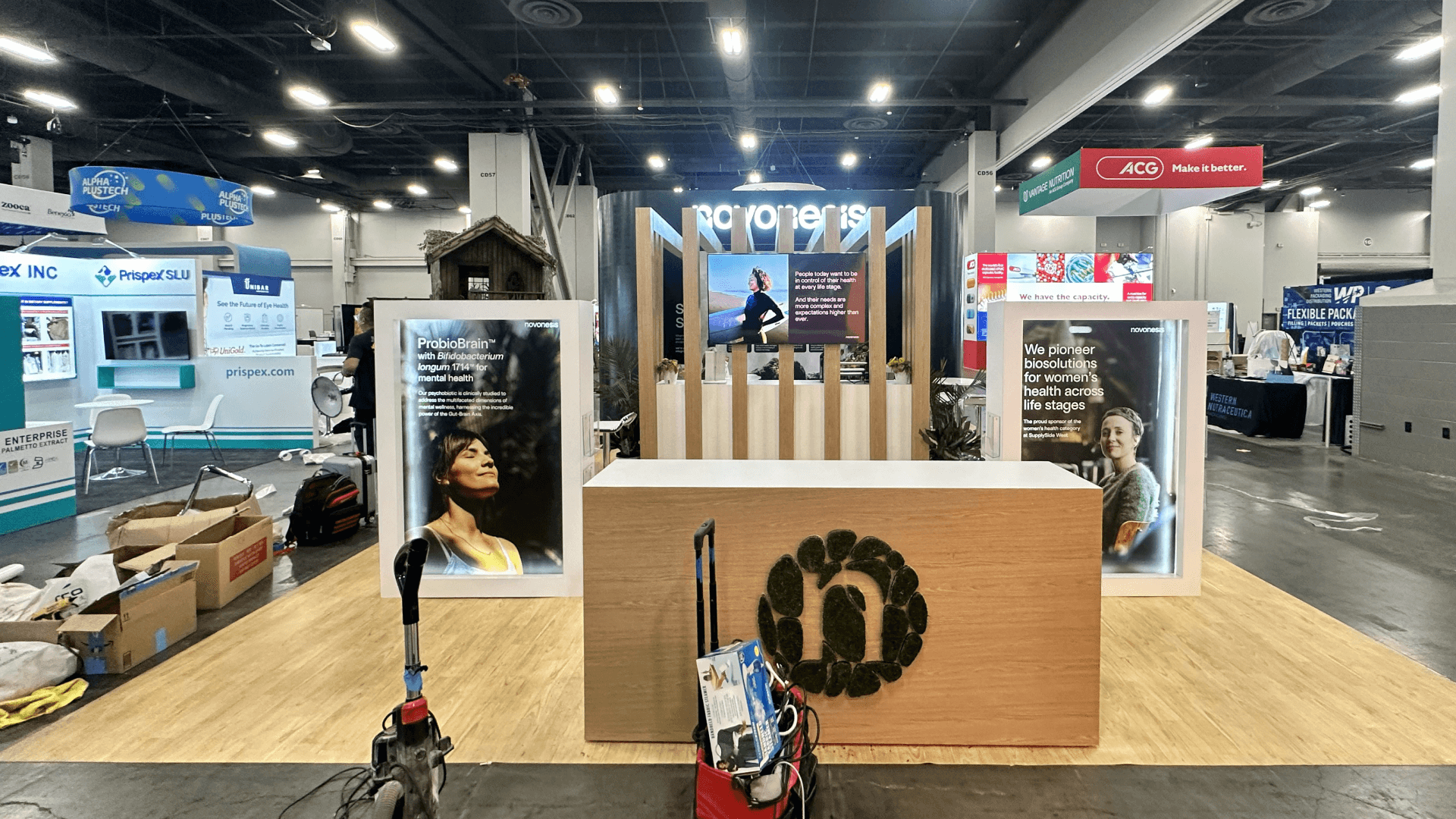
A 10x20 booth can work when the Theater carries the main presentation and the booth focuses on one product, inspection, short hands-on interaction, and specialist questions.
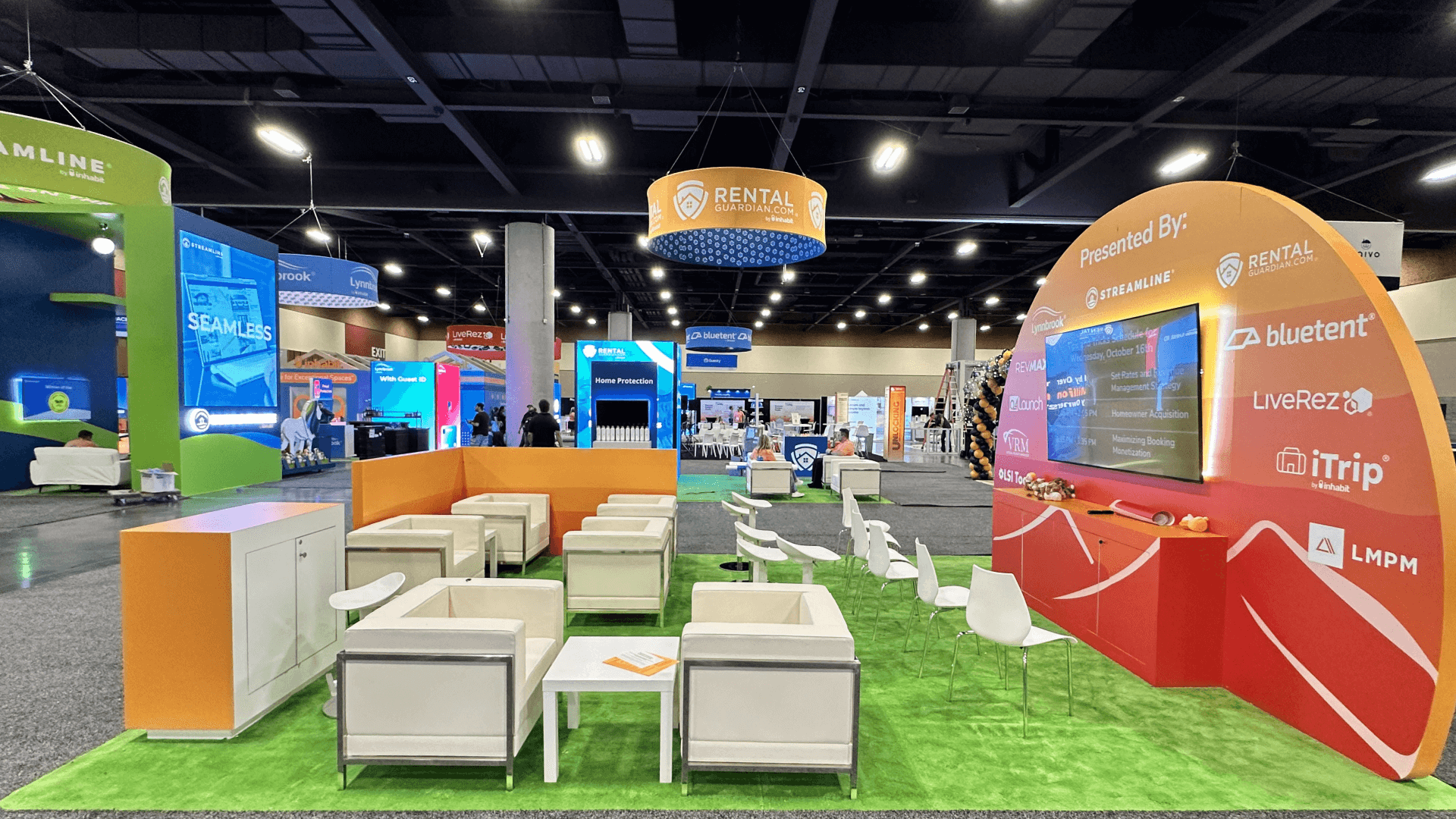
A 20x30 booth becomes useful when attendees may move into separate product lines, deeper demos, specialist discussions, or meetings.
A 20x20 booth gives several attendees room to move from the session into product review, hands-on interaction, detailed questions, and follow-up.
A larger footprint makes sense when the booth still needs complex product environments, several evaluation areas, large displays, or significant meeting functions.
Expo Theater participation can extend a product story beyond the booth, but the presentation works best when the underlying offer already matches the needs of baseball coaches and program teams. Before deciding how the Theater session and booth should divide the attendee experience, exhibitors can use the ABCA exhibitor-fit guide to confirm that the product, audience, and in-person interaction are strong enough to justify that next layer of planning.
The booth should quickly show what an attendee can see, try, compare, or discuss there that was not already completed during the Theater session.
Make the next action concrete: inspect the product, try it, see detailed results, compare options, or speak with someone who can answer a specific question.
Use the booth for product variations, hardware, application-specific information, supporting data, or use cases that are too detailed for a group presentation.
Turn the broad session into a more personal interaction where a coach can examine, operate, compare, or discuss the product in a real program context.
Make it clear how an interested coach can move into a specialist conversation, option comparison, program discussion, or post-show follow-up.
Presenters have two different moments with attendees: a group presentation in the Theater and a separate product or conversation experience at the booth.
The ABCA Convention runs January 7–10, 2027 at McCormick Place, with Expo Theater programming connected to the Trade Show period.
The Expo Theater centers on exhibitor presentations, live demonstrations, baseball technology, products, and industry conversations that can continue at the booth.
Not Sure Which Booth Size You Need?
Not every exhibitor knows whether a 10x20, 20x20, 20x30, or larger booth is the right fit. Circle Exhibit can help review your event goals, product display needs, demo areas, meeting space, storage, budget scope, and setup timeline before you choose a booth size.
Give Attendees a Reason to Find the Booth
Cover the Booth While the Presenter Is Away
1
Decide What the Theater Will Cover
2
3
4
Rental When the Theater Carries the Big Story
A Chicago trade show booth rental works well when the booth mainly needs focused product display, hands-on evaluation, branded surfaces, storage, and one-to-one follow-up.
Hybrid When Product Evaluation Needs a Specialized Element
Keep the main structure reusable and add custom fixtures, branded elements, or evaluation stations only where the product experience requires them.
Custom When the Booth Still Has Its Own Complex Environment
Custom fabrication makes more sense when the booth itself needs integrated products, large displays, complex interaction areas, distinctive architecture, or a long-term multi-show system.
Schedule enough staff to keep product display, demos, and visitor conversations running while the presenter is away at the Theater.
Products, specialists, evaluation space, and relevant materials should already be ready when interested attendees leave the session.
If the same products, media, equipment, or people are needed in both places, confirm where each must be and when so one activity does not disrupt the other.
Not every attendee will visit immediately, so graphics and staff should preserve enough context for someone who arrives later and wants to continue the discussion.
Rental Booths for ABCA Expo Theater Presenters
When the Expo Theater handles the main group presentation, the booth can focus on product evaluation, hands-on interaction, specialist conversations, and follow-up. A flexible rental layout can support those functions without rebuilding the same presentation environment inside the booth.
Should the booth repeat the ABCA Expo Theater presentation?
Usually no. Let the Theater establish the broad idea or demonstration, then use the booth for product detail, individual evaluation, specific questions, or follow-up.
What should attendees be able to do at the booth after an Expo Theater session?
How should booth staffing change around an Expo Theater presentation?
Does an Expo Theater presenter still need presentation space inside the booth?
Should the same demonstration be used in both the Theater and the booth?
READY TO PLAN YOUR NEXT BOOTH?
Let’s Build a Booth That Fits Your Event
Share your event name, booth size, city, timeline, product display needs, and design references. Circle Exhibit will review your project direction and help you choose a rental-friendly or custom exhibit path.
3000+
Booth Projects Supported
50+
U.S. Event Cities
Transparent
Quote Review
For the wider event-planning context, ABCA Convention Booth Planning covers product priorities, booth size, storage, visitor flow, and broader execution decisions.
This footprint is especially relevant when group presentation happens in the Theater and the booth needs room for individual evaluation, specialists, and follow-up conversations.
Local execution becomes important when installation, staffing, equipment readiness, and Theater timing have to work together at McCormick Place.
A rental system can work well when the Theater carries most group storytelling and the booth mainly needs product display, evaluation, conversation space, graphics, and storage.