What Makes a Company a Strong Fit for ABCA?
A strong case for exhibiting starts with audience relevance and in-person value. The product or service should address a need that baseball coaches, program leaders, or player-development teams recognize, and the show should give them a better way to understand or evaluate it than digital information alone.
The interaction also needs somewhere useful to go. A coach may inspect a product, try a training tool, review a result, compare alternatives, or ask a focused program question. When that short interaction can develop into a technical discussion, product comparison, purchasing conversation, or follow-up, the reason to exhibit becomes much clearer.
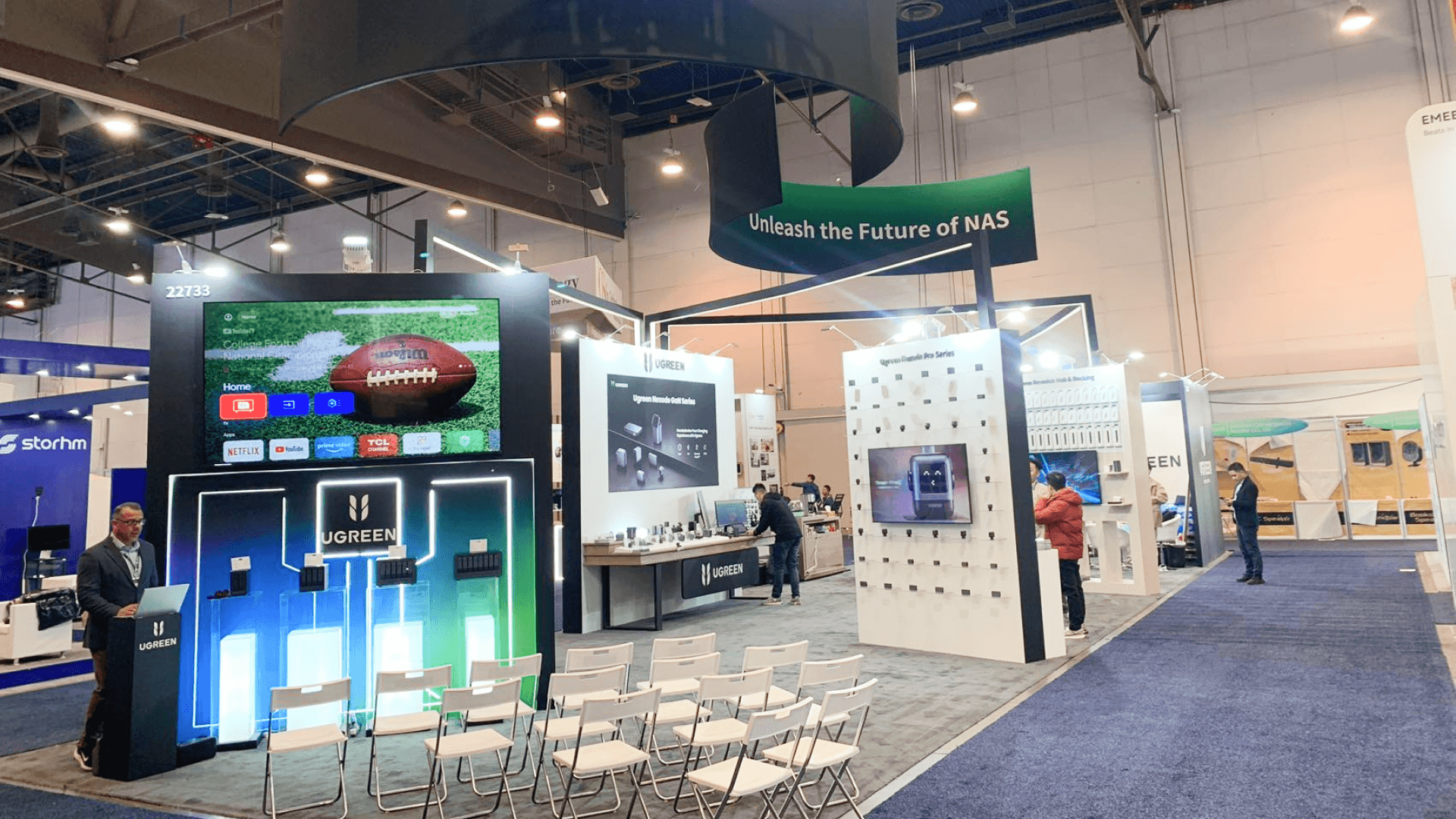
A well-planned ABCA booth should give coaches a clear reason to inspect, compare, try, or discuss the product in person.
Which Types of Exhibitors Fit the ABCA Audience?
Different product categories create different reasons for a coach to stop. The important question is not whether every exhibitor needs the same booth format, but what the visitor should be able to learn, evaluate, or discuss in person.
Baseball Equipment
Equipment brands are a natural match when physical evaluation adds information that is difficult to get online. Coaches may want to inspect construction, handle the product, compare options, or ask practical questions about durability, fit, use, or program requirements. The value comes from giving the coach a better basis for evaluation rather than simply placing more products on display.
Training Products
Training products work well when the use case matters as much as the product itself. A coach may need to try the tool, watch a short demonstration, or understand how it fits into a practice routine or player-development program. The interaction only needs to make that application clearer than a static explanation would.
Baseball Technology
Technology companies have a stronger case when the product becomes easier to understand after a coach sees an action produce a measurement, video, tracking result, or other performance output. When live demonstration becomes central to the evaluation, ABCA technology demo planning covers how that demonstration should operate on the show floor.
Some products also benefit from broader education or live presentation before the individual booth conversation begins. In that situation, ABCA Expo Theater planning focuses on how the Theater session and booth can play different roles without repeating the same experience.
Apparel and Field Products
Apparel and field-product exhibitors are often a good match when physical review helps coaches make a better decision. Materials, fit, product variations, specifications, and intended applications may all be easier to assess in person, making browsing, comparison, and practical discussion more valuable than a complex demonstration.
Services
Service companies need a closer audience check because there may be less to evaluate physically. The opportunity is stronger when the service addresses a recognizable baseball-program need and a short conversation can establish relevance quickly; if the real decision-maker sits outside coaching or program operations, the case for exhibiting may be weaker.
When ABCA May Be a Weaker Fit
ABCA deserves a closer review when the people evaluating or purchasing the offer are not primarily baseball coaches, program leaders, or professionals involved in baseball operations. A company can serve the baseball market while depending on buyers concentrated in retail, manufacturing, facility procurement, media, or another channel. The case is also weaker when face-to-face evaluation adds little beyond what buyers can already understand online.
A clear baseball-program connection matters just as much. Broad sports relevance does not automatically create a useful booth conversation, especially when the offer has little connection to coaching, training, equipment, field operations, player development, or program needs. ABCA is more compelling when a visitor has something specific to evaluate or discuss rather than simply a brand to notice.
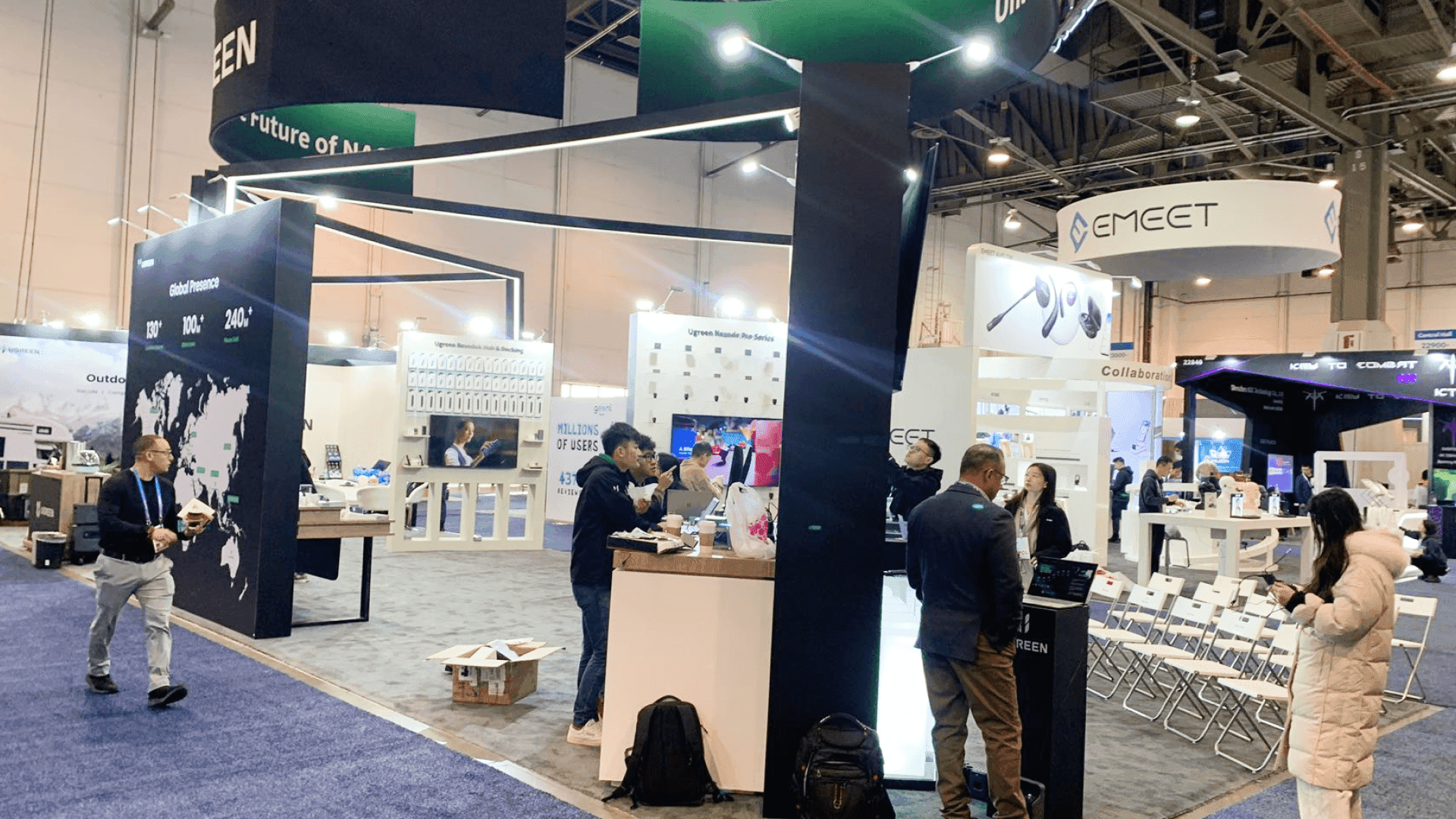
Baseball technology exhibitors gain more value when coaches can connect a live action with the resulting data, video, or performance output.
Match the Product to the Coach Interaction
The table below summarizes the main fit signals and the kind of in-person interaction each category should support.
Company Type | Strong Fit Signal | Coach Should Be Able to… |
|---|---|---|
Baseball Equipment | Physical evaluation reveals details that are difficult to judge online | Inspect, handle, and compare |
Training Products | The use case becomes clearer through direct interaction | Try the product and discuss how it fits training |
Baseball Technology | Value becomes clearer through action, data, video, or performance output | See the action, understand the result, and ask questions |
Apparel | Materials, fit, assortment, or product differences benefit from physical review | Browse, compare, and review options |
Field Products | Application and specifications influence program use | Review the product and discuss where it fits |
Services | Program relevance can be established through conversation | Explain a need and determine whether a deeper discussion is useful |
What to Decide Before Booth Planning Begins
Before moving into booth planning, confirm three things:
What deserves to be shown in person. Choose the product, tool, technology, or service that gains the most from face-to-face evaluation.
What the coach should do with it. Define the primary action: inspect, try, compare, review a result, or discuss a program need.
What should happen after interest is established. Decide whether the next step is a product question, specialist discussion, comparison, contact capture, or post-show follow-up.
Once those decisions are clear, product display, visitor flow, storage, footprint, and build choices become part of ABCA booth planning.
FAQ
Is ABCA a good fit for baseball technology companies?
It can be, especially when coaches benefit from seeing the technology work in context. Products involving measurements, video, tracking, or performance data often gain more value when the visitor can connect the action with the result.
Do exhibitors need a live demo to be a good fit for ABCA?
No. A live demo is useful only when it improves understanding. Equipment, apparel, field products, and many training products can still be strong matches because coaches benefit from inspecting, handling, comparing, or discussing them in person.
Can service companies benefit from exhibiting at ABCA?
Yes, when the service addresses a recognizable need for coaches or baseball programs and can lead to a focused conversation. The match is weaker when the real decision-maker sits outside the coaching or program audience.