Work Backward From Move-In
The show opening date is not the most useful endpoint for booth planning because the exhibit has to be ready earlier, when freight reaches show site and installation begins. The working sequence is:
Move-in ← installation readiness ← freight arrival ← production or prebuild ← graphics release ← scope approval ← design
If scope approval slips, graphics and production lose time. If production slips, freight and installation lose time. Every range below is therefore measured in weeks before move-in.

A Las Vegas booth rental timeline works best when each design, approval, production, and freight decision is planned backward from move-in.
Las Vegas Booth Rental Timeline
These ranges are planning baselines rather than fixed deadlines. Current exhibitor manuals, warehouse windows, service-order deadlines, technical requirements, and project complexity can move individual decisions earlier.
12–16+ Weeks Before Move-In: Define the Booth Scope and Start Design
The first job is to turn a general idea into a workable booth brief. Confirm the show and venue, booth size, booth number if available, open sides, primary visitor task, product or demo requirements, meeting needs, storage, major screen or AV direction, and working budget. Pull the current exhibitor information as soon as it becomes available so unusually early service or submission deadlines do not appear later as surprises.
The booth does not need to be fully detailed yet, but the team should know enough to develop and price a real concept. If the plan already depends on substantial fabrication, engineering, or structural customization, settle the rental vs. custom build direction before the schedule becomes tied to the wrong production path. By the end of this window, the scope should be specific enough for meaningful design development, pricing, and review.
8–12 Weeks Before Move-In: Approve the Layout and Written Scope
The project should now move from concept development into approval. The major layout, structure, rental components, counters, storage, graphic surfaces, monitors, product integration, AV scope, and any planned overhead elements should be defined well enough that the rendering and written proposal describe the same exhibit.
This is also the point to assign responsibilities. A rendering can look finished while freight, electrical, AV, installation, or other services remain unclear in the written scope. The booth rental proposal checklist is most useful at this approval stage. Once the rendering, written scope, and responsibility assignments are aligned, graphics, technical planning, and production can move forward without reopening the layout.
6–8 Weeks Before Move-In: Lock Graphics, Technical Requirements and Freight Strategy
By this stage, unresolved design questions should no longer be holding up graphics or major technical decisions. Graphic dimensions, copy, artwork direction, and production surfaces should be stable enough for proofing and file release. Once those dimensions are reliable, the booth graphics planning guide can help check artwork readiness and production fit before files go into production.
Technical requirements should also be defined, including monitors or LED displays, power, internet, lighting, rigging where applicable, and powered product demonstrations. At the same time, confirm the freight strategy: advance warehouse delivery, where freight is received before direct-to-show delivery; direct-to-show shipping; separate product or equipment shipments; special-handling needs; and the relevant receiving windows or service deadlines in the current exhibitor manual. Shipping may still be ahead, but the freight plan should no longer depend on another major layout revision.
4–6 Weeks Before Move-In: Move Into Production and Installation Readiness
At four to six weeks, the project should be working from an approved plan rather than returning to major design questions. Rental components should be allocated, graphics should be in production, required custom pieces should be underway, and any prebuild or quality-control checks should be scheduled. AV equipment, packing requirements, installation drawings, installation and dismantle (I&D) scope, and the main dependencies between those items should also be understood.
The focus now shifts from deciding what the booth should be to confirming that the approved exhibit can be produced, packed, shipped, and installed as planned. A major layout change at this point can reopen graphics, fabrication, packing, technical coordination, and installation work that is already moving.
2–4 Weeks Before Move-In: Execute the Freight and Final Coordination Plan
The freight strategy should already be set; this stage is about carrying it out. Confirm carrier pickup, shipment labels, delivery documents, booth number, crate count, product shipments, AV shipments, tracking details, and the order in which materials will be needed during setup. Installation coordination should be specific enough that the crew knows what needs to be accessible first and which tasks depend on earlier work.
Any remaining questions about advance warehouse delivery, direct-to-show freight, crate movement, or show-site routing should now be handled through logistics and pre-show coordination. Advance warehouse dates, target dates, material-handling rules, and service deadlines are event-specific, so the current exhibitor manual and show-appointed service information take priority over any general timeline.
Move-In Week: Install, Connect, Test and Hand Off
Move-in should execute approved decisions, not reopen them. The exact sequence varies by booth and show-site conditions, but it may include flooring, structure, technical connections, graphics, product placement, AV testing, furniture, cleaning, punch-list corrections, and final exhibitor handoff.
If the team is still discovering basic layout conflicts, unfinished graphics, missing service orders, or incompatible AV requirements on the show floor, an earlier planning stage never fully closed. At this point, the timeline hands off to Las Vegas rental booth installation, where crate sequence, technical connections, graphics placement, testing, and final readiness can be managed in detail. By exhibitor handoff, the booth should be installed, connected, tested, checked, and ready for use.
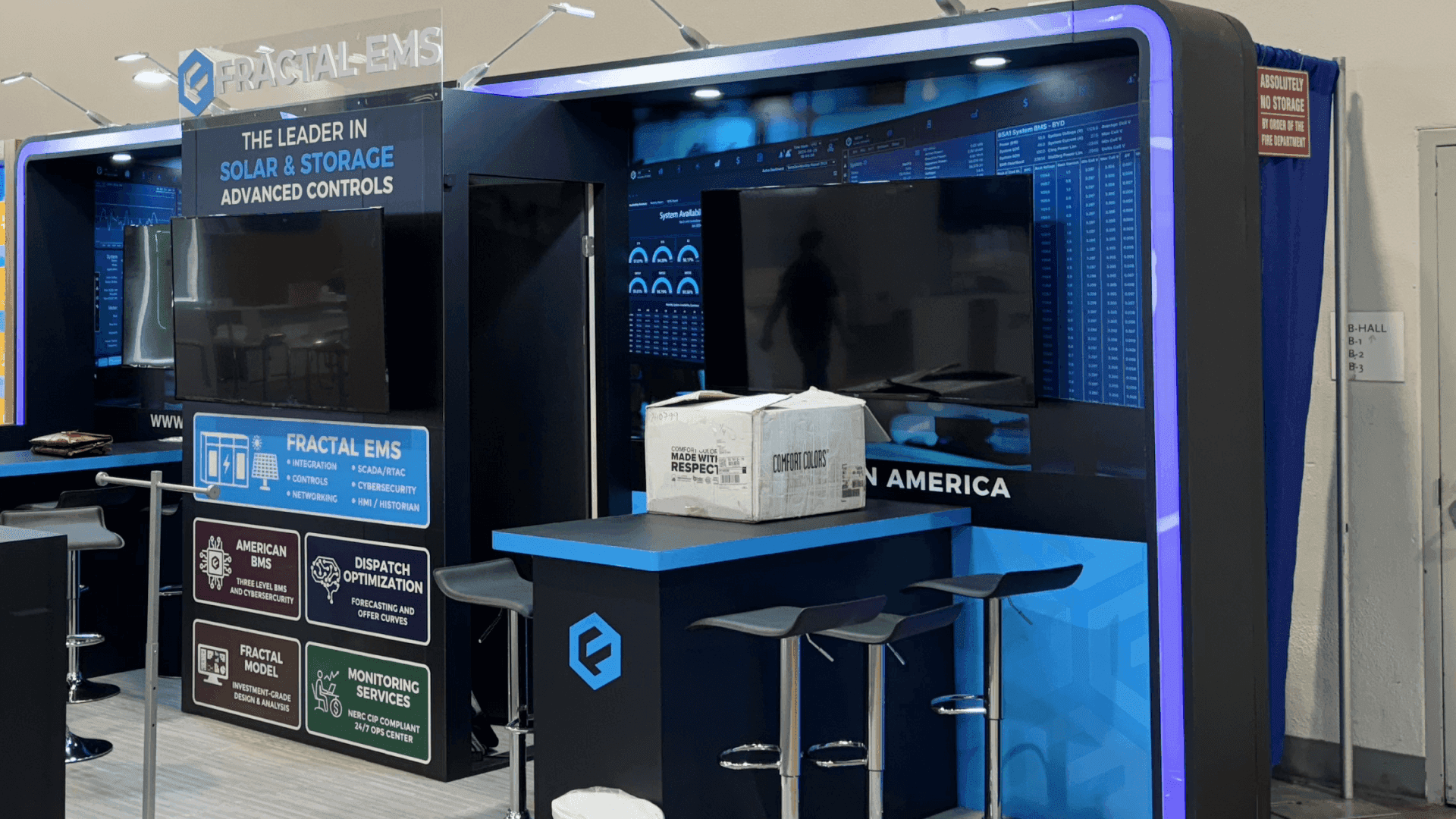
As move-in gets closer, major layout, graphics, fabrication, and technical changes become harder to absorb without affecting freight or installation.
What Gets Harder to Change as Move-In Gets Closer?
The closer the project gets to move-in, the fewer decisions can be reopened without affecting work already underway.
Time Before Move-In | Still Reasonably Flexible | Increasingly Risky to Change |
|---|---|---|
12–16+ weeks | Layout direction, booth functions, product/demo zones, major visual approach | Custom engineering, rigging, or unusually early show requirements may already narrow some options |
8–12 weeks | Detail refinement, graphic direction, AV scope within the approved concept | Footprint, major structural direction, product integration, new overhead requirements |
6–8 weeks | Artwork refinement, proofs, service coordination, freight-planning details | Major layout revisions, new custom fabrication, large AV changes, late rigging changes |
4–6 weeks | Minor production corrections that do not reopen approved structure or graphics | New fabrication, major layout changes, changes to approved graphic dimensions, major technical-scope revisions |
2–4 weeks | Labels, crate sequencing, shipment coordination, final installation details | Graphic rework, replacement custom parts, redesign, major scope changes |
Move-in week | Placement adjustments, testing, punch-list corrections | Anything requiring redesign, new production, or major replacement work |
As move-in approaches, time does more than shorten the schedule; it reduces the number of changes the project can absorb without reopening completed work. A revision that is manageable early can affect graphics, production, freight, or installation when made later.
What If Your Timeline Is Already Short?
A compressed schedule does not automatically make a rental project impossible, but it does reduce how much of the plan can remain flexible.
If You Have 6–8 Weeks
With six to eight weeks left, the first priority is to stop reopening the core plan. Confirm the actual rental inventory, footprint, layout, graphic dimensions, technical requirements, freight route, and I&D scope. Those decisions control most of what still needs to happen.
Multiple redesign rounds, unnecessary custom pieces, complex overhead concepts, optional interactive AV, and late product changes can consume time that is increasingly needed for graphics, production, shipping, and installation. Protect the booth's primary function first, then add optional features only if they fit the remaining production window. If the schedule is already compressed, compare the available Las Vegas booth rental options against the actual footprint, technical requirements, and move-in date before continuing to design around inventory that may not be available.
If Move-In Is Less Than 4 Weeks Away
With less than four weeks remaining, feasibility has to be checked against the actual project rather than a generic rule. Confirm:
available rental inventory and configuration;
graphic production capacity;
remaining custom work;
AV and technical equipment;
current show-service deadlines;
freight routing;
installation availability.
A simpler rental configuration may still be workable if those pieces can be confirmed quickly. A project that still depends on major fabrication, unresolved rigging, complex AV, or substantial product integration has far less room to absorb changes. At this stage, simplifying the booth is often more useful than preserving every original feature.
Feasibility depends on the project itself, not simply on the number of weeks remaining.
Las Vegas Booth Rental Timeline FAQ
How far in advance should I book a Las Vegas trade show booth rental?
For many projects, 12–16 weeks before move-in is a practical baseline. Simpler rental configurations may need less time, while projects with more custom, technical, freight, or approval dependencies generally need more.
Is 8 weeks enough for a trade show booth rental?
It can be. Eight weeks is more workable when rental inventory is available, the layout is clear, graphic dimensions are known, and technical, freight, and installation requirements can be confirmed quickly.
When should trade show booth graphics be finalized?
Graphic dimensions, copy, artwork direction, and production surfaces should generally be stable by the 6–8 weeks before move-in stage. The actual release date still depends on the production method, proofing cycle, and printer schedule.
When should freight and installation planning begin?
They should be considered well before the booth ships. Freight strategy and installation dependencies should normally be understood by the 6–8 week stage, while carrier, shipment, crate, and final I&D coordination become more execution-focused during the final 2–4 weeks. Event-specific deadlines should always be checked in the current exhibitor manual.