Las Vegas Trade Show Booth Planning Guide: Rental, Size, Drayage, and Installation
Published:
Jan 6, 2026
Updated:
Jan 6, 2026

Circle Exhibit Team
Industry professionals
Exhibition industry professional dedicated to delivering the latest insights and curated recommendations to you.
Planning a trade show booth in Las Vegas means more than choosing a design. Booth size, rental structure, drayage, freight timing, installation, graphics, and venue rules all affect how the booth reaches the show floor.
Quick Answer: What should exhibitors consider when planning a trade show booth in Las Vegas?
Exhibitors planning a trade show booth in Las Vegas should consider booth size, rental or custom structure, graphics, freight timing, drayage, union labor, move-in windows, and installation sequence. A strong plan connects design, logistics, and on-site setup before the booth reaches LVCC, Venetian Expo, or Mandalay Bay.
In this guide:
Booth size planning
Rental booth planning
Drayage and freight timing
Las Vegas venue notes
Installation sequence
Planning checklist
Quick Answer: What should exhibitors consider when planning a trade show booth in Las Vegas?
Exhibitors planning a trade show booth in Las Vegas should consider booth size, rental or custom structure, graphics, freight timing, drayage, union labor, move-in windows, and installation sequence. A strong plan connects design, logistics, and on-site setup before the booth reaches LVCC, Venetian Expo, or Mandalay Bay.
In this guide:
Booth size planning
Rental booth planning
Drayage and freight timing
Las Vegas venue notes
Installation sequence
Planning checklist
Las Vegas trade show booth planning works best when design, logistics, and on-site setup are planned together. A booth may look simple in a rendering, but once it moves through LVCC, Venetian Expo, Mandalay Bay, or another Las Vegas venue, the plan has to account for freight release, drayage, labor timing, electrical access, graphics installation, and the way visitors move through the booth.
This guide explains how exhibitors can think through booth rental, booth size, drayage, installation, and venue execution before the show floor opens.
Las Vegas booth planning starts before the booth is built
A Las Vegas booth plan should start with how the booth will be used, not only how it will look. The structure, layout, storage, demo space, graphics, and installation sequence all depend on the exhibitor’s actual show goals.
For some companies, the booth needs to support short product conversations from the aisle. For others, it needs a screen wall, demo counter, meeting zone, product display, or private conversation area. These choices affect the booth footprint, graphics placement, power routing, freight volume, and setup time.
This is why many exhibitors work with a Las Vegas trade show booth builder before finalizing the design. The booth plan has to match the venue schedule, service order deadlines, move-in access, material handling process, and the way the booth will be installed on the show floor.
A booth that looks clean on paper can still create problems if crates arrive late, graphics are not packed in order, electrical access is blocked, or the install crew has to rebuild parts of the booth on site.
Booth size changes the whole planning process
Booth size affects visitor flow, staff movement, demo placement, storage, graphics visibility, and installation time. A 10x10 inline booth does not behave like a 20x20 island booth, and a 30x40 exhibit needs a different logistics plan than a compact rental display.
Booth Size | Common Use | Planning Focus | Execution Note |
|---|---|---|---|
10x10 | Inline display, small product showcase, lead capture | Clear backwall, simple counter, aisle-facing message | Keep storage hidden and avoid blocking the front opening |
10x20 | Product wall, reception counter, small demo area | Separate greeting space from product explanation | Graphics should be readable from the aisle, not only up close |
20x20 | Island booth, product demos, meeting area, screen wall | Balance open traffic flow with staff-controlled zones | Plan power/data routing and crate staging before move-in |
20x30 | Larger demo booth, multiple product areas, semi-private meetings | Create clear traffic paths between reception, demos, and meetings | More components mean tighter installation sequencing |
30x40 | Large island exhibit, equipment display, multiple meeting zones | Plan visitor movement, storage, rigging/signage, and staff workflow | Requires earlier coordination for freight, labor, and dismantle |
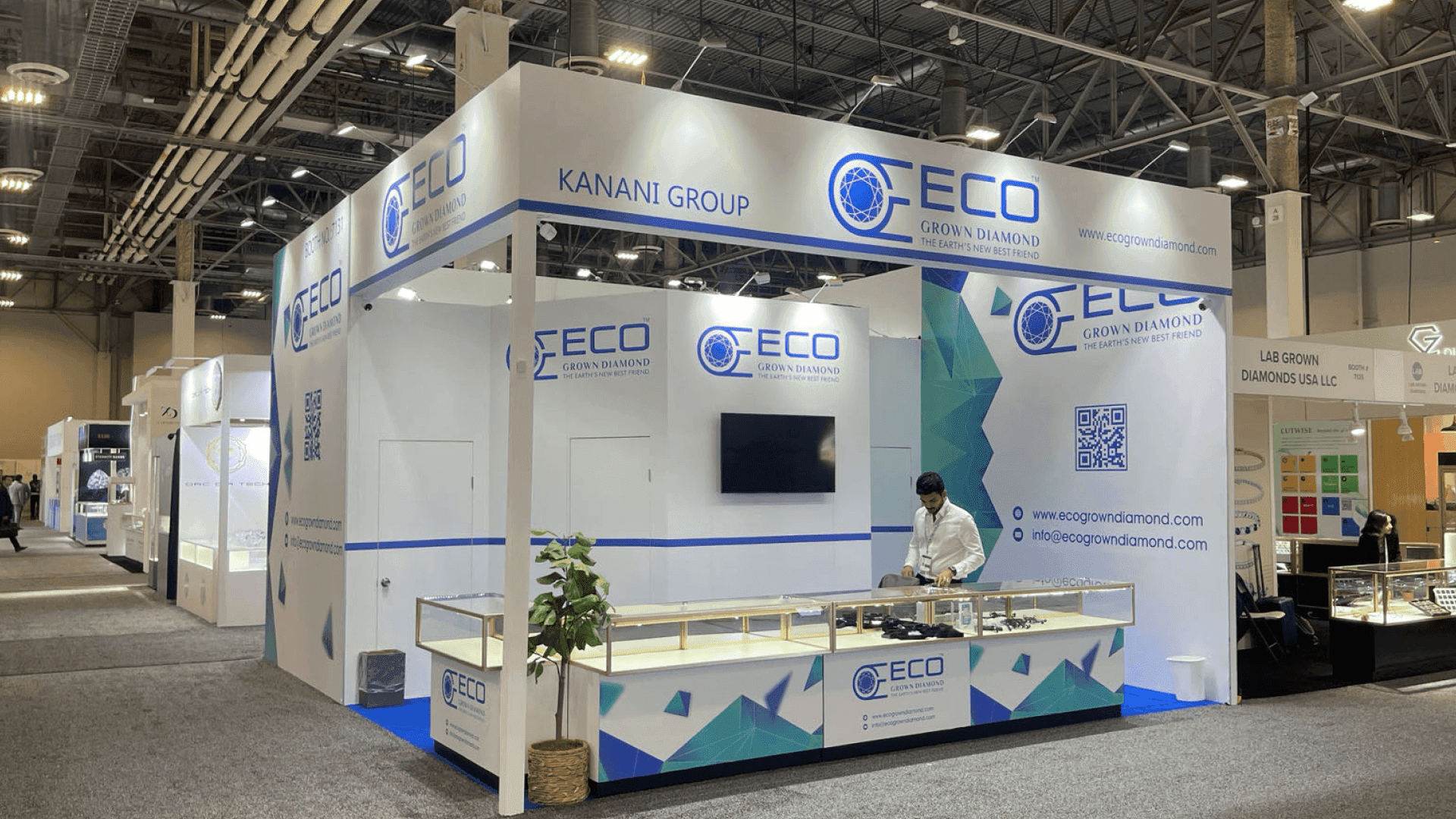
For many Las Vegas exhibitors, 20x20 booth planning is the first point where layout becomes more than a backwall and counter. The booth may need open corners, a reception point, demo stations, storage, and screens that can be seen from multiple aisles.
Larger booth sizes also affect drayage and install planning. More wall panels, flooring, counters, lighting, hanging signs, and product fixtures usually mean more crates, more staging decisions, and more pressure on the move-in window.
Rental booths still need execution planning
A rental booth can reduce fabrication complexity, but it does not remove the need for planning. The rental structure still needs graphics, counters, lighting, storage, AV support, electrical access, packing order, and show-floor installation.
For Las Vegas shows, a rental booth usually needs decisions around:
whether the structure is inline, peninsula, or island;
which surfaces need branded graphics;
where staff will greet visitors;
where product demos or screens will sit;
how storage will be hidden;
how many crates or cases are moving through drayage;
how the booth will be installed within the move-in schedule.
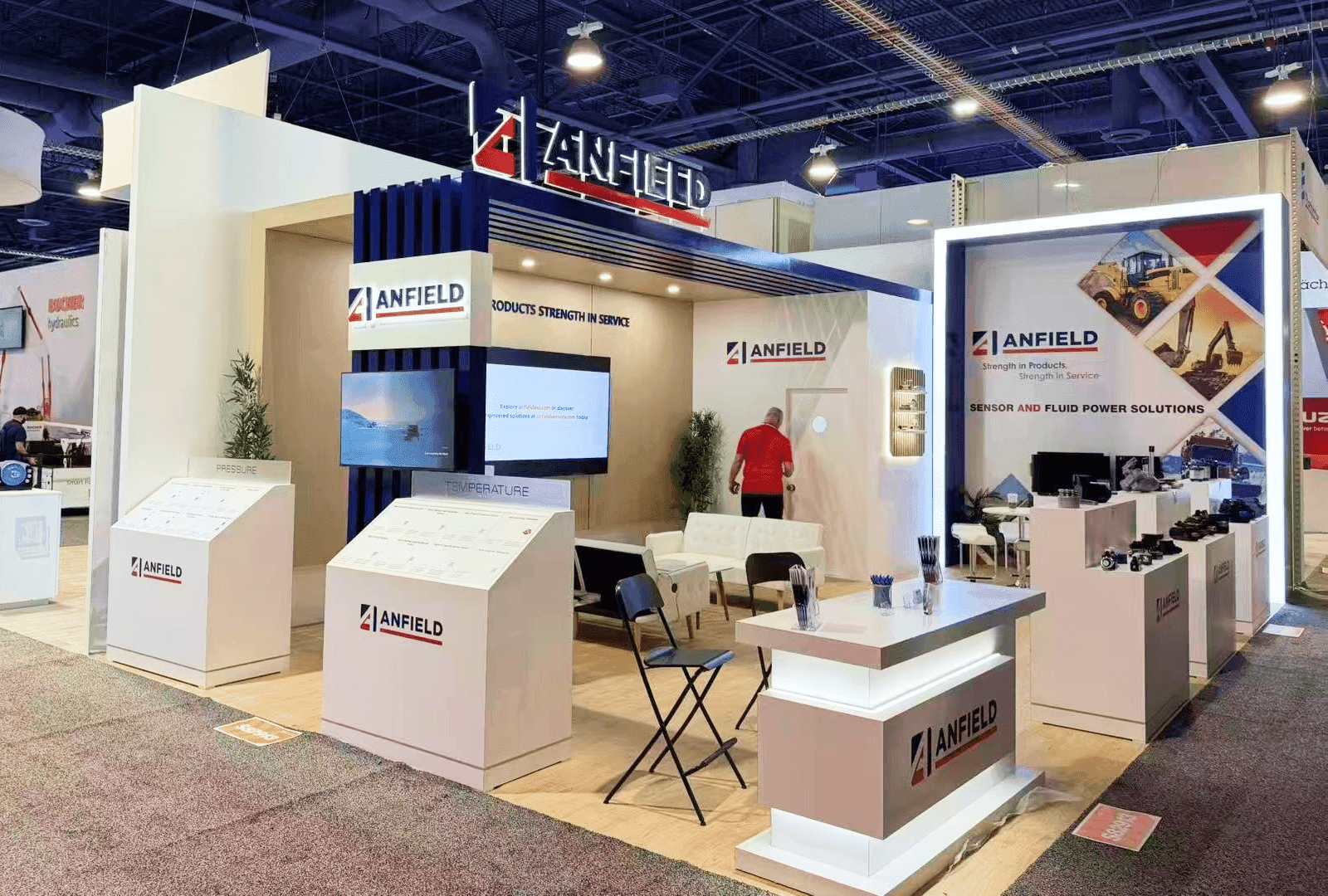
A customizable trade show booth rental in Las Vegas works best when the rental system is planned around the exhibitor’s goals, not treated as a generic structure. The same 20x20 rental booth can behave very differently depending on whether the exhibitor needs software demos, product sampling, buyer meetings, or a high-traffic reception layout.
Rental does not mean “no planning.” It means the planning has to connect the reusable structure with custom graphics, layout decisions, freight timing, and the venue’s installation requirements.
Drayage affects booth setup before installation begins
Drayage affects when booth materials become available on the show floor. If freight is delayed, released out of order, or difficult to stage near the booth space, installation can lose valuable time before the crew even starts building.
In Las Vegas convention halls, exhibitors often need to think through:
advance warehouse deadlines;
direct-to-show shipping windows;
crate labels and booth number markings;
freight release timing;
dock-to-booth movement;
empty crate storage;
return freight paperwork;
dismantle and outbound shipping sequence.
Drayage is not only a shipping issue. It affects the order in which flooring, walls, counters, graphics, lighting, AV, and product displays can be installed.
A booth with well-labeled crates and a clear installation sequence can move faster once freight reaches the booth space. A booth with mixed components, missing labels, or graphics packed under structural parts can slow down setup and increase the chance of last-minute fixes.
That is why logistics and pre-show coordination should be considered part of booth planning, not a separate task added after design approval.
Las Vegas venue context changes the booth plan
Las Vegas venues are used to large trade shows, but each venue still creates different planning conditions. Exhibitors should not assume the same booth plan will work the same way at every convention hall.
Venue | Planning Consideration | Booth Execution Impact |
|---|---|---|
Las Vegas Convention Center | Large halls, major move-in volume, multiple dock and hall access points | Freight timing, drayage release, and installation sequence need early coordination |
Venetian Expo | Hospitality, technology, medical, and business events with varied booth formats | Meeting zones, graphics visibility, and branded surfaces often need careful layout planning |
Mandalay Bay Convention Center | Healthcare, food, corporate, and specialty events with strong booth presentation needs | Demo counters, product displays, and staff flow should be planned around aisle behavior |
Caesars Forum | Conference-driven events with structured attendee movement | Booth messaging, reception layout, and meeting access should stay clear and direct |
For LVCC shows, a larger booth may need earlier planning around freight timing, hall access, electrical layout, rigging or sign coordination, and install crew sequencing. For Venetian Expo or Mandalay Bay, exhibitors may need to pay closer attention to brand presentation, meeting flow, hospitality zones, and the way visitors approach from the aisle.
The venue does not only affect logistics. It also affects how the booth should be read from a distance, where staff should stand, how demos should be positioned, and how fast the booth can be closed out during dismantle.
Installation should be planned as a sequence, not a final step
Installation is where design, fabrication, graphics, logistics, electrical work, and show-site labor meet. If the installation plan is weak, even a well-designed booth can become difficult to execute.
A practical installation sequence usually considers:
Flooring or floor marking
Main structure placement
Wall panels and vertical elements
Electrical and AV routing
Counters, demo stations, storage, and fixtures
Graphics, lightboxes, or SEG panels
Product placement
Lighting checks
Cleaning and punch-list closeout
For larger booths, these steps cannot happen randomly. Flooring may need to go in before structure. Electrical access may need to be confirmed before counters are locked in place. Graphics may need to be installed after walls are squared and cleaned. Product placement may need to wait until heavy construction is complete.
This is why on-site installation and dismantle support matters for Las Vegas booth planning. The goal is not only to build the booth. The goal is to make sure the booth is show-ready before opening day, with graphics aligned, counters placed, lighting checked, and staff areas usable.
Builder, rental, and service decisions should not be made separately
A booth plan works better when rental, builder, size, and service decisions are made together. Choosing a booth structure before understanding logistics can create problems later. Choosing a size before understanding visitor flow can lead to wasted space. Choosing graphics before confirming the structure can create production or installation issues.
Planning Decision | Ask This First | Why It Matters |
|---|---|---|
Rental or custom build | Does the booth need a reusable structure, a custom-built presence, or a hybrid plan? | The answer affects cost structure, graphics, fabrication, storage, and setup |
Booth size | How many staff, demos, products, and meetings need to happen at the same time? | Size should match booth behavior, not just budget |
Graphics | What should visitors understand from the aisle in 3–5 seconds? | Graphics affect visibility, message clarity, and booth traffic |
Logistics | When and how will materials reach the booth space? | Freight timing affects installation order |
Installation | What has to be built, connected, tested, and cleaned before opening? | The booth needs a real show-floor sequence, not just a design file |
For Las Vegas exhibitors, the safer approach is to plan from the show floor backward. Start with what visitors need to see and do inside the booth. Then connect that to size, structure, graphics, freight, drayage, labor, and setup timing.
Related Las Vegas shows require different booth planning
Different Las Vegas shows create different booth behavior. A booth for electronics demos does not need the same flow as a booth for jewelry display, automotive products, medical technology, or broadcast equipment.
Show Type | Booth Planning Note |
|---|---|
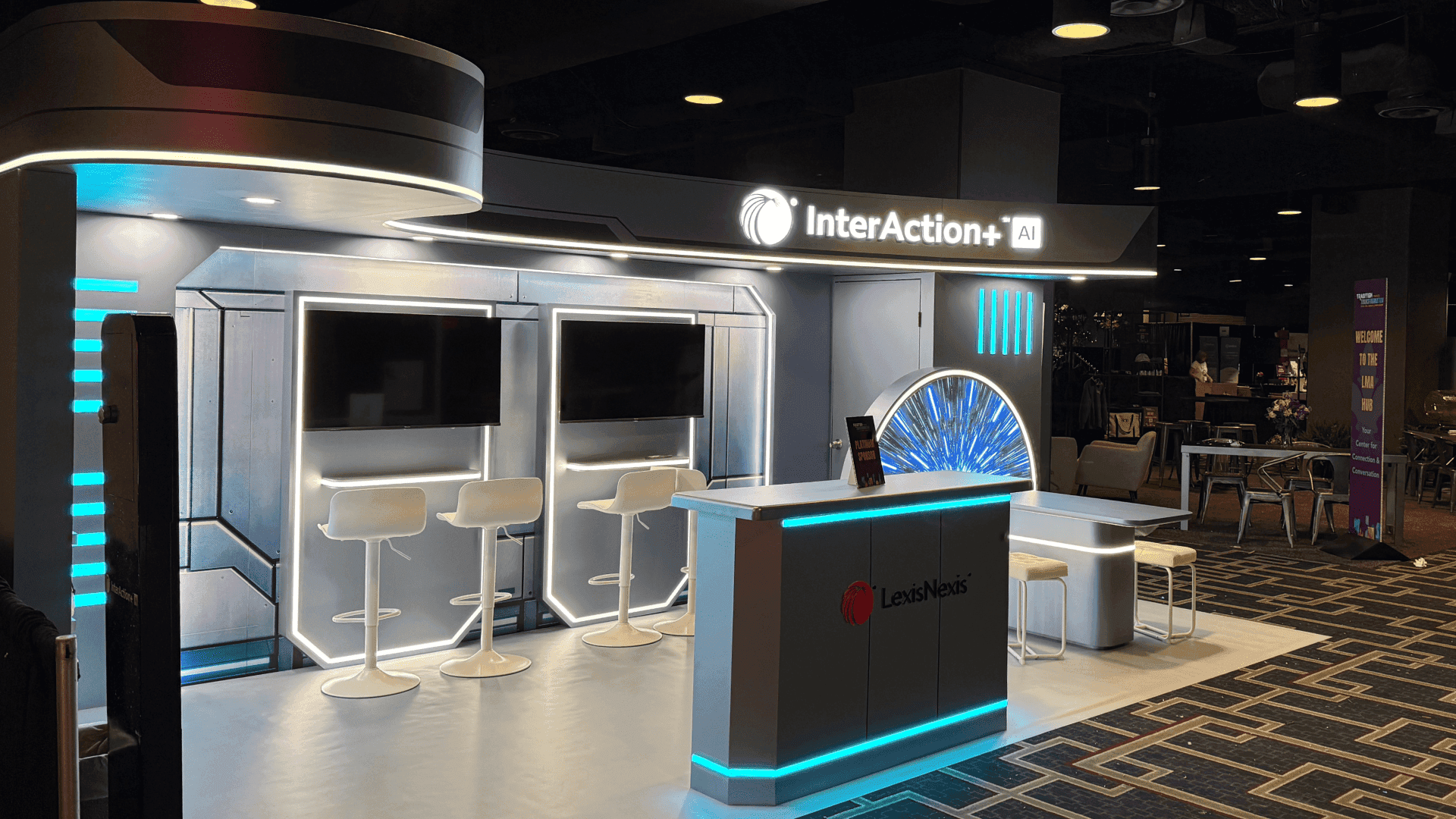
CES | Electronics and technology booths often need demo counters, screens, product explanation zones, power/data routing, and controlled visitor flow. |
NAB Show | Broadcast, AV, and media technology exhibitors usually need screen visibility, cable control, live demo space, and clean staff movement. |
SEMA Show | Automotive booths often need larger displays, vehicle positioning, lighting, graphics, drayage planning, and open sightlines. |
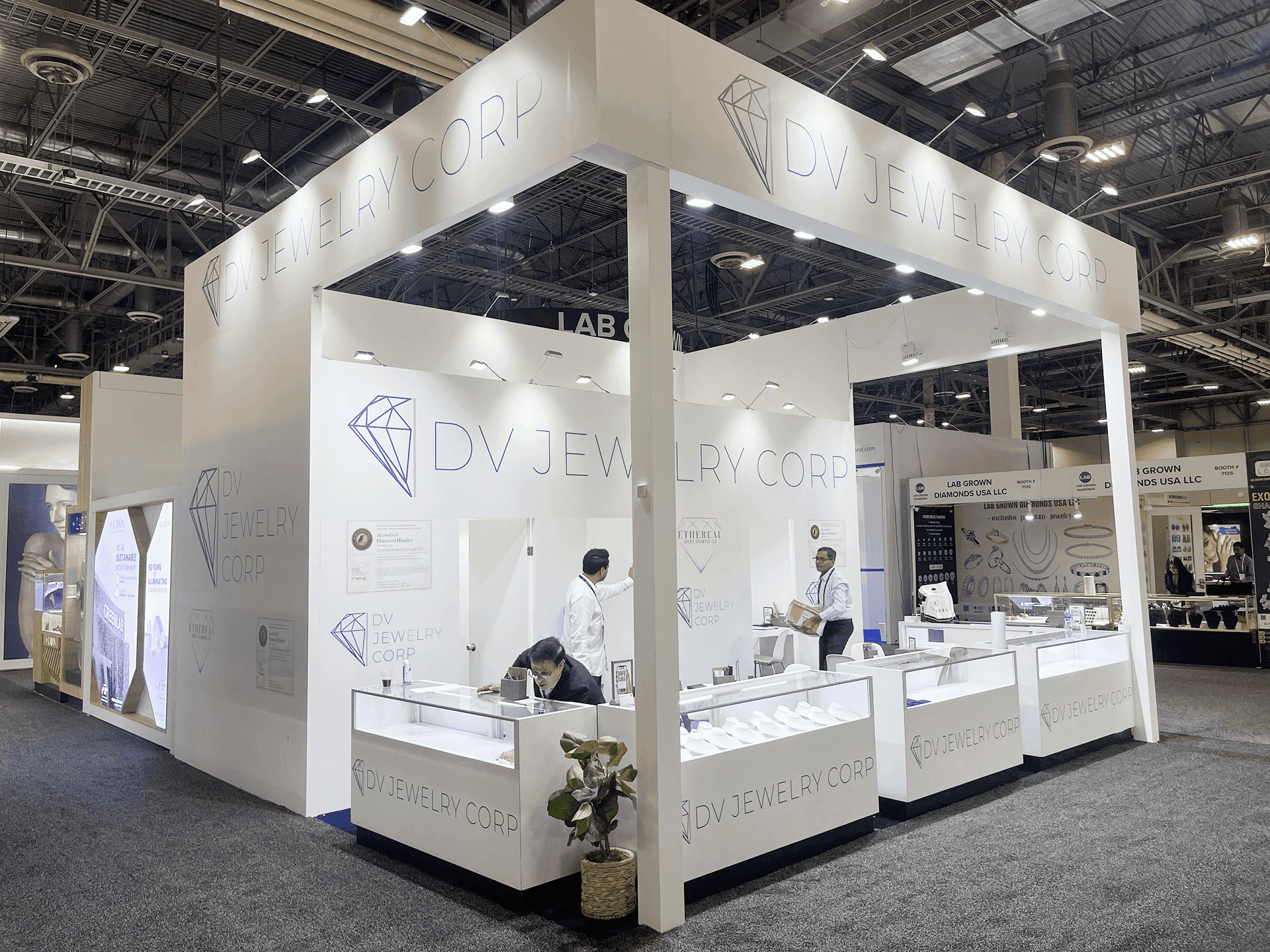
JCK | Jewelry exhibitors often need secure counters, strong lighting, controlled meeting zones, and premium branded surfaces. |
InfoComm | AV and systems exhibitors usually need screen walls, demo timing, cable routing, product comparison areas, and clear technical explanation space. |
Black Hat | Cybersecurity exhibitors often need controlled demo areas, private conversation zones, and booth layouts that qualify serious buyers without blocking aisle flow. |
This is where a Las Vegas booth plan becomes more than a design decision. The same booth size may need a different layout depending on what the exhibitor is showing, how visitors ask questions, and how much time staff need with each prospect.
A practical Las Vegas booth planning checklist
Use this checklist before finalizing a Las Vegas trade show booth plan.
Booth purpose
What should visitors understand first?
Is the booth built for demos, meetings, product display, lead capture, or brand visibility?
How many staff members need to work inside the booth at peak traffic?
Booth size and layout
Is the booth inline, corner, peninsula, or island?
Does the size support reception, demos, meetings, and storage?
Are traffic paths clear from the aisle?
Can visitors see the main message before entering?
Graphics and brand presentation
Which surfaces need graphics?
Are key messages readable from aisle distance?
Are graphics packed and labeled in the install order?
Do screens, lightboxes, or SEG panels need special setup?
Drayage and freight
Are crates labeled by booth number and install order?
Is freight going to the advance warehouse or directly to show site?
Is there a plan for empty crate storage?
Is outbound freight paperwork prepared before dismantle?
Installation and show-floor readiness
Is there an install sequence?
Are power/data locations coordinated?
Are counters, screens, lights, and product displays placed in the correct order?
Is there time for cleaning, graphics alignment, and final punch-list closeout?
Final Takeaway
Las Vegas trade show booth planning is not only about choosing a booth design. It is a sequence of decisions around booth size, rental or custom structure, graphics, freight, drayage, venue rules, labor timing, installation, and dismantle.
The strongest booth plans connect those decisions early. When layout, logistics, and installation are planned together, exhibitors reduce show-site friction and give their teams a booth that is easier to use once the doors open.
Las Vegas booth planning starts before the booth is built
A Las Vegas booth plan should start with how the booth will be used, not only how it will look. The structure, layout, storage, demo space, graphics, and installation sequence all depend on the exhibitor’s actual show goals.
For some companies, the booth needs to support short product conversations from the aisle. For others, it needs a screen wall, demo counter, meeting zone, product display, or private conversation area. These choices affect the booth footprint, graphics placement, power routing, freight volume, and setup time.
This is why many exhibitors work with a Las Vegas trade show booth builder before finalizing the design. The booth plan has to match the venue schedule, service order deadlines, move-in access, material handling process, and the way the booth will be installed on the show floor.
A booth that looks clean on paper can still create problems if crates arrive late, graphics are not packed in order, electrical access is blocked, or the install crew has to rebuild parts of the booth on site.
Booth size changes the whole planning process
Booth size affects visitor flow, staff movement, demo placement, storage, graphics visibility, and installation time. A 10x10 inline booth does not behave like a 20x20 island booth, and a 30x40 exhibit needs a different logistics plan than a compact rental display.
Booth Size | Common Use | Planning Focus | Execution Note |
|---|---|---|---|
10x10 | Inline display, small product showcase, lead capture | Clear backwall, simple counter, aisle-facing message | Keep storage hidden and avoid blocking the front opening |
10x20 | Product wall, reception counter, small demo area | Separate greeting space from product explanation | Graphics should be readable from the aisle, not only up close |
20x20 | Island booth, product demos, meeting area, screen wall | Balance open traffic flow with staff-controlled zones | Plan power/data routing and crate staging before move-in |
20x30 | Larger demo booth, multiple product areas, semi-private meetings | Create clear traffic paths between reception, demos, and meetings | More components mean tighter installation sequencing |
30x40 | Large island exhibit, equipment display, multiple meeting zones | Plan visitor movement, storage, rigging/signage, and staff workflow | Requires earlier coordination for freight, labor, and dismantle |
For many Las Vegas exhibitors, 20x20 booth planning is the first point where layout becomes more than a backwall and counter. The booth may need open corners, a reception point, demo stations, storage, and screens that can be seen from multiple aisles.
Larger booth sizes also affect drayage and install planning. More wall panels, flooring, counters, lighting, hanging signs, and product fixtures usually mean more crates, more staging decisions, and more pressure on the move-in window.
Rental booths still need execution planning
A rental booth can reduce fabrication complexity, but it does not remove the need for planning. The rental structure still needs graphics, counters, lighting, storage, AV support, electrical access, packing order, and show-floor installation.
For Las Vegas shows, a rental booth usually needs decisions around:
whether the structure is inline, peninsula, or island;
which surfaces need branded graphics;
where staff will greet visitors;
where product demos or screens will sit;
how storage will be hidden;
how many crates or cases are moving through drayage;
how the booth will be installed within the move-in schedule.
A customizable trade show booth rental in Las Vegas works best when the rental system is planned around the exhibitor’s goals, not treated as a generic structure. The same 20x20 rental booth can behave very differently depending on whether the exhibitor needs software demos, product sampling, buyer meetings, or a high-traffic reception layout.
Rental does not mean “no planning.” It means the planning has to connect the reusable structure with custom graphics, layout decisions, freight timing, and the venue’s installation requirements.
Drayage affects booth setup before installation begins
Drayage affects when booth materials become available on the show floor. If freight is delayed, released out of order, or difficult to stage near the booth space, installation can lose valuable time before the crew even starts building.
In Las Vegas convention halls, exhibitors often need to think through:
advance warehouse deadlines;
direct-to-show shipping windows;
crate labels and booth number markings;
freight release timing;
dock-to-booth movement;
empty crate storage;
return freight paperwork;
dismantle and outbound shipping sequence.
Drayage is not only a shipping issue. It affects the order in which flooring, walls, counters, graphics, lighting, AV, and product displays can be installed.
A booth with well-labeled crates and a clear installation sequence can move faster once freight reaches the booth space. A booth with mixed components, missing labels, or graphics packed under structural parts can slow down setup and increase the chance of last-minute fixes.
That is why logistics and pre-show coordination should be considered part of booth planning, not a separate task added after design approval.
Las Vegas venue context changes the booth plan
Las Vegas venues are used to large trade shows, but each venue still creates different planning conditions. Exhibitors should not assume the same booth plan will work the same way at every convention hall.
Venue | Planning Consideration | Booth Execution Impact |
|---|---|---|
Las Vegas Convention Center | Large halls, major move-in volume, multiple dock and hall access points | Freight timing, drayage release, and installation sequence need early coordination |
Venetian Expo | Hospitality, technology, medical, and business events with varied booth formats | Meeting zones, graphics visibility, and branded surfaces often need careful layout planning |
Mandalay Bay Convention Center | Healthcare, food, corporate, and specialty events with strong booth presentation needs | Demo counters, product displays, and staff flow should be planned around aisle behavior |
Caesars Forum | Conference-driven events with structured attendee movement | Booth messaging, reception layout, and meeting access should stay clear and direct |
For LVCC shows, a larger booth may need earlier planning around freight timing, hall access, electrical layout, rigging or sign coordination, and install crew sequencing. For Venetian Expo or Mandalay Bay, exhibitors may need to pay closer attention to brand presentation, meeting flow, hospitality zones, and the way visitors approach from the aisle.
The venue does not only affect logistics. It also affects how the booth should be read from a distance, where staff should stand, how demos should be positioned, and how fast the booth can be closed out during dismantle.
Installation should be planned as a sequence, not a final step
Installation is where design, fabrication, graphics, logistics, electrical work, and show-site labor meet. If the installation plan is weak, even a well-designed booth can become difficult to execute.
A practical installation sequence usually considers:
Flooring or floor marking
Main structure placement
Wall panels and vertical elements
Electrical and AV routing
Counters, demo stations, storage, and fixtures
Graphics, lightboxes, or SEG panels
Product placement
Lighting checks
Cleaning and punch-list closeout
For larger booths, these steps cannot happen randomly. Flooring may need to go in before structure. Electrical access may need to be confirmed before counters are locked in place. Graphics may need to be installed after walls are squared and cleaned. Product placement may need to wait until heavy construction is complete.
This is why on-site installation and dismantle support matters for Las Vegas booth planning. The goal is not only to build the booth. The goal is to make sure the booth is show-ready before opening day, with graphics aligned, counters placed, lighting checked, and staff areas usable.
Builder, rental, and service decisions should not be made separately
A booth plan works better when rental, builder, size, and service decisions are made together. Choosing a booth structure before understanding logistics can create problems later. Choosing a size before understanding visitor flow can lead to wasted space. Choosing graphics before confirming the structure can create production or installation issues.
Planning Decision | Ask This First | Why It Matters |
|---|---|---|
Rental or custom build | Does the booth need a reusable structure, a custom-built presence, or a hybrid plan? | The answer affects cost structure, graphics, fabrication, storage, and setup |
Booth size | How many staff, demos, products, and meetings need to happen at the same time? | Size should match booth behavior, not just budget |
Graphics | What should visitors understand from the aisle in 3–5 seconds? | Graphics affect visibility, message clarity, and booth traffic |
Logistics | When and how will materials reach the booth space? | Freight timing affects installation order |
Installation | What has to be built, connected, tested, and cleaned before opening? | The booth needs a real show-floor sequence, not just a design file |
For Las Vegas exhibitors, the safer approach is to plan from the show floor backward. Start with what visitors need to see and do inside the booth. Then connect that to size, structure, graphics, freight, drayage, labor, and setup timing.
Related Las Vegas shows require different booth planning
Different Las Vegas shows create different booth behavior. A booth for electronics demos does not need the same flow as a booth for jewelry display, automotive products, medical technology, or broadcast equipment.
Show Type | Booth Planning Note |
|---|---|
CES | Electronics and technology booths often need demo counters, screens, product explanation zones, power/data routing, and controlled visitor flow. |
NAB Show | Broadcast, AV, and media technology exhibitors usually need screen visibility, cable control, live demo space, and clean staff movement. |
SEMA Show | Automotive booths often need larger displays, vehicle positioning, lighting, graphics, drayage planning, and open sightlines. |
JCK | Jewelry exhibitors often need secure counters, strong lighting, controlled meeting zones, and premium branded surfaces. |
InfoComm | AV and systems exhibitors usually need screen walls, demo timing, cable routing, product comparison areas, and clear technical explanation space. |
Black Hat | Cybersecurity exhibitors often need controlled demo areas, private conversation zones, and booth layouts that qualify serious buyers without blocking aisle flow. |
This is where a Las Vegas booth plan becomes more than a design decision. The same booth size may need a different layout depending on what the exhibitor is showing, how visitors ask questions, and how much time staff need with each prospect.
A practical Las Vegas booth planning checklist
Use this checklist before finalizing a Las Vegas trade show booth plan.
Booth purpose
What should visitors understand first?
Is the booth built for demos, meetings, product display, lead capture, or brand visibility?
How many staff members need to work inside the booth at peak traffic?
Booth size and layout
Is the booth inline, corner, peninsula, or island?
Does the size support reception, demos, meetings, and storage?
Are traffic paths clear from the aisle?
Can visitors see the main message before entering?
Graphics and brand presentation
Which surfaces need graphics?
Are key messages readable from aisle distance?
Are graphics packed and labeled in the install order?
Do screens, lightboxes, or SEG panels need special setup?
Drayage and freight
Are crates labeled by booth number and install order?
Is freight going to the advance warehouse or directly to show site?
Is there a plan for empty crate storage?
Is outbound freight paperwork prepared before dismantle?
Installation and show-floor readiness
Is there an install sequence?
Are power/data locations coordinated?
Are counters, screens, lights, and product displays placed in the correct order?
Is there time for cleaning, graphics alignment, and final punch-list closeout?
Final Takeaway
Las Vegas trade show booth planning is not only about choosing a booth design. It is a sequence of decisions around booth size, rental or custom structure, graphics, freight, drayage, venue rules, labor timing, installation, and dismantle.
The strongest booth plans connect those decisions early. When layout, logistics, and installation are planned together, exhibitors reduce show-site friction and give their teams a booth that is easier to use once the doors open.
Planning a booth for an upcoming Las Vegas trade show? Circle Exhibit teams can help connect booth design, rental structure, size planning, logistics, and on-site installation into one show-ready plan.