First-Time Exhibitor Roadmap
Treat the first show as a sequence of connected decisions rather than a long list of unrelated tasks.
Stage | Main Decision | Stage Is Ready When |
|---|---|---|
1. Show & Budget | Why are we exhibiting, and what space are we committing to? | The objective, space contract, and realistic working budget range are clear. |
2. Booth Scope | What must visitors see, test, compare, discuss, or do? | Product, demo, meeting, storage, and footprint requirements are defined. |
3. Proposal & Production | What exactly are we buying, renting, producing, and approving? | The written scope matches the expected booth and major responsibilities are assigned. |
4. Services & Logistics | What must be ordered separately, and how does everything reach the booth? | Utilities, freight, material handling, and the I&D labor scope have owners and ordering plans. |
5. Pre-Show Readiness | Are products, demos, people, and backups ready for final on-site validation? | The booth operating plan is prepared well enough to be tested under actual show conditions during move-in. |
6. Move-In to Move-Out | Who owns on-site execution and the post-show handoff? | Installation handoffs, daily operations, packing, and outbound plans are confirmed. |
These stages are a dependency sequence, not a rigid waterfall. Production, service ordering, freight planning, staffing, and content preparation can overlap. The purpose of the sequence is to make sure later work is based on decisions that are already clear enough to support it.
Show & Budget → Booth Scope → Proposal & Production → Services & Logistics → Pre-Show Readiness → Move-In to Move-Out

A first trade show is easier to manage when each decision leads naturally into the next—from confirming the space and budget to preparing the booth for show-floor operation.
Start With the Show Objective, Booth-Space Contract, and Working Budget
Before booth design begins, clarify three things: why the company is exhibiting, what the booth-space contract actually provides, and what budget range the project has to work within.
Start with the business purpose. Is the booth meant to launch a product, run live demos, meet existing customers, create qualified sales conversations, support technical evaluation, or hold scheduled buyer meetings? A booth designed for high-volume conversations needs a different space, staffing, and service plan from one built around machinery, software demos, or private meetings.
Then review the space contract. Confirm the footprint, location, open sides, package type, and any conditions attached to the space. Booking a 20x20 space secures 400 square feet on the show floor, but it does not automatically include the exhibit structure, graphics, electrical service, freight, installation, travel, or other operating costs. At this stage, the budget does not need to predict the final invoice; it needs to establish a realistic working range that leaves room for the exhibit, logistics, show-controlled services, staffing, and travel.
If the current budget only covers the space fee and the exhibit itself, the next step is to account for those additional layers before the booth scope is locked. The trade show exhibiting cost breakdown provides that wider budget view.
Stage is ready when: the show objective, booth-space contract, and working budget range are clear enough to define the exhibit requirements.
Turn Visitor and Product Requirements Into a Booth Scope
The booth should be planned around what visitors need to do, not around square footage alone.
A qualified visitor may need to see a new product, test equipment, compare several options, watch a live demo, discuss a technical requirement, meet with a sales team, or evaluate a workflow. Those activities translate into physical requirements such as product displays, demo stations, screens, meeting areas, storage, reception, graphics, and support space.
If booth space has not been booked yet, use those requirements to select a footprint that can realistically support them. If space is already contracted, use the same requirements to test whether the booked footprint can handle the planned products, demos, meetings, storage, and visitor flow.
A 10x20 may be enough for a focused product presentation. A 20x20 or 20x30 can support more demo, meeting, or storage zones. A 30x40 can accommodate multiple visitor paths or product categories, but additional space is only useful when the operating requirement justifies it.
If the footprint is already booked but its capacity is still uncertain, use the trade show booth size guide to check whether the space can realistically support the planned activity.
The team also needs to decide how that booth scope will be delivered. If the space is confirmed but the choice between an organizer turnkey package and a space-only exhibit managed with an outside partner is still open, compare those responsibilities in the turnkey booth vs. space-only guide before requesting the final scope.
Stage is ready when: the team knows what visitors need to see, test, compare, discuss, or evaluate, and the booth scope can support those tasks.
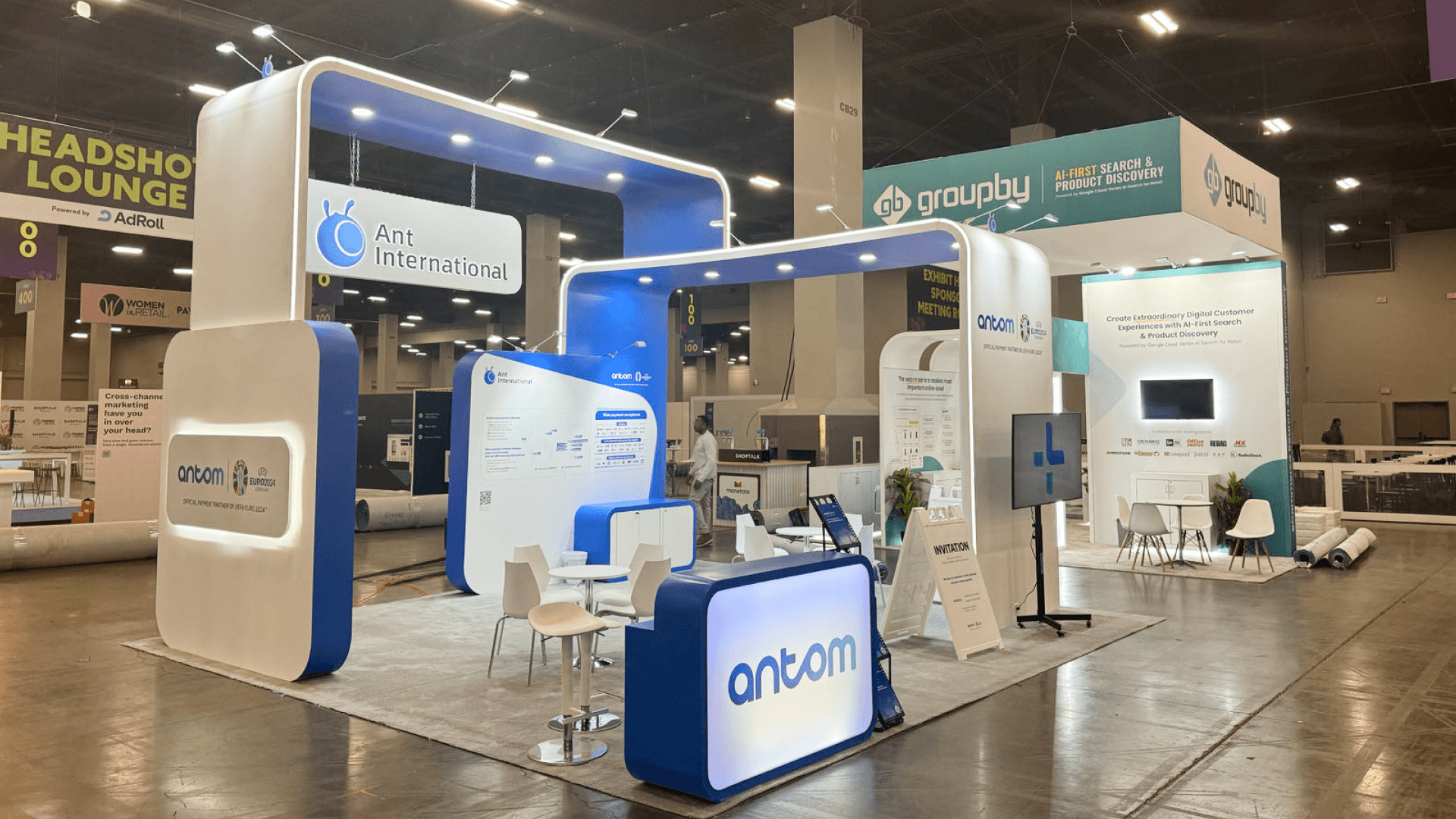
Booth design and show-site execution are connected. Demo requirements, equipment, freight, utilities, and installation should have clear owners before production and shipping move forward.
Review the Booth Proposal Before Production Starts
Once the design direction is taking shape, pause before production and compare the rendering with the written proposal. Before that comparison is treated as final, a booth design review should make the intended layout, visitor flow, products, demos, graphics, screens, and support spaces clear. The rendering shows the intended visual design, while the proposal defines what is actually being produced, installed, supplied, or coordinated, so an item shown visually should not be assumed to be included unless the written scope addresses it.
At a minimum, the proposal should account for the major elements that affect execution: structure and graphics, screens and AV, product or demo requirements, freight responsibility, installation and dismantle, show-controlled services, and post-show responsibilities. The goal at this stage is not to audit every line of the proposal, but to confirm that the visual expectation and written scope agree and that the major responsibilities have clear owners. For a more detailed example, the Las Vegas booth rental proposal checklist goes deeper into scope, responsibilities, and exclusions before production.
Stage is ready when: the written proposal matches the expected exhibit, major responsibilities are assigned, and the remaining decisions are stable enough to support production. Before fabrication begins, fabrication readiness should also confirm that scope, buildable drawings, interfaces, approvals, and revisions are no longer likely to force physical redesign.
Order Show Services and Build the Logistics Plan
The booth design tells you what services the exhibit needs, but it does not place those orders for you. Electrical, internet, rigging, plumbing or compressed air, cleaning, lead retrieval, freight, material handling, and installation labor may each require a separate provider, order, approval, or deadline.
The dependencies are often straightforward once the booth scope is clear. A live software demo can trigger power and internet orders. A hanging sign can trigger rigging approval and labor. Heavy equipment can affect freight, material handling, positioning, and utilities.
Each required service should have an owner who knows who provides it, who places the order, and which deadline applies.
For installation and dismantle (I&D), this stage is about defining the labor scope and ordering responsibility: who will provide the labor, what work is covered, and whether any show-appointed services still need to be ordered. The actual on-site installation handoff happens later during move-in.
Freight and Material Handling Are Different
Freight moves booth materials or products to the event facility or receiving point. Drayage / material handling is the show-site handling that occurs after the shipment enters the event’s receiving system.
If the logistics plan explains only how freight reaches the venue, one step is still missing. The trade show drayage and material handling guide explains what happens after the shipment enters show receiving.
Lead Retrieval Is Not the Same as Lead Capture
If the organizer provides a badge scanner or lead-retrieval platform, ordering that service belongs at this stage. How staff qualify visitors, what information they record, and who owns the follow-up belongs to pre-show readiness.
Stage is ready when: show services, freight, material handling, and the I&D labor scope and ordering responsibility have clear owners and the required orders are underway.
Prepare the Booth for Final On-Site Validation
A booth can be fully designed and produced without being ready to operate. Before the team travels, the products, demos, staff handoffs, lead process, and backups should be prepared well enough that the remaining work is final validation under actual show conditions, not last-minute planning.
Product & Demo Readiness
Confirm that display products, samples, replacement units, accessories, devices, and supporting materials are available where needed.
Live demos should be tested before travel using the same hardware, software, accounts, content, and connectivity assumptions planned for the show. If the demo depends on cloud software, connected equipment, streaming, or remote systems, a backup version should also be ready.
Actual venue power, show internet, installed screens, final product positioning, and connected equipment may not be fully available until move-in. Those checks should therefore be repeated on-site before the booth is released as show-ready.
A demo decision is also a power, connectivity, device, and backup decision. For equipment-heavy exhibits, readiness also depends on freight, material handling, positioning, and installation.
Staff & Lead Handoff
The team should know who greets visitors, qualifies needs, runs demos, handles technical questions, and takes qualified conversations into the next step. The exact titles matter less than the handoff.
The same applies to lead capture. Staff should know what information to record, how to qualify the conversation, and who owns follow-up. A badge scan alone is not useful if no one can tell what the visitor wanted or what should happen next.
Operational Backup
Before travel, prepare the items that keep small failures from becoming booth problems: backup devices, chargers, cables and adapters, replacement samples, supporting materials, and backup demo content.
This stage is not meant to prove that the booth already works under final venue conditions. It is meant to make sure the team arrives ready to validate the remaining show-floor variables rather than build the operating plan from scratch.
Before the project reaches move-in, a short pre-move-in coordination check can confirm that the final drawings, graphics, AV and electrical requirements, product details, material priorities, and show-site responsibilities are still aligned.
Stage is ready when: products, demos, staff handoffs, lead capture, and operational backups are prepared well enough for final on-site validation during move-in.

Pre-show preparation should leave only final on-site validation for move-in, including power, internet, equipment, demo checks, staff readiness, and post-show handoff.
Plan Move-In, Show Days, and Move-Out Before the Team Travels
Before the team travels, the on-site installation handoff, daily booth operation, and post-show plan should already have clear owners. Leaving those decisions until the team reaches the venue is risky because access, labor, time, and show rules are already constrained.
Move-In
Move-in is where the planned booth becomes the actual operating environment.
Confirm when booth materials and products arrive, who receives or oversees the installation handoff, when equipment needs to be positioned, and when electrical, internet, or other utilities become available.
Once the booth is physically assembled, repeat the final checks under actual show conditions:
Confirm power is live where required
Verify the show internet or network connection
Test screens, devices, software, and live demos
Confirm products and equipment are positioned correctly
Check graphics and visitor-facing elements
Resolve any remaining installation issues
Complete a final show-ready walkthrough
A first-time exhibitor does not need to manage every installation detail personally. The team does need to know who owns each handoff and who has authority to confirm that the booth is ready to open.
Show Days
Daily operation should be repeatable rather than improvised. Assign responsibility for opening checks, restocking, device charging, demo readiness, staff coverage, lead-capture checks, cleaning, storage organization, and the end-of-day reset.
These small tasks are what keep a booth operational after several hours of meetings, demos, and visitor traffic.
Move-Out
Move-out should be planned before the show begins. Confirm who handles the dismantle handoff, who packs products and graphics, how outbound labels are managed, who oversees return freight, what goes into storage, and which products return to the exhibitor or move to another destination.
The booth is not fully planned if everyone knows how it arrives but no one knows what happens after the show closes.
Stage is ready when: the on-site installation handoff, show-day operations, dismantle, and post-show logistics each have a clear owner and confirmed plan.
Final Readiness Checklist
Before the team leaves for the event, confirm that the major decisions, orders, and handoffs no longer depend on assumptions.
Show objective is defined.
Booth-space contract has been reviewed.
A realistic working event budget is established.
Visitor tasks and booth objectives are clear.
Booth footprint and configuration are confirmed.
Products, samples, and demo requirements are finalized.
Booth proposal scope has been approved.
Graphics are approved for production.
Required show services have been ordered or assigned.
Freight plan and delivery path are confirmed.
Drayage / material-handling responsibility is identified.
I&D labor scope and ordering responsibility are clear.
Staff roles and visitor handoffs are assigned.
Demos, lead capture, devices, and backups have been tested before travel.
Outbound freight, storage, and product-return responsibilities are confirmed.
This is not a substitute for the detailed work behind each item. It is a final check that the exhibitor journey has moved from plans and assumptions into owned, executable tasks.
A first-time exhibitor is ready to travel when the team can answer:
What still needs to happen?
Who owns it?
What still needs to be validated during move-in?
FAQ
What should I do first when exhibiting at a trade show for the first time?
Start by defining the show objective, reviewing the booth-space contract, and establishing a realistic working budget. Then identify what visitors need to see, test, compare, or discuss so those requirements can be translated into the booth scope.
How far in advance should a first-time exhibitor start planning?
Start before design, production, freight, and show-service deadlines begin. Exact timing varies by event, venue, booth scope, and required services, so use the current exhibitor manual rather than relying on one universal 12-week or 8-week schedule.
What costs do first-time trade show exhibitors commonly miss?
Material handling, electrical, internet, rigging, freight, installation labor, staff travel, and other show-controlled services are commonly overlooked. Booth space and the exhibit itself are only part of the total event budget.
Is booth space the same as the booth rental?
No. Booth space is the floor area reserved through the organizer. A booth rental is the exhibit structure and agreed rental scope placed within that space. Logistics, show services, staffing, travel, and other event costs can still sit outside both.
What should be confirmed before the booth ships to the show?
Confirm that the booth scope and graphics are approved, products and demos have been tested before travel, required show services are ordered, freight and material-handling responsibilities are clear, and the I&D labor scope has an owner. Final power, internet, equipment, and demo checks can then be repeated under actual show-floor conditions during move-in.