What Turnkey and Space Only Actually Mean
A turnkey booth is typically a predefined package offered by the show organizer or a designated vendor. Depending on the event, it may already include the booth structure, flooring, basic graphics, furniture, lighting, and installation. That reduces the number of individual elements the exhibitor needs to coordinate.
It does not mean every show-floor requirement is automatically covered. Electrical, AV, internet, additional graphics, specialty furniture, or other services may still fall outside the package.
There is also a terminology distinction worth knowing. In this article, turnkey booth mainly refers to an organizer-provided booth package. Exhibit companies may also use turnkey to describe a broader delivery service covering design, graphics, rental or fabrication, logistics, installation, dismantling, and project coordination. The word is the same; the scope may be very different.
A space-only booth, by contrast, primarily gives the exhibitor an allocated area on the show floor. The structure, layout, graphics, furniture, technology, and other elements of the finished booth still need to be planned around that footprint.
Space only therefore gives the exhibitor more control over how the booth looks and works, while shifting more planning and execution responsibility to the exhibitor and the companies supporting the project.
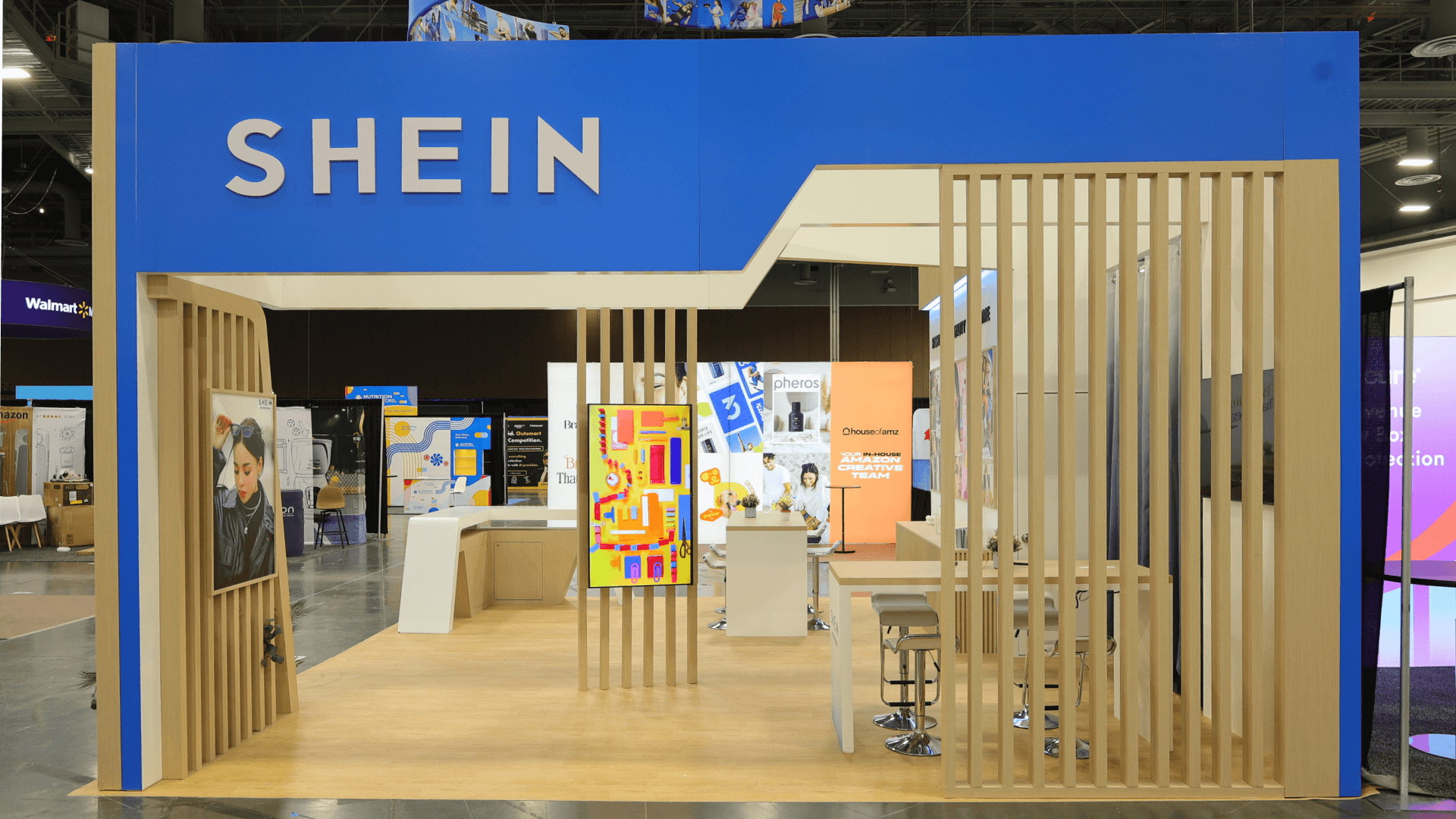
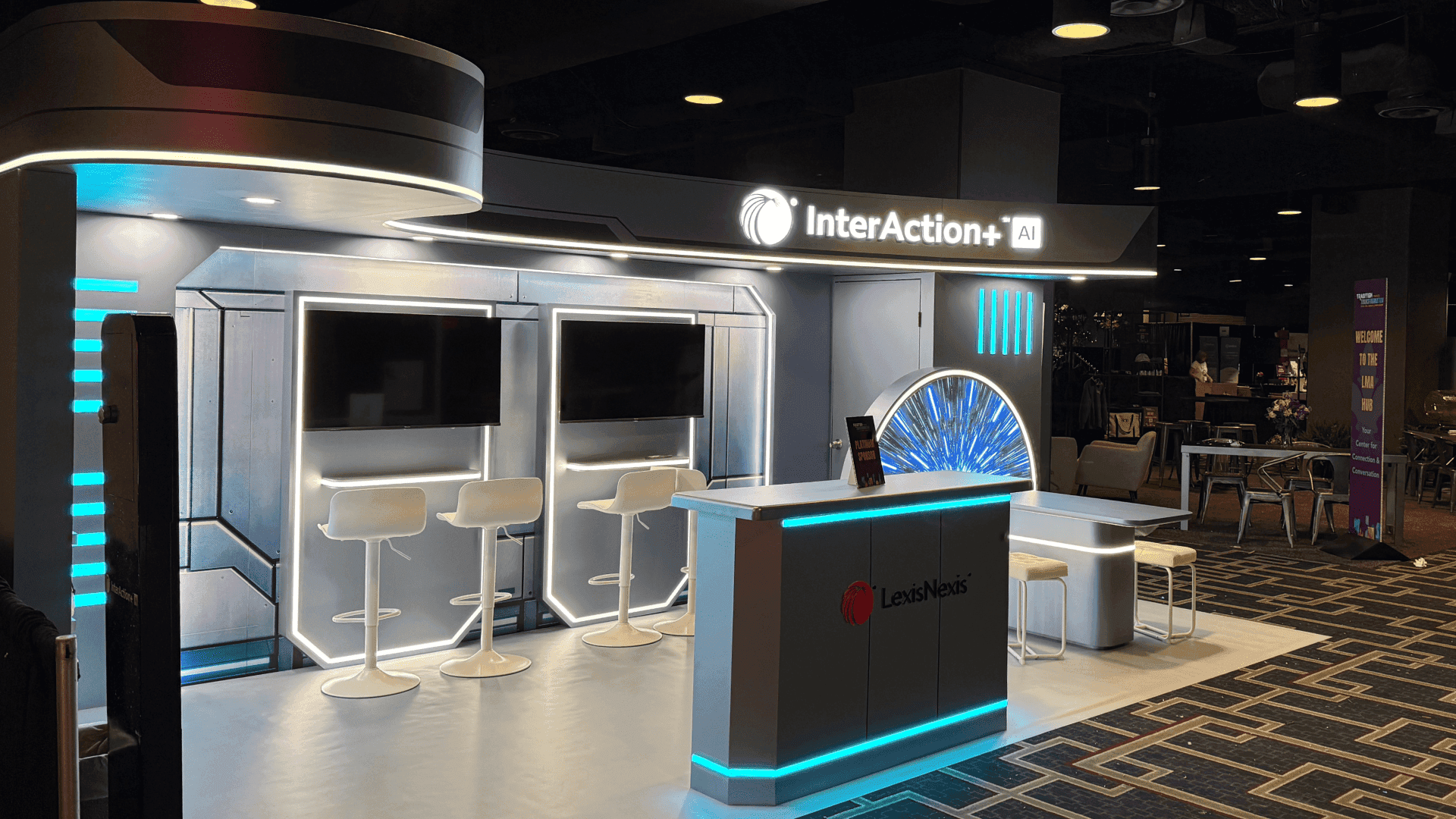
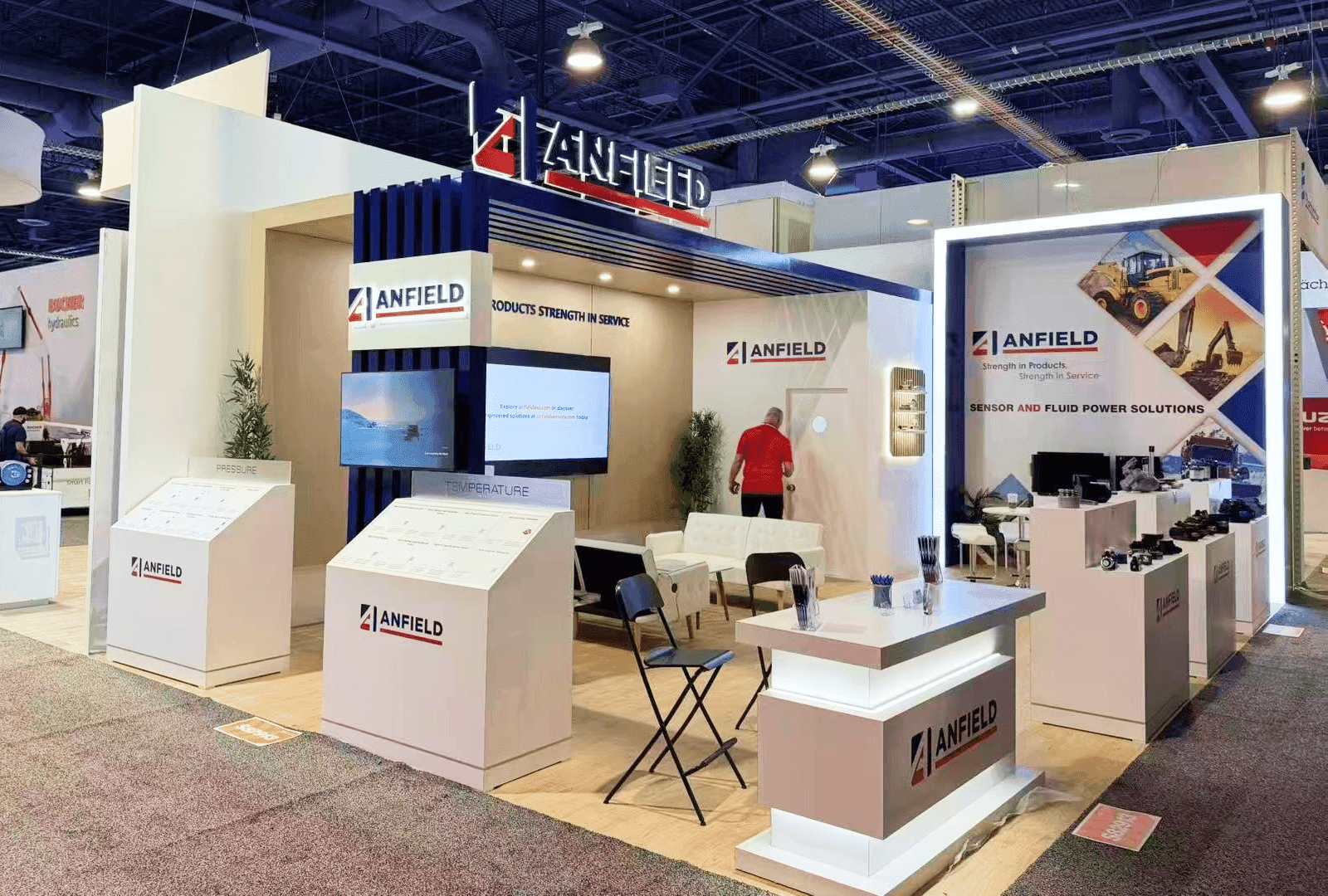
A turnkey booth package typically starts with a predefined structure and a set of included elements, reducing the amount exhibitors need to plan separately.
Where Turnkey and Space Only Really Differ
The table below reflects common organizer-provided turnkey packages. Exact inclusions and show-service responsibilities vary by event.
Area | Typical Turnkey Booth Package | Space Only |
|---|---|---|
Floor space | Usually included within the booked package or booth allocation | The primary space being booked |
Booth structure | Usually predefined within the package | Planned and provided separately |
Flooring | Often included or preselected | Selected and arranged with the booth |
Graphics | Usually limited to defined graphic areas | Greater control over placement, scale, and coverage |
Furniture | Standard items may be included | Selected around the booth’s actual functions |
Lighting | Basic lighting may be included | Planned around displays, graphics, and booth structure |
Electrical | May include a basic allowance; additional power may be separate | Planned around actual equipment and usually ordered separately |
AV | Often optional, limited, or an upgrade | Can be planned around demos and presentation needs |
Storage | Often limited by the package configuration | Can be incorporated into the booth layout |
Layout flexibility | Generally limited by the predefined package | Greater control over zoning and visitor flow |
Brand control | Works within predefined surfaces and package rules | Greater control over the overall branded environment |
Planning / coordination | Fewer booth elements usually need to be coordinated independently | More booth elements and show services need to be coordinated |
A turnkey package reduces decisions by working within a defined format. Space only leaves more room to shape the booth around brand presentation, demos, meetings, storage, and visitor flow, but that control comes with more coordination.
Included Does Not Always Mean Enough
When reviewing what is included in a turnkey booth, the useful question is not simply whether an item appears on the package list. It is whether that item can actually support what the booth needs to do.
Graphics are a good example. A package may include graphics, but the available area could be limited to a header, logo panel, or predefined wall section. That may be enough for basic identification but not for full-wall messaging, product-specific graphics, or a stronger information hierarchy.
The same applies to electrical service. An included power allowance may support basic lighting while falling short once the booth adds several monitors, demo stations, charging points, or other AV. Outlet locations can matter just as much as the stated power allowance.
Furniture works the same way. A counter and two stools technically satisfy a furniture inclusion, but they do not solve a booth that needs reception, a four-person discussion area, demo seating, and space for several staff members.
Exhibitors should therefore check more than the name of the included item. Its quantity, specification, location, and functional fit all matter.
Depending on the show and package, exhibitors may also need to confirm:
additional electrical;
internet;
upgraded AV;
specialty furniture;
additional graphics;
rigging;
storage;
material handling;
cleaning; and
other official show services.
Included does not necessarily mean sufficient. Each item needs to be checked against the booth’s actual operating requirements.
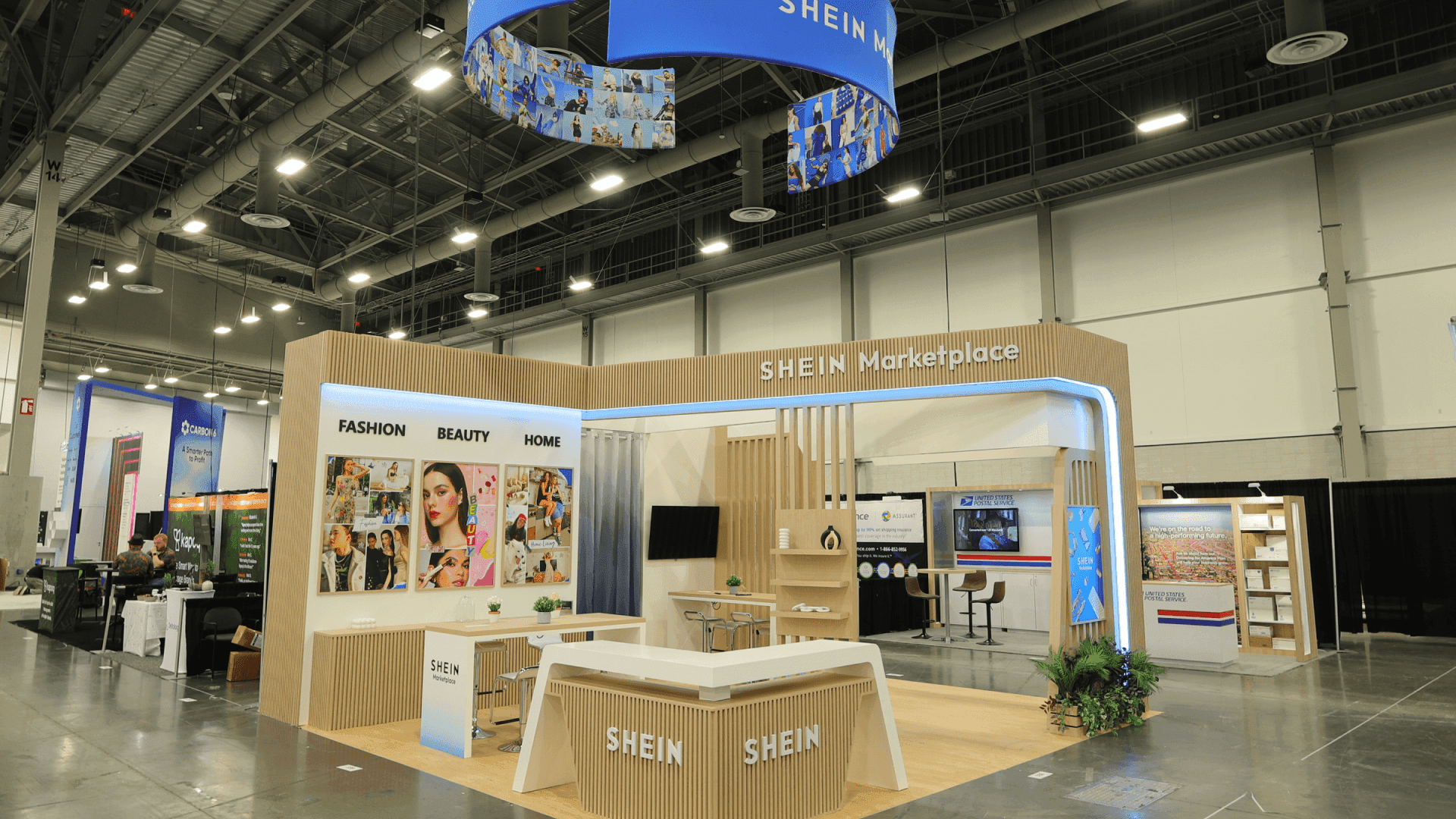
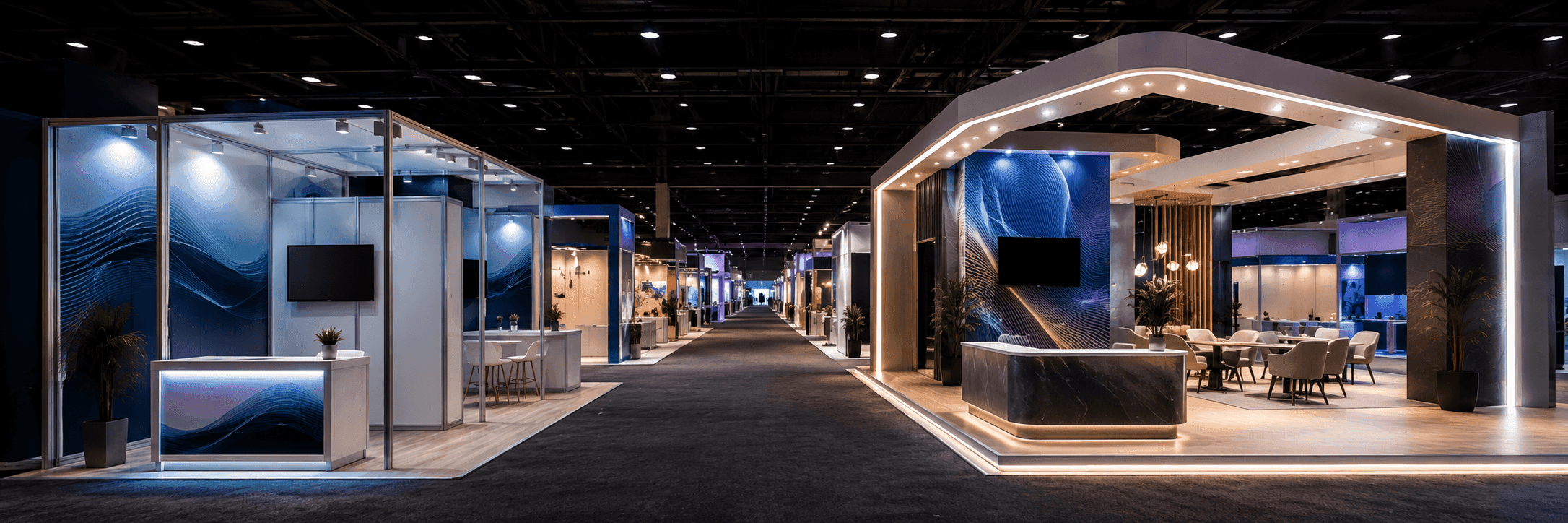
Space only gives exhibitors the floor area while leaving more control over booth layout, branding, demo zones, meeting space, and storage.
Where Responsibility Gaps Usually Appear
Whether an exhibitor chooses turnkey or space only, the finished booth usually involves more than one party.
Area | Typical Responsibility |
Booth design | Exhibit partner for space only; largely predefined with turnkey |
Drawings and approval | Exhibitor and exhibit partner, subject to organizer approval |
Graphics | Package-defined with turnkey; exhibitor and exhibit partner for additional requirements |
Electrical | Often ordered through an official show provider |
Freight | Exhibitor and exhibit partner coordinate shipping |
Drayage / material handling | Usually controlled by the official show contractor |
Rigging | Typically handled through an authorized provider |
Installation & dismantle | May be packaged with turnkey; separately coordinated for space only |
Final booth readiness | Shared across the exhibitor, exhibit partner, and show-service providers |
The harder problems tend to occur where those responsibilities meet.
A turnkey booth might include the structure and basic electrical service while additional power for monitors or demos still needs to be ordered. If the exhibitor assumes the booth vendor has handled that order and the vendor assumes it sits with the exhibitor, the gap may not become visible until setup.
A space-only booth can create a different handoff. The exhibit partner may prepare the structure while the official contractor controls material handling inside the venue. If freight arrival, drayage, and installation timing are planned separately, a crew can be ready before the booth materials have reached the space.
Before either option is approved, every remaining task should have one clear owner, and the team should know which items still require an order through the organizer, venue, or official show provider.
Clear ownership matters, but so does the handoff from one scope to the next. That is often where an otherwise well-planned booth starts to lose time.
When a Turnkey Package Fits — and When It Starts to Get in the Way
Turnkey works well when the booth has a relatively straightforward job. It can be a practical fit when the exhibit needs:
basic brand identification;
one simple product display or demo;
standard furniture;
limited storage;
a straightforward conversation area; and
relatively little vendor coordination.
The boundary appears when more functions have to share the same footprint.
Consider two 10x20 booths. One needs a logo, a counter, one screen, and two stools. A standard turnkey package may handle that comfortably.
The second needs two demo stations, lead capture, hidden storage, a screen, a meeting area, and room for four staff members. The size has not changed, but the work expected from the booth has.
That is where fixed furniture positions, limited storage, predefined graphic areas, or basic electrical and AV provisions can start to get in the way.
Booth tasks matter more than booth size alone. Demo count, meetings, storage, AV, staffing, product displays, visitor flow, and brand control are usually better indicators of whether a turnkey package will work.
The same boundary becomes more visible at individual shows, where the organizer’s package may work for a simple setup but leave less room once the booth adds more functions. The HumanX turnkey booth package comparison is one show-specific example of that decision.

The real difference between turnkey and space only is not just what is included, but how much control and responsibility remains with the exhibitor.
What Space Only Gives You More Control Over
Space only becomes useful when the exhibit needs to be shaped around specific functions rather than fitted into a predefined package.
That extra control can matter when the booth requires:
multiple demo or product zones;
private or semi-private meetings;
built-in storage;
larger or more integrated AV;
specialized product displays;
stronger brand hierarchy; or
visitor flow designed around several different activities.
A reception point can sit close to the aisle, demos can remain visible without blocking traffic, and meeting space can move deeper into the booth. The structure and content can be planned together instead of being fitted into positions that were already selected.
A practical way to decide is to start with the booth requirements. If the organizer’s package already supports the required branding, demos, meetings, storage, AV, and staffing, turnkey may be enough. If several of those requirements need to be added, moved, or reworked, space only usually gives the project more room to work.
But more freedom is only useful when that control is actually needed.
Space only also brings more decisions, more approvals, more coordination, and more execution responsibility. A larger or more customized booth is not automatically a better booth. Space only earns its added complexity when the exhibit needs the control it provides.
Space Only Is Not the Same as a Custom Build
Choosing space only does not automatically commit the exhibitor to a fully custom booth. Space only defines what the organizer provides. How that footprint is filled is a separate decision.
There are three common paths:
Customizable rental: a flexible structure combined with branded graphics, demos, meetings, or storage without building every component from scratch.
Custom build: a more specific structural solution for specialized displays, architectural features, or brand environments that cannot be achieved effectively with standard rental components.
Hybrid: rental structure combined with custom graphics, fixtures, counters, product displays, or other branded elements.
Once space only has been selected, rental versus custom becomes a separate build decision rather than part of the organizer-package decision. That next step is covered in the custom booth build vs. booth rental comparison.
Compare the Finished Booth Cost, Not Just the Space Price
A turnkey booth is not automatically cheaper than space only, and a lower space-only rate does not necessarily make space only the less expensive choice. The useful comparison is the cost of reaching the same show-ready result.
A turnkey package may already include structure, flooring, furniture, graphics, and some setup services. With space only, the initial floor-space rate may still need to be combined with the booth structure, graphics, flooring, furniture, AV, electrical, freight, material handling, installation, and dismantling.
That is why the first quoted number can be very different from the cost of the finished exhibit. Compare both options against the full scope required to make the booth operational, not just the package price or floor-space rate. The trade show exhibiting cost breakdown shows how exhibit, logistics, show services, labor, and other event costs come together in the wider budget.
A Real-World Example: HLTH
HLTH is a useful example because the show presents exhibitors with predefined booth options alongside routes that require more of the booth to be planned independently.
The same general decision therefore becomes a practical question of how much has already been provided, how much booth control the exhibitor needs, and which responsibilities remain outside the package.
A turnkey option reduces the amount of structure and setup that needs to be coordinated independently. Space only leaves more room to plan demos, meetings, storage, branding, and other booth functions around the exhibitor’s own requirements, while shifting more responsibility to the project team.
The HLTH turnkey booth vs. space-only planning guide takes that general comparison into the show-specific details.
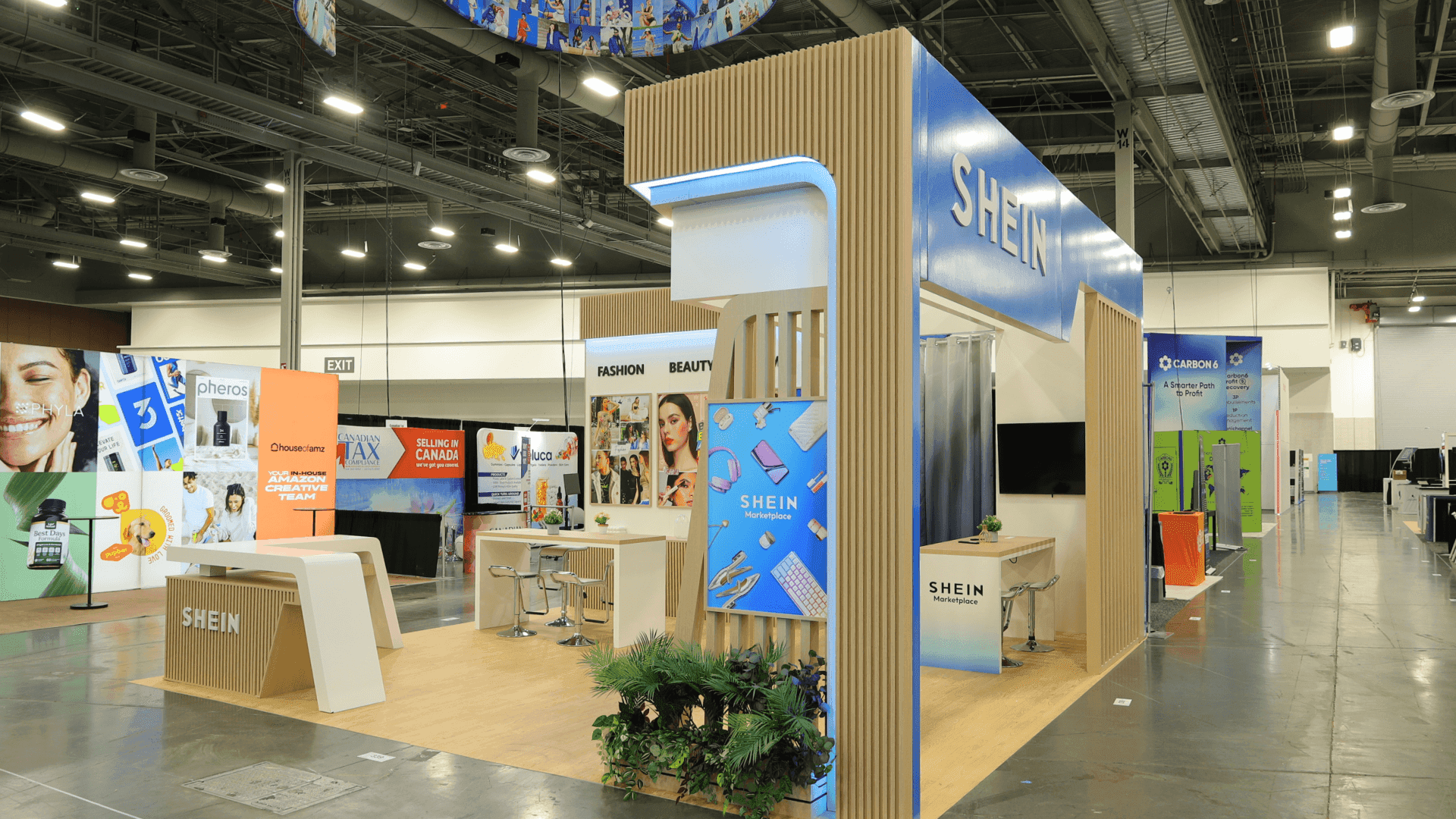
After choosing space only, the empty footprint still needs to become a show-ready booth through coordinated design, graphics, production, logistics, and show-site execution.
What Space Only Still Requires
Choosing space only tells you what the organizer is providing. It does not define the finished booth.
You still need to decide how the space will be built out, what the booth needs to support, and who is responsible for the services and logistics around it. Depending on the project, that may mean a customizable rental, a custom build, or a hybrid approach.
Space only also does not automatically mean custom. The right choice depends on the structure, graphics, product displays, demos, meetings, storage, and technical requirements the booth needs to support.
An exhibit partner can help keep those pieces connected—from design and graphics through production, freight, and installation—so the booth is planned as one project instead of a series of separate tasks.
For first-time exhibitors, this is only one decision in a larger planning process. The first-time trade show exhibitor checklist shows what comes next, including proposal approval, show services, logistics, pre-show readiness, move-in, and move-out.
Questions to Check Before You Commit
Before selecting a turnkey package or committing to space only, check:
What exactly is included?
Are those included items sufficient for the booth requirements?
What is still excluded?
How much can the layout, furniture, and graphics change?
Are electrical and AV needs fully covered?
Who handles design approval and official show services?
What does the booth actually need to support?
If space only is selected, who will deliver the finished booth?
Clear answers make the comparison much easier because the decision is based on the finished exhibit rather than the package name.
FAQ
What is the difference between a turnkey booth and space only?
A turnkey booth comes as a predefined package with some booth elements already provided. Space only primarily provides the exhibit footprint. The main differences are how much has already been defined, how much control the exhibitor has, and how much responsibility remains.
What does a turnkey booth usually include?
A package may include structure, flooring, basic graphics, furniture, lighting, installation, or limited electrical service. Exact inclusions vary by show, so exhibitors should confirm both what is provided and whether it is sufficient for the planned booth functions.
What does space only include?
Space only generally provides the allocated exhibit floor area. Structure, flooring, graphics, furniture, AV, electrical requirements, installation, and other booth elements are then planned separately according to the show rules and finished booth design.
Is a turnkey booth cheaper than space only?
Not necessarily. Turnkey may bundle several booth elements into one package, while space only requires additional components and services to reach the same show-ready result. The useful comparison is the finished booth scope, not only the initial booking price.
Can a rental booth be used with space only?
Yes. Space only can be filled with a rental booth, a custom build, or a hybrid solution. The right approach depends on the structure, graphics, demos, meetings, storage, and other functions the exhibitor needs.
Does space only require a custom booth?
No. Space only describes what the organizer provides, not how the finished booth must be built. A customizable rental, a full custom build, or a hybrid solution can all be used within a space-only footprint.