Common Trade Show Booth Sizes Compared
Booth Size | Sq Ft | Common Type | Usually Works For |
|---|---|---|---|
100 | Inline booth | Focused displays, simple messaging, small booth teams | |
200 | Inline booth | Wider graphics, two counters, side-by-side demos | |
400 | Island or peninsula booth | Product demos, meeting areas, stronger aisle visibility | |
600 | Island booth | Demo zones, seating, storage, and staff separation | |
900 | Island booth | Larger brand presence, hospitality, multiple product areas | |
1,200 | Large island booth | Vehicles, equipment, product launches, multi-zone layouts |
For teams still comparing booth footprints, the booth size planning hub provides a direct path to the detailed planning page for each footprint before the layout is finalized.
10x10 Trade Show Booth
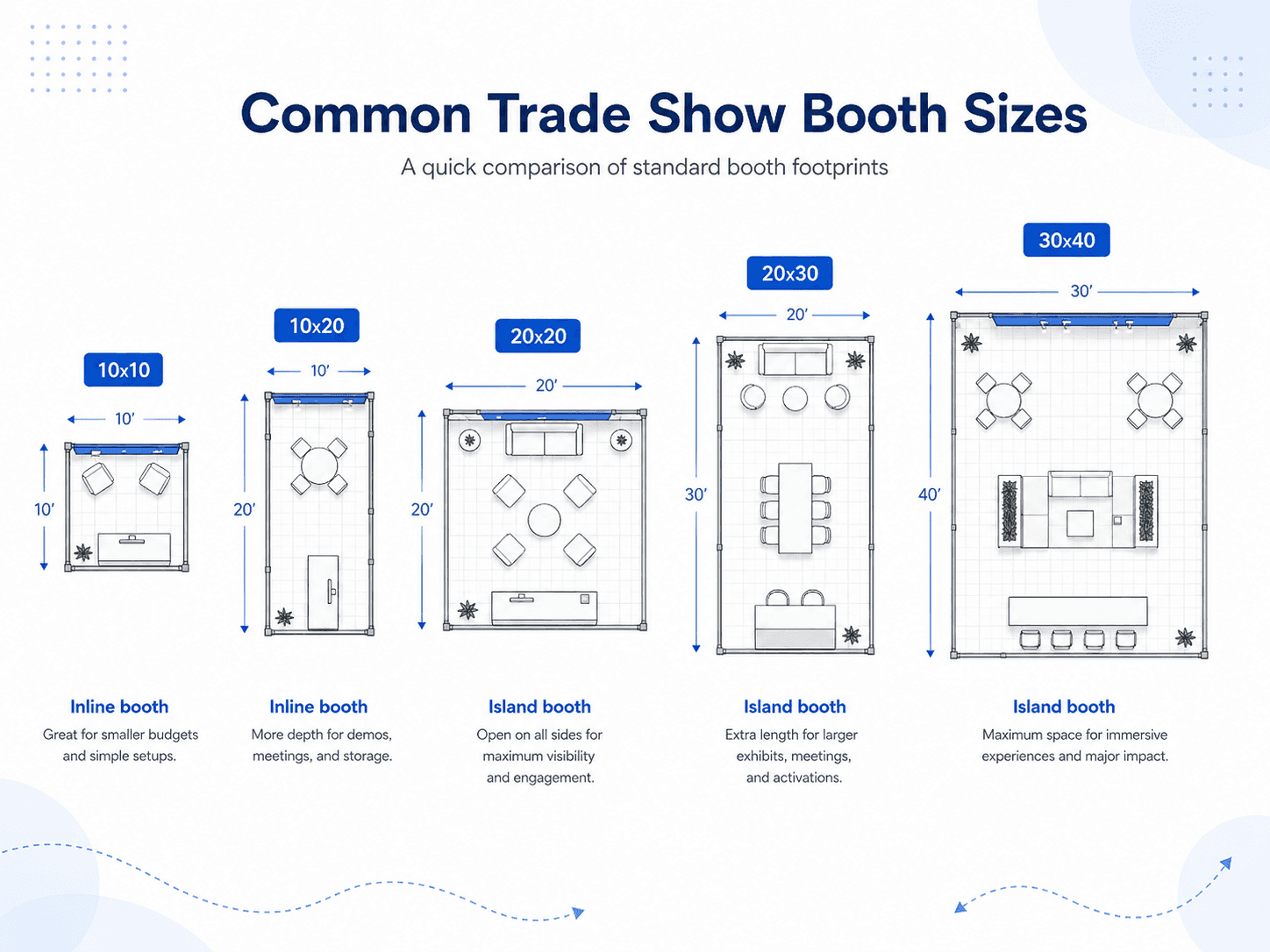
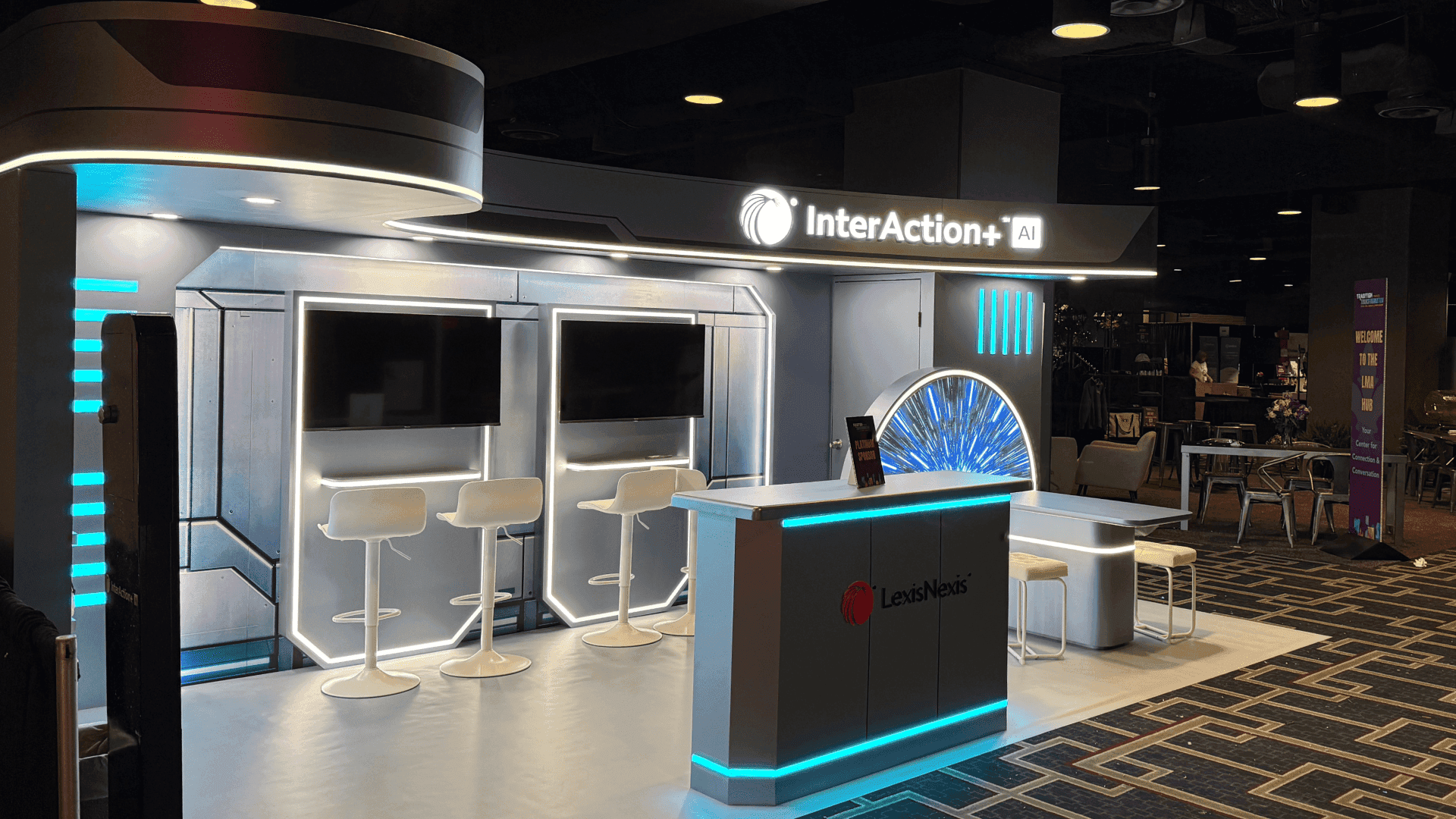
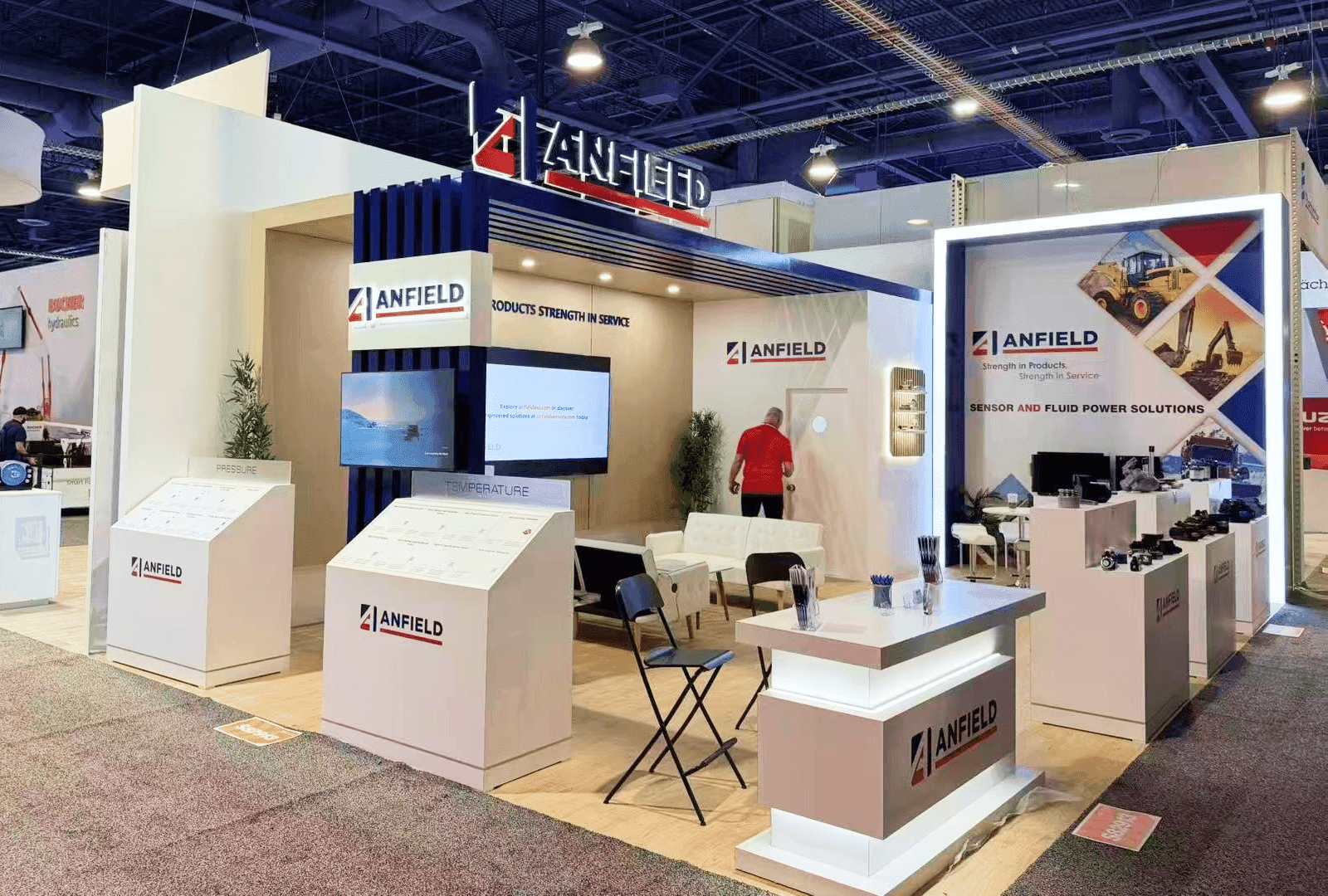
A side-by-side comparison of common trade show booth sizes, from 10x10 inline booths to 30x40 large island layouts.
A 10x10 trade show booth is the standard starting point at many shows. It is usually an inline booth with one open aisle and neighboring booths on both sides.
This size works best when the message is simple and the product story does not need much explanation. A clean 10x10 booth layout may include a branded backwall, one counter, a small display area, a monitor, and light storage. Two staff members can usually manage the space if the floor stays open.
The main risk is overfilling it. Extra chairs, too many samples, oversized furniture, or too many staff members can make a 10x10 booth feel crowded before visitors even step inside.
10x20 Booth Layout
A 10x20 booth gives exhibitors more width while keeping the booth relatively simple. It is still usually an inline booth, but the extra space allows the layout to support more than one activity.
One side might handle a product demo, while the other side supports lead capture, a counter conversation, or a second display. The wider backwall also gives graphics more room, which helps the booth read better from the aisle.
A 10x20 booth layout is a natural step up when a 10x10 feels too tight but the team does not need the cost or planning complexity of an island booth.
20x20 Trade Show Booth
A 20x20 trade show booth starts to feel more open. It gives the booth enough room for product demos, small meeting areas, monitor walls, storage, and smoother staff movement.
This footprint is often planned as an island or peninsula booth, but the final booth type depends on the assigned location. Before design work goes too far, exhibitors should confirm how many sides are open, where visitors will enter, and what height rules apply.
When a booth needs both demo space and meeting flow, 20x20 booth planning becomes more useful than a simple inline layout. The extra space helps only when the booth still feels open enough for visitors to enter naturally.
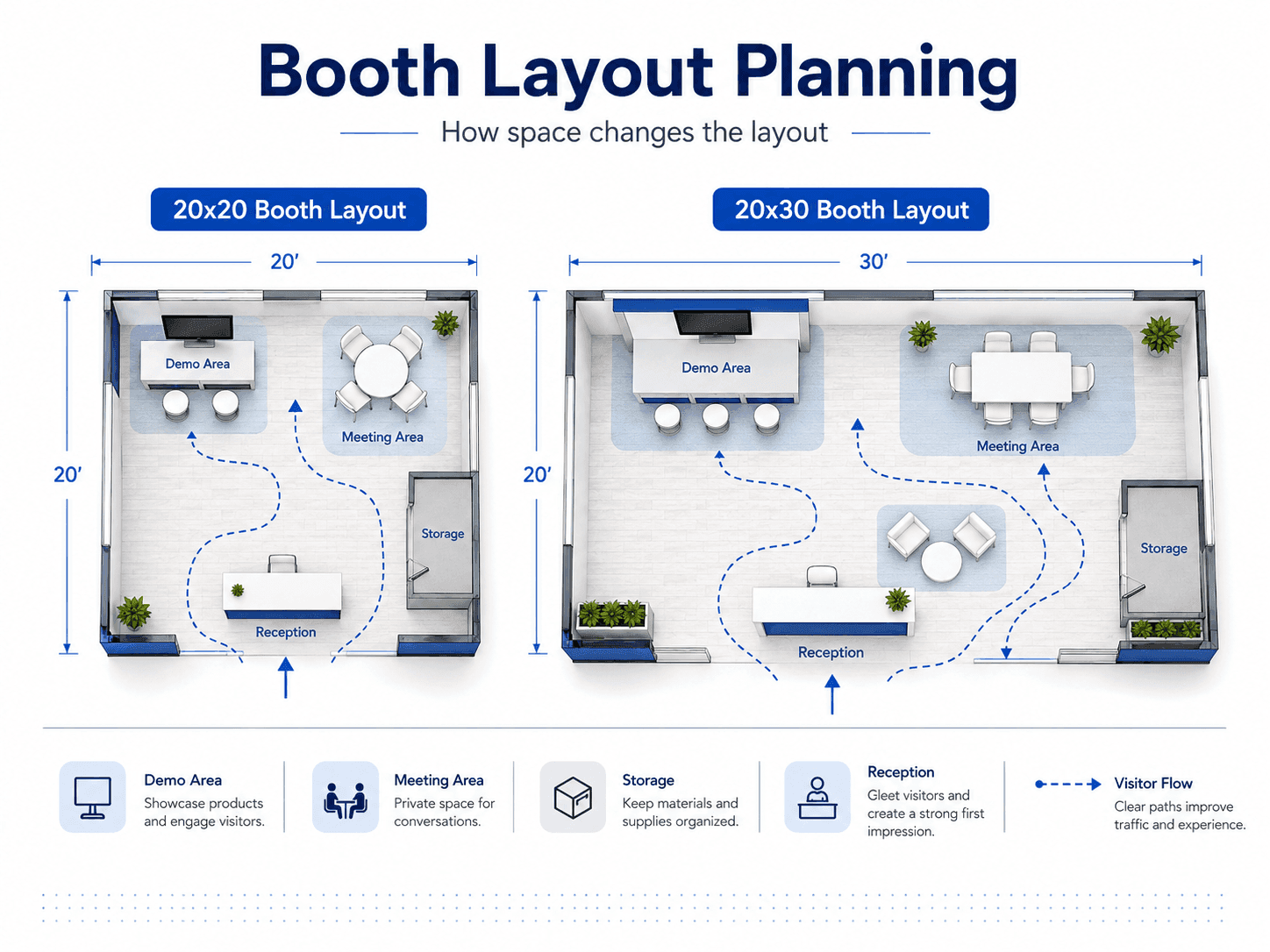
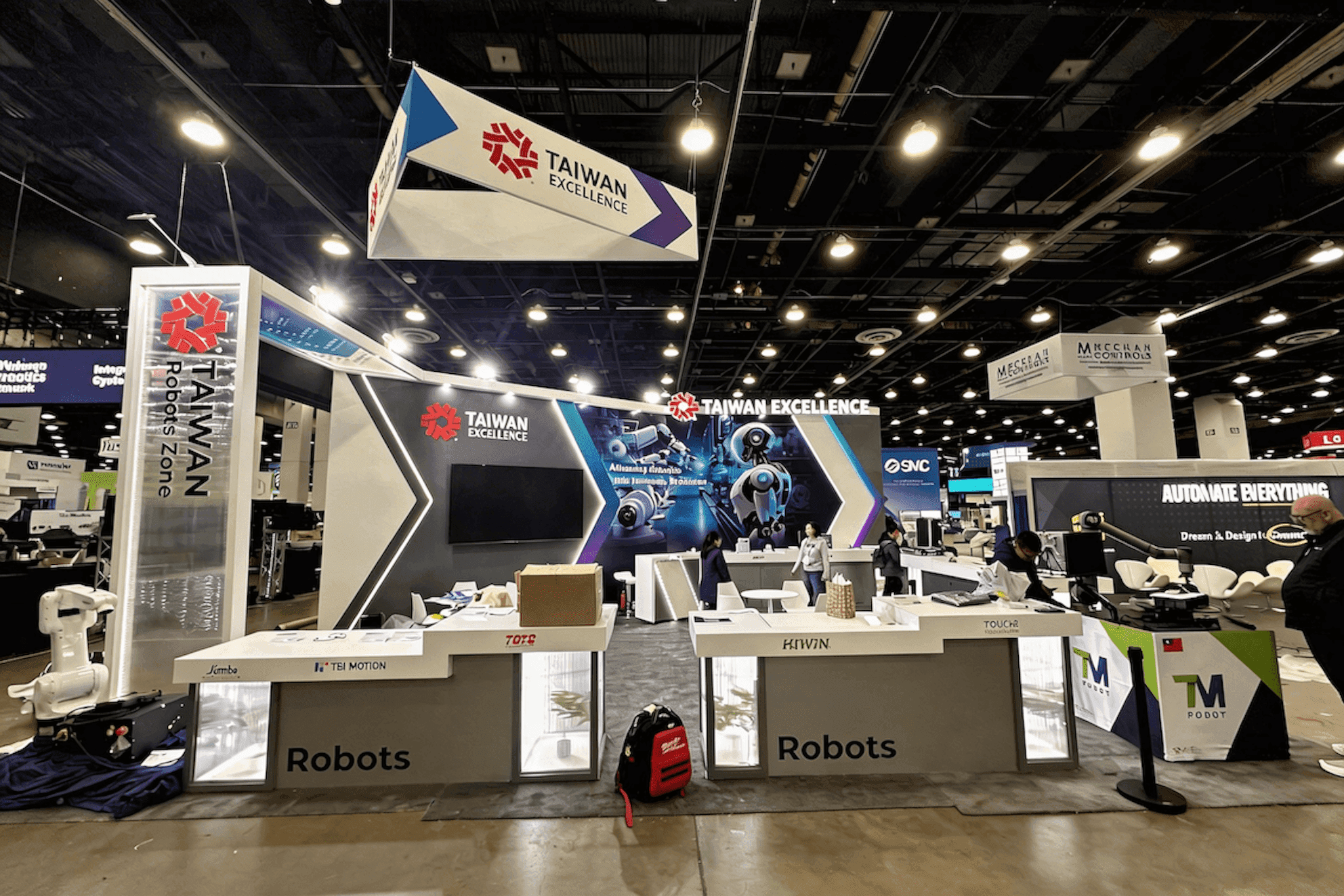
A booth layout planning example showing how demo areas, meeting space, storage, reception, and visitor flow change between 20x20 and 20x30 footprints.
20x30 Trade Show Booth
A 20x30 trade show booth gives the layout more breathing room. It can support a demo area, seating, storage, branded graphics, screens, and a clearer path for visitors.
This size often fits companies with multiple products, scheduled meetings, or product stories that need more than one step. It is also common for rental exhibits because it offers flexibility without becoming too large to manage.
For teams that need demos, seating, storage, and staff separation in one footprint, 20x30 booth planning gives the layout more room to work. The goal is not to fill every open area, but to keep each zone easy to understand.
30x30 Booth
A 30x30 booth is usually chosen when the exhibit needs to feel more like a brand environment than a simple display. It can hold larger meeting areas, hospitality space, multiple product stations, lighting features, overhead branding, and a larger staff team.
This size works best when visitors are expected to spend more time inside the booth. Sales conversations can happen in one area while other visitors continue viewing products or watching demos.
At this point, the planning details matter more. Electrical placement, storage, lighting, graphics production, freight timing, and installation need to be settled earlier so the booth does not look spacious on paper but confusing on the show floor.
30x40 Trade Show Booth
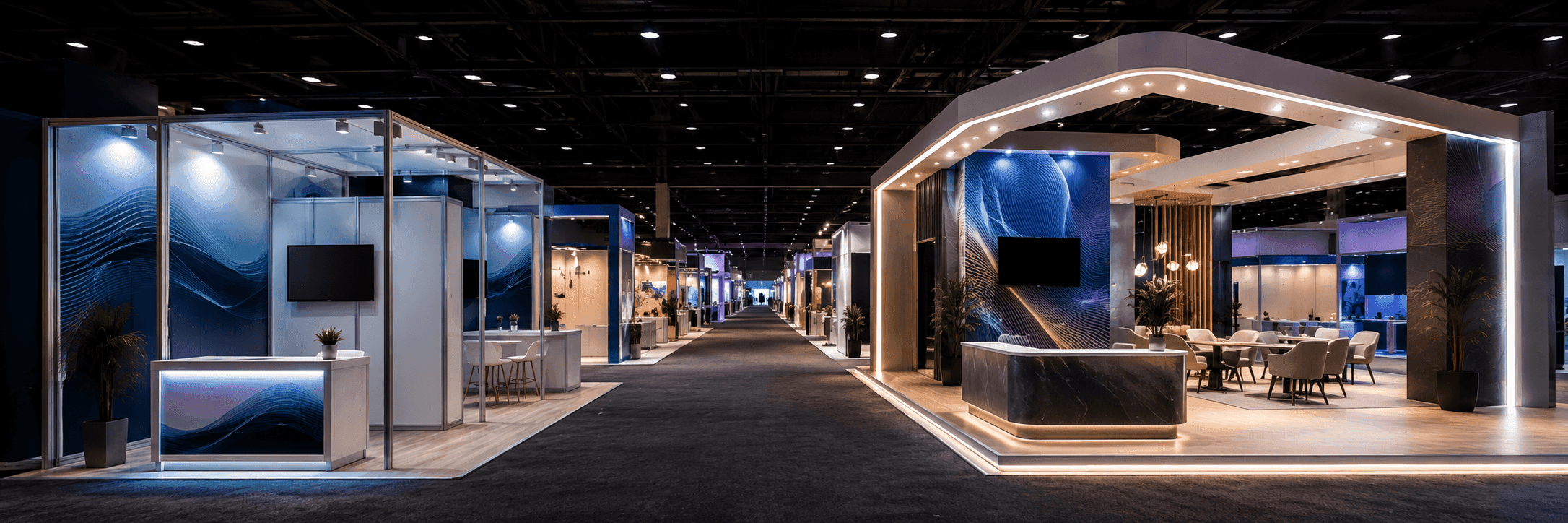
A 30x40 trade show booth is a large island layout often used for vehicles, equipment, product launches, and exhibits with several working zones. It gives exhibitors room to separate product display, demo space, meeting rooms, hospitality, storage, and staff support.
More space does not automatically mean better flow. Without a clear plan, one part of the booth may feel empty while another area becomes crowded.
When the exhibit includes vehicles, equipment, or several active zones, 30x40 booth planning is where freight, structure, visitor flow, and show-site timing need to be considered together. Large booths usually require earlier coordination around engineering, rigging, labor, move-in schedules, and approvals.
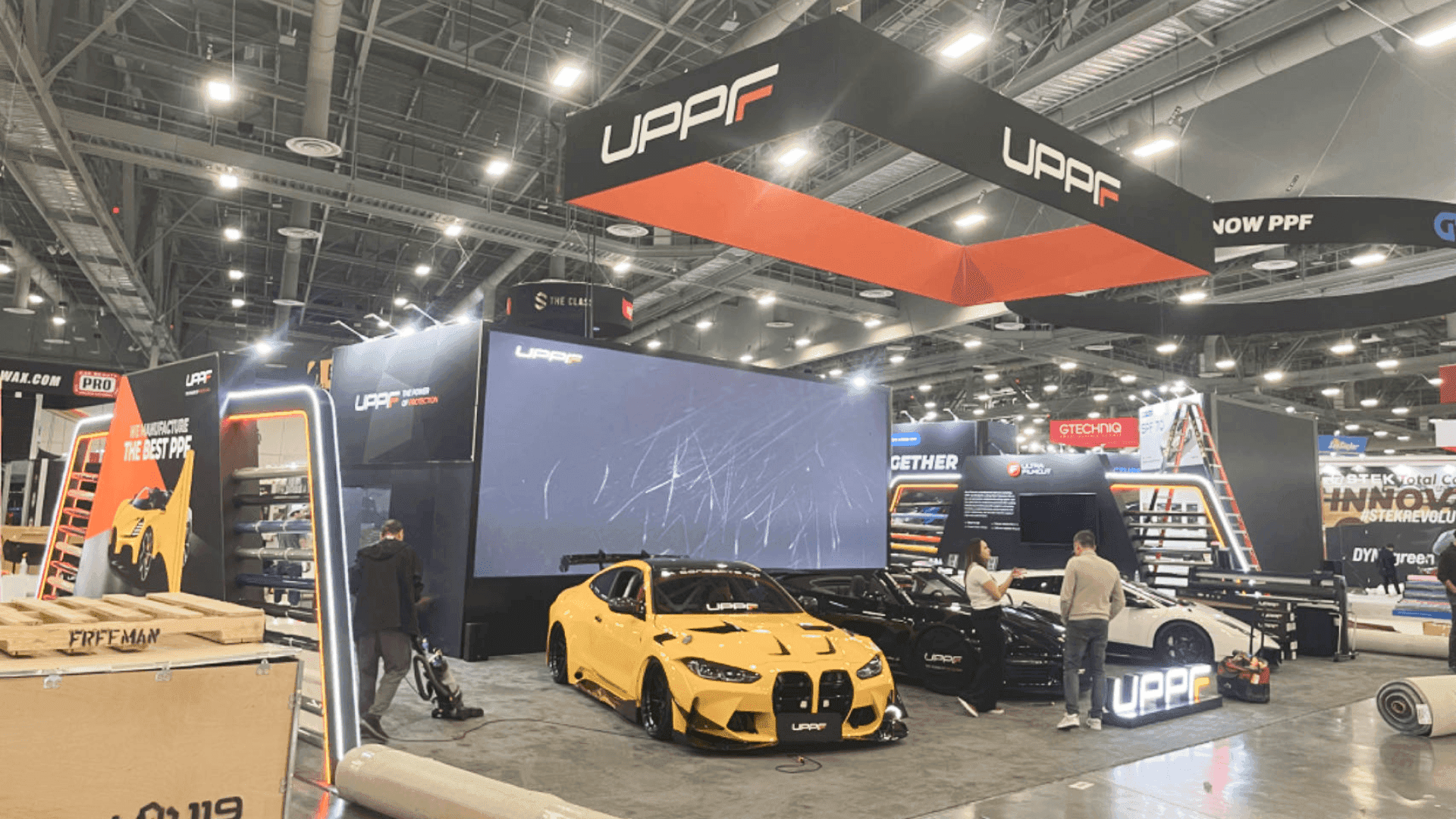
A 30x40 large island booth layout with vehicle display, overhead branding, product zones, reception space, and open visitor flow.
Booth Size and Booth Type Are Different
Booth size refers to the footprint. Booth type describes how that footprint is positioned on the show floor and how many sides are open to visitor traffic.
Common configurations include inline, corner, end-cap, peninsula, and island booths. Some shows also identify perimeter locations along the outer walls of the hall.
The same square footage can perform very differently depending on aisle exposure, neighboring booths, entrance points, height rules, and visitor flow. A 20x20 footprint, for example, should not be planned the same way if it is assigned as a peninsula instead of an island.
Rental, custom, or hybrid describes how the exhibit is delivered or built—not the booth type itself.
How Booth Size Affects Layout Planning
Choosing a booth size is not just about fitting objects into a square. The footprint affects how the booth works during the show.
A smaller booth needs a sharper message and fewer physical elements. A mid-size booth can support demos and seating, but entry points need to stay open. A larger booth gives more freedom, but visitors still need to understand where to go, what to look at, and how to start a conversation.
Before choosing a trade show booth footprint, exhibitors should consider staff count, demo needs, storage, seating, private meeting space, graphics, lighting, screens, counters, height rules, electrical placement, and installation timing.
Once the footprint is clear, exhibitors can compare 10x10 rental booth designs, 10x20 rental booth designs, 20x20 rental booth designs, and 20x30 rental booth designs to see how counters, graphics, screens, storage, demonstration areas, and meeting space can be arranged within each size.
How Venue Rules Affect Booth Size Planning
Booth size also affects how early certain show-site details need to be resolved. Larger footprints may require more coordination around electrical placement, freight, material handling, rigging, structure approvals, installation, and move-in schedules.
This becomes especially important at major convention venues. For Las Vegas shows at LVCC, Venetian Expo, Mandalay Bay, and other large venues, exhibitors should confirm the assigned booth configuration and current show rules before detailed design begins. For projects using a flexible rental structure, Las Vegas trade show booth rental can support that local planning path.
Common Mistakes When Choosing a Booth Size
One common mistake is choosing booth size only by budget. A smaller booth may save money, but it can create problems if the team needs demos, storage, seating, or several staff members on the floor.
Another mistake is choosing a large booth without a clear plan. More square footage does not automatically create better visitor flow. If the booth has no clear entry point, no visual order, or too many disconnected zones, visitors may still feel unsure about where to go.
Exhibitors should also avoid oversized furniture, blocked aisles, poor storage planning, and assumptions about height rules. Each show has its own guidelines, so backwall height, hanging signs, rigging, electrical placement, and installation requirements should be checked before the design is finalized.
FAQ
What is the most common trade show booth size?
The 10x10 is one of the most common trade show booth sizes and is widely used for inline exhibits, focused product displays, and compact booth teams. Whether it is the right choice depends on what the booth needs to display, demonstrate, store, and support during the show.
What fits inside a 10x10 booth?
A 10x10 booth usually fits a branded backwall, one counter, a small display area, a monitor or lead capture station, light storage, and two staff members. The layout should stay simple.
How do I choose between a 10x20 and a 20x20 booth?
Choose a 10x20 booth if you need more width but still want a simple inline layout. Choose a 20x20 booth if you need stronger visibility, more open visitor flow, demo space, seating, or a more flexible structure.
Is a 20x20 booth always an island booth?
No. A 20x20 booth is often used as an island booth, but the final booth type depends on the assigned show floor location. Always confirm whether the space is island, peninsula, corner, or inline before finalizing the layout.
What booth size works best for product demos?
Simple demos can work in a 10x20 booth. More involved demos usually work better in a 20x20 or 20x30 booth because there is more room for equipment, staff, visitors, screens, and storage.
What booth size is best for vehicles or large equipment?
Vehicles and large equipment often require a larger island footprint, but the right size depends on the product dimensions, required clearance, visitor flow, supporting displays, and venue move-in rules. A 30x40 is a common option when the exhibit needs to combine large equipment with demo, meeting, or hospitality zones.
Final Note
The best booth size is the one that fits how the booth will actually be used. A focused 10x10 can work well for a simple message. A 20x20 or 20x30 booth can support more demos and conversations. A 30x40 booth can handle larger products, vehicles, hospitality, and several zones at once.
Before choosing a footprint, review the product display plan, staff count, traffic expectations, storage needs, venue rules, freight timing, and installation schedule.
For first-time exhibitors, choosing the footprint is only one step. The first-time trade show exhibitor checklist maps what comes next, including proposal approval, show services, logistics, pre-show readiness, and move-in.