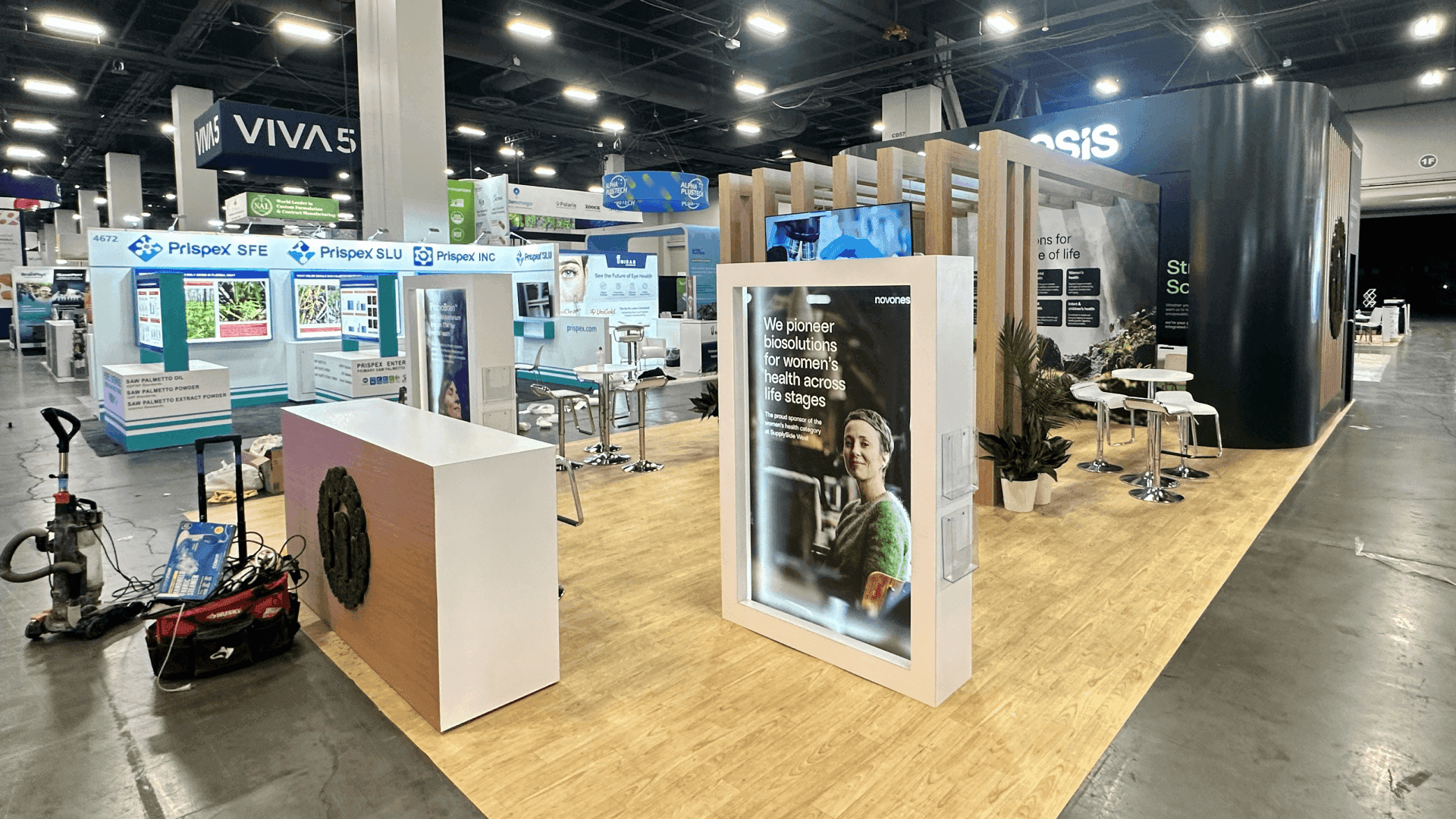
Medical technology exhibitors should compare shows by buyer environment, product category, evaluation process, and what visitors need to see before they can continue a serious conversation. A medical device, imaging system, diagnostic platform, healthcare software product, clinical workflow tool, or healthcare AI solution may require very different demo space, screens, equipment clearance, technical graphics, meeting privacy, storage, power, and staffing. Choose the event environment first, then plan the booth around how buyers will evaluate the product there.
Medical technology events should not be treated as interchangeable. The product evaluation path can change substantially depending on whether attendees are healthcare executives, hospital IT teams, physicians, specialists, radiologists, clinical buyers, researchers, or procurement teams.
Plan screen-based workflows, data and interoperability explanations, and healthcare AI demonstrations. Keep the first product proof visible while allowing technical and commercial conversations to continue separately.

HLTH
Connect the platform or digital health workflow to the buyer conversation. Give a short screen demo a clear next step into a deeper product or commercial discussion.

HIMSS
Make healthcare software workflows and interoperability understandable on screen. Plan where hospital IT questions and technical handoffs can continue without stopping the next demo.
Device and clinical-product demonstrations need equipment clearance, workflow explanation, accessible accessories, and space for professional questions. The specialist evaluation path should shape the booth before furniture is selected.

ASA ANESTHESIOLOGY
Plan a clear device or clinical workflow demonstration, with operator access and room for specialist questions. Keep equipment accessories and supporting materials close to the demo.

AUA Annual Meeting
Organize the product explanation around the clinical use case. Separate hands-on product review from longer technical or purchasing conversations.

Critical Care Congress
Give the device, clinical workflow, and supporting graphics a readable sequence. Allow for equipment clearance, technical questions, and a professional discussion away from the aisle.
Imaging systems, diagnostic platforms, radiology software, and AI-assisted workflows need visible equipment and screens that support detailed evaluation. Plan both the first output a visitor sees and the deeper workflow demonstration.

RSNA
Plan equipment visibility alongside imaging output and workflow demonstrations. Support deeper technical evaluation without forcing every visitor through the complete presentation.
Buyer Context
The booth needs to match who is evaluating the product: executive, clinician, hospital IT, technical specialist, researcher, procurement team, or channel partner.
Product Evaluation
Some products can be understood through a short screen workflow. Others need a physical device demonstration, equipment clearance, imaging output, technical explanation, or specialist conversation.
Demo Depth
Separate the first visible proof point from the deeper evaluation path. Do not force every visitor through the full technical demonstration.
Meeting Flow
Plan where a quick aisle conversation ends and where a serious clinical, technical, procurement, or partnership discussion begins.
Clear Product Explanation
Make the clinical problem, workflow, user, and product role understandable before adding deeper specifications.
Device and Equipment Clearance
Physical medical equipment needs safe viewing, operator access, cables, storage, and enough room for the demonstration to function naturally.
Screen and Workflow Visibility
Healthcare software, imaging, diagnostics, dashboards, and AI platforms need screen placement that visitors can follow without blocking aisle circulation.
Technical Graphics
Use diagrams, workflow graphics, labels, product visuals, and short supporting copy to make technical information easier to scan.
Buyer and Specialist Conversations
Support both short walk-up conversations and deeper discussions with clinical, technical, purchasing, or executive visitors.
Storage, Power and Technical Support
Plan hidden storage, device accessories, charging, AV, connectivity, backup demo content, and other operational requirements before the visible booth layout is finalized.
One focused product, device, software workflow, or clinical message with a compact demo and short visitor conversation.
A stronger demo environment with room to keep the product visible while another technical or commercial conversation happens nearby.
Useful when the exhibit needs several screens, equipment, multiple workflows, meetings, storage, or separate clinical and commercial discussions.
Larger island exhibits make sense when several products, equipment zones, presentation areas, private meetings, or larger technical systems need to operate independently. Start with those working requirements, then assess the footprint.
How many products or demonstrations need to operate at the same time?
Does the product require equipment clearance or only a screen-based workflow?
Do clinical, technical, or purchasing conversations need separate space?
What storage, power, AV, connectivity, accessories, or backup equipment must remain available during the show?
Graphics and Brand Presentation
Plan diagrams, product visuals, workflow graphics, and the message a visitor should understand first.
Booth-Size Planning
Compare usable footprints for demos, equipment, visitor movement, meetings, and storage.
Project References
Review real exhibit layouts and the relationship between screens, product displays, graphics, and conversations.
Las Vegas Healthcare Planning
Use the city-specific collection when venue context, local installation, logistics, and show-site execution become the next decision.
A medical technology booth becomes a physical project once equipment, devices, screens, product workflow, visitor positions, meetings, storage, power, connectivity, graphics, and staff movement are defined.
Customizable Rental
A focused software or healthcare platform demo may work inside a customizable rental structure.
Custom or Hybrid
Medical devices, integrated equipment, several product zones, stronger architectural requirements, private meetings, large media systems, or specialized technical integration may justify a custom or hybrid direction.
The build direction should follow what buyers need to evaluate and what the booth must physically support.
These are adjacent technical-product projects, not medical-client case studies. Use them to examine screen visibility, demo positions, technical graphics, and visitor movement.
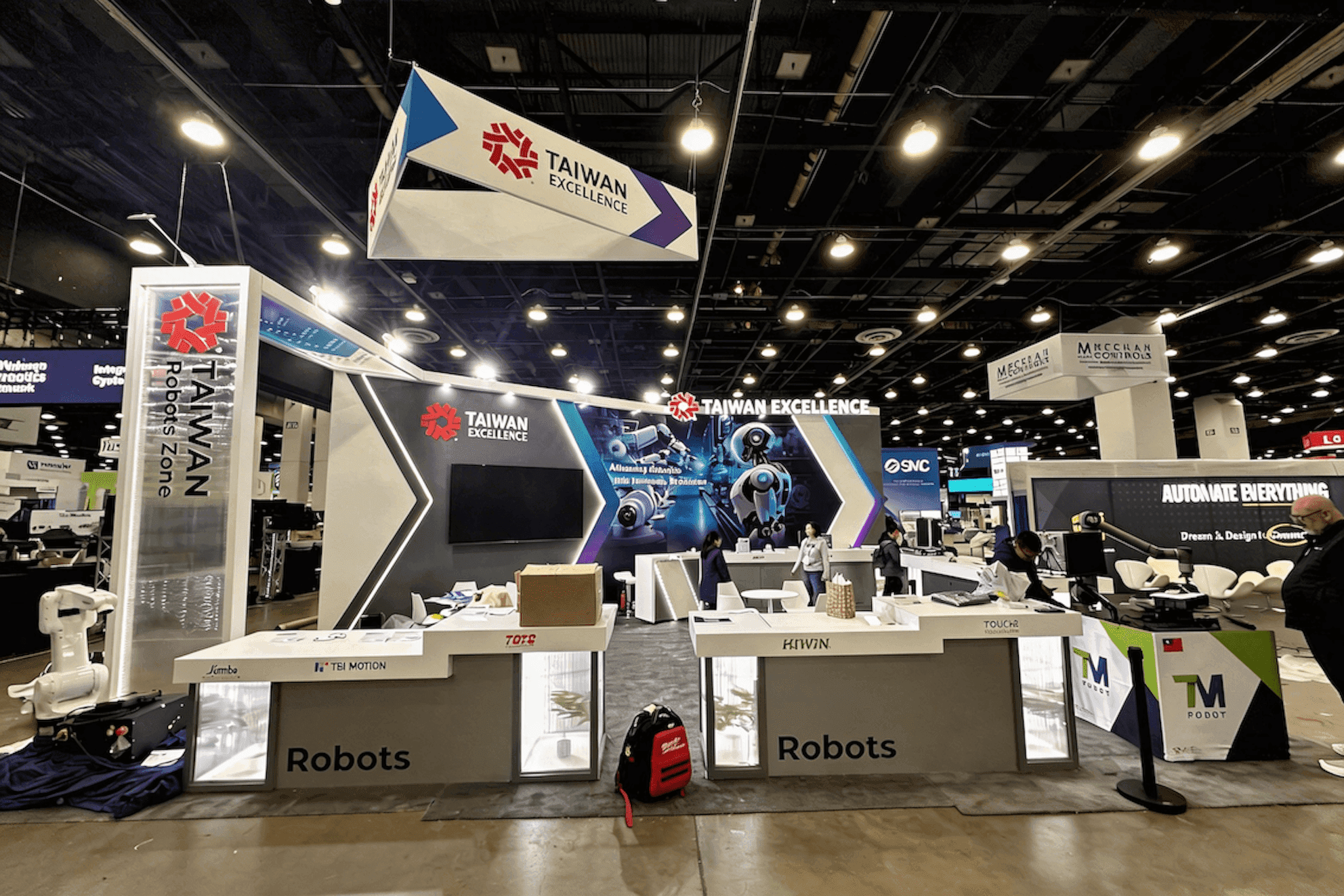
Adjacent example: industrial automation
Taiwan Excellence at Automate
20x30 booth with product demonstration counters and an open visitor path. A useful reference for keeping several technical product positions visible.

Adjacent example: security technology
ZOSI at ISC West
20x20 booth with screens, product displays, and space for technical conversations. A reference for coordinating visible proof with a deeper product discussion.
Some medical technology companies also exhibit at healthcare, digital health, wellness, clinical, and medical-adjacent events in Las Vegas.
For the city-specific view, including Las Vegas event environments, booth sizes, venue context, graphics, logistics, installation, and local show-site execution, use the Las Vegas Healthcare Trade Show Booth Planning collection.
This page remains focused on comparing medical technology trade-show environments across events and cities.
A medical technology booth should not begin with furniture or decorative features. Start with the evaluation path:
What does the visitor already understand?
What does the product need to prove?
Does the buyer need to see a physical device, workflow, output, image, dashboard, or clinical use case?
Who handles the next technical or clinical question?
How many demos and conversations need to run simultaneously?
These answers determine the footprint, equipment placement, screens, graphics, meeting space, storage, technical infrastructure, rental or custom direction, and show-site setup.
What are the main types of medical technology trade shows?
Should a medical technology company use the same booth at every event?
What booth size works for a medical device or healthcare technology exhibitor?
How should exhibitors compare a digital health show with a clinical specialty conference?
Share the event, booth size, medical or healthcare product, device or workflow demonstration, screens or equipment, meeting requirements, technical needs, timeline, and any existing design references.
Circle Exhibit can review the actual event requirements and help define a practical rental, custom, or hybrid exhibit path, including design, fabrication, graphics, logistics, installation, and show-site coordination.