VRMA Conference Booth Planning


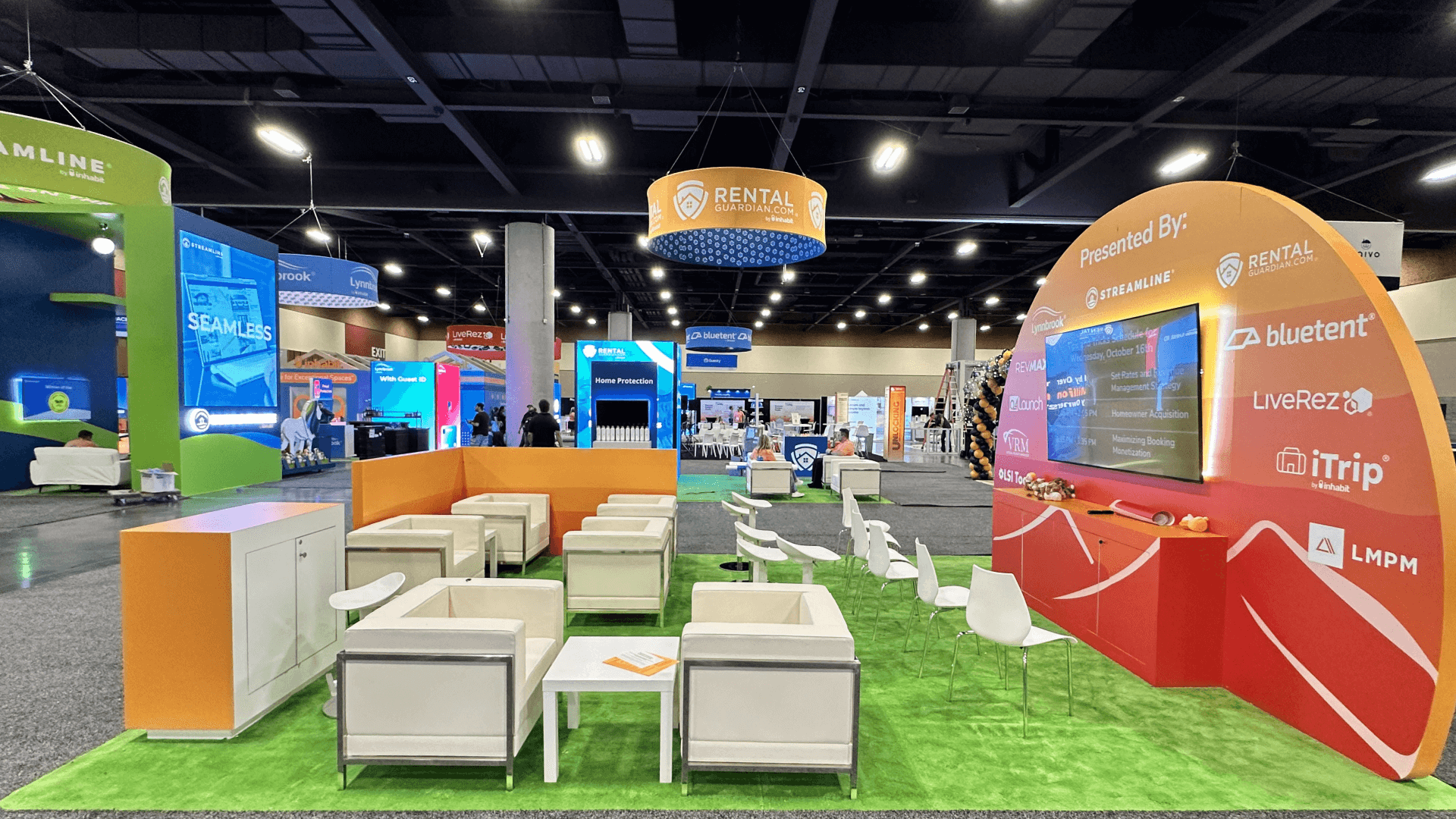
VRMA (Vacation Rental Management Association) is a leading conference and expo for the short-term rental industry, bringing together property managers, STR operators, and vendors that support vacation rental operations. Exhibitors commonly include PMS and channel manager platforms, guest messaging and automation tools, smart lock/access control providers, dynamic pricing and revenue management software, housekeeping and maintenance systems, and owner reporting solutions—so the booth floor is built around workflow demos and business meetings, not physical product staging.
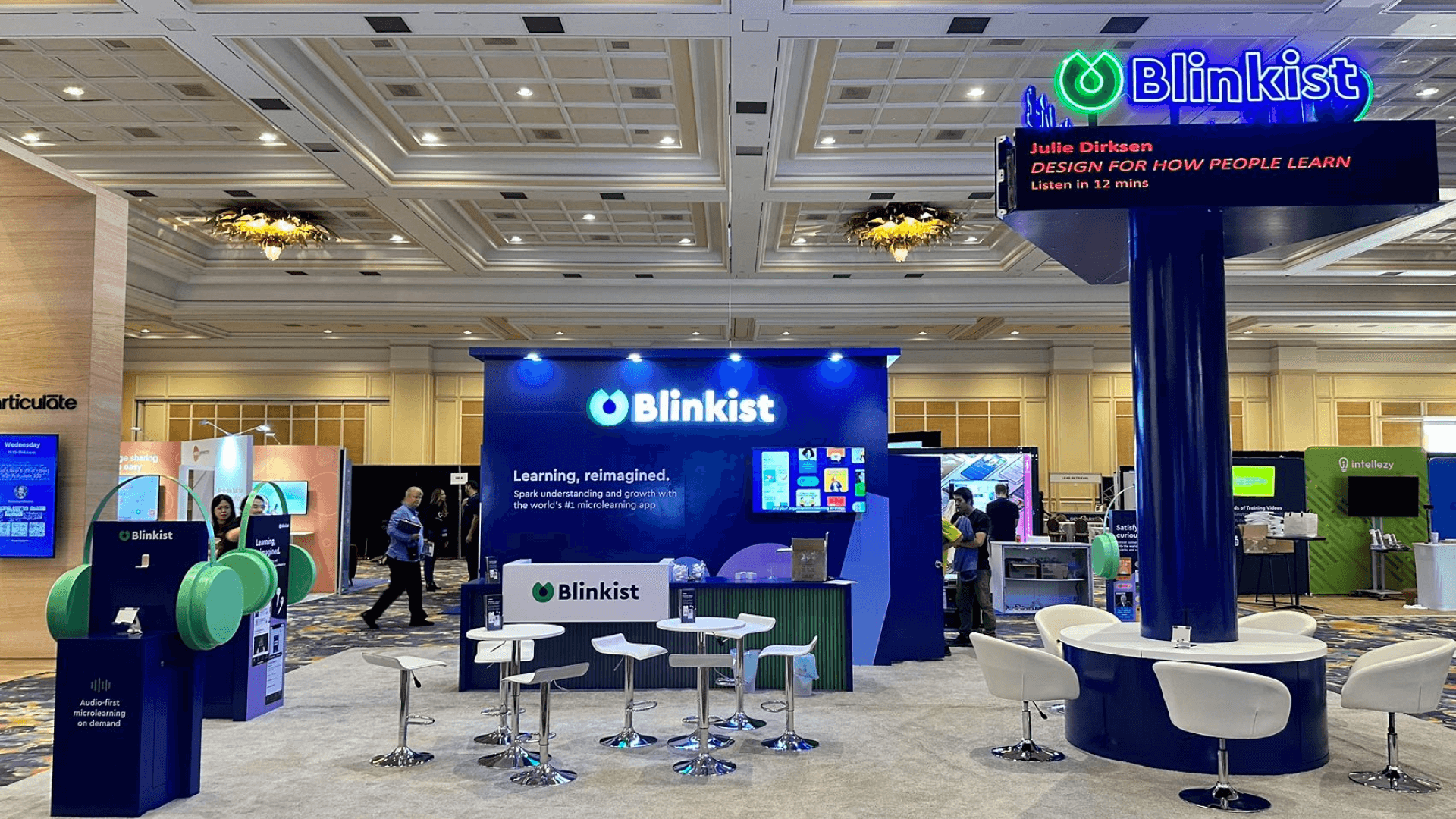
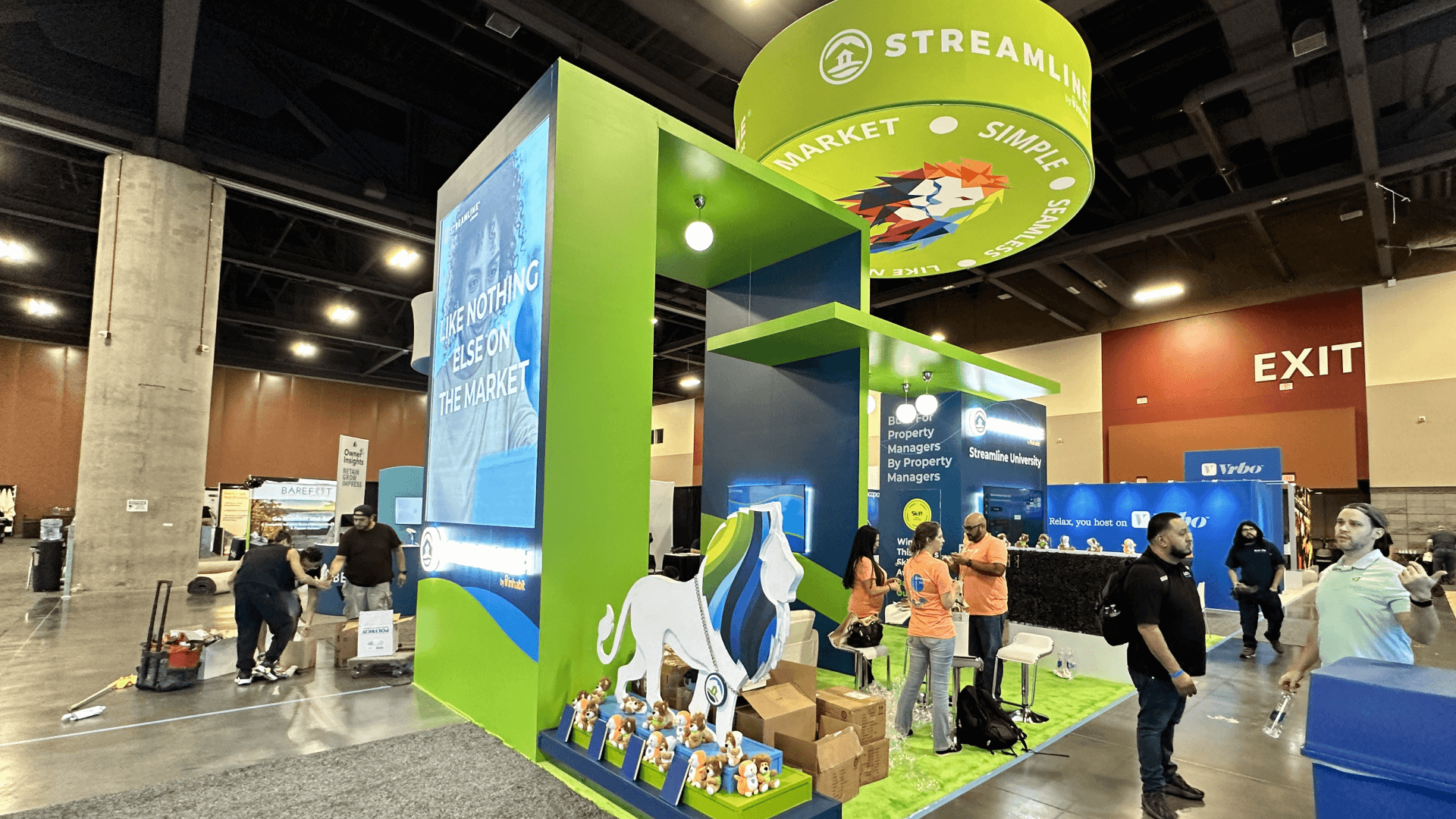
VRMA expo booths are typically “screen-first” and process-driven. The most effective layouts combine a clear story wall (what problem you solve for properties and listings), two-to-three demo touchpoints (monitor stations, laptop bars, or QR lead capture), and a consultation corner for owner/operator discussions. Because attendees are evaluating software during short breaks between sessions, the execution goal is speed and clarity: readable messaging from the aisle, structured demo flow, clean cable management, and a setup that keeps conversations moving without blocking traffic.
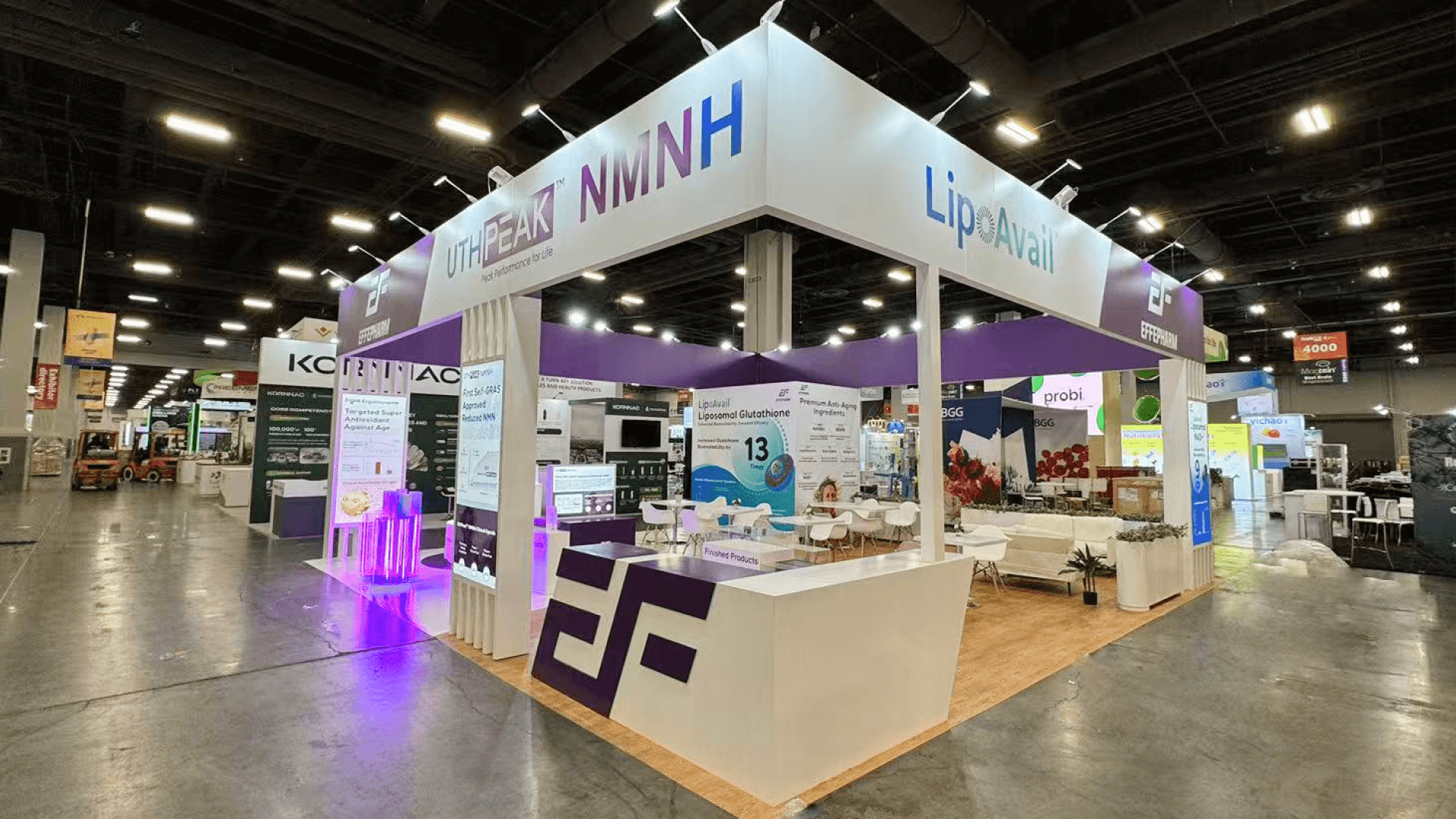
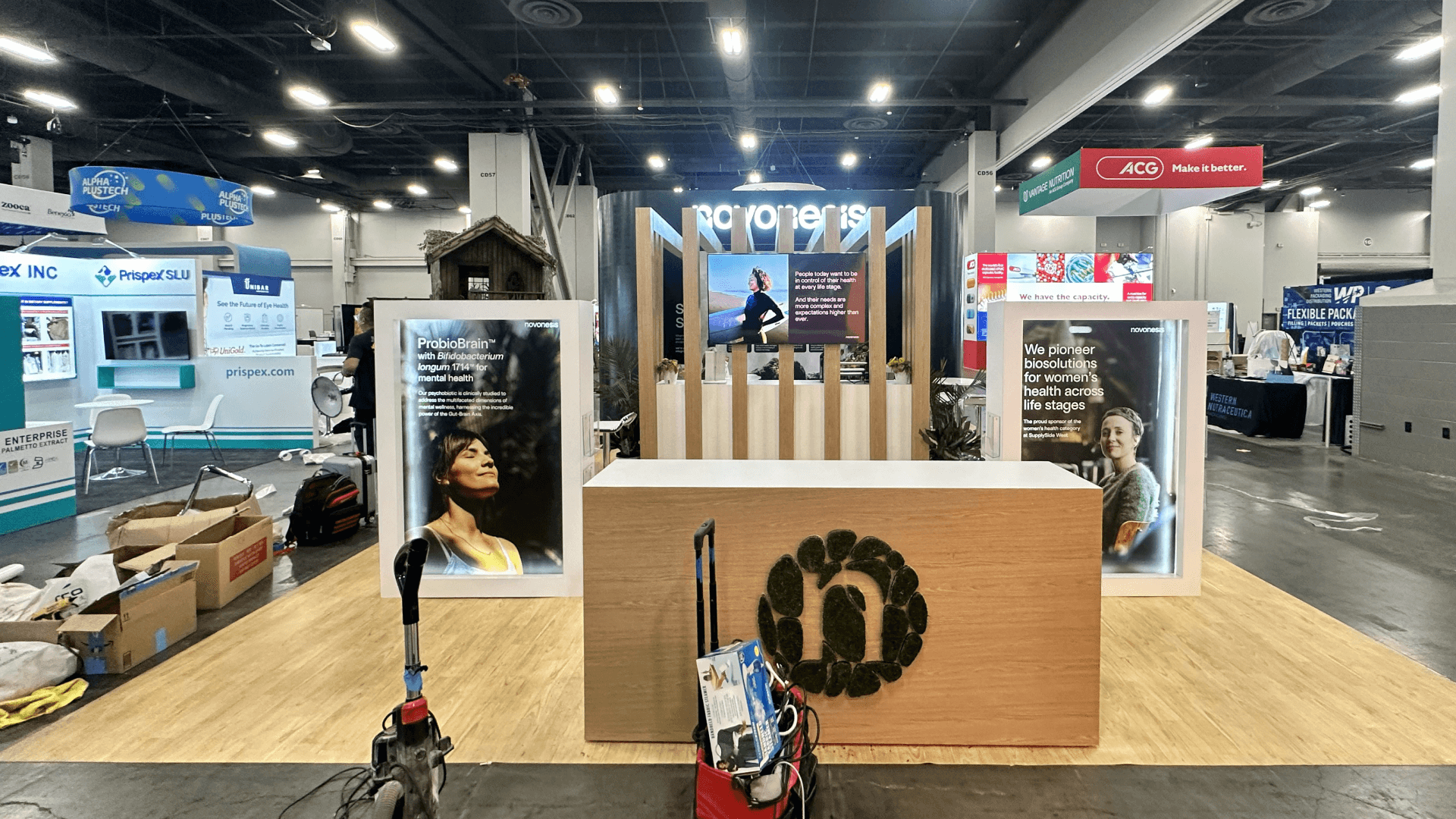
For many vendors, a 10×20 trade show booth is a practical footprint to support a branded backdrop, multiple demo stations, and a small meeting area—while keeping equipment secure and easy to reset between traffic waves. If your booth relies on crisp UI storytelling, product positioning, and brand system consistency, reference our Graphics & Brand Presentation workflow to keep visuals legible across monitors, walls, and printed materials. For move-in timing, material handling, and labor coordination planning, use our logistics and pre-show coordination guideas a local execution reference for how we sequence shows when schedules are tight.
Why Exhibitors Choose Circle Exhibit
Clear scope, transparent quote review, nationwide booth support, and efficient setup planning for qualified rental and custom exhibit projects.
48hr
Setup Window
10+
Years Since 2014
U.S.
Trade Show Support
Real
Booth Project Proof
Short-term rental property management and vacation rental operations, with heavy emphasis on software platforms, service providers, and workflow optimization.
Meeting-driven booths with screen-based demos: PMS/channel manager walkthroughs, guest messaging automation, pricing dashboards, access control integrations, and reporting tools.
Operators compare vendors quickly and book follow-up calls on-site, so clear value messaging + fast demo flow often matters more than complex structures.
Not Sure Which Booth Size You Need?
Not every exhibitor knows whether a 10x20, 20x20, 20x30, or larger booth is the right fit. Circle Exhibit can help review your event goals, product display needs, demo areas, meeting space, storage, budget scope, and setup timeline before you choose a booth size.
“Screen-First” Booth Execution
Lead Capture That Doesn’t Stall the Aisle (VRMA-specific)
1
Define the Demo Path
2
3
4
Plan for traffic spikes between sessions; keep a reset routine for demo stations, charging, and collateral so the booth stays “show-ready.”
At Music City Center in Nashville, plan your booth execution around dock access windows and freight staging, since many exhibitors arrive with screen crates, demo kiosks, and boxed hardware that need quick turn delivery from drayage to booth. Keep the install sequence simple—demo wall first, then cable routing/power, then software setup—so your team can validate the platform walkthroughs before the hall opens.
Assign one person to manage power, cables, and monitor readiness so demos don’t get delayed during peak hours.
What booth size is common for VRMA exhibitors?
A 10×20 booth is common for VRMA vendors because it supports two-to-three demo stations plus a small meeting corner while keeping aisle flow open for property manager conversations.
What should we prioritize for a software-focused VRMA booth?
How do we handle lead capture without creating a line?
READY TO PLAN YOUR NEXT BOOTH?
Let’s Build a Booth That Fits Your Event
Share your event name, booth size, city, timeline, product display needs, and design references. Circle Exhibit will review your project direction and help you choose a rental-friendly or custom exhibit path.
3000+
Booth Projects Supported
50+
U.S. Event Cities
Transparent
Quote Review