Start With the Convenience Retail Product Category
A NACS Show booth should start with what buyers need to understand first. Foodservice, fuel equipment, and retail technology products all create different moments on the show floor. Some products need to be tasted, some need room to be examined, and some need a screen or device to explain the value quickly.
Foodservice and Beverage Equipment
Foodservice and beverage exhibitors often need room for sampling, prep counters, heated or refrigerated equipment, and storage for supplies. The booth should keep the front area open enough for quick tastings, product handling, and short conversations without crowding the display.
When sampling and storage shape the layout, NACS foodservice booth planning needs to make the booth easy to approach while keeping product handling practical.
Fuel Equipment and Forecourt Solutions
Fuel equipment and forecourt products usually need more space for scale, clearance, and technical explanation. Buyers may need to understand how the product fits into a real station environment, so the booth should leave room for visibility, staff explanation, and safe movement around the display.
For larger equipment displays, fuel equipment booth planning should account for product footprint, spacing, and enough open area for buyers to review details without blocking traffic.
Retail Technology and Store Operations
Retail technology booths need a clear path from screen demo to conversation. POS systems, loyalty platforms, payment tools, security products, and store operations software should be easy to understand from the aisle.
For this category, NACS technology booth planning should stay focused on screen visibility, device placement, lead capture, and simple buyer flow. Dashboard flow, AI workflow, and detailed screen demo planning should not take over this broader NACS booth article.
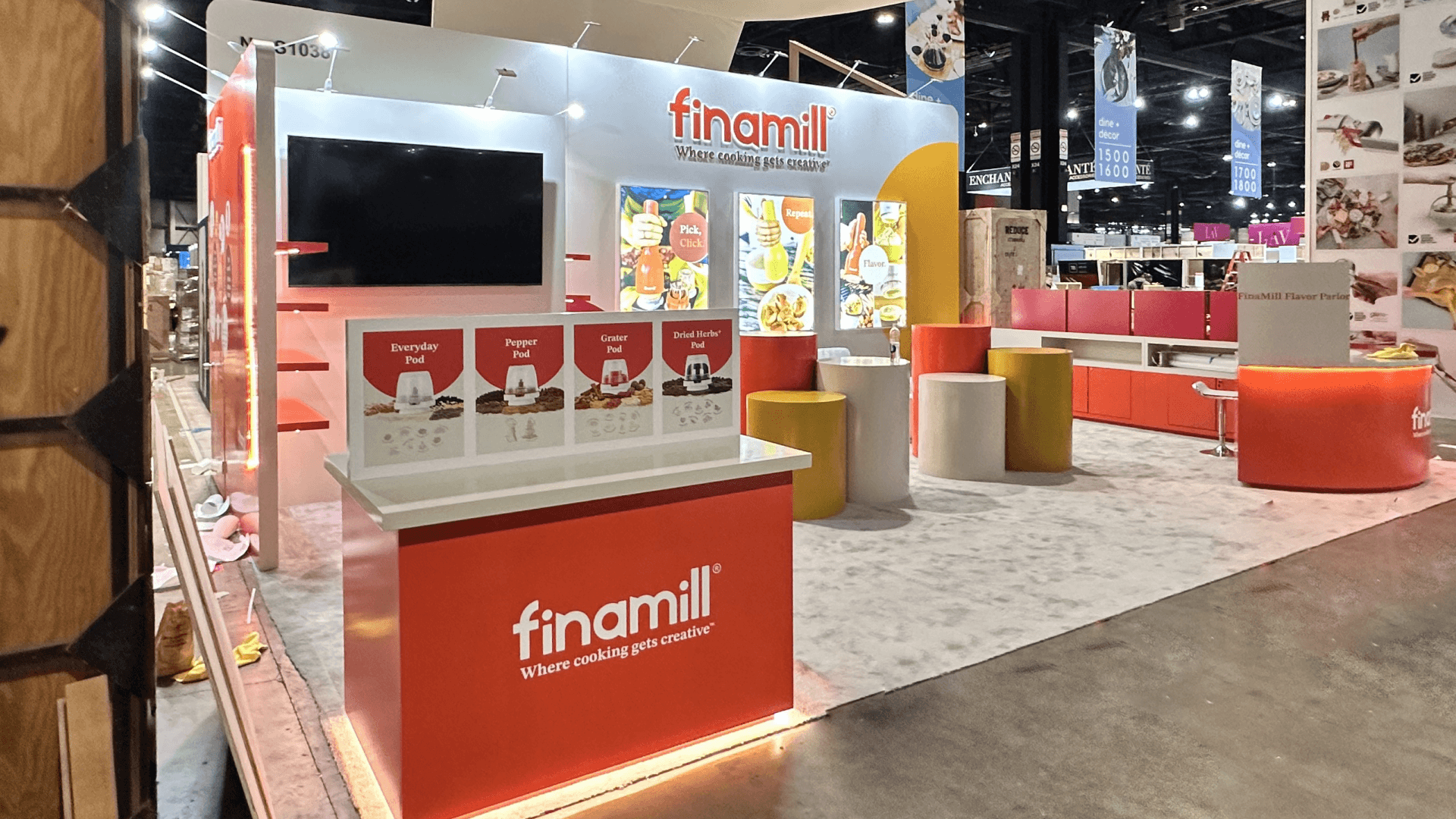
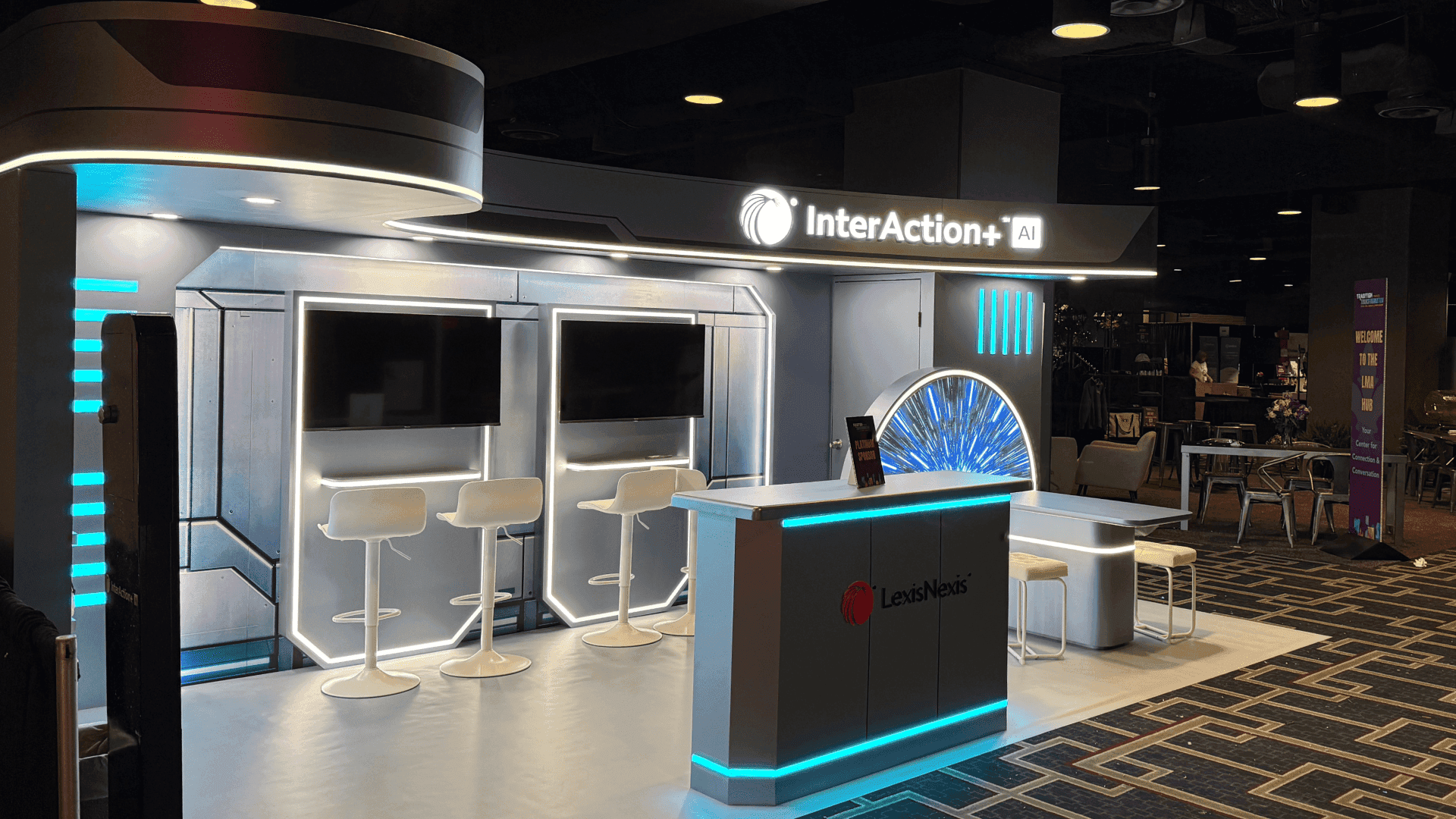
A convenience retail booth planning visual showing how foodservice, fuel equipment, and retail technology exhibitors need different display and buyer conversation areas.
Plan Product Display and Buyer Conversation Flow
A NACS booth works better when buyers know where to look first. Too many samples, screens, counters, or equipment pieces can make the booth feel busy before the product is even explained.
Start with one clear focus. For foodservice exhibitors, it may be a tasting counter. For fuel equipment suppliers, it may be the main product display. For retail technology brands, it may be the first screen or device. Everything else should support that first point instead of competing with it.
The layout should also give staff room to talk without blocking the aisle. Buyers need space to stop, ask a question, and move into a short conversation. Lead capture works best near the end of that path, after the buyer has seen the product and understands why the follow-up matters.
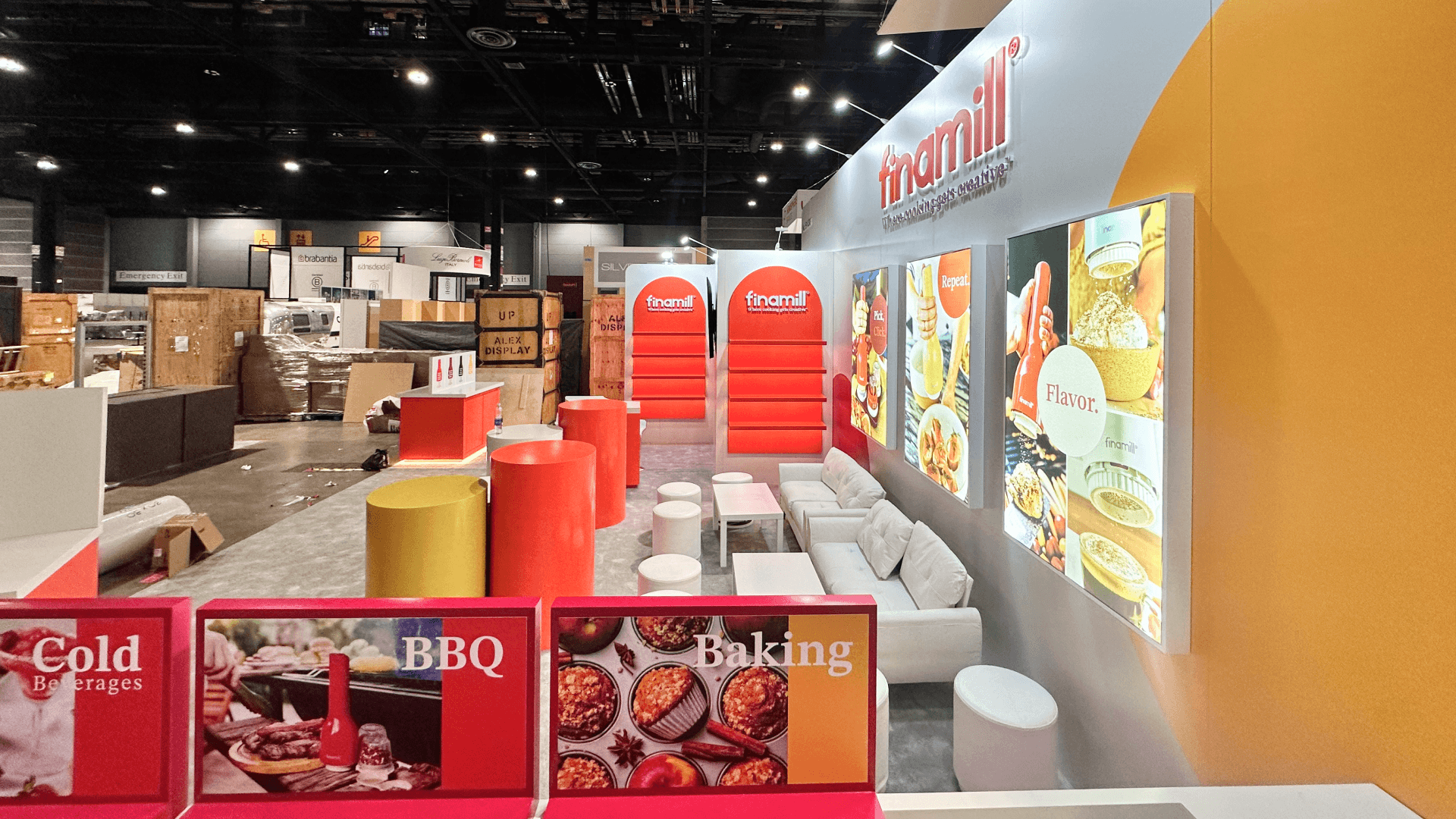
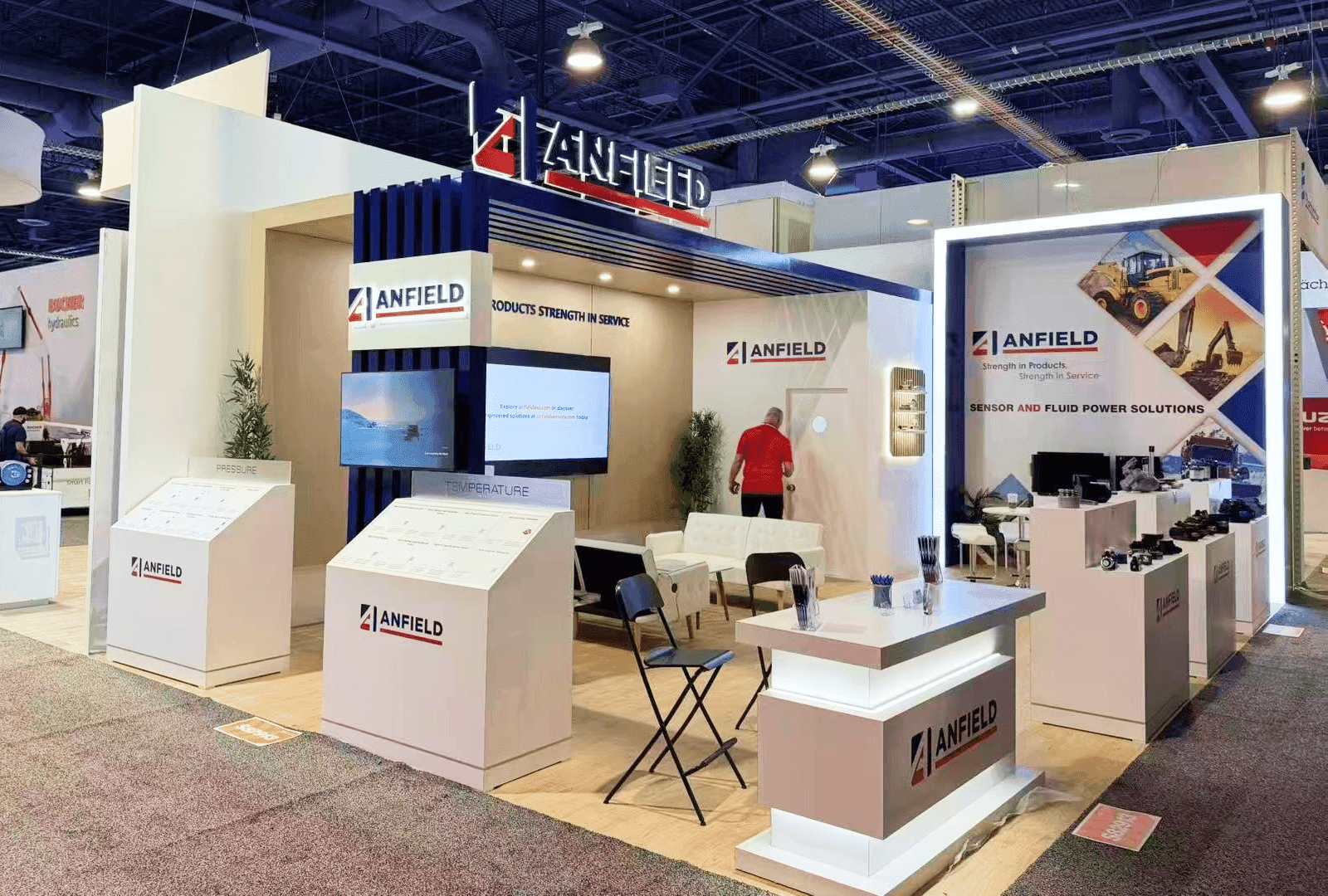
A booth layout example showing how product display, demo space, staff movement, buyer conversations, and lead capture should connect naturally.
Match Booth Size to Product Complexity
Booth size should follow what the product needs to show. A 10x20 booth can work for one focused display, a simple sampling counter, or a single screen demo with a small team.
A 20x20 booth gives the layout more breathing room. It can support product handling, storage, staff movement, and short buyer conversations without making the booth feel too large.
When an exhibitor needs product display, demo space, storage, and meeting flow in one footprint, 20x30 booth planning is often the more practical choice. It gives the booth enough room to separate functions without making buyers move through a crowded layout.
LVCC Setup Notes for NACS Show Exhibitors
At LVCC, booth setup should be planned around how the product will actually be shown. Foodservice exhibitors may need power, storage, sample handling, or cleanup space. Fuel equipment suppliers may need open access around larger products. Retail technology booths may need screens, devices, internet planning, and a clear path from demo to conversation.
These details should be settled before the layout is locked. If electrical placement, storage, equipment access, or staff movement is added late, the booth can feel crowded even when the footprint looks large enough.
For NACS exhibitors, a good setup plan keeps the product visible, the aisle open, and the staff path easy to manage during busy show hours.
NACS Booth Planning Checks
Before the booth layout is finalized, exhibitors should confirm a few practical points:
Is the first product or demo point easy to understand from the aisle?
Does the booth leave enough room for staff movement and short buyer conversations?
Is storage planned for samples, equipment, devices, or supplies?
Does the booth size fit the product category instead of only matching the assigned footprint?
Are power, equipment access, move-in timing, and LVCC setup needs considered early?
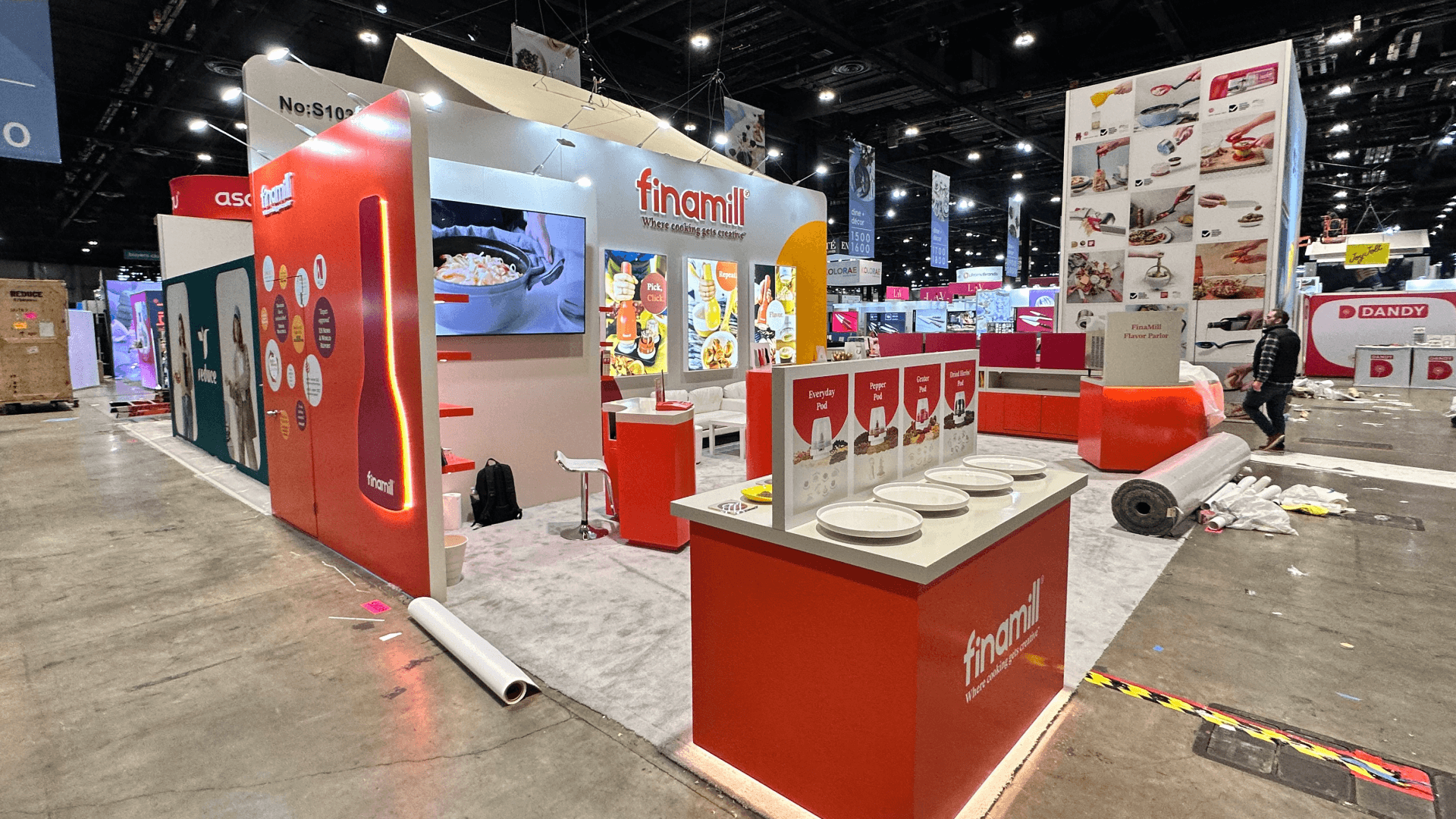
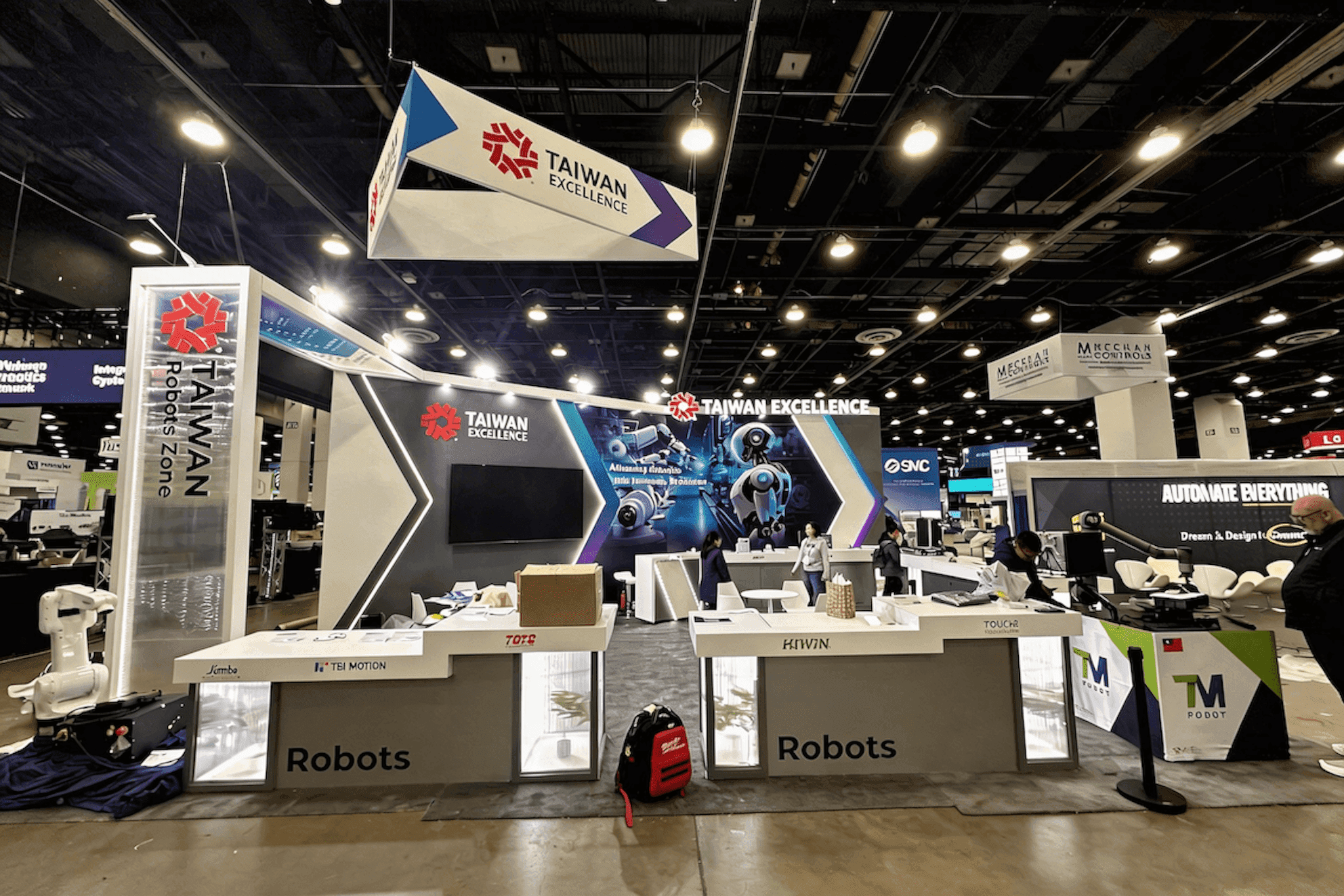
A 20x30 NACS booth layout with product display, demo space, storage, staff movement, and meeting flow for convenience retail exhibitors.
Common Booth Planning Mistakes at NACS
A common mistake is trying to show too much at once. When samples, equipment, screens, counters, and storage all compete for attention, buyers may not know what the booth is really about.
Another issue is crowding the aisle. NACS buyers often move quickly, so the front of the booth should stay open enough for people to stop, ask a question, and continue without blocking traffic.
Storage also needs to be planned early. Samples, devices, supplies, brochures, and personal items all need a place to go. When storage is added after the layout is finished, it usually takes space away from demos or conversations.
Foodservice, fuel equipment, and retail technology booths should not use the same layout logic. Each one needs a different balance of display space, demo flow, staff movement, and buyer conversation.
FAQ
What should NACS Show exhibitors plan first?
Start with the product category. Foodservice, fuel equipment, and retail technology booths each need a different mix of display space, storage, staff movement, and buyer conversation flow.
What booth size works best for NACS exhibitors?
A 10x20 booth can work for one focused product or simple demo. A 20x20 gives more room for staff and short conversations. A 20x30 is often better when the booth needs display space, demo space, storage, and meeting flow together.
How should foodservice, fuel equipment, and technology booths be planned differently?
Foodservice booths need space for sampling and supplies. Fuel equipment booths need clearance and room for technical explanation. Technology booths need visible screens, device access, lead capture, and a smooth path from demo to conversation.