TCT Cardiovascular Device Demo Booth Planning

How should cardiovascular device exhibitors plan a TCT booth?
Cardiovascular device exhibitors at TCT should plan the booth around how physicians and clinical buyers will review the product in a short visit. Catheters, stents, valves, guidewires, structural heart devices, and related interventional products need clear sample grouping, review counters, clinical value graphics, hidden storage, and enough room for detailed conversations. The layout should make the device easy to see, compare, and explain before the visitor moves into a deeper discussion.
TCT cardiovascular device booths need to make detailed medical products easy to review without turning the space into a crowded sample table. Exhibitors may be showing catheters, stents, valves, guidewires, structural heart devices, delivery systems, or related interventional products that physicians need to understand quickly and accurately.
The layout should start with how the device will be seen, handled, and explained. A sample wall, review counter, clinical use case graphic, or small screen can help visitors understand the product category before the team moves into a deeper conversation. Exhibitors who need the wider event context can review TCT Conference booth planning, while teams with screen-based workflow or imaging demos can use TCT cath lab imaging demo booth planning.
At the San Diego Convention Center, sample access, product labels, storage, staff movement, and setup timing should be settled before production is locked in. San Diego trade show booth rental support can cover local setup needs, and a 20x20 booth planning layout gives focused device demos room for display, explanation, and buyer conversations.
Why Exhibitors Choose Circle Exhibit
Clear scope, transparent quote review, nationwide booth support, and efficient setup planning for qualified rental and custom exhibit projects.
48hr
Setup Window
10+
Years Since 2014
U.S.
Trade Show Support
Real
Booth Project Proof
Device-focused booth size should be planned around the number of product families, sample review needs, counters, storage, staff movement, and whether screens are needed for clinical context.
A 10x10 booth can work for one focused device category, a small review counter, simple labels, and a compact conversation path.
A 20x30 booth is useful when the exhibitor needs to separate product families, add screens for procedure context, and support more staff-led discussions.
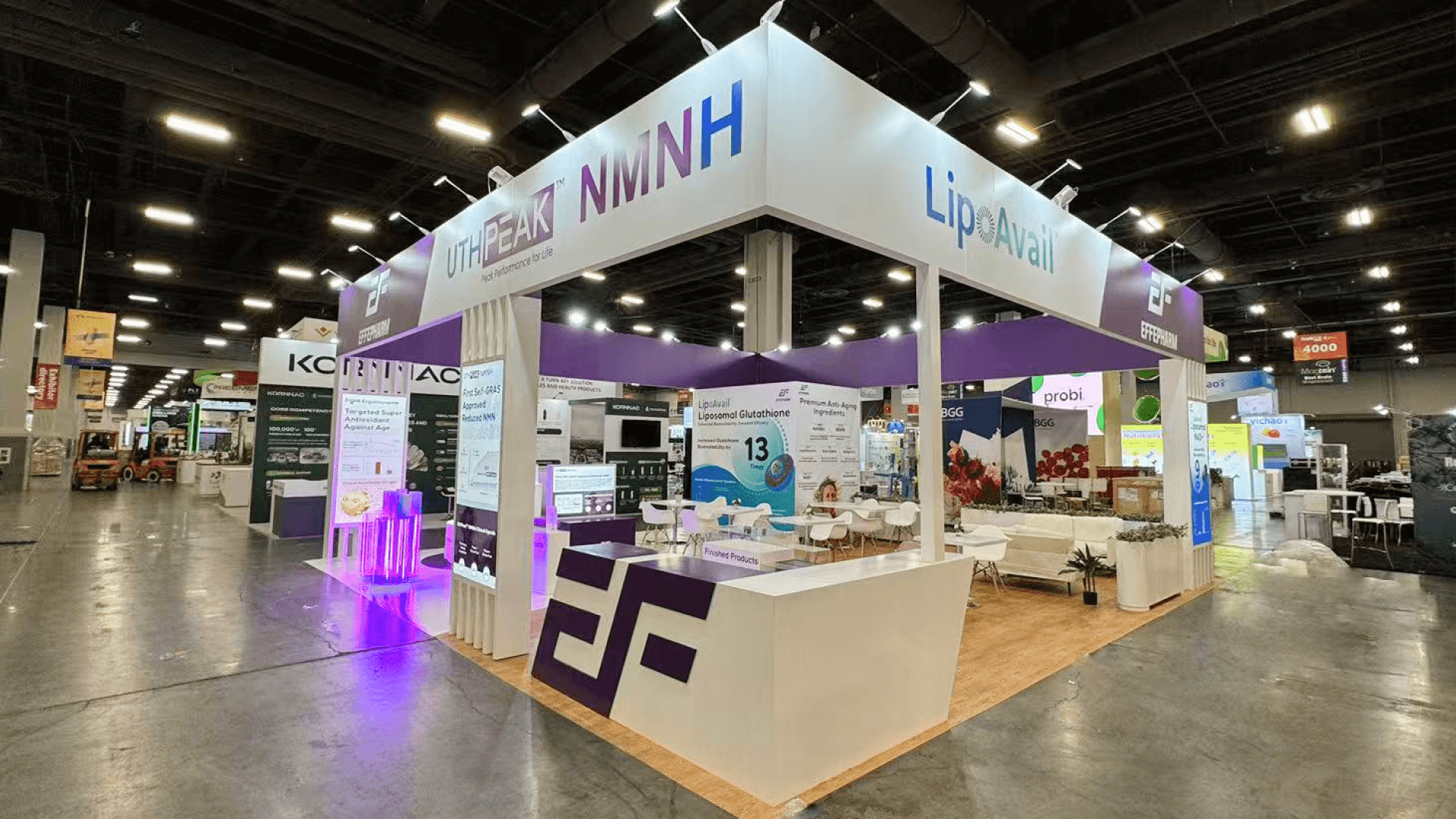
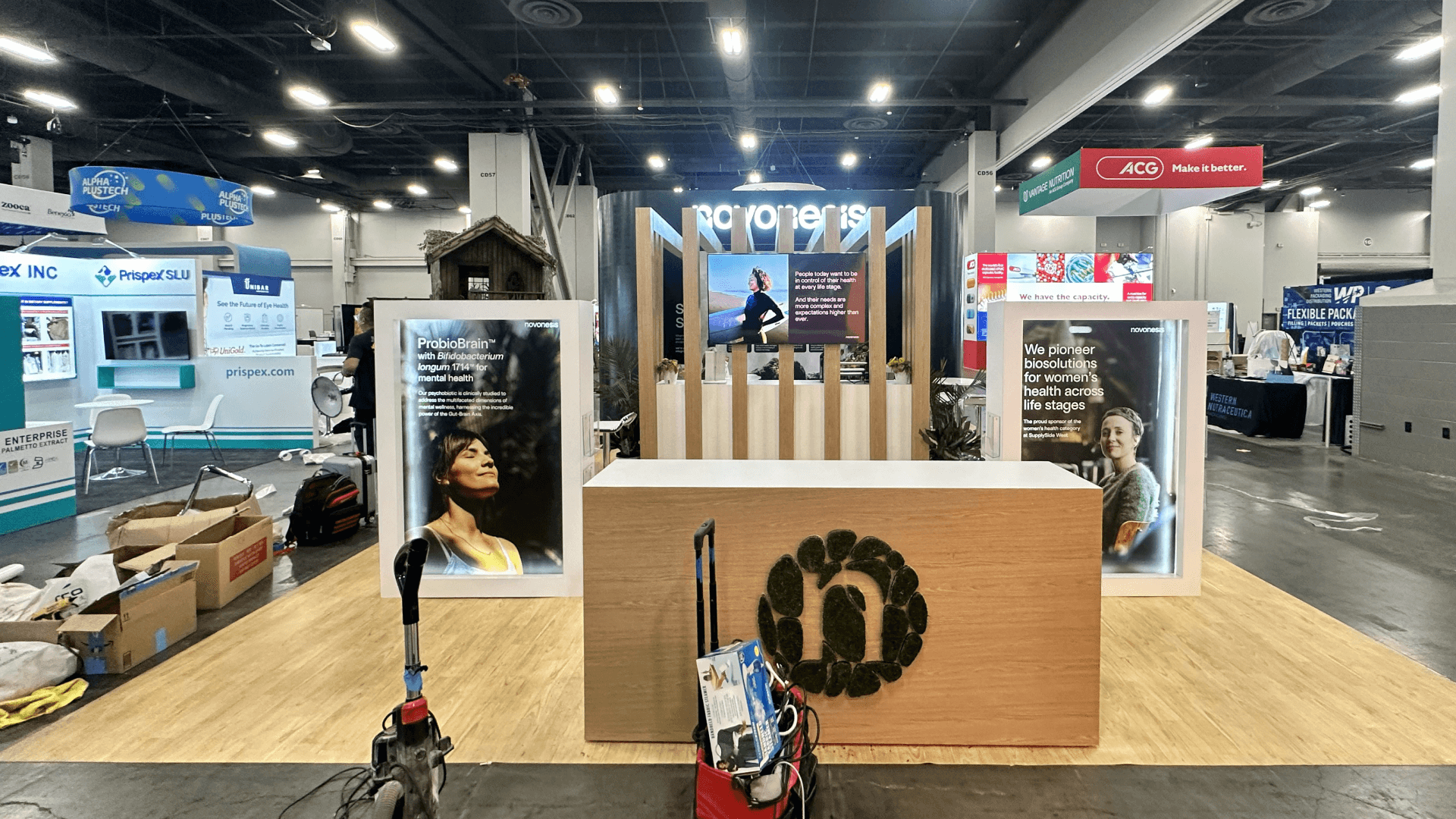
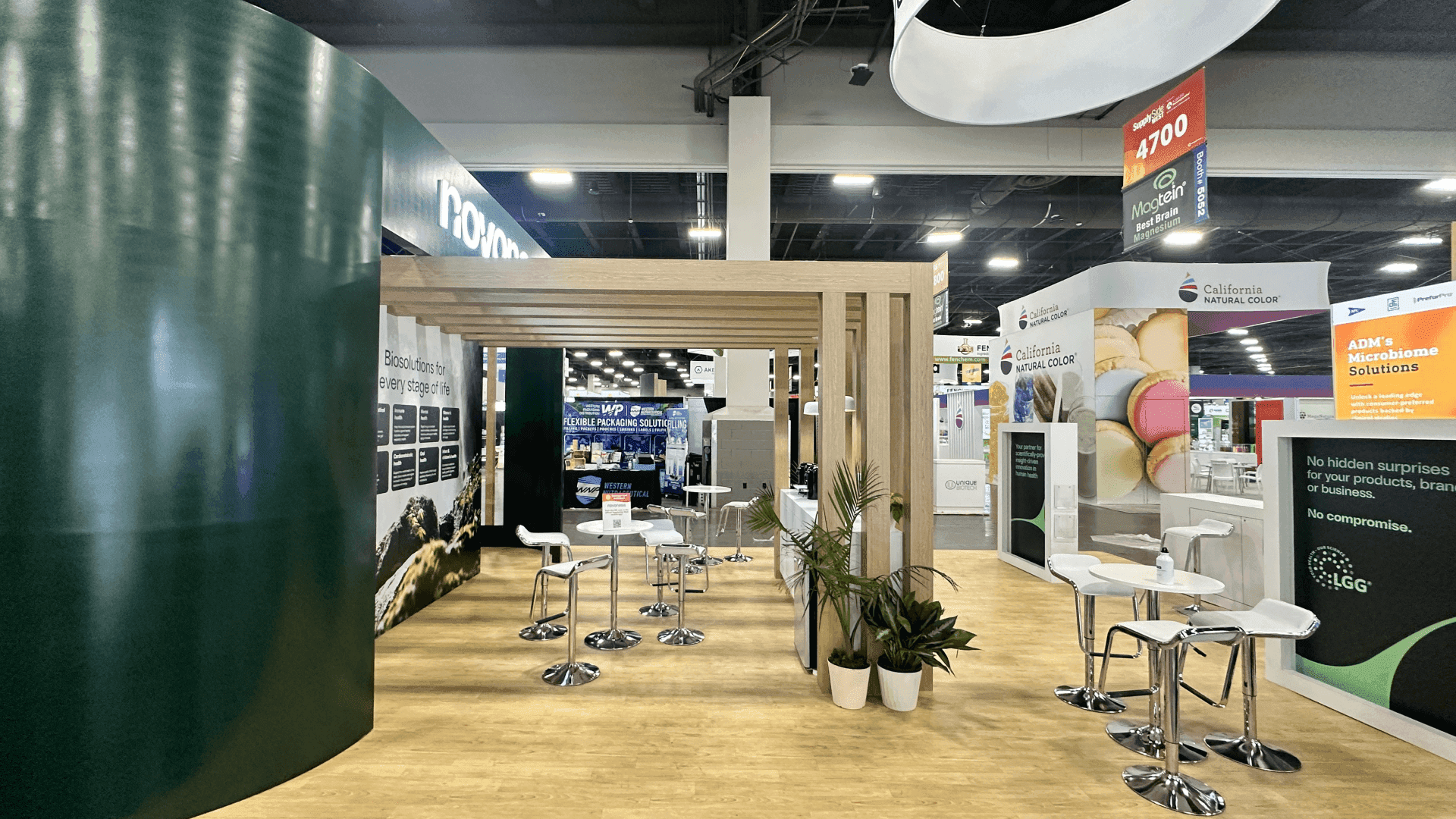
A 20x20 layout gives device exhibitors room for sample displays, review counters, hidden storage, and physician conversations without making the space feel oversized.
An island booth can support multiple device families, display cases, private meetings, specialty lighting, and a stronger branded medical technology environment.
For cardiovascular device exhibitors, the TCT cardiovascular device booth planning article focuses on the booth details that shape product review: layout, device display, sample access, graphics, booth size, logistics, and San Diego setup. It helps teams organize device samples, labels, review counters, storage, staff movement, and physician conversations before the booth layout is finalized.
Cardiovascular device booths need display planning that makes small, detailed products easier to see, compare, and discuss with physicians or buyers.
Catheters, stents, valves, guidewires, and structural heart devices should be grouped so visitors can understand the product line without sorting through clutter.
Device samples often need a counter or guided review area where staff can explain the product without blocking the aisle.
Short labels and clinical use case graphics should explain product category, workflow fit, and value without relying on dense technical copy.
Backup samples, brochures, staff supplies, and small equipment need storage that keeps the booth clean and focused on the products being shown.
TCT Conference focuses on interventional cardiovascular medicine, device innovation, clinical research, cath lab practice, and cardiovascular treatment workflows.
TCT 2026 is scheduled for October 31–November 3, 2026 at the San Diego Convention Center, giving cardiovascular device exhibitors a San Diego setting for product demos, sample review, and clinical buyer conversations.
Cardiovascular device exhibitors at TCT often need booth layouts that support sample review, product grouping, clinical explanation, storage, and focused conversations with physicians or buyers.
Not Sure Which Booth Size You Need?
Not every exhibitor knows whether a 10x20, 20x20, 20x30, or larger booth is the right fit. Circle Exhibit can help review your event goals, product display needs, demo areas, meeting space, storage, budget scope, and setup timeline before you choose a booth size.
Supporting Hands-On Review Without Clutter
Explaining Clinical Value Quickly
1
Choose the Main Device Story
2
3
4
Rental Booth for Focused Device Displays
A rental booth can work well when the product story is focused: a clean structure, branded graphics, sample counter, hidden storage, and enough space for guided device conversations.
Custom Build for Larger Cardiovascular Product Lines
A custom build makes more sense when the booth needs multiple device families, display cases, specialty lighting, integrated screens, private meeting space, or a stronger branded environment.
Hybrid Booth for Samples, Screens, and Meetings
A hybrid booth can keep the main structure efficient while customizing the areas visitors use most: sample displays, counters, screen support, storage, and meeting space.
Device-focused booths at the San Diego Convention Center should account for sample access, display counter placement, storage, graphics checks, and installation timing before move-in.
Small cardiovascular products can be easy to miss if the booth lacks clear labels, review surfaces, lighting, or a guided visitor path.
Local rental support can help device exhibitors connect booth structure, branded graphics, counters, storage, and show-site setup into a cleaner product display environment.
TCT booths with imaging screens, software demos, or procedure-support tools should confirm monitor placement, power access, cable control, and demo readiness before the exhibit team arrives on site.
Need a TCT Cardiovascular Device Demo Booth Rental?
Cardiovascular device exhibitors often need a booth that makes small medical products easier to see, compare, and discuss. A rental or hybrid booth can support sample counters, product labels, hidden storage, staff movement, and focused physician conversations without making the space too heavy.
What should a TCT cardiovascular device demo booth include?
It should include organized device displays, clear product labels, review counters, storage, staff movement space, and room for physician or buyer conversations.
What booth size works well for cardiovascular device demos at TCT?
How should device samples be displayed at TCT?
Should cardiovascular device booths include screens?
Why is storage important for TCT device exhibitors?
READY TO PLAN YOUR NEXT BOOTH?
Let’s Build a Booth That Fits Your Event
Share your event name, booth size, city, timeline, product display needs, and design references. Circle Exhibit will review your project direction and help you choose a rental-friendly or custom exhibit path.
3000+
Booth Projects Supported
50+
U.S. Event Cities
Transparent
Quote Review
The main TCT page gives wider context for interventional cardiology exhibitors planning booth size, demo flow, San Diego setup, graphics, and show-site execution.
Use this page when a device booth also needs cath lab workflow screens, cardiovascular imaging demos, procedure planning software, or clinical interface explanation.
For TCT exhibitors planning around San Diego show-site needs, rental booth structure, branded graphics, storage, setup timing, and practical local execution.
A 20x20 layout gives device exhibitors room for sample display, review counters, storage, staff movement, and focused physician conversations.
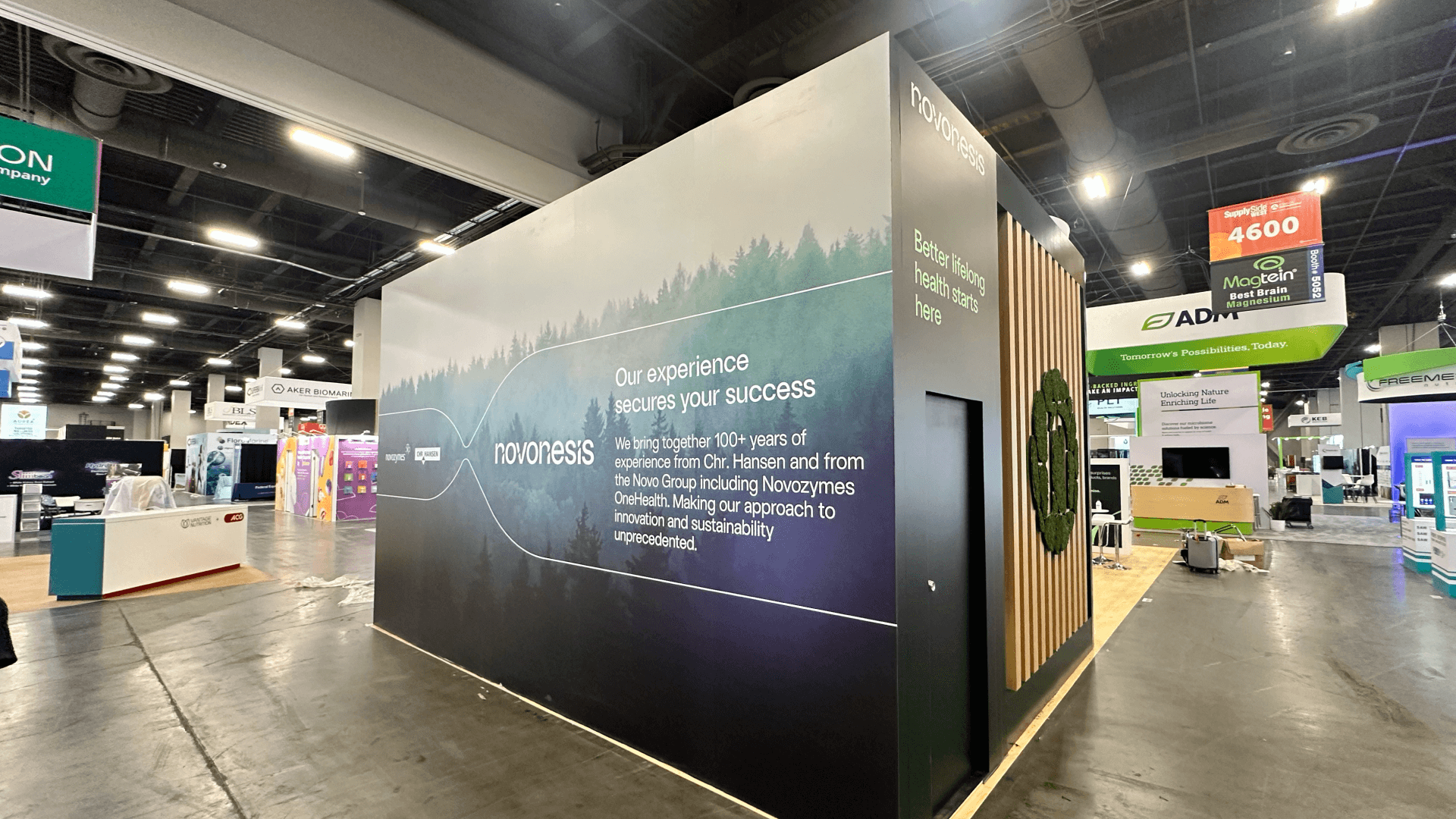
Device labels, clinical use case graphics, product category messaging, and branded booth surfaces should make small cardiovascular products easier to understand from the aisle.