Plan Around the Cardiovascular Product Type
TCT exhibitors should start with the cardiovascular product or device being presented. Structural heart devices, catheters, stents, valves, guidewires, imaging tools, and procedure planning software do not need the same booth layout or demo path.
A physical device may need a clear sample or model display. A software or imaging solution may need a screen-based walkthrough. A multi-product company may need separate zones so each device focus has room to be understood. The booth should first make clear what the product is and why it matters to an interventional cardiology audience. For a more device-focused layout, see cardiovascular device demo booth planning.

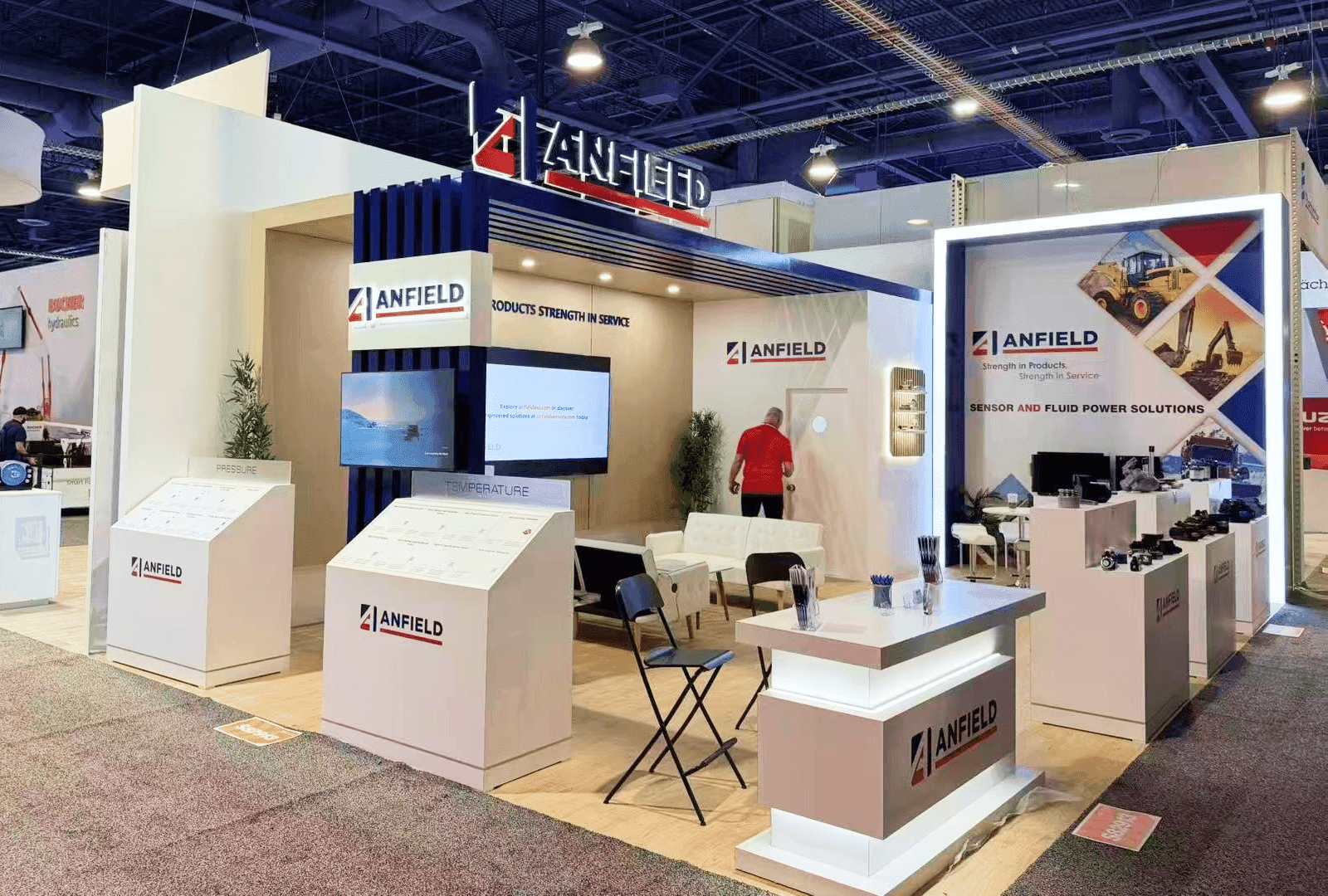
A cardiovascular device booth should make samples, models, and product focus easy for physicians to understand during short show-floor conversations.
Build a Demo Flow for Physician Conversations
A TCT booth can look polished and still be hard to follow if physicians do not know where the conversation should start. The demo path should guide visitors from quick product recognition to a focused clinical or technical discussion.
The front layer should make the device category easy to identify. Samples, models, or screen content can then explain how the product fits into an interventional cardiology workflow. Once the basic use case is clear, staff can move the conversation toward device details, procedure context, clinical value, or a deeper meeting.
Use Screens for Imaging and Cath Lab Workflow
Screens can help explain clinical workflows, imaging tools, procedure planning software, or cath lab decision support, but only when each screen has a clear role.
For imaging or cath lab workflow demos, visitors should understand what they are looking at before staff begin a deeper explanation. One screen may show procedure context, another may support a software walkthrough, and a smaller station may help staff discuss data or clinical review. For a more screen-driven setup, see cath lab and imaging demo booth planning.

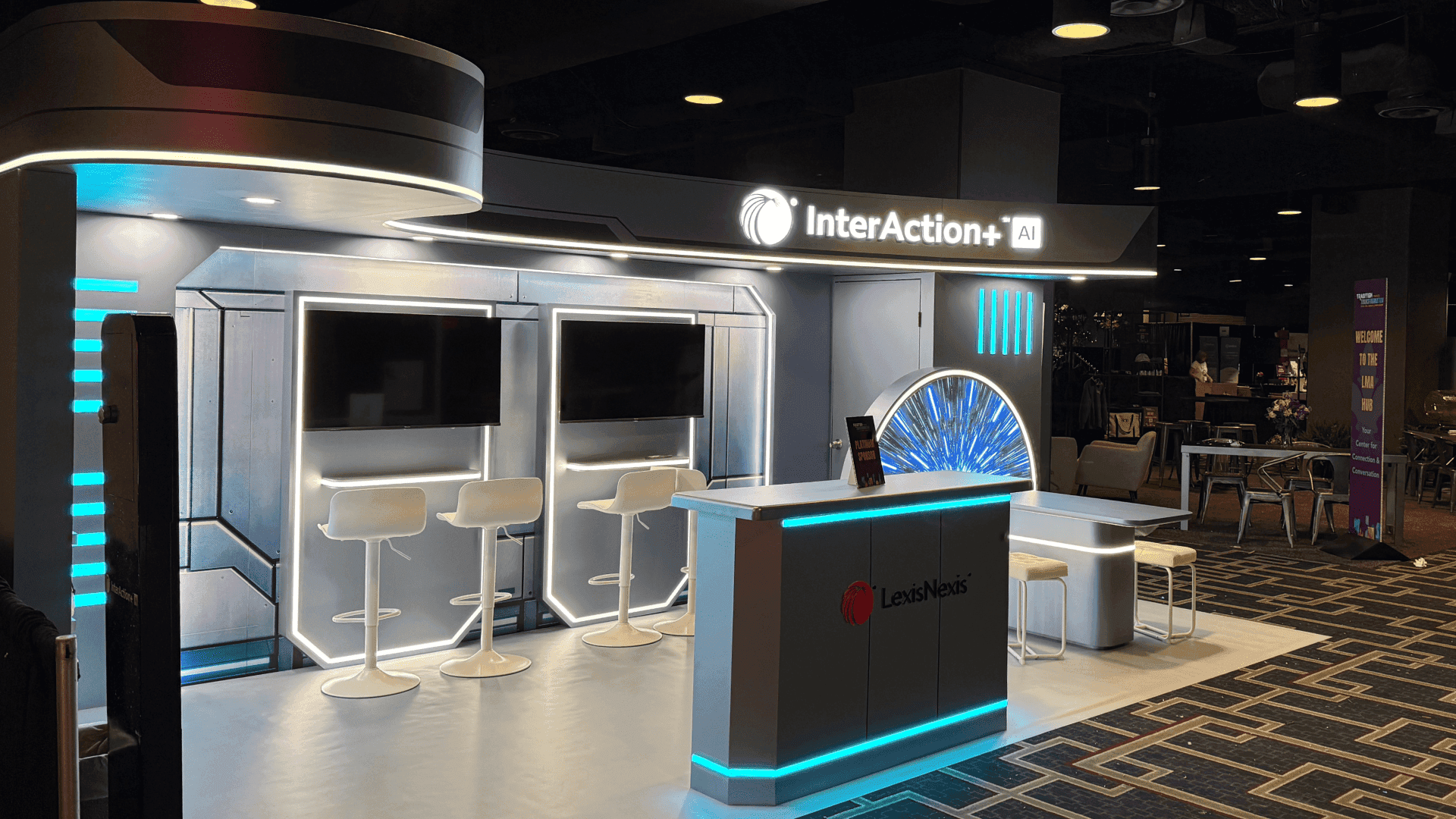
Screen placement should support imaging, cath lab workflow, procedure planning software, or clinical review without making the demo area feel crowded.
Booth Size Fit for TCT Exhibitors
Booth size should follow the amount of product display, screen support, staff movement, and physician discussion space required. A cardiovascular device booth does not always need the largest footprint, but it does need enough room for samples, models, screens, and technical conversations to work without crowding the aisle.
Booth size | Better fit for | Planning notes |
|---|---|---|
20x20 | Focused cardiovascular device demo, one product story, sample or model display, small physician conversation area | Works best with one clear device category, limited screens, and a simple visitor flow |
20x30 | Multiple devices, stronger screen demo, cath lab workflow display, larger physician discussion area | Gives more room to separate samples, screens, staff movement, and clinical conversations |
Larger booth | Multi-product portfolio, larger imaging demo, private meeting needs, stronger brand presence | Useful when the booth needs separate zones for demos, staff discussions, and scheduled meetings |
A 20x20 booth planning approach can work for one focused device story and a simple first conversation. A 20x30 booth layout fits better when the booth needs multiple demo points, stronger screen support, or longer physician discussions.
Graphics and Clinical Value Messaging
Good booth graphics should help physicians recognize the device category before the staff explanation begins. The message should not feel like a technical brochure on the wall. It should make the booth easier to read at a glance.
For cardiovascular device booths, graphics can support the product focus through short category statements, clear device labels, workflow visuals, screen station labels, and simple clinical value points. For this layer, graphics and brand presentation should be planned with the booth layout and screen content, not added after the structure is already finished.

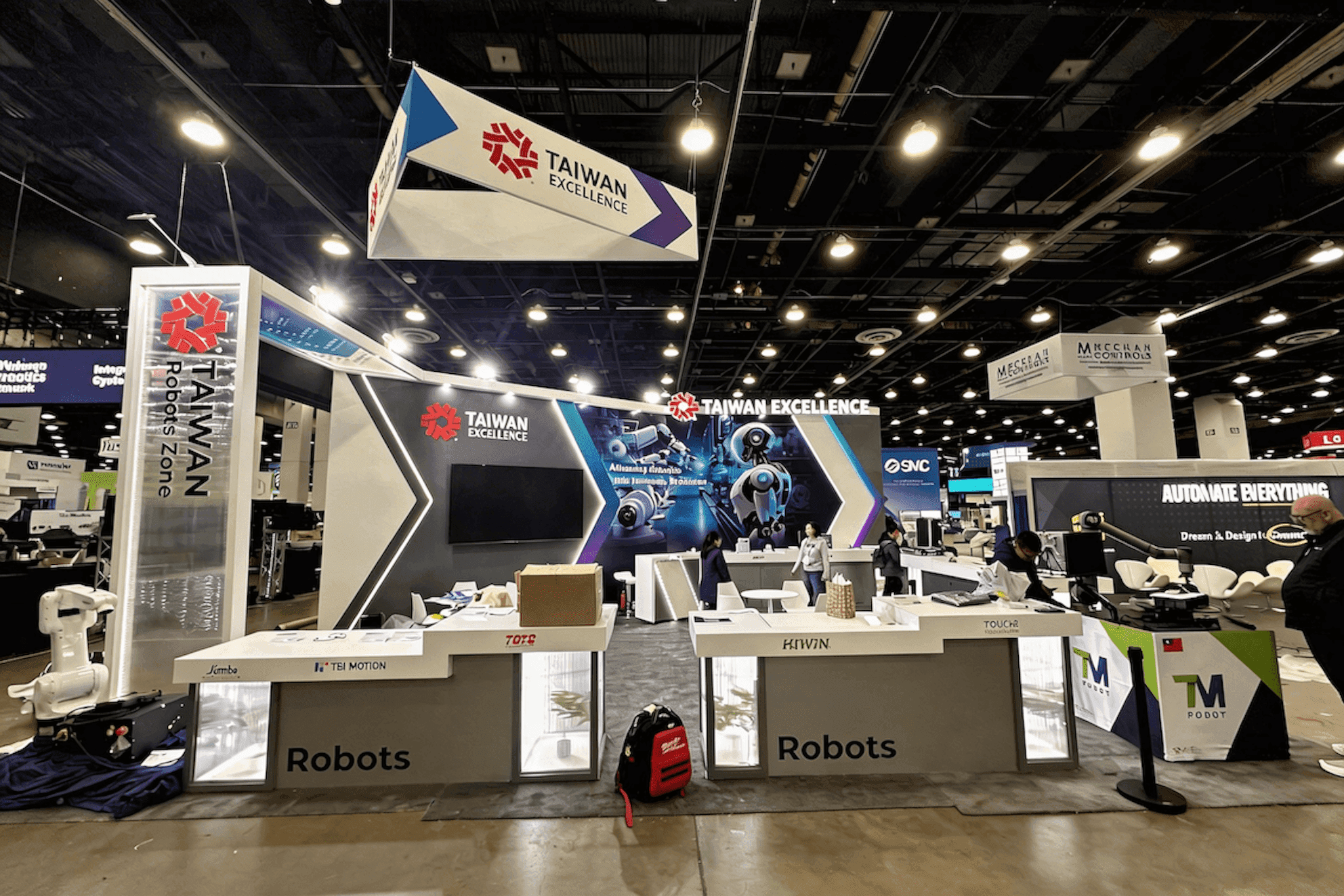
A 20x30 booth layout can help separate device displays, screen demos, staff movement, and physician discussion areas for a clearer TCT booth experience.
San Diego Convention Center Setup Notes
The plan also has to hold up once the booth reaches the San Diego Convention Center floor. TCT exhibitors should confirm crate labels, power needs, screen placement, device sample handling, demo equipment, and staff handoff notes before shipping.
If the booth includes cardiovascular imaging, cath lab workflow content, or procedure planning software, each screen and demo point should have a clear setup location. A screen placed too low, a crowded counter, or misplaced demo equipment can make the product focus harder to follow once the show opens.
TCT Booth Planning Checklist
Before approving the booth plan, TCT exhibitors should confirm the details that affect device clarity, physician conversations, screen demos, and show-site setup.
Define the main cardiovascular device or product story
Decide whether the booth needs samples, models, screens, or private physician conversations
Keep device labels and clinical value messaging short and easy to understand
Plan screen placement for imaging, cath lab workflow, or procedure software demos
Choose booth size based on product display, staff movement, and meeting needs
Confirm crate labels, power needs, demo equipment, screen placement, and staff handoff before setup
FAQ
What should cardiovascular device exhibitors plan for a TCT booth?
They should plan around the device focus, demo path, screen placement, physician discussion space, and show-site setup.
Is a 20x20 booth enough for TCT exhibitors?
A 20x20 booth can work for one focused device story, limited screen content, and a small physician conversation area. A 20x30 layout may fit better for multiple demos or longer clinical discussions.
How should imaging or cath lab workflow demos be shown at TCT?
Use clear screen placement, short labels, and a focused demo sequence so physicians can understand the workflow before deeper staff explanation.