Chicago Toy and Game Fair Booth Planning


What should exhibitors plan first for Chicago Toy and Game Fair?
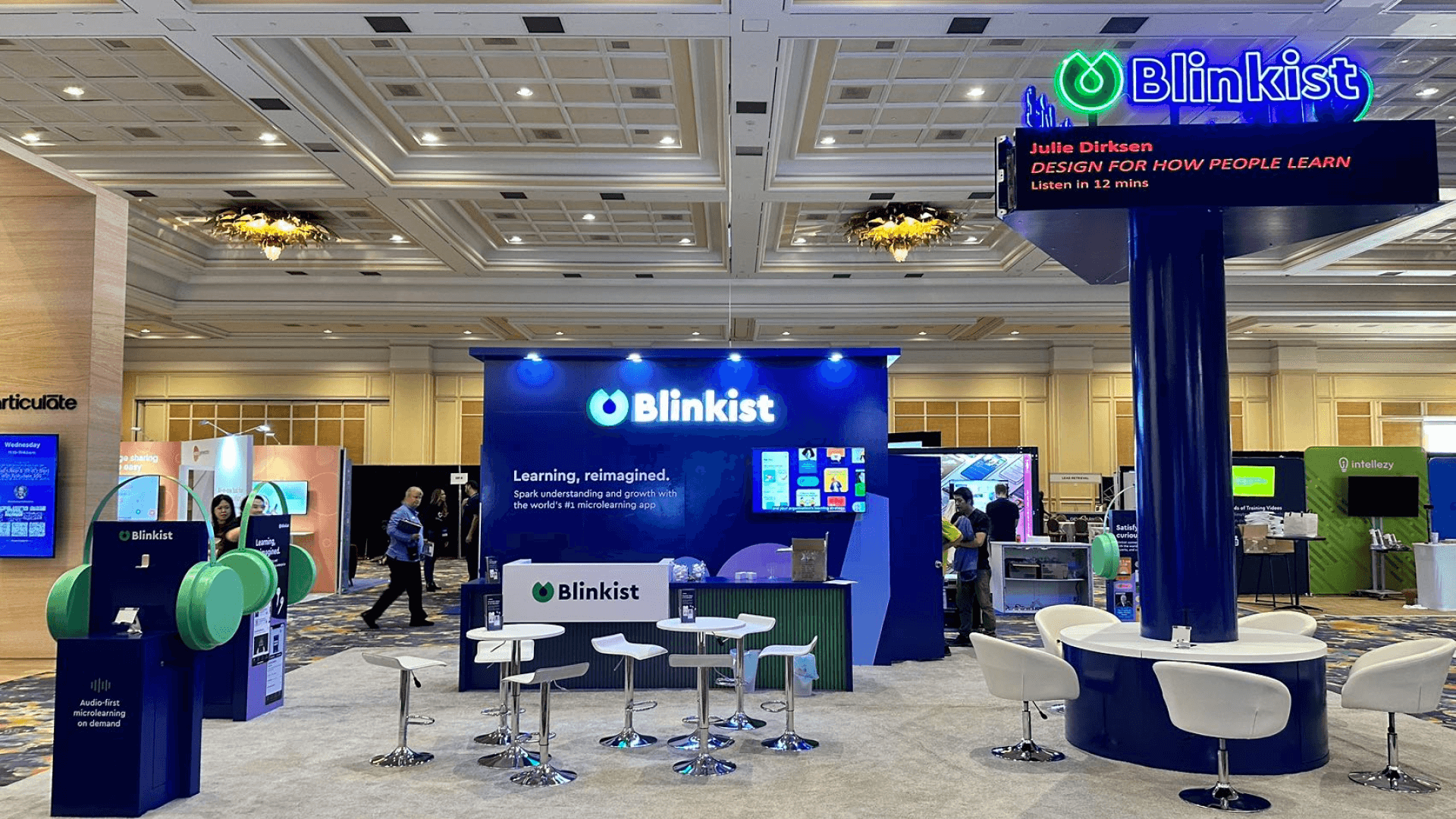
Start by deciding what visitors should do at the booth—browse, watch, play, or buy. That choice determines whether a 10x10, 10x20, 20x20, or larger footprint can separate product display, interaction, storage, and staff movement. Rental layouts suit focused programs, while custom or hybrid builds support several functions within one footprint.
Chicago Toy and Game Fair combines product discovery, live demonstrations, hands-on play, and consumer shopping. Toy brands and game publishers may need to introduce products, guide families through trials, answer buyer questions, and manage demo materials without blocking aisle traffic. Start with the primary visitor action—watch, play, browse, or buy—then plan the layout, storage, and staffing around it.
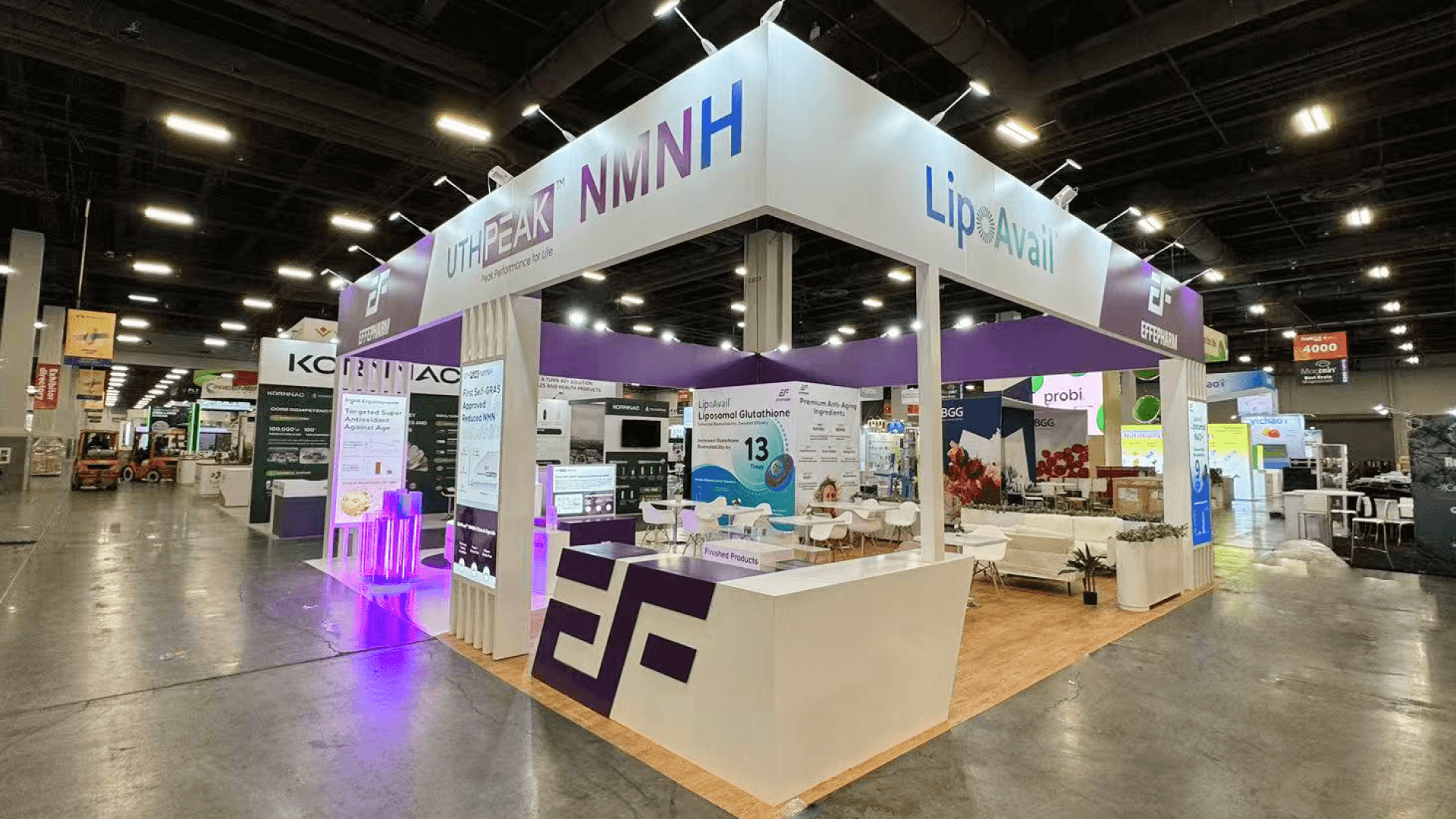
A 10x10 suits one focused product line or compact demo, while a 10x20 adds separation between interaction, browsing, and staff conversations. A 20x20 or 20x30 can support dedicated zones for play, product discovery, buyer discussions, and storage. Review the trade show booth size planning guide before adding features the footprint cannot support.
For repeated learn-to-play sessions, use the tabletop game booth planning guide. Exhibitors at Donald E. Stephens Convention Center should also confirm freight, utilities, labor, and installation needs before finalizing the layout. Circle Exhibit’s trade show booth design and build services can connect the plan with graphics, fabrication, logistics, and show-site setup.
Why Exhibitors Choose Circle Exhibit
Clear scope, transparent quote review, nationwide booth support, and efficient setup planning for qualified rental and custom exhibit projects.
48hr
Setup Window
10+
Years Since 2014
U.S.
Trade Show Support
Real
Booth Project Proof
Booth size should follow the number of activities that must operate at the same time, not the number of products the team hopes to bring.
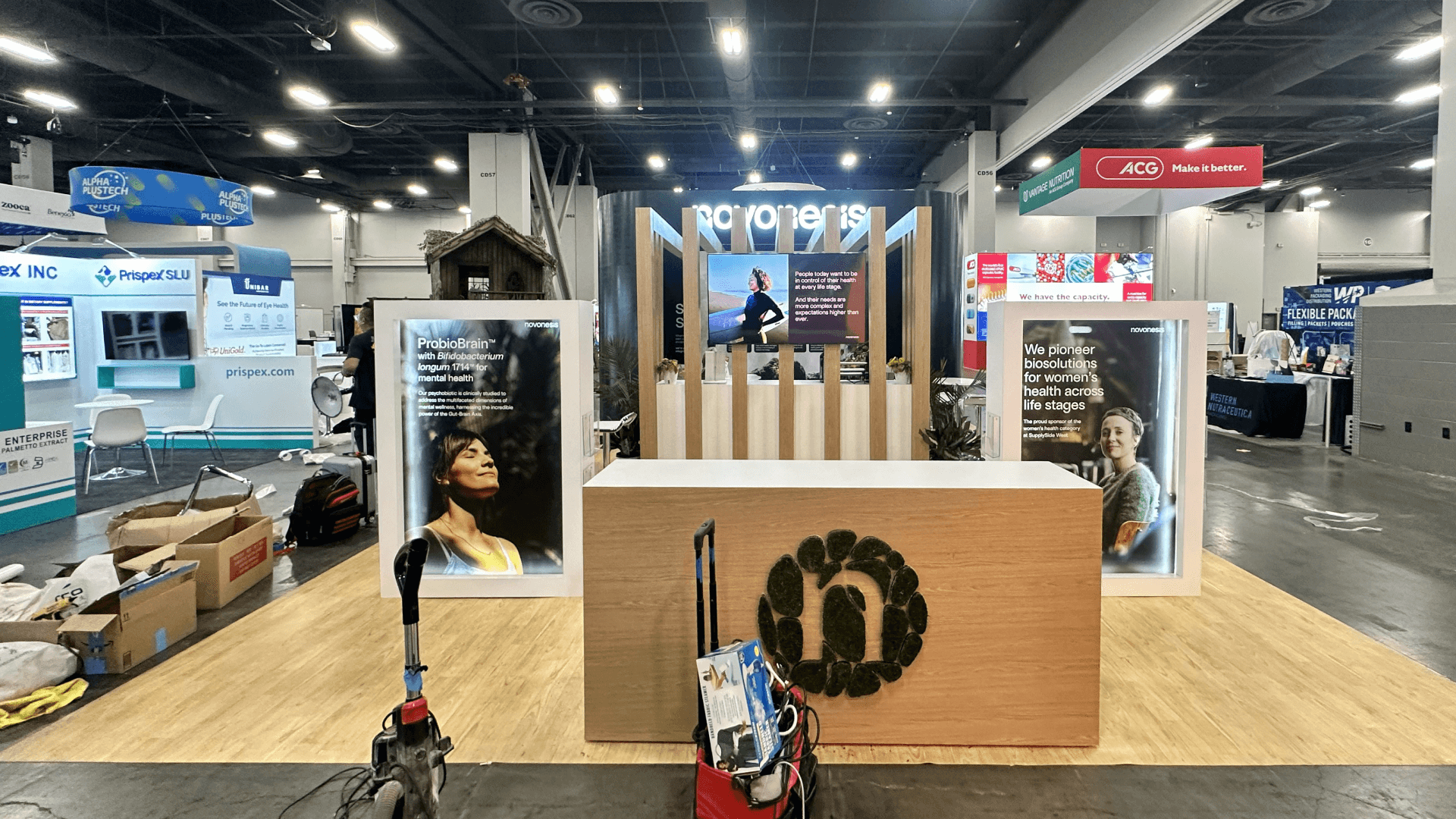
Best for one product story, a compact demonstration point, and light storage. Use the 10x10 trade show booth guide to check whether the visitor path stays open and easy to enter.
Supports distinct areas for play, product discovery, meetings, and staff work. Use the 20x20 island booth planning guide to compare open-side access and zone separation before adding fixtures.
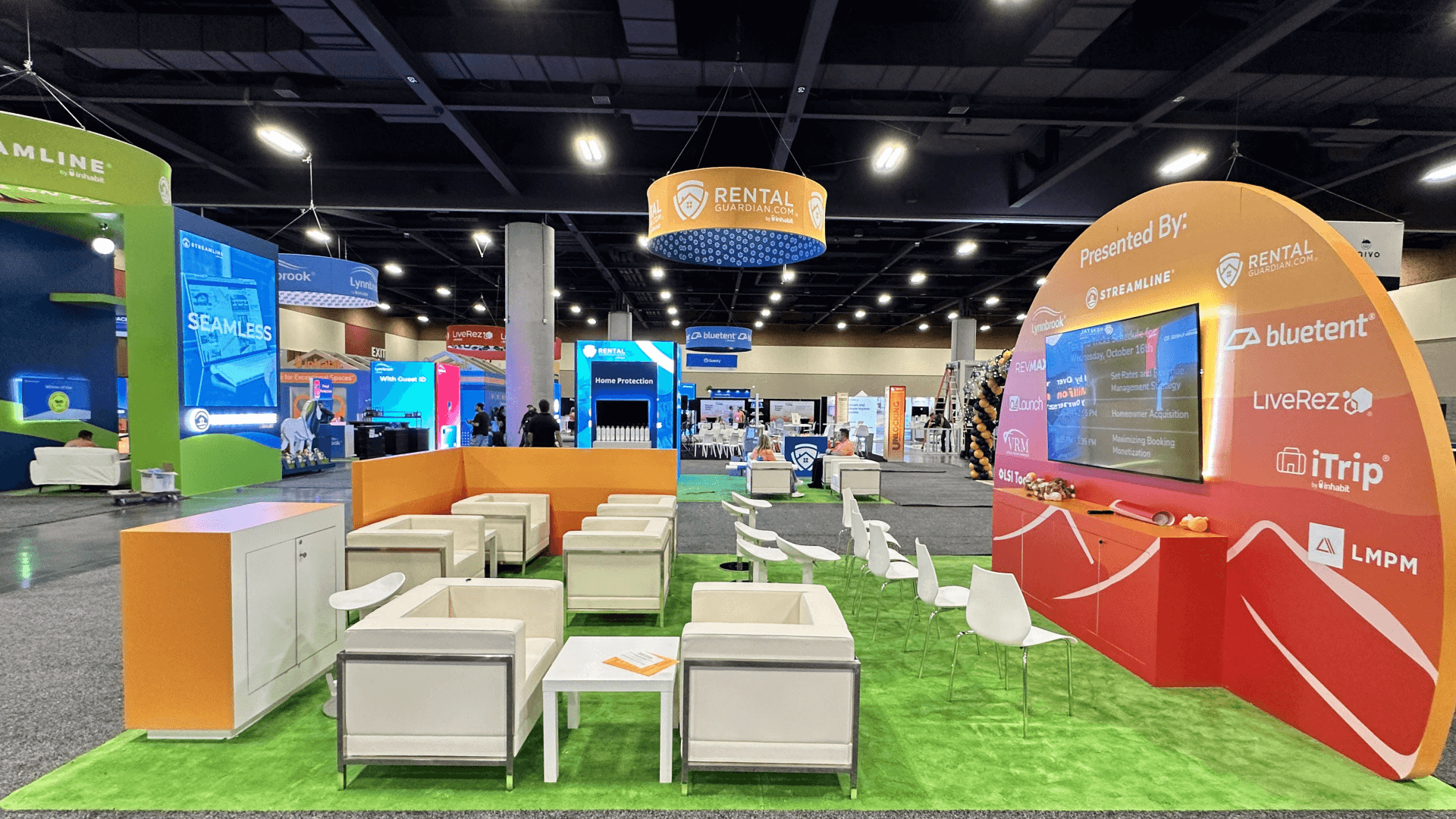
Adds room to separate a guided demonstration from browsing or conversation. The 10x20 booth layout guide helps test how demonstration, staff, display, and storage zones fit along the longer footprint.
Use this footprint when several products, scheduled activities, media moments, or retail functions must run together. Review the 20x30 booth size guide while assigning a defined purpose to each zone.
Chicago Toy & Game Fair exhibitors may need to run structured game sessions, repeat product demonstrations, and shift between media and family traffic. When tabletop teaching is central to the plan, the learn-to-play session capacity method turns show time, cycle length, staffing, ready game sets, and seating into a realistic session target.
For media previews or repeated public demonstrations, live demonstration booth layouts show how operating, viewing, waiting, reset, and follow-up can share the footprint without interrupting the next interaction.
Every display element should help visitors understand what to see, try, or do next.
Use one clear focal product, then organize supporting items by category, age group, use case, or release priority.
Give presenters enough room to handle the product while keeping controls, loose parts, and packaging out of the visitor path.
Make the entry, activity point, and next step easy to understand from the aisle. Short instructions work better than dense explanatory graphics.
Reserve closed storage for replacement products, staff items, packaging, and supplies so the public-facing areas remain organized throughout the day.
The fair combines product discovery, hands-on trials, demonstrations, public shopping, and family traffic. The booth needs an obvious first action so visitors can understand how to engage without waiting for a staff explanation.
Exhibitors may introduce products, run short demonstrations, host tabletop play, answer buyer questions, and support sales within one footprint. These activities should not compete for the same working space.
The exhibit plan must account for freight, labor, utilities, installation, product staging, storage, and move-out requirements at Donald E. Stephens Convention Center.
Not Sure Which Booth Size You Need?
Not every exhibitor knows whether a 10x20, 20x20, 20x30, or larger booth is the right fit. Circle Exhibit can help review your event goals, product display needs, demo areas, meeting space, storage, budget scope, and setup timeline before you choose a booth size.
Make Demonstrations Easy to Notice
Give Products a Clear Hierarchy
1
Define One Primary Outcome
2
3
4
Turnkey Rental Booths for Flexible Toy and Game Exhibits
Choose a rental booth when the program centers on a focused product line, one demonstration point, and a predictable visitor path. Modular counters, shelving, and graphics can create a polished presentation without committing to a fully custom structure.
Custom and Hybrid Booths for Multi-Function Brand Experiences
Choose a custom or hybrid booth when demonstrations, free play, product discovery, and sales must operate together. Work with Chicago trade show booth design and build support to coordinate storage, branded structures, and interaction zones within the selected footprint.
Choose by Operating Complexity
Use rental components when the activity plan stays focused and repeatable. Move toward a custom or hybrid build when several visitor actions require permanent separation, integrated storage, or purpose-built branded structures.
Review the final booth location, open sides, neighboring exhibits, and utility access before approving the production drawings.
Coordinate electrical, internet, material handling, labor, and other venue services before discount deadlines where possible.
Match delivery timing, handling requirements, and installation labor to the approved move-in window rather than treating them as separate tasks.
Decide how products, sales stock, loose components, and reusable exhibit parts will be secured and removed before move-out begins.
Need a Flexible Chicago Toy and Game Fair Booth Rental?
A rental booth can support a focused product launch, one demonstration point, branded graphics, organized storage, and a clear family visitor path without requiring a fully custom structure.
What booth size works best for Chicago Toy and Game Fair?
A 10x10 suits one focused product or demonstration. A 10x20 provides more separation between display and interaction, while a 20x20 or larger footprint is better for several activities running at once.
Should toy and game exhibitors rent or customize their booth?
How early should booth planning begin?
Can one booth support both demonstrations and product sales?
What should exhibitors plan for at the Rosemont venue?
READY TO PLAN YOUR NEXT BOOTH?
Let’s Build a Booth That Fits Your Event
Share your event name, booth size, city, timeline, product display needs, and design references. Circle Exhibit will review your project direction and help you choose a rental-friendly or custom exhibit path.
3000+
Booth Projects Supported
50+
U.S. Event Cities
Transparent
Quote Review