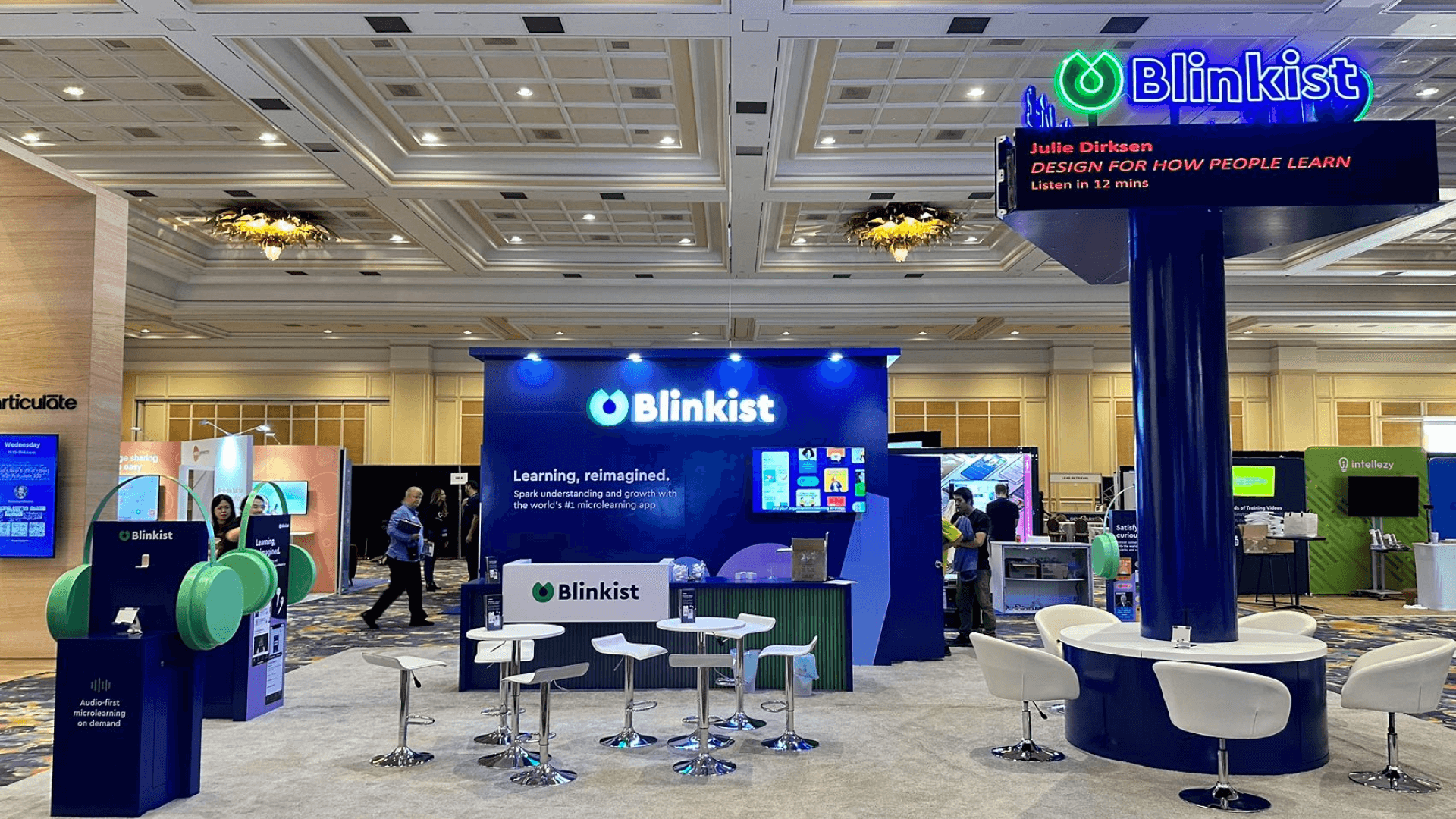
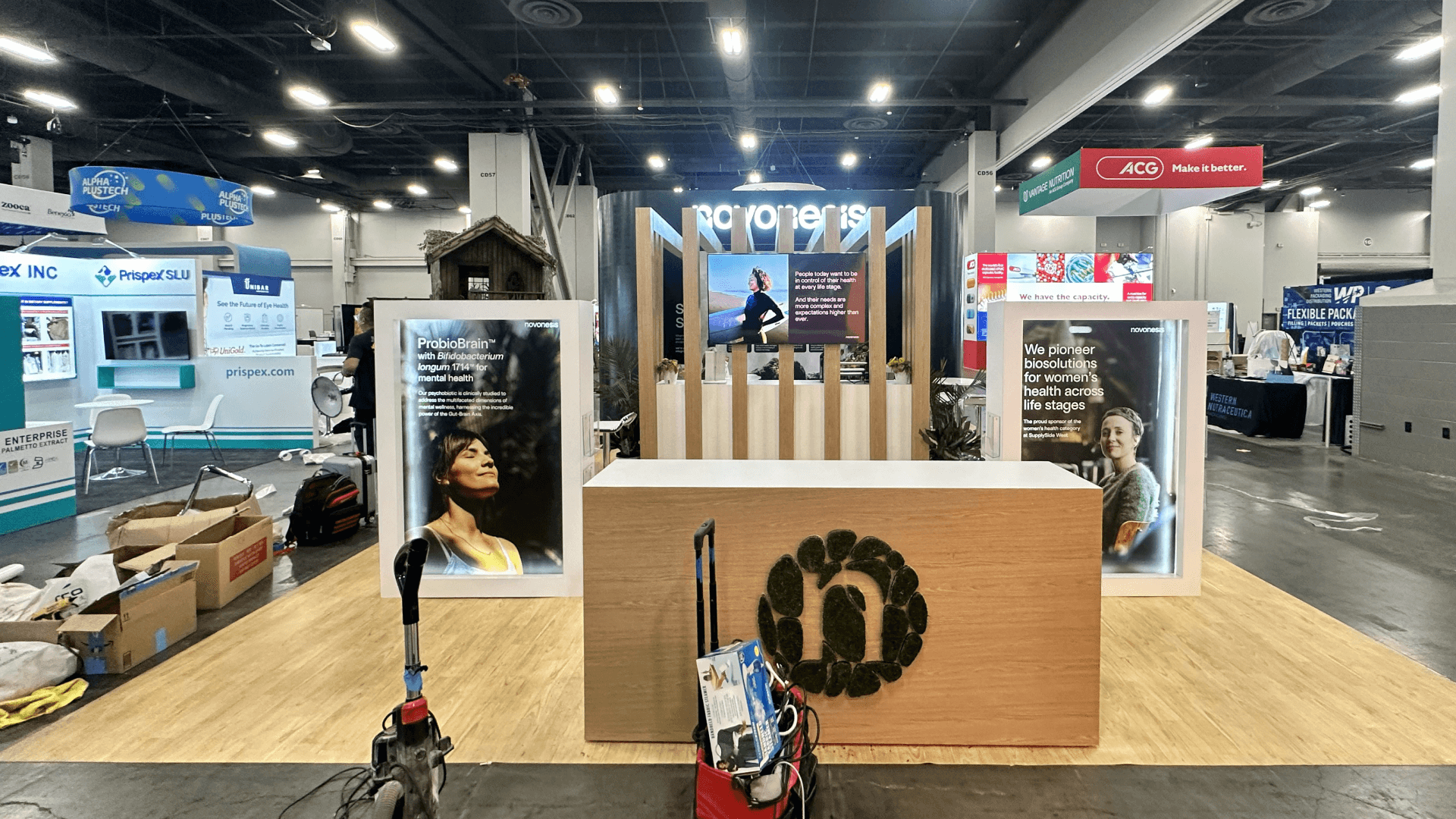
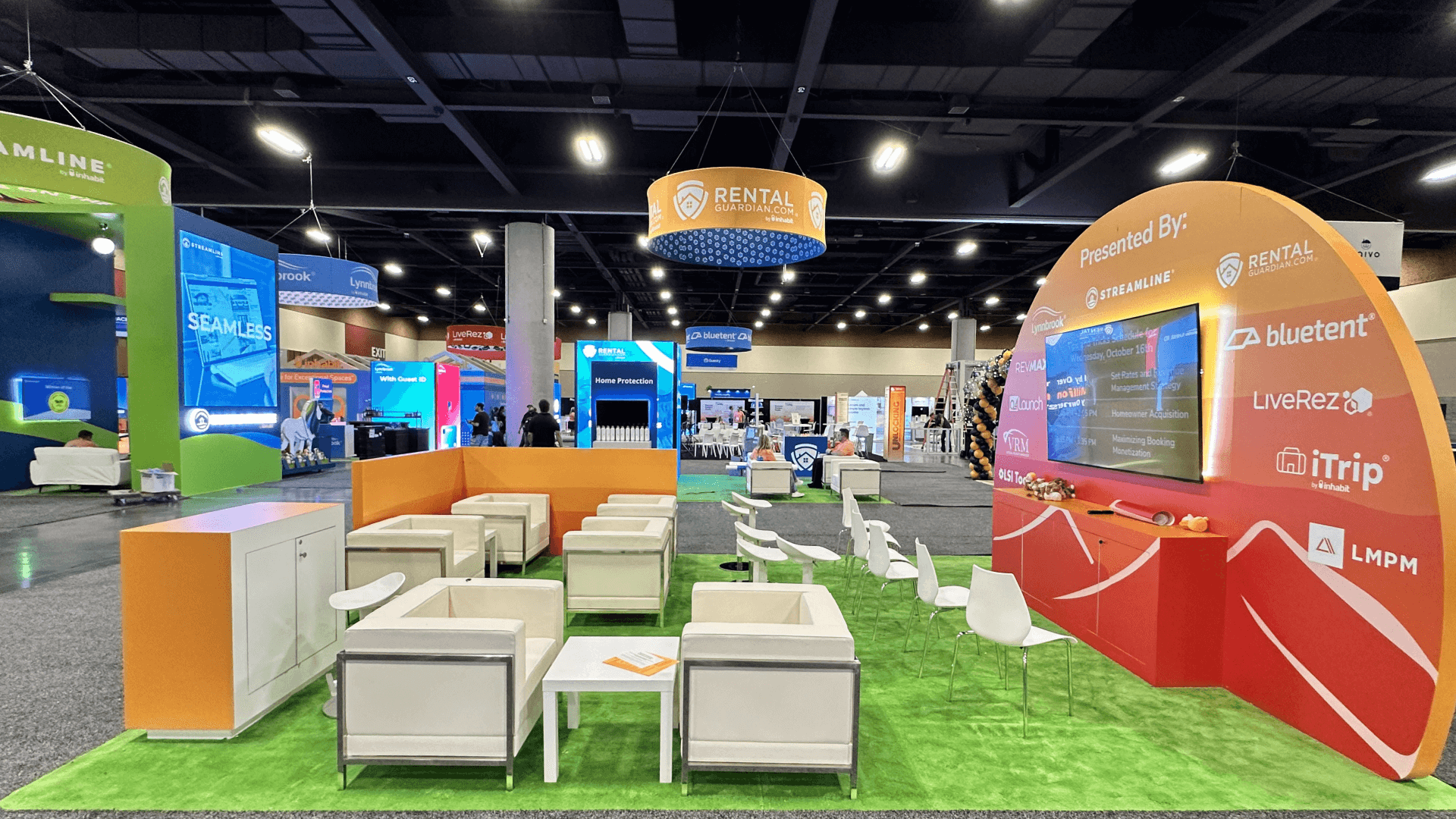
AAP Booth Planning for Pediatric Healthcare Exhibitors
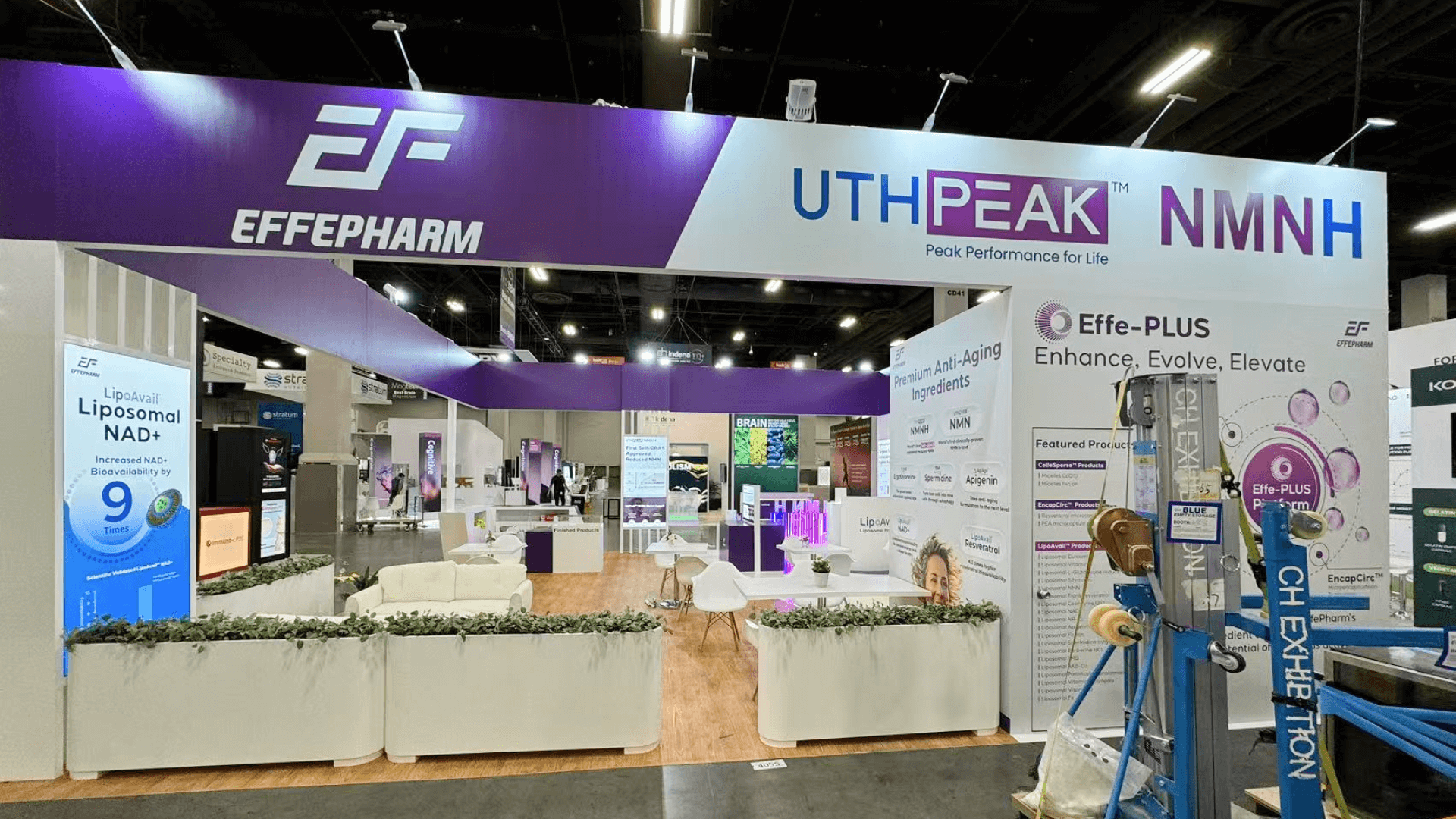
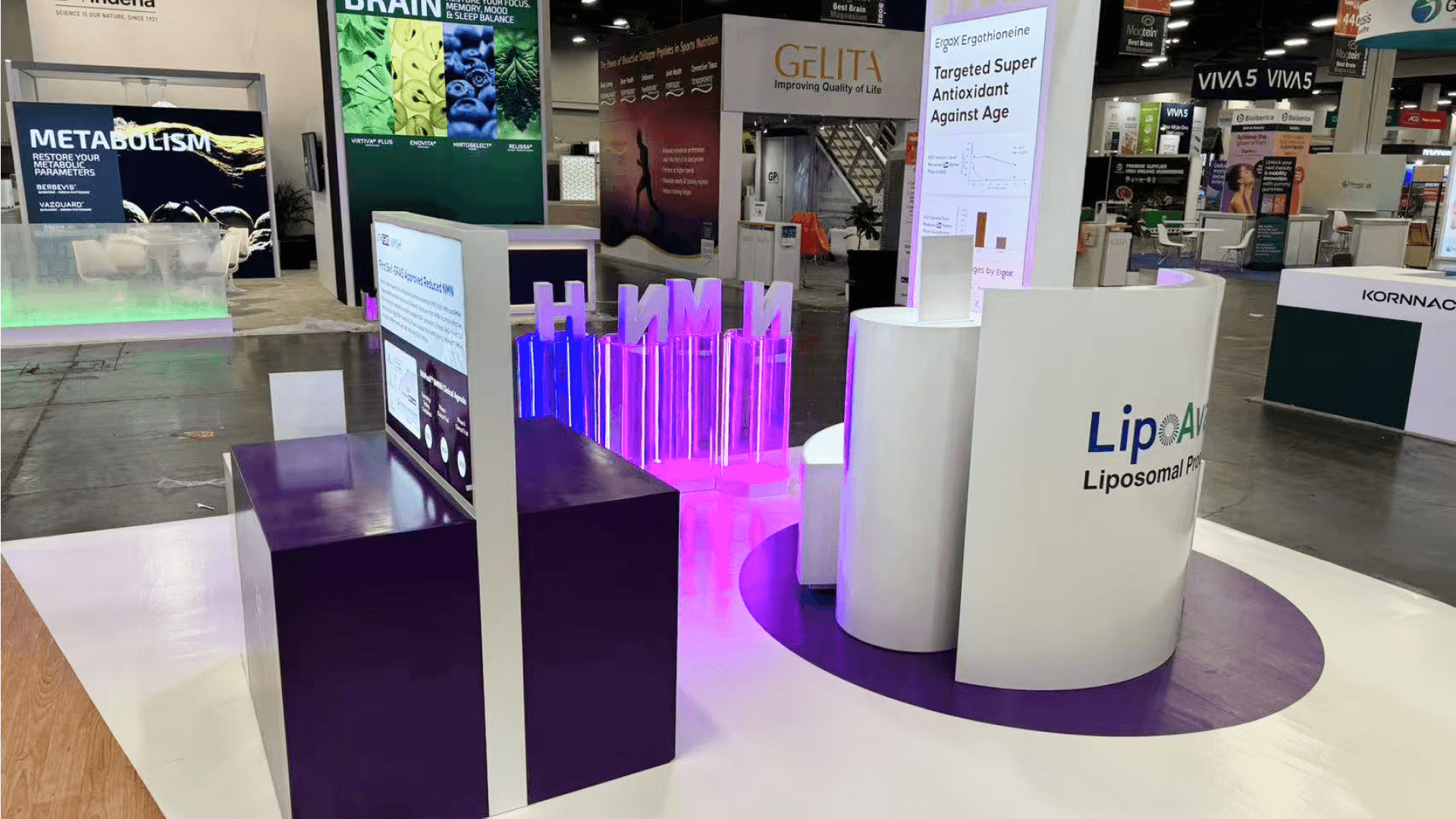

What should exhibitors plan for an AAP booth?
AAP exhibitors should plan the booth around how pediatric healthcare products, infant nutrition, medical services, publications, or healthcare technology will be understood by pediatric professionals. Product displays, sample areas, readable graphics, staff flow, storage, and buyer conversation space should be planned early. Booth size and San Diego show-site setup should match the product category and demo needs.
AAP booths need to make pediatric healthcare products easy to understand in a short visit. Exhibitors may be presenting pharmaceuticals, health care products, infant nutrition, publications, technology tools, recruiting services, or other child health solutions.
The booth should help pediatric professionals quickly see what the product is, who it serves, and how it fits into care or practice needs. If the booth has more samples or product categories, AAP Pediatric Product Display booth planning can help plan clearer grouping, review areas, and comparison space.
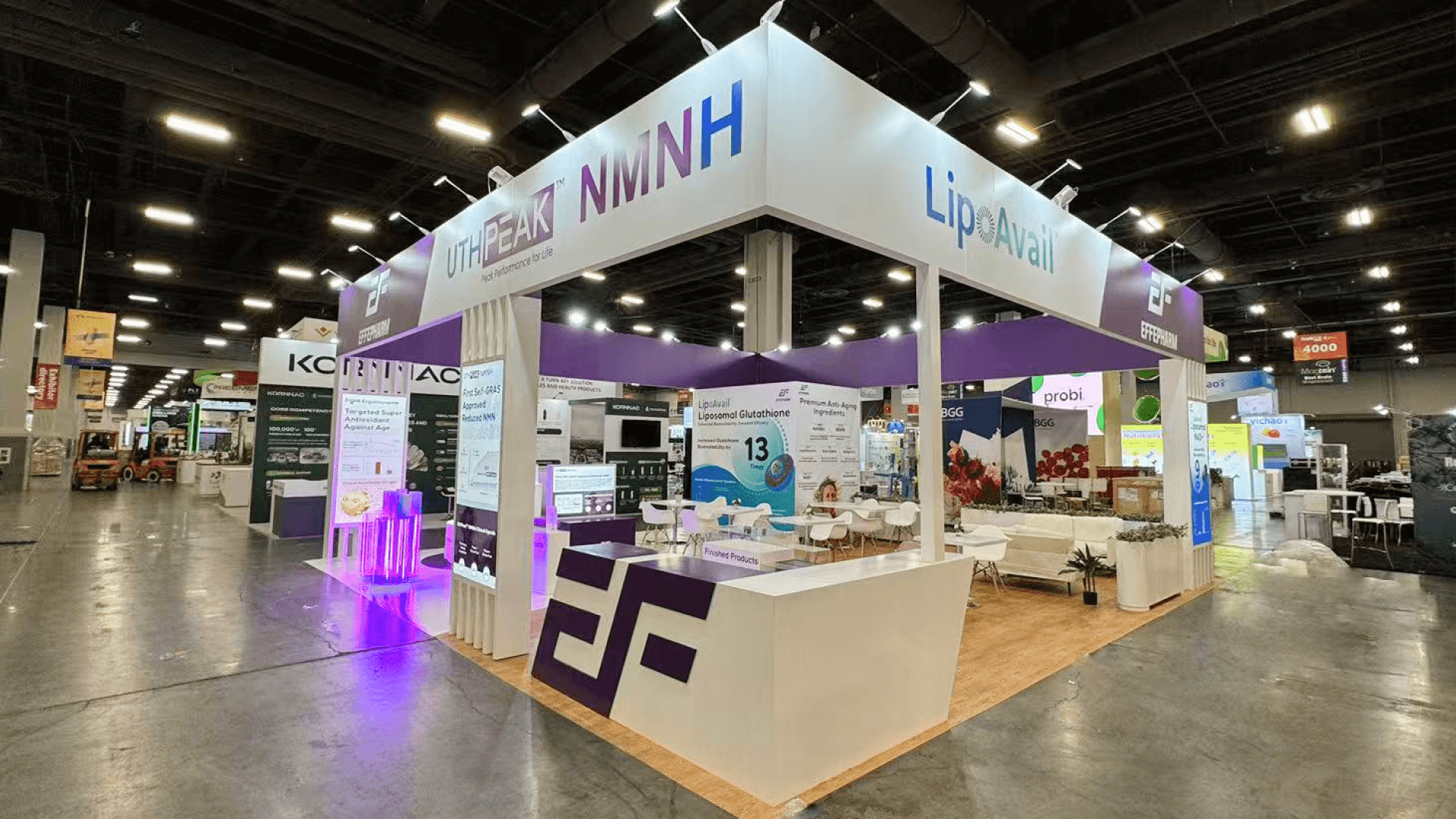
For teams preparing for the San Diego Convention Center, San Diego trade show booth rental support can help connect booth structure, storage, graphics, setup timing, and show-site needs. A 20x20 booth planning layout gives exhibitors enough room for product displays, staff movement, buyer conversations, and storage without making the space feel too large.
Why Exhibitors Choose Circle Exhibit
Clear scope, transparent quote review, nationwide booth support, and efficient setup planning for qualified rental and custom exhibit projects.
48hr
Setup Window
10+
Years Since 2014
U.S.
Trade Show Support
Real
Booth Project Proof
AAP exhibitors should choose booth size around the product category, display needs, staff flow, and level of buyer conversation. A compact booth can work for one focused product story, while a larger footprint may be useful for infant nutrition displays, product samples, healthcare technology demos, or multiple conversation areas.
A 10x10 booth can work for one focused product, a small counter, simple graphics, and a short conversation path. It is best when the product story is clear and does not need multiple display zones.
A 20x20 booth is a strong fit when the exhibit needs product samples, a display counter, screen content, storage, and enough room for pediatric professionals to compare products or speak with the team.
A 10x20 booth gives exhibitors more room for a product display, staff movement, printed materials, and a small discussion area. This size can work well for pediatric products, publications, recruiting, or simple healthcare service presentations.
A 20x30 layout can support larger product groupings, several staff members, demo counters, storage, and multiple buyer conversations. It works well when the booth needs to feel more like a small product environment than a simple counter display.
For pediatric healthcare exhibitors, the AAP pediatric healthcare booth planning article gives a practical look at layout, product display, graphics, booth size, logistics, and San Diego show-site preparation. It helps teams plan how samples, staff movement, product explanation, and buyer conversations should work together before the booth layout is finalized.
AAP booths should make pediatric healthcare products easier to understand in a short visit. Product category, labeling, sample access, graphics, and staff flow all affect whether a visitor can quickly understand the offer and decide whether to continue the conversation.
Products should be grouped in a way that helps visitors understand category, use case, age group, or care setting. A clean display can make the booth easier to read from the aisle.
Infant nutrition, medical products, publications, and healthcare items may need a counter or display surface where visitors can compare details without crowding the main booth entrance.
Graphics should explain product purpose, audience, and key benefits in short language. Pediatric professionals should be able to understand the category before starting a deeper conversation.
AAP booths often need storage for brochures, samples, devices, bags, and staff materials. Keeping these items organized helps the booth stay clean during busy exhibit hours.
AAP brings together pediatric healthcare professionals and exhibitors presenting medical products, health care services, infant nutrition, publications, computer technology, recruiting, and related pediatric-focused solutions.
AAP takes place at the San Diego Convention Center, where exhibitors should plan move-in timing, storage, display setup, graphics checks, and final booth readiness before the exhibit hall opens.
The booth should support clear product display, sample review, staff movement, pediatric healthcare messaging, storage, and comfortable conversations with medical professionals and product buyers.
Not Sure Which Booth Size You Need?
Not every exhibitor knows whether a 10x20, 20x20, 20x30, or larger booth is the right fit. Circle Exhibit can help review your event goals, product display needs, demo areas, meeting space, storage, budget scope, and setup timeline before you choose a booth size.
Product Displays Can Become Crowded
Healthcare Messaging Needs to Stay Readable
1
Start with the Product Category
2
3
4
Rental Booth for Focused Pediatric Product Displays
A rental booth works well when the exhibitor needs a clean structure, branded graphics, a product counter, hidden storage, and a practical 10x10, 10x20, or 20x20 footprint. It keeps the booth efficient while giving visitors a clear product story.
Custom Build for Larger Healthcare Product Environments
A custom build makes more sense when the booth needs several product groups, larger display surfaces, specialty lighting, private conversations, or a more controlled healthcare brand environment. It gives the team more control over how visitors move through the product story.
Hybrid Booth for Product Display and Buyer Conversations
A hybrid booth can keep the structure practical while customizing the parts visitors use most: counters, product displays, graphics, storage, and meeting space. This works well when the booth needs to feel specific without becoming difficult to execute.
Before the exhibit hall opens, the team should check product placement, counter space, label visibility, graphics alignment, and whether the booth is easy to understand from the aisle.
AAP exhibitors may need storage for product samples, brochures, devices, bags, cleaning items, and staff materials. Hidden storage keeps the booth cleaner during busy hours.
The booth should give staff enough room to answer questions, restock materials, and guide visitors into a conversation without blocking the main product display.
Product labels, category graphics, and screen content should be checked at the distance visitors will actually stand during the show.
Need an AAP Booth Rental or Product Display Exhibit Plan?
AAP exhibitors often need a booth that makes pediatric healthcare products clear and easy to compare: product displays, sample counters, readable graphics, hidden storage, staff flow, and space for buyer conversations. A rental-based booth can work well for focused displays, while a hybrid approach may be better when the booth needs several product areas or a stronger healthcare brand environment.
What type of booth works well for AAP exhibitors?
A 10x10 or 10x20 booth can work for one focused product or service. A 20x20 booth is better when the exhibitor needs product displays, sample review, storage, and room for buyer conversations.
How should pediatric healthcare products be displayed at AAP?
Why is booth layout important for AAP exhibitors?
Is a 20x20 booth a good fit for AAP?
What should exhibitors confirm before finalizing an AAP booth design?
READY TO PLAN YOUR NEXT BOOTH?
Let’s Build a Booth That Fits Your Event
Share your event name, booth size, city, timeline, product display needs, and design references. Circle Exhibit will review your project direction and help you choose a rental-friendly or custom exhibit path.
3000+
Booth Projects Supported
50+
U.S. Event Cities
Transparent
Quote Review
For exhibitors whose AAP booth centers on pediatric product samples, infant nutrition displays, healthcare product comparison, publications, or product review areas.
For AAP exhibitors planning a booth around San Diego show-site needs, rental structure, branded graphics, storage, setup timing, and practical exhibit execution.
A 20x20 layout gives pediatric healthcare teams room for product displays, sample review, storage, staff movement, and buyer conversations without making the booth feel oversized.
Product labels, category messaging, pediatric healthcare visuals, and branded booth surfaces should be planned so visitors can understand the offer quickly.
Circle Exhibit supports exhibitors with trade show exhibit design, build, graphics, logistics, and show-site execution for booths across U.S. events.