Plan Around the Pediatric Product Type
The booth plan should start with the pediatric product or service being presented. Infant nutrition, pediatric medical devices, healthcare software, education materials, and clinical support services may serve a similar healthcare audience, but they do not need the same booth flow.
A physical product may need quick recognition and easy comparison. A software platform may need a screen-based walkthrough. A clinical service or education product may need a quieter space where staff can explain value, use cases, or adoption details.
The first planning question is not how much space the booth has. It is what a pediatric professional should understand in the first few seconds. Once that answer is clear, the layout can support the right kind of interaction instead of forcing every product into the same exhibit format.
Product Display Needs for Pediatric Healthcare Booths
After the product type is clear, the display area should show visitors how to view, compare, and discuss the product. For AAP exhibitors, this is more than placing samples on a counter. The display should make the product category, audience, and use case easy to recognize before a longer staff conversation begins.
Physical products need clean spacing, short labels, and enough room for visitors to compare packaging, features, or use cases without crowding the counter. Software or service-based solutions may need a screen demo, a simple workflow graphic, and a small conversation area where staff can explain how the product fits into pediatric care, family education, nutrition, prevention, or clinical workflow.
The display should stay focused. Too many samples, long claims, or competing visuals can make the booth harder to understand. For exhibitors planning a more product-focused layout, see pediatric product display booth planning.

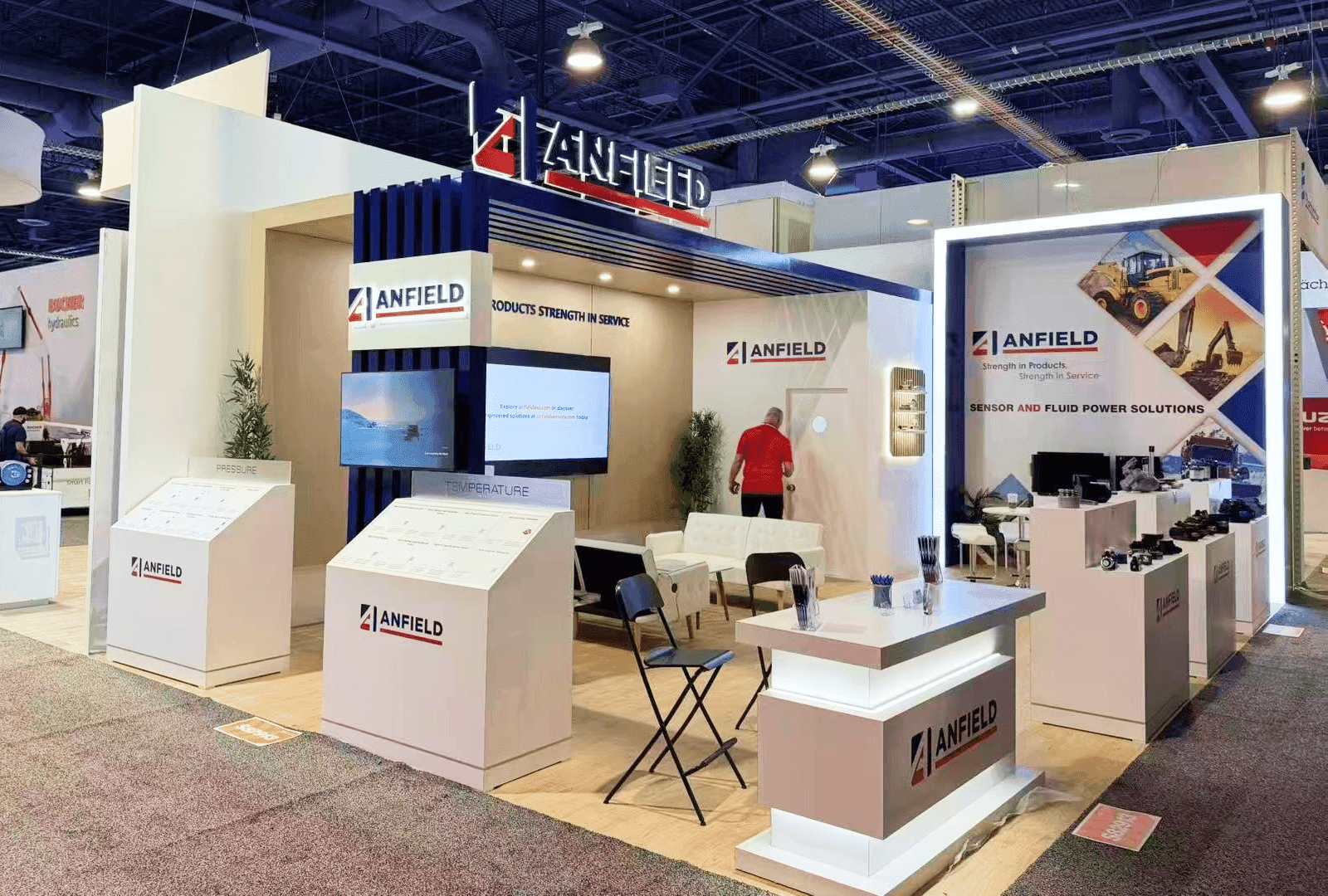
A pediatric healthcare booth display should make product samples, labels, and use cases easy to understand before visitors move into a deeper conversation.
Booth Size Fit for AAP Exhibitors
AAP exhibitors should choose booth size based on how much space the product story needs. A pediatric healthcare booth does not always need a large footprint, but it does need enough room for samples, staff movement, screen demos, or short visitor conversations without crowding the aisle.
A 10x20 booth can work well for a focused product display, infant nutrition samples, educational materials, or one clear pediatric healthcare message. It gives exhibitors room for a branded backwall, product counter, small storage area, and a short visitor conversation. For compact layouts, 10x20 booth planning can be a practical starting point.
A 20x20 booth is better when the booth needs stronger product visibility, a small meeting area, a screen demo, or multiple product categories. This format gives exhibitors more space to separate samples, staff conversations, and visual messaging. For companies comparing larger layouts, 20x20 booth planning usually fits better than forcing too much into a smaller booth.
The right size should make the booth easier to read, not just bigger. If the product story is simple, a smaller layout can work. If the booth needs samples, screens, staff movement, and private discussion, more space can make the experience clearer.
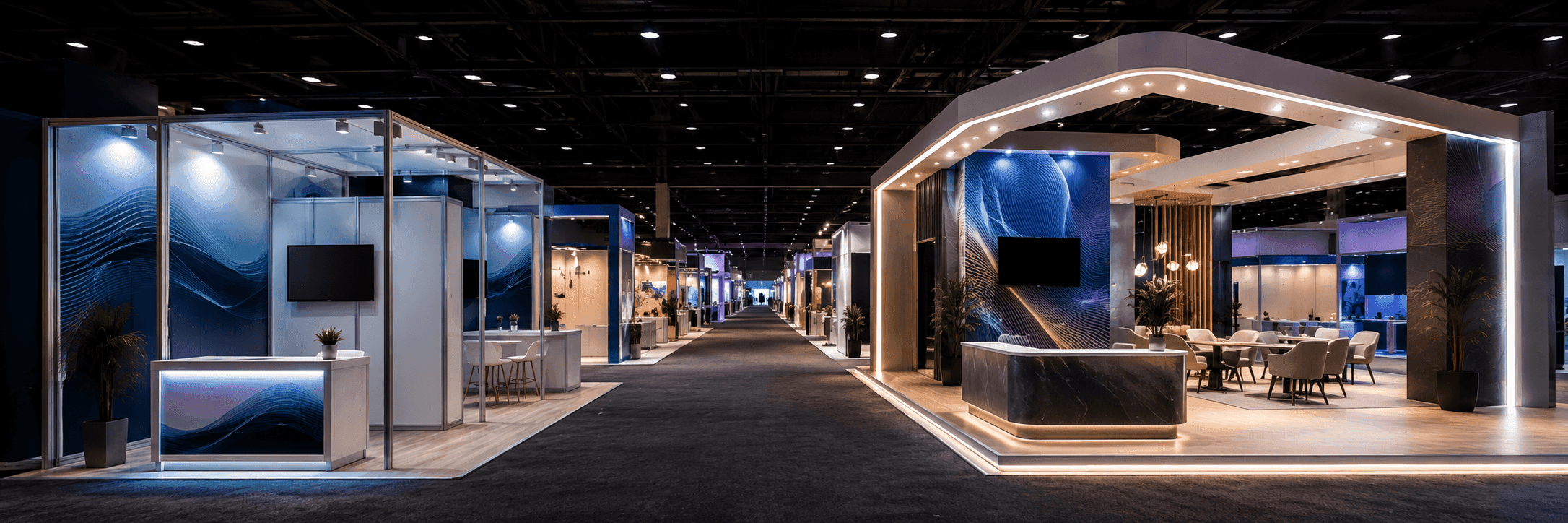
A 20x20 booth can help AAP exhibitors separate product display, screen demos, staff conversations, and small meeting space.
Graphics and Medical Audience Messaging
AAP exhibitors should use booth graphics to make the product category clear before a staff member starts explaining details. Pediatric healthcare audiences may include clinicians, practice teams, educators, buyers, and family-health decision makers, so the message should be simple enough to read from the aisle but specific enough to feel relevant.
The booth does not need long medical copy on every surface. A stronger approach is to use short product labels, clear use-case statements, simple workflow visuals, and a clean brand hierarchy. Graphics should help visitors understand what the product supports and why it matters in a pediatric setting.
This is also where trust matters. Claims, benefits, and visuals should feel clear and professional without making the booth crowded or overly promotional. For this layer, graphics and brand presentation should be planned with the booth structure, not added at the end.
San Diego Convention Center Setup Notes
The booth also needs to work once it reaches the San Diego Convention Center floor. AAP exhibitors may bring product samples, printed materials, screens, counters, storage items, demo devices, and graphics that all need to be placed correctly before the show opens.
Before shipping, exhibitors should confirm crate labels, power needs, screen placement, sample storage, printed material locations, and staff handoff notes. Product samples, demo screens, and education pieces should each have a clear place in the layout so the booth team does not have to solve these details during setup.
Small setup choices can affect how the booth feels on-site. A counter placed too close to the aisle, a screen that is hard to read, or storage that blocks staff movement can make a simple product story harder to explain. Planning the setup sequence early helps the booth open cleaner and support smoother conversations with pediatric healthcare visitors.

AAP booth planning should connect pediatric product displays, screen demos, booth size, graphics, and San Diego Convention Center setup into one clear show-floor experience.
AAP Booth Planning Checklist
Before approving the booth plan, AAP exhibitors should confirm the details that affect product clarity, visitor flow, and show-site setup.
Define the main pediatric product or service message
Decide whether the booth needs samples, screen demos, or consultation space
Keep product labels short and easy to read
Choose booth size based on display needs, staff movement, and meeting space
Confirm graphics, counters, storage, demo devices, and printed materials before shipping
Check crate labels, power needs, screen placement, and staff handoff notes before setup
FAQ
What should pediatric healthcare exhibitors plan for an AAP booth?
AAP exhibitors should plan around the product type, visitor flow, display method, and setup needs. The booth should make pediatric products, software, samples, or clinical services easy to understand before visitors move into a deeper conversation.
Is a 20x20 booth enough for AAP exhibitors?
A 20x20 booth can work well for exhibitors that need product display, a small meeting area, screen-based demos, or multiple pediatric healthcare messages. If the booth only needs one focused product story and a simple counter setup, a 10x20 booth may be enough.
How should infant nutrition or pediatric medical products be displayed at AAP?
Infant nutrition and pediatric medical products should be displayed with clean spacing, short labels, and a layout that is easy to follow. The booth should help pediatric professionals understand the product category, use case, and next conversation without crowding the counter.