CES Booth Planning in Las Vegas

How should exhibitors plan a CES booth in Las Vegas?
CES booth planning should start with the product experience, demo requirements, and visitor flow. Rental or custom exhibit decisions should then account for booth size, technical equipment, storage, and venue-specific installation needs.
CES is a fast-moving show where exhibitors need to explain complex products quickly. For brands in consumer electronics, AI, robotics, mobility technology, digital health, smart hardware, connected devices, and software platforms, the booth should make the product and its use case clear from the aisle before visitors decide whether to stop.
CES exhibit planning should connect the visitor experience with the technical requirements of the assigned venue. CES 2027 spans the LVCC, Venetian, and C Space campuses, so freight handling, installation schedules, electrical services, and exhibit approvals should be confirmed for the specific location. Working with experienced Las Vegas trade show booth builders helps exhibitors coordinate booth design, fabrication, graphics, logistics, and on-site installation around the actual scope of the project.
The most important layout decision is how visitors move from recognizing a technology to understanding its practical value. A focused CES technology product demo booth may prioritize one guided demonstration and a short buyer conversation, while a larger exhibit can separate product launches, technical presentations, and private meetings. A 20x20 booth layout may be sufficient for a focused demonstration, but the final footprint should follow the product, audience, and interaction requirements.
Why Exhibitors Choose Circle Exhibit
Clear scope, transparent quote review, nationwide booth support, and efficient setup planning for qualified rental and custom exhibit projects.
48hr
Setup Window
10+
Years Since 2014
U.S.
Trade Show Support
Real
Booth Project Proof
CES booth size should follow the product demo. Before choosing a footprint, exhibitors should know what visitors need to see first, where the demo starts, how screens support the message, and whether the team needs storage, meeting space, or private follow-up areas.
A 10x20 CES booth fits a focused product demo, startup presentation, or compact hardware display. For this layout, 10x20 booth planning should keep the message clear, the demo counter easy to approach, and the aisle side open for quick conversations.
A 20x30 CES booth works better when one product story needs several demo points. For software walkthroughs, mobility technology, product launches, or smart hardware demos, 20x30 booth planning should separate screens, demo stations, storage, and buyer conversations without crowding the booth.
A 20x20 CES booth gives exhibitors more room for a main demo, branded counters, screen support, storage, and a small meeting area. For AI tools, smart hardware, security products, and connected devices, 20x20 booth planning helps balance visibility with real conversation space.
A 30x40 CES booth or larger island layout is stronger for robotics, automotive technology, AI hardware, product launches, and multi-zone demos. In these larger spaces, 30x40 booth planning should account for aisle visibility, product staging, AV support, meeting rooms, and show-site setup.
At CES, product demonstrations and new product launches require different booth experiences. Demo-focused exhibits need clear screen hierarchy, accessible interaction points, and space for staff to guide visitors from a quick demonstration into a deeper conversation. Our CES demo-ready booth planning guide explains how to organize these elements around visitor flow and show-site requirements.
Product launches require a different approach. Reveal sequences, audience positioning, presentation screens, and follow-up areas should work together without disrupting live demos or blocking the aisle. See how to structure CES product launch zones for practical guidance on organizing the launch experience.
CES trade show booth design should help visitors understand the product before they enter the booth. For consumer electronics, AI products, robotics, mobility technology, digital health devices, smart hardware, software platforms, and connected devices, CES trade show booths need to make the main message visible from the aisle and guide visitors toward the right demo area.
Position screens and equipment for clear aisle visibility and hands-on demonstrations. Allow space for staff guidance, equipment access, and visitor circulation without blocking adjacent displays.
Screens at CES should explain the product, not just fill space. They should make the category, use case, and demo path clear from the aisle. For messaging, backwalls, screen content, and branded surfaces, graphics and brand presentation should be planned with the booth layout instead of added at the end.
Separate quick product discussions from scheduled buyer or media meetings. Meeting areas should support focused conversations without interrupting demonstrations or visitor movement.
Storage, AV access, cable paths, demo hardware, spare graphics, and staff materials should be planned before the booth reaches the show floor. These details are easy to overlook, but they often decide whether the booth works smoothly during peak traffic.
CES covers consumer electronics, AI, robotics, mobility technology, digital health, smart hardware, connected devices, and software platforms. Exhibitors need booth messaging that explains the product quickly from the aisle.
CES 2027 runs January 6–9 across the LVCC, Venetian, and C Space campuses. Confirm the assigned venue, booth location, freight arrangements, and installation requirements before finalizing the exhibit.
CES is held annually in Las Vegas and uses large venue spaces such as LVCC to support technology-heavy exhibits. Booth planning should account for visitor flow, freight timing, AV setup, installation, and opening-day readiness.
Not Sure Which Booth Size You Need?
Not every exhibitor knows whether a 10x20, 20x20, 20x30, or larger booth is the right fit. Circle Exhibit can help review your event goals, product display needs, demo areas, meeting space, storage, budget scope, and setup timeline before you choose a booth size.
Planning Automotive and Mobility Displays
Integrating AV, Screens, and Live Demos
1
Define booth objectives by venue and industry
2
3
4
Rental Booth Option
CES rentals suit standard branded structures, product demos, screens, and meeting areas. Explore Las Vegas booth rental options for configurable layouts.
Custom Build Option
Custom exhibits suit vehicle displays, specialized equipment, integrated AV, and complex multi-zone experiences. Explore Las Vegas custom exhibit solutions.
How to Decide Before CES
Choose rental for adaptable standard layouts and custom construction when specialized equipment, structures, or product integration drive the design.
CES setup at LVCC should be planned around move-in windows, freight arrival, crate handling, flooring, structure installation, graphics, AV equipment, product samples, and final booth checks. Confirming the setup sequence early gives the booth team enough time to solve issues before the show opens.
Review the assigned CES hall and booth location before finalizing screen placement, aisle access, and overhead branding. For LVCC exhibits, confirm venue-specific installation requirements.
CES booths often rely on screens, monitors, routers, charging equipment, demo hardware, product samples, interactive devices, and software stations. Power access, cable paths, AV placement, storage, and product staging should be checked before installation begins.
Freight timing, advance warehouse deadlines, crate handling, installation order, and opening-day checks should be planned before materials arrive at LVCC. The goal is simple: make sure booth structure, graphics, AV, demos, storage, and staff areas are ready before traffic starts.
CES Booth Rental Options for 20x20 and 20x30 Exhibitors
CES exhibitors can use a customizable rental booth when the layout needs product demo counters, branded graphics, meeting space, storage, and clear visitor flow without a fully custom island build. 20x20 and 20x30 rental booths are often practical for technology brands planning product launches, screen displays, buyer conversations, and show-site setup support in Las Vegas.
What should exhibitors plan before designing a CES booth?
Exhibitors should first clarify the product story, demo flow, booth size, screen placement, storage, power needs, freight timing, and installation sequence. A CES booth should help visitors understand the product quickly while giving the team enough space for demos, meetings, lead capture, and final show checks.
How should exhibitors compare CES booth design companies or exhibit builders?
What should exhibitors check before finalizing a CES booth map or floor plan?
Is a CES booth rental suitable for 20x20 and 20x30 technology exhibitors?
What affects CES booth cost, production, and custom build planning?
READY TO PLAN YOUR NEXT BOOTH?
Let’s Build a Booth That Fits Your Event
Share your event name, booth size, city, timeline, product display needs, and design references. Circle Exhibit will review your project direction and help you choose a rental-friendly or custom exhibit path.
3000+
Booth Projects Supported
50+
U.S. Event Cities
Transparent
Quote Review
For CES exhibitors planning demo counters, screen walls, product displays, staff-led explanations, storage, and visitor flow for technology products.
For technology brands preparing launch messaging, media flow, presentation zones, screen visibility, meeting space, and buyer conversations at CES.
For exhibitors showing AI dashboards, software workflows, smart security products, guided demos, and screen-led product explanations.
For mobility, ADAS, EV infrastructure, vehicle technology, sensor demos, and larger CES booth layouts that need stronger product staging.
For CES exhibitors comparing booth rental options, branded structures, demo counters, screen support, storage, and show-site setup in Las Vegas.
For CES exhibitors planning LVCC booth setup, move-in timing, freight delivery, AV placement, demo hardware, visitor flow, and show-site installation.
For exhibitors who need broader trade show exhibit design, booth rental, fabrication, logistics, installation, and show-site support across U.S. events.
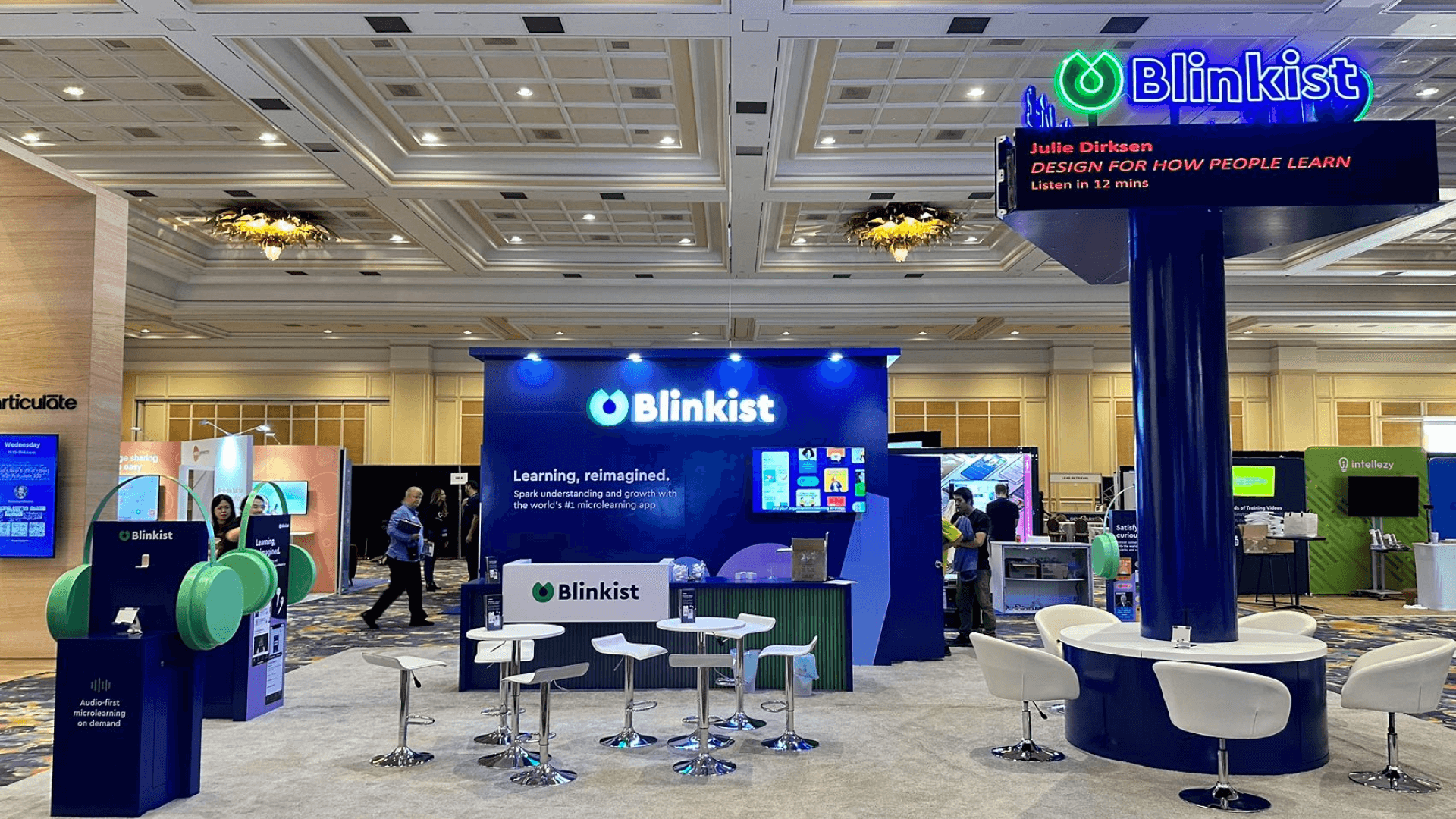
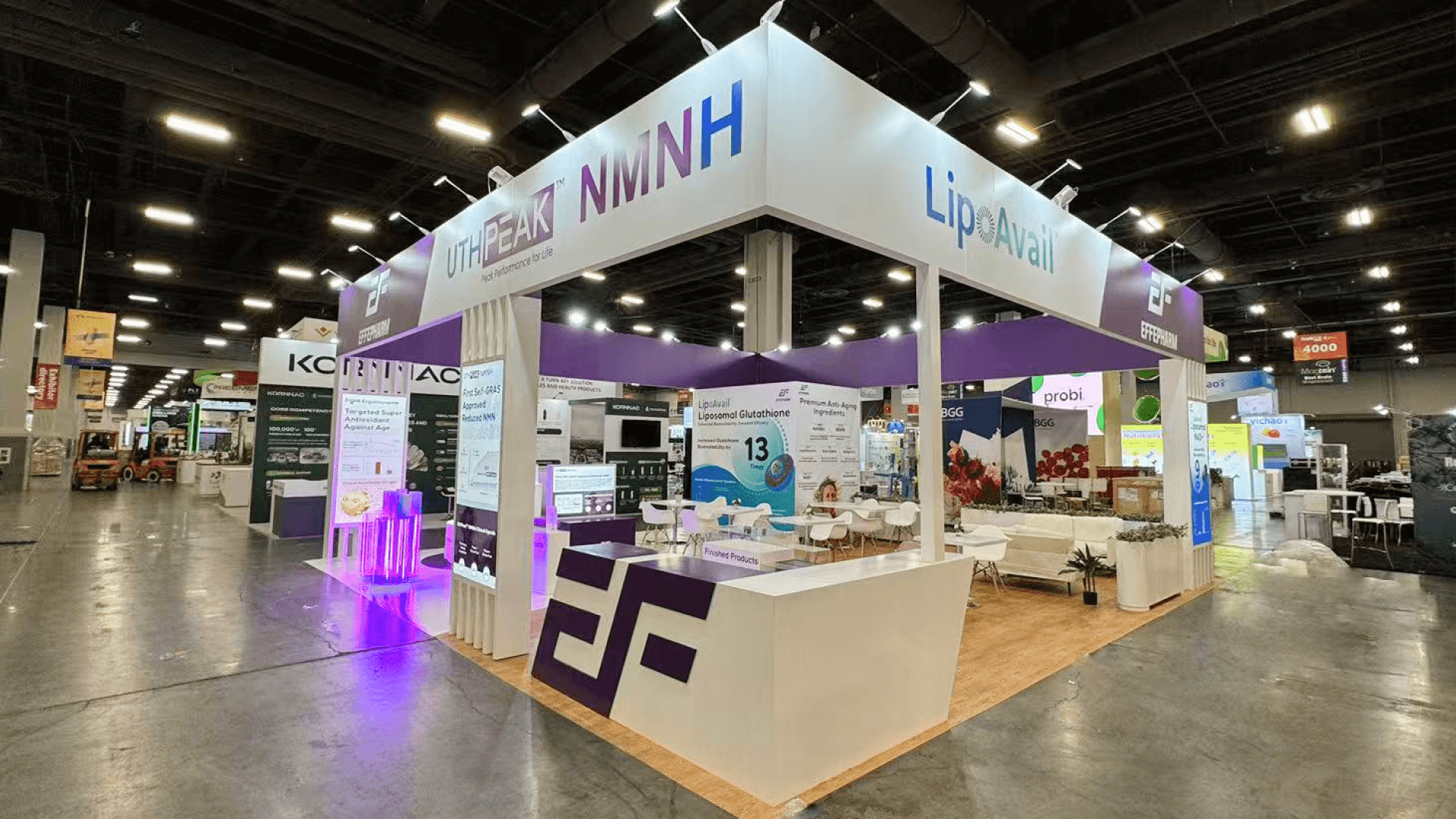
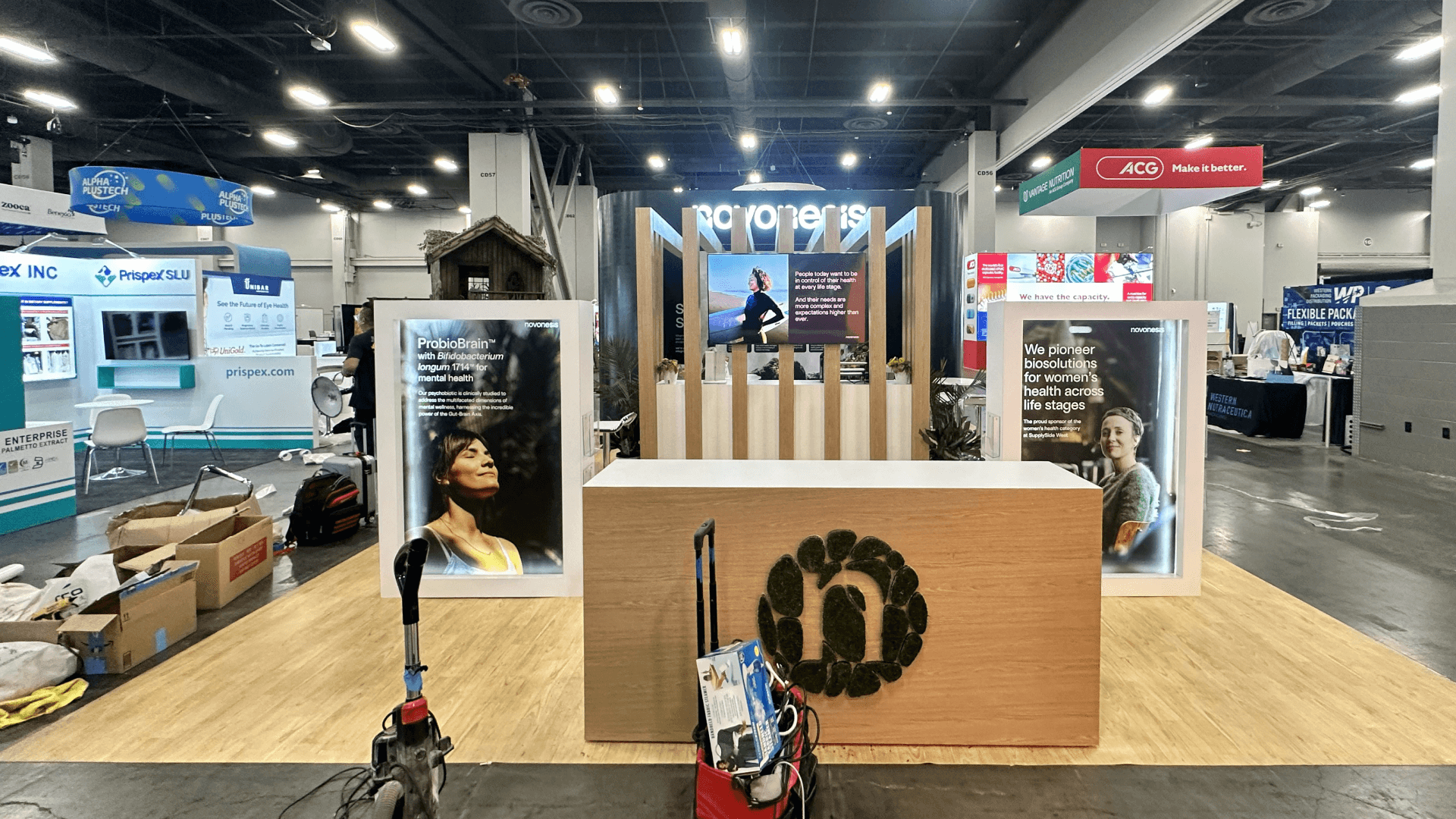
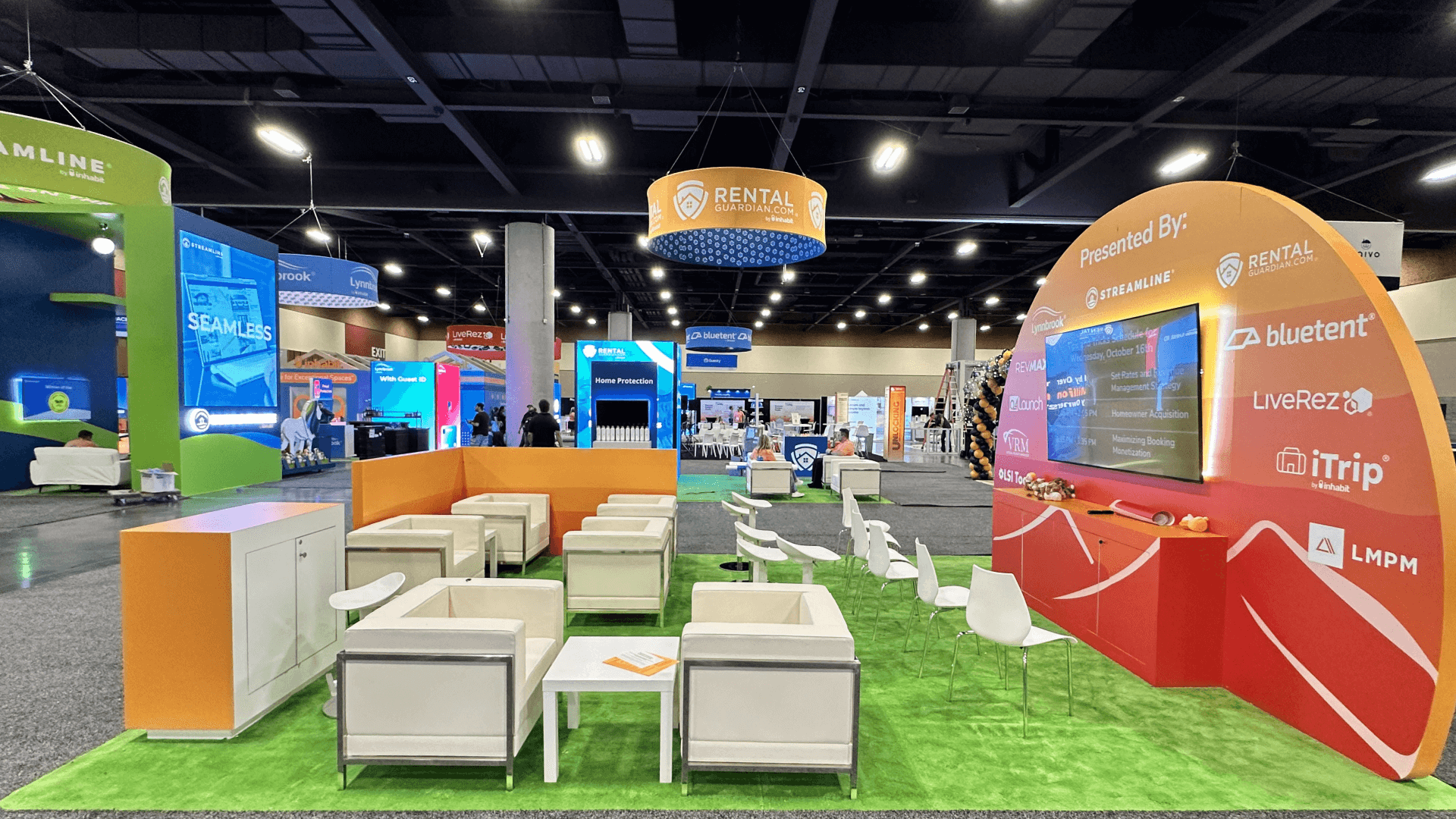
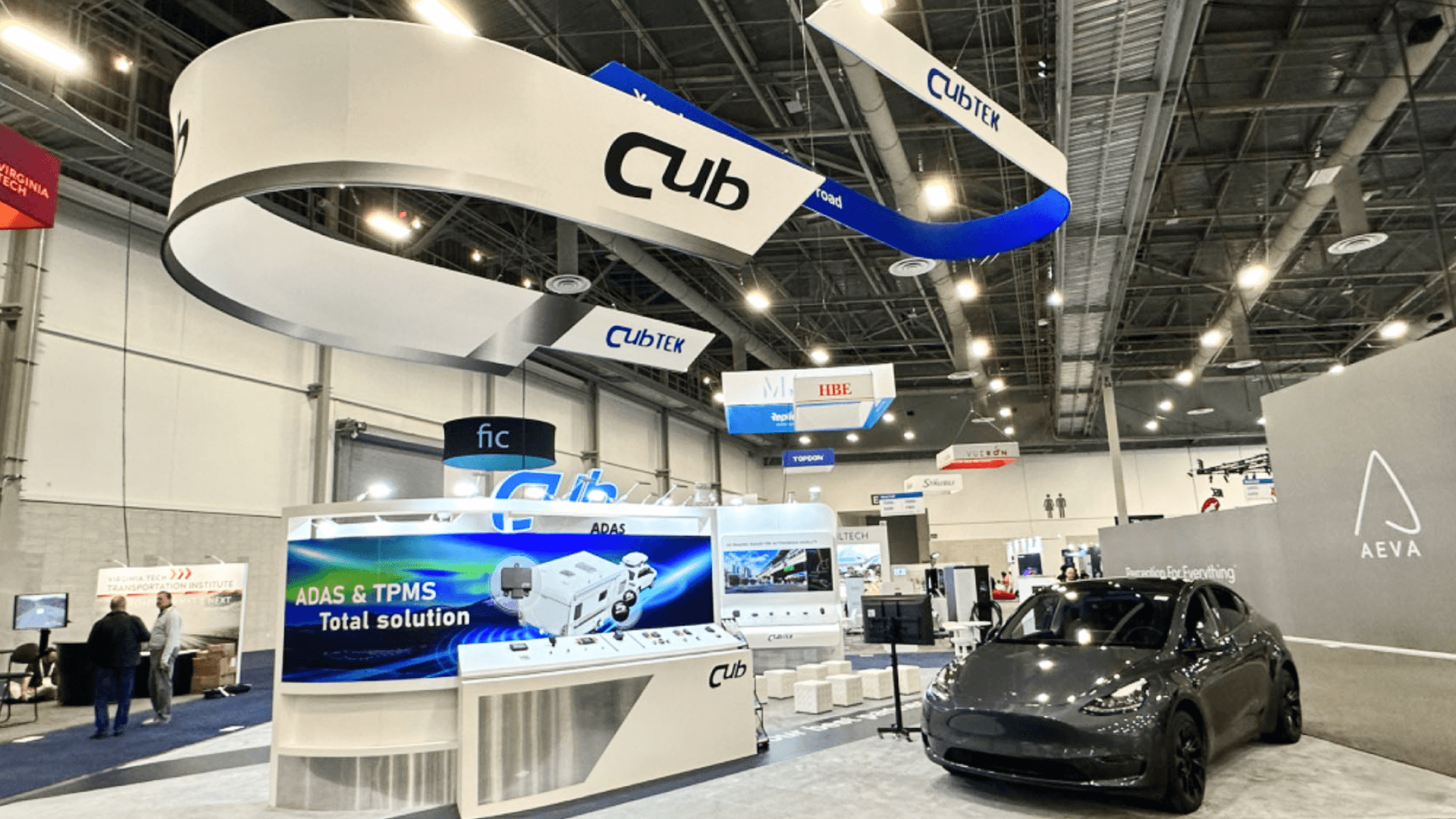
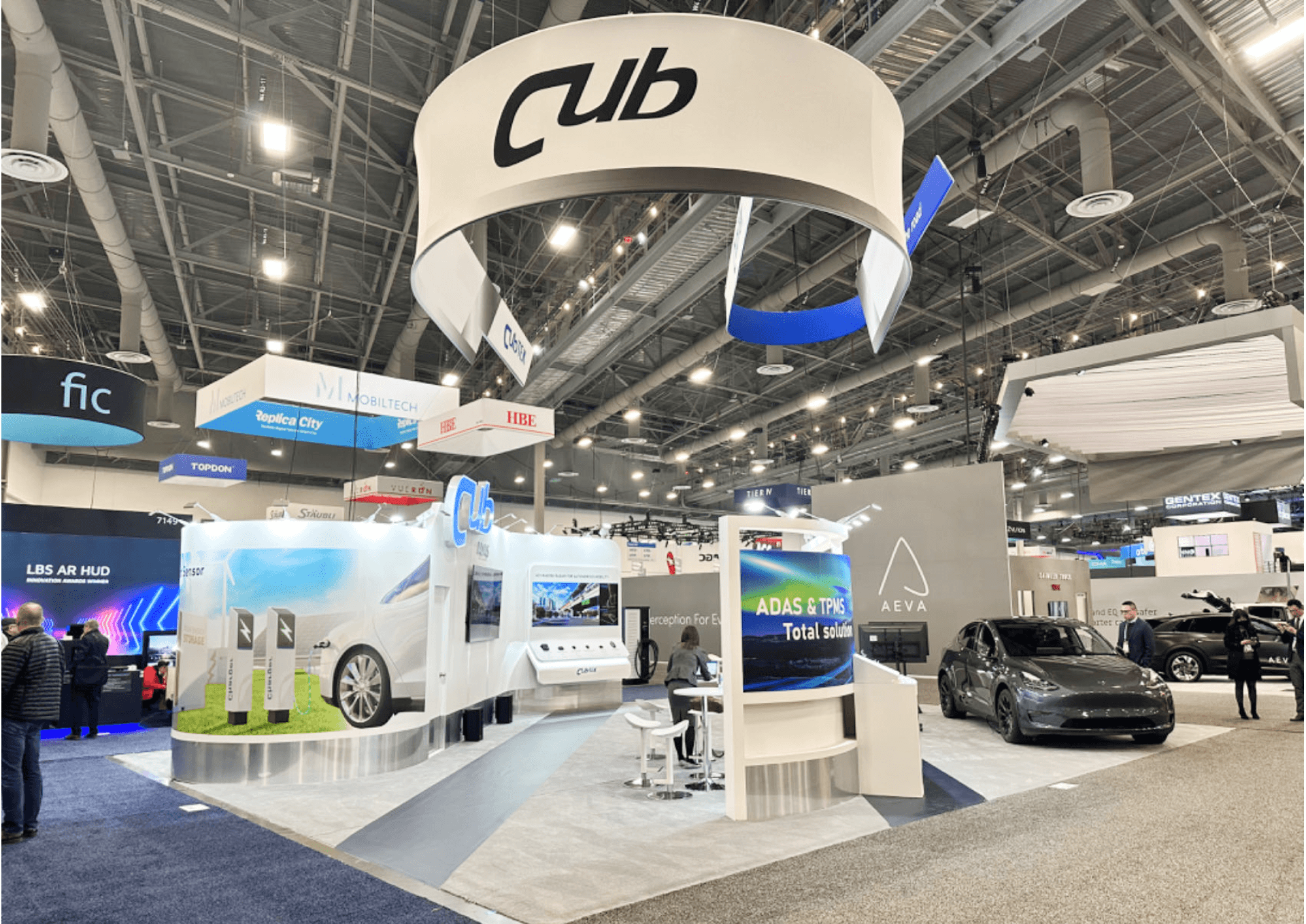
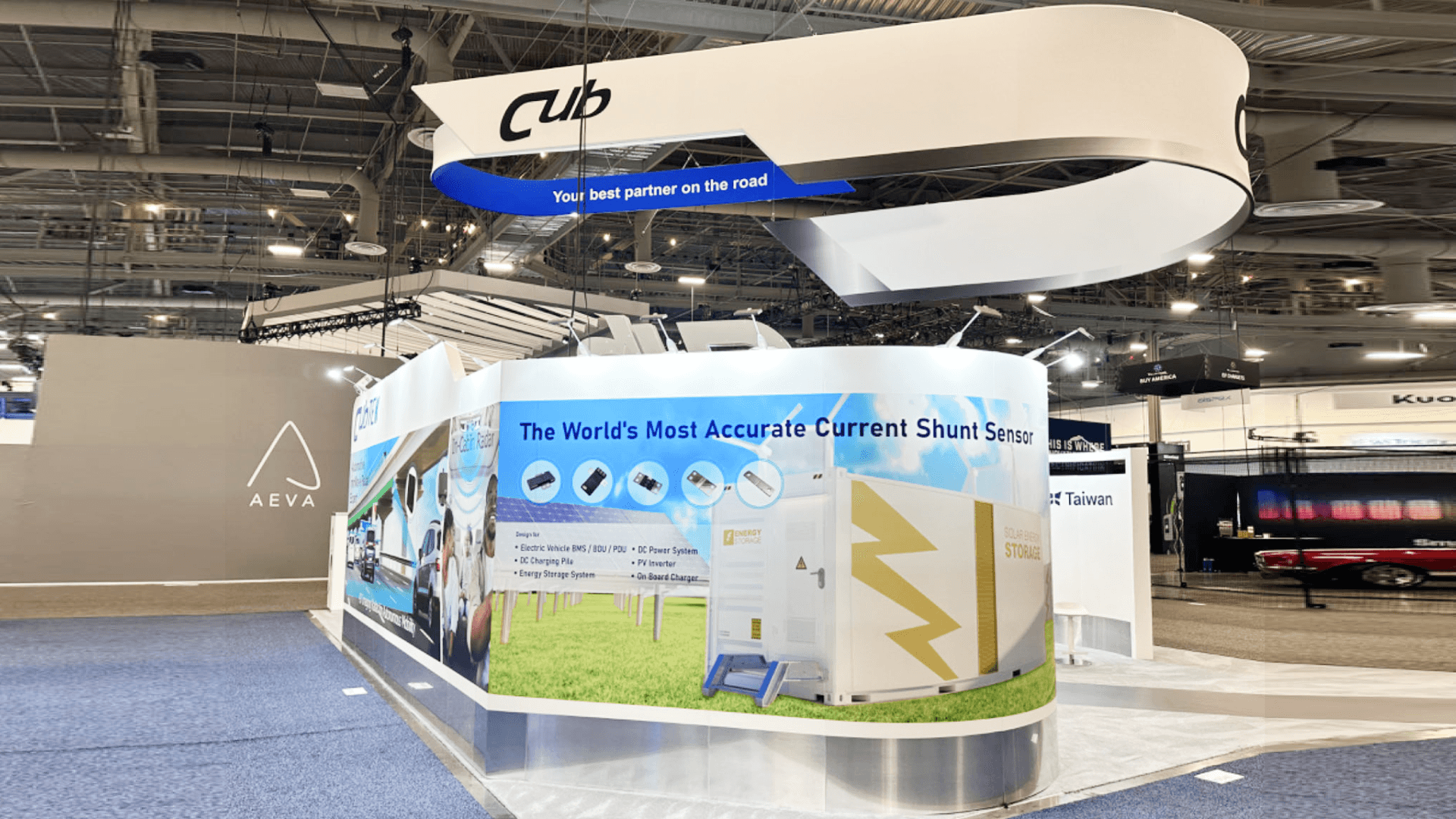
Circle Exhibit's CES projects demonstrate different exhibition needs: CUB CES 2024 combined automotive technology and vehicle displays, while Newegg CES 2026 focused on gaming hardware demonstrations and product showcases.