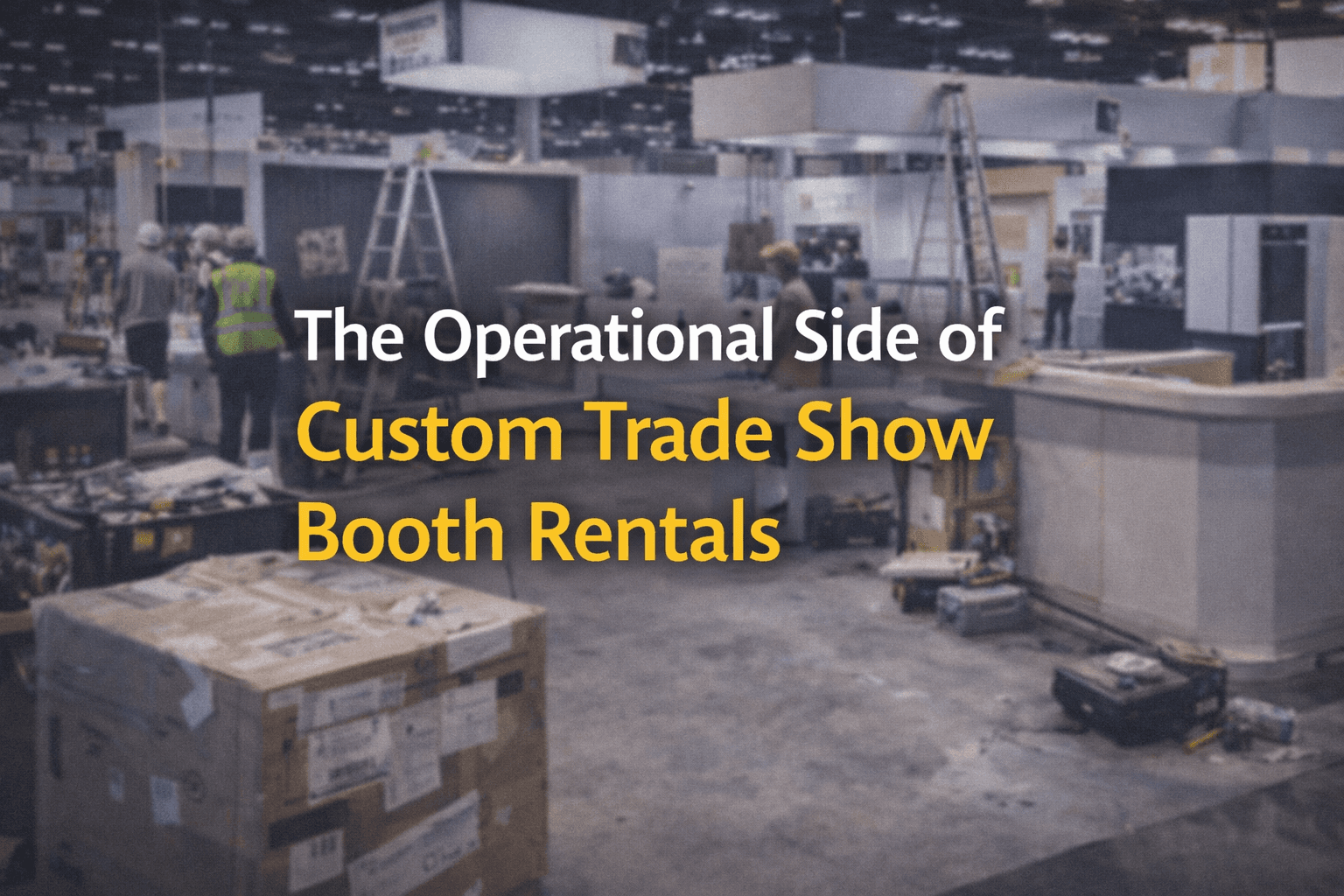
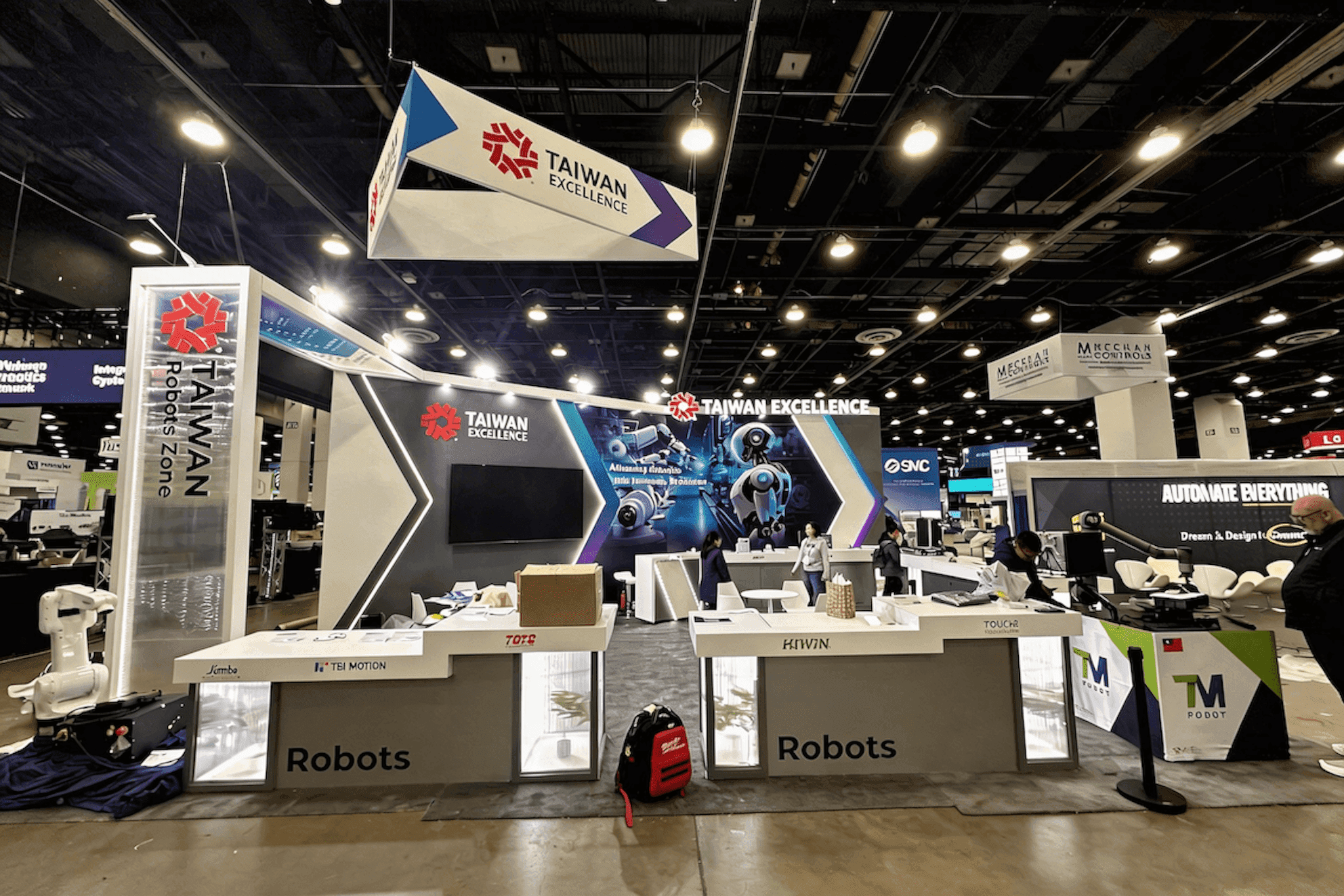
Operational setup of a custom trade show booth rental in Las Vegas, with installation crews, freight crates, and show floor preparation in progress

operational-side-of-custom-trade-show-booth-rentals

operational-side-of-custom-trade-show-booth-rentals

Feb 25, 2026

Feb 25, 2026

Circle Exhibit Team

Industry professionals

Exhibition industry professional dedicated to delivering the latest insights and curated recommendations to you.

Exhibition industry professional dedicated to delivering the latest insights and curated recommendations to you.

The Operational Side of Custom Trade Show Booth Rentals

“Rental” is often misunderstood in the trade show industry.

For some exhibitors, it suggests something temporary, lightweight, or purely cost-driven. In reality, high-performance custom trade show booth rentals operate as engineered systems. The difference between a rental booth that merely stands and one that performs is rarely aesthetic. It is operational.

1. Rental Does Not Mean Simplified

Custom rental environments still require:

  • Structural engineering review

  • Graphic integration planning

  • Freight sequencing

  • Installation labor coordination

  • Prebuild verification

The modular nature of rental components makes flexibility possible—but flexibility only works when the system is prepared in advance.

Without operational planning, “custom rental” quickly turns into last-minute adjustment on the show floor.

2. Prebuild Checks Protect On-Site Stability

One of the least visible parts of a successful rental project happens before the booth ships.

Prebuild checks confirm:

  • Structural alignment

  • Graphic fit

  • Lighting integration

  • Cable routing

  • Hardware labeling

When components are reused or reconfigured for different footprints—20×20 one month, 20×30 the next—verification prevents friction during move-in.

Rental success is not about reusing materials.
It is about reusing systems without losing precision.

3. Freight and Dock Timing Shape the Entire Installation

Rental structures often travel through warehouse storage before heading to venue docks. That transition stage introduces risk:

  • Freight delays

  • Crate mislabeling

  • Staggered delivery windows

  • Union labor scheduling constraints

When dock windows are missed, installation sequencing collapses. Crews wait. Aisles congest. Final alignment suffers.

Operational awareness—not design intent—determines whether the booth opens ready.

4. Installation Strategy Matters More Than Structure Size

Many rental booths are modular, but modular does not mean effortless.

Installation strategy should account for:

  • Floor marking and tape layout

  • Electrical routing prior to panel assembly

  • Graphic panel sequencing

  • Ceiling and hanging element timing

Efficient crews reduce installation time not by rushing, but by following predetermined order.

Rental booths that perform consistently are rarely improvised on-site. They are pre-planned to reduce variability.

5. Adaptability Is the True Value of Rental

Custom rental environments provide:

  • Scalable footprint options

  • Reconfigurable layouts

  • Updated messaging panels

  • Reduced long-term storage overhead

But adaptability only becomes an advantage when the operational backbone supports it.

Otherwise, each show feels like starting from zero.

Conclusion: Rental Is an Operational Discipline

Custom trade show booth rentals succeed when logistics, engineering, and installation planning align as a coordinated system.

Design may attract attention, but operational readiness determines whether a booth opens on time, functions smoothly, and supports meaningful conversations.

For exhibitors navigating complex venue environments, understanding the operational layer behind rental structures is often what separates predictable performance from unnecessary disruption.

For those evaluating flexible exhibit approaches in Nevada, this operational perspective also shapes how custom rental systems are executed in local environments such as Las Vegas trade show booth rental.
The Operational Side of Custom Trade Show Booth Rentals

“Rental” is often misunderstood in the trade show industry.

For some exhibitors, it suggests something temporary, lightweight, or purely cost-driven. In reality, high-performance custom trade show booth rentals operate as engineered systems. The difference between a rental booth that merely stands and one that performs is rarely aesthetic. It is operational.

1. Rental Does Not Mean Simplified

Custom rental environments still require:

  • Structural engineering review

  • Graphic integration planning

  • Freight sequencing

  • Installation labor coordination

  • Prebuild verification

The modular nature of rental components makes flexibility possible—but flexibility only works when the system is prepared in advance.

Without operational planning, “custom rental” quickly turns into last-minute adjustment on the show floor.

2. Prebuild Checks Protect On-Site Stability

One of the least visible parts of a successful rental project happens before the booth ships.

Prebuild checks confirm:

  • Structural alignment

  • Graphic fit

  • Lighting integration

  • Cable routing

  • Hardware labeling

When components are reused or reconfigured for different footprints—20×20 one month, 20×30 the next—verification prevents friction during move-in.

Rental success is not about reusing materials.
It is about reusing systems without losing precision.

3. Freight and Dock Timing Shape the Entire Installation

Rental structures often travel through warehouse storage before heading to venue docks. That transition stage introduces risk:

  • Freight delays

  • Crate mislabeling

  • Staggered delivery windows

  • Union labor scheduling constraints

When dock windows are missed, installation sequencing collapses. Crews wait. Aisles congest. Final alignment suffers.

Operational awareness—not design intent—determines whether the booth opens ready.

4. Installation Strategy Matters More Than Structure Size

Many rental booths are modular, but modular does not mean effortless.

Installation strategy should account for:

  • Floor marking and tape layout

  • Electrical routing prior to panel assembly

  • Graphic panel sequencing

  • Ceiling and hanging element timing

Efficient crews reduce installation time not by rushing, but by following predetermined order.

Rental booths that perform consistently are rarely improvised on-site. They are pre-planned to reduce variability.

5. Adaptability Is the True Value of Rental

Custom rental environments provide:

  • Scalable footprint options

  • Reconfigurable layouts

  • Updated messaging panels

  • Reduced long-term storage overhead

But adaptability only becomes an advantage when the operational backbone supports it.

Otherwise, each show feels like starting from zero.

Conclusion: Rental Is an Operational Discipline

Custom trade show booth rentals succeed when logistics, engineering, and installation planning align as a coordinated system.

Design may attract attention, but operational readiness determines whether a booth opens on time, functions smoothly, and supports meaningful conversations.

For exhibitors navigating complex venue environments, understanding the operational layer behind rental structures is often what separates predictable performance from unnecessary disruption.

For those evaluating flexible exhibit approaches in Nevada, this operational perspective also shapes how custom rental systems are executed in local environments such as Las Vegas trade show booth rental.
Message

Leave your message and we will get back to you ASAP

Send a Message

We’ll Be in Touch!

Message

Leave your message and we will get back to you ASAP

If you’re ready to shape the future with us, your journey could start here.

If you’re ready to shape the future with us, your journey could start here.

Address:

4935 Steptoe Street #300

Las Vegas, NV 89122