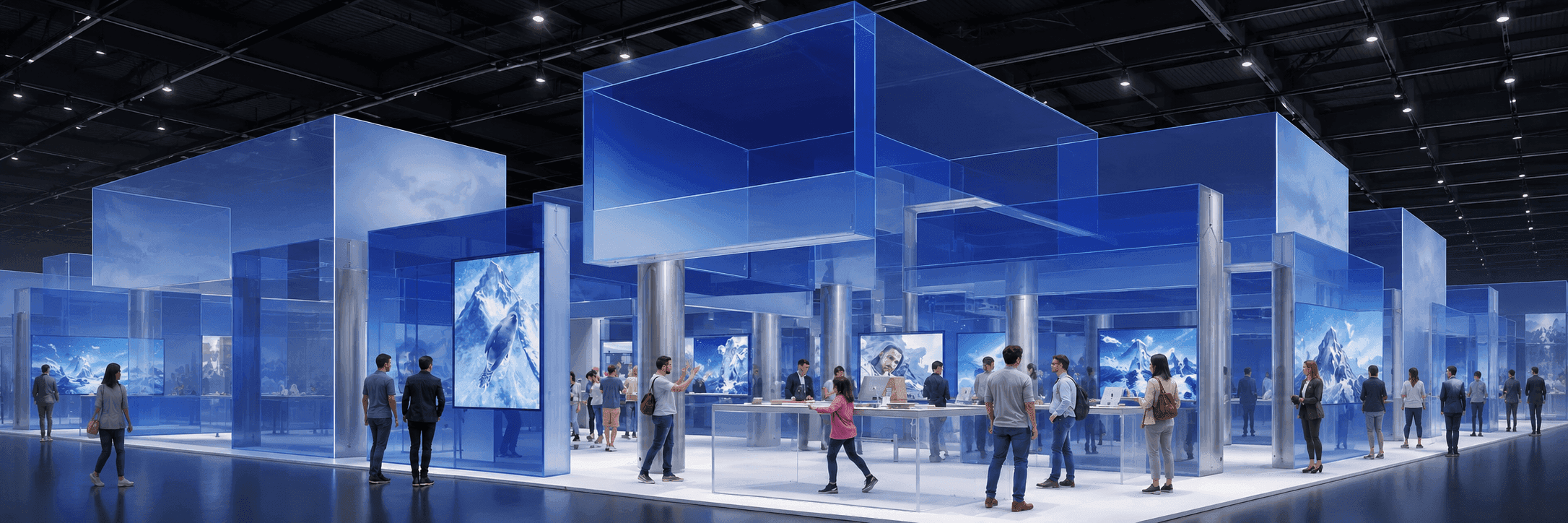

Real Project Ideas and Visual References
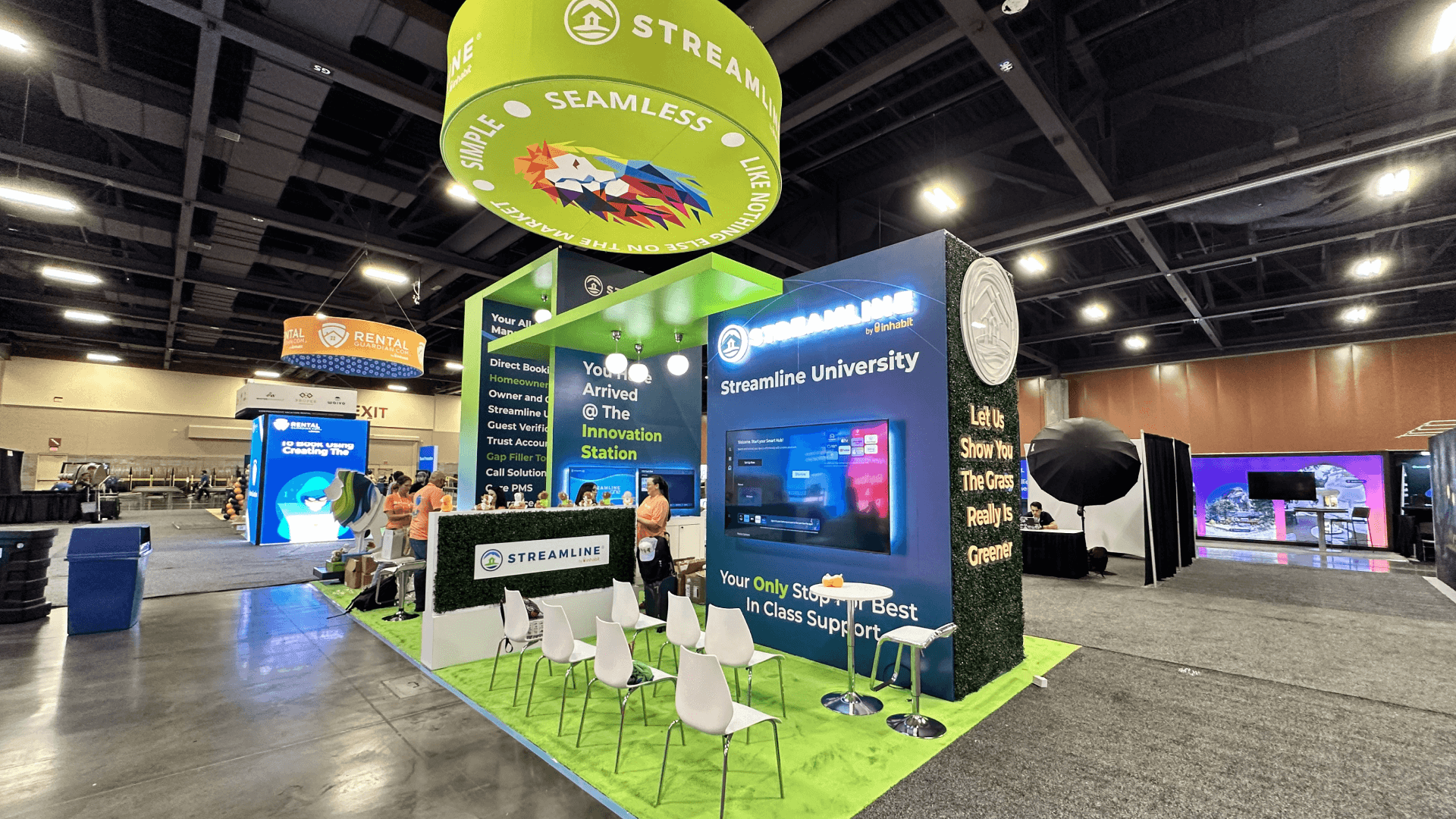
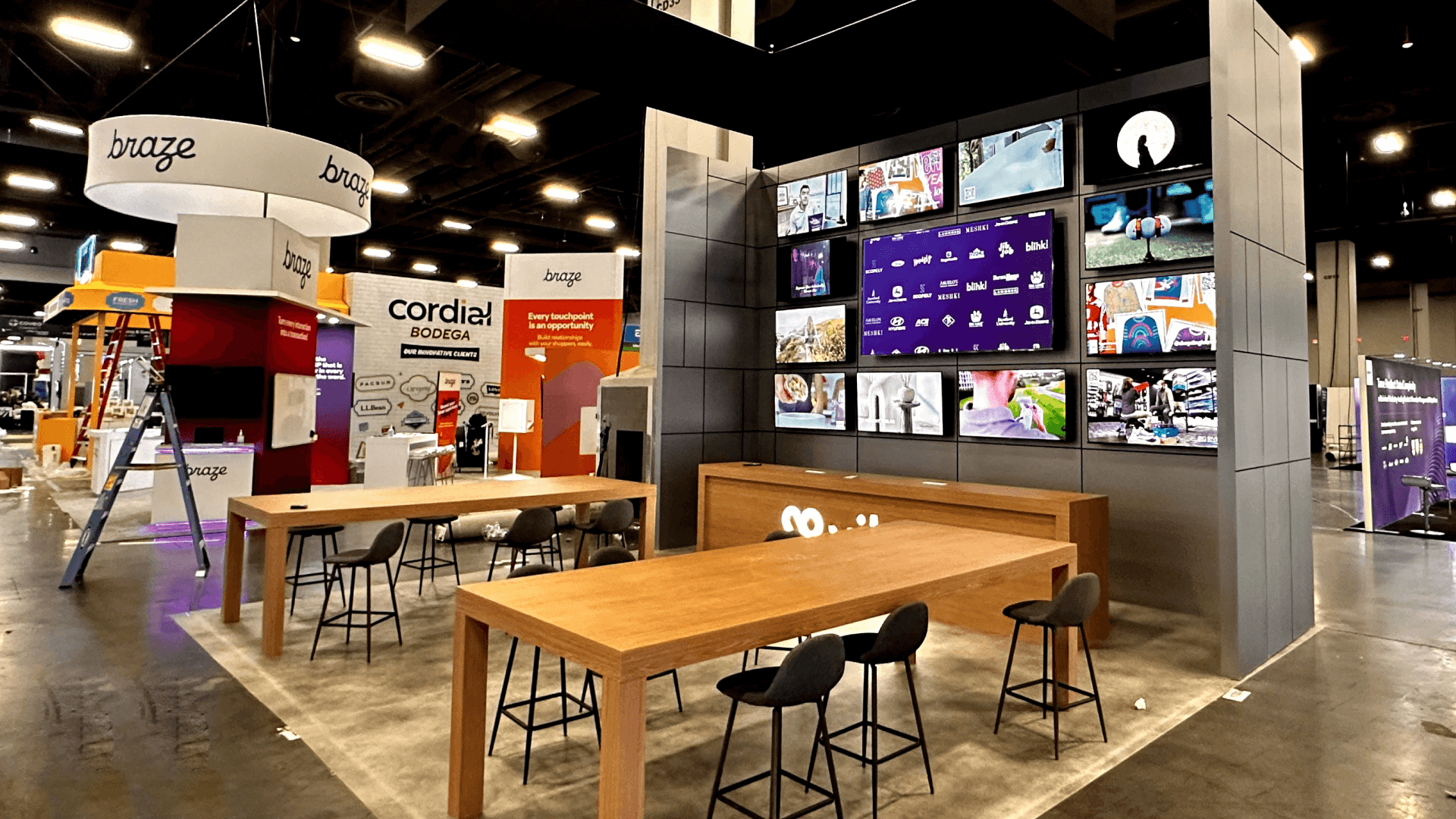
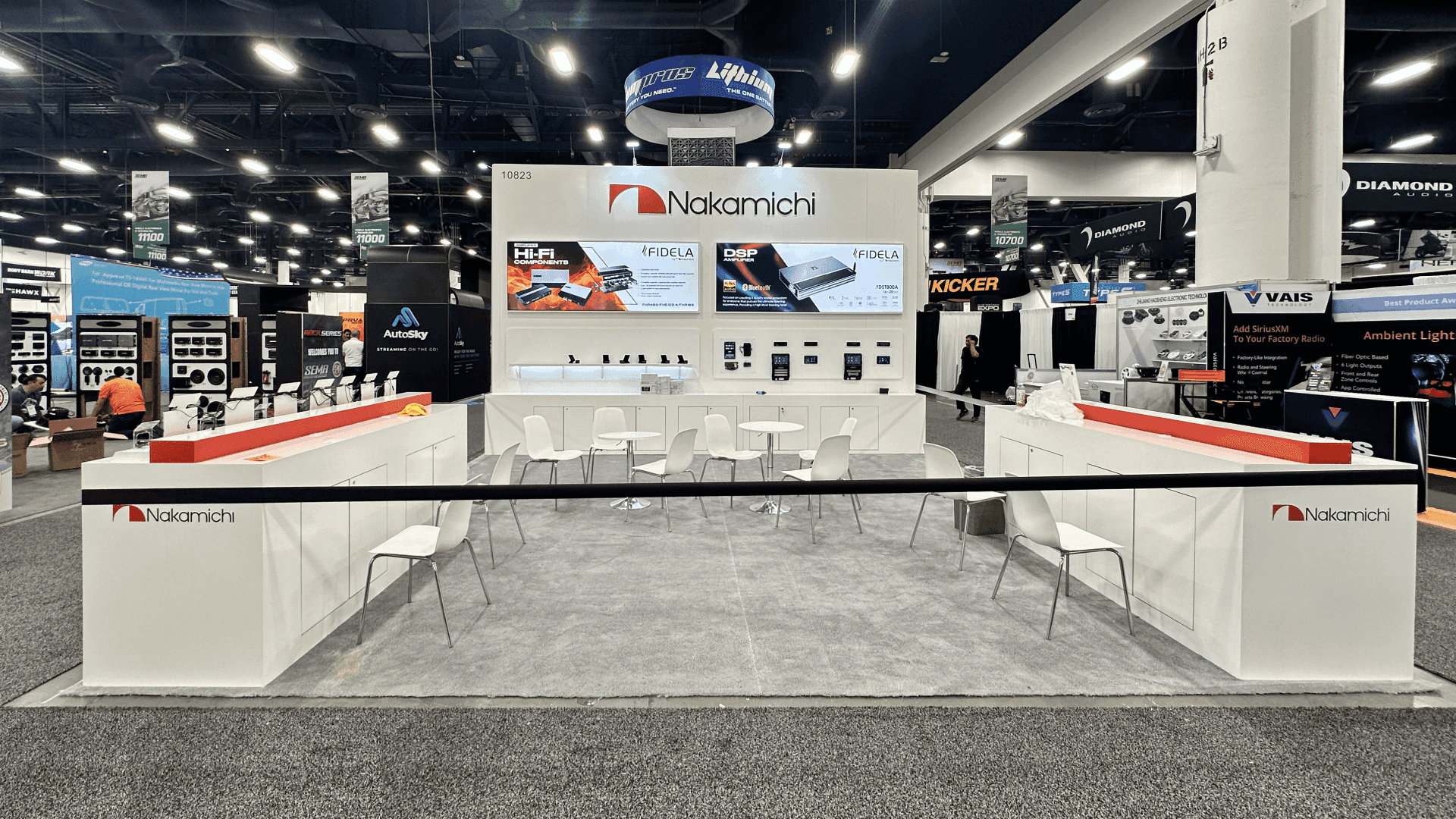
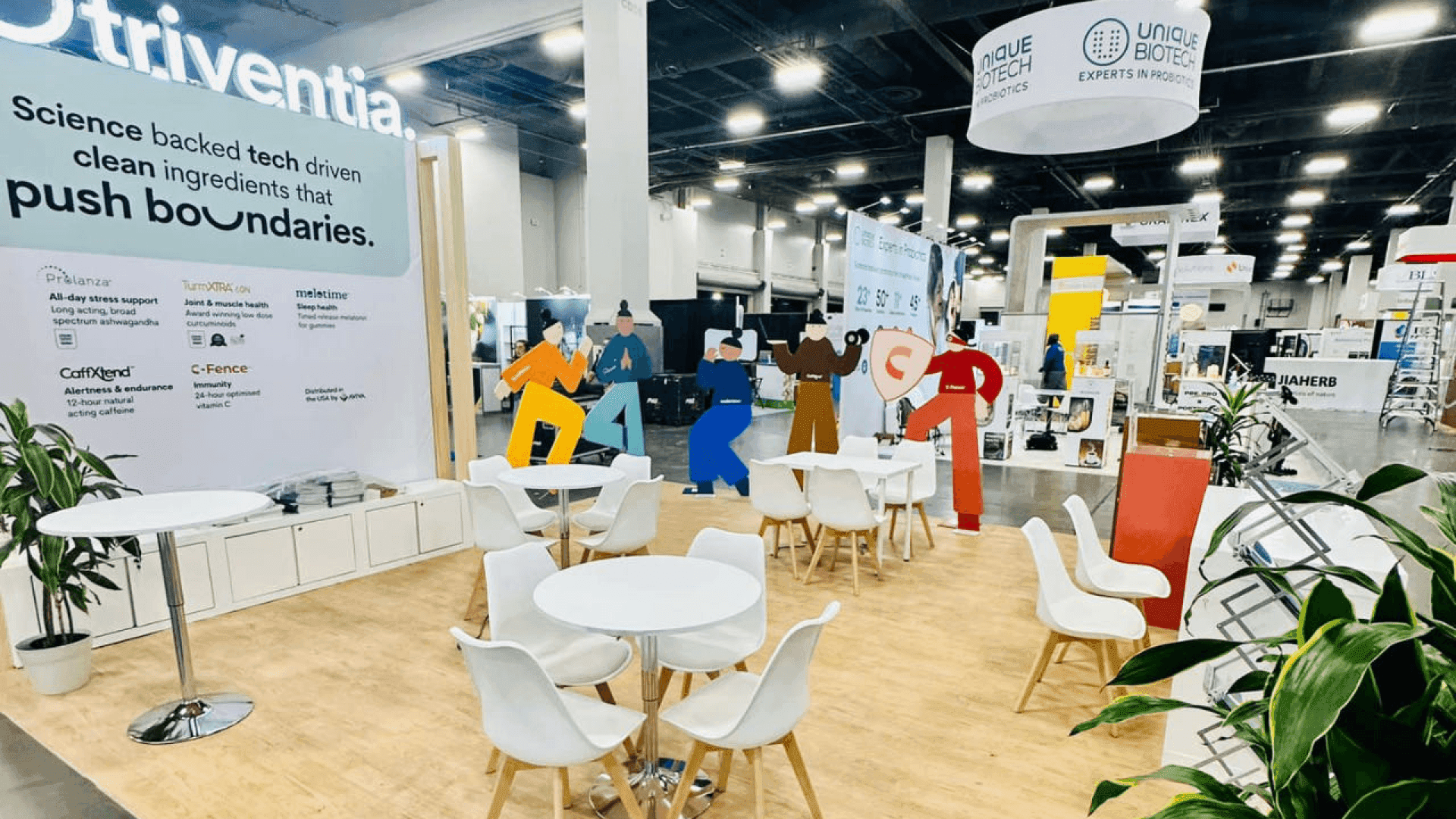
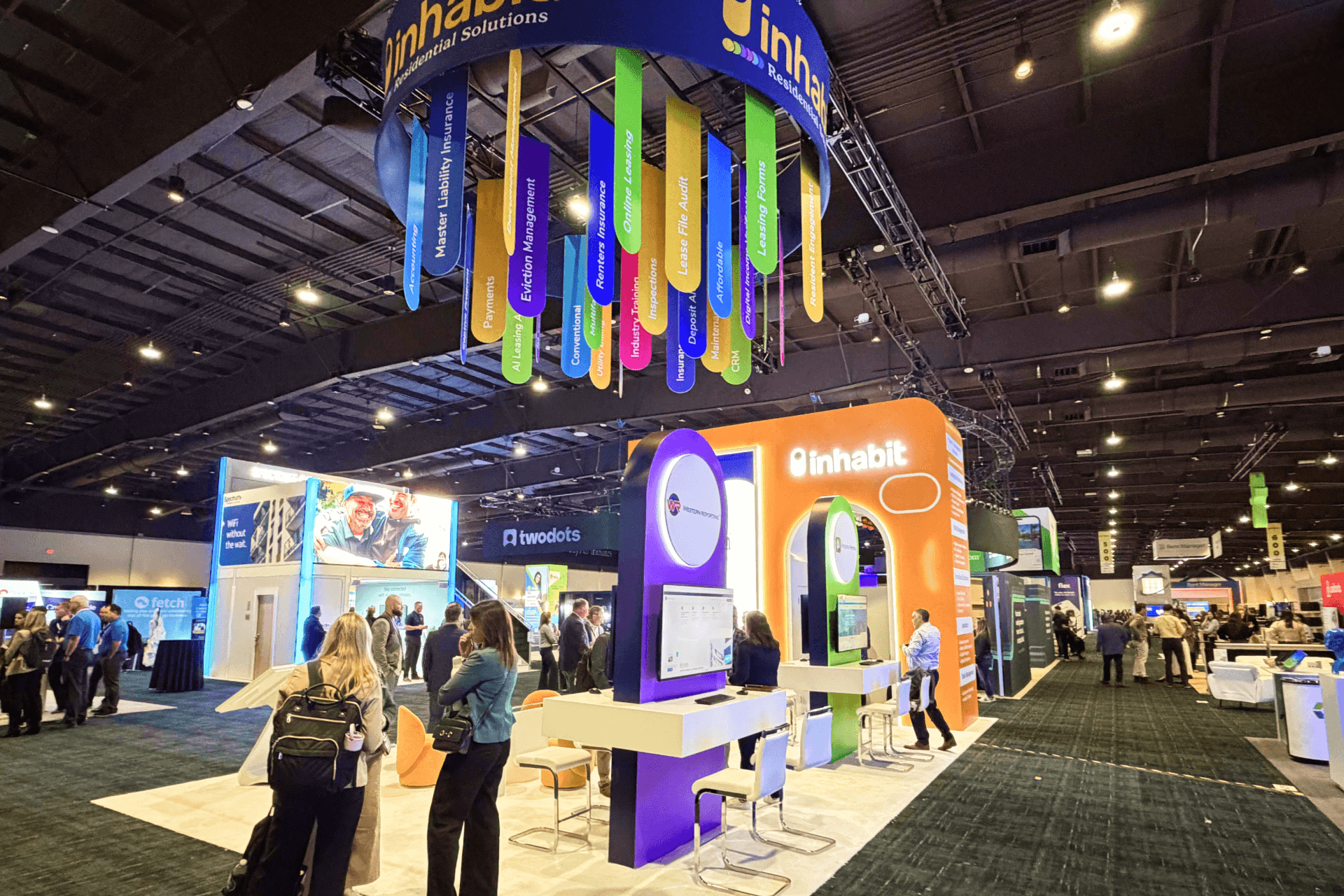
Real booth photos are useful because they show what renderings cannot always explain: how people enter the booth, where staff stand, how products are displayed, where graphics are visible, and how furniture affects movement.
To compare more real booth examples by size, industry, and display type, browse Circle Exhibit’s trade show booth project galleries.
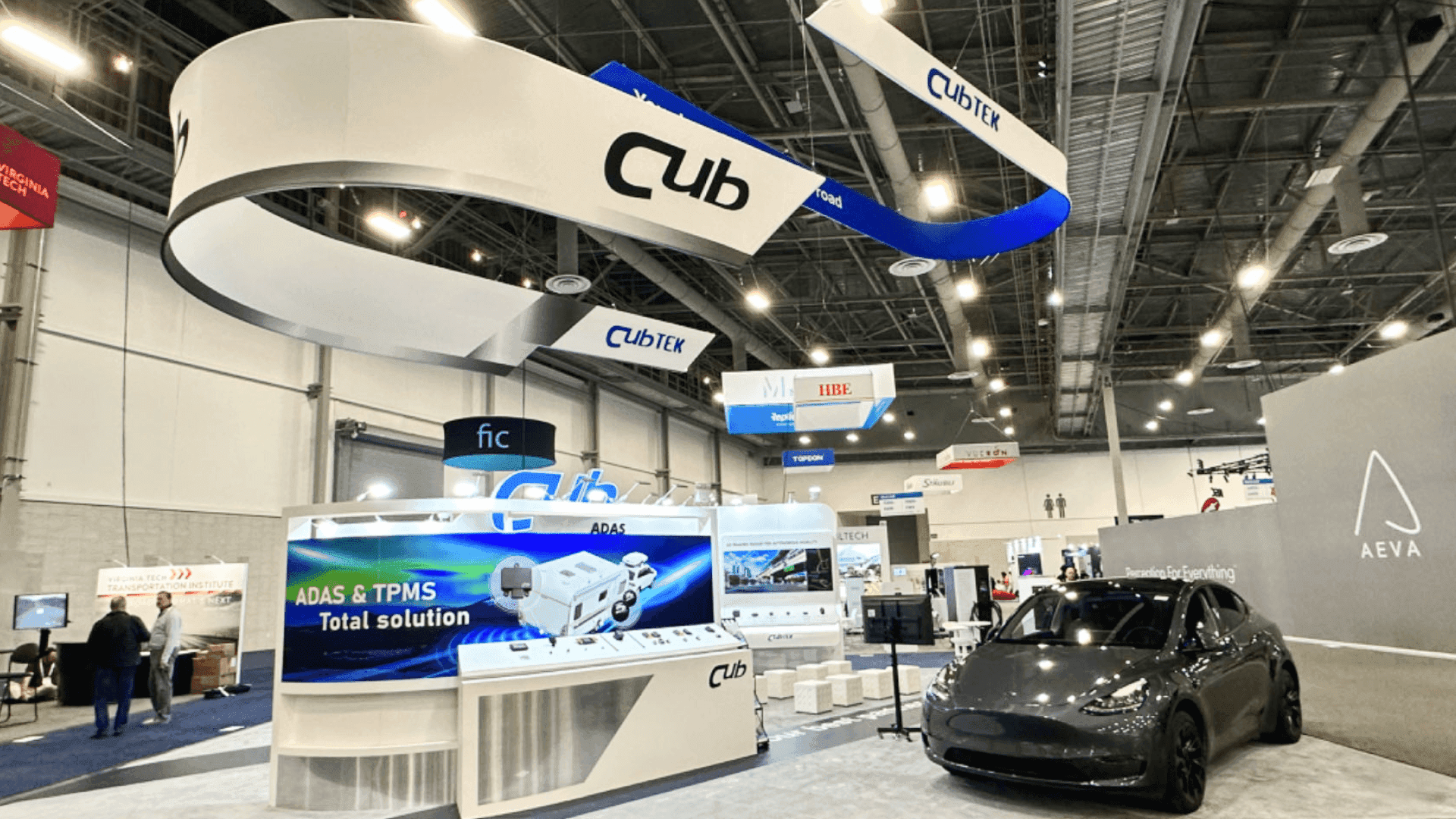
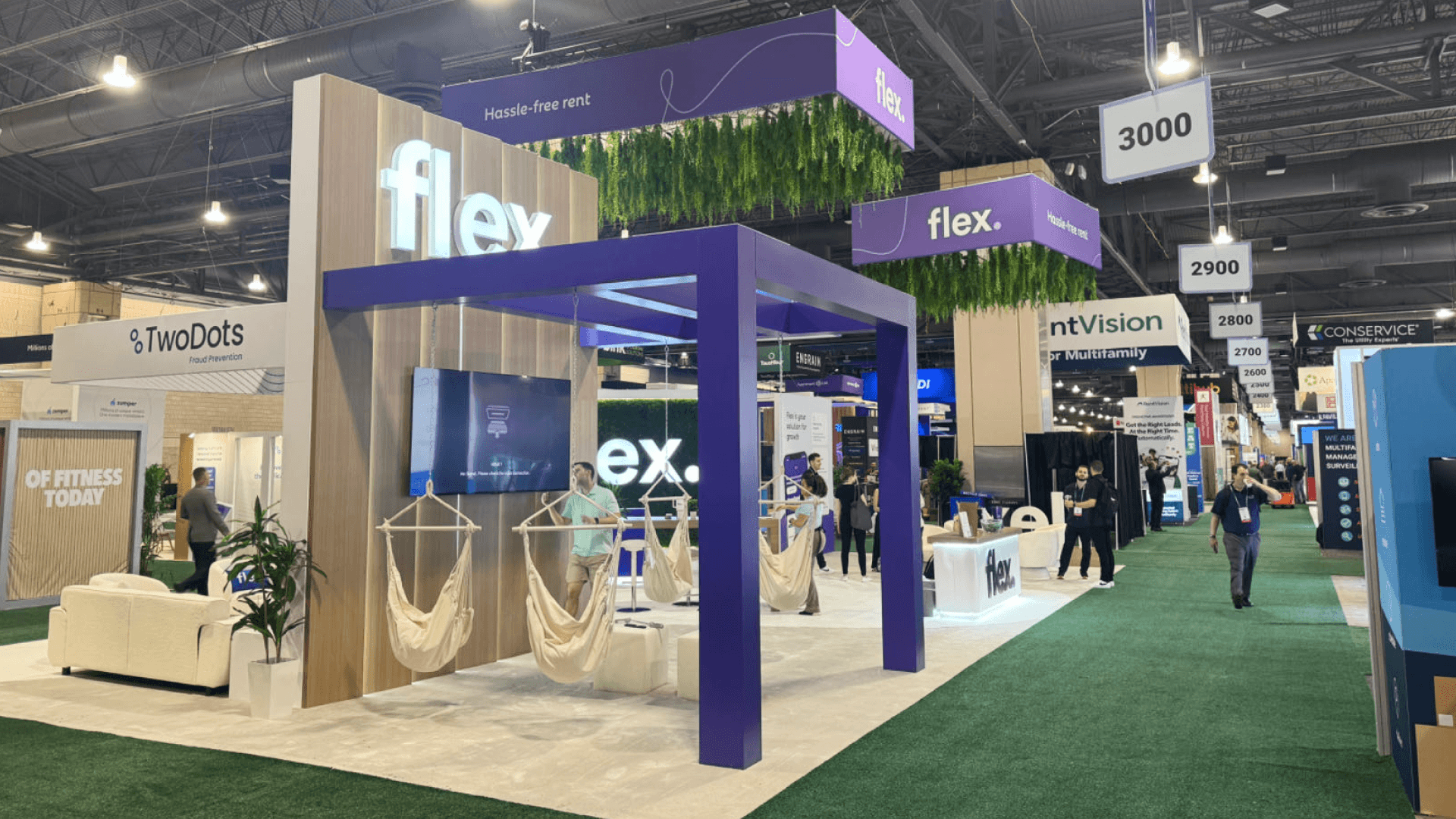
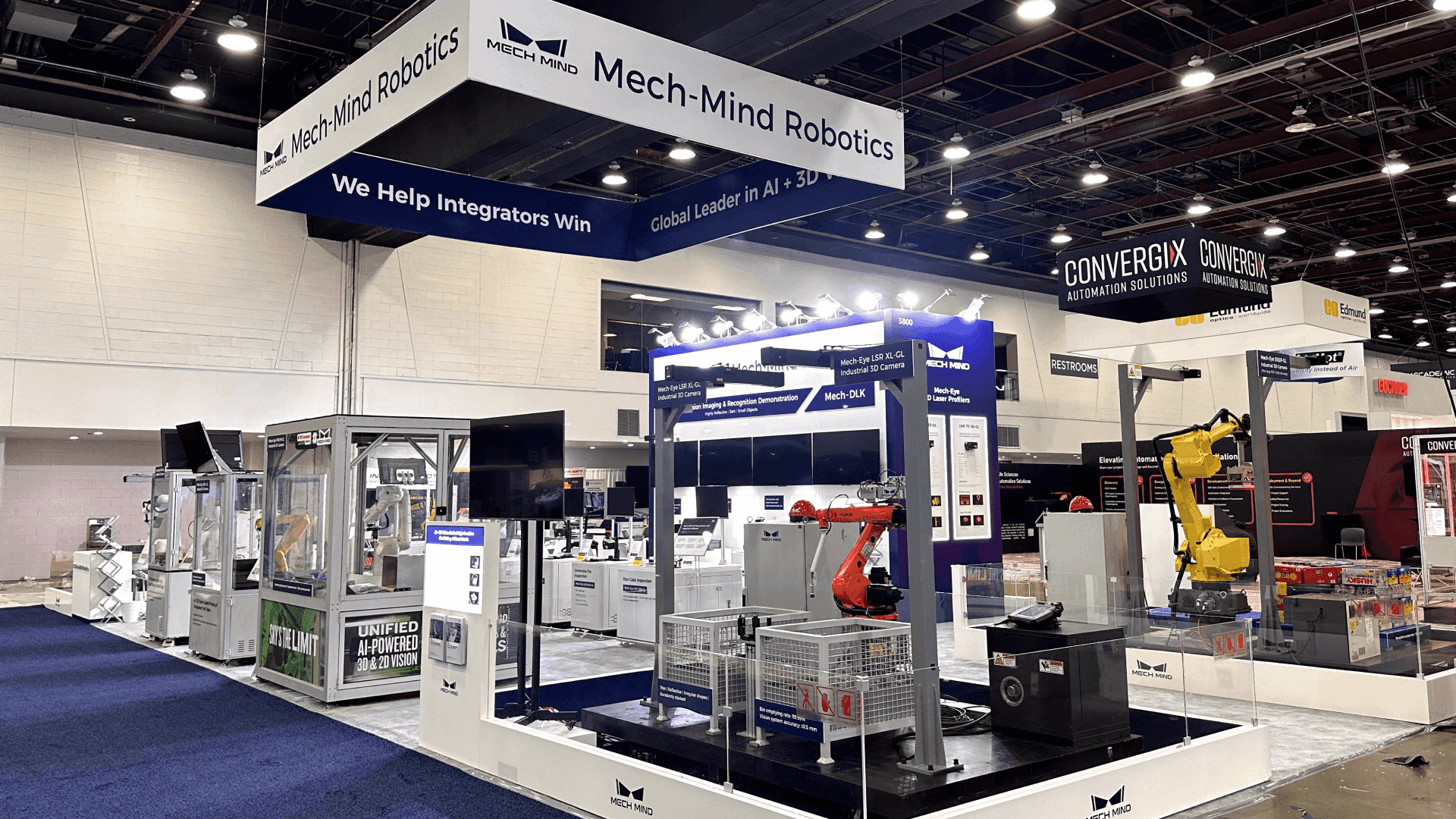
Booth Ideas by Visitor Goal
Different booths need different planning logic. A booth used for product demos should not be planned the same way as a booth built for buyer meetings, product samples, or brand visibility. Start with the visitor action first, then build the layout around it.
Product Demo Booth Ideas
Product demo booths need a clear stopping point. A demo counter, screen, sample display, or working product station should be easy to see from the aisle and easy for staff to explain.
Use this idea when: visitors need to see how a product works before they understand its value.
Best elements:
Demo counter
Screen or monitor
Product sample area
Lead capture point
Staff standing space
Screen Presentation Booth Ideas
Screen-led booths work well for software, AV, cybersecurity, healthcare technology, property technology, consumer electronics, and service workflows. The screen should support short explanations, not replace staff conversations.
Use this idea when: your product needs visual explanation, workflow education, or technical storytelling.
Best elements:
Aisle-facing screen wall
Short product message
Standing demo area
Small meeting counter
Clear cable and power planning
Product Display Booth Ideas
Product display booths need visibility and access. Shelves, counters, pedestals, cabinets, and sample stations should make products easy to inspect without blocking visitor movement.
Use this idea when: visitors need to compare, touch, inspect, or ask questions about physical products.
Best elements:
Product shelving
Sample counter
Display lighting
Storage cabinet
Aisle-facing graphics
Meeting-Focused Booth Ideas
Meeting-focused booths should feel open but controlled. Furniture should support buyer conversations without turning the booth into a waiting room or blocking the main entrance.
Use this idea when: your booth needs distributor meetings, buyer talks, scheduled demos, or short consultations.
Best elements:
Standing counter
Small seated area
Semi-private meeting point
Storage nearby
Graphics behind the meeting zone
Graphics-First Booth Ideas
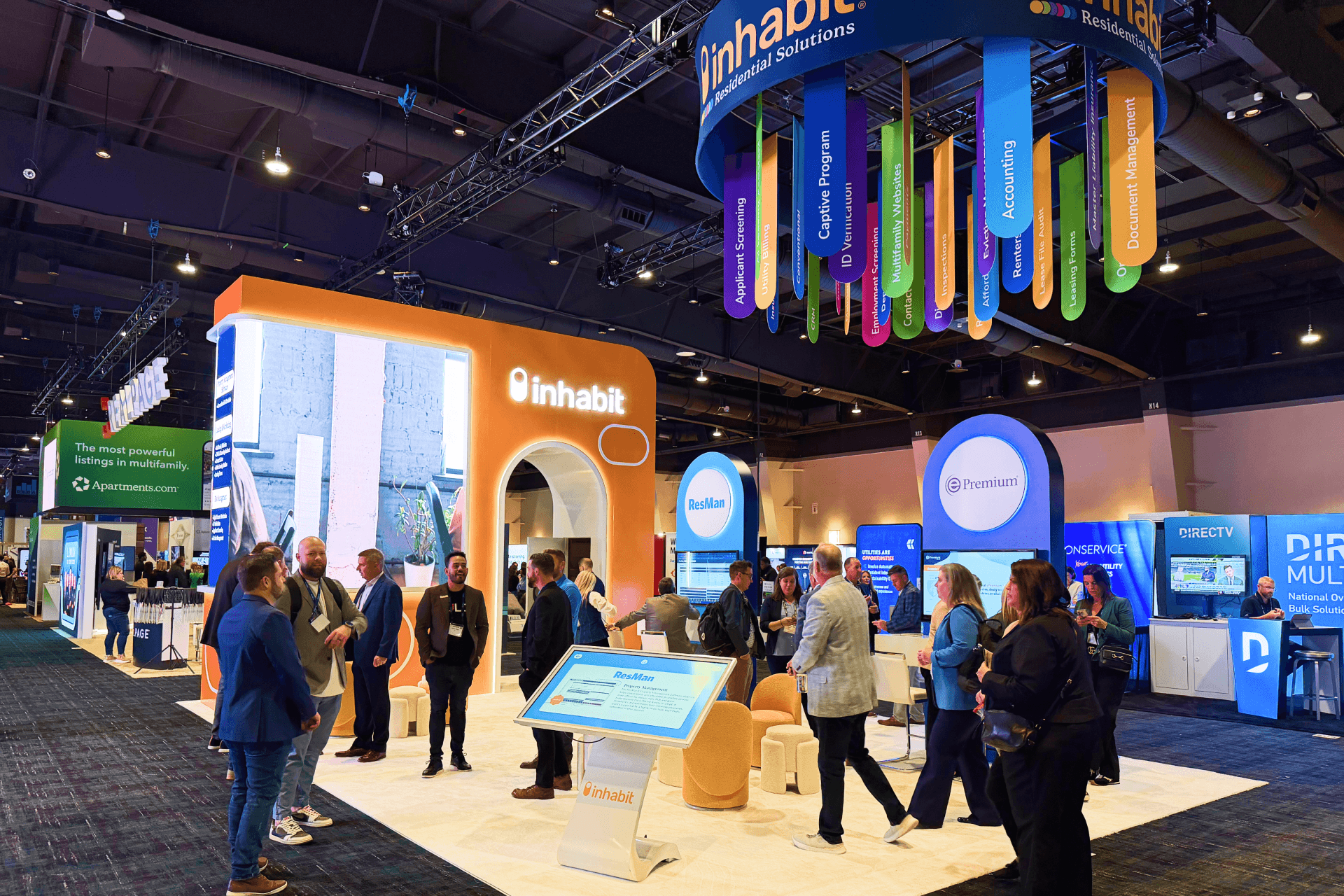
Graphics-first booths rely on message hierarchy, backwall graphics, SEG panels, lightboxes, and branded surfaces. This works best when the product or service can be understood quickly from the aisle.
Use this idea when: your main goal is visibility, brand recognition, or a simple product category message.
Best elements:
Strong backwall message
Large-format booth graphics
Lightbox or SEG fabric
Clear logo placement
Minimal furniture
For more detailed planning around graphic surfaces, message hierarchy, and production fit, review Circle Exhibit’s graphics and brand presentation support.

Common Trade Show Booth Idea Mistakes
Starting With Appearance Only
A booth can look attractive but still fail on the show floor if it does not support visitor movement, product explanation, staff access, storage, and installation.
Adding Too Many Features
More counters, screens, shelves, and signs do not always make a booth better. Too many features can make the layout feel crowded and hard to understand.
Forgetting Storage
Storage is often missing from early booth ideas. Samples, brochures, cables, staff items, tools, and packaging need a defined place before production.
Hiding the Main Message
Visitors should understand the booth quickly from the aisle. If the main message is hidden behind furniture, staff, or small graphics, the booth idea needs adjustment.
Ignoring Installation
A booth idea must be buildable. Graphics, lighting, counters, screens, product displays, and power routes should be planned before the booth reaches the show floor.
Trade Show Booth Ideas Planning Checklist
Use this checklist before choosing a final booth idea.
Define the Main Visitor Action
Decide whether visitors should watch a demo, inspect products, scan a badge, meet with staff, compare samples, or enter a larger experience.
Match the Idea to Booth Size
A 10x20 idea should not be forced into a 10x10 booth. A 20x30 booth should not feel like a larger version of a crowded 10x20 layout.
Plan the Main Graphic Message
The headline, product category, and visual priority should be readable from the aisle.
Choose the Demo or Display Point
Decide where the main product explanation happens and how visitors will stand around it.
Leave Room for Staff Movement
Staff need space to greet visitors, answer questions, run demos, and move between counters without blocking traffic.
Add Storage Early
Plan hidden storage before production so the booth stays clean during show hours.
Review Power and Lighting
Screens, demo devices, lighting, and lead capture points need early power planning.
Confirm Installation Logic
The booth should have a clear setup order, packed materials, graphics checks, and show-site readiness steps.
Frequently Asked Questions
What are good trade show booth ideas?
Good trade show booth ideas match the booth size, product type, visitor behavior, graphics, demo needs, storage, and show-site setup. The booth should make the main message easy to understand and give visitors a clear reason to stop.
How do I choose a trade show booth idea?
What booth ideas work for small booths?
What booth ideas work for product demos?
How do booth ideas change by size?
Should booth ideas include storage and installation planning?
Start Planning Your Trade Show Booth Idea
Bring your booth idea, product display needs, show name, booth size, and timeline. Circle Exhibit can help turn your concept into a practical booth layout with graphics, visitor flow, fabrication planning, logistics, and show-site setup support.