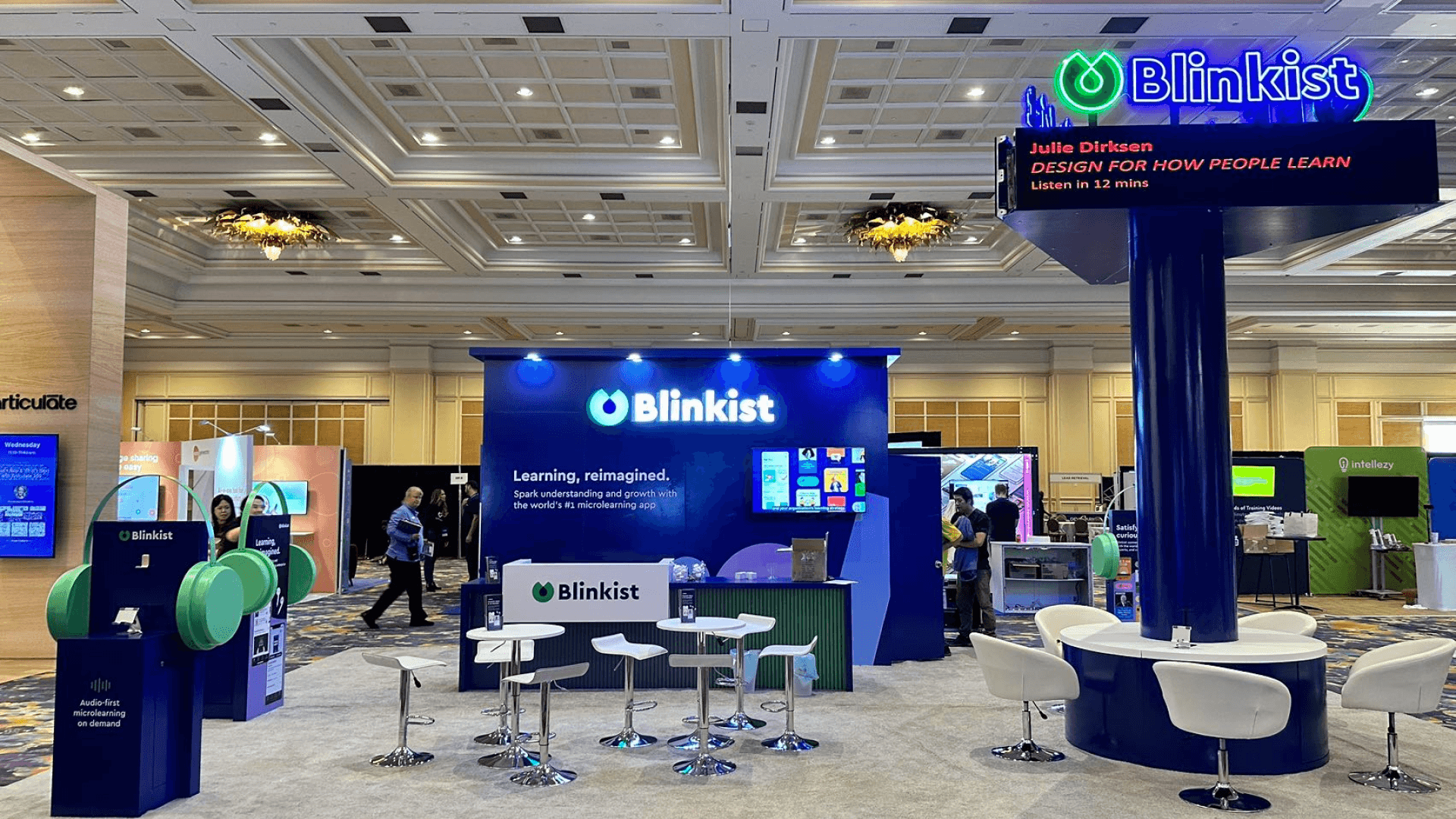
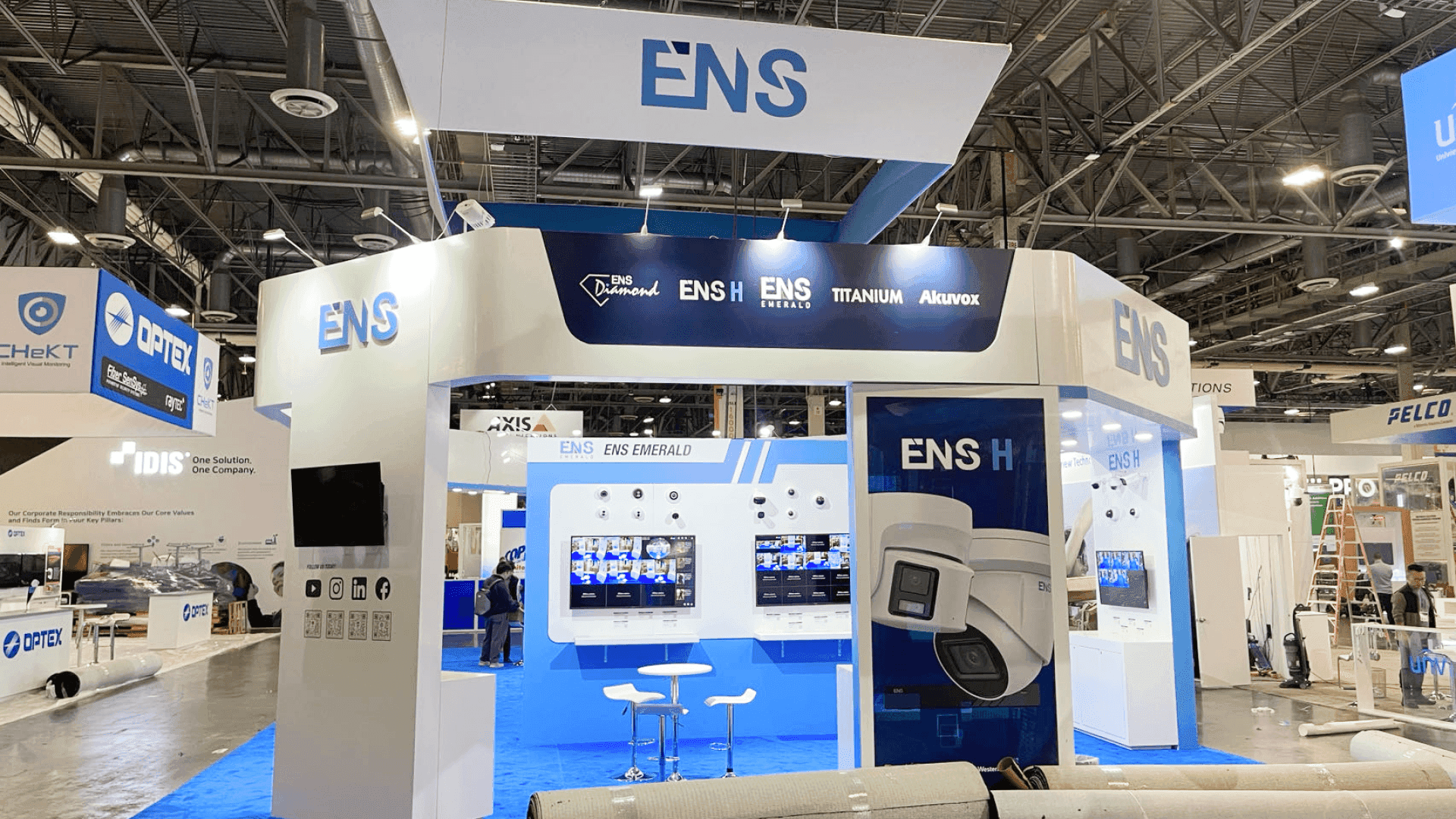
Large-format CES 2024 technology booth with product demonstration zones, screen-based presentations, branded structures, and open visitor circulation.
CES 2024 Booth Project Gallery by Size
A collection of real CES 2024 booth projects across compact, mid-size, and large-format exhibits, showing how technology brands used product demos, screens, graphics, meeting space, and open visitor flow.

Booth Project Overview
CES 2024 exhibitors used different booth sizes and presentation formats to introduce consumer electronics, smart home products, mobility technology, digital health platforms, security systems, production equipment, and software-led services. This collection brings those projects together so exhibitors can compare how each footprint handled product visibility, demonstration areas, screen placement, meeting space, storage, and visitor movement.
The projects do not follow one fixed design formula. Smaller booths tend to rely on a focused product message and a direct path from the aisle to the demonstration. Larger exhibits can separate product zones, conversations, staff circulation, and supporting functions more clearly. Together, the examples show how booth size and product type shaped each CES 2024 layout.
Project Facts
Client
Multiple
Show
CES
Year
2024
-
2024
Booth Size
Multiple Booth Sizes
Industry
Technology / Consumer Electronics
Venue
Multiple CES Venues
City
Las Vegas
Project Type
Trade show booth gallery
Focus
Booth size coverage, product presentation, screen visibility, meeting areas, branded structures, equipment displays, and visitor flow across multiple exhibit formats.
How CES Booth Layouts Change by Size and Demo Type
A compact CES booth usually needs one visible demonstration point, a short product message, and an open path from the aisle. With limited floor space, the screen, counter, graphics, and physical product need to support the same story rather than compete for attention.
A 20x20 or 20x30 footprint gives exhibitors more room to separate product stations, improve screen-viewing distance, and add a conversation area without closing off the entrance. Large-format exhibits can go further by creating distinct launch, demonstration, meeting, hospitality, and staff zones.
The projects in this collection show how those decisions change with the product being presented. A software platform, mobility product, smart home device, or physical equipment display will not use the same visitor path, even when the booth dimensions are similar.
On-site Booth Photos from CES
This gallery compares 18 CES 2024 booth projects across compact inline, mid-size island, and large-format exhibits. The photos provide examples of how different footprints support product presentation, screen visibility, meeting space, branded structures, equipment displays, and visitor movement.
Select an individual project to review its complete image gallery and booth-specific layout, graphics, and display notes.

Compact 10x20 CES technology booth with one focused demonstration area, clear aisle-facing graphics, and direct visitor access.

20x20 CES technology booth with product displays, screen-based presentation, branded walls, and an open central visitor path.
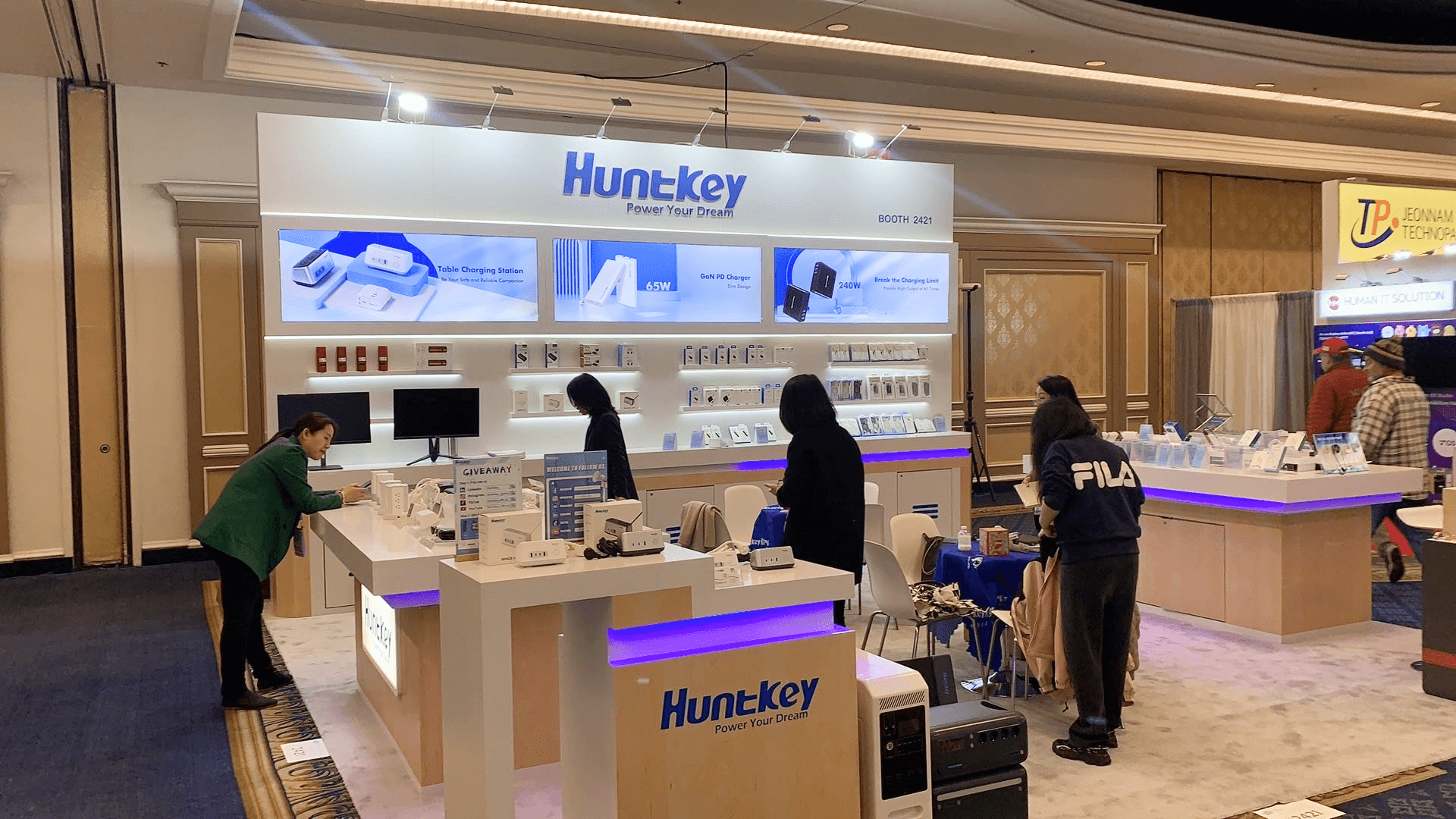
20x30 CES technology booth with multiple demonstration points, clearer product zoning, and space for staff-led conversations.
Large CES island booth with separate product demonstrations, meeting areas, stronger overhead identity, and wider visitor circulation.
View the Full Case Study
Explore the CES booth case study collection for a closer look at how selected projects handled product demo zones, branded graphics, visitor circulation, booth size, fabrication, and Las Vegas show-site execution.
Booth Flow Across Different CES Footprints
Smaller CES booths depend on a direct path from the aisle to one clear demo point. Larger footprints can separate screens, product stations, meetings, and staff movement, but the first message still needs to stay visible so visitors understand the booth before stepping inside.
Product Messaging Through Screens and Displays
CES exhibits often combine physical products, digital interfaces, lighting, and large-format graphics. The strongest projects use those elements to explain one product story, with screens supporting the demo and branded surfaces helping visitors identify the category without creating too many competing focal points.
Show-site Setup Notes
CES setup should bring structure, graphics, screens, lighting, power, internet, and demo equipment together before opening day. Exhibitors can use CES booth planning and graphics and brand presentation support to prepare the presentation, while installation and dismantle support helps coordinate installation and final show-floor checks.
Related Planning Links
For exhibitors comparing these CES 2024 booth examples, these pages connect the project photos with booth size, show preparation, graphics, and deeper project references:
Related Project Galleries
Explore more booth project galleries with similar booth sizes, display needs, or show-floor planning scenarios.