What Is Working Today—and What Is Still Limited?
At a startup stand, “working” can mean very different things. One capability may be part of the live product, another may run reliably only inside a controlled demonstration, while another may still require manual support or remain on the roadmap.
Before the show, the team should agree on those boundaries. A buyer should be able to distinguish current product capability from repeatable demo behavior, limited pilot functionality, manually supported steps, and planned features without having to decode the product pitch.
A polished demo can make those different levels of readiness look similar. Once the buyer understands what is real today, it becomes much easier to see what still needs to be tested.
Startup Zone conversations often move quickly from product interest to questions about what works today, what has been tested, and what still needs validation.
What Has Been Tested Outside the Team’s Own Demo?
The next question is not how polished the demonstration looks, but what conditions the product has already encountered.
An internal prototype or repeatable internal test still operates largely under conditions the team controls. Work with a design partner, customer test, or pilot starts to expose the product to external users, data, systems, and operating constraints. An existing production use case goes further again.
There is no need to turn those stages into a maturity score at the booth. The useful distinction is simply what has actually happened. That gives the buyer a better sense of which uncertainties have already been reduced and which remain open.
What Needs to Be Known Before a Technical Review or Pilot Makes Sense?
A relevant use case does not automatically mean the product is ready for a pilot.
Before moving forward, the team should at least be able to name the conditions the next step would depend on: what data or source systems are involved, what access may be required, where the workflow would run, who would own the test on each side, and what the test is supposed to determine.
Those answers do not need to become a full implementation plan at the booth. But if the basic inputs and dependencies are still unclear, jumping directly to a pilot may be premature. A narrower technical or integration discussion may be the more useful next step.
Which Questions Belong in the Booth—and Which Should Leave the Show Floor?
The Startup Zone booth should be able to establish the basics: what works today, who the product is for, what has already been tested, the major data or system dependencies, what a customer test would require at a high level, and what remains unresolved.
Once the buyer needs detailed architecture, security review, governance, full integration design, production implementation, legal input, procurement requirements, or detailed customer-data access, the conversation has reached the limit of what a short show-floor discussion should carry.
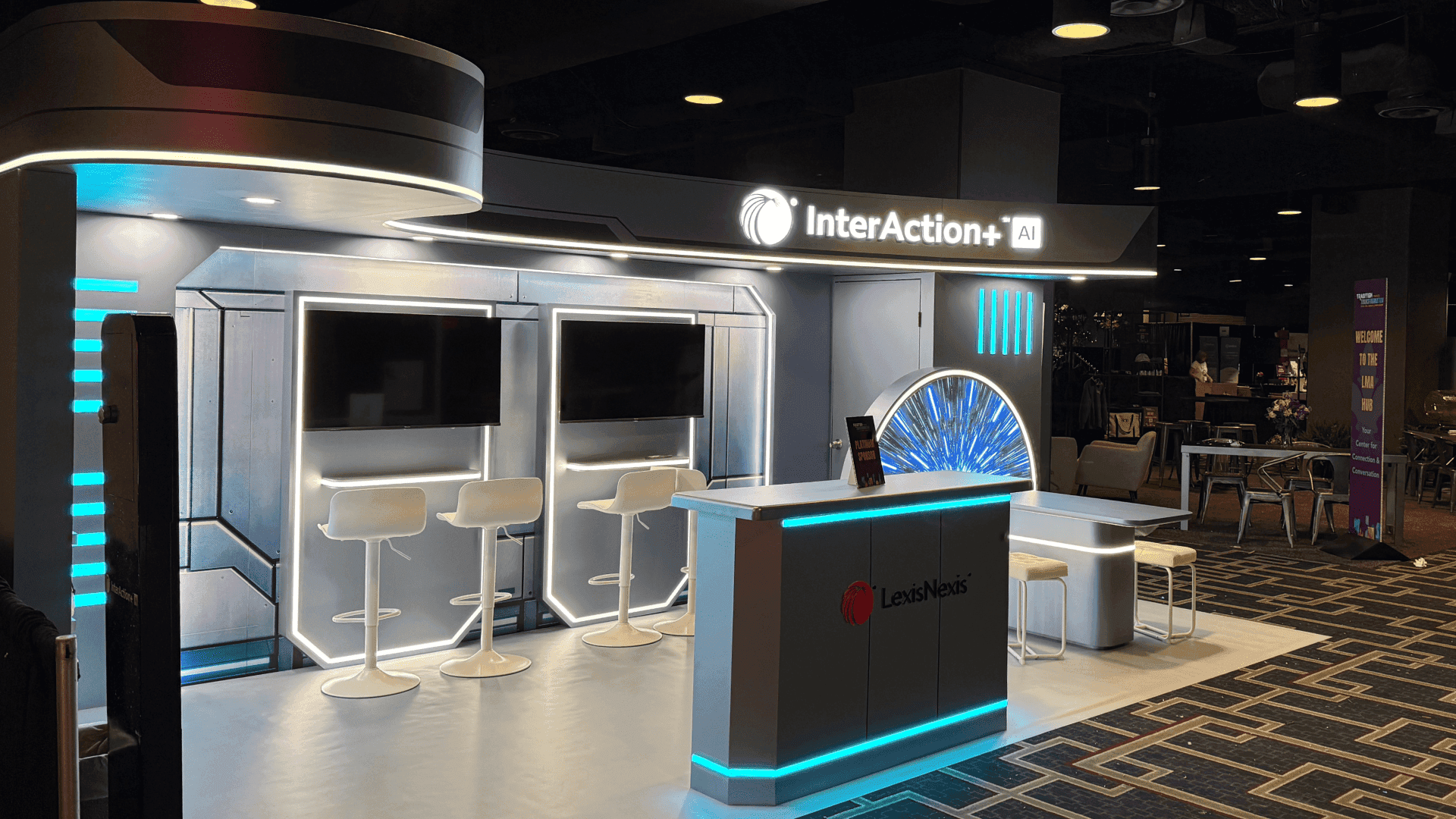
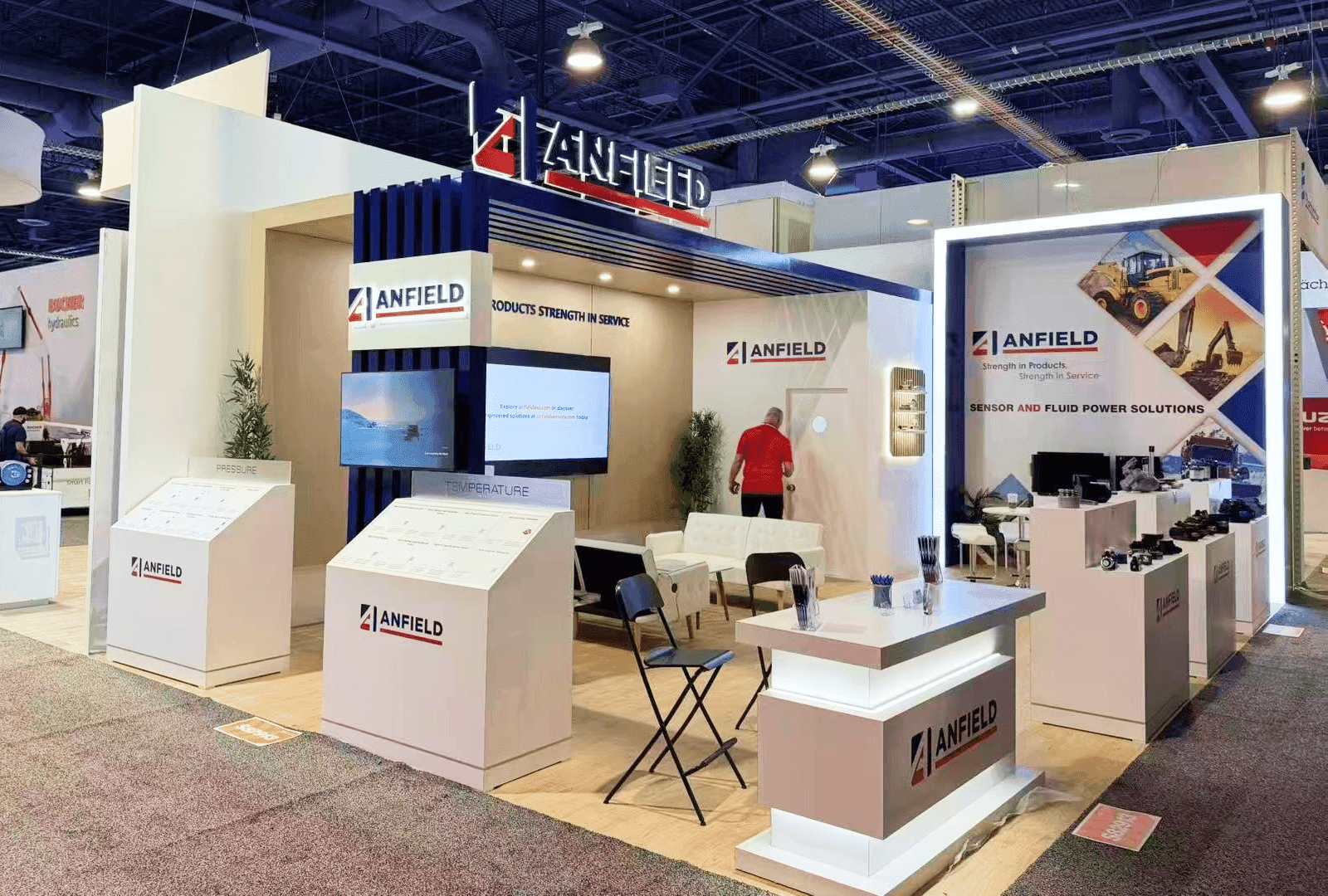
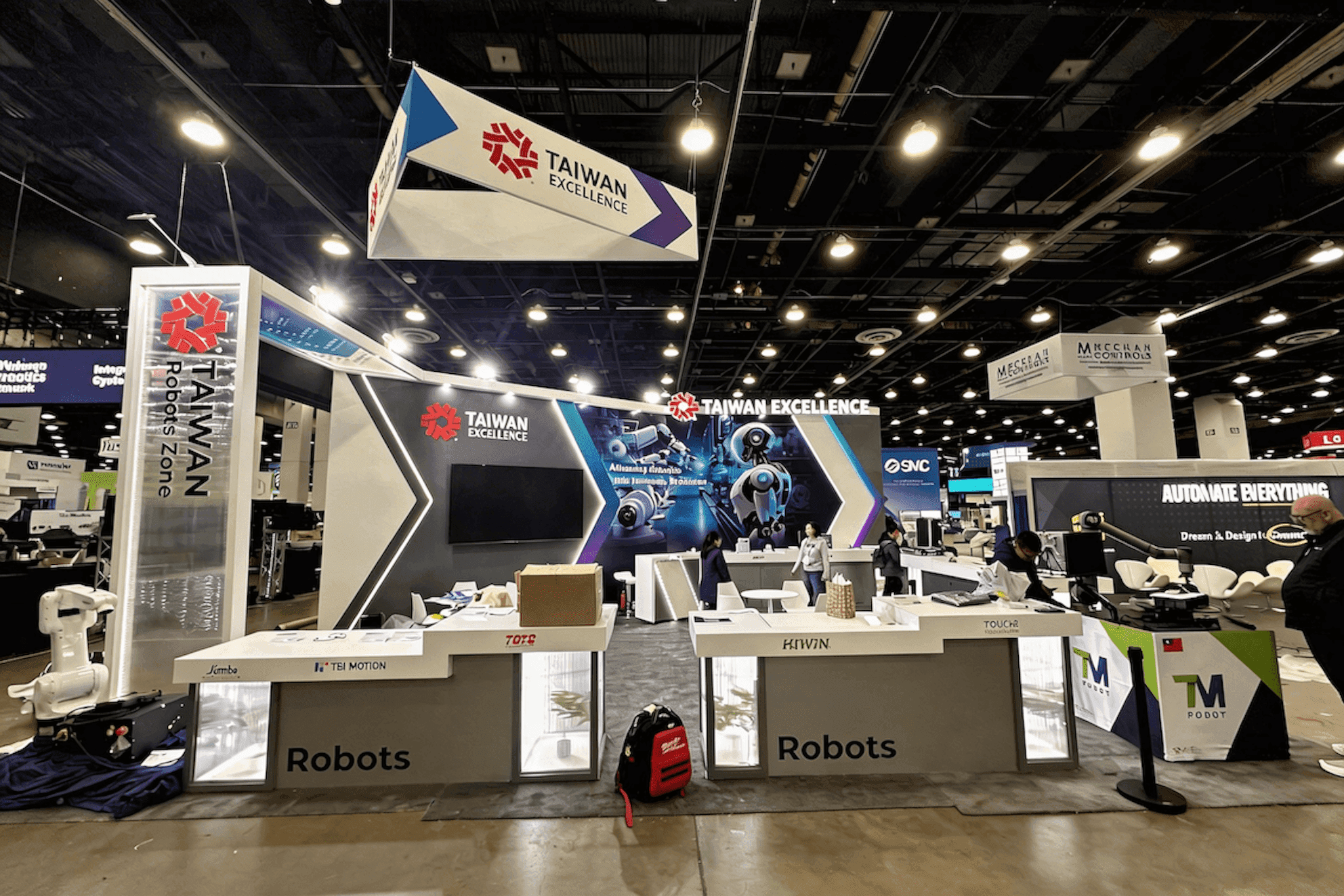
That is the point for a handoff, not another long explanation at the counter. If that handoff depends on where the live demo runs, how screens are shared, or whether a technical conversation needs its own space, those physical show-floor decisions are part of AI & Big Data Expo North America booth planning.
A strong booth conversation does not need to answer every technical question—it should make the next step clear, whether that is a deeper demo, technical review, integration discussion, or pilot.
What Should the Next Conversation Be?
Interest alone does not determine the right follow-up. The next conversation should address the main question the buyer still has rather than sending every interested visitor into the same demo, technical review, or pilot discussion.
What Should Happen Next When a Buyer Wants to Go Deeper?
What the buyer still needs to know | What the booth team should clarify | Likely next step |
|---|---|---|
What is actually working today? | Separate live capability, controlled demo behavior, manually supported steps, and roadmap features | Deeper product demo |
Has this been tested outside the team’s own environment? | Clarify whether testing has reached a design partner, customer test, pilot, or production use case | Technical review |
What would need to connect in our environment? | Identify the main data sources, APIs, system connections, access requirements, and technical assumptions | Data or integration discussion |
What would it take to test this with us? | Define the test scope, customer inputs, technical owner, and what the test needs to determine | Pilot or POC scoping |
Who needs to join before this can move forward? | Identify the technical, business, security, procurement, or other stakeholders still missing from the conversation | Multi-stakeholder follow-up |
The useful qualification question is not simply whether the visitor seems interested. It is whether the booth team understands what still needs to be resolved and can move that question into the right next conversation.
What to Confirm Before the Show
Before the Startup Zone opens, the team should agree on:
what is live today and what remains on the roadmap;
what has been tested outside the internal demo;
the main inputs or dependencies for a customer test;
which questions booth staff can answer directly;
who takes over when the discussion becomes technical;
what next step fits each type of qualified buyer.
The purpose is not to script every conversation. It is to keep answers consistent and make the handoff deliberate.
If this Startup Zone appearance is one stop in a broader event program, AI trade shows for exhibitors provides a wider view of how buyer mix, demo expectations, and event environments can differ across AI-focused shows.
FAQ
What should an early-stage AI exhibitor clarify about its current product?
A buyer should be able to tell which capabilities are live today, which are manually supported or limited to a pilot, which remain on the roadmap, and how far the current product has been tested outside the company’s own demo environment.
How much technical detail should a Startup Zone booth cover?
Enough to identify the main data, system, integration, and testing dependencies and decide who should continue the conversation. Detailed architecture, security, governance, and implementation work usually belongs in a separate technical review.
What should happen when an enterprise buyer wants to continue after the demo?
The next conversation should address what remains uncertain. Product-fit questions may need another demo, technical feasibility may need a technical review, data compatibility may need an integration discussion, and a viable use case may be ready for a pilot or POC. If additional stakeholders are required, a focused follow-up meeting is usually the better next step.