Controlled Environment Agriculture, Vertical Farming, Greenhouse Technology, Hydroponics, Irrigation Systems, Fertigation, Grow Lighting, Climate Control, Automation, Crop Production Technology

Indoor Ag-Con 2026

Indoor Ag-Con 2026

Indoor Ag-Con 2026

📍

Las Vegas

·

NV

·

US

🌆

Westgate Las Vegas

📅

-

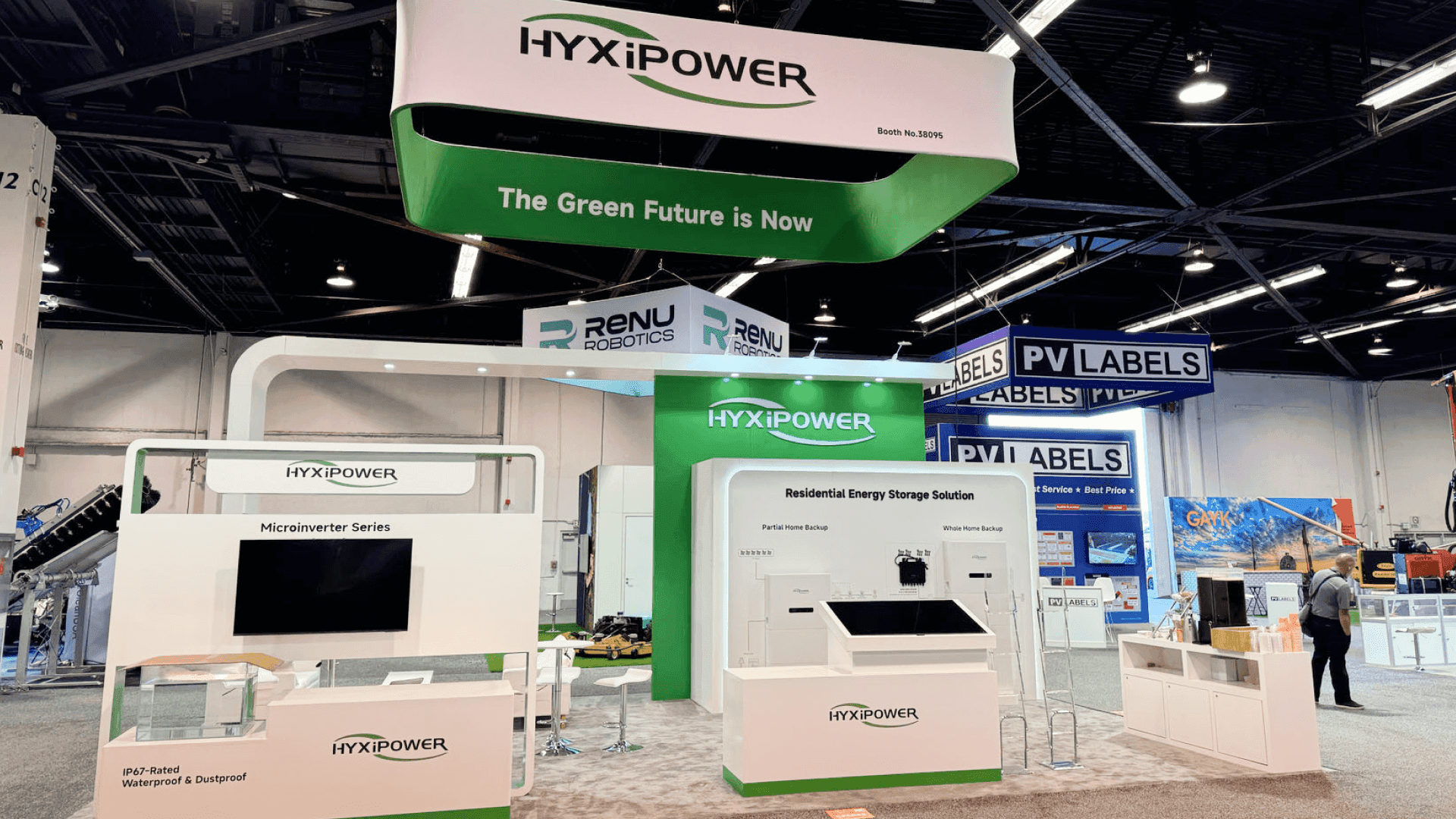
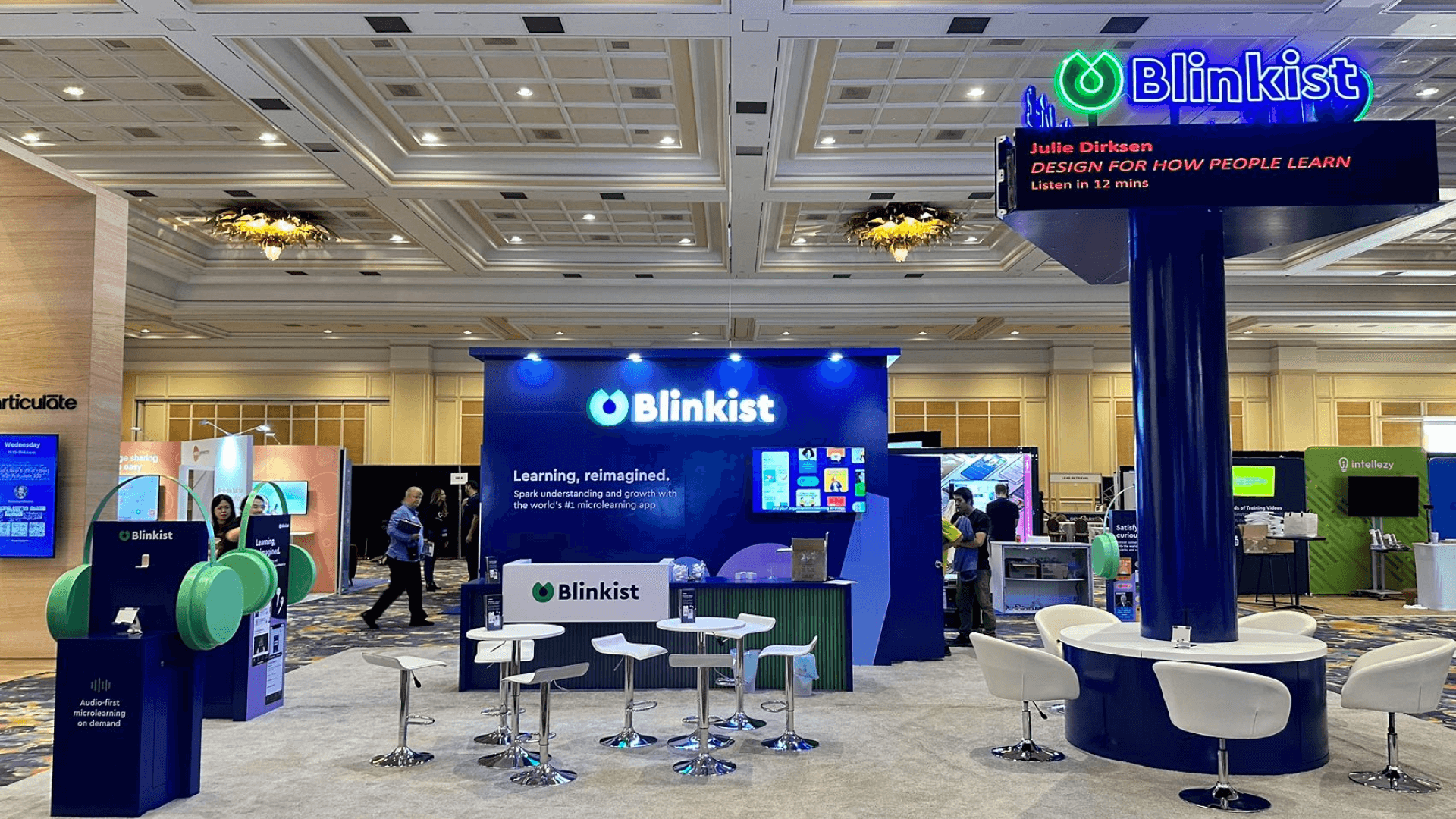
20x20 controlled environment agriculture booth at Westgate Las Vegas prepared with grow system display and buyer meeting area
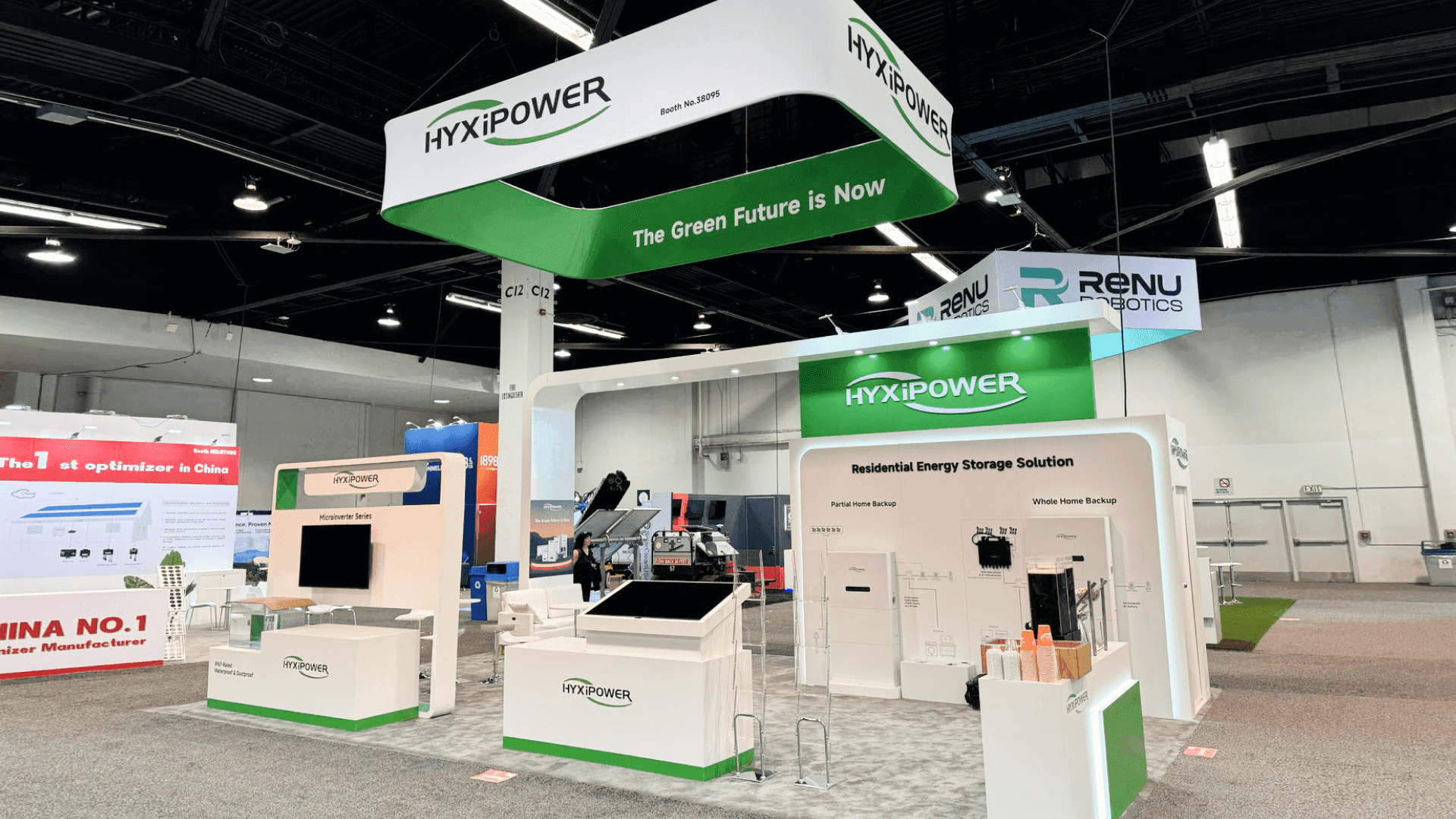
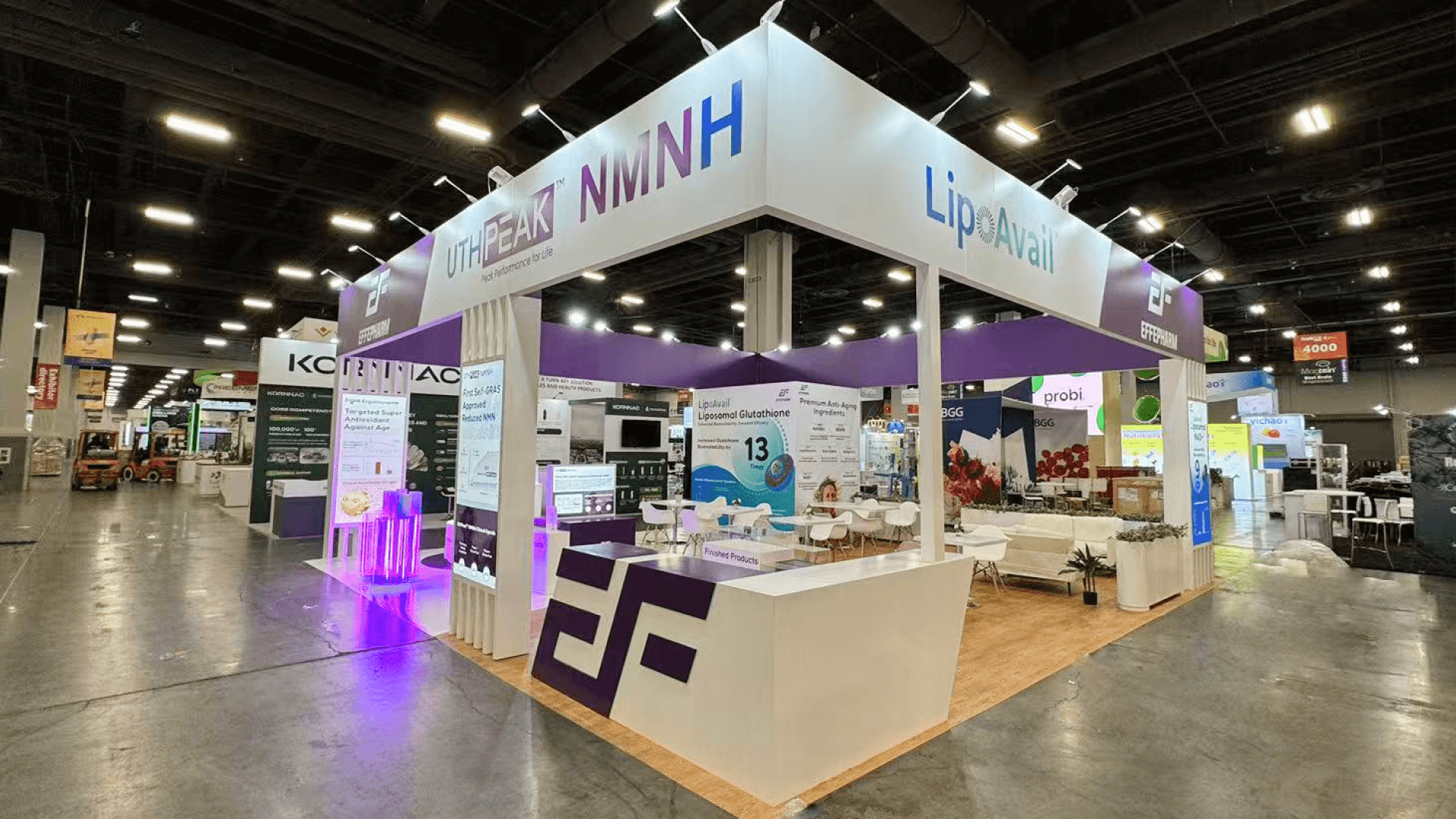
Vertical farming technology booth at Westgate Las Vegas arranged with branded category graphics and open-entry layout
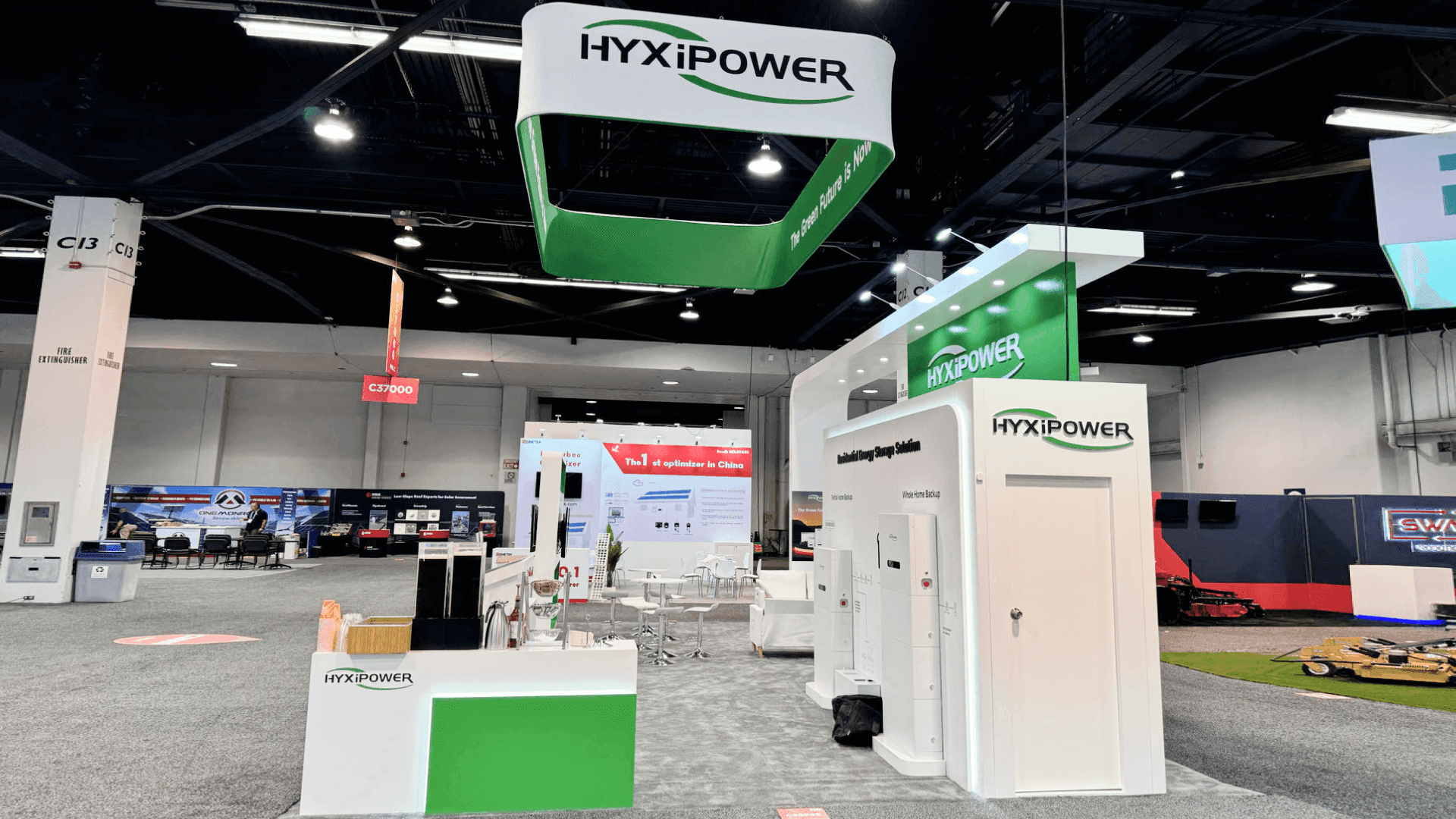
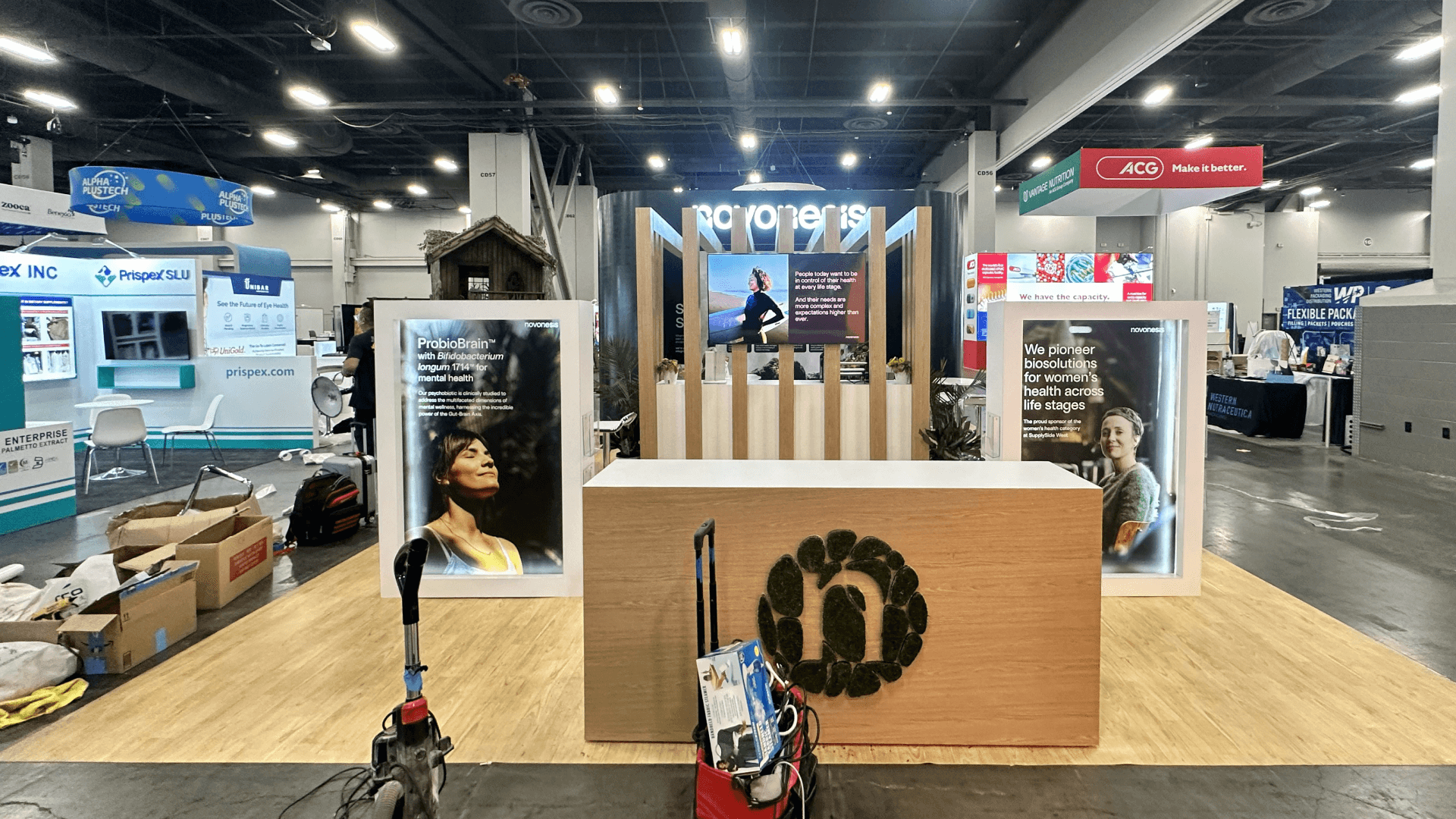
Greenhouse equipment booth at Westgate Las Vegas set with irrigation display and lighting presentation for buyer conversations

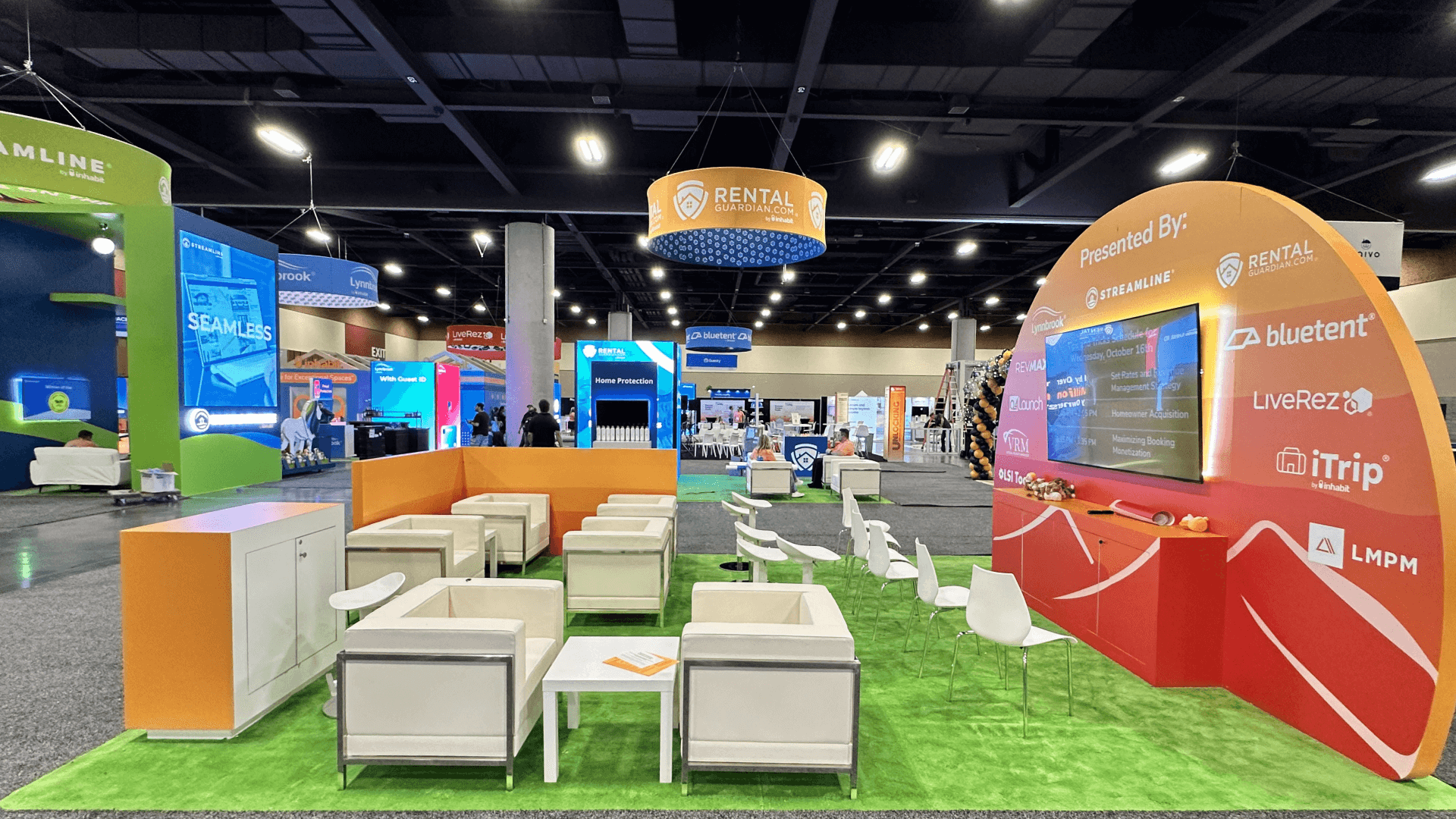
Indoor Ag-Con 20x20 CEA Technology Booth — Built for Grow System Display and Buyer Conversations

20x20 controlled environment agriculture booth at Westgate Las Vegas prepared with grow system display and buyer meeting area
Vertical farming technology booth at Westgate Las Vegas arranged with branded category graphics and open-entry layout
Greenhouse equipment booth at Westgate Las Vegas set with irrigation display and lighting presentation for buyer conversations

Indoor Ag-Con 20x20 CEA Technology Booth — Built for Grow System Display and Buyer Conversations

20x20 controlled environment agriculture booth at Westgate Las Vegas prepared with grow system display and buyer meeting area
Vertical farming technology booth at Westgate Las Vegas arranged with branded category graphics and open-entry layout
Greenhouse equipment booth at Westgate Las Vegas set with irrigation display and lighting presentation for buyer conversations

Indoor Ag-Con 20x20 CEA Technology Booth — Built for Grow System Display and Buyer Conversations

OVERVIEW

OVERVIEW

Indoor Ag-Con brings greenhouse technology companies, vertical farming suppliers, hydroponic system brands, irrigation providers, grow lighting manufacturers, and automation exhibitors to Westgate Las Vegas for a show built around practical production systems, business-focused evaluation, and serious grower conversations. At this event, working with a Las Vegas trade show booth builder matters because the booth has to do more than line up components on the floor. It needs to help growers, operators, investors, and agtech buyers understand how lighting, fertigation, climate control, benches, racks, sensors, and automation fit into real crop production environments without making the display feel like a crowded equipment lineup.

What makes Indoor Ag-Con different is the way technical hardware and business conversations happen in the same compact show rhythm. Buyers are moving quickly between greenhouse infrastructure, hydroponics, irrigation, nutrient delivery, environmental controls, lighting systems, and post-harvest solutions, so the booth has to stay open, readable, and easy to work through in one pass. For many exhibitors, a 20x20 trade show booth is the right footprint because it gives enough room for mounted components, branded category graphics, a compact demo surface, and a buyer meeting area without making the space feel blocked by racks, fixtures, or hardware.

Execution at Indoor Ag-Con is driven by display sequence, mounted product, and keeping technical presentation clean under constant comparison. Lighting fixtures, irrigation assemblies, grow trays, control units, sample materials, literature, and backup stock all need to stay organized from open to close, while the booth still has to explain operational value without drifting into clutter. Strong booth fabrication and prebuild checks helps make sure mounts, display hardware, graphics, shelving, and support pieces are resolved before move-in so the booth opens clean and supports real controlled environment agriculture conversations instead of looking improvised around agtech components.

Indoor Ag-Con brings greenhouse technology companies, vertical farming suppliers, hydroponic system brands, irrigation providers, grow lighting manufacturers, and automation exhibitors to Westgate Las Vegas for a show built around practical production systems, business-focused evaluation, and serious grower conversations. At this event, working with a Las Vegas trade show booth builder matters because the booth has to do more than line up components on the floor. It needs to help growers, operators, investors, and agtech buyers understand how lighting, fertigation, climate control, benches, racks, sensors, and automation fit into real crop production environments without making the display feel like a crowded equipment lineup.

What makes Indoor Ag-Con different is the way technical hardware and business conversations happen in the same compact show rhythm. Buyers are moving quickly between greenhouse infrastructure, hydroponics, irrigation, nutrient delivery, environmental controls, lighting systems, and post-harvest solutions, so the booth has to stay open, readable, and easy to work through in one pass. For many exhibitors, a 20x20 trade show booth is the right footprint because it gives enough room for mounted components, branded category graphics, a compact demo surface, and a buyer meeting area without making the space feel blocked by racks, fixtures, or hardware.

Execution at Indoor Ag-Con is driven by display sequence, mounted product, and keeping technical presentation clean under constant comparison. Lighting fixtures, irrigation assemblies, grow trays, control units, sample materials, literature, and backup stock all need to stay organized from open to close, while the booth still has to explain operational value without drifting into clutter. Strong booth fabrication and prebuild checks helps make sure mounts, display hardware, graphics, shelving, and support pieces are resolved before move-in so the booth opens clean and supports real controlled environment agriculture conversations instead of looking improvised around agtech components.

Event Facts

Event Facts

A leading annual event for greenhouse and controlled environment agriculture
Indoor Ag-Con is positioned as a major annual trade show and conference focused on greenhouse growing, controlled environment agriculture, and vertical farming technology.
Held at Westgate Las Vegas in 2026
The 2026 edition takes place February 11 to 12 at Westgate Las Vegas, with pre-conference and exhibitor activity centered around the same venue.
Built around business-focused and technology-driven CEA discussions
The event brings together growers, investors, suppliers, policymakers, academics, and agtech leaders around practical production technology, operational strategy, and new business opportunities.

Exhibiting Challenges

Exhibiting Challenges

Challenges 1

Showing multiple growing systems without making the booth feel technical and crowded

Showing multiple growing systems without making the booth feel technical and crowded

Many exhibitors need to present lighting, fertigation, benches, trays, sensors, controls, and automation together, so the booth can feel heavy fast unless the equipment is grouped clearly.

Many exhibitors need to present lighting, fertigation, benches, trays, sensors, controls, and automation together, so the booth can feel heavy fast unless the equipment is grouped clearly.

Challenges 2

Balancing hardware display with real production conversations

Balancing hardware display with real production conversations

Growers want to understand how systems work in actual crop environments, so the booth has to support both technical explanation and practical business discussion without losing flow.

Growers want to understand how systems work in actual crop environments, so the booth has to support both technical explanation and practical business discussion without losing flow.

Challenges 3

Making mounted components and demo hardware feel organized

Making mounted components and demo hardware feel organized

Irrigation assemblies, grow lights, racks, controllers, pumps, and monitoring devices can quickly take over the footprint if the display hierarchy is not resolved early.

Irrigation assemblies, grow lights, racks, controllers, pumps, and monitoring devices can quickly take over the footprint if the display hierarchy is not resolved early.

Challenges 4

Explaining operational value without covering the walls in jargon

Explaining operational value without covering the walls in jargon

Exhibitors often need to communicate yield, labor efficiency, water use, climate control, scalability, or crop compatibility, but too much technical copy can slow understanding instead of helping it.

Exhibitors often need to communicate yield, labor efficiency, water use, climate control, scalability, or crop compatibility, but too much technical copy can slow understanding instead of helping it.

Challenges 5

Coordinating freight and setup for system-heavy exhibits

Coordinating freight and setup for system-heavy exhibits

Even without oversized machinery, CEA booths often involve mounted product, shelving, demo structures, lighting rigs, irrigation parts, and support hardware that need a disciplined move-in sequence.

Even without oversized machinery, CEA booths often involve mounted product, shelving, demo structures, lighting rigs, irrigation parts, and support hardware that need a disciplined move-in sequence.

Challenges 6

Keeping the booth credible under repeated technical comparisons

Keeping the booth credible under repeated technical comparisons

Indoor Ag-Con buyers are comparing solutions closely, so messy cables, loose parts, extra stock, or improvised product staging can hurt trust quickly.

Indoor Ag-Con buyers are comparing solutions closely, so messy cables, loose parts, extra stock, or improvised product staging can hurt trust quickly.

Preparation Steps

Preparation Steps

1

Plan the booth around the grow system story you need to tell

Define whether the booth is centered on greenhouse equipment, hydroponics, fertigation, lighting, automation, or climate control so visitors can understand the category quickly.

Define whether the booth is centered on greenhouse equipment, hydroponics, fertigation, lighting, automation, or climate control so visitors can understand the category quickly.

2

Decide which components are for demo and which are for display

Decide which components are for demo and which are for display

Identify early which fixtures, irrigation parts, trays, sensors, or controls should be mounted for explanation and which should stay as visual support so the booth remains readable.

Identify early which fixtures, irrigation parts, trays, sensors, or controls should be mounted for explanation and which should stay as visual support so the booth remains readable.

3

Use graphics to explain production value, not just branding

Use graphics to explain production value, not just branding

Help buyers understand crop application, operational benefit, and system logic with concise messaging that supports the hardware instead of competing with it.

Help buyers understand crop application, operational benefit, and system logic with concise messaging that supports the hardware instead of competing with it.

4

Sequence install around structure, mounted product, and final detailing

Sequence install around structure, mounted product, and final detailing

Set walls, shelving, mounts, demo surfaces, and branded graphics first, then place components, literature, and finishing details in final display order so the booth opens cleanly.

Set walls, shelving, mounts, demo surfaces, and branded graphics first, then place components, literature, and finishing details in final display order so the booth opens cleanly.

Local Execution Notes

Local Execution Notes

Westgate layouts reward early staging of mounted hardware

Westgate layouts reward early staging of mounted hardware

At Indoor Ag-Con, exhibitors benefit from locking the placement of lights, irrigation assemblies, and display components before loose product and literature are added.

Hidden storage matters even for compact agtech booths

Hidden storage matters even for compact agtech booths

Backup parts, hand samples, literature, and support materials can build up quickly, so counters and concealed storage need to be planned before production begins.

Clean display construction affects technical credibility

Clean display construction affects technical credibility

When mounts, shelves, panel supports, or demo structures look improvised, even strong grow technology can lose impact, so display execution has to feel stable and intentional.

For exhibitors that want a faster production path without giving up technical presentation, an Indoor Ag-Con booth rental can be a practical fit. It works especially well for 20x20 and 20x30 layouts that need grow system display, branded graphics, mounted components, and a buyer meeting area while keeping the booth polished for controlled environment agriculture conversations at Westgate Las Vegas.

For exhibitors that want a faster production path without giving up technical presentation, an Indoor Ag-Con booth rental can be a practical fit. It works especially well for 20x20 and 20x30 layouts that need grow system display, branded graphics, mounted components, and a buyer meeting area while keeping the booth polished for controlled environment agriculture conversations at Westgate Las Vegas.

Frequently Asked Questions

Frequently Asked Questions

Frequently Asked Questions

What booth size works best for Indoor Ag-Con exhibitors?

For many exhibitors at Indoor Ag-Con, 20x20 booths are a practical starting point because they give enough room to separate grow lighting, irrigation systems, fertigation components, climate controls, and supporting graphics without making the layout feel cramped. If the booth also needs a larger demo zone or multiple buyer conversations at once, a 20x30 footprint usually works better.

How should exhibitors plan product display for Indoor Ag-Con?

The booth should be organized by production system, not just by how many components you bring. Grow lights, irrigation parts, nutrient delivery systems, benches, racks, sensors, climate controls, and automation tools should each have a clear place so buyers can understand the solution quickly. Mounted demo pieces, backup stock, literature, and hand samples all need to be planned early because this show involves close technical comparison and repeated buyer traffic.

What makes booth execution at Indoor Ag-Con different from other trade shows?

Indoor Ag-Con is less about dramatic booth structure and more about practical system presentation, technical clarity, and operational relevance. Buyers want to compare objects like grow lights, irrigation assemblies, climate controls, vertical rack systems, and automation tools in a real production context. That means the booth has to stay organized, easy to read, and ready for serious grower conversations from setup through teardown.
What booth size works best for Indoor Ag-Con exhibitors?

For many exhibitors at Indoor Ag-Con, 20x20 booths are a practical starting point because they give enough room to separate grow lighting, irrigation systems, fertigation components, climate controls, and supporting graphics without making the layout feel cramped. If the booth also needs a larger demo zone or multiple buyer conversations at once, a 20x30 footprint usually works better.

How should exhibitors plan product display for Indoor Ag-Con?

The booth should be organized by production system, not just by how many components you bring. Grow lights, irrigation parts, nutrient delivery systems, benches, racks, sensors, climate controls, and automation tools should each have a clear place so buyers can understand the solution quickly. Mounted demo pieces, backup stock, literature, and hand samples all need to be planned early because this show involves close technical comparison and repeated buyer traffic.

What makes booth execution at Indoor Ag-Con different from other trade shows?

Indoor Ag-Con is less about dramatic booth structure and more about practical system presentation, technical clarity, and operational relevance. Buyers want to compare objects like grow lights, irrigation assemblies, climate controls, vertical rack systems, and automation tools in a real production context. That means the booth has to stay organized, easy to read, and ready for serious grower conversations from setup through teardown.

Indoor Ag-Con logo
Indoor Ag-Con

Indoor Ag-Con 2026

Event Time

-

Venue

Westgate Las Vegas

Organizer

Indoor Ag-Con, LLC

Exhibitor Scale

263 booths on the 2026 trade show floor, with global participation across controlled environment agriculture, greenhouse systems, vertical farming, automation, irrigation, lighting, and business solutions

Audience Type

Growers, greenhouse operators, vertical farming companies, investors, real estate developers, agtech leaders, produce buyers, academics, policymakers, suppliers, and controlled environment agriculture decision-makers

Typical Booth Size

20x20, 20x30, and 30x30 booths for grow system displays, lighting demos, irrigation and fertigation presentation, automation showcases, and buyer meeting areas

Related Case Studies

Related Case Studies

Related Case Studies