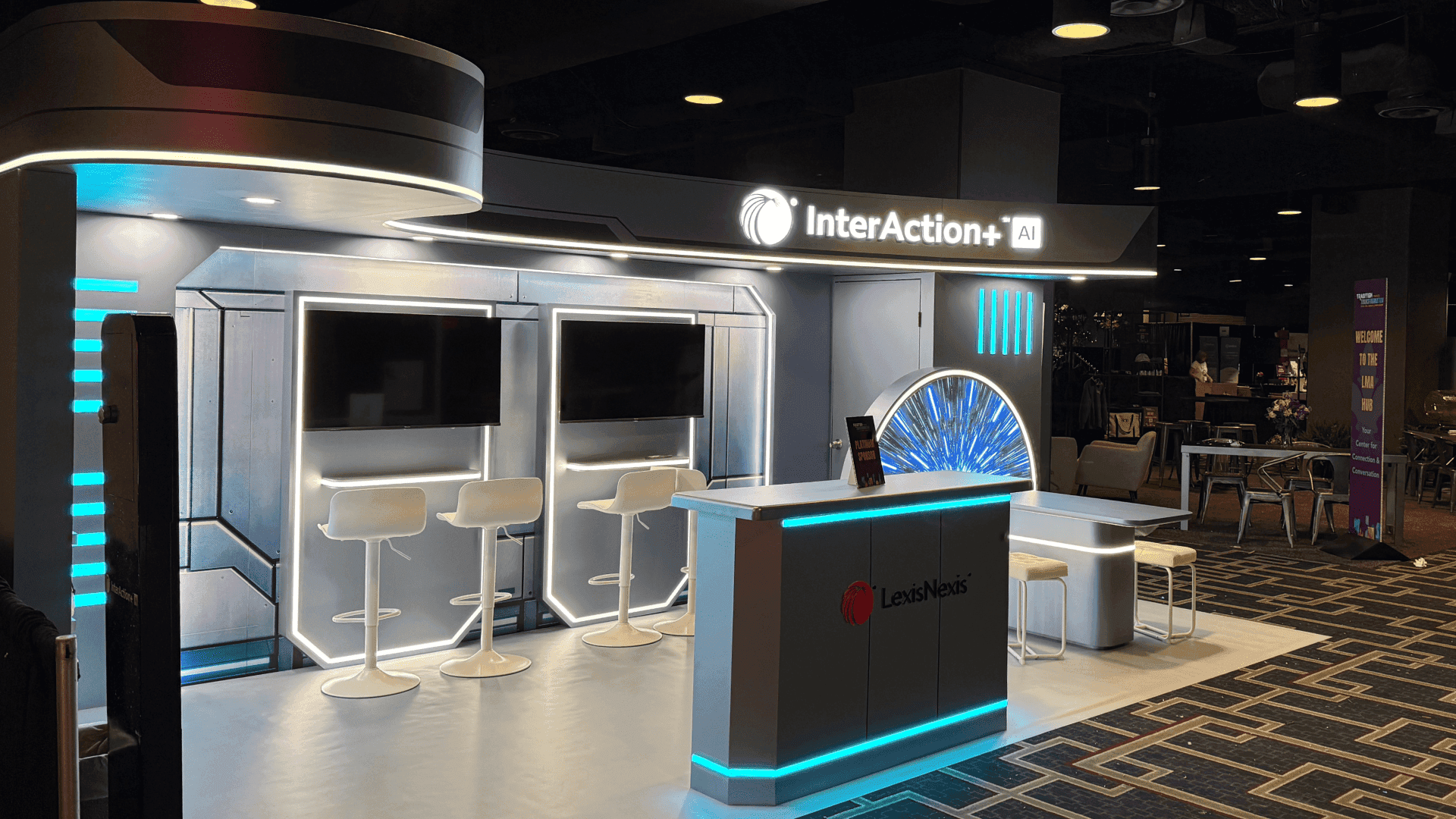
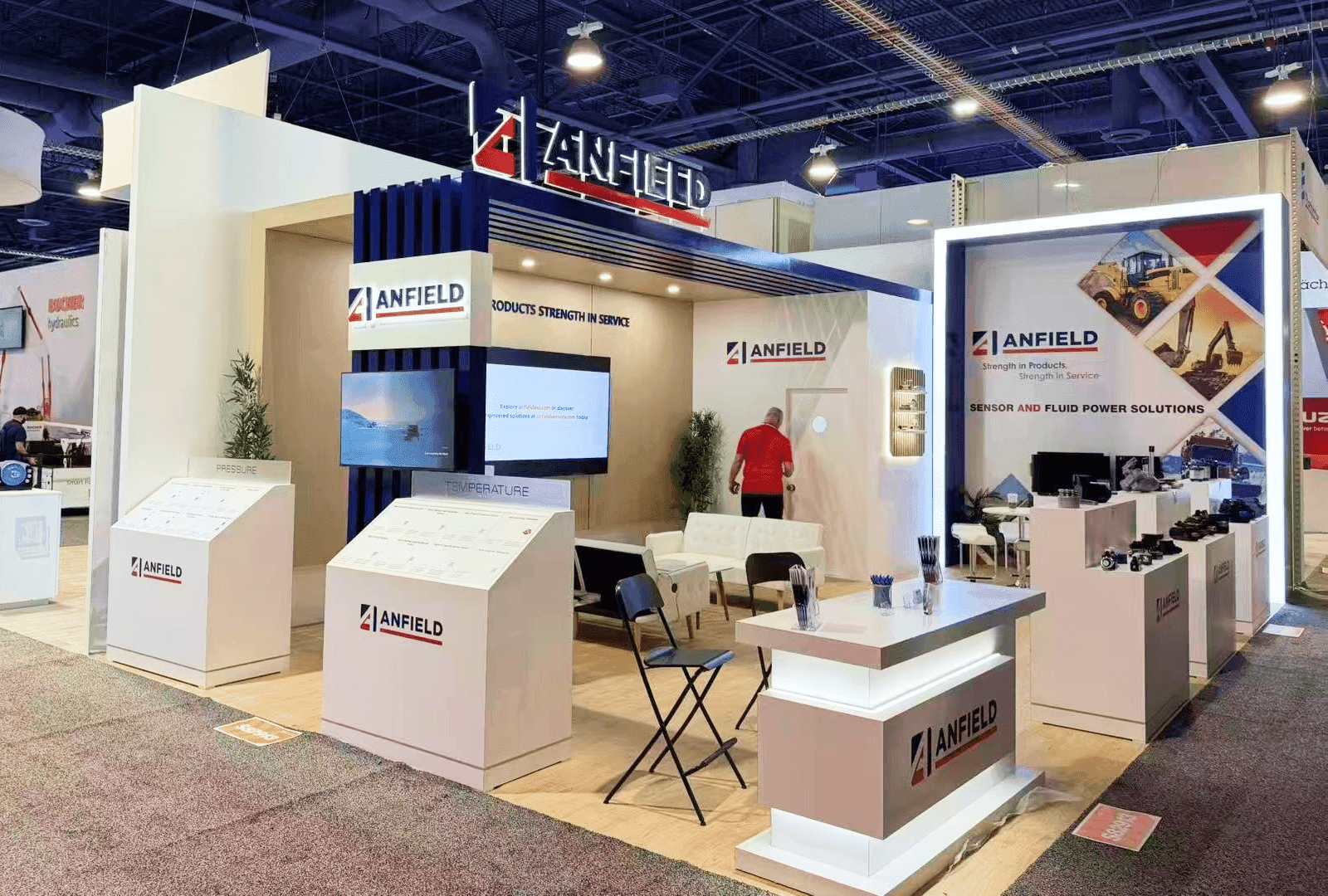
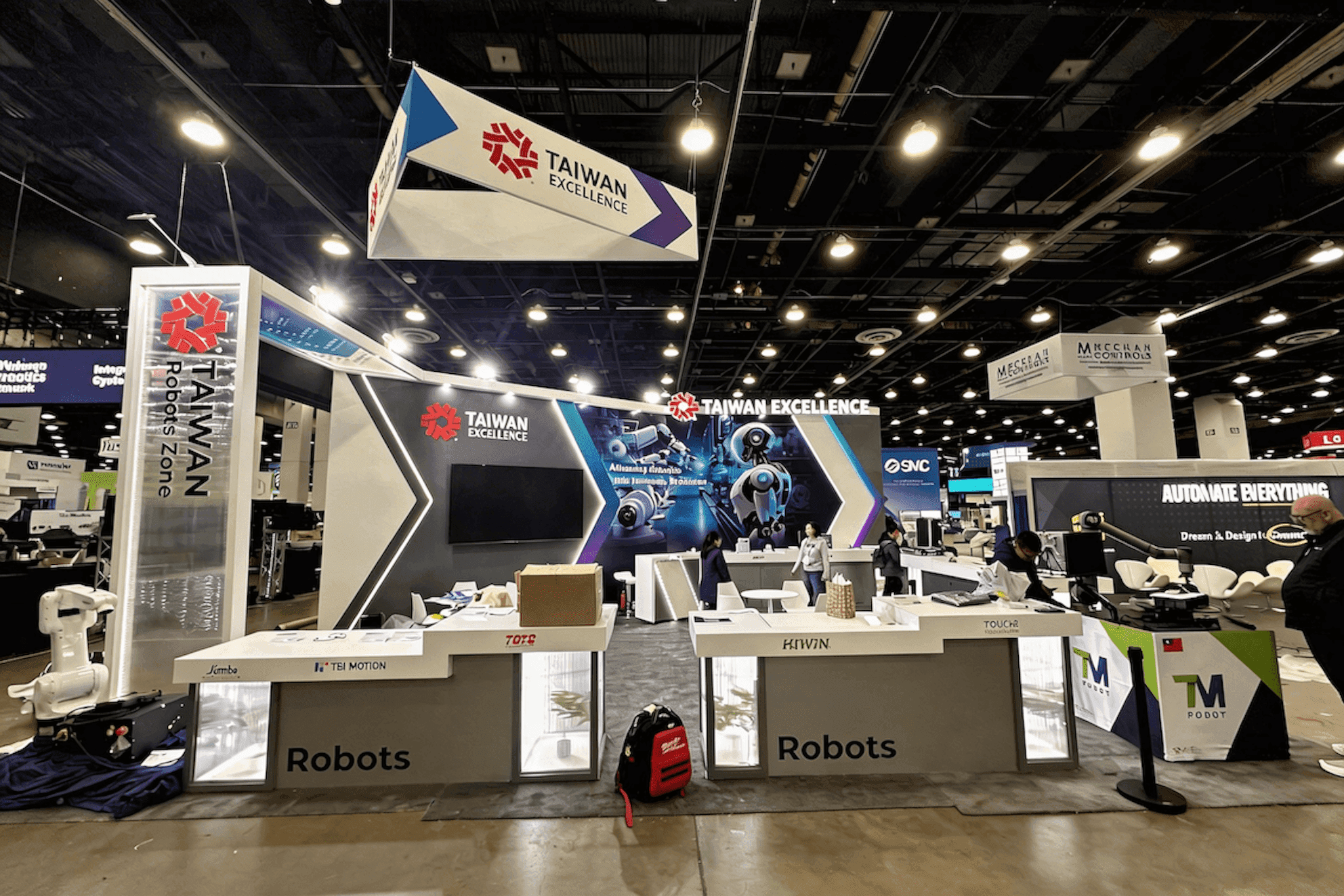
Trade show booth prebuild inspection in the shop with labeled panels, lightbox sections, and a technician checking fit and sequence before shipping

Why Prebuild Checks Catch Problems Before They Reach the Show Floor

Why Prebuild Checks Catch Problems Before They Reach the Show Floor

Circle Exhibit Team

Industry professionals

Exhibition industry professional dedicated to delivering the latest insights and curated recommendations to you.

Exhibition industry professional dedicated to delivering the latest insights and curated recommendations to you.

Prebuild checks catch fit, finish, and install-sequence problems early. A stronger shop review helps prevent small fabrication issues from turning into expensive show-floor delays.

Prebuild checks catch fit, finish, and install-sequence problems early. A stronger shop review helps prevent small fabrication issues from turning into expensive show-floor delays.

Prebuild checks catch fit, finish, and install-sequence problems early. A stronger shop review helps prevent small fabrication issues from turning into expensive show-floor delays.

Most show-floor problems do not begin on the show floor

They usually begin earlier.

A panel is slightly off.
A connection point is harder to access than expected.
A hardware pack makes sense in the shop, but not in the install order.
A finish looks acceptable under shop conditions, then becomes much more obvious once the booth is under event lighting.

None of those problems seem dramatic at first.

But once they reach the show floor, they become harder, slower, and more expensive to solve.

That is why prebuild checks matter so much.

Prebuild is not just about “does it fit”

That is part of it, but not the whole point.

A useful prebuild check should confirm more than basic assembly. It should test whether the booth is truly ready to become an installation, not just whether parts can be connected in a controlled shop environment.

That usually means checking:

  • fit

  • finish

  • alignment

  • hardware logic

  • access points

  • install order

  • how parts break down and repack

A booth can technically fit together and still create major problems later if those other layers are ignored.

The best time to find a problem is when the booth is still in the shop

This sounds obvious, but it is easy to underestimate.

A small issue found in the shop is usually just a correction.

The same issue found on the show floor can become:

  • crew delay

  • rushed adjustment

  • finish damage

  • extra labor overlap

  • pressure on the next phase

  • visual compromise that never gets fully corrected

That is why prebuild is really a risk-control step.

It gives the team a chance to fix problems while the booth is still in a place built for fixing problems.

Fit problems are only the beginning

Most people think prebuild exists to catch dimensional issues.

And yes, that matters.

But some of the most useful prebuild catches are not dramatic fit failures. They are smaller problems that would become disruptive later, such as:

  • panel reveals that are not consistent

  • seams that look acceptable up close but not at viewing distance

  • trim that is harder to align than expected

  • access doors that interfere with nearby components

  • hardware that takes too long to install in the current sequence

  • pieces that require more hands than planned

These are exactly the kinds of issues that can quietly eat time during booth setup.

Finish quality should be reviewed under real expectations

A booth can look good in the shop and still disappoint on the floor.

That is because finish quality is not only about whether the material exists. It is about whether the final surfaces read cleanly in the kind of environment where the booth will actually be seen.

Prebuild checks should help catch things like:

  • inconsistent seams

  • edge conditions

  • visible fasteners

  • lighting reflections

  • material transitions

  • graphic placement accuracy

  • how different finishes meet each other

These details are much easier to correct before packing than after shipping.

Once the booth is already on site, “close enough” often becomes much more expensive.

Install-sequence problems are some of the most valuable things to catch

This part gets overlooked all the time.

A booth may assemble perfectly in the shop and still install badly in the field if the sequence was never really tested.

That usually shows up when:

  • later-phase parts are packed too accessibly while first-pass parts are buried

  • one component has to go in earlier than the team expected

  • a finished surface gets exposed too soon

  • a connection that worked in the shop becomes awkward once the booth is partially built

  • the install needs more open space at a certain stage than the packing plan assumed

That is why a good prebuild check should not only ask “does it assemble?”

It should also ask:

Can it assemble in the right order on a real show floor?

Labeled panels and hardware should match field logic

A well-built booth still creates unnecessary pressure if the field crew has to decode it under time pressure.

That is where prebuild and labeling need to work together.

The shop should already know:

  • what panels belong to which phase

  • what hardware goes with which section

  • what needs special handling

  • what should open first

  • what should stay protected until later

If those answers are clear during prebuild, the install usually starts cleaner.

If they are vague, the booth may still get built, but the crew is forced to figure out field logic that should have already been built into the handoff.

Prebuild also supports better logistics

This is where logistics and pre-show coordination connect directly to fabrication quality.

A booth that has been prebuilt properly is much easier to stage, load, and sequence correctly. The team knows what belongs together, what should remain protected, and what needs to arrive in a certain order.

Without that clarity, freight may still get delivered, but the delivery creates more pressure than progress.

That is why prebuild is not separate from logistics.
It helps logistics become more precise.

Technical booths benefit even more from this discipline

This becomes especially valuable on booths like those built for NAB Show.

Technical booths often combine:

  • monitor walls

  • workflow graphics

  • operator zones

  • control hardware

  • branded surfaces

  • visible cable or access-sensitive areas

That means a small misalignment or sequencing mistake can affect more than appearance. It can affect how the booth functions, how the workflow is presented, and how easy the demo is to install cleanly.

On that kind of booth, prebuild is not just a fabrication check.

It is part of demo reliability.

Builder planning gets stronger when prebuild is treated as a real field rehearsal

This is one reason exhibitors benefit from working with a Las Vegas trade show booth builder that treats prebuild as more than a quick shop milestone.

Because prebuild should not just prove the booth exists.

It should help answer field questions early:

  • What will slow the install down?

  • What needs better labeling?

  • What sequence is most stable?

  • What finish detail needs one more pass?

  • What part looks easy in drawings but awkward in real assembly?

When a builder uses prebuild that way, the booth reaches the show floor with much less uncertainty attached to it.

The cleanest prebuild checks usually look at five things

The strongest shop reviews usually confirm these areas clearly:

1. Fit

Panels, frames, joins, and major connections assemble correctly.

2. Finish

Seams, edges, materials, and visual transitions meet quality expectations.

3. Access

The booth can still be built, serviced, and adjusted the way the field crew will need.

4. Sequence

The assembly order makes sense outside the shop, not just inside it.

5. Packing logic

The way the booth is labeled, broken down, and loaded supports the install instead of complicating it.

When those five things are handled early, the show-floor version of the booth usually feels much calmer.

Final thought

Prebuild checks matter because they catch problems while the booth is still easy to improve.

That includes fit problems, finish issues, hardware confusion, and sequencing mistakes that might look small in the shop but become much bigger once freight is delivered and labor time is running.

A booth that goes through a real prebuild check usually reaches the floor with more clarity, better packing logic, and fewer avoidable surprises.

That is the real value.

Not just that the booth was assembled once.

That the problems were allowed to show up early, while there was still time to solve them properly.


Trying to reduce show-floor surprises before installation starts?
Start with stronger booth fabrication and prebuild checks, then connect that process to a Las Vegas trade show booth builder approach that turns shop review into cleaner field execution.

Most show-floor problems do not begin on the show floor

They usually begin earlier.

A panel is slightly off.
A connection point is harder to access than expected.
A hardware pack makes sense in the shop, but not in the install order.
A finish looks acceptable under shop conditions, then becomes much more obvious once the booth is under event lighting.

None of those problems seem dramatic at first.

But once they reach the show floor, they become harder, slower, and more expensive to solve.

That is why prebuild checks matter so much.

Prebuild is not just about “does it fit”

That is part of it, but not the whole point.

A useful prebuild check should confirm more than basic assembly. It should test whether the booth is truly ready to become an installation, not just whether parts can be connected in a controlled shop environment.

That usually means checking:

  • fit

  • finish

  • alignment

  • hardware logic

  • access points

  • install order

  • how parts break down and repack

A booth can technically fit together and still create major problems later if those other layers are ignored.

The best time to find a problem is when the booth is still in the shop

This sounds obvious, but it is easy to underestimate.

A small issue found in the shop is usually just a correction.

The same issue found on the show floor can become:

  • crew delay

  • rushed adjustment

  • finish damage

  • extra labor overlap

  • pressure on the next phase

  • visual compromise that never gets fully corrected

That is why prebuild is really a risk-control step.

It gives the team a chance to fix problems while the booth is still in a place built for fixing problems.

Fit problems are only the beginning

Most people think prebuild exists to catch dimensional issues.

And yes, that matters.

But some of the most useful prebuild catches are not dramatic fit failures. They are smaller problems that would become disruptive later, such as:

  • panel reveals that are not consistent

  • seams that look acceptable up close but not at viewing distance

  • trim that is harder to align than expected

  • access doors that interfere with nearby components

  • hardware that takes too long to install in the current sequence

  • pieces that require more hands than planned

These are exactly the kinds of issues that can quietly eat time during booth setup.

Finish quality should be reviewed under real expectations

A booth can look good in the shop and still disappoint on the floor.

That is because finish quality is not only about whether the material exists. It is about whether the final surfaces read cleanly in the kind of environment where the booth will actually be seen.

Prebuild checks should help catch things like:

  • inconsistent seams

  • edge conditions

  • visible fasteners

  • lighting reflections

  • material transitions

  • graphic placement accuracy

  • how different finishes meet each other

These details are much easier to correct before packing than after shipping.

Once the booth is already on site, “close enough” often becomes much more expensive.

Install-sequence problems are some of the most valuable things to catch

This part gets overlooked all the time.

A booth may assemble perfectly in the shop and still install badly in the field if the sequence was never really tested.

That usually shows up when:

  • later-phase parts are packed too accessibly while first-pass parts are buried

  • one component has to go in earlier than the team expected

  • a finished surface gets exposed too soon

  • a connection that worked in the shop becomes awkward once the booth is partially built

  • the install needs more open space at a certain stage than the packing plan assumed

That is why a good prebuild check should not only ask “does it assemble?”

It should also ask:

Can it assemble in the right order on a real show floor?

Labeled panels and hardware should match field logic

A well-built booth still creates unnecessary pressure if the field crew has to decode it under time pressure.

That is where prebuild and labeling need to work together.

The shop should already know:

  • what panels belong to which phase

  • what hardware goes with which section

  • what needs special handling

  • what should open first

  • what should stay protected until later

If those answers are clear during prebuild, the install usually starts cleaner.

If they are vague, the booth may still get built, but the crew is forced to figure out field logic that should have already been built into the handoff.

Prebuild also supports better logistics

This is where logistics and pre-show coordination connect directly to fabrication quality.

A booth that has been prebuilt properly is much easier to stage, load, and sequence correctly. The team knows what belongs together, what should remain protected, and what needs to arrive in a certain order.

Without that clarity, freight may still get delivered, but the delivery creates more pressure than progress.

That is why prebuild is not separate from logistics.
It helps logistics become more precise.

Technical booths benefit even more from this discipline

This becomes especially valuable on booths like those built for NAB Show.

Technical booths often combine:

  • monitor walls

  • workflow graphics

  • operator zones

  • control hardware

  • branded surfaces

  • visible cable or access-sensitive areas

That means a small misalignment or sequencing mistake can affect more than appearance. It can affect how the booth functions, how the workflow is presented, and how easy the demo is to install cleanly.

On that kind of booth, prebuild is not just a fabrication check.

It is part of demo reliability.

Builder planning gets stronger when prebuild is treated as a real field rehearsal

This is one reason exhibitors benefit from working with a Las Vegas trade show booth builder that treats prebuild as more than a quick shop milestone.

Because prebuild should not just prove the booth exists.

It should help answer field questions early:

  • What will slow the install down?

  • What needs better labeling?

  • What sequence is most stable?

  • What finish detail needs one more pass?

  • What part looks easy in drawings but awkward in real assembly?

When a builder uses prebuild that way, the booth reaches the show floor with much less uncertainty attached to it.

The cleanest prebuild checks usually look at five things

The strongest shop reviews usually confirm these areas clearly:

1. Fit

Panels, frames, joins, and major connections assemble correctly.

2. Finish

Seams, edges, materials, and visual transitions meet quality expectations.

3. Access

The booth can still be built, serviced, and adjusted the way the field crew will need.

4. Sequence

The assembly order makes sense outside the shop, not just inside it.

5. Packing logic

The way the booth is labeled, broken down, and loaded supports the install instead of complicating it.

When those five things are handled early, the show-floor version of the booth usually feels much calmer.

Final thought

Prebuild checks matter because they catch problems while the booth is still easy to improve.

That includes fit problems, finish issues, hardware confusion, and sequencing mistakes that might look small in the shop but become much bigger once freight is delivered and labor time is running.

A booth that goes through a real prebuild check usually reaches the floor with more clarity, better packing logic, and fewer avoidable surprises.

That is the real value.

Not just that the booth was assembled once.

That the problems were allowed to show up early, while there was still time to solve them properly.


Trying to reduce show-floor surprises before installation starts?
Start with stronger booth fabrication and prebuild checks, then connect that process to a Las Vegas trade show booth builder approach that turns shop review into cleaner field execution.

Message

Leave your message and we will get back to you ASAP

Send a Message

We’ll Be in Touch!

Message

Leave your message and we will get back to you ASAP

Address:

4915 Steptoe Street #300

Las Vegas, NV 89122