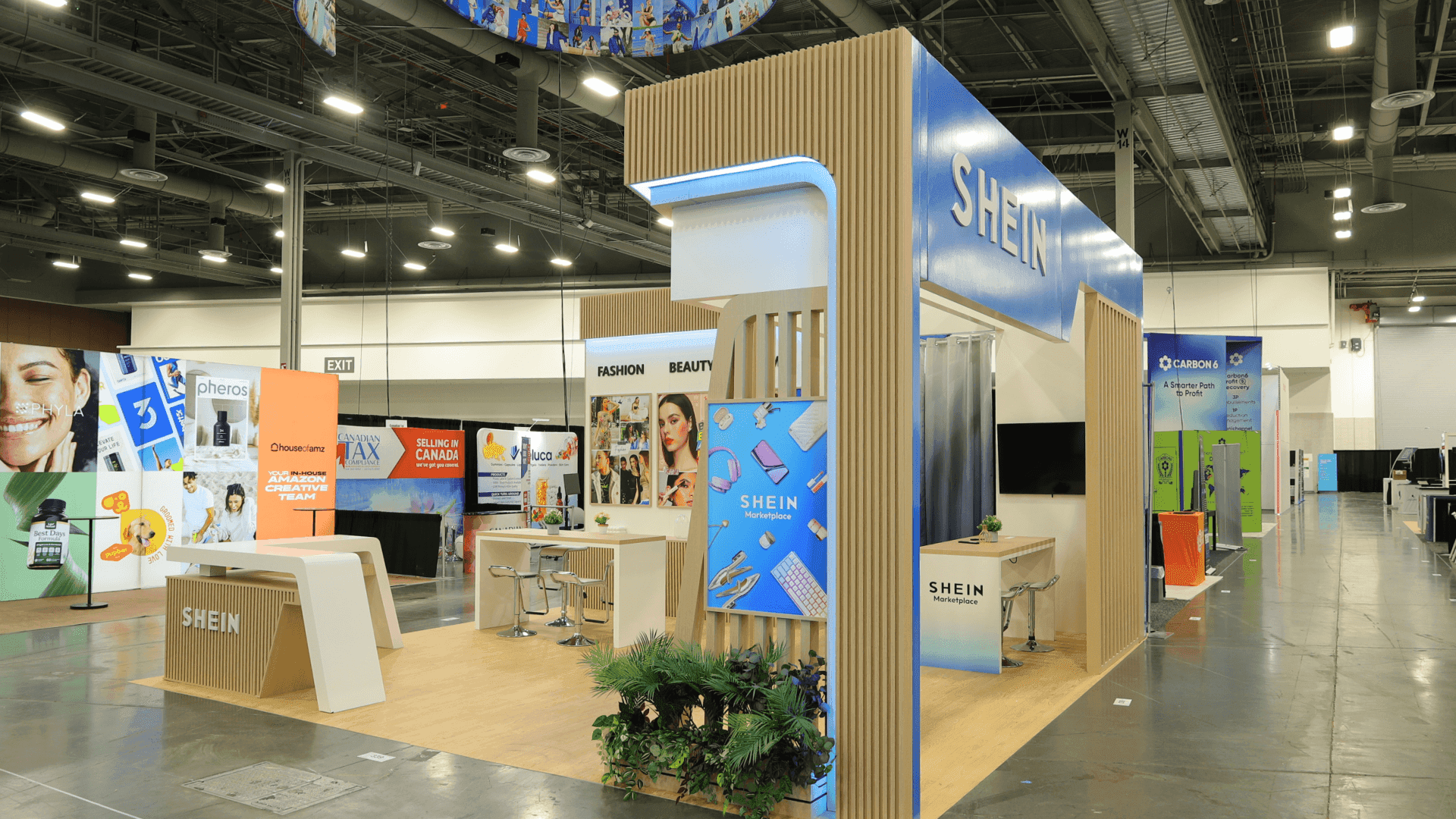
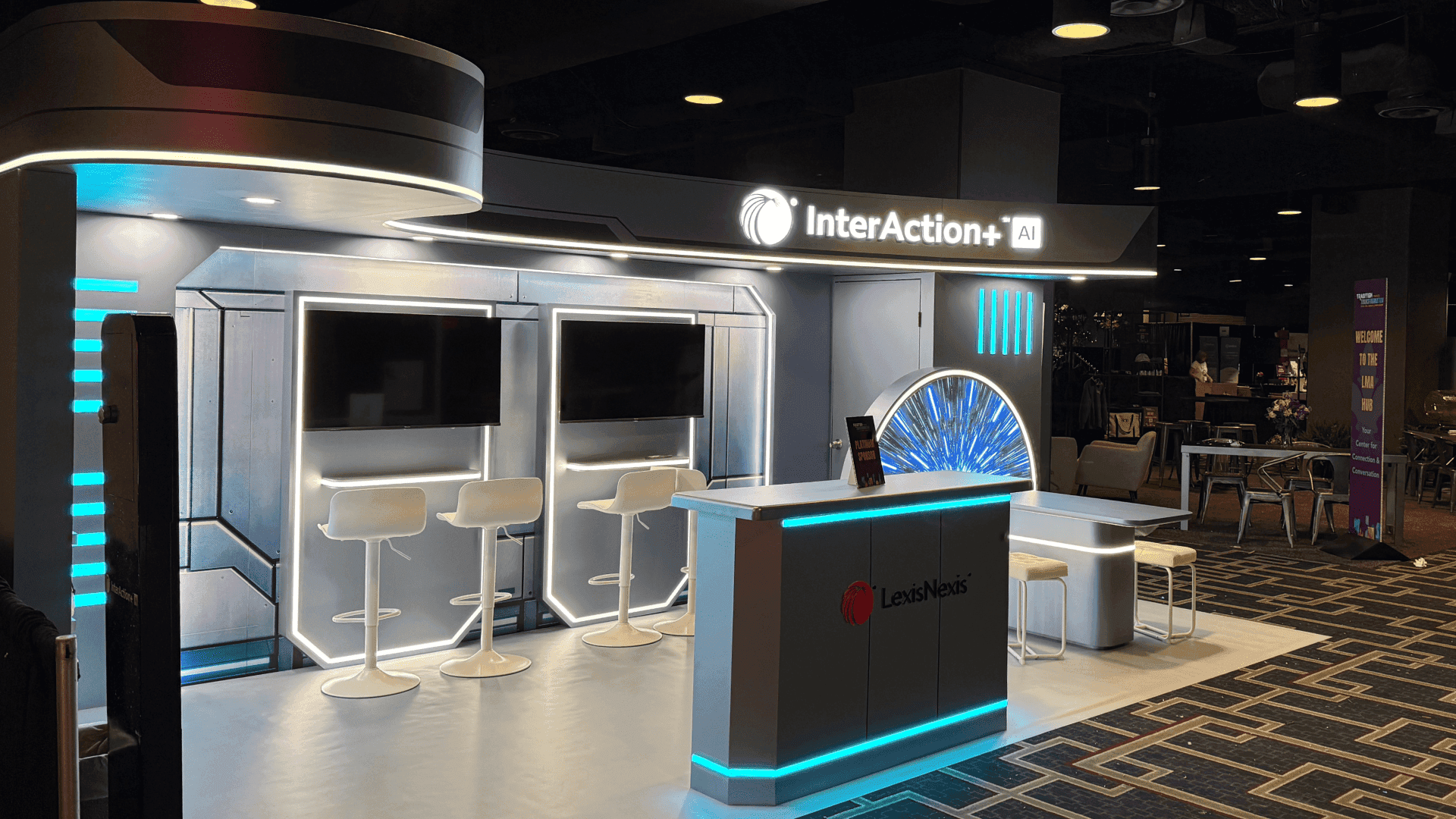
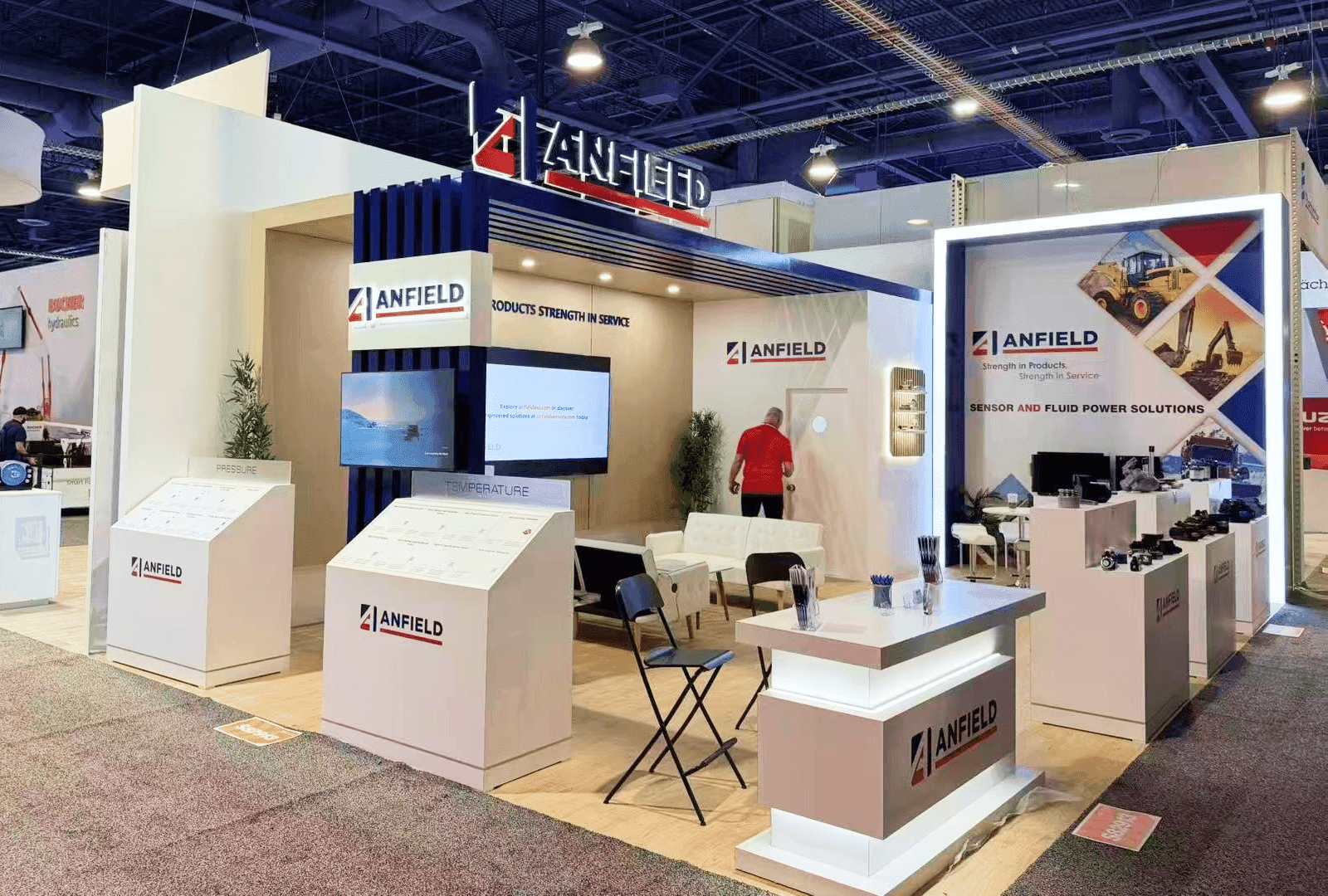
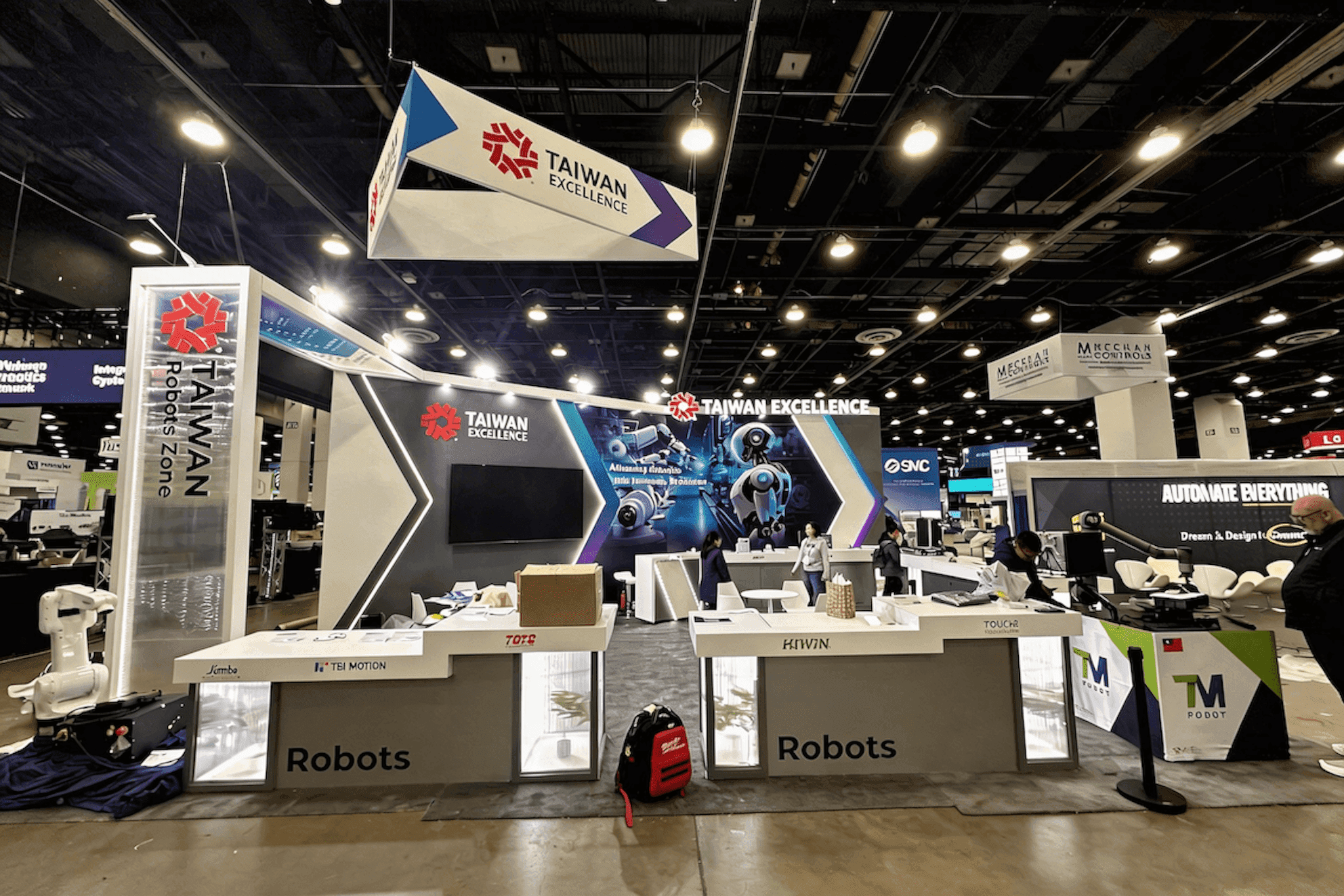
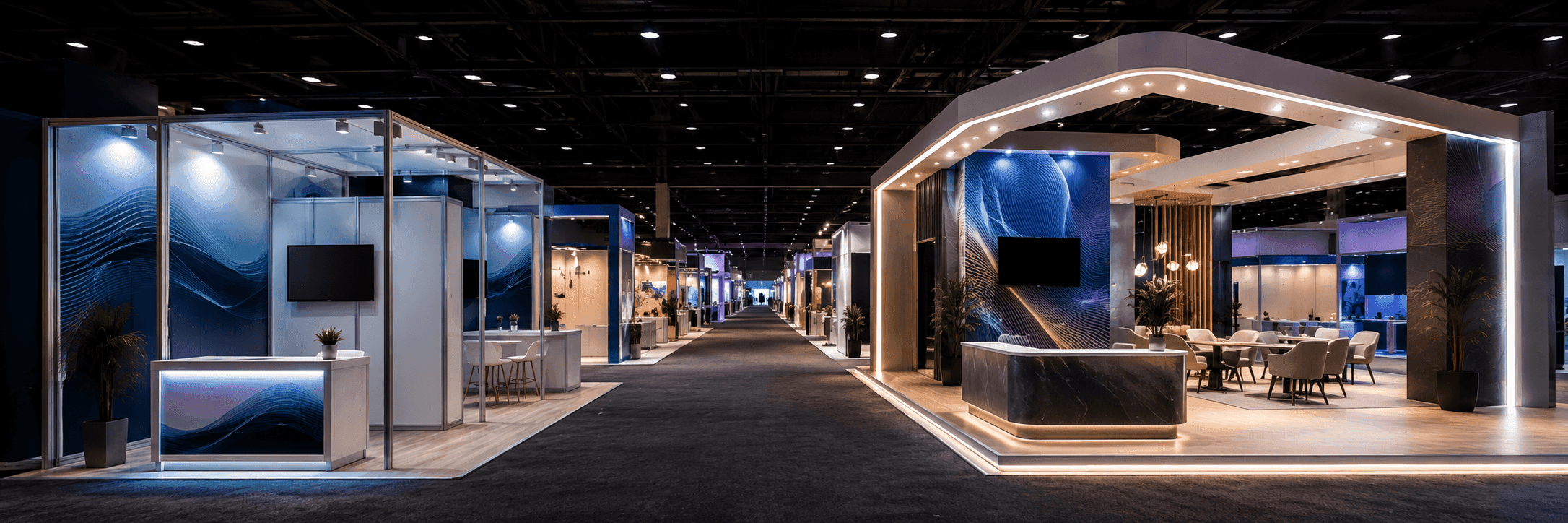
Custom trade show booth installation with a crew bottleneck, open crates, structure work, and floor-pressure conflicts slowing progress during setup

What Slows Down Custom Booth Installation More Than Exhibitors Expect

What Slows Down Custom Booth Installation More Than Exhibitors Expect

Circle Exhibit Team

Industry professionals

Exhibition industry professional dedicated to delivering the latest insights and curated recommendations to you.

Exhibition industry professional dedicated to delivering the latest insights and curated recommendations to you.

Custom booth delays often come from sequence conflicts, not labor shortage. When structure, finish, access, and freight start colliding, the install slows down long before anyone admits the real issue.

Custom booth delays often come from sequence conflicts, not labor shortage. When structure, finish, access, and freight start colliding, the install slows down long before anyone admits the real issue.

Custom booth delays often come from sequence conflicts, not labor shortage. When structure, finish, access, and freight start colliding, the install slows down long before anyone admits the real issue.

The slowdown usually does not look dramatic at first

A custom booth rarely falls behind because one huge thing goes wrong.

More often, it slows down in smaller ways.

A crew waits on access.
A crate is in the wrong place.
A finish surface arrives before the structure is stable.
One team starts working in a zone another team still needs open.

Nothing looks catastrophic.
But the booth starts losing momentum.

That is usually how custom installs get slower than exhibitors expected.

Labor is often blamed first, but labor is not always the real issue

When a booth feels behind, the first explanation is often simple:

We need more people.

Sometimes that is true.

But a lot of custom booth delays come from something less obvious and more common: the work is colliding with itself.

More labor does not fix that.

If too many people are working around the same bottleneck, the booth does not necessarily move faster. It often just becomes more crowded, more reactive, and harder to sequence properly.

That is why custom booth slowdowns are often planning problems disguised as labor problems.

The biggest hidden cause is sequence conflict

This is where many installs lose time.

A custom booth depends on order.
The structure has to settle.
Access has to stay open.
The finish layers need the right conditions.
Special components need to arrive when the booth can actually use them.

When those phases overlap too early, the install begins fighting itself.

That is what sequence conflict really is.

The problem is not that the crew is inactive.
The problem is that the booth is asking the wrong tasks to happen at the same time.

A custom booth slows down fast when the center gets trapped

This happens constantly.

The center display area is usually the most important zone in the booth. It may hold the main product moment, a demo area, a display structure, or the visual focus of the entire space.

But it is also the zone most likely to get crowded too early.

Once the center is carrying:

  • freight overflow

  • unfinished structure

  • tools

  • temporary staging

  • later-phase finish components

the booth starts working around pressure instead of through sequence.

That is where time begins disappearing.

The structure phase has to create room, not remove it

A good custom install usually gets faster after the main structure begins.

A weak one often gets slower.

The difference is simple.

If the structure start creates clarity, the next phases have something stable to follow.
If the structure start creates congestion, every later phase inherits that confusion.

That usually shows up in ways like:

  • walls going in before nearby access is protected

  • frames standing before key components are reachable

  • footprint lines being established without enough staging discipline

  • early visual progress creating later physical bottlenecks

A booth that looks like it is moving quickly can still be setting up its own slowdown.

Freight pressure is often mistaken for install progress

This is another common trap.

More materials on the floor can make the booth feel active.
But activity and progress are not the same thing.

A custom install gets slower when the floor is carrying more than the current phase can actually use.

That is why logistics and pre-show coordination matter so much.

The question is not only whether freight has arrived.

The better question is whether the right freight is available at the right moment without forcing the crew to sort around later-phase material too early.

If that answer is no, the install is already paying a hidden time penalty.

Custom booths lose time when fabrication logic does not match field logic

This is where booth fabrication and prebuild checks become much more important than many exhibitors realize.

A custom booth may be fabricated beautifully and still install slowly if the field sequence was not built into the way the booth was packed, labeled, or handed off.

That usually happens when:

  • hardware kits are not organized by phase

  • major components are harder to identify than they should be

  • prebuild confirmed fit but not install order

  • the crew has to decode the booth instead of building it

Good fabrication should reduce ambiguity.
If it does not, the booth starts wasting time at the exact moment it needed clarity most.

Finish work slows everything down when it enters too early

This is one of the most expensive mistakes in custom booths.

Finish materials often look like progress.
Graphics, trim, lighting accents, branded skins, polished surfaces, and final presentation layers all make the booth feel closer to complete.

But if they enter before the booth is ready, they do not speed up the install. They create sensitivity too early.

Now the crew has to protect surfaces instead of simply build.
Access becomes more delicate.
Adjustment becomes harder.
Temporary work starts happening in semi-finished conditions.

That is where custom installs become slower than expected.

Not because the booth is too ambitious.
Because the finish layers were introduced before the structure phase had done its job.

CES-style custom booths reveal this problem quickly

This becomes especially visible in CES in Las Vegas, where custom booths often depend on cleaner visual presentation, tighter messaging, and more controlled demo zones.

Those booths usually need:

  • clearer first-read presentation

  • cleaner edges

  • more disciplined finish quality

  • stronger sequencing between structure and message surfaces

If the install loses rhythm early, the booth can still get built, but the last stage becomes more compressed and more expensive in terms of detail control.

That is why custom booth slowdowns often hurt premium show environments even more. The visual standard is higher, so the sequencing weaknesses show up faster.

Builder planning matters because custom booths are really sequence systems

This is one reason exhibitors benefit from working with a Las Vegas trade show booth builder that treats the booth as an installation system, not just a finished design.

A custom booth is not only made of parts.

It is made of dependencies.

One phase depends on another clearing properly.
One access point depends on another zone staying open.
One finish layer depends on another structure settling first.

That is why the real question is rarely:

Do we have enough labor?

It is more often:

Is the booth being allowed to build in the right order?

That is the question that usually reveals the real bottleneck.

The cleanest custom installs usually avoid these three traps

The booths that stay on schedule usually protect themselves from the same problems:

Too much open too early

The floor gets flooded with materials the current phase cannot yet use.

Too many tasks in the same zone

Structure, finish, and access all start colliding.

Too little separation between build phases

The booth keeps reopening areas that should have already stabilized.

When these three issues are controlled, custom booths usually move much better.

A better install usually follows a calmer rhythm

The strongest custom installs often feel more controlled than dramatic.

They usually follow a pattern like this:

1. Structure first creates clarity

The footprint and main system settle before the booth chases appearance.

2. Freight supports the active phase

The floor receives what the current work can actually use.

3. Access stays protected

Critical movement paths are not sacrificed for short-term visual progress.

4. Finish enters stable conditions

The booth starts looking complete only after it is ready to behave like a finish zone.

5. The last stage becomes refinement, not recovery

That is where schedule pressure usually drops instead of rising.

This is often what separates a clean custom install from one that feels rushed all the way to the end.

Final thought

Custom booth installation usually slows down for a reason that is less dramatic and more fixable than people expect.

The delay often comes from sequence conflicts, not labor shortage.

When the booth asks the wrong things to happen at the same time, the floor gets tighter, the crew gets less efficient, and the schedule starts slipping in ways that are hard to diagnose from the outside.

But once the sequence is cleaner, the same booth often installs much better without needing to become simpler.

That is the part many exhibitors miss.

The problem is not always the size of the booth.
Often, it is the order the booth is being allowed to become itself.


Trying to reduce delay on a custom booth install?
Start with a stronger Las Vegas trade show booth builder process, then connect it to better booth fabrication and prebuild checks so the install sequence stays cleaner from the first phase forward.

The slowdown usually does not look dramatic at first

A custom booth rarely falls behind because one huge thing goes wrong.

More often, it slows down in smaller ways.

A crew waits on access.
A crate is in the wrong place.
A finish surface arrives before the structure is stable.
One team starts working in a zone another team still needs open.

Nothing looks catastrophic.
But the booth starts losing momentum.

That is usually how custom installs get slower than exhibitors expected.

Labor is often blamed first, but labor is not always the real issue

When a booth feels behind, the first explanation is often simple:

We need more people.

Sometimes that is true.

But a lot of custom booth delays come from something less obvious and more common: the work is colliding with itself.

More labor does not fix that.

If too many people are working around the same bottleneck, the booth does not necessarily move faster. It often just becomes more crowded, more reactive, and harder to sequence properly.

That is why custom booth slowdowns are often planning problems disguised as labor problems.

The biggest hidden cause is sequence conflict

This is where many installs lose time.

A custom booth depends on order.
The structure has to settle.
Access has to stay open.
The finish layers need the right conditions.
Special components need to arrive when the booth can actually use them.

When those phases overlap too early, the install begins fighting itself.

That is what sequence conflict really is.

The problem is not that the crew is inactive.
The problem is that the booth is asking the wrong tasks to happen at the same time.

A custom booth slows down fast when the center gets trapped

This happens constantly.

The center display area is usually the most important zone in the booth. It may hold the main product moment, a demo area, a display structure, or the visual focus of the entire space.

But it is also the zone most likely to get crowded too early.

Once the center is carrying:

  • freight overflow

  • unfinished structure

  • tools

  • temporary staging

  • later-phase finish components

the booth starts working around pressure instead of through sequence.

That is where time begins disappearing.

The structure phase has to create room, not remove it

A good custom install usually gets faster after the main structure begins.

A weak one often gets slower.

The difference is simple.

If the structure start creates clarity, the next phases have something stable to follow.
If the structure start creates congestion, every later phase inherits that confusion.

That usually shows up in ways like:

  • walls going in before nearby access is protected

  • frames standing before key components are reachable

  • footprint lines being established without enough staging discipline

  • early visual progress creating later physical bottlenecks

A booth that looks like it is moving quickly can still be setting up its own slowdown.

Freight pressure is often mistaken for install progress

This is another common trap.

More materials on the floor can make the booth feel active.
But activity and progress are not the same thing.

A custom install gets slower when the floor is carrying more than the current phase can actually use.

That is why logistics and pre-show coordination matter so much.

The question is not only whether freight has arrived.

The better question is whether the right freight is available at the right moment without forcing the crew to sort around later-phase material too early.

If that answer is no, the install is already paying a hidden time penalty.

Custom booths lose time when fabrication logic does not match field logic

This is where booth fabrication and prebuild checks become much more important than many exhibitors realize.

A custom booth may be fabricated beautifully and still install slowly if the field sequence was not built into the way the booth was packed, labeled, or handed off.

That usually happens when:

  • hardware kits are not organized by phase

  • major components are harder to identify than they should be

  • prebuild confirmed fit but not install order

  • the crew has to decode the booth instead of building it

Good fabrication should reduce ambiguity.
If it does not, the booth starts wasting time at the exact moment it needed clarity most.

Finish work slows everything down when it enters too early

This is one of the most expensive mistakes in custom booths.

Finish materials often look like progress.
Graphics, trim, lighting accents, branded skins, polished surfaces, and final presentation layers all make the booth feel closer to complete.

But if they enter before the booth is ready, they do not speed up the install. They create sensitivity too early.

Now the crew has to protect surfaces instead of simply build.
Access becomes more delicate.
Adjustment becomes harder.
Temporary work starts happening in semi-finished conditions.

That is where custom installs become slower than expected.

Not because the booth is too ambitious.
Because the finish layers were introduced before the structure phase had done its job.

CES-style custom booths reveal this problem quickly

This becomes especially visible in CES in Las Vegas, where custom booths often depend on cleaner visual presentation, tighter messaging, and more controlled demo zones.

Those booths usually need:

  • clearer first-read presentation

  • cleaner edges

  • more disciplined finish quality

  • stronger sequencing between structure and message surfaces

If the install loses rhythm early, the booth can still get built, but the last stage becomes more compressed and more expensive in terms of detail control.

That is why custom booth slowdowns often hurt premium show environments even more. The visual standard is higher, so the sequencing weaknesses show up faster.

Builder planning matters because custom booths are really sequence systems

This is one reason exhibitors benefit from working with a Las Vegas trade show booth builder that treats the booth as an installation system, not just a finished design.

A custom booth is not only made of parts.

It is made of dependencies.

One phase depends on another clearing properly.
One access point depends on another zone staying open.
One finish layer depends on another structure settling first.

That is why the real question is rarely:

Do we have enough labor?

It is more often:

Is the booth being allowed to build in the right order?

That is the question that usually reveals the real bottleneck.

The cleanest custom installs usually avoid these three traps

The booths that stay on schedule usually protect themselves from the same problems:

Too much open too early

The floor gets flooded with materials the current phase cannot yet use.

Too many tasks in the same zone

Structure, finish, and access all start colliding.

Too little separation between build phases

The booth keeps reopening areas that should have already stabilized.

When these three issues are controlled, custom booths usually move much better.

A better install usually follows a calmer rhythm

The strongest custom installs often feel more controlled than dramatic.

They usually follow a pattern like this:

1. Structure first creates clarity

The footprint and main system settle before the booth chases appearance.

2. Freight supports the active phase

The floor receives what the current work can actually use.

3. Access stays protected

Critical movement paths are not sacrificed for short-term visual progress.

4. Finish enters stable conditions

The booth starts looking complete only after it is ready to behave like a finish zone.

5. The last stage becomes refinement, not recovery

That is where schedule pressure usually drops instead of rising.

This is often what separates a clean custom install from one that feels rushed all the way to the end.

Final thought

Custom booth installation usually slows down for a reason that is less dramatic and more fixable than people expect.

The delay often comes from sequence conflicts, not labor shortage.

When the booth asks the wrong things to happen at the same time, the floor gets tighter, the crew gets less efficient, and the schedule starts slipping in ways that are hard to diagnose from the outside.

But once the sequence is cleaner, the same booth often installs much better without needing to become simpler.

That is the part many exhibitors miss.

The problem is not always the size of the booth.
Often, it is the order the booth is being allowed to become itself.


Trying to reduce delay on a custom booth install?
Start with a stronger Las Vegas trade show booth builder process, then connect it to better booth fabrication and prebuild checks so the install sequence stays cleaner from the first phase forward.

Message

Leave your message and we will get back to you ASAP

Send a Message

We’ll Be in Touch!

Message

Leave your message and we will get back to you ASAP

Address:

4915 Steptoe Street #300

Las Vegas, NV 89122