Booth Complexity Can Matter More Than Footprint Alone
Larger booths often require more labor, but square footage alone does not explain how long the work will take.
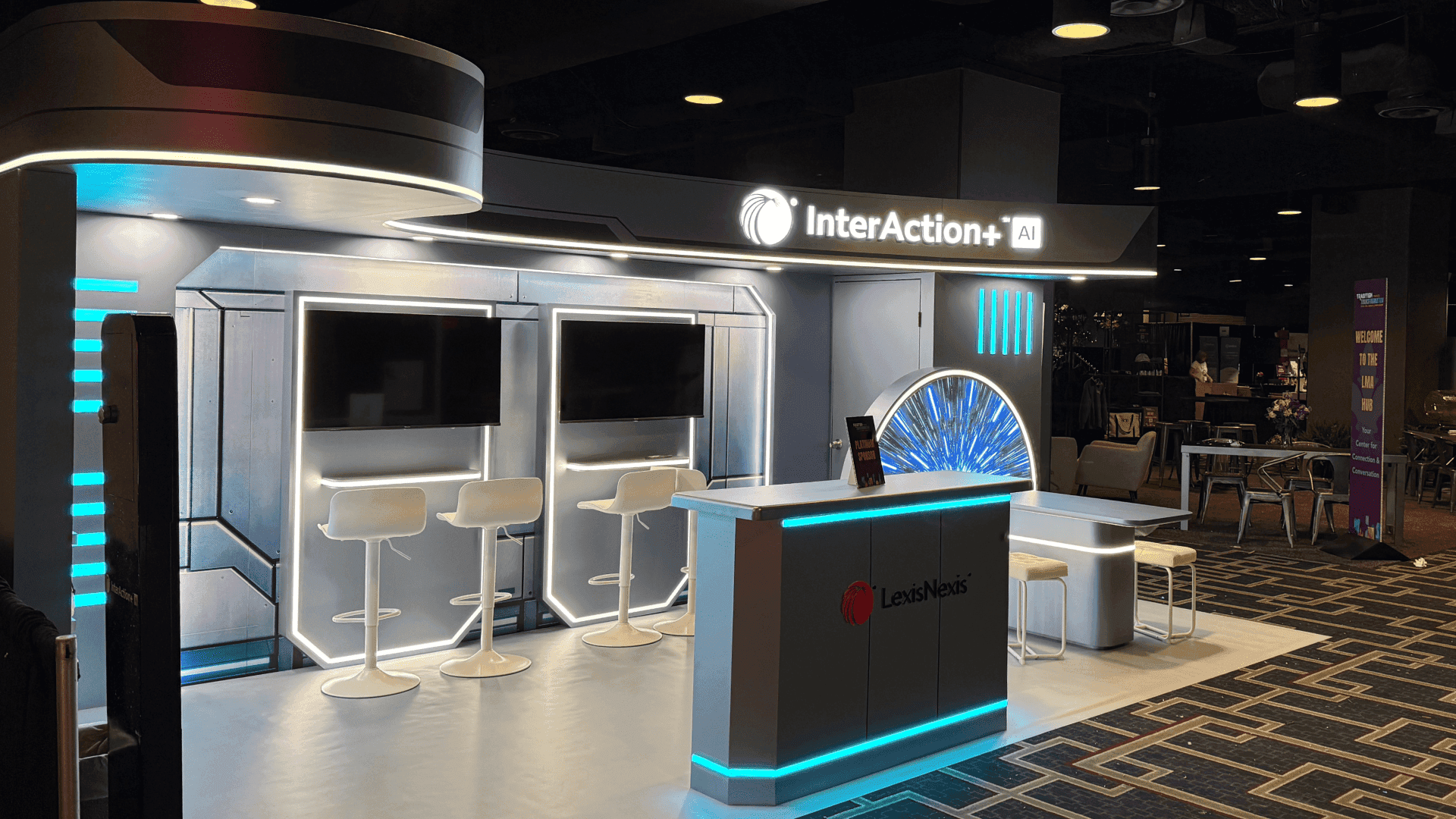
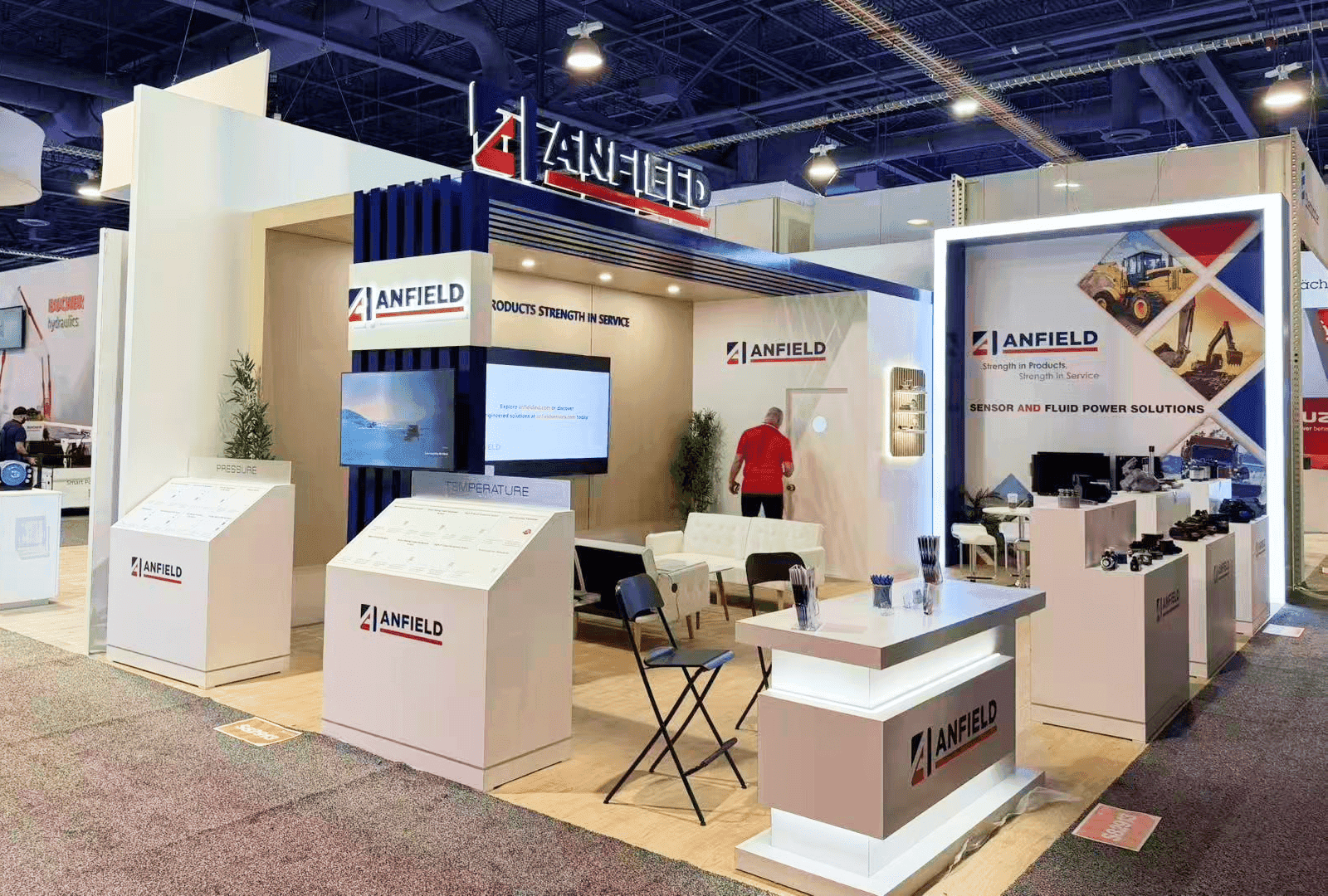
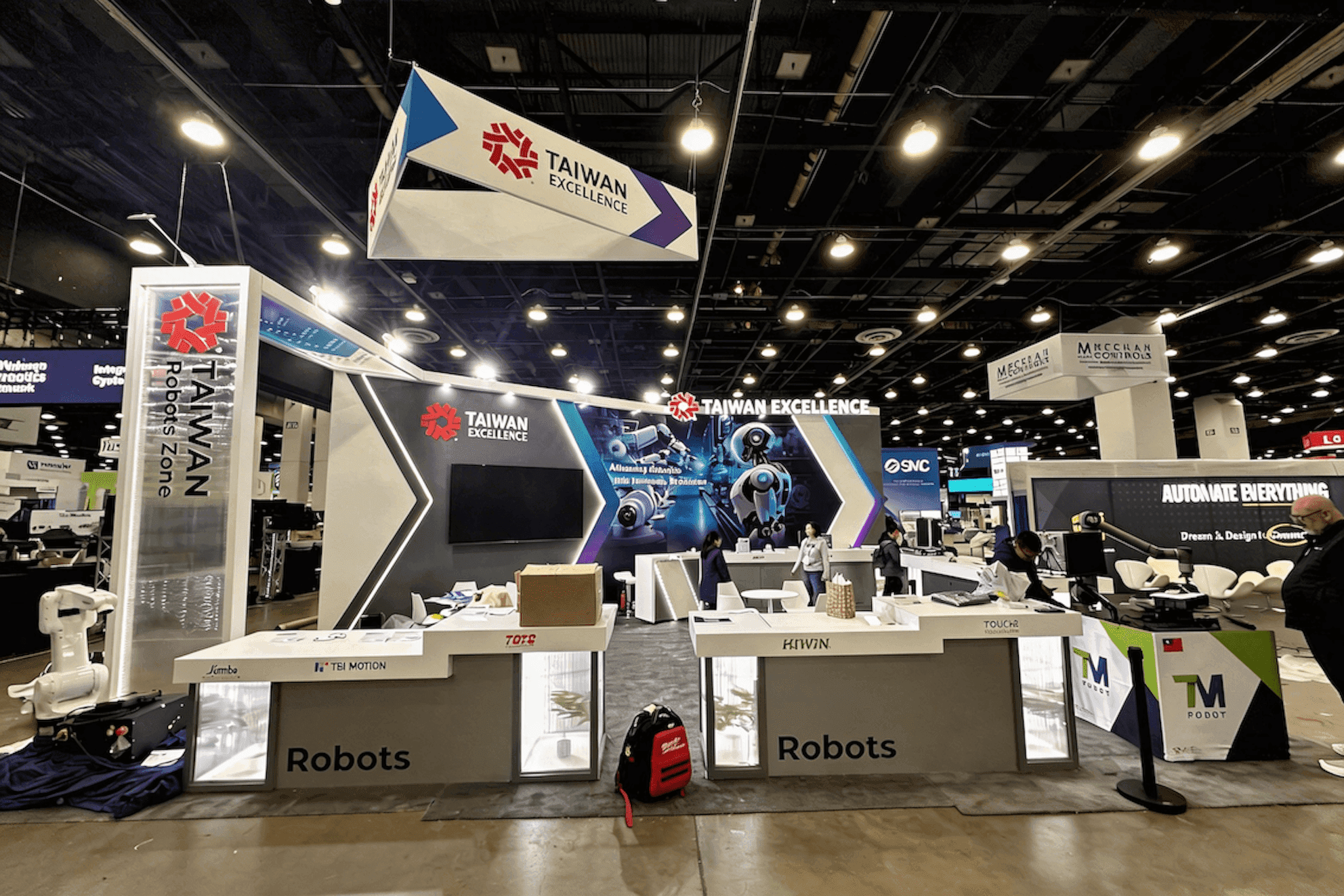
A straightforward 20x20 modular exhibit may require fewer labor-hours than another 20x20 booth with multiple wall sections, integrated screens, lightboxes, product fixtures, storage, overhead elements, or equipment that restricts access during assembly.
What matters is the work each feature creates. Structural connections, large graphics, mounted displays, product integration, technical components, and field adjustments can all add crew time without changing the footprint.
For budgeting, estimate the work each feature creates—not just the square footage it occupies.

I&D cost depends on more than booth size. Crew efficiency, booth complexity, and the available move-in window can all change the labor hours required on site.
Crew Size Only Helps When Work Can Happen in Parallel
Adding installers can shorten the schedule when several tasks can happen at the same time. More people do not automatically make every installation faster or less expensive.
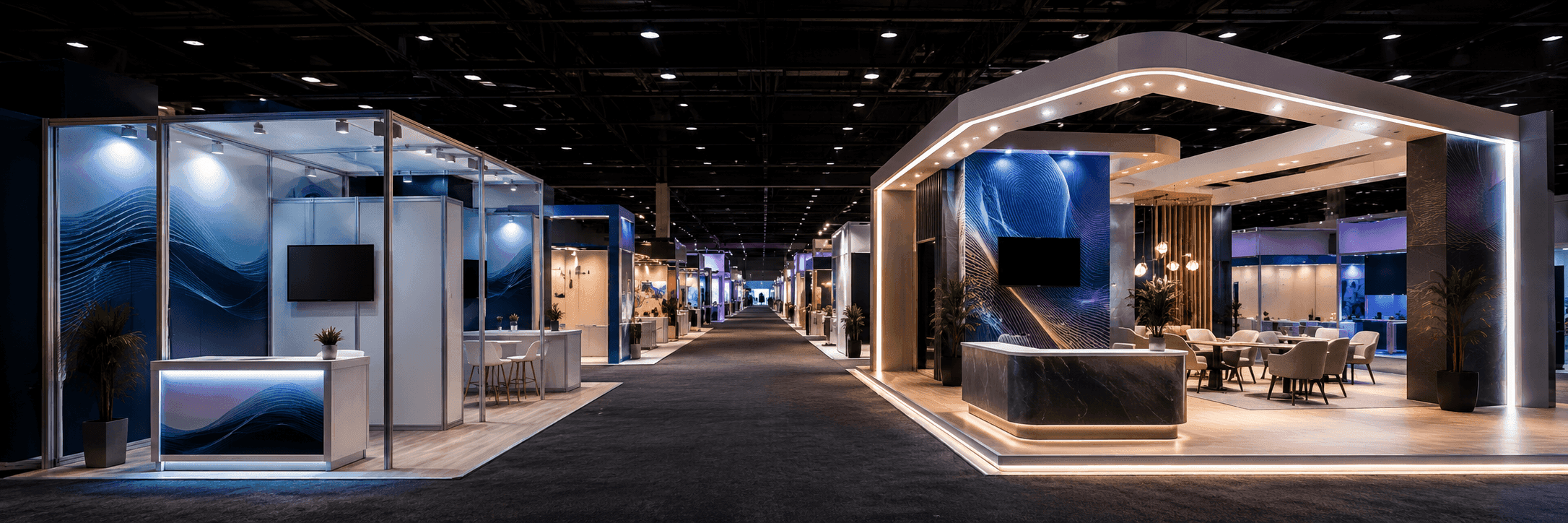
A larger exhibit with separate work zones may allow several installers to make progress in parallel. A compact booth built around one central structure may force much of the assembly to happen in sequence, leaving additional crew members with little productive work.
The practical question is:
How many installers can work productively at the same time?
Crew planning should reflect the booth layout, assembly logic, technical dependencies, and available work window. Otherwise, a larger crew can add labor-hours without moving the job forward at the same rate. When extra crew cannot create more parallel work, the problem is usually not headcount alone; custom booth installation bottlenecks such as sequence conflicts, blocked access, material saturation, or unfinished prerequisites may be keeping the workfront from moving even while labor is on the clock.
Move-In Windows Can Change Labor Efficiency
The same booth can require different crew hours at different shows.
A team with continuous access and all required materials ready at the booth can usually work more efficiently than one dealing with restricted hall access, short work periods, or services that have not yet been completed.
If an exhibit needs eight productive hours but those hours are broken up by access limits or service handoffs, the crew may remain on site much longer than the physical assembly time suggests.
That is why an I&D estimate should be checked against the actual show schedule rather than the booth drawing alone.
Local conditions can change the labor picture further. In Las Vegas, for example, show-site installation conditions can affect access, freight handoff, contractor responsibilities, and service timing.
Waiting Time and Service Dependencies Add Labor Without Adding Progress
Paid crew time can continue even when the booth is not moving forward.
That can happen when freight has not reached the exhibit space, overhead work is still underway, electrical service is incomplete, AV equipment is delayed, product placement blocks access, or another contractor must finish first.
A labor-hour is one person working for one hour. If three installers wait one hour for a required service, the project adds three labor-hours without gaining three hours of booth progress.
Rigging, electrical, AV, freight handoff, and other show-site services do not automatically make an exhibit expensive to install. They become costly when their timing leaves the crew waiting, forces a return visit, or requires finished work to be reopened.
Service coordination therefore has a direct effect on labor efficiency.
Supervision and Rework Add Hours for Different Reasons
Supervision and rework both add time, but they are not the same type of cost.
A complex exhibit may need a lead installer or supervisor to coordinate crews, drawings, product placement, technical handoffs, and final adjustments. That is planned labor used to keep the job coordinated and on track.
Rework is different. It adds time because completed work has to be corrected, moved, reopened, or installed again.
Common causes include outdated drawings, missing hardware, incorrect dimensions, graphics that do not fit as expected, service locations that no longer match the current plan, or components arriving without the information needed for installation.
Drawing mismatches, missing components, and incorrect service locations are easier to catch and resolve during pre-show coordination than after the installation crew is already on the clock.
For budgeting purposes:
Supervision is planned control. Rework is lost efficiency.

Waiting time, service dependencies, and move-out conditions can add labor without adding booth progress, making coordination a major part of I&D cost control.
Move-Out Timing Can Change Dismantle Labor Hours
Dismantling is not always a simple reversal of installation.
After show close, crews may be working around hall access, empty-container return, product removal, outbound material handling, carrier timing, and freight deadlines. These conditions affect how continuously the breakdown can proceed.
The booth configuration matters too. Reusable structures, graphics, technical equipment, and product fixtures may require more controlled handling than materials that will not be used again.
A fast breakdown does not always mean an efficient move-out. What matters is whether the crew can complete the work continuously within the available outbound window.
When a project requires dedicated crew planning, supervision, and move-out coordination, on-site installation and dismantle support should be scoped around the actual booth configuration and show schedule.
Trade Show I&D Cost Driver Checklist
Before estimating installation and dismantle labor, confirm the factors that can change productive crew time:
Cost Driver | What to Confirm |
|---|---|
Booth Complexity | Which structural, graphic, technical, or product elements add meaningful crew time? |
Crew Plan | How many installers can work productively at the same time? |
Labor Hours | How many productive hours are expected for installation and dismantle? |
Work Window | Do the move-in and move-out schedules allow the crew to work efficiently? |
Waiting / Service Dependencies | Which freight, rigging, electrical, AV, or access dependencies could create idle time? |
Supervision / Rework | Does the booth need dedicated supervision, and what unresolved issues could force completed work to be corrected? |
Dismantle Conditions | How much work remains after show close, and how tight is the outbound handoff? |
A useful I&D estimate is less about applying a booth-size formula and more about understanding how much productive work the exhibit requires and how efficiently those hours can be used.
Final Takeaway
For most booth projects, the biggest I&D cost differences come from the amount of crew time required and how efficiently that time is used.
Good cost control starts before move-in: keep the booth buildable, match crew size to the actual work, confirm service handoffs, and reduce the chances that paid installers spend time waiting or correcting completed work.
FAQ
Does a larger booth always cost more to install and dismantle?
A larger booth often requires more work, but footprint is only one factor. Structural complexity, technical integration, crew efficiency, service dependencies, and the available work window can create substantial labor differences between booths of the same size.
Why can waiting time increase booth installation cost?
Paid crew time can continue while installers wait for freight, rigging, electrical service, AV, access, or another contractor. Those delays add labor-hours without adding productive installation time.
Does booth complexity affect dismantle cost too?
Yes. More structural components, technical equipment, product fixtures, graphics, or reusable elements can increase the controlled work required after show close.
How can exhibitors reduce I&D cost without simplifying the entire booth?
Focus on labor efficiency rather than removing every booth feature. Confirm drawings, components, freight timing, service locations, and technical handoffs before move-in so installers can work continuously instead of waiting or correcting completed work.