How Modular Exhibit Systems Work in a Booth Rental Program
Modular exhibit systems use reusable frames, wall sections, counters, graphic surfaces, shelving, lighting, and connection hardware that can be configured in different ways. In a rental program, exhibitors use this rental inventory—the reusable booth components maintained by the exhibit provider—without purchasing and storing the entire structural system themselves.
The same reusable-system logic applies to modular exhibit systems more broadly: the structure can be reconfigured around different show requirements. In a rental program, the question is narrower—what can stay in the rental base, and what needs to change for this event?
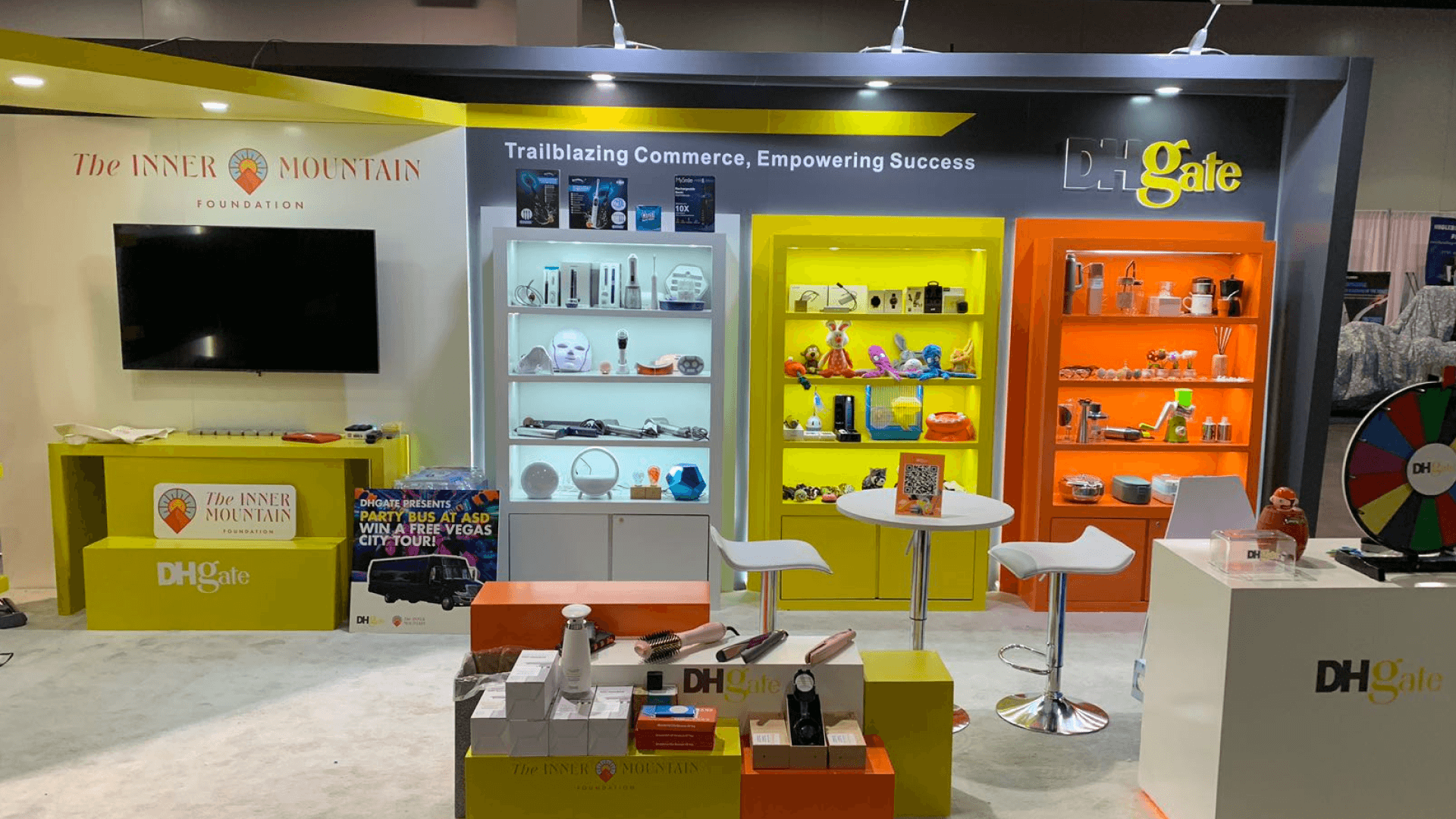
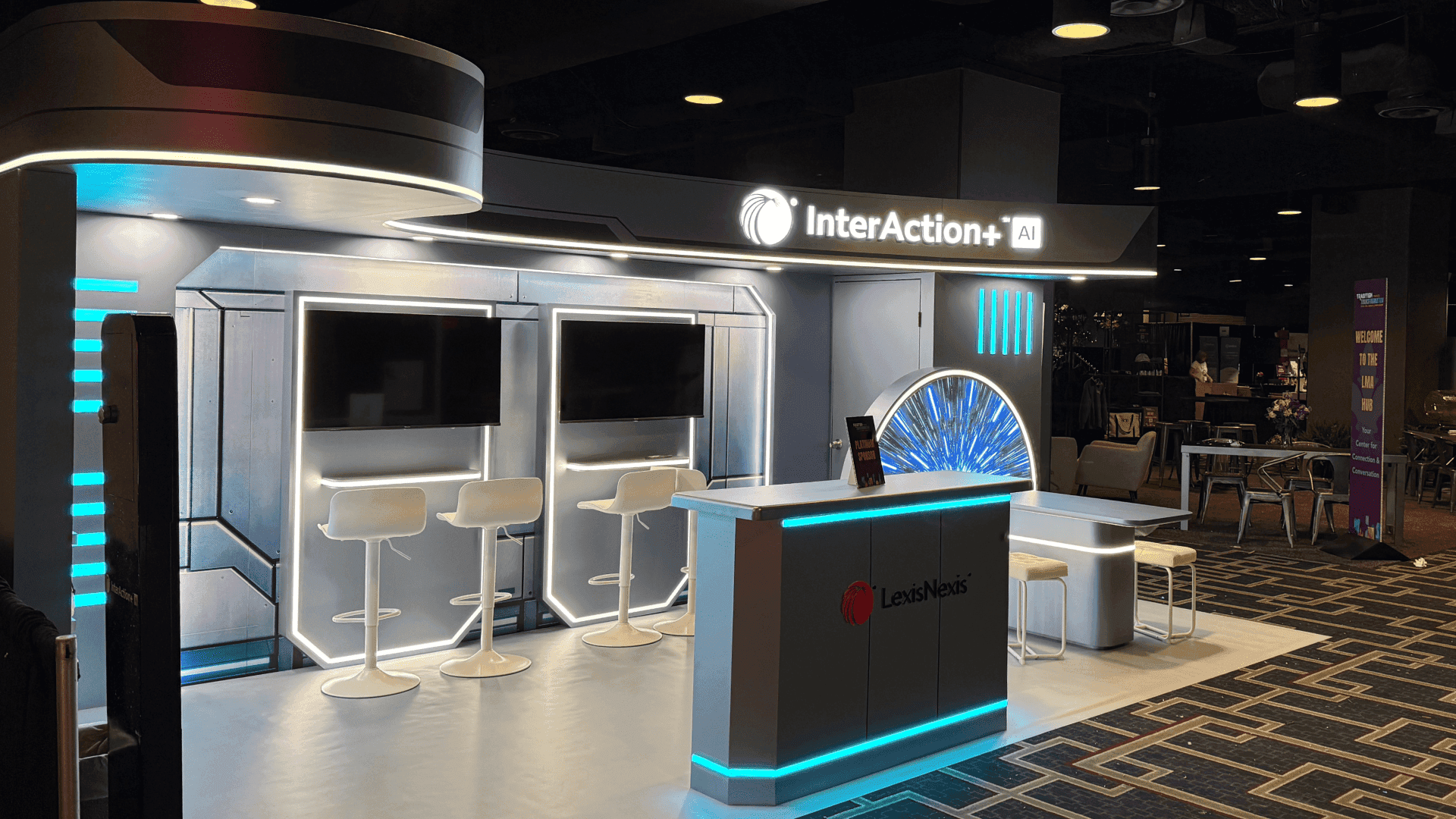
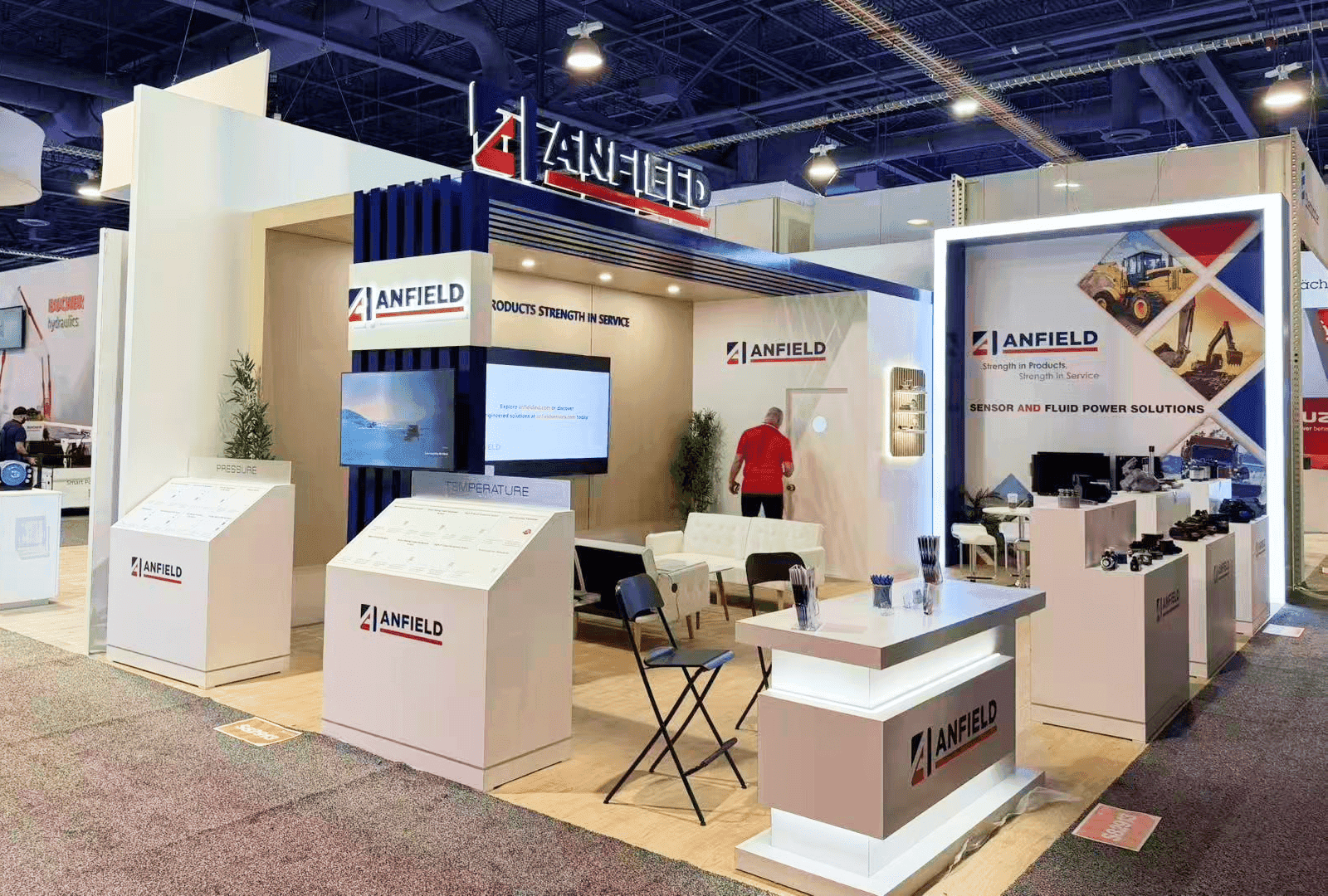
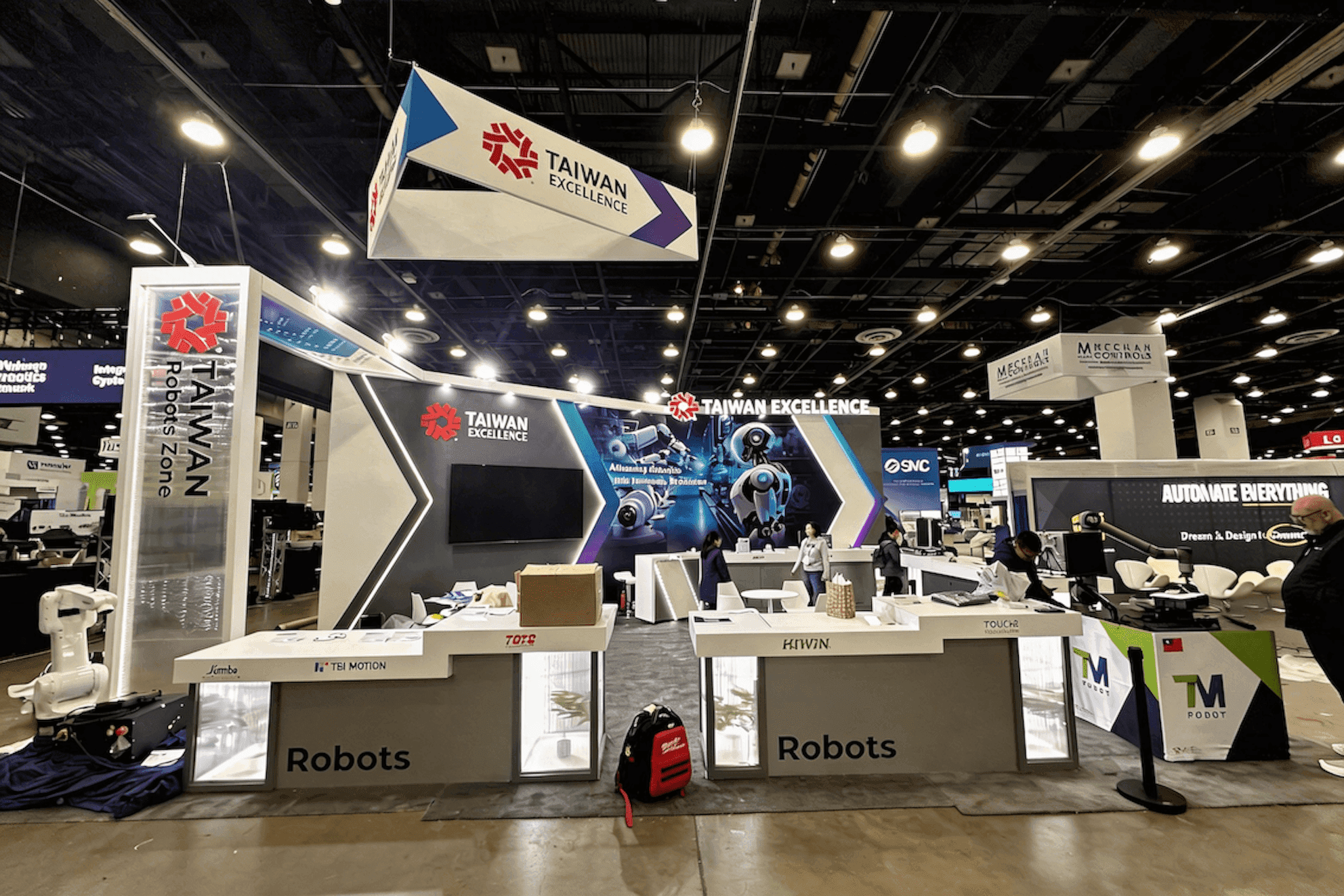
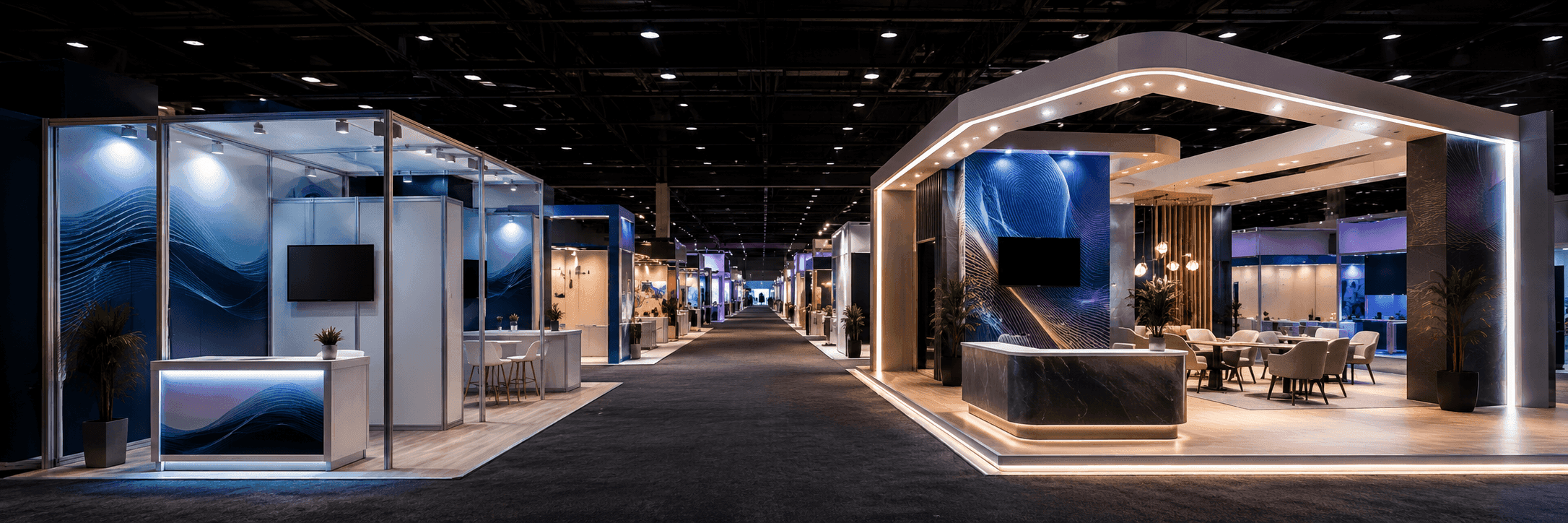
A modular booth rental can keep the structural system consistent while graphics, counters, AV, and product displays change around the needs of each show.
What Stays Reusable and What Changes in a Modular Booth Rental
A modular rental booth does not need to look identical at every event. Some structural elements can remain consistent while the graphics, layout, product presentation, and booth functions change around the next show.
Planning Area | What Can Stay Consistent | What Usually Changes by Show |
|---|---|---|
Structure | Rental frames, wall sections, and connection systems | Footprint, open sides, wall arrangement, and module count |
Graphics | Attachment methods and compatible graphic frames or lightboxes | Artwork, messaging, graphic sizes, and quantities |
Counters & Displays | Rental counters, shelving, and compatible display hardware | Placement, branded finishes, and product setup |
AV & Lighting | Compatible mounts and selected rental hardware | Screen locations, equipment, power routes, and lighting positions |
Booth Functions | Core functions such as demos, reception, meetings, or storage may remain part of the exhibit program | The size, location, and priority of each zone, plus the visitor path |
The value of modular rental is not keeping every show identical. It is having a structural system that can support changes in footprint, graphics, product priorities, and booth functions without starting over with a completely new structure each time.
When Renting a Modular Booth Makes Sense
Renting a modular booth makes sense when the structural needs are repeatable but the presentation changes from show to show. An exhibitor may move between different booth footprints, update graphics regularly, change product displays, or reuse familiar demo, reception, meeting, and storage functions without wanting to own and manage the full structural inventory.
Renting works well as long as the booth can be built from reusable rental inventory. Once unique architecture, machinery integration, or purpose-built structural work begins to drive the structure, the decision becomes modular rental vs custom fabrication.
What to Plan Before Renting a Modular Trade Show Booth
Booth size is only one part of the rental decision. Two exhibitors using the same 20x20 footprint may need very different configurations depending on what needs to happen inside the space.
Before rental inventory is reserved, clarify:
Booth footprint: How many aisles are open, where visitors enter, and which walls or structures are actually needed.
Product presentation: Whether the booth needs demo counters, shelving, product surfaces, equipment access, or staff working space.
Graphics: Which surfaces carry the main brand message and which graphics need to change for the event.
AV: Where screens, lighting, power, mounts, and cable routes need to work within the configuration.
Meetings and storage: How much space should remain open and how much needs to support conversations, samples, equipment, or concealed storage.
These decisions should be settled before the booth moves into freight and show-site planning. The structure should follow the booth plan rather than force the plan around whatever components happen to be available.
How a Modular Booth Rental Can Change from Show to Show
A modular rental configuration can change substantially even when part of the structural inventory remains the same.
For example, a 20x20 booth may use an open configuration with two aisle entries, one primary demo counter, a branded wall, and a compact meeting area. If the next event moves into a 20x30 space, the rental program may add wall sections, move the demo zone farther into the booth, create more storage, reposition screens, or provide a larger conversation area.
The important question is not whether every component can be reused. It is whether the available rental inventory can be rearranged without compromising product visibility, staff movement, visitor circulation, or the goals of the next event.
That decision should be made before graphics are produced and the rental inventory is reserved. A prebuild—a test assembly completed before shipment—can then confirm that the structure, graphics, hardware, and show-specific components fit the approved configuration. Otherwise, a footprint change can trigger late adjustments to wall sections, graphics, counters, screens, or the installation plan.
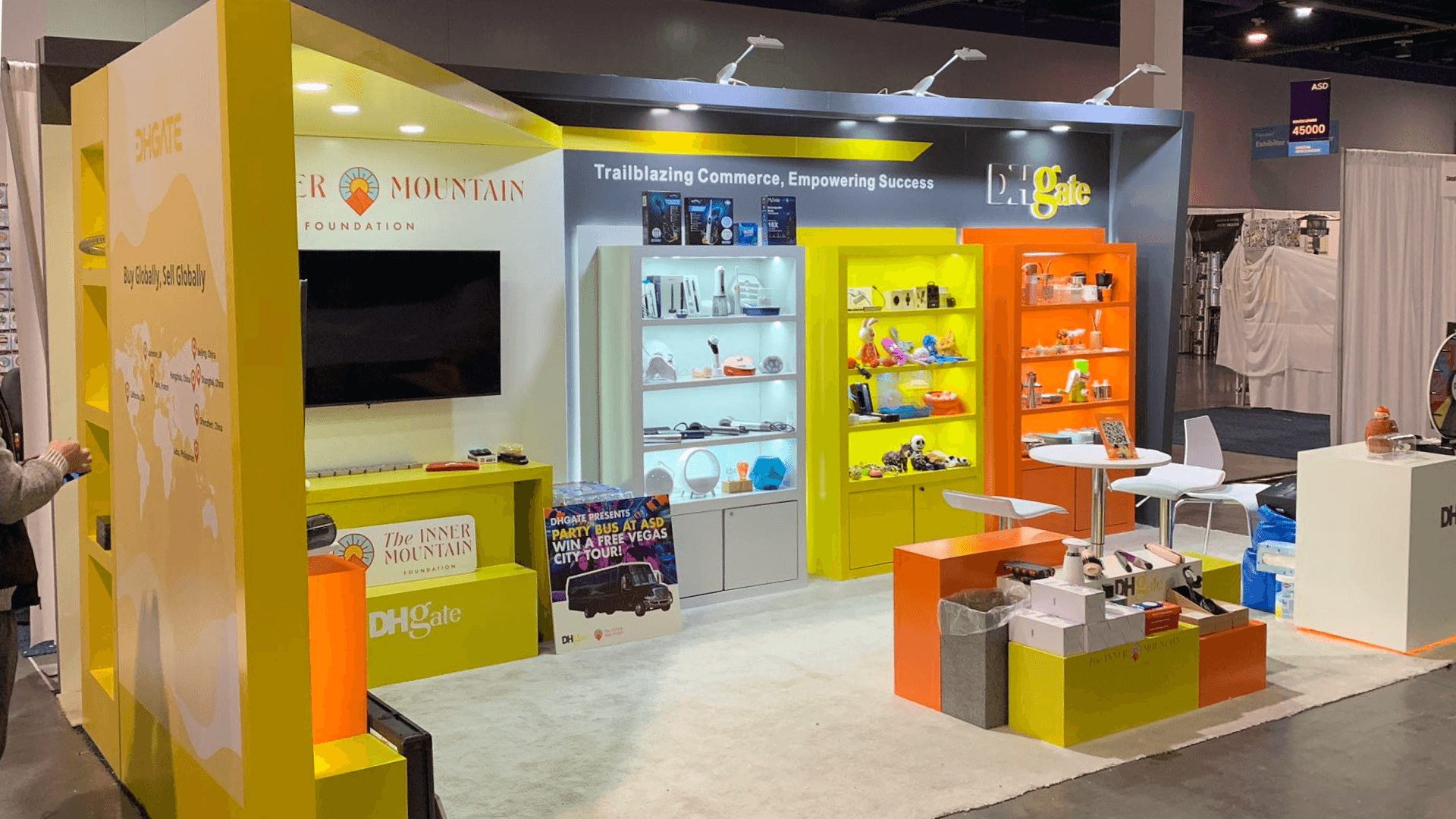
The same modular rental program can be reconfigured for different booth sizes by adjusting wall sections, graphics, demo zones, meetings, storage, and visitor flow.
What to Coordinate for a Modular Booth Rental in Las Vegas
Using a familiar rental structure can make the booth configuration and installation sequence more predictable, but it does not remove the show-site requirements that come with exhibiting in Las Vegas.
Before shipment, the selected configuration should be checked against the approved floor plan. Graphics, counters, connection hardware, screen mounts, lighting positions, and other show-specific elements need to fit the booth that will actually be installed—not simply the version used at a previous event.
Packing order matters as well. Rental components are easier to install when they are clearly identified and packed in a sequence that supports the build. Freight still needs to arrive within the show's move-in schedule, and drayage—the show-site handling of exhibit freight between the receiving or storage area and the booth space—can affect when those components reach the exhibit.
A known modular structure may make setup easier to document, but labor and venue requirements still apply. Electrical, AV, rigging, internet, and other services need to be coordinated around the current floor plan rather than assumed from an earlier configuration.
After the show, the rental structure is dismantled and returned. Graphics, branded pieces, or custom elements may need to be stored, replaced, or prepared separately for another event.
Once the rental configuration is confirmed, the next step is making sure the booth can be assembled and checked efficiently on site. Rental booth installation planning in Las Vegas covers setup sequence, graphics checks, power and AV, crate organization, dismantle, and opening-day readiness.
Final Takeaway
The strongest modular rental plans separate the parts of the booth that can stay consistent from the parts that need to change for the next show. The structure is useful only if it can support the new floor plan, products, graphics, and visitor flow without forcing the booth back into the previous configuration.
For a Las Vegas event, those decisions should be made before freight and installation are scheduled. Late changes to structure, graphics, or AV can affect packing, labor, move-in sequence, and the amount of work required on site.
FAQ
Can a modular rental booth change from a 20x20 to a 20x30 layout?
Often, yes. The larger footprint may require additional wall sections, revised graphics, different counter positions, more storage, or changes to demo and meeting areas. The new configuration should be confirmed before graphics are produced and rental inventory is reserved.
What parts of a modular booth rental usually change between shows?
Graphics, wall arrangement, product displays, screen locations, counters, meeting areas, storage, and visitor flow can all change. The structural rental system may stay partly consistent, but the layout should still be planned around the next event.
Does a modular booth rental make installation easier in Las Vegas?
A familiar rental system can make the build sequence more predictable because the components and connection methods are already known. Las Vegas labor, freight handling, drayage, electrical, AV, rigging, and move-in requirements still need to be coordinated for the actual configuration being installed.
When is modular booth rental not the best option?
Modular rental becomes less practical when the booth depends on unique architecture, machinery integration, or structural fabrication that reusable rental inventory cannot accommodate. In those cases, a custom or hybrid fabrication approach may be a better fit.
Can the same modular rental program use different graphics at each show?
Yes. Compatible frames and graphic attachment methods can remain part of the rental system while artwork, messaging, graphic sizes, or branded surfaces change for a new event. The graphics still need to match the exact booth configuration being used.