Plan Around the Zero-Emission Transit Product
At APTA EXPO, a zero-emission transit booth should start with what the exhibitor is actually showing. An electric bus system, charging product, battery platform, hydrogen solution, or fleet energy tool each needs a different display approach.
Charging products may need a workflow graphic. Battery systems may need a sample, cutaway, or safety note. Electric bus and fleet electrification solutions usually need space for agency questions about deployment, reliability, maintenance, and long-term operating fit.
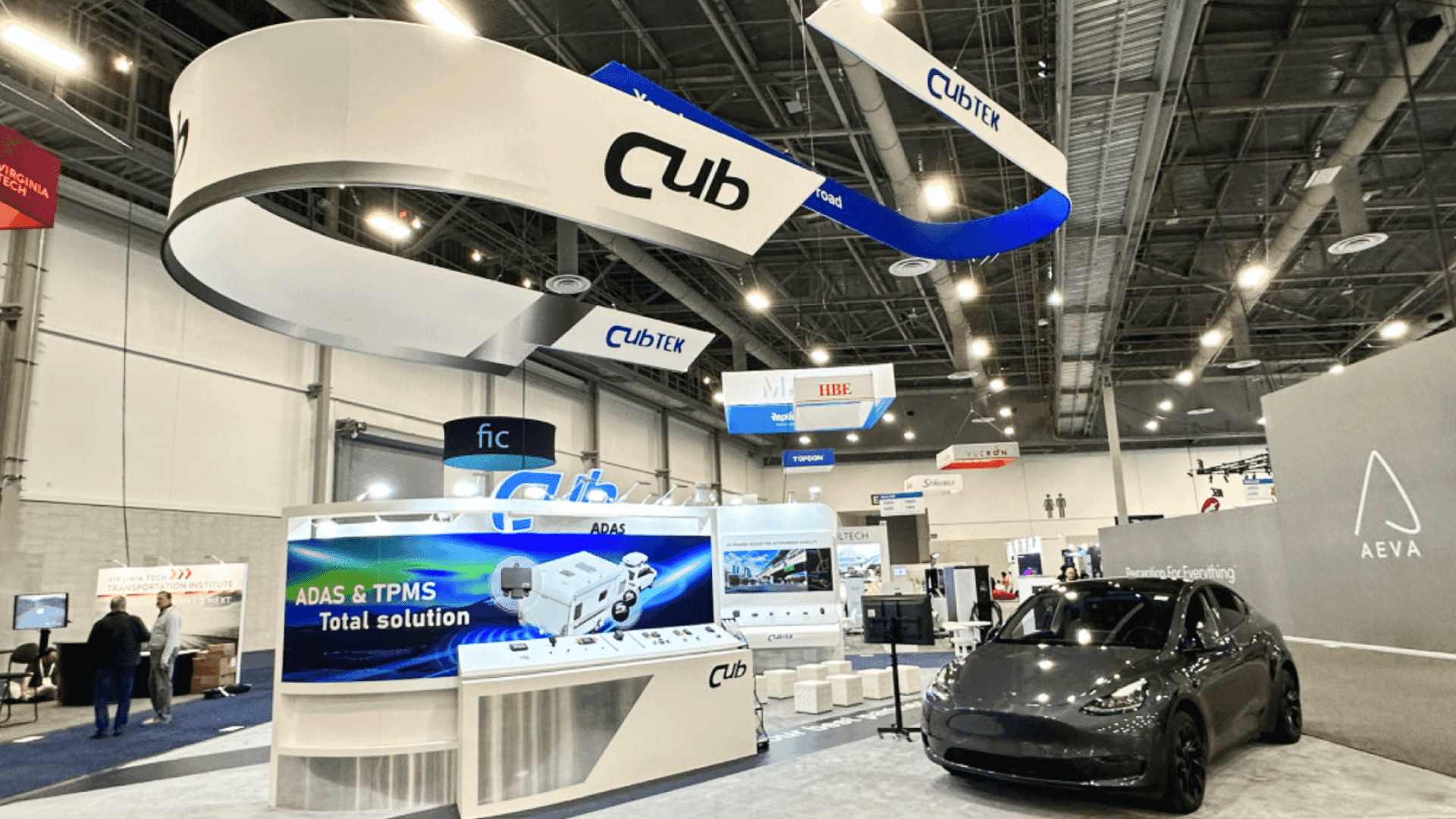
A zero-emission transit booth should make the product focus clear first, whether the exhibit shows an electric bus system, charging product, battery platform, hydrogen solution, or fleet energy tool.
Show the Infrastructure and Fleet Value Clearly
Once the product focus is clear, the booth needs to show how that product fits into real transit operations. A charger, battery system, electric bus platform, or hydrogen component only becomes clear when visitors can see how it connects to depot layout, route planning, charging time, maintenance, vehicle uptime, and daily dispatch.
The booth should help agency teams understand more than the product itself. It should show how the system supports fleet transition, where it fits in operations, and what needs to be discussed before procurement, deployment, or long-term fleet use.
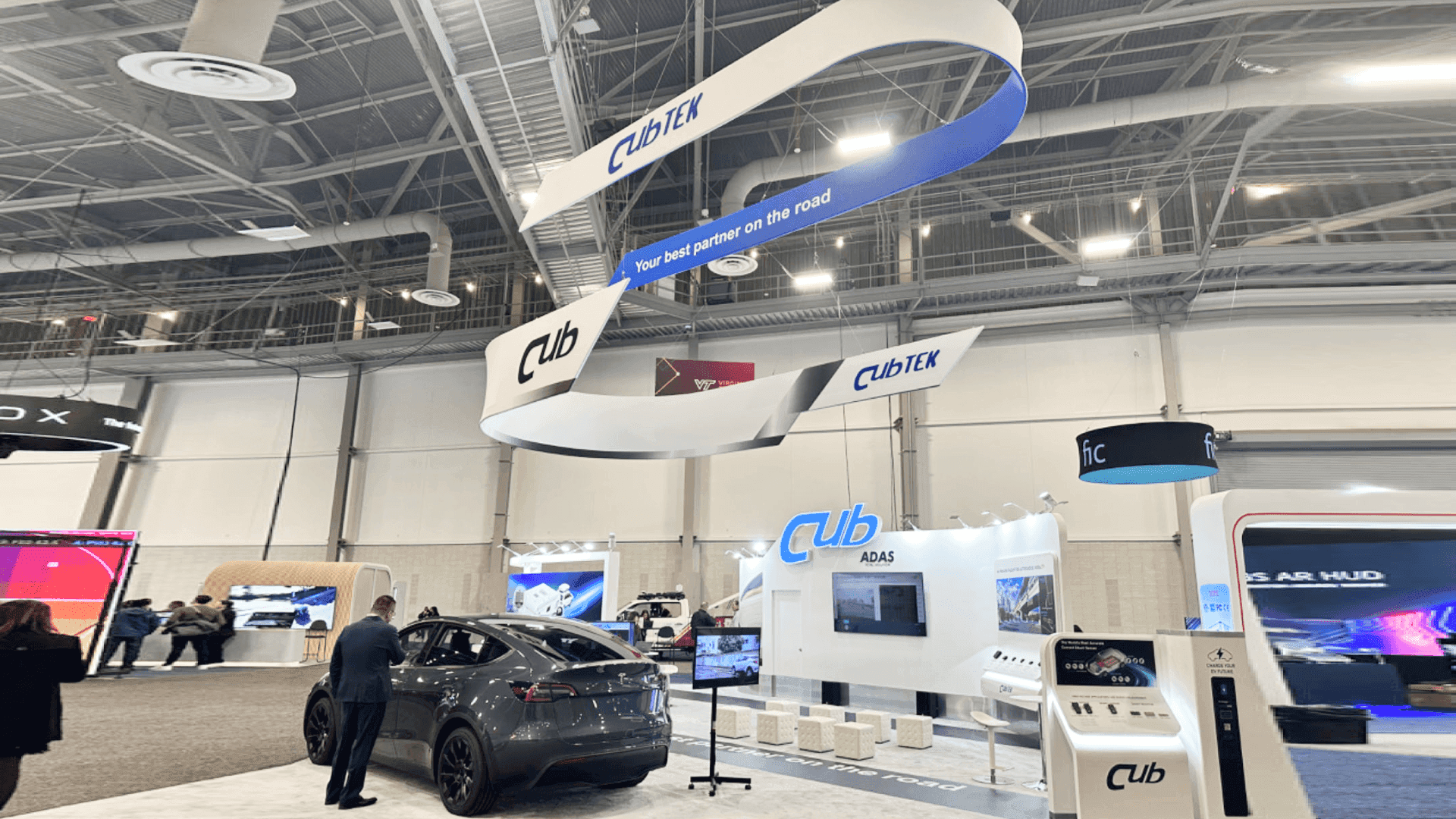
Workflow graphics, screen content, and models can help transit agency teams understand how charging equipment, batteries, vehicles, and depot operations connect in real fleet use.
Use Screens, Models, and Graphics as One Story
To make that fleet value easier to understand, the booth needs screens, models, and graphics working toward the same message. They should help visitors read the system clearly, not pull attention in different directions.
Screens can show dashboards, charging data, route planning, or maintenance workflows. Models can make a charger, depot layout, battery setup, or vehicle system easier to understand at a physical scale. Graphics should connect everything with simple system diagrams, infrastructure flow, safety points, and fleet value.
That is why graphics and brand presentation matters here. For zero-emission transit exhibitors, graphics are not just decoration. They help agency teams understand how equipment, operations, and deployment fit together.
Booth Size Fit for Zero-Emission Transit Exhibitors
Zero-emission transit booths often need more than one counter or one screen. Even a focused product may need room for a model, demo content, printed specs, and a real agency conversation.
Booth size | Better fit for | Planning notes |
|---|---|---|
10x20 | Charging product, battery sample, focused screen demo | Works when the product story is simple and direct |
20x20 | Electric bus solution, charging workflow, battery display, agency discussion area | Gives space to separate the product, screen content, and staff conversations |
20x30 | Fleet electrification demo, charging infrastructure model, multi-screen workflow, scheduled meetings | Better when the booth needs system explanation and deeper agency conversations |
Larger island booth | Vehicle display, larger charging equipment, multi-zone fleet solution | Useful when product scale or multiple demos need more room |
For many zero-emission transit exhibitors, 20x30 booth planning is often a practical fit. It gives enough space to explain the system clearly without making the booth feel crowded.
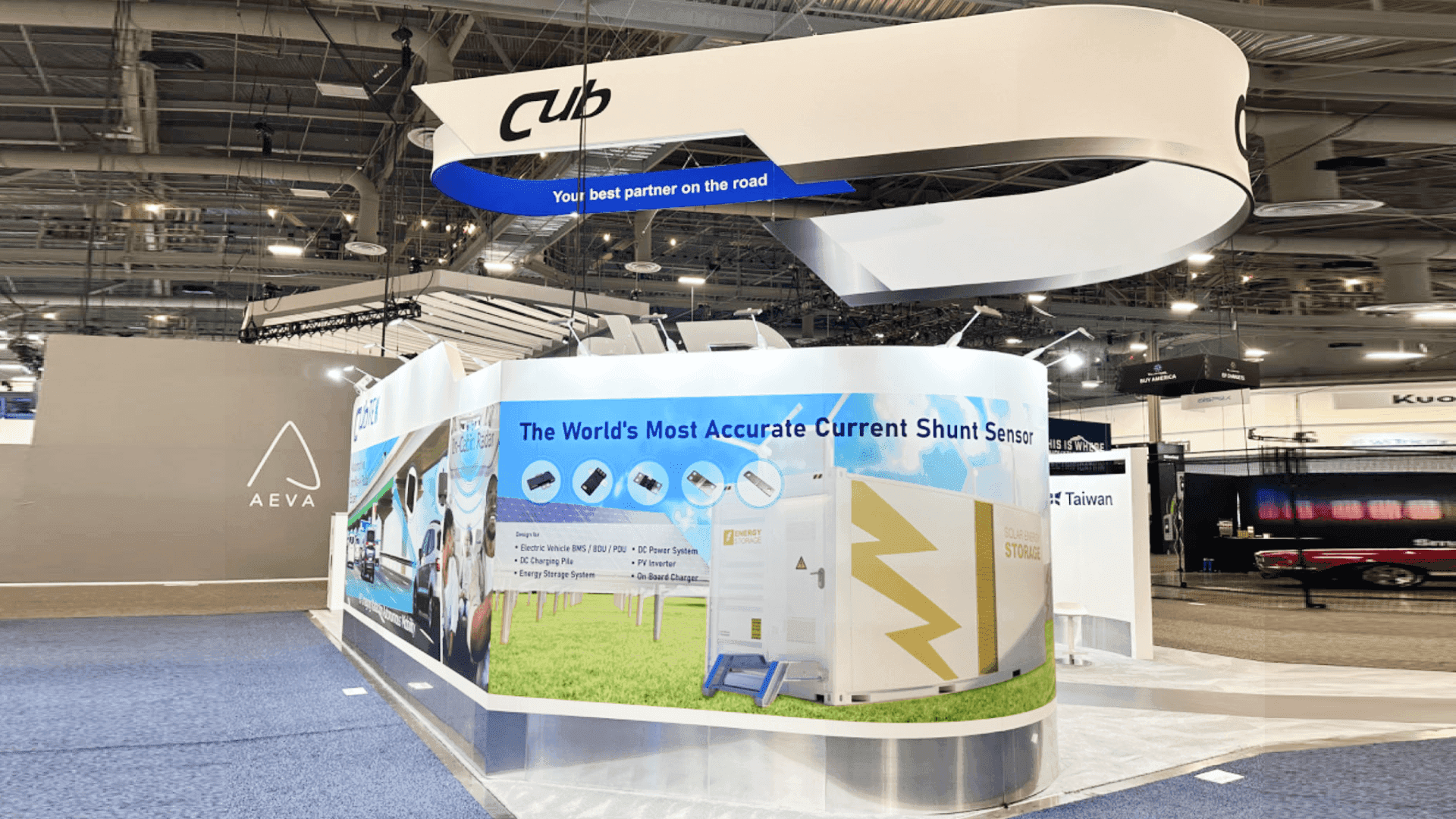
A 20x30 booth can give zero-emission transit exhibitors enough room for models, screen demos, printed specs, agency conversations, and Chicago show-site setup planning.
Chicago Show-Site Setup Notes
Zero-emission transit booths should be organized before they ship to Chicago. Charging equipment, battery samples, vehicle models, screens, and printed specs all need clear labels, stable placement, and a setup plan the on-site team can follow.
At McCormick Place, small details can affect how the booth works during the show. Screens should be easy to restart, models should be secure but simple to explain, and meeting materials should stay close to the discussion area.
This is where logistics and pre-show coordination becomes useful. For zero-emission transit exhibitors, the setup plan should cover freight timing, power needs, demo reset, staff handoff, and final checks before the floor opens.
Zero-Emission Transit Booth Planning Checklist
Start with the main product story: charging, battery, electric bus system, hydrogen, or fleet electrification
Decide what needs to be shown with a model, sample, screen, workflow graphic, or short demo
Make the fleet value clear, including operations, uptime, maintenance, and deployment needs
Use graphics to connect equipment, infrastructure, safety, and daily transit use
Choose booth size based on product scale, demo flow, and agency meeting needs
Check Chicago setup details before shipping, including labels, power, demo reset, handoff, and printed specs
FAQ
How should zero-emission transit products be displayed at APTA EXPO?
They should be shown in real fleet operations. A charger, battery system, electric bus platform, or hydrogen component is easier to understand when visitors can see how it connects to depot operations, route planning, uptime, maintenance, and deployment.
What booth size works for electric bus or charging infrastructure exhibitors?
A 20x20 or 20x30 booth often works better when the exhibit needs a model, screen demo, battery sample, charging workflow, or agency discussion space. A smaller booth can still work if the product story is focused.
How can graphics explain fleet electrification clearly?
Graphics should make the system easier to read. Simple diagrams, charging workflows, safety points, and fleet value visuals can show how the equipment fits daily transit service without turning the first conversation into a long technical explanation.