What Is the Booth Best At?
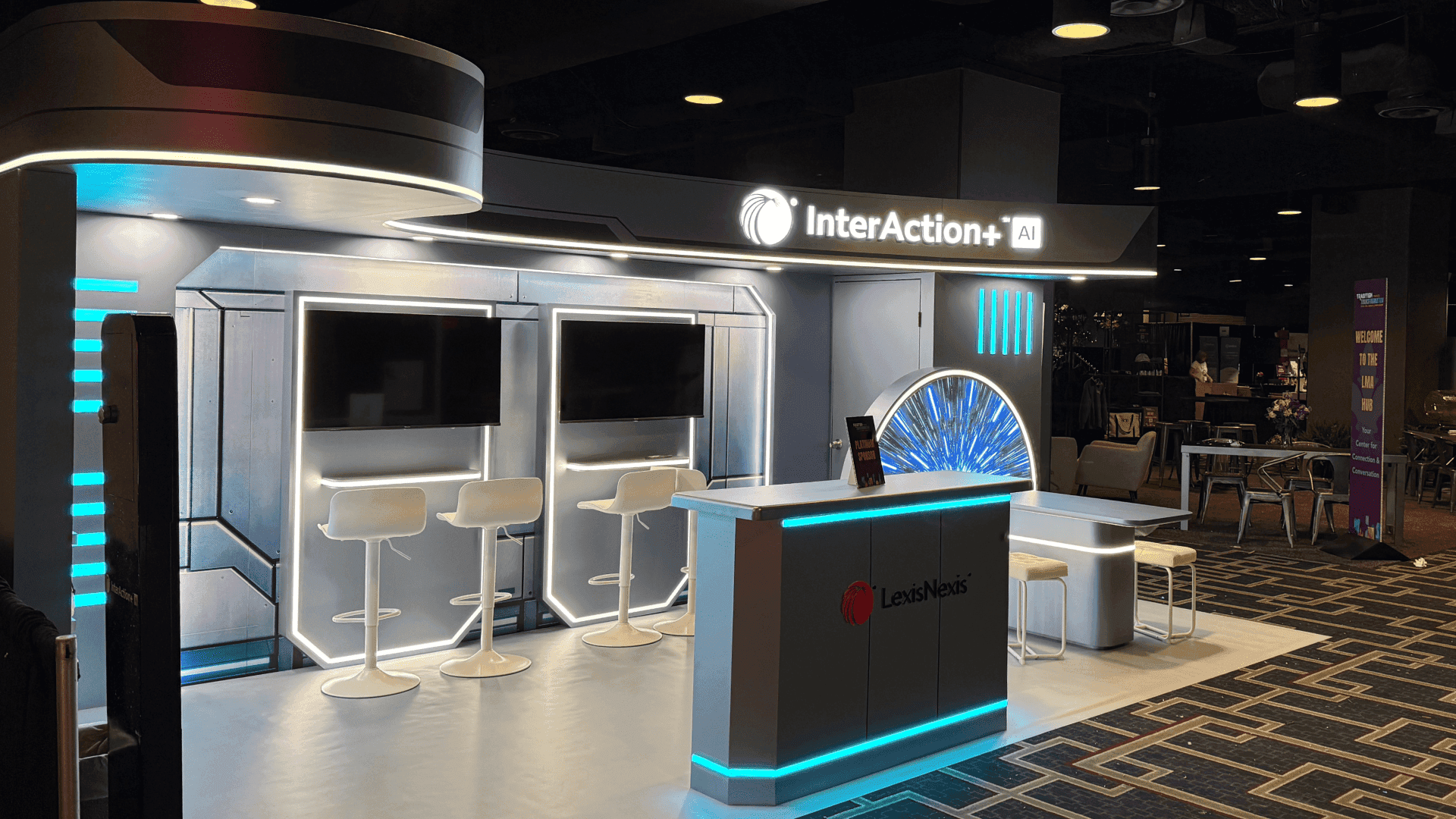
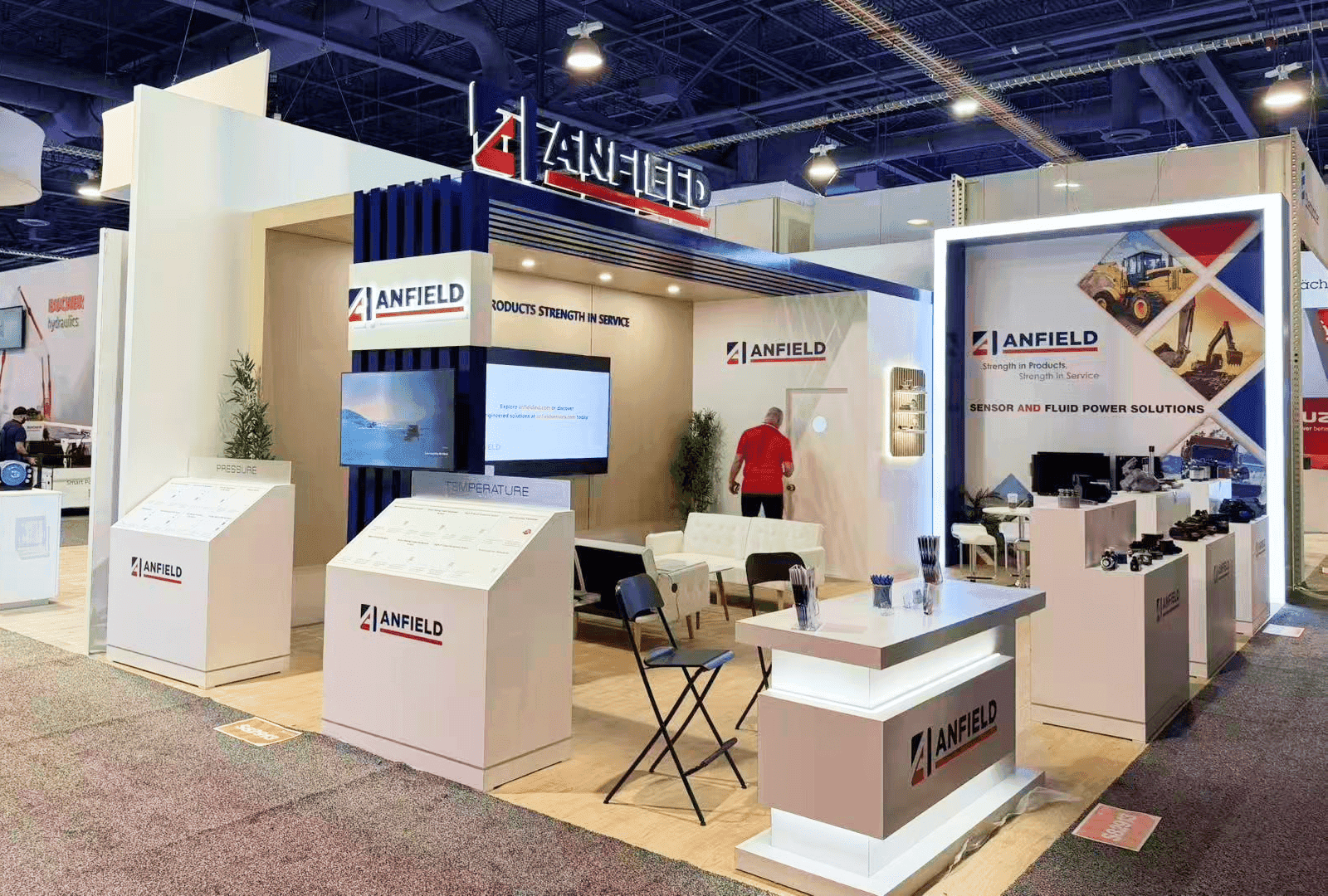
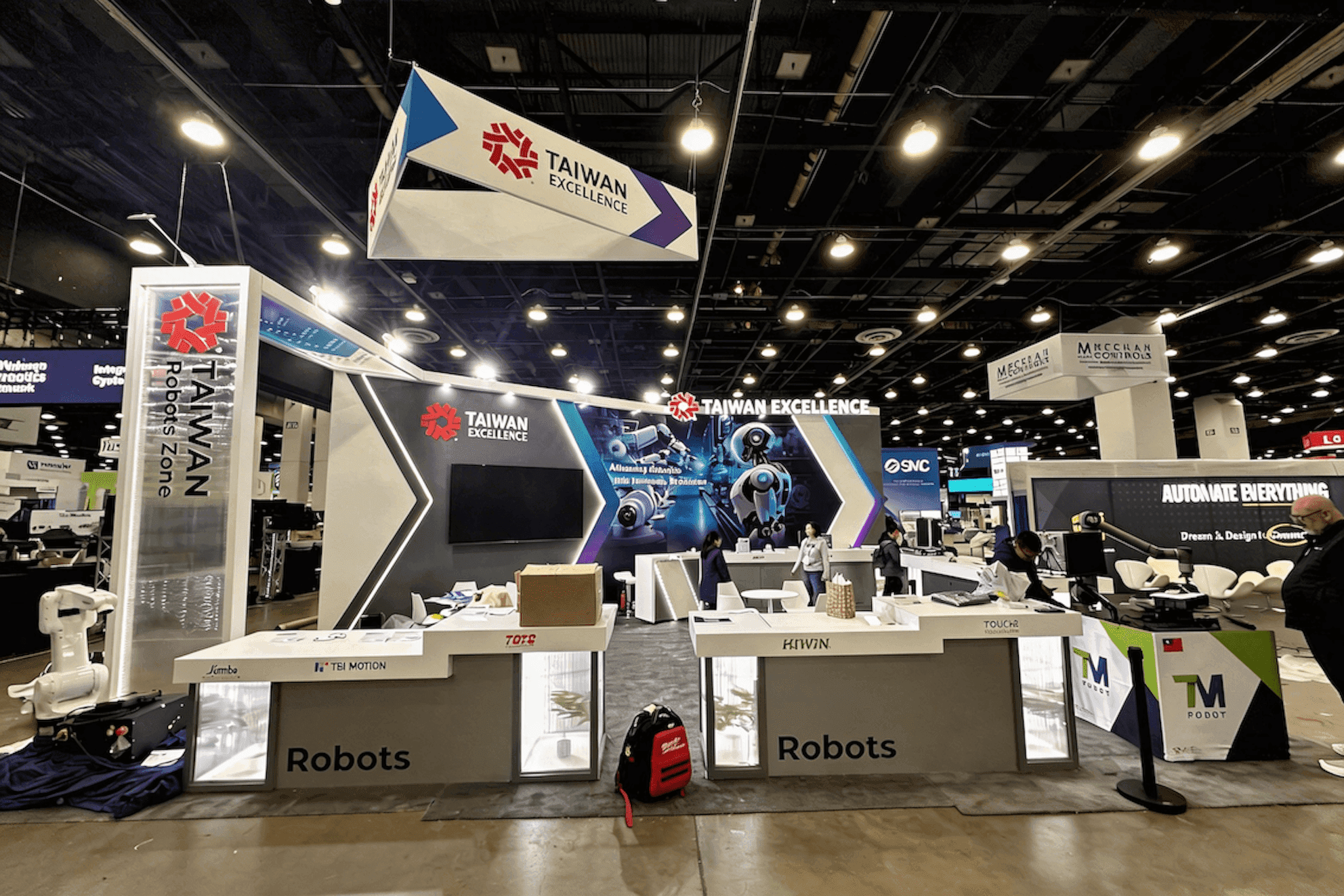
The booth is strongest at the first product interaction. Visitors can see the product, inspect something physical, watch a short demonstration, and ask the question that tells staff whether there is real interest.
That first interaction should be easy to enter and easy to leave. Problems start when a product explanation becomes a long presentation, a demonstration keeps the same station occupied, or a technical conversation leaves the next visitor waiting.
For a complex system that genuinely needs a longer physical evaluation, OSET arthroplasty booth planning goes deeper into inspection, demonstrations, technical discussion, and reset. In the broader engagement plan, however, the booth has a simpler job: establish relevance, give the visitor first-hand product understanding, and identify who wants to continue.

An OSET booth can handle product inspection and short demonstrations, while Spotlight or Theatre formats can carry a more developed technology or technique story.
What Deserves a Spotlight?
A Spotlight becomes useful when one idea needs to be heard from beginning to end.
A technology position, a defined clinical or technical issue, or an explanation that loses meaning when broken into short aisle conversations is difficult to deliver repeatedly in a busy booth. A Spotlight gives that idea continuity and room for structured questions.
It should not restart the product story. Visitors who already understand what the product is do not need another basic introduction. The Spotlight should begin with the part the booth could not finish: the reasoning behind the technology, the point the exhibitor wants the audience to understand, or questions that benefit from a more focused Q&A.
A simple test is:
Does the audience need several uninterrupted minutes to understand the point?
If so, the content has probably moved beyond what the booth does best.
What Belongs in Theatre in the Round?
Some stories need more than uninterrupted explanation. They need the audience to see a complete sequence.
That might be a fuller demonstration, a case, a technique walkthrough, or a moderated presentation where understanding depends on seeing how one step connects to the next. Trying to compress that into a busy booth interaction can leave the sequence unfinished while tying up the display area for everyone else.
OSET describes its Theatre in the Round / Summit Showcase format as a 20-minute non-CME presentation during an exhibit break, with uses that include demonstrations, case reviews, technique showcases, and moderated discussion.
Theatre should therefore add something the booth cannot: more context, a complete sequence, and enough attention for the audience to follow what is happening. It should not simply be the booth demo moved to a bigger presentation area.
When Is a Focus Group the Better Format?
A Focus Group becomes more useful when the exhibitor needs to stop presenting and start listening.
The goal may be to understand how surgeons react to a product concept, what objections or questions keep appearing, where adoption may be difficult, or which assumptions need to be challenged. Those questions are hard to explore during a short booth visit because the exhibitor needs time to ask follow-up questions rather than move immediately to the next person.
OSET currently lists non-CME Industry Focus Groups as a distinct exhibitor opportunity, separate from Spotlights, Theatre, and booths.
That creates a clean distinction:
Spotlight: present one focused idea.
Theatre: show a fuller sequence.
Focus Group: hear what participants think.
If most of a Focus Group is still the sponsor talking, it is probably being used like another presentation rather than a feedback format.

An OSET Industry Focus Group shifts the interaction from presenting the product to hearing specialist reactions, questions, and structured feedback.
How Should One Product Story Change Across the Four Formats?
Consider an arthroplasty technology that has already been introduced in the booth.
The visitor has seen the main components, followed a short workflow, and shown enough interest to continue. At that point, the next format should be chosen according to what is still missing.
If the visitor understands the hardware but still needs one technical idea explained clearly, a Spotlight can focus on that unfinished piece. There is no need to repeat the product introduction.
If the missing piece is a full sequence—a demonstration, case, or technique that only makes sense when watched from beginning to end—Theatre in the Round can provide the continuity the booth could not.
If the product is already understood and the exhibitor now needs reactions, objections, or feedback, the job has changed. A Focus Group should stop adding presentation and start asking questions.
Format | Visitor Role | What This Format Adds | What Not to Repeat |
|---|---|---|---|
Booth | Inspect, ask, decide whether to continue | Physical access, short workflow, focused demo, first questions | Long presentation |
Spotlight | Listen and question | One focused idea with continuity and Q&A | Basic product introduction |
Theatre in the Round | Watch, follow, discuss | Complete demo, case, technique, or moderated sequence | A larger copy of the booth demo |
Focus Group | React and contribute | Feedback, objections, adoption questions, discussion | Sponsor lecture |
The product has not changed. The unfinished job has.
Two questions are enough to test the plan:
What job is still unfinished after the previous interaction?
What new value does the next format add?
If the answer is simply “the same deck with more time,” the formats are not being used differently enough.
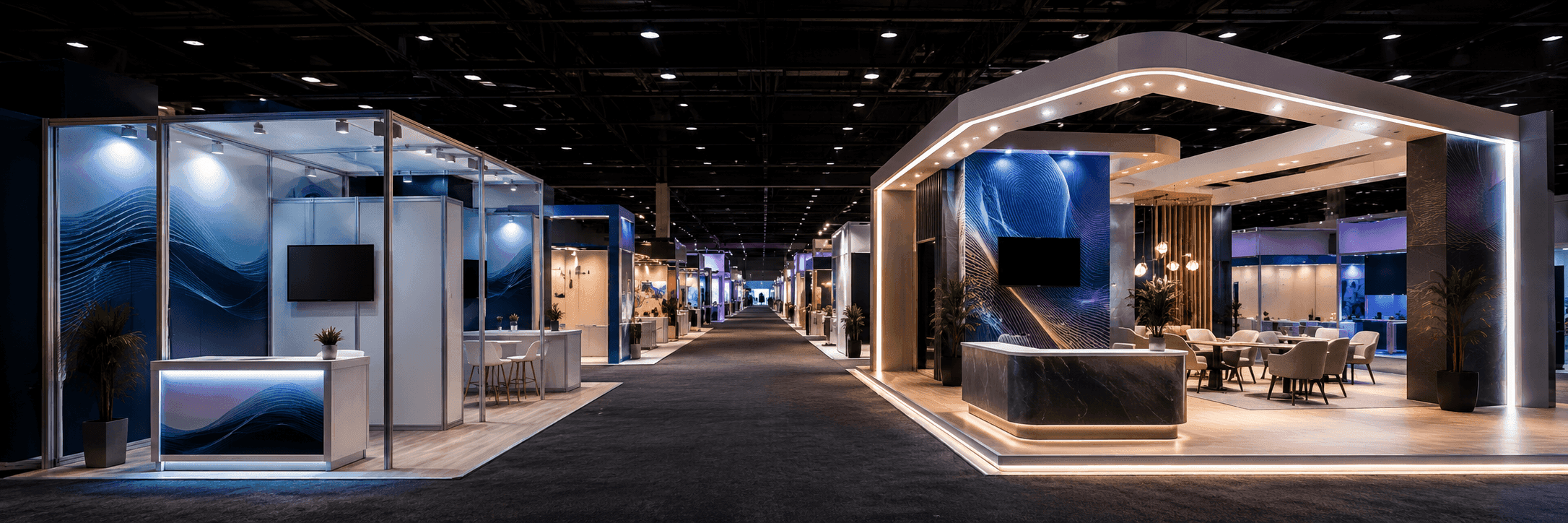
Once the booth's share of the story is clear, booth design and engineering can translate that role into physical product display, demo space, screens, storage, and visitor flow without trying to build the entire education program into the exhibit.
What Should Staff Carry From One Interaction to the Next?
Visitors should not have to restart the story every time they move into another OSET format.
The next staff member only needs a few pieces of context:
which product or system caught the visitor's attention;
what they have already seen;
which question brought them deeper;
what they still want to understand.
That is enough to start the next interaction at the right level.
Someone who has already inspected the system in the booth does not need the same product introduction again. The next format should move the conversation forward.
FAQ
Should OSET exhibitors repeat the same presentation in the booth and Spotlight?
No. The booth should establish the product and first interest. A Spotlight should begin where that interaction stops, adding a focused explanation or Q&A instead of restarting the same story.
What is the difference between an OSET Spotlight and an Industry Focus Group?
A Spotlight is mainly for presenting one focused idea and answering questions. A Focus Group is more useful when the exhibitor wants participants to react, discuss, and provide structured feedback.
When should an OSET demo move from the booth to Theatre in the Round?
Use Theatre when the demonstration needs a complete sequence, case context, or sustained audience attention that would be difficult to maintain at a busy booth evaluation point. Short product inspection and focused demos can remain on the exhibit floor.